
Choose from a wide range of NEWCV resume templates and customize your NEWCV design with a single click.

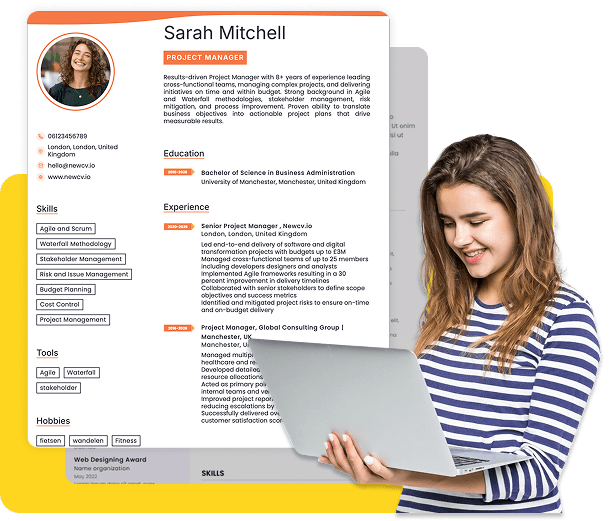
Use ATS-optimised Resume and resume templates that pass applicant tracking systems. Our Resume builder helps recruiters read, scan, and shortlist your Resume faster.

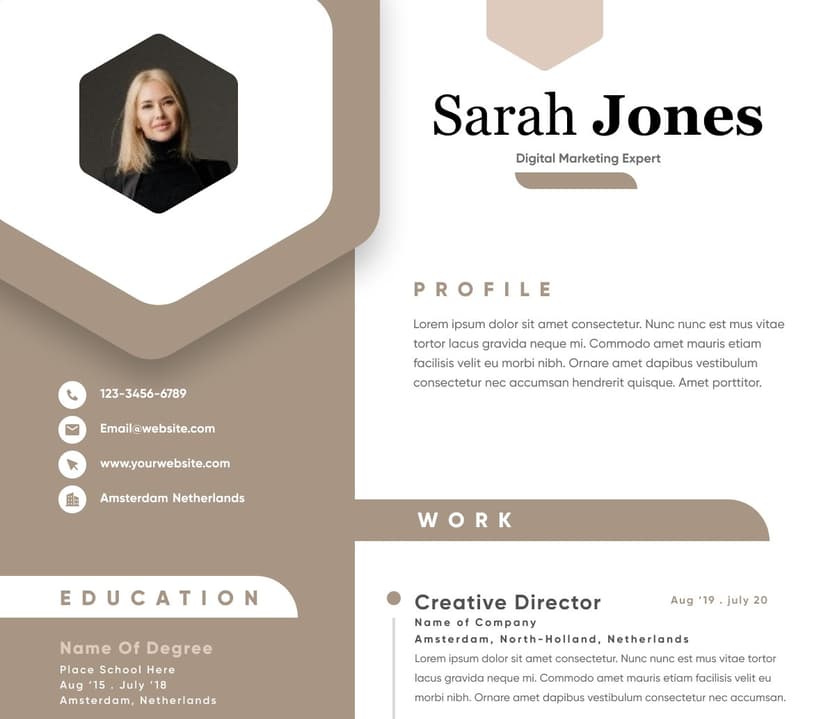
Use professional field-tested resume templates that follow the exact Resume rules employers look for.
Create Resume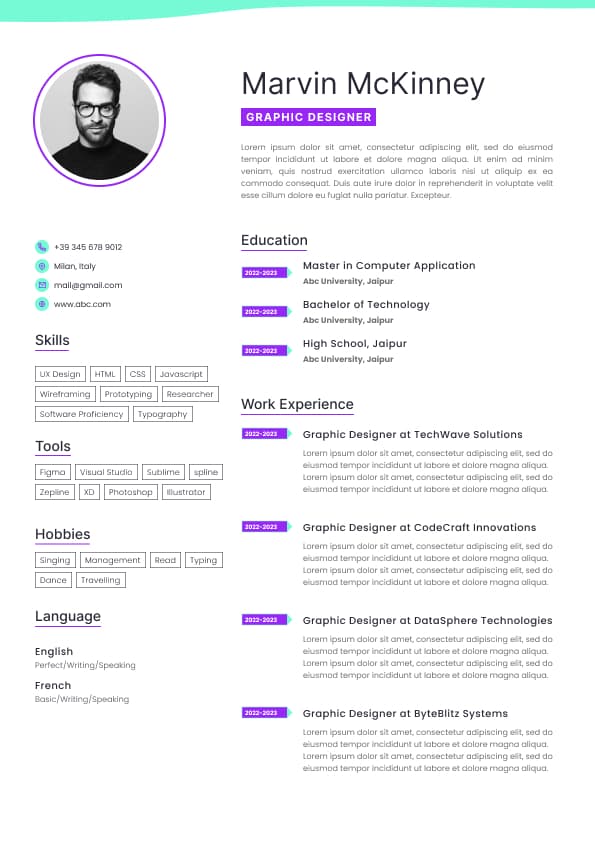
Use professional field-tested resume templates that follow the exact Resume rules employers look for.
Create ResumeIf your resume is not getting results on SEEK, the issue is usually not your experience. It is how your resume is positioned, structured, and interpreted during recruiter screening.
Australian recruiters often spend less than 30 seconds deciding whether to shortlist a candidate. On SEEK, hiring managers and recruiters scan resumes fast, compare applicants side by side, and filter heavily based on relevance, clarity, and alignment with the advertised role.
The candidates who consistently get interviews are not always the most qualified. They are the candidates whose resumes make it immediately obvious:
• What role they fit
• What level they operate at
• What outcomes they deliver
• Why they are relevant to this specific job
A strong SEEK resume is not about fancy formatting or stuffing keywords everywhere. It is about strategic positioning, ATS readability, recruiter psychology, and alignment with how Australian hiring teams actually shortlist candidates.
Most candidates misunderstand how resumes are reviewed on SEEK.
Recruiters are not reading resumes line by line from top to bottom. They are scanning for evidence that the candidate matches the role quickly and with minimal effort.
In most Australian hiring environments, recruiters are trying to answer five questions immediately:
•Does this candidate match the core requirements?
• Have they worked in a similar environment before?
• Are they at the right seniority level?
• Can they deliver measurable outcomes?
• Is there any risk in progressing them?
If your resume forces the recruiter to “figure out” your suitability, you usually lose the shortlist race.
That is why highly qualified candidates still get rejected.
Most resume advice online is too generic and disconnected from real recruiter behaviour.
These are the mistakes Australian recruiters reject resumes for repeatedly.
One of the biggest reasons candidates fail on SEEK is because they use one resume for every application.
Australian recruiters expect relevance.
If your resume looks broad, vague, or disconnected from the advertised role, you immediately become harder to shortlist.
A resume for a project coordinator role should not read like a general administration resume.
A sales manager resume should not heavily emphasise customer service tasks.
Positioning matters more than candidates realise.
Recruiters care far more about results than duties.
Weak resumes describe tasks.
Strong resumes demonstrate impact.
Weak Example
•Responsible for managing customer accounts
• Assisted with reporting and administration
• Worked with internal stakeholders
Good Example
The second version demonstrates business value immediately.
That changes how recruiters perceive capability.
Fancy graphics, columns, icons, and complicated layouts often hurt performance on SEEK.
Most Australian recruiters prefer resumes that are:
• Clean
• Easy to scan
• ATS-friendly
• Structured logically
Overdesigned resumes create friction.
A simple resume with strong positioning almost always outperforms a visually impressive resume with weak clarity.
Recruiters should not need to search for:
• Your current role
• Your years of experience
• Your location
• Your industry background
• Your core expertise
If key information is buried or unclear, recruiters move on quickly.
Many candidates misunderstand ATS systems.
ATS software on SEEK is not usually “rejecting” candidates automatically in the dramatic way social media claims.
In Australian recruitment, ATS systems are primarily used to:
• Organise applications
• Search keywords
• Filter based on requirements
• Help recruiters manage volume
The human recruiter still makes the real shortlist decision.
However, ATS compatibility still matters because recruiters search databases using keywords and relevance signals.
If your resume lacks the terminology used in the job ad, you become harder to find and harder to assess quickly.
Recruiters search resumes using role-specific keywords.
If the role asks for:
• Stakeholder engagement
• Project delivery
• CRM management
• WHS compliance
• Financial reporting
Your resume should naturally include those terms where genuinely relevant.
Do not keyword stuff.
Instead, mirror the language used in the Australian market.
This improves:
• ATS visibility
• Recruiter confidence
• Perceived alignment
The top section of your resume heavily influences recruiter perception.
Weak headlines are vague.
Weak Example
Experienced professional seeking new opportunities
Strong headlines position the candidate clearly.
Good Example
Operations Coordinator with 7+ Years’ Experience in FMCG and Supply Chain
Or:
Senior HR Advisor Specialising in Employee Relations and Workforce Compliance
This instantly frames relevance.
Recruiters care most about relevance, not chronology alone.
If you are changing industries or roles, your most relevant transferable experience should dominate the resume.
Candidates often lose interviews because:
• Important experience is buried
• Irrelevant experience takes too much space
• The resume lacks a clear career narrative
Every section should reinforce your target role.
While formats vary slightly by industry, most Australian recruiters prefer resumes that are:
• Clear
• Professional
• Easy to navigate
• Focused on relevance and outcomes
A strong SEEK resume usually includes:
A short positioning summary that explains:
• Your background
• Years of experience
• Industry expertise
• Core strengths
• Target role alignment
This is not a personal statement.
It is a strategic positioning tool.
Use a focused skills section aligned to the role.
For example:
• Stakeholder Management
• Contract Administration
• Data Analysis
• Budget Management
• Talent Acquisition
• Project Coordination
Avoid long lists of generic soft skills.
This is where most hiring decisions happen.
Each role should include:
• Clear job title
• Company name
• Dates
• Brief context if needed
• Measurable achievements
Strong resumes focus heavily on:
• Results
• Scale
• Complexity
• Business impact
In Australia, this section matters more in some industries than others.
For example:
• Accounting
• Engineering
• Healthcare
• Government
• Construction
• Education
Industry expectations matter.
The old “one-page resume” rule is mostly outdated in Australia.
Most experienced professionals should aim for:
• 2 pages for mid-level candidates
• 3 pages maximum for senior professionals
The real issue is not length.
It is relevance density.
A strong 3-page resume is better than a weak 1-page resume that lacks evidence.
Recruiters will absolutely read longer resumes if the content is highly relevant.
Recruiters and hiring managers often evaluate things candidates never realise are being assessed.
Frequent short-term roles can raise concerns unless explained properly.
This does not automatically disqualify candidates, especially in:
• Contracting
• Project-based industries
• Tech
• Consulting
But unexplained movement creates risk perception.
Candidates often apply above or below their demonstrated level.
For example:
• Operational resumes applying for strategic leadership roles
• Team leader resumes applying for executive roles
• Junior candidates overstating seniority
Your resume must prove the level you are targeting.
Australian employers increasingly value candidates who understand business outcomes.
Recruiters notice resumes that demonstrate:
• Revenue impact
• Cost reduction
• Efficiency improvements
• Compliance outcomes
• Customer retention
• Operational improvements
Business impact creates stronger hiring confidence.
Career changers face a positioning challenge, not just an experience challenge.
The mistake most candidates make is forcing recruiters to connect the dots themselves.
Instead:
• Translate transferable skills clearly
• Reposition previous achievements toward the new role
• Reduce emphasis on irrelevant tasks
• Align terminology with the target industry
The goal is to reduce recruiter uncertainty.
Recruiters shortlist low-risk candidates faster.
Most candidates dramatically undersell themselves.
Strong bullet points usually include:
• Action
• Context
• Result
• Measurable impact where possible
A useful framework is:
Action + Problem + Outcome
Weak Example
Good Example
The second version sounds commercially valuable.
That matters during shortlist decisions.
Australian hiring culture generally values:
• Confidence without arrogance
• Clear communication
• Practicality
• Directness
• Credibility
Overly inflated resumes often backfire.
Recruiters can usually spot exaggerated language quickly.
Avoid phrases like:
• Dynamic go-getter
• Results-driven ninja
• Passionate thought leader
• Guru
• Rockstar
These weaken professional credibility.
Strong resumes sound grounded, capable, and commercially aware.
Keyword optimisation matters.
Keyword stuffing does not.
Recruiters notice when resumes feel artificially written for ATS systems.
Instead:
• Use natural terminology
• Match genuine skills to the job ad
• Include industry-standard language
• Reflect Australian market terminology
Good keyword optimisation improves discoverability without sacrificing readability.
Australian recruiters often reject resumes quickly for these reasons:
•Poor relevance to the advertised role
• Lack of measurable outcomes
• Generic summaries
• Excessive job hopping without explanation
• Cluttered formatting
• Obvious keyword stuffing
• Spelling or grammar issues
• Inconsistent career positioning
• No evidence of required capabilities
• Resume feels confusing or unfocused
The biggest issue is usually lack of positioning clarity.
AI can help with:
• Structure
• Drafting
• Rewording achievements
• Identifying missing keywords
• Improving clarity
But many AI-generated resumes fail because they sound generic and inflated.
Recruiters increasingly recognise:
• Repetitive phrasing
• Artificial buzzwords
• Generic achievements
• Vague corporate language
The best resumes still require human strategy.
Your resume should reflect:
• Real outcomes
• Actual experience
• Genuine positioning
• Market alignment
AI should support your thinking, not replace it.
The strongest resumes are not written from the candidate’s perspective.
They are written from the employer’s decision-making perspective.
That changes everything.
Instead of asking:
“What do I want to say?”
Ask:
“What evidence does the recruiter need to confidently shortlist me?”
That mindset shift creates stronger resumes immediately.
A strong SEEK resume is not about tricks, templates, or gaming ATS systems.
It is about reducing recruiter uncertainty.
The best-performing resumes in Australia consistently do four things well:
• Position the candidate clearly
• Match the role closely
• Demonstrate measurable impact
• Make shortlisting easy
If recruiters can quickly understand:
• What you do
• What level you operate at
• What problems you solve
• Why you fit the role
You dramatically improve your interview chances.
Most candidates focus too heavily on formatting.
Recruiters focus on relevance, clarity, credibility, and evidence.
That is what gets shortlisted.


 Upload Resume
 Import from Linkedin