
Choose from a wide range of NEWCV resume templates and customize your NEWCV design with a single click.

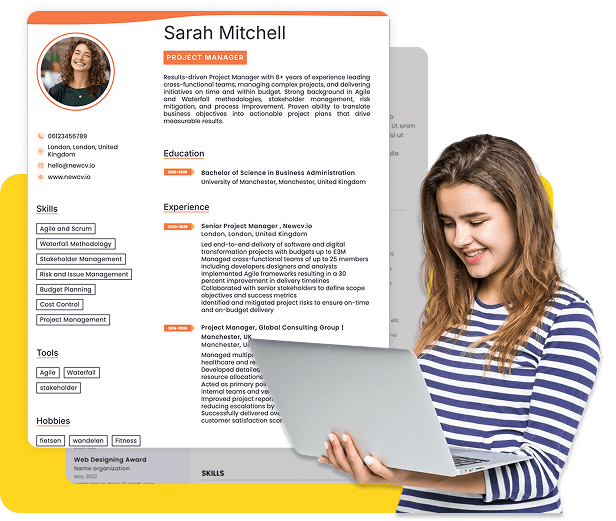
Use ATS-optimised Resume and resume templates that pass applicant tracking systems. Our Resume builder helps recruiters read, scan, and shortlist your Resume faster.

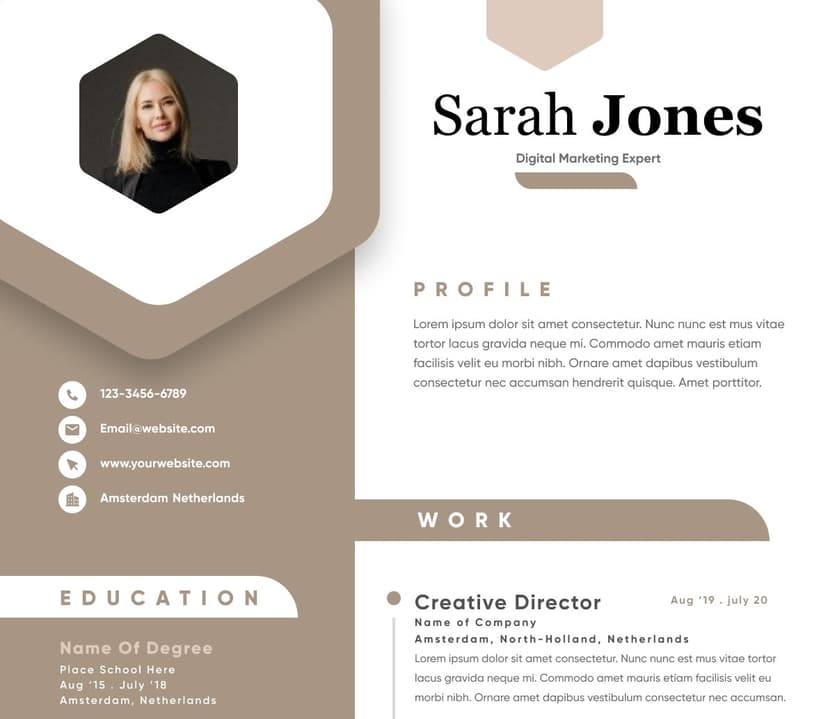
Use professional field-tested resume templates that follow the exact Resume rules employers look for.
Create Resume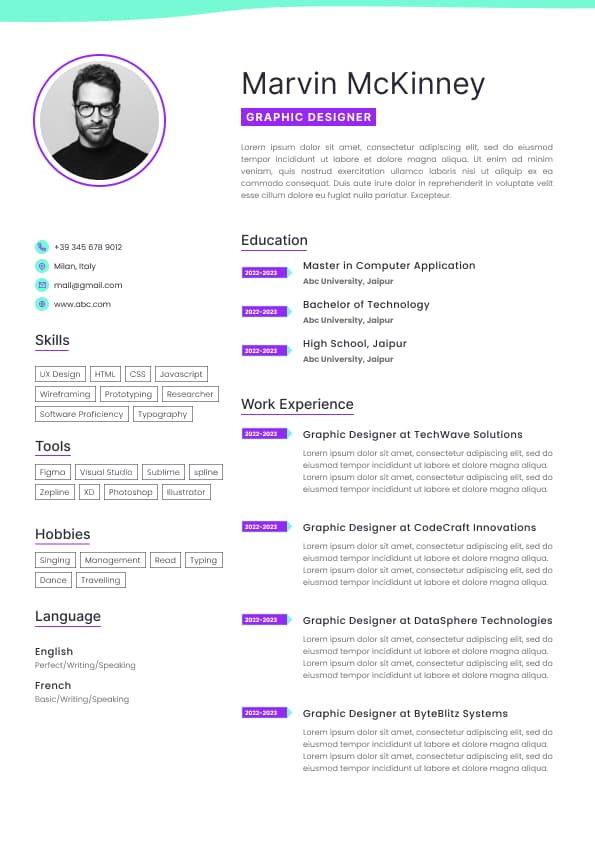
Use professional field-tested resume templates that follow the exact Resume rules employers look for.
Create ResumeIf you are applying for jobs in Australia, the safest and most recruiter-friendly approach is a clean, ATS-friendly resume without a photo unless the employer specifically asks for one.
This article explains when a photo helps, when it hurts, how Australian recruiters actually assess resumes, and what most candidates get wrong about modern Australian hiring expectations.
Australia follows hiring practices that are closer to the UK than many European or Asian markets. In most industries, resumes are expected to be professional, skills-focused, and free from personal details that are irrelevant to job performance.
That includes:
Photos
Date of birth
Marital status
Religion
Nationality
Gender identifiers unless relevant
Full home address
Most recruiters in Australia are trained to minimise bias during screening. A photo introduces unnecessary visual information before your skills have been assessed.
Most Australian recruiters will not reject you purely because you included a photo.
However, many recruiters privately associate resume photos with:
Overseas resume formats not aligned with Australian standards
Inexperienced applicants
Candidates copying outdated templates
Poor understanding of ATS systems
Style-over-substance applications
This is especially true in:
Corporate roles
Government positions
From a recruiter perspective, the concern is not just discrimination risk. A photo also signals that the candidate may not understand Australian hiring norms.
In competitive hiring markets, small signals matter.
White-collar professional jobs
Graduate programs
Technical industries
Mining and engineering
Healthcare
Education
Recruiters typically spend seconds on an initial scan. Anything that creates friction, confusion, or unnecessary attention can reduce interview chances.
A photo rarely improves your application in these industries.
Many candidates assume a professional photo creates a stronger first impression.
In reality, Australian recruiters prioritise:
Resume relevance
Career alignment
Recent experience
Achievements
Stability
Communication clarity
ATS readability
Industry fit
A photo does not strengthen any of those evaluation factors.
A strong candidate without a photo almost always outperforms a weaker candidate with one.
The biggest hiring advantage comes from positioning, not appearance.
One of the biggest practical reasons to avoid photos is ATS compatibility.
Many Australian employers use Applicant Tracking Systems such as:
Workday
PageUp
SuccessFactors
Greenhouse
Lever
SmartRecruiters
Photos can sometimes:
Disrupt resume parsing
Break formatting
Increase file size unnecessarily
Cause layout issues on mobile recruiter screens
Reduce ATS readability in older systems
Modern ATS platforms are better than they used to be, but recruiters still strongly prefer simple, clean resume formatting.
The safest structure remains:
Word document or clean PDF
No tables unless necessary
No graphics
No icons
No photos
Standard headings
Clear text hierarchy
Candidates often underestimate how many resumes are reviewed rapidly on laptops, phones, or ATS preview windows.
Simple resumes consistently perform better.
There are specific industries and situations where a professional photo may be appropriate.
These include:
Acting
Modelling
TV and media
Influencer or creator roles
Personal branding businesses
Some hospitality positions
Luxury retail
Real estate sales
Promotional staffing
Even then, expectations vary by employer.
For example:
A Sydney corporate real estate firm may appreciate polished branding
A government communications role usually would not
The key question is:
Does appearance directly influence the hiring decision or client-facing requirements of the role?
If the answer is no, skip the photo.
A major point of confusion is LinkedIn.
In Australia:
LinkedIn profiles SHOULD usually include a professional photo
Resumes generally should NOT
These serve different purposes.
LinkedIn is a professional networking and branding platform. Recruiters expect profiles to feel personal and credible.
Your resume is a screening document designed for fast evaluation and ATS processing.
Candidates often mistakenly apply LinkedIn branding logic to resumes.
They are not the same thing.
Candidates often focus on cosmetic details while overlooking the factors that genuinely drive interview decisions.
Australian recruiters care far more about:
Resume relevance to the target role
Clear career progression
Measurable achievements
Industry alignment
Stable employment history
Communication quality
Keyword alignment
Professional presentation
Easy readability
A well-positioned resume creates confidence quickly.
A photo does not compensate for weak positioning.
There are several situations where including a photo may actively reduce your chances.
Government hiring processes in Australia are usually highly structured and compliance-focused.
Photos are generally considered unnecessary and unprofessional in these applications.
Large employers often prefer neutral, bias-minimised screening practices.
Photos can feel out of place in:
Banking
Consulting
Legal
Finance
HR
Technology
Engineering
High-volume recruitment environments prioritise efficiency.
Recruiters reviewing hundreds of resumes do not want visual distractions.
This is extremely common.
Candidates often use:
Cropped wedding photos
Casual selfies
Over-edited images
Outdated headshots
Low-resolution photos
A weak photo damages credibility faster than no photo at all.
Many candidates add a photo because they believe it makes them more memorable.
But memorable is not always positive.
Recruiters are trained to assess suitability quickly. Any element that feels unusual, distracting, or non-standard creates friction.
The strongest resumes in Australia tend to feel:
Clear
Modern
Professional
Efficient
Easy to assess
A photo can unintentionally make the resume feel less aligned with Australian hiring norms.
That subtle perception matters more than candidates realise.
If your goal is to create a stronger first impression, focus on elements that genuinely influence recruiter decisions.
A strong opening summary creates immediate positioning clarity.
Good summaries quickly communicate:
Your profession
Years of experience
Industry expertise
Key strengths
Career focus
Value proposition
Recruiters respond strongly to measurable impact.
Instead of listing duties:
Show outcomes
Show scale
Show business value
Show leadership
Show performance improvements
Tailored resumes consistently outperform generic resumes.
Candidates who align their experience to the job requirements are far more likely to progress.
If personal branding matters in your field:
Use a strong LinkedIn photo
Improve your headline
Add measurable achievements
Build industry credibility online
That is where professional image presentation belongs in the Australian market.
This is one of the most common resume mistakes made by migrants and international applicants in Australia.
Many countries normally expect resume photos, including parts of:
Europe
Asia
Middle East
South America
However, Australian hiring expectations are different.
If you are applying for Australian jobs:
Adapt to Australian resume standards
Remove the photo unless explicitly requested
Focus on local formatting expectations
Prioritise ATS compatibility
Candidates who localise their resume style generally perform better.
A modern Australian resume should prioritise clarity, positioning, and relevance.
Typically include:
Name and contact details
LinkedIn profile
Professional summary
Core skills
Work experience
Achievements
Education
Certifications if relevant
Optional sections may include:
Technical skills
Licences
Security clearances
Professional memberships
But avoid unnecessary personal information.
Australian resumes are increasingly moving toward leaner, achievement-focused formats.
Usually false in professional hiring.
Your achievements and positioning create memorability.
Senior executives in Australia still rarely include photos on resumes.
Executive branding typically happens through:
Speaking engagements
Industry reputation
Board profiles
Not resume photos.
Recruiters care more about whether you can perform the role.
Your interview is where personal presence becomes important.
This is not true in the Australian market.
Most strong Australian resumes do not include photos.
For the vast majority of Australian jobs:
No, you should not include a photo on your resume.
It usually provides little benefit and can sometimes weaken your application.
The best-performing Australian resumes focus on:
Clear positioning
Relevant experience
Measurable achievements
Strong formatting
ATS compatibility
Fast recruiter readability
If appearance is genuinely relevant to the role, a professional photo may be acceptable.
Otherwise, your energy is far better spent improving:
Resume relevance
Achievement quality
Role targeting
LinkedIn presence
Interview readiness
That is what actually increases interview conversion rates in the Australian job market.


 Upload Resume
 Import from Linkedin