STILL APPLYING. STILL HEARING NOTHING?BUILD YOUR RESUME

STILL APPLYING. STILL HEARING NOTHING?BUILD YOUR RESUME
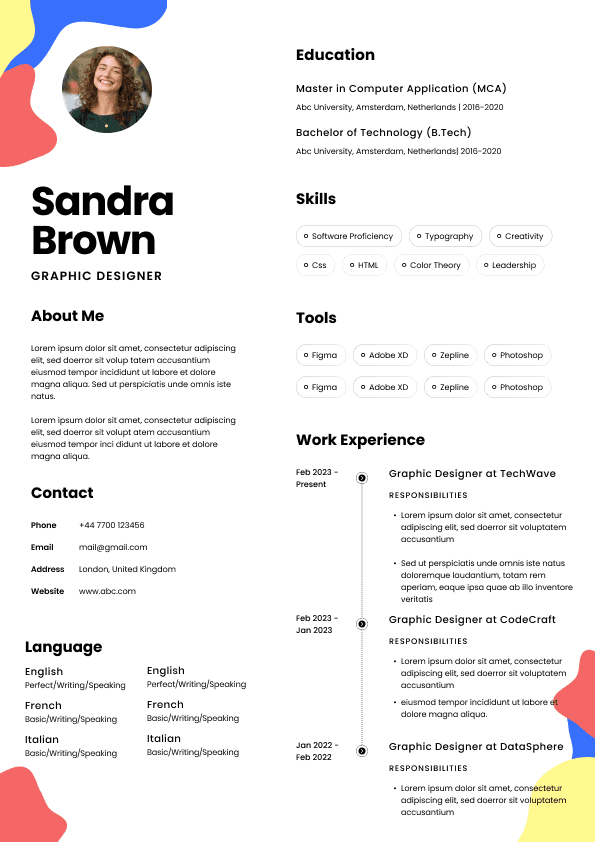
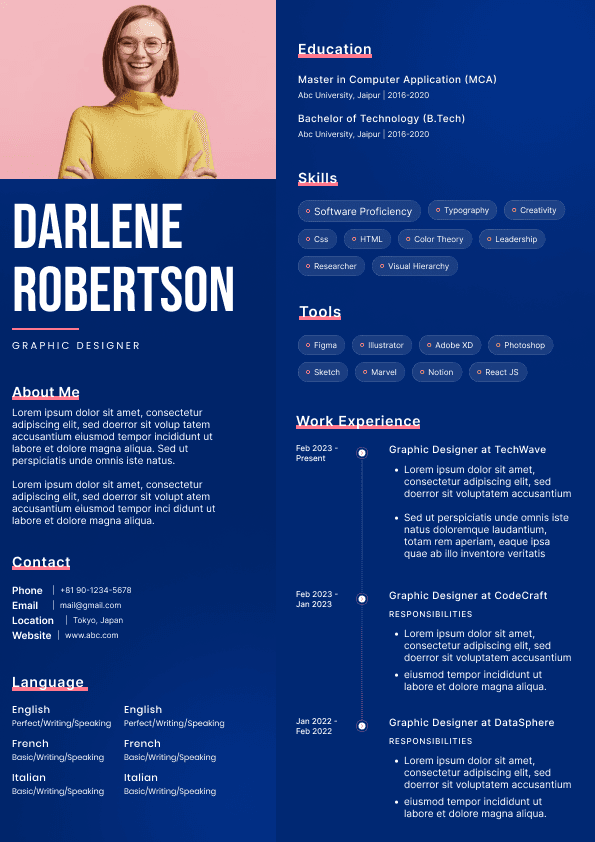
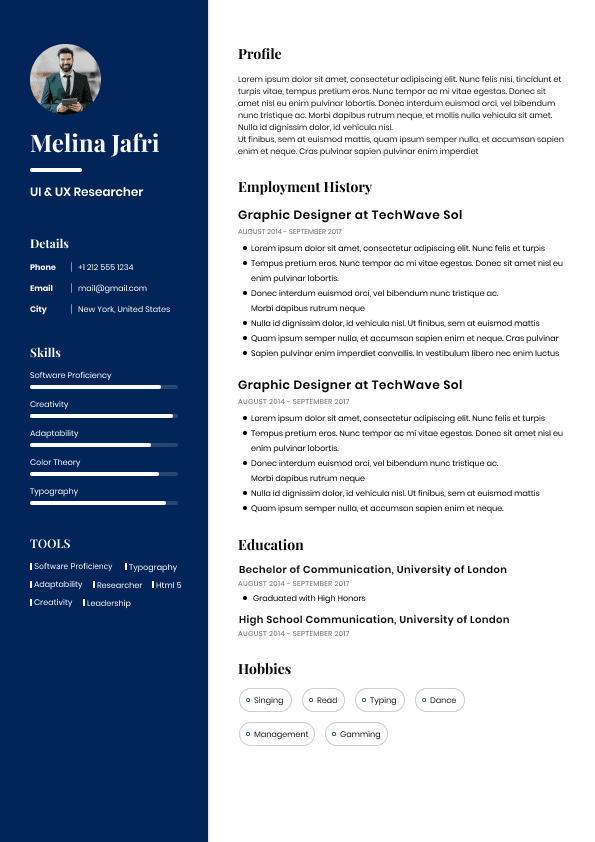
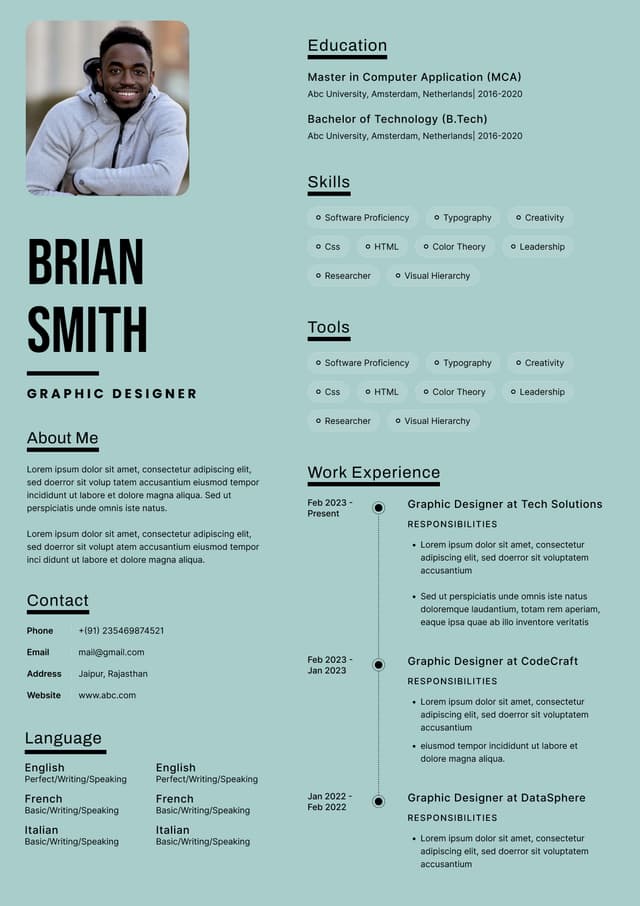
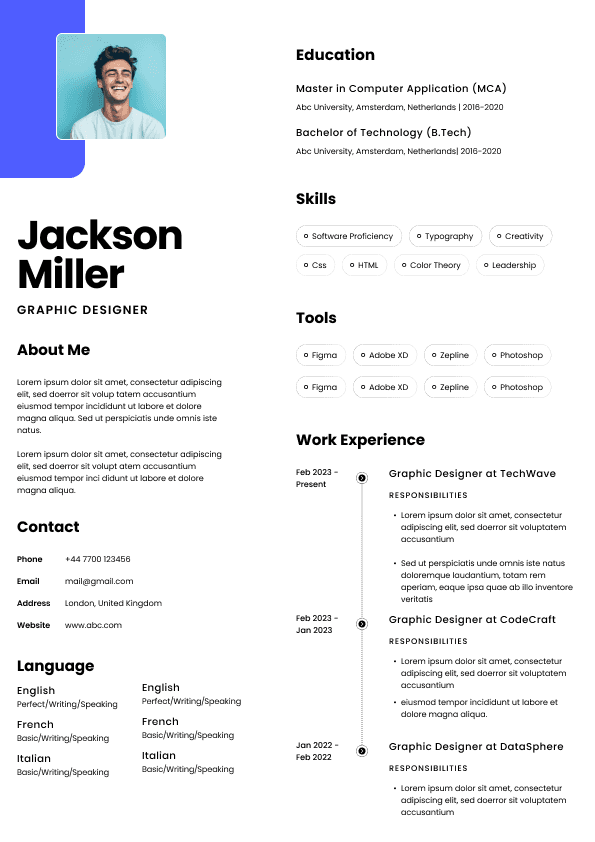
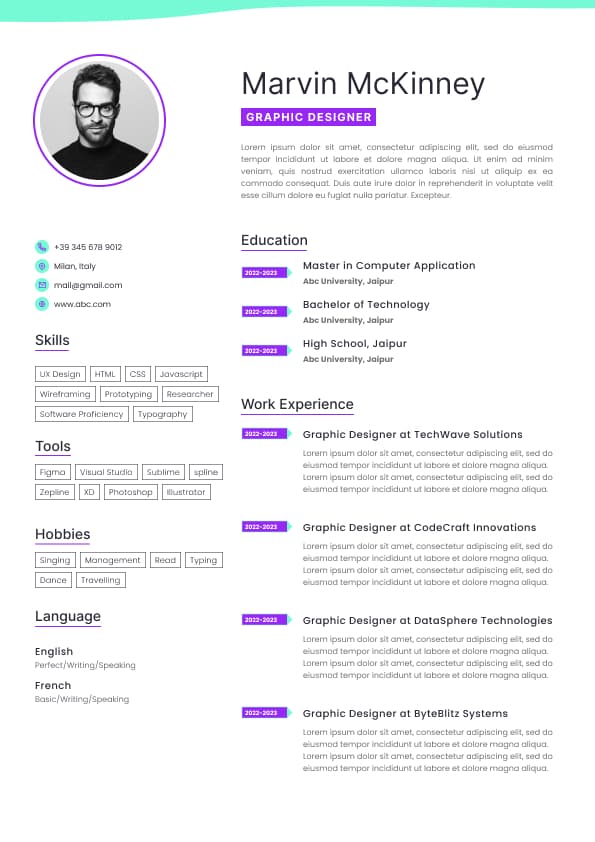
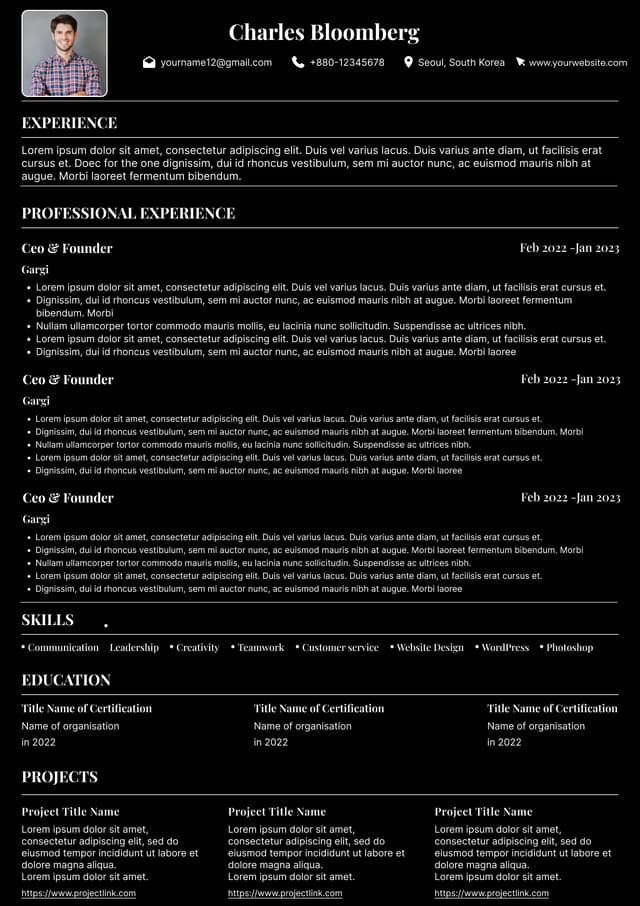
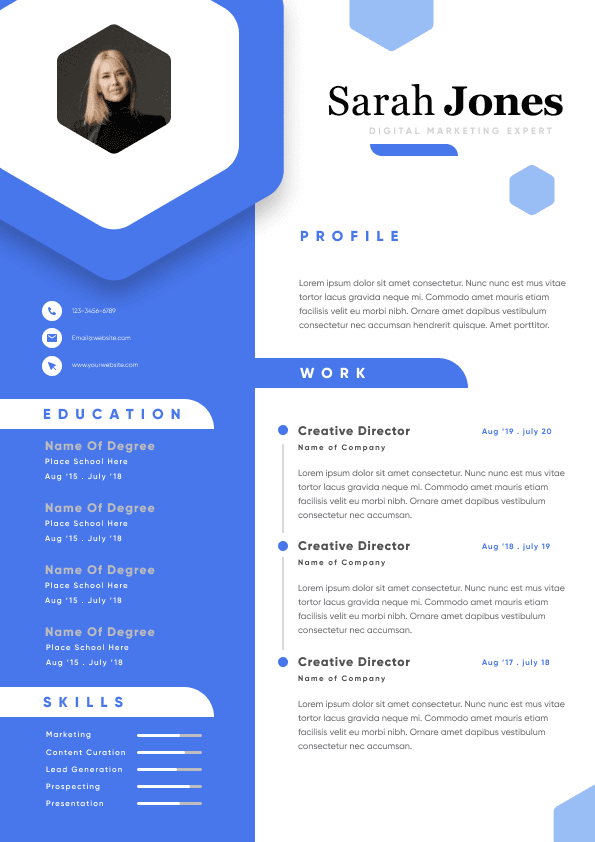
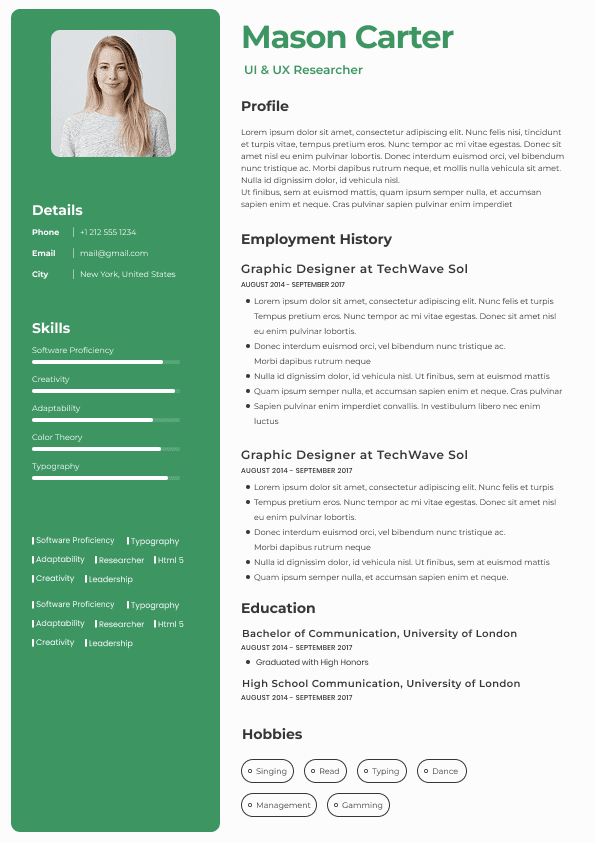
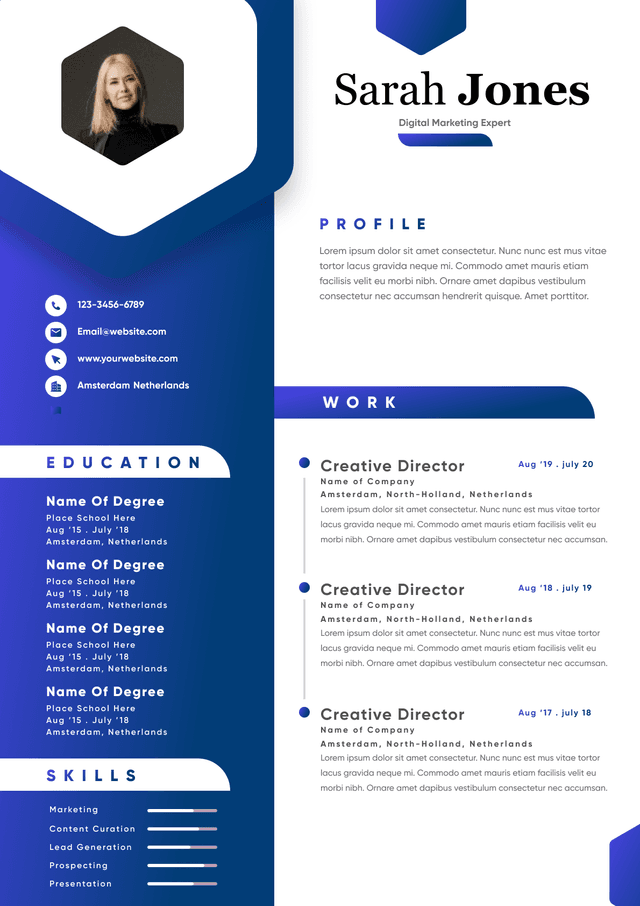
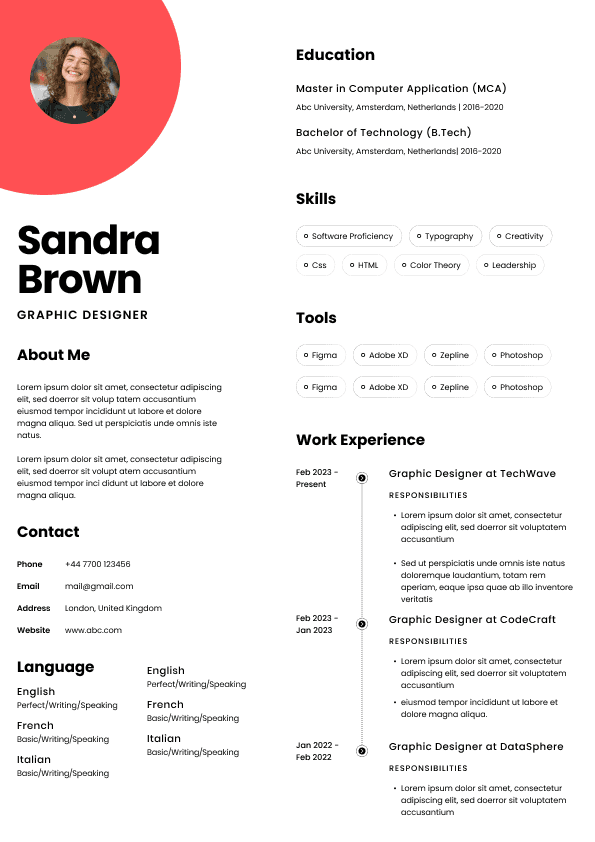
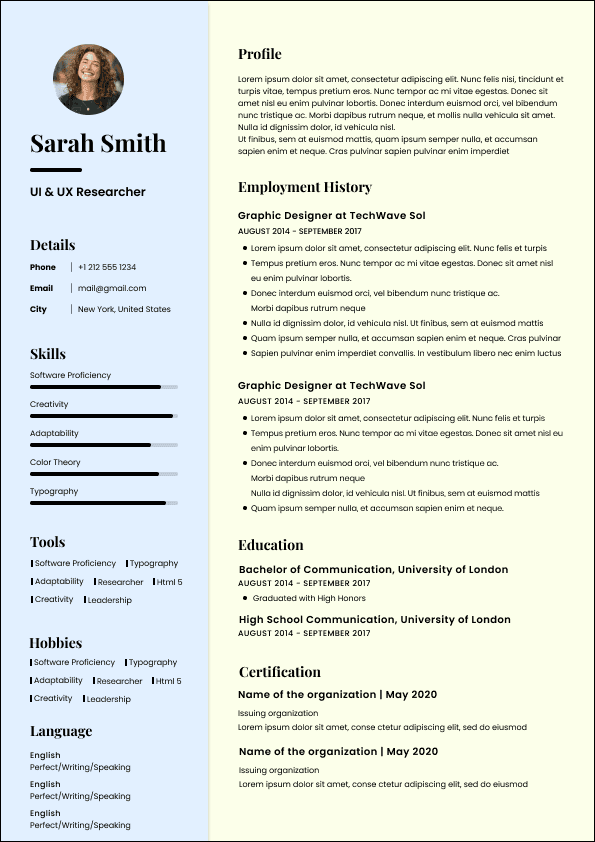
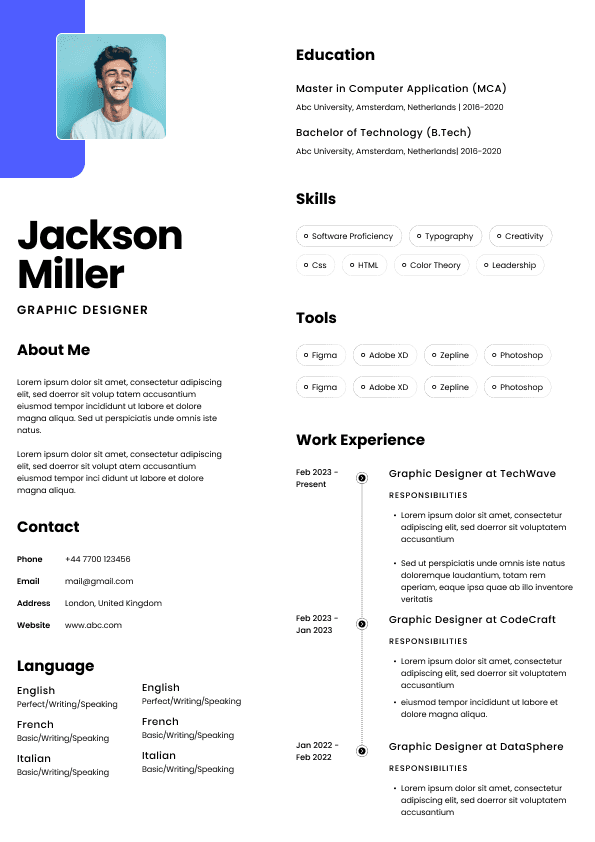
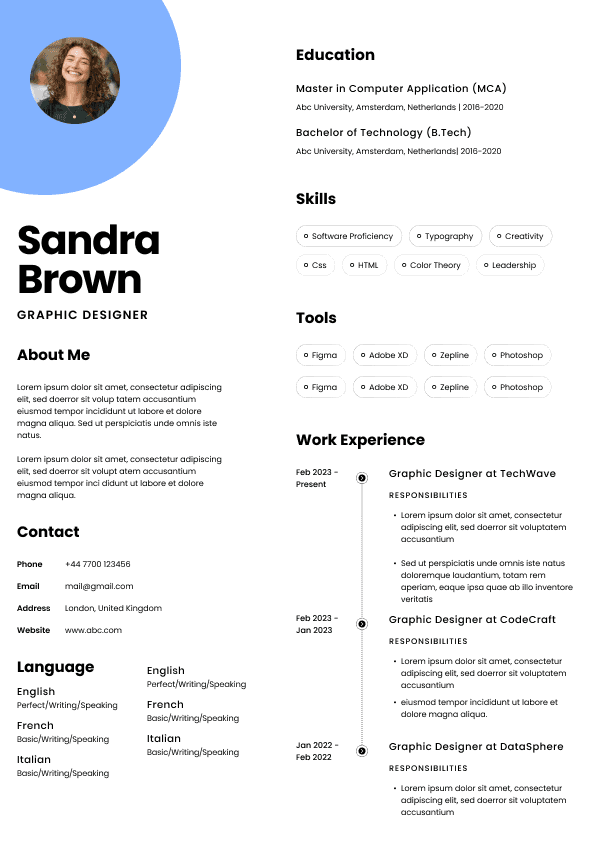
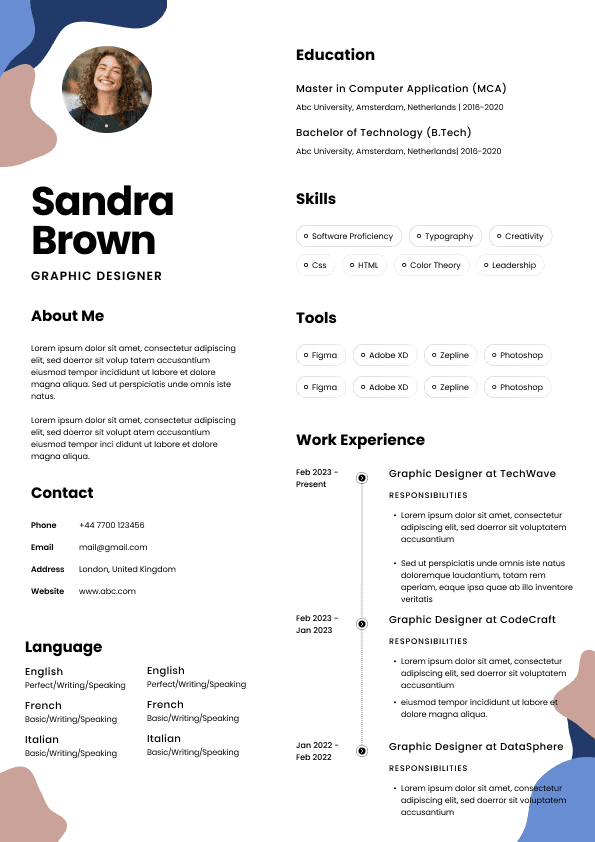
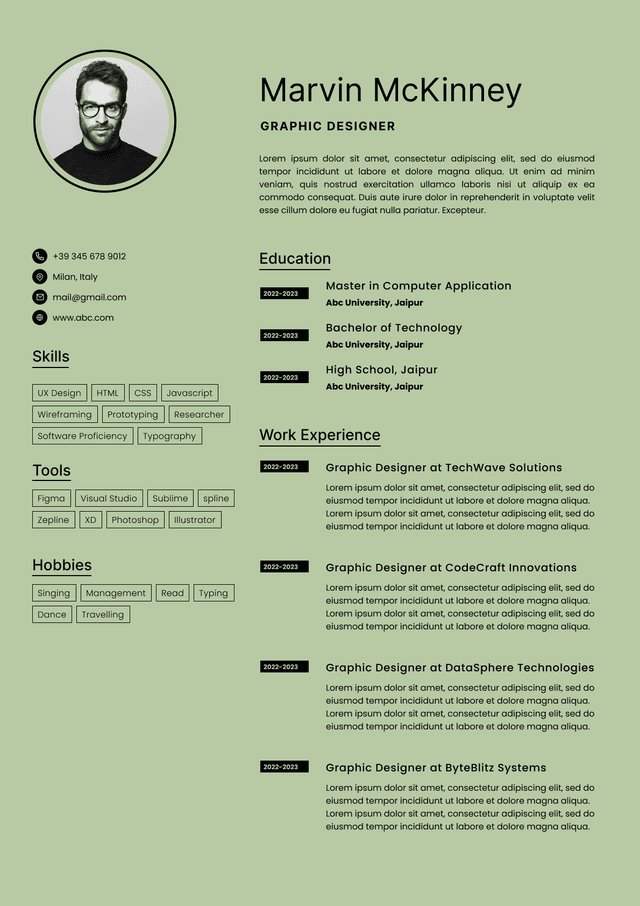
Choose from a wide range of NEWCV resume templates and customize your NEWCV design with a single click.
FAQ
Changing careers into Android development is absolutely possible, but most career changers fail because their resume still reads like their old profession instead of an Android developer. Hiring managers are not looking for perfection. They are looking for proof that you can build, solve problems, collaborate, and contribute to a mobile engineering team.
The strongest Android developer career change resumes do three things well:
Lead with Android-specific technical skills instead of previous unrelated job titles
Show real proof through projects, GitHub repositories, deployed apps, and technical implementation
Translate previous experience into relevant engineering strengths like problem-solving, Agile collaboration, process improvement, testing, analytics, or stakeholder communication
If your resume still centers on your previous career, recruiters will mentally categorize you as “not technical enough” within seconds. Your resume must reposition you as an Android developer first, with your previous experience supporting that story instead of competing against it.
This guide breaks down exactly how to structure an Android developer resume for a career change, what recruiters actually evaluate, which transferable skills matter, and how to prove technical credibility even without direct Android work experience.
Most candidates assume recruiters reject career changers because they lack experience. That is not usually the real issue.
The real problem is lack of evidence.
Hiring managers know junior Android developers will still be learning. What they want is proof that you can already operate inside a development environment.
Recruiters typically evaluate career-change Android resumes in this order:
Technical stack relevance
Android project quality
GitHub activity and code visibility
Ability to explain development decisions
Evidence of problem-solving
Understanding of modern Android architecture
The biggest strategic mistake career changers make is organizing the resume chronologically like a traditional career path.
That structure hurts you because it emphasizes unrelated experience first.
Instead, structure your resume around technical relevance.
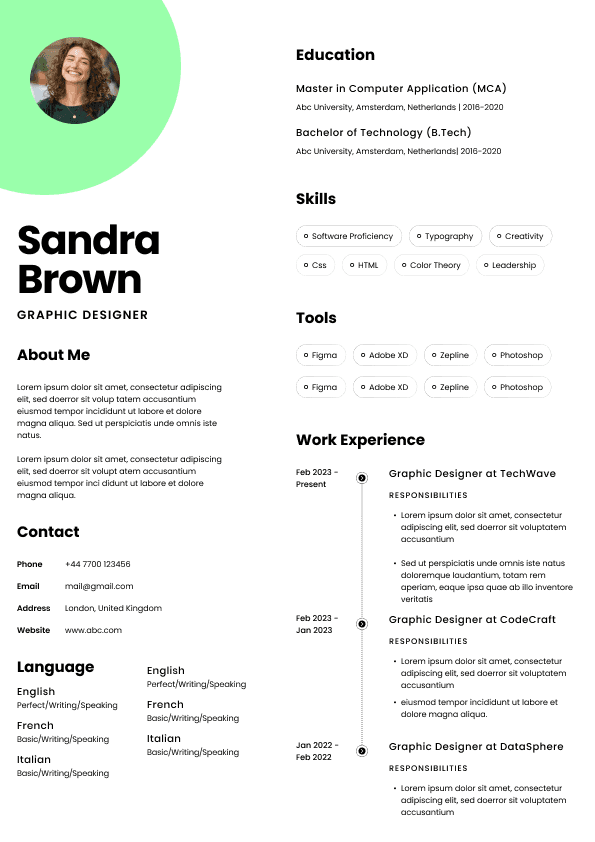
A strong Android developer career-change resume usually follows this order:
Professional summary
Technical skills
Android projects
Certifications or bootcamp training
Relevant professional experience with transferable impact
Education
This structure changes recruiter perception immediately.
Your summary should position you as an Android developer already operating in the field, not someone hoping to enter it someday.
Avoid weak beginner language.
Weak Example
“Motivated career changer looking for an opportunity to become an Android developer.”
This sounds passive and unproven.
Good Example
“Android developer with hands-on experience building Kotlin-based mobile applications using Jetpack Compose, Firebase, REST APIs, and MVVM architecture. Background in operations management with strong process improvement, stakeholder communication, and analytical problem-solving experience. Built and deployed Android projects focused on usability, performance, and scalable architecture.”
The difference is positioning.
The second version:
Leads with technical capability
Shows practical implementation
Integrates transferable skills naturally
Your technical skills section must align with modern Android hiring expectations.
Many career changers unintentionally look outdated because they focus only on Java basics or generic programming concepts.
Prioritize current Android technologies recruiters actively search for.
Include skills only if you can discuss or demonstrate them.
Relevant Android keywords include:
Kotlin
Java
Android SDK
Jetpack Compose
XML layouts
MVVM architecture
For career changers, projects are often the strongest section of the resume.
Projects prove capability in a way certifications alone cannot.
A strong Android project section should demonstrate:
Real functionality
Technical complexity
Modern Android practices
Problem-solving
Architecture understanding
API integration
UI/UX thinking
Transferable skills matter only when translated into engineering relevance.
Most candidates fail because they describe previous jobs generically.
Do not say:
“Excellent communication skills”
“Team player”
“Leadership experience”
Those statements are weak without technical context.
Instead, connect previous experience directly to software development environments.
This transition is highly credible because of technical troubleshooting overlap.
Relevant transferable skills:
Device troubleshooting
Technical documentation
Customer issue resolution
System diagnostics
Mobile device familiarity
Ticketing workflows
Good Example
“Resolved complex mobile device and application issues across enterprise environments, strengthening debugging and technical problem-solving skills applicable to Android development.”
GitHub is one of the biggest differentiators for Android career changers.
Recruiters may not review code deeply, but hiring managers often do.
A weak GitHub profile signals low seriousness.
A strong GitHub profile signals initiative and technical commitment.
Clean repositories
Meaningful README files
Screenshots or demos
Organized commits
Multiple Android projects
Active contribution history
Certifications alone rarely get interviews.
What matters is whether the certification produced real technical capability.
Strong options include:
Android development bootcamps
Google Android certifications
Kotlin-focused programs
Mobile application development coursework
But recruiters care far more about what you built afterward.
A candidate with:
Two strong Android apps
Active GitHub repositories
Your old career should support your Android positioning, not dominate the resume.
If 70% of the resume discusses unrelated work, recruiters will assume Android is still a side interest.
Avoid overly academic phrasing like:
“Completed coursework in…”
“Learning Android development…”
“Seeking an opportunity to grow…”
Focus on implementation and contribution.
Most project bullets describe features instead of engineering decisions.
Bad project bullet:
“Created a weather app using Kotlin.”
Better project bullet:
Hiring managers usually ask one core question:
“Can this person contribute within a reasonable ramp-up period?”
That evaluation depends on signals.
Strong signals:
Built real Android apps
Understands debugging
Uses Git properly
Understands architecture basics
Demonstrates consistent learning
Communicates clearly
Understands Agile workflows
The strongest resumes combine technical evidence with business relevance.
That combination is powerful because many engineers lack domain understanding.
For example:
A former healthcare worker building patient workflow apps
A finance professional building fintech tools
An operations manager improving workflow automation
A designer creating polished mobile UX systems
Your previous career becomes an advantage when connected strategically to Android development problems.
That is how experienced recruiters think.
Naturally incorporate relevant terms such as:
Android Developer
Kotlin Developer
Mobile Application Developer
Android SDK
Jetpack Compose
Firebase
REST APIs
MVVM
Your goal is not to convince employers you are “trying” to become an Android developer.
Your goal is to make recruiters believe you are already functioning as one.
That shift changes everything.
The best Android developer career-change resumes:
Lead with technical capability
Show practical Android proof immediately
Use projects strategically
Translate previous experience into engineering value
Demonstrate initiative through GitHub and deployment work
Present transferable skills in technical context

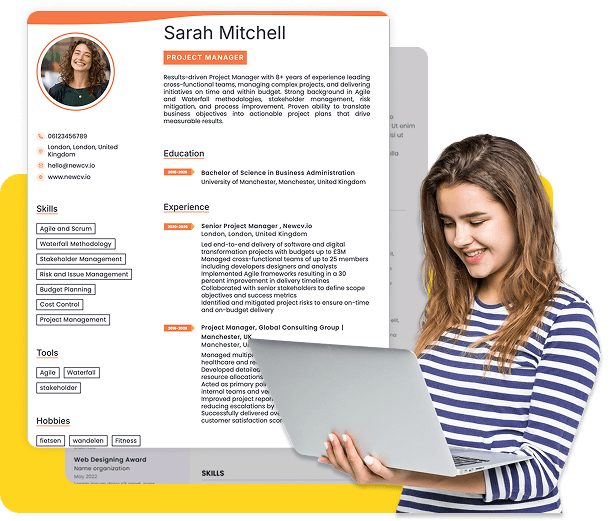
Use ATS-optimised Resume and resume templates that pass applicant tracking systems. Our Resume builder helps recruiters read, scan, and shortlist your Resume faster.

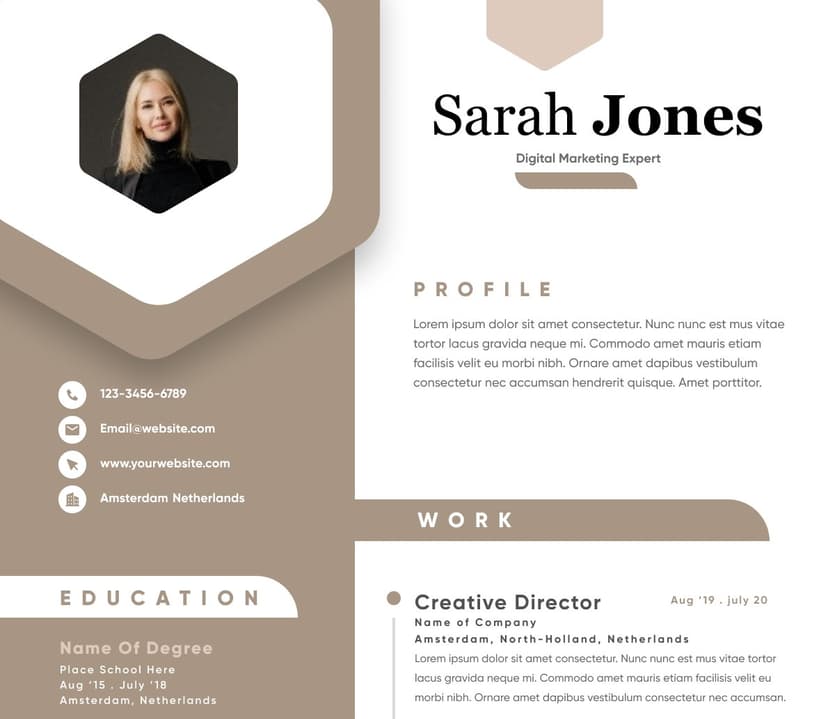
Use professional field-tested resume templates that follow the exact Resume rules employers look for.
Create Resume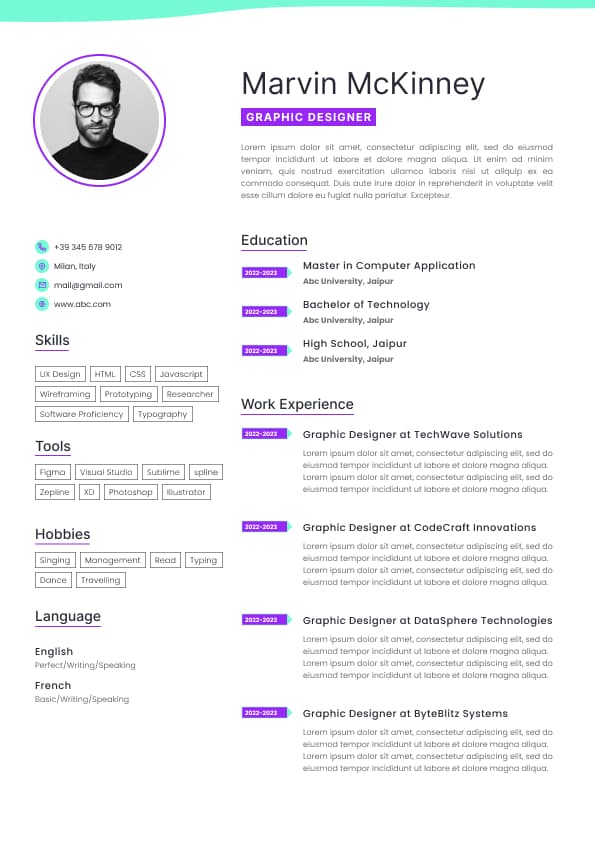
Use professional field-tested resume templates that follow the exact Resume rules employers look for.
Create ResumeCollaboration and communication skills
Learning velocity and consistency
A resume with two strong Android projects and a clean GitHub portfolio often outperforms a generic computer science graduate resume with no practical work.
What fails immediately:
Generic “passionate about technology” summaries
No GitHub links
No technical projects
Resume focused mostly on previous unrelated work
Long descriptions of non-technical duties
Missing Android keywords recruiters search for
Only listing online courses without proof of implementation
Recruiters want evidence, not interest.
Instead of reading your resume as:
“Former teacher trying to learn Android development”
They read it as:
“Android developer with prior experience in education and communication.”
That distinction matters far more than most candidates realize.
Sounds employable now
REST APIs
Retrofit
Firebase
Room Database
Coroutines
LiveData
ViewModel
Navigation Component
Dependency Injection
Hilt or Dagger
Git and GitHub
Agile methodologies
Unit testing
Espresso testing
Material Design
API integration
JSON parsing
Recruiters often search resumes directly through ATS filters using these exact terms.
Missing them reduces visibility even if you have the skills.
Data handling
Testing awareness
Weak projects:
Tutorial clones with no customization
Simple calculators
Generic to-do lists with minimal functionality
No GitHub repository
No deployment evidence
Strong projects:
Solved a real-world problem
Used modern Android frameworks
Included backend integration
Demonstrated state management
Included authentication or database logic
Showed thoughtful UI architecture
Had measurable complexity
Expense Tracking App
Kotlin, Jetpack Compose, Firebase, Room Database, MVVM
Developed a personal finance Android app supporting expense categorization, analytics dashboards, and offline data persistence
Implemented Firebase Authentication and cloud synchronization for multi-device access
Used Room Database and Coroutines to optimize local data handling and asynchronous operations
Applied MVVM architecture and dependency injection to improve scalability and maintainability
Published source code on GitHub with structured documentation and version control practices
This reads like engineering work, not student work.
This is one of the strongest transition paths.
Relevant transferable skills:
Bug reporting
Test case creation
Mobile testing
Automation exposure
Product quality analysis
SDLC familiarity
Good Example
“Collaborated with engineering teams to identify, document, and validate mobile application defects, improving understanding of software quality and release processes.”
This transition already has strong technical credibility.
Relevant transferable skills:
APIs
UI development
Git workflows
Responsive design
Frontend architecture
JavaScript logic
Focus on mobile adaptation rather than starting from zero.
Many recruiters undervalue this background unless positioned correctly.
Strong transferable areas:
SQL
Python
Data logic
Business intelligence
Analytical thinking
Metrics interpretation
This works best when combined with Agile and technical collaboration exposure.
Strong transferable skills:
Agile coordination
Requirements gathering
Stakeholder communication
Release planning
Cross-functional collaboration
Finance backgrounds work especially well for fintech Android applications.
Relevant positioning:
Compliance awareness
Financial systems understanding
Data accuracy
Risk management
Transaction workflows
Healthcare experience becomes valuable when connected to healthcare software ecosystems.
Relevant strengths:
HIPAA awareness
Patient workflow understanding
Clinical systems familiarity
High-accuracy environments
Teaching backgrounds often provide underestimated strengths.
Strong transferable skills:
Structured communication
Documentation
Technical explanation
Training ability
Process organization
Learning agility
Operations candidates often have strong systems-thinking capability.
Position strengths like:
Workflow optimization
Process automation
Efficiency analysis
Systems coordination
This is especially powerful for mobile UX-focused positions.
Relevant transferable strengths:
Mobile UX
Accessibility
Design systems
Figma collaboration
User-centered thinking
Proper project structure
Even junior candidates can stand out dramatically through strong GitHub presentation.
Practical API integration experience
will usually outperform someone with five certifications and no implementation proof.
“Integrated REST APIs and asynchronous data handling using Retrofit and Coroutines to build a real-time weather forecasting application.”
The second version demonstrates technical understanding.
Many resumes fail before a human even sees them.
Include relevant Android keywords naturally throughout:
Kotlin
Android SDK
Jetpack Compose
Firebase
MVVM
APIs
GitHub
Agile
Testing
Do not keyword stuff, but do not omit critical terminology either.
Weak signals:
Only theoretical learning
No deployed projects
No collaborative examples
Resume reads like another profession entirely
Career changers who get hired usually demonstrate unusually strong initiative.
Room Database
Coroutines
GitHub
Agile
Mobile UI
Android Studio
API integration
Unit testing
Mobile app deployment
Software development lifecycle
Problem-solving
Stakeholder communication
These keywords improve discoverability while reinforcing technical credibility.
Sound employable today, not someday
Career changers who succeed do not hide their previous experience.
They reposition it as an advantage.



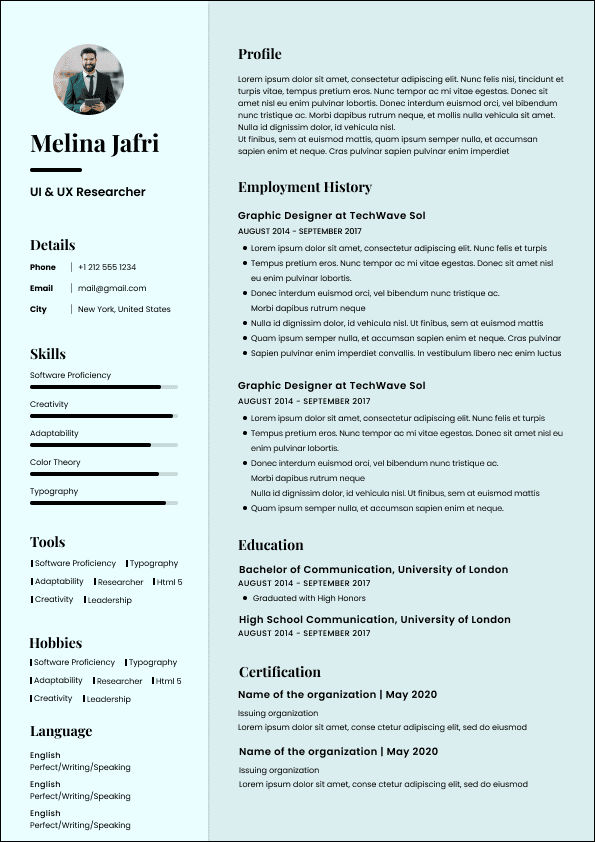
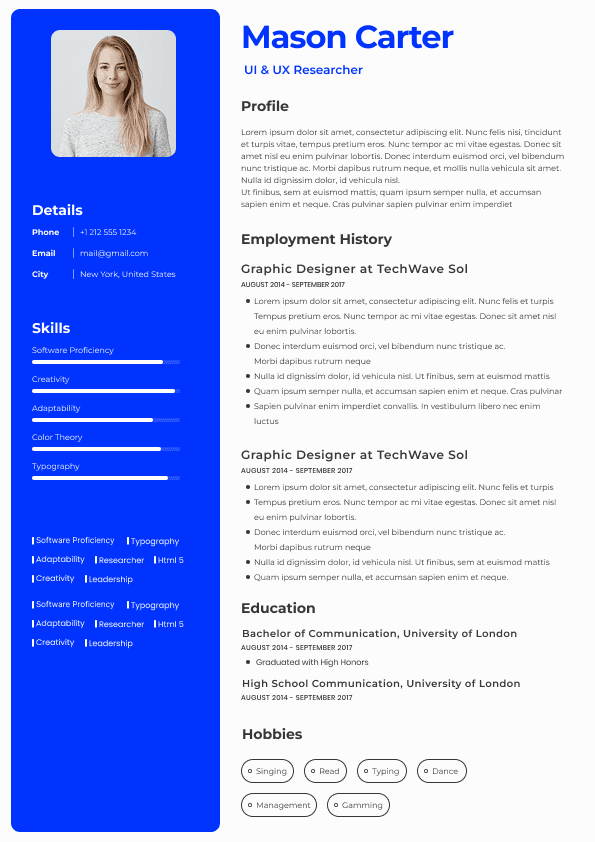
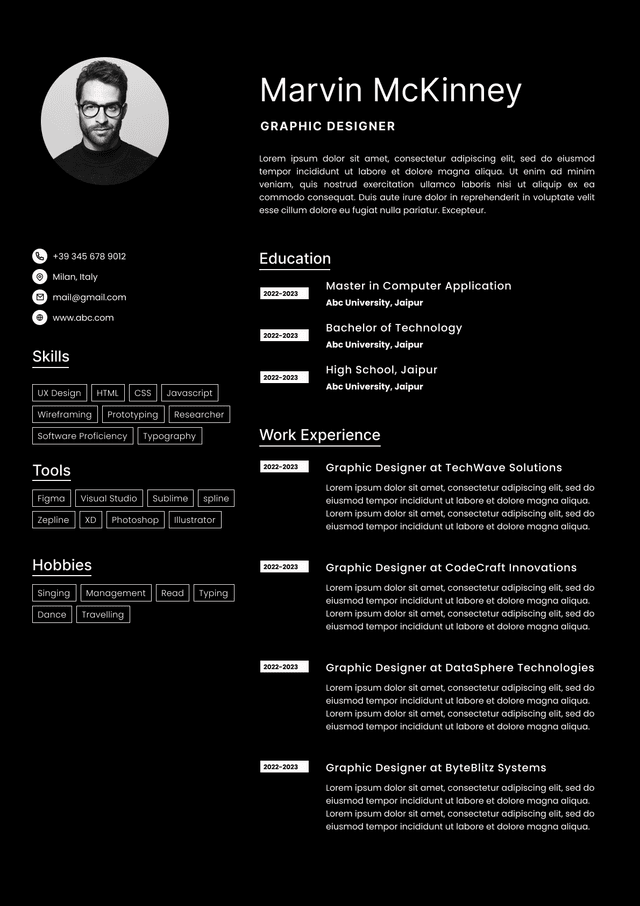
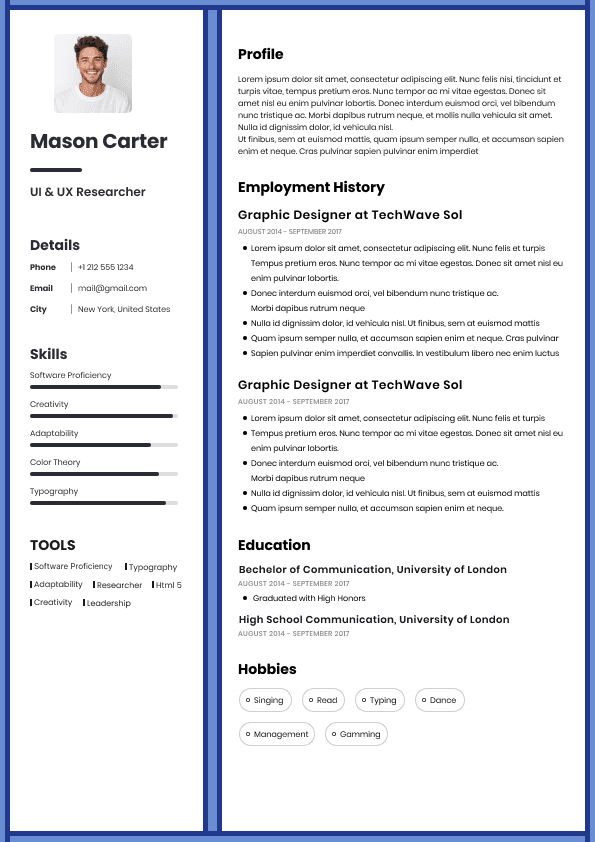
 Upload Resume
 Import from Linkedin