STILL APPLYING. STILL HEARING NOTHING?BUILD YOUR RESUME

STILL APPLYING. STILL HEARING NOTHING?BUILD YOUR RESUME
Choose from a wide range of NEWCV resume templates and customize your NEWCV design with a single click.
FAQ
An Android developer resume for Big Tech needs to do far more than list Kotlin, Android SDK, and Jetpack Compose. Companies like Google, Meta, Amazon, Uber, Airbnb, and DoorDash evaluate Android engineers based on scale, architecture ownership, measurable impact, system reliability, and engineering maturity. Your resume must demonstrate that you can build and maintain large-scale mobile systems used by millions of users, collaborate across teams, improve performance, and contribute to engineering excellence.
Most Android resumes fail because they focus on features instead of engineering outcomes. Big Tech recruiters and hiring managers care about metrics, scalability, technical depth, architecture decisions, and business impact. A strong Android developer resume shows how you reduced crashes, improved startup time, optimized rendering performance, migrated legacy systems, scaled CI/CD pipelines, or led modularization efforts.
This guide breaks down exactly how to structure a Big Tech Android resume, what hiring managers actually look for, which keywords matter for ATS systems, and how elite Android engineers position themselves to land interviews.
Big Tech hiring teams evaluate Android engineers differently from startups and smaller companies. They are not only assessing whether you can build Android apps. They are assessing whether you can operate inside large-scale engineering organizations.
Your resume must signal:
Strong system design thinking
Ownership of scalable mobile architecture
Performance optimization expertise
Collaboration across engineering teams
Production-grade Android development
Reliability and stability improvements
Engineering leadership potential
Big Tech resumes need clean structure, fast scannability, and technical clarity.
Use this structure:
Header
Professional Summary
Technical Skills
Professional Experience
Key Projects
Education
Certifications or Open Source Contributions if relevant
Avoid:
Your summary should position you strategically within the first few lines.
A strong summary quickly establishes:
Seniority
Android specialization
Scale
Technical strengths
Impact orientation
Senior Android Developer with 8+ years of experience building scalable mobile applications serving 10M+ users across fintech and e-commerce platforms. Specialized in Kotlin, Jetpack Compose, modular architecture, offline-first systems, and Android performance optimization. Proven track record reducing crash rates, improving app startup speed, and leading large-scale Android modernization initiatives in Agile enterprise environments.
Why this works:
ATS optimization matters heavily for Android resumes.
However, keyword stuffing destroys readability and hurts credibility.
The goal is semantic alignment, not repetition.
Include relevant combinations of:
Kotlin
Android SDK
Jetpack Compose
MVVM
Clean Architecture
Coroutines
Hiring managers are not impressed by feature lists alone.
They want evidence of engineering complexity and ownership.
Did your app support:
Millions of users
High transaction volume
Real-time systems
Enterprise-level usage
Did you work on:
Modularization
Offline synchronization
Your bullet points should follow this formula:
Action + Technical Depth + Scale + Measurable Outcome
Led migration from legacy XML architecture to Jetpack Compose across a 3M+ user Android platform, reducing UI development time by 35%
Optimized app startup performance using baseline profiles and lazy dependency injection, decreasing cold start time from 3.8s to 1.9s
Architected offline-first synchronization framework using Room, Kotlin Flow, and WorkManager, improving data reliability during poor network conditions
Reduced crash rate by 42% through proactive memory leak detection, structured monitoring, and lifecycle optimization
Built modular Android architecture supporting 15+ engineering squads, improving release stability and feature isolation
Most rejected Android resumes sound task-oriented instead of impact-oriented.
Developed Android applications using Kotlin
Worked with APIs and Firebase
Fixed bugs and improved app quality
Collaborated with cross-functional teams
These bullets fail because they:
Lack measurable outcomes
Show no scale
Demonstrate no ownership
Simply listing Kotlin is not enough anymore.
For senior Android hiring, recruiters expect evidence of advanced Kotlin usage.
Coroutines
Flow
DSL creation
Multi-module architecture
Dependency injection integration
Reactive state management
Compose optimization
Jetpack Compose is now a major hiring differentiator for Android engineers.
Many enterprise Android teams are actively modernizing legacy XML codebases.
Strong Compose experience increases interview probability significantly.
Real migration work
Production Compose implementation
Performance optimization
Compose Navigation
State management
Design system integration
Architecture depth is one of the biggest differentiators between mid-level and senior Android engineers.
Big Tech companies heavily evaluate:
System design thinking
Long-term maintainability
Scalability decisions
Separation of concerns
Codebase health
Include relevant architecture concepts like:
Clean Architecture
Performance engineering is extremely valuable in Big Tech mobile hiring.
Most Android resumes barely mention it, which creates an opportunity to stand out.
Startup optimization
Rendering performance
Memory management
Battery optimization
APK size reduction
Network optimization
ANR reduction
Modern Android hiring increasingly values platform engineering and release automation experience.
Especially at enterprise and Big Tech companies.
Fastlane
GitHub Actions
Jenkins
Bitrise
CircleCI
Gradle optimization
Automated testing pipelines
Senior Android Engineer with 9+ years of experience building scalable mobile platforms supporting over 12M active users. Expertise in Kotlin, Jetpack Compose, Clean Architecture, CI/CD automation, and Android performance optimization. Proven track record leading modernization initiatives, reducing crash rates, improving startup performance, and driving scalable mobile architecture across enterprise engineering teams.
Kotlin
Java
Android SDK
Jetpack Compose
Coroutines
Flow
Big Tech companies hire for impact.
Responsibilities alone are weak signals.
A giant skills list without evidence hurts credibility.
Anyone can list:
Kotlin
Compose
Firebase
MVVM
Hiring managers care whether you used them effectively at scale.
Metrics are one of the strongest resume differentiators.
Always quantify:
Google heavily values:
Computer science fundamentals
Architecture quality
Performance engineering
Kotlin expertise
Android framework depth
Strong signals include:
Jetpack expertise
Scalability
The strongest Android resumes demonstrate platform-level thinking, not feature-level thinking.
Examples include:
Shared infrastructure
Internal SDK development
Reusable architecture systems
Developer tooling improvements
Senior candidates should show influence beyond coding.
Examples:
Mentoring
Before applying, verify your resume includes:
Strong measurable metrics
Scale indicators
Kotlin depth
Jetpack Compose experience
Architecture ownership
Performance optimization work
Reliability improvements
CI/CD experience

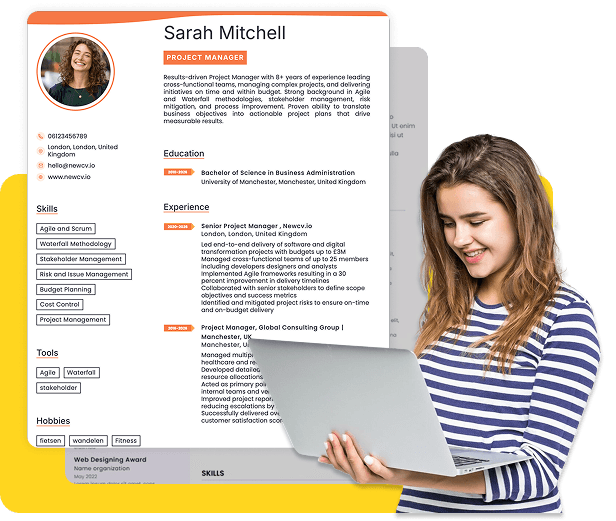
Use ATS-optimised Resume and resume templates that pass applicant tracking systems. Our Resume builder helps recruiters read, scan, and shortlist your Resume faster.

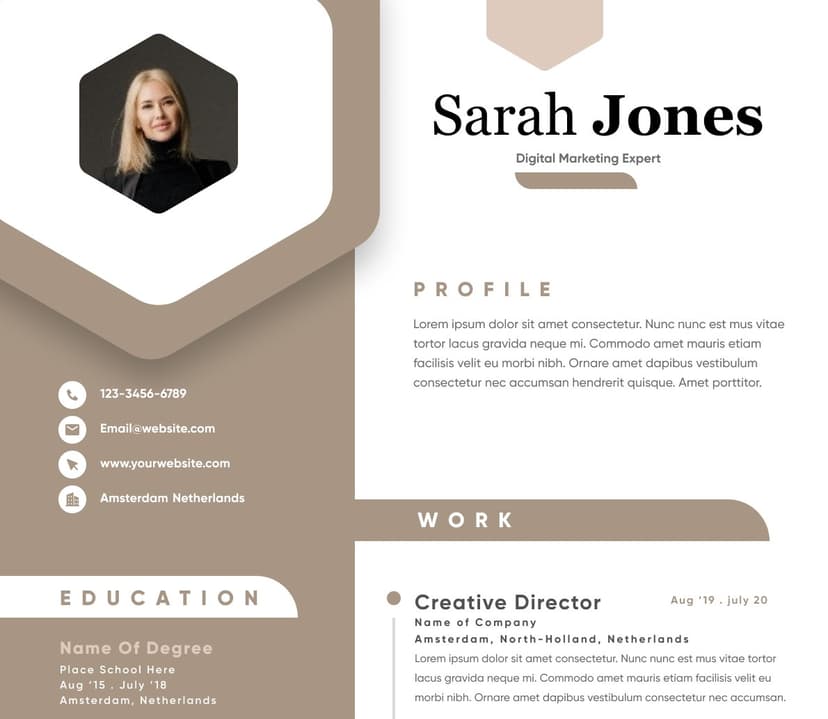
Use professional field-tested resume templates that follow the exact Resume rules employers look for.
Create Resume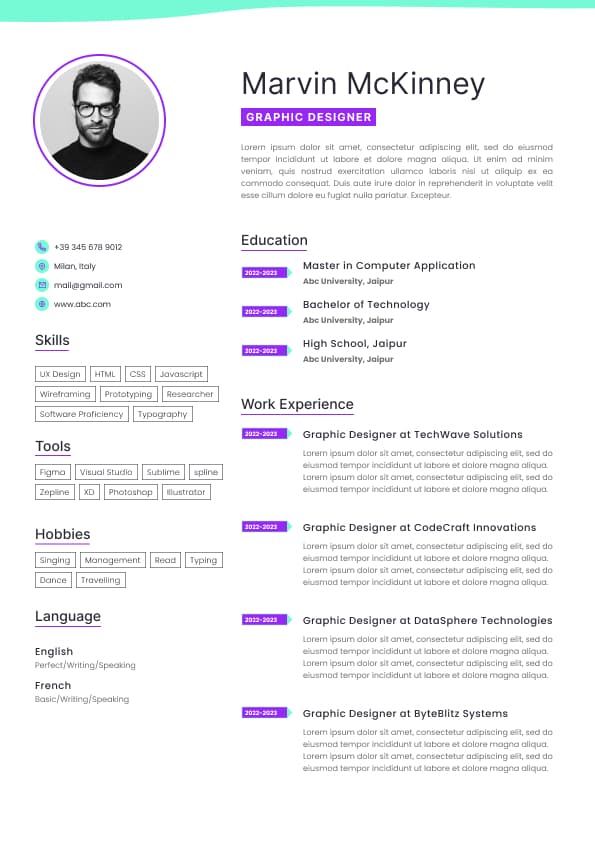
Use professional field-tested resume templates that follow the exact Resume rules employers look for.
Create ResumeExperience supporting large user bases
Modern Android stack proficiency
Ability to drive technical initiatives
Recruiters typically spend less than 10 seconds on an initial resume scan. During that scan, they are looking for immediate evidence of:
Scale
Metrics
Technical depth
Seniority signals
Modern Android technologies
Business impact
A resume that says:
Weak Example
“Developed Android applications using Kotlin and Android Studio.”
gets ignored immediately.
A resume that says:
Good Example
“Led migration of a 4M+ MAU Android platform from XML views to Jetpack Compose, reducing UI rendering latency by 28% and accelerating feature delivery across 12 product teams.”
immediately communicates senior-level engineering value.
That difference is what separates interview-worthy Android resumes from rejected ones.
Long career objectives
Generic summaries
Dense paragraphs
Overly visual resume templates
Skill bars or ratings
Irrelevant coursework
Unnecessary soft skills sections
ATS systems used by companies like Amazon and Google prioritize readability and semantic clarity.
Your resume should ideally stay within:
1 page for under 5 years experience
2 pages for senior or staff-level engineers
Mentions scale immediately
Includes high-value Android keywords
Signals architecture depth
Demonstrates measurable outcomes
Aligns with Big Tech hiring expectations
Flow
Dependency Injection
Hilt
Dagger
CI/CD
Firebase
System design
Mobile architecture
Scalability
Modularization
Offline-first architecture
REST APIs
GraphQL
Crashlytics
Performance optimization
App startup optimization
Memory optimization
Android testing
Espresso
Compose Navigation
Room Database
Multi-module architecture
Big Tech recruiters also look for engineering maturity indicators like:
Cross-functional collaboration
Technical leadership
Architecture ownership
Reliability engineering
Release automation
Feature experimentation
A/B testing
Observability
Production monitoring
Platform modernization
These terms help distinguish senior Android engineers from feature-focused developers.
Complex state management
Rendering optimization
Architecture migrations
Multi-team Android platforms
Did your work improve:
Crash-free sessions
App startup time
Retention
ANR rates
CI/CD speed
Release reliability
Did you:
Mentor engineers
Lead Android initiatives
Define architecture standards
Coordinate cross-team work
Influence engineering decisions
Designed CI/CD automation pipelines for Android deployments, reducing release cycles from weekly to daily production pushes
Improved RecyclerView rendering efficiency and image caching strategy, decreasing frame drops by 31% on low-end Android devices
These bullets communicate senior engineering capability immediately.
Sound generic
Reveal little technical depth
Big Tech hiring managers assume thousands of candidates can “develop Android apps.” They want evidence that you can solve difficult engineering problems at scale.
Concurrency handling
Instead of:
“Used Kotlin for Android development”
Use:
“Implemented coroutine-based concurrency architecture and Kotlin Flow reactive pipelines to improve asynchronous data handling and reduce UI blocking events.”
This signals engineering maturity instead of tool familiarity.
Scalability considerations
This communicates modernization leadership, not just library exposure.
MVVM
MVI
Repository pattern
Dependency injection
Modularization
Feature-based architecture
Event-driven systems
But avoid simply listing them.
Show implementation impact.
That shows practical architecture ownership.
Crash reduction
Reduced Android ANR rate by 37% through thread optimization and improved asynchronous task management
Improved app startup latency by 48% using baseline profiles, lazy initialization, and dependency graph optimization
Lowered APK size by 22% through modular asset delivery and resource optimization
Performance metrics instantly increase resume credibility.
Release automation
This demonstrates operational engineering maturity.
MVVM
Clean Architecture
Hilt
Dagger
Firebase
GraphQL
Retrofit
Room
CI/CD
GitHub Actions
Fastlane
Espresso
JUnit
Modularization
Crashlytics
Senior Android Engineer
Fintech Enterprise Inc. | New York, NY
2021 – Present
Led migration of enterprise Android application from legacy XML UI architecture to Jetpack Compose, improving developer velocity by 32%
Reduced app crash rate by 41% through proactive stability monitoring, lifecycle optimization, and structured observability initiatives
Designed offline-first synchronization framework supporting 6M+ users in low-connectivity environments
Built modular Android architecture enabling independent feature releases across multiple engineering squads
Improved app startup speed by 46% using baseline profiles, dependency graph optimization, and lazy initialization patterns
Developed Android CI/CD release pipelines that reduced deployment time from 3 hours to 25 minutes
Android Developer
Retail Commerce Platform | Austin, TX
2018 – 2021
Developed scalable Android features supporting 4M+ monthly active users across e-commerce workflows
Implemented coroutine-based asynchronous networking architecture reducing UI blocking events by 35%
Optimized RecyclerView rendering and image caching strategies, decreasing frame drops on mid-tier Android devices
Collaborated with backend and platform engineering teams to improve API reliability and mobile observability
Performance improvements
Reliability gains
User scale
Revenue impact
Deployment improvements
Stability outcomes
Senior Android resumes should communicate complexity.
Feature implementation alone is not enough.
Avoid generic wording like:
Helped
Assisted
Responsible for
Worked on
Use stronger engineering language like:
Architected
Optimized
Led
Implemented
Scaled
Designed
Reduced
Automated
Mobile infrastructure work
Open source contributions
Meta prioritizes:
Product velocity
Mobile performance
Large-scale experimentation
Reliability
Collaboration
Strong signals include:
Fast iteration environments
UI optimization
Performance metrics
Cross-functional influence
Amazon strongly evaluates:
Ownership
Scalability
System reliability
Operational excellence
Leadership principles alignment
Strong resume signals include:
Automation
Operational improvements
Metrics-driven engineering
Large-scale systems
Defining standards
Leading migrations
Improving engineering practices
Reliability is highly valuable in enterprise Android hiring.
Strong areas include:
Crash analytics
Monitoring systems
Observability
Production debugging
Stability initiatives
Large organizations care about collaboration scale.
Strong examples:
Coordinating with backend teams
Partnering with product managers
Working with design systems teams
Leading architecture discussions
Modularization initiatives
Leadership signals
Production engineering impact
Enterprise-level complexity
Your resume should immediately answer this hiring manager question:
“Can this engineer operate effectively inside a large-scale Android organization?”
If the answer is not obvious within the first 15 seconds, your resume likely needs repositioning.


 Upload Resume
 Import from Linkedin