STILL APPLYING. STILL HEARING NOTHING?BUILD YOUR RESUME

STILL APPLYING. STILL HEARING NOTHING?BUILD YOUR RESUME
Choose from a wide range of NEWCV resume templates and customize your NEWCV design with a single click.
FAQ
An Android developer resume should change based on the type of role you’re targeting. Recruiters evaluate full-time, contract, freelance, remote, hybrid, and temporary Android candidates differently because the hiring risks, onboarding expectations, and delivery requirements are not the same.
A full-time Android developer resume needs to show long-term ownership, scalable engineering practices, collaboration, and product reliability. A contract Android developer resume must prove rapid onboarding, short-term delivery impact, and the ability to work inside existing codebases with minimal supervision. Freelance and part-time resumes are evaluated heavily on self-management, scoped delivery, and independent execution. Remote Android resumes must demonstrate communication discipline and async collaboration. Temporary Android developer resumes are screened for immediate productivity, bug fixing, stabilization, and release support.
Most Android developers make the mistake of sending the same resume to every opportunity. That approach usually fails because recruiters filter candidates based on employment structure before they even assess technical depth.
Hiring teams do not evaluate every Android developer the same way.
The same engineer can look highly qualified for a full-time role and completely wrong for a contract role simply because the resume emphasizes the wrong strengths.
Recruiters screen resumes based on hiring risk.
For example:
A full-time hiring manager wants someone who can grow with the product, collaborate across teams, improve architecture, and contribute long term.
A staffing agency hiring for a contract Android role wants someone who can join quickly, understand an existing codebase fast, and ship features immediately.
A freelance client wants proof that you can deliver independently without requiring constant oversight.
A remote-first company wants evidence of strong communication, documentation habits, and distributed collaboration.
Your resume must align with the operational reality of the role.
Before tailoring by job type, certain fundamentals matter across all Android resumes.
Recruiters and hiring managers scan Android resumes quickly for stack alignment.
Your technical stack should clearly include relevant Android technologies such as:
Kotlin
Java
Jetpack Compose
Android SDK
MVVM
Coroutines
Full-time Android engineering roles prioritize stability, scalability, and collaboration.
Recruiters hiring permanent employees want to reduce long-term hiring risk.
A strong full-time Android developer resume should demonstrate:
Product ownership
Long-term feature development
Collaboration with design and backend teams
Architecture improvements
App scalability
Reliability and maintenance
Contract Android roles are evaluated very differently from permanent positions.
Speed matters more than long-term growth potential.
Contract recruiters screen for:
Fast onboarding ability
Immediate productivity
Existing codebase experience
Short delivery cycles
Independent execution
Client communication
Freelance Android developers are evaluated primarily on autonomy and delivery reliability.
Clients care less about corporate hierarchy and more about whether you can execute independently.
Freelance Android resumes should emphasize:
Independent app delivery
Client communication
Feature scoping
Time management
Multi-project handling
App publishing
Remote Android jobs are more competitive than onsite roles.
Many candidates underestimate how heavily companies evaluate communication and operational discipline.
Remote Android resumes should demonstrate:
Async collaboration
Documentation habits
Distributed teamwork
Jira or project management workflows
Git collaboration
Time zone coordination
Hybrid roles combine onsite collaboration with remote productivity expectations.
These resumes should show flexibility.
Hybrid Android resumes should communicate:
Strong collaboration
Independent execution
Adaptability
Cross-functional communication
Sprint participation
Stakeholder interaction
Self-management
Temporary Android roles are usually urgent hiring situations.
Companies often need short-term engineering support immediately.
Temporary Android developers are commonly hired for:
Kotlin migration support
Release stabilization
Bug fixing
Team augmentation
Feature overflow
Android app maintenance
Industry alignment can significantly improve Android interview rates.
Many recruiters search resumes using domain-specific keywords.
FinTech Android hiring focuses heavily on reliability, security, and transaction integrity.
Include relevant experience with:
Mobile banking
Payment processing
Secure authentication
PCI DSS awareness
Encryption
Fraud prevention
Biometric login
Healthcare Android resumes require compliance awareness and user trust.
Relevant terms include:
HIPAA compliance
Telehealth
Patient portals
PHI security
Secure messaging
Healthcare APIs
Accessibility
E-commerce Android teams care heavily about revenue impact.
Include:
Checkout optimization
Product discovery
Search and filtering
Loyalty systems
Push notifications
Conversion optimization
Cart abandonment reduction
Streaming Android roles often require specialized media experience.
Include:
ExoPlayer
Media3
Android TV
Offline downloads
DRM
Video playback optimization
Streaming performance
Enterprise Android hiring focuses heavily on reliability and workflow support.
Include:
Internal tools
MDM
SSO
Offline sync
Enterprise authentication
Workflow automation
Enterprise employers value:
Automotive and IoT Android development is highly specialized.
Include:
Android Auto
Android Automotive OS
BLE
Embedded systems
Sensor integration
Device connectivity
IoT protocols
Many Android resumes fail for predictable reasons.
Using the same resume for every Android opportunity is one of the biggest mistakes candidates make.
Full-time, freelance, and contract hiring are fundamentally different evaluation processes.
Simply listing technologies is not enough.
Recruiters want evidence of applied engineering impact.
Android resumes improve significantly when they include:
User scale
Revenue impact
Performance improvements
Crash reduction
Most Android resumes receive an initial review lasting less than 30 seconds.
Recruiters usually scan for:
Employment alignment
Android stack relevance
Kotlin experience
Industry match
App scale
Delivery outcomes
Stability indicators
Role consistency
The strongest Android developer resumes usually include:
Professional summary tailored to job type
Technical skills section
Android-focused professional experience
Relevant mobile projects
Certifications when applicable
GitHub or portfolio links if strong
App Store links when available
Do not overload the resume with unnecessary sections.
Relevance matters more than volume.

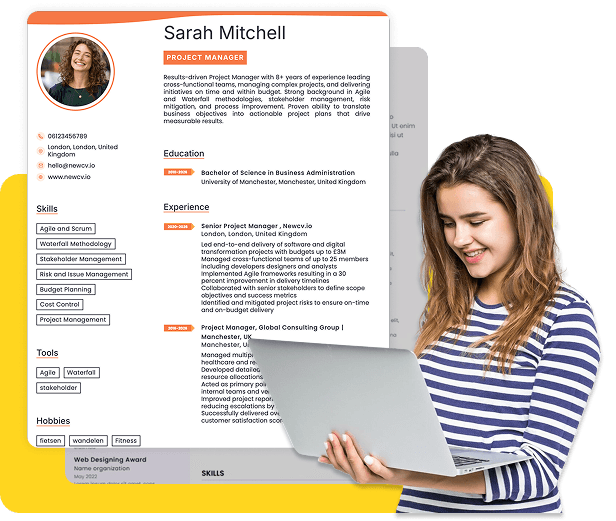
Use ATS-optimised Resume and resume templates that pass applicant tracking systems. Our Resume builder helps recruiters read, scan, and shortlist your Resume faster.

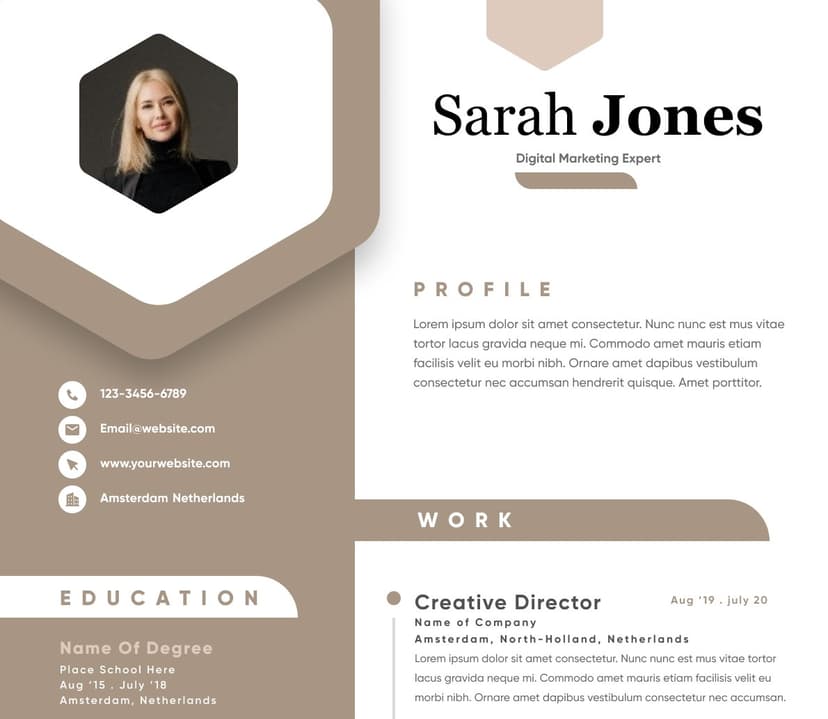
Use professional field-tested resume templates that follow the exact Resume rules employers look for.
Create Resume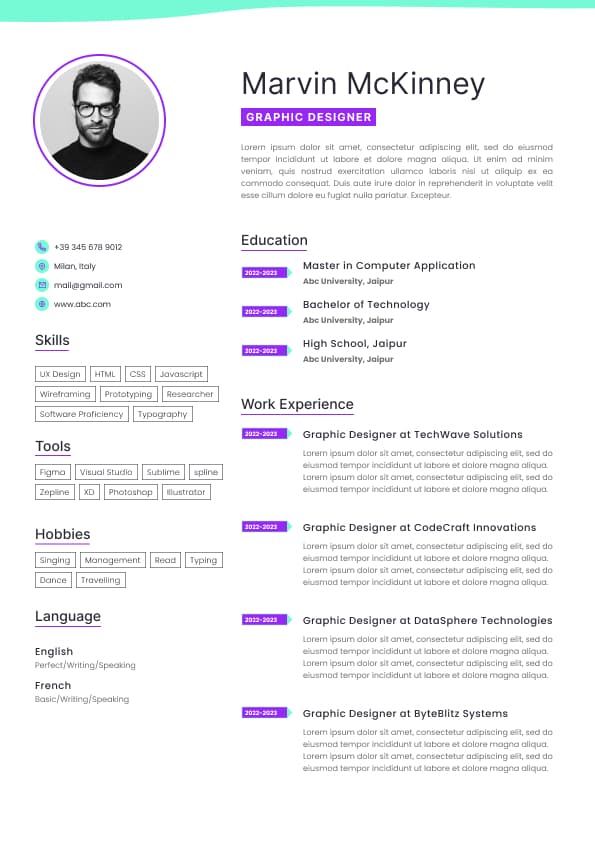
Use professional field-tested resume templates that follow the exact Resume rules employers look for.
Create ResumeFlow
Retrofit
Room
Firebase
Hilt or Dagger
REST APIs
Git
CI/CD
Android Studio
Unit testing
Espresso
Material Design
ExoPlayer or Media3 when relevant
BLE or IoT integrations when applicable
Do not bury your stack inside paragraphs.
Most Android resumes fail because they only describe responsibilities.
Recruiters want outcomes.
Weak Example
“Worked on Android applications using Kotlin.”
Good Example
“Built Kotlin-based Android features used by 1.2M monthly active users, reducing checkout abandonment by 18%.”
Impact creates differentiation.
Many resumes still look outdated because they focus heavily on legacy Android development without showing modern practices.
Today’s hiring teams expect familiarity with:
Jetpack Compose
Clean Architecture
Dependency injection
Modularization
CI/CD pipelines
Performance optimization
Crash reduction
Automated testing
Android app security
Accessibility
Play Store release processes
Even contract recruiters increasingly filter for modern Android engineering workflows.
Mentorship or leadership potential
Cross-functional communication
Release cycle participation
Technical decision-making
Recruiters specifically look for signals that you can integrate into a long-term engineering organization.
That includes:
Stable work history
Progressive Android responsibilities
Consistent technical growth
Team collaboration
Agile participation
Ownership over app modules or features
Experience supporting production applications
Your experience section should emphasize continuity and ownership.
Instead of this:
Weak Example
“Developed Android app features.”
Use this:
Good Example
“Owned end-to-end Android feature development for customer loyalty platform supporting 3M+ users, collaborating with backend, product, and QA teams to improve retention by 14%.”
Ownership matters more than task execution in full-time hiring.
Common mistakes include:
Making the resume look project-based instead of ownership-based
Listing technologies without outcomes
Focusing only on coding tasks
Omitting collaboration experience
Showing short-term delivery without long-term maintenance
Ignoring app reliability metrics
Hiring managers want engineers who improve products over time, not just complete tickets.
Migration work
Production support
Release stabilization
Strong Android troubleshooting skills
They assume contractors must deliver value quickly.
One of the biggest differences in a contract Android resume is presentation.
Your resume should communicate speed, adaptability, and efficiency.
Strong phrasing includes:
“Integrated into existing Android architecture within one week”
“Delivered Kotlin migration project under aggressive release timeline”
“Resolved high-priority Android production defects impacting 400K users”
“Supported emergency release stabilization before Play Store deployment”
Contract resumes should make technical relevance immediately visible.
Prioritize:
Android stack near the top
Contract engagements clearly labeled
Project outcomes
Delivery timelines
Client environments
Platform scale
Migration or turnaround work
Recruiters spend very little time reviewing contract resumes.
Clarity wins.
Contract-to-hire Android opportunities require a hybrid approach.
You need to demonstrate:
Immediate delivery capability
Collaboration skills
Long-term team compatibility
Reliable communication
Scalable engineering practices
These resumes should balance execution speed with organizational fit.
End-to-end ownership
Product thinking
Self-direction
Freelancers should frame projects as business outcomes.
Instead of:
Weak Example
“Created Android app for startup.”
Use:
Good Example
“Designed and developed Kotlin-based Android marketplace app for startup client, launching MVP in 10 weeks and supporting first 25K users.”
Freelance hiring is heavily outcome-driven.
Freelance resumes often fail because they:
Look inconsistent
Lack measurable outcomes
Feel informal
Over-focus on tools instead of delivery
Fail to explain project scope
Ignore business impact
Structure and credibility matter significantly.
Self-management
Independent delivery
Remote sprint participation
Many technically strong Android engineers lose remote opportunities because their resumes never prove remote readiness.
Hiring managers worry about:
Communication gaps
Missed deadlines
Low visibility
Poor collaboration
Lack of accountability
Your resume must reduce those concerns.
Include language such as:
“Collaborated across US and European engineering teams”
“Delivered Android sprint commitments in fully remote Agile environment”
“Maintained technical documentation for distributed mobile engineering team”
“Coordinated async Android releases across multiple time zones”
These details matter.
The strongest hybrid candidates prove they can operate effectively in both environments.
Legacy modernization
Production troubleshooting
Your resume should emphasize:
Immediate availability
Rapid contribution
Production support
Debugging
Stability improvements
Existing codebase adaptation
Examples include:
“Reduced Android crash rates by 32% during short-term stabilization project”
“Provided temporary Kotlin migration support for enterprise Android application”
“Delivered production-critical Android fixes before scheduled release deadline”
Temporary hiring prioritizes operational value fast.
Financial APIs
They look for Android developers who understand trust, security, and high-volume transaction flows.
Strong positioning examples:
“Developed secure Android payment workflows supporting 2M+ monthly transactions”
“Implemented biometric authentication and encrypted session handling for banking application”
They want developers who understand sensitive data handling and reliability requirements.
Strong healthcare Android resumes often highlight:
Secure patient workflows
Protected health data handling
Stability and accessibility
Reliability under compliance constraints
Business metrics matter heavily.
Examples:
“Improved Android checkout conversion by 11% through streamlined payment flow redesign”
“Built product filtering features increasing mobile session duration by 24%”
They prioritize:
Playback reliability
Performance optimization
Device compatibility
Large-scale user experience
Stability
Maintainability
Security
Integration experience
Process reliability
They evaluate:
Hardware integration experience
Performance reliability
Connectivity troubleshooting
Real-time responsiveness
System-level debugging
Release outcomes
App adoption metrics
Modern Android resumes should not look frozen in 2018.
Companies increasingly expect:
Kotlin-first development
Jetpack Compose familiarity
Modern Android architecture
CI/CD workflows
Testing frameworks
Dense Android resumes often fail initial recruiter screening.
Strong resumes are:
Easy to scan
Metrics-driven
Technically clear
Focused on outcomes
Structured logically
Remote or contract fit when relevant
If the resume quickly signals alignment, it moves forward.
If not, candidates are filtered out even when technically capable.
That is why resume positioning matters as much as technical skill.


 Upload Resume
 Import from Linkedin