STILL APPLYING. STILL HEARING NOTHING?BUILD YOUR RESUME

STILL APPLYING. STILL HEARING NOTHING?BUILD YOUR RESUME
Choose from a wide range of NEWCV resume templates and customize your NEWCV design with a single click.
FAQ
An Android developer resume should usually be 1 page for entry-level candidates and 2 pages for experienced Android engineers with substantial technical depth, architecture work, leadership, or multiple shipped applications. The right resume length depends less on years of experience alone and more on whether every section adds hiring value.
Recruiters and hiring managers reviewing Android developer resumes care about one thing first: can this candidate build, maintain, and scale Android applications effectively in a modern production environment? Your resume structure should make that answer obvious within seconds.
A strong Android developer resume format prioritizes technical relevance, shipped product impact, measurable achievements, and Android-specific engineering experience. Poor layouts, unnecessary graphics, overloaded skills sections, and generic summaries often hurt candidates more than help them, especially in ATS-driven hiring pipelines.
The best Android developer resume length is:
1 page for:
Entry-level Android developers
Students and new grads
Internship candidates
Bootcamp graduates
Junior Android developers with under 3 years of experience
Candidates with limited Android-specific work history
for:
Most Android developer resumes are reviewed in three layers:
The applicant tracking system scans for relevant Android keywords and technical alignment.
Common ATS signals include:
Kotlin
Java
Jetpack Compose
MVVM
Coroutines
Retrofit
Room
A one-page Android developer resume works best when your experience is still developing and every line can stay highly relevant.
This format is ideal for:
Computer science students
Internship applicants
Junior Android developers
Bootcamp graduates
Career changers entering Android development
Developers with one primary Android role
A concise one-page resume can perform extremely well if it is focused and technically aligned.
A good one-page layout typically contains:
Two pages are completely acceptable for experienced Android developers.
In fact, many senior Android engineers hurt their candidacy by over-compressing complex experience into a single page.
A second page is justified when you have:
Multiple Android roles
Enterprise mobile experience
Architecture leadership
Kotlin migration projects
Jetpack Compose adoption work
SDK/platform development
CI/CD implementation
The best Android developer resume structure follows a recruiter-friendly and ATS-compatible format.
Include:
Full name
Phone number
Professional email
GitHub
Portfolio website
Play Store links if applicable
Do not include:
For Android developers, technical skills should usually appear near the top of the resume.
This helps recruiters and hiring managers quickly confirm stack alignment.
Kotlin
Java
Jetpack Compose
Android SDK
Coroutines
Retrofit
Room
Your work experience section carries the most hiring weight.
Most Android resumes fail because candidates describe responsibilities instead of engineering impact.
Technical implementation
Product impact
Performance improvements
App scalability
User outcomes
Architecture contributions
Release ownership
The best Android developer resume layout is simple, structured, and ATS-friendly.
Multi-column resumes often break ATS parsing.
A single-column format improves:
Readability
ATS compatibility
Mobile viewing
Recruiter scanning speed
Do not use:
Tables
Yes, especially if the projects strengthen your Android positioning.
Projects are particularly valuable for:
Junior developers
Career changers
Candidates without strong Android work history
Open-source contributors
Freelance developers
Real app functionality
Modern Android architecture
The best resume format for Android developers is typically:
Reverse chronological
ATS-friendly
Technically focused
Achievement-oriented
Single-column
Minimalist
Reverse chronological resumes remain the preferred format for most US tech hiring environments because they make progression and recent experience easy to evaluate.
Functional resumes generally perform poorly in software engineering hiring because they obscure actual experience timelines.
Hiring managers are not just checking whether you know Android.
They are evaluating whether you can contribute in a production environment with minimal ramp-up risk.
Key evaluation factors include:
Do you understand modern Android development practices?
Examples:
Jetpack Compose
Coroutines
Dependency injection
Modularization
Testing strategy
Architecture patterns
Listing every Android library you have ever touched weakens focus.
Prioritize tools relevant to the target role.
Android resumes should feel Android-specific.
Hiring managers want evidence of mobile expertise, not generic development experience.
“Responsible for Android app development” says nothing meaningful.
Focus on outcomes and implementation.
Experience older than 10–15 years usually deserves minimal detail unless highly relevant.
Prioritize recent Android development work.
Complex templates often damage ATS readability and reduce recruiter scan efficiency.
Strong public proof of Android capability can significantly improve credibility.
Especially for competitive roles.
Most Android developer resumes should focus heavily on the last 5–10 years.
Older experience can be summarized briefly if still relevant.
Recruiters care most about:
Current Android stack familiarity
Recent architecture experience
Modern Android ecosystem knowledge
An Android developer with outdated Java-only experience but no Kotlin exposure may struggle in today’s market.
Your strongest and most relevant Android experience should appear early.
Do not bury your best technical work.
Strong bullets are usually:
Specific
Technical
Measurable
Outcome-driven
Avoid long paragraph-style bullets.
ATS systems and recruiters scan by structure.
Simple headings work best.
Experienced Android developers should almost always use a professional summary.
Objectives are usually weaker unless:
You are changing careers
You are entering Android development for the first time
Your background needs explanation
A summary positions you strategically.
An objective often focuses too much on what the candidate wants rather than what they offer.
The best Android developer resume format is not about making the resume visually impressive. It is about making technical capability, product impact, and Android expertise immediately clear to recruiters and hiring managers.
For junior Android developers, a focused one-page resume usually works best.
For experienced Android engineers, two pages are often stronger when they contain meaningful technical depth, architecture contributions, measurable impact, and modern Android ecosystem expertise.
The resumes that consistently generate interviews are not the flashiest. They are the clearest, most relevant, and easiest to evaluate quickly.
A strong Android resume tells hiring teams:
What you built
How you built it
Why it mattered
What technical problems you solved
Whether you can succeed in their environment
That is ultimately what drives interview decisions.

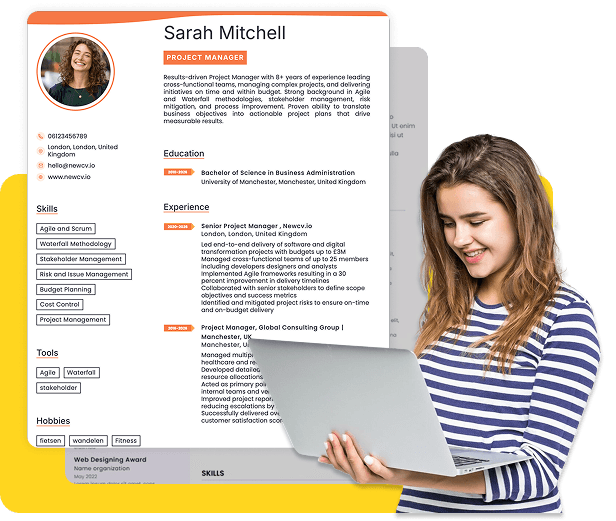
Use ATS-optimised Resume and resume templates that pass applicant tracking systems. Our Resume builder helps recruiters read, scan, and shortlist your Resume faster.

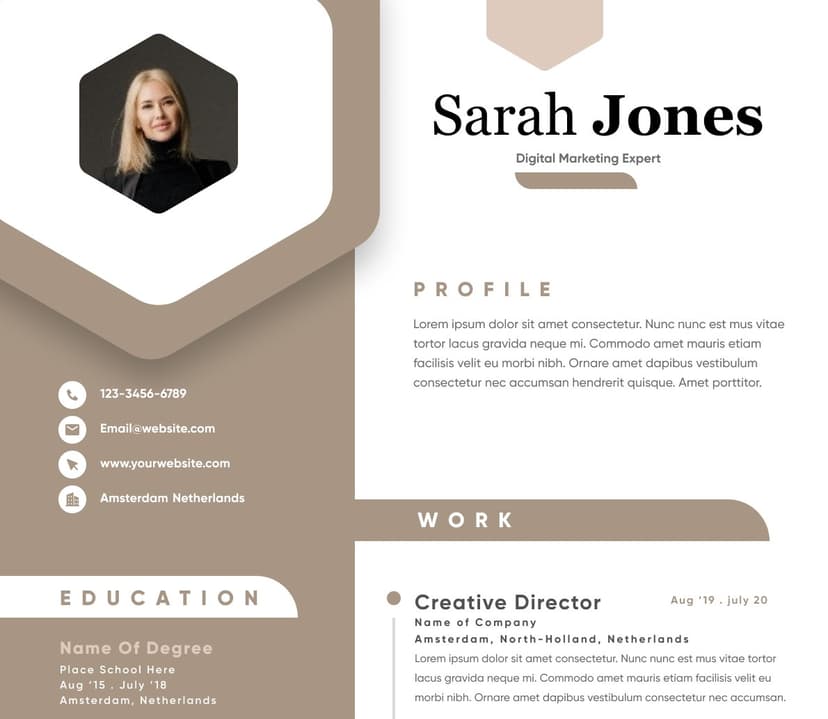
Use professional field-tested resume templates that follow the exact Resume rules employers look for.
Create Resume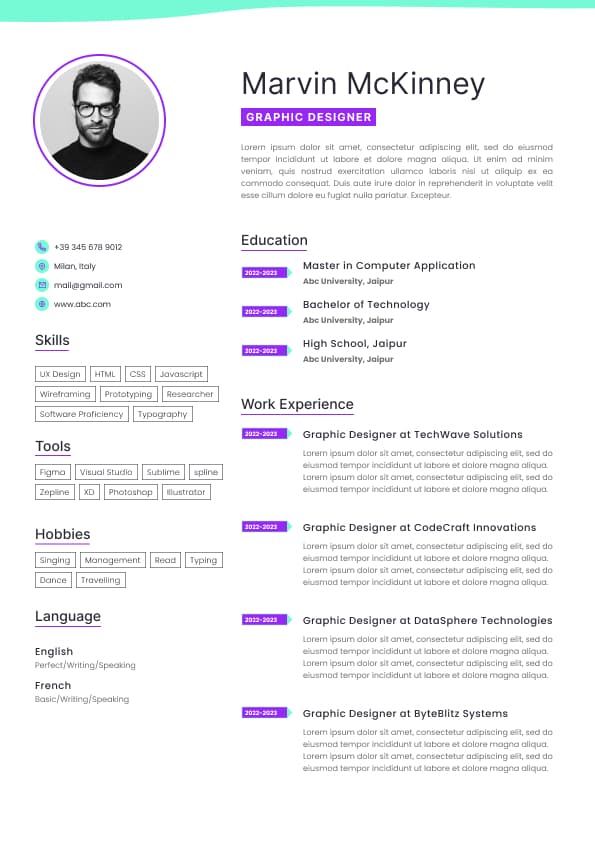
Use professional field-tested resume templates that follow the exact Resume rules employers look for.
Create ResumeMid-level Android developers
Senior Android engineers
Lead Android developers
Android architects
Engineers with multiple shipped apps
Candidates with Kotlin migration experience
Developers working in fintech, healthcare, automotive, or large-scale enterprise environments
Candidates with substantial architecture, SDK, CI/CD, or platform ownership responsibilities
The mistake most candidates make is assuming shorter automatically means better. That is no longer universally true in technical hiring.
For Android roles, hiring managers often need evidence of:
Application scale
Architecture decisions
Android framework expertise
Performance optimization
Play Store deployment experience
Kotlin and Jetpack implementation
Team collaboration
Testing strategy
Release ownership
Technical leadership
If removing important evidence to force a one-page resume weakens your positioning, the shorter resume loses.
Firebase
Android SDK
REST APIs
CI/CD
Git
Gradle
Unit testing
Espresso
Dagger/Hilt
Clean Architecture
If your resume formatting breaks ATS parsing, recruiters may never properly see your experience.
Recruiters usually spend less than 30 seconds initially reviewing:
Resume structure
Android relevance
Career progression
Technical stack alignment
Company relevance
Stability
Project scope
At this stage, clarity matters more than design.
Engineering managers go deeper into:
Architecture decisions
Scalability
Android ecosystem depth
Technical ownership
Release complexity
Business impact
Collaboration with product/design/backend teams
Performance optimization
Problem-solving quality
This is where strong technical bullet points separate strong candidates from average ones.
Contact information
LinkedIn profile
GitHub profile
Portfolio or Play Store links
Professional summary
Technical skills
Relevant experience
Android projects
Education
Certifications if relevant
The key is prioritization.
If your projects demonstrate stronger Android skills than unrelated work history, projects deserve more space.
Team leadership
Performance optimization accomplishments
Security or compliance-heavy mobile environments
Large-scale Play Store release history
Hiring managers want enough detail to assess engineering depth.
Removing critical technical context simply to maintain a one-page format often weakens credibility.
Full mailing address
Headshot
Personal details unrelated to hiring
Multiple phone numbers
Unprofessional usernames
Your summary should immediately position you for the target Android role.
Strong summaries include:
Years of Android experience
Core Android technologies
Product or industry specialization
Scale or impact indicators
Technical strengths
“Motivated Android developer seeking opportunities to grow skills.”
This says almost nothing.
“Android developer with 5+ years of experience building Kotlin-based mobile applications for fintech and healthcare platforms. Specialized in Jetpack Compose, MVVM architecture, REST API integration, and performance optimization for apps supporting over 2 million users.”
The second example creates immediate positioning.
Dagger/Hilt
Firebase
MVVM
MVI
Clean Architecture
Android Studio
Git
Gradle
Jenkins
GitHub Actions
JUnit
Espresso
Mockito
Avoid giant keyword dumps with no organization.
Structured technical sections improve readability and ATS performance simultaneously.
Collaboration across teams
“Worked on Android applications using Kotlin.”
This is generic and low-value.
“Developed and maintained Kotlin-based Android features for a fintech application with 1.8M+ users, reducing app startup time by 32% through performance optimization and asynchronous data loading improvements.”
This demonstrates:
Scale
Technical skill
Outcome
Business relevance
That is what hiring managers want.
Text boxes
Graphics
Icons
Skill bars
Infographics
Fancy templates
Excessive colors
Many visually impressive resumes perform poorly in ATS systems.
Technical hiring teams prioritize clarity over design aesthetics.
API integration
State management
Performance optimization
Testing practices
UI implementation
Play Store deployment
If your project is weak, outdated, or unfinished, it can hurt credibility.
Only include projects that reinforce your readiness for the target role.
Did your work improve measurable outcomes?
Examples:
Crash reduction
App performance
User retention
Feature adoption
Store ratings
Can you explain why you implemented something a certain way?
Strong resumes hint at engineering judgment.
Can your code support large user bases and evolving applications?
This becomes especially important for senior Android roles.
Metrics improve credibility.
Examples include:
User growth
Crash reduction
Performance improvements
Revenue impact
App ratings
Release frequency
Android hiring is highly stack-specific.
A fintech company using Kotlin and Jetpack Compose wants different signals than a legacy enterprise environment still relying heavily on Java XML layouts.


 Upload Resume
 Import from Linkedin