STILL APPLYING. STILL HEARING NOTHING?BUILD YOUR RESUME

STILL APPLYING. STILL HEARING NOTHING?BUILD YOUR RESUME
Choose from a wide range of NEWCV resume templates and customize your NEWCV design with a single click.
FAQ

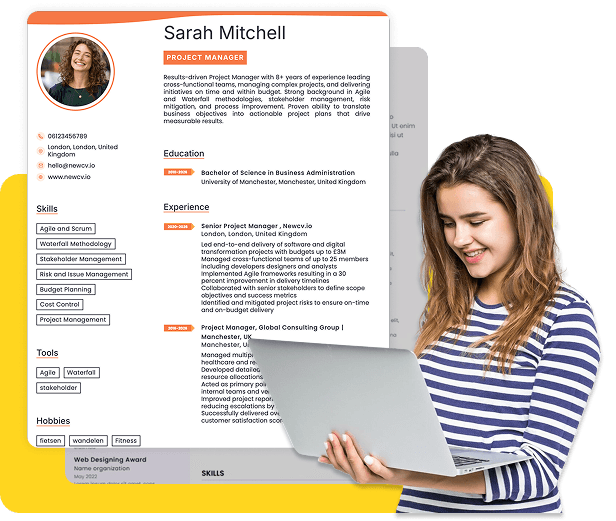
Your Android developer resume should usually be 1 page if you are entry-level and 2 pages if you have meaningful professional Android experience. Most recruiters and hiring managers do not reject a resume because it is two pages. They reject it because it is unfocused, poorly structured, overloaded with irrelevant details, or difficult to scan quickly.
For Android developers, resume structure matters as much as resume length. Recruiters often spend less than 30 seconds deciding whether a candidate moves forward. Your resume must immediately communicate:
Android-specific technical depth
Real production experience
Kotlin or Java expertise
Mobile architecture knowledge
App scale and business impact
Modern Android stack familiarity
Release and deployment experience
A strong Android developer resume is optimized for both ATS systems and human reviewers. That means clean formatting, clear sections, measurable achievements, and highly relevant Android technologies near the top of the page.
The best Android resumes are not designed to “look creative.” They are designed to get interviews.
The correct resume length depends on your level of Android experience, technical complexity, and the relevance of your projects.
A one-page resume is best for:
Students
New graduates
Android bootcamp graduates
Internship candidates
Junior Android developers
Candidates with under 3 years of experience
Career changers entering Android development
A one-page resume works because your experience is still narrow enough to present clearly without sacrificing quality.
Recruiters prefer concise resumes at the entry level because they mainly evaluate:
Technical foundation
Android stack familiarity
Project quality
Internship exposure
GitHub or Play Store work
Learning velocity
If you stretch limited experience into two pages, it usually signals weak prioritization.
A two-page resume is completely acceptable for:
Mid-level Android developers
Senior Android engineers
Lead Android developers
Android architects
Mobile platform engineers
Fintech or healthcare Android developers
Enterprise Android developers
Developers with multiple shipped apps
Candidates with architecture or leadership experience
At higher levels, recruiters expect more depth because hiring decisions become more risk-sensitive.
A senior Android engineer may need space to demonstrate:
MVVM, MVI, or Clean Architecture implementation
Kotlin Coroutines expertise
Jetpack Compose migration work
CI/CD pipeline ownership
App performance optimization
SDK integration complexity
Team leadership
Cross-functional collaboration
Release management
If those details materially affect hiring decisions, two pages are justified.
Recruiters rarely care about page count itself.
They care whether every line earns its place.
A strong two-page Android resume beats a weak one-page resume every time.
What recruiters actually dislike:
Large blocks of text
Repetitive bullet points
Generic descriptions
Unclear technical ownership
Irrelevant old experience
Excessive soft skills
Fluff without measurable impact
The problem is usually not length. The problem is low information density.
The strongest Android developer resumes follow a predictable structure because recruiters scan resumes in patterns.
Here is the ideal order for most Android developer resumes.
Your header should contain:
Full name
Phone number
Professional email address
LinkedIn profile
GitHub profile
Portfolio website if relevant
Play Store links if you have published apps
This section should be compact and easy to scan.
For Android developers, GitHub and Play Store links often matter more than candidates realize.
Hiring managers may quickly validate:
Code quality
Project complexity
App polish
Activity consistency
Real Android implementation work
Architecture patterns
Compose usage
Kotlin quality
A missing GitHub profile is not fatal, but a strong GitHub profile can significantly improve interview chances for junior developers.
Your summary should be short and highly targeted.
Usually:
2 to 4 lines for experienced developers
Optional for entry-level candidates
Focused on Android specialization and business impact
“Hardworking Android developer with passion for coding and teamwork.”
This says almost nothing.
“Android Developer with 5+ years of experience building Kotlin-based mobile applications used by over 2 million users. Specialized in Jetpack Compose, MVVM architecture, Firebase integration, and mobile performance optimization for fintech applications.”
The second example immediately establishes:
Seniority
Android specialization
Technical stack
Scale
Domain relevance
That changes screening outcomes.
Your Android technical skills should appear near the top of the resume.
This is critical for both ATS parsing and recruiter scanning behavior.
Organize skills into logical groups such as:
Languages
Android Frameworks
Architecture
Networking
Databases
DevOps and CI/CD
Testing
Tools
Languages: Kotlin, Java
Frameworks: Jetpack Compose, Android SDK, Jetpack Libraries
Architecture: MVVM, MVI, Clean Architecture
Networking: Retrofit, OkHttp, REST APIs
Databases: Room, SQLite, Firebase Firestore
Dependency Injection: Hilt, Dagger
Testing: JUnit, Espresso, Mockito
CI/CD: GitHub Actions, Jenkins, Fastlane
Recruiters often reject resumes that:
List every technology ever touched
Include outdated Android technologies without context
Overstuff keywords unnaturally
Mix frontend, backend, and Android skills randomly
Add vague terms like “good communication” in the skills section
A bloated skills section weakens credibility.
This is the most important section on your Android resume.
Recruiters evaluate:
Ownership
Technical depth
Business impact
Mobile scale
Architecture maturity
Problem-solving ability
Strong bullets usually combine:
What you built
Technologies used
Scale or complexity
Measurable outcome
“Worked on Android applications using Kotlin.”
This is too vague.
“Developed and maintained Kotlin-based Android features for a fintech application with 1.5M+ active users, reducing app crash rates by 32% through improved error handling and performance optimization.”
The second bullet communicates:
Product scale
Ownership
Technical contribution
Measurable business impact
That is what gets interviews.
A highly effective structure is:
Action + Android Technology + Scope + Result
Example:
“Implemented Jetpack Compose UI components for a healthcare mobile platform, reducing screen rendering time by 24% and improving user retention.”
This format works because recruiters evaluate Android developers based on outcomes, not task lists.
Projects are extremely important for:
Entry-level Android developers
Self-taught developers
Career changers
Candidates without strong work history
A strong project section can compensate for limited professional experience.
Recruiters look for:
Real Android functionality
Clean architecture
Kotlin proficiency
API integrations
Modern Android stack usage
App deployment experience
Problem-solving complexity
Projects become significantly stronger when they include:
GitHub repository
Play Store deployment
Real user metrics
Offline support
Authentication
Push notifications
Firebase integration
Jetpack Compose
Coroutines and Flow
Dependency injection
Weak Android project sections often:
Describe tutorial apps
Lack measurable outcomes
Include no technical depth
Avoid architecture discussion
Show no deployment or testing experience
Recruiters can usually identify copied tutorial projects immediately.
For most Android developers, education belongs near the bottom unless:
You are a recent graduate
Your degree is highly relevant
You attended a recognized engineering program
Include:
Degree
School
Graduation year
Relevant honors if strong
Do not overload this section with coursework unless you are entry-level.
Certifications help most when they reinforce current Android technologies.
Useful certifications may include:
Google Associate Android Developer
Kotlin certifications
Firebase certifications
Mobile architecture training
Jetpack Compose courses
Certifications do not replace experience, but they can strengthen credibility for junior candidates.
The best Android resume format is:
Reverse chronological
ATS-friendly
Single-column layout
Minimal visual styling
Clean typography
Consistent spacing
Many tech recruiters use ATS platforms to search resumes by keywords such as:
Kotlin
Android SDK
Jetpack Compose
MVVM
Coroutines
Retrofit
Firebase
Complex formatting can break ATS parsing.
That means important skills may never appear in recruiter searches.
Avoid:
Tables
Text boxes
Icons
Graphics
Multiple columns
Progress bars
Skill ratings
Excessive color usage
Dense paragraphs
These elements often damage ATS readability.
Minimalist formatting consistently performs better in technical hiring.
Strong Android resumes typically use:
10 to 12 pt font
Clear spacing
Bold section headers
Standard fonts like Arial, Calibri, or Helvetica
Consistent bullet formatting
Your resume should feel effortless to scan.
Recruiters should identify your Android expertise within seconds.
Most Android resumes are screened in this order:
Recruiters first check whether your stack matches the role.
For example:
Kotlin vs Java
Compose vs XML
MVVM experience
Android SDK depth
API integration experience
If alignment is weak, the resume may be rejected immediately.
Hiring managers strongly prefer developers who have:
Shipped applications
Maintained production systems
Worked with app releases
Fixed crashes and bugs
Improved performance
Production exposure reduces hiring risk.
Strong Android resumes show measurable outcomes like:
Reduced crash rates
Improved app ratings
Faster performance
Increased retention
Feature adoption growth
Impact differentiates engineers from task executors.
Yes, especially if the work is strong.
These links are most valuable when they demonstrate:
Real Kotlin code quality
Architecture maturity
Modern Android practices
UI quality
App functionality
Active development
However, weak repositories can hurt your candidacy.
Do not include:
Empty repositories
Broken projects
Low-quality tutorial clones
Incomplete unfinished apps
Quality matters far more than quantity.
Generic bullets destroy differentiation.
Recruiters see thousands of resumes saying:
“Worked on Android app development”
“Collaborated with teams”
“Responsible for coding”
These statements create no hiring confidence.
Overloaded skills sections make candidates appear unfocused.
A recruiter hiring for Android wants to quickly identify:
Mobile specialization
Android architecture depth
Kotlin proficiency
Production Android experience
Not a random list of every framework used once.
Android resumes fail when core technical signals are buried.
Your Android stack should appear early.
Old unrelated jobs dilute positioning.
For example:
Retail experience from 8 years ago
Non-technical internships
Unrelated administrative work
Only include older non-technical work if it meaningfully supports your story.
Large text blocks reduce readability and hurt recruiter engagement.
Strong resumes prioritize:
Short bullets
Clear spacing
Fast scanning
Measurable achievements
Senior Android resumes should emphasize:
Architecture leadership
System design
Mentorship
Technical ownership
Performance optimization
Cross-functional influence
Product collaboration
Mobile scalability
Senior candidates are evaluated less on coding alone and more on engineering decision-making.
Many senior developers undersell:
Technical leadership
Migration ownership
Platform modernization
Team influence
Release coordination
Strategic architecture contributions
Those details often determine interview selection for senior roles.
The highest-performing Android resumes are:
Clean
Technical
Fast to scan
Achievement-focused
Mobile-specialized
Architecturally credible
Your resume should immediately answer these questions:
Can this person build Android applications effectively?
Can they work in a production environment?
Do they understand modern Android development?
Have they delivered measurable results?
Are they aligned with our technical stack?
If your resume answers those questions quickly, your interview chances increase dramatically.
Use ATS-optimised Resume and resume templates that pass applicant tracking systems. Our Resume builder helps recruiters read, scan, and shortlist your Resume faster.

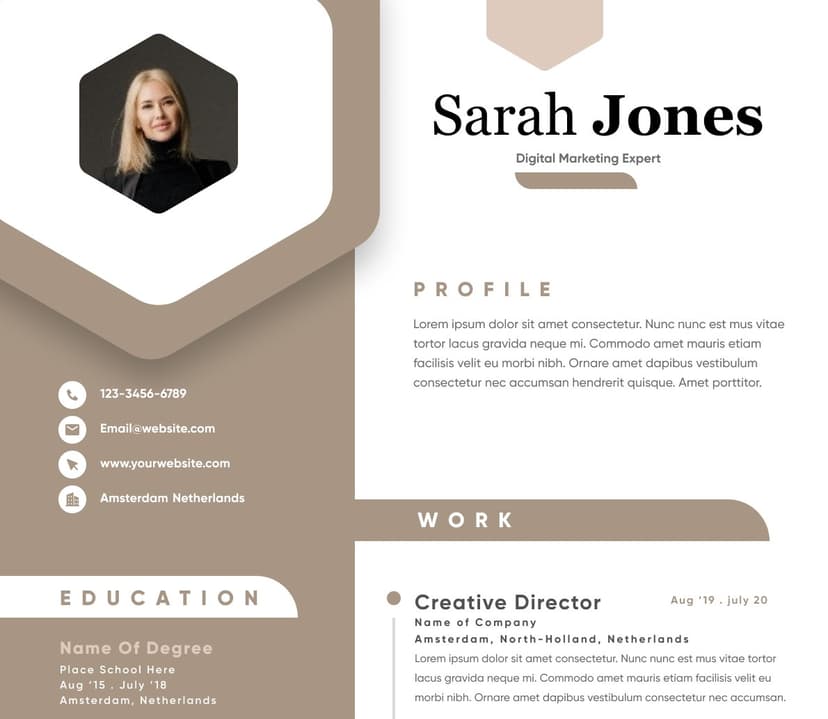
Use professional field-tested resume templates that follow the exact Resume rules employers look for.
Create Resume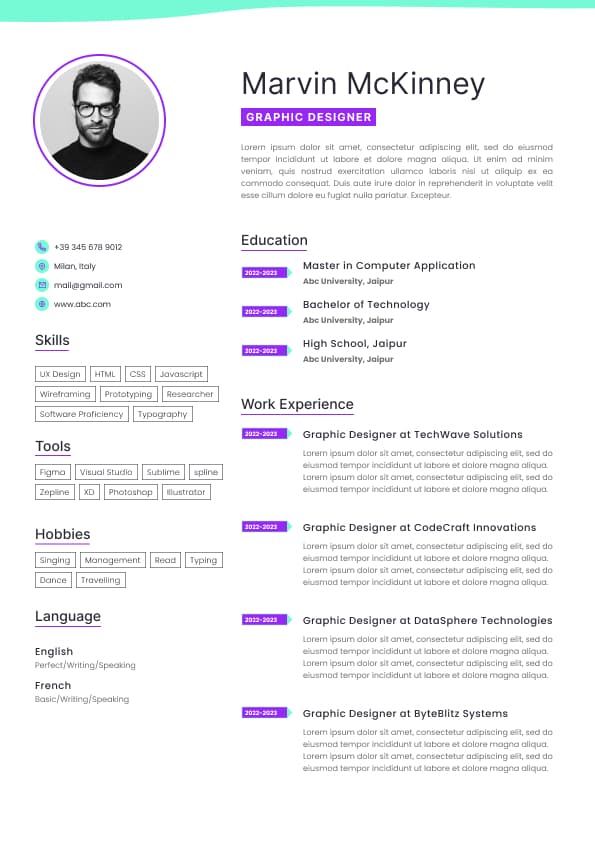
Use professional field-tested resume templates that follow the exact Resume rules employers look for.
Create ResumeSecurity or compliance work
Large-scale app modernization
Tools: Android Studio, Firebase, Git, Jira


 Upload Resume
 Import from Linkedin