STILL APPLYING. STILL HEARING NOTHING?BUILD YOUR RESUME

STILL APPLYING. STILL HEARING NOTHING?BUILD YOUR RESUME
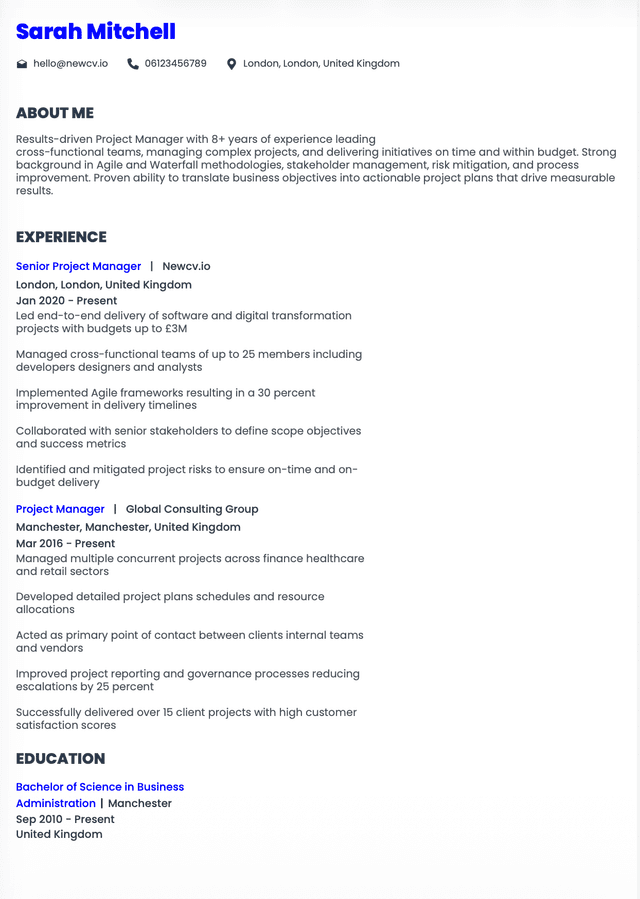
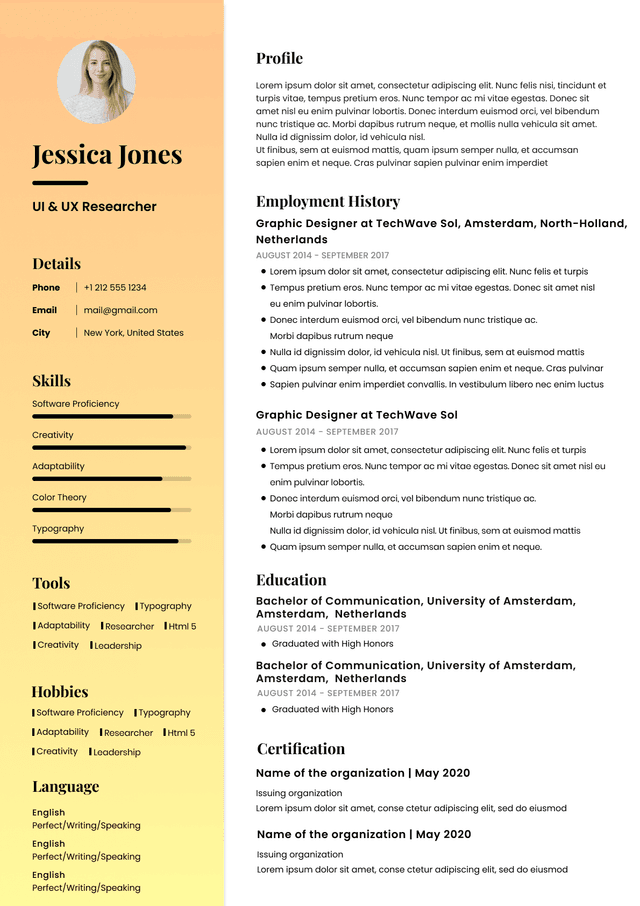
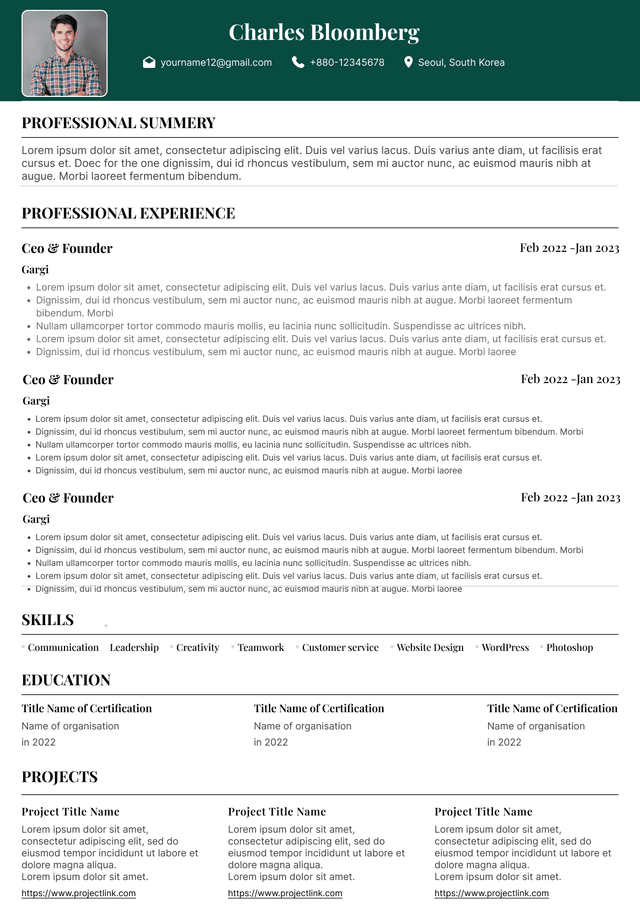
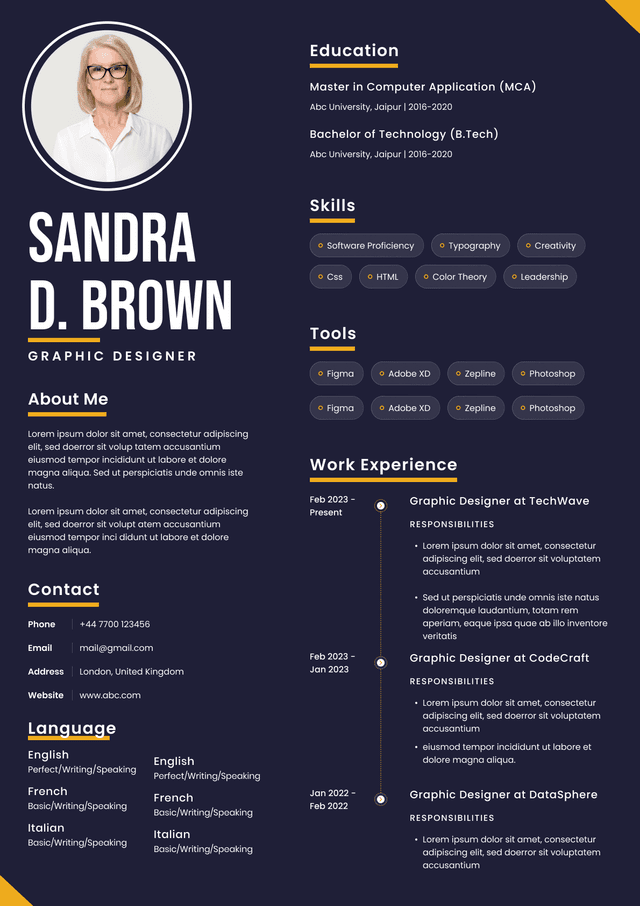
Choose from a wide range of NEWCV resume templates and customize your NEWCV design with a single click.
FAQ
A JavaScript developer career path is no longer just about learning React and building websites. In today’s US tech market, advancement depends on your ability to scale systems, influence engineering decisions, improve product outcomes, and operate beyond coding alone. The developers who move from junior to senior, staff, and principal engineering roles are not simply “better coders.” They understand architecture, communication, system reliability, product tradeoffs, performance optimization, and technical leadership.
Most developers stall between mid-level and senior because they focus only on frameworks instead of business impact and engineering leverage. Companies promote engineers who reduce complexity, improve team velocity, mentor others, and make systems scalable.
This guide breaks down the complete JavaScript developer roadmap from intern to distinguished engineer, including the exact skills, promotion expectations, specialization paths, salary-driving capabilities, and career mistakes that determine long-term growth in frontend and full stack engineering.
The JavaScript developer career path is the progression from writing isolated features to owning increasingly complex technical systems, engineering strategy, and organizational impact.
In the modern US market, JavaScript careers usually branch into four major tracks:
Frontend engineering
Full stack engineering
Platform and infrastructure engineering
Engineering leadership or technical leadership
Most developers start with UI-focused work and gradually expand into architecture, scalability, cloud deployment, backend systems, and cross-functional influence.
A typical progression looks like this:
Intern
Junior JavaScript Developer
The biggest mistake developers make is assuming career growth is linear. It is not.
The JavaScript ecosystem evolves rapidly, and the highest-paid engineers continuously adapt their stack while strengthening foundational engineering skills.
At this level, companies care less about mastery and more about potential.
Hiring managers evaluate:
Problem-solving ability
Basic JavaScript fundamentals
Learning speed
Communication
Ability to follow engineering standards
Git and collaboration basics
This is where many careers plateau.
The transition from junior to mid-level is not about years of experience. It is about reducing supervision.
Mid-level developers are expected to:
Deliver features independently
Debug production issues
Understand application structure
Collaborate effectively with designers and backend engineers
Write maintainable code
Estimate work realistically
Developers move faster when they master:
Senior engineer is the first major career inflection point.
At this level, companies no longer evaluate only coding output. They evaluate engineering judgment.
Senior developers are expected to:
Design scalable frontend systems
Prevent technical debt
Lead major initiatives
Mentor engineers
Improve engineering processes
Make architecture decisions
Handle ambiguity effectively
One of the biggest career decisions is specialization versus expansion.
A React-heavy specialization works well for developers interested in:
Design systems
UI platforms
Frontend architecture
Accessibility
Performance engineering
Product-facing engineering
High-paying React specialists often become:
The jump from senior to staff is where most developers struggle.
Why?
Because staff engineering is not just advanced coding.
It is technical leadership without formal management authority.
Staff engineers typically:
Define frontend standards
Lead architecture strategy
Improve engineering scalability
Coordinate across multiple teams
Reduce technical complexity
Drive modernization initiatives
Principal engineers operate at company-wide technical influence levels.
They are responsible for long-term engineering direction.
Technical strategy
Multi-year architecture planning
Risk reduction
Scalability forecasting
Organizational engineering standards
Executive-level technical communication
At this level, coding becomes secondary to decision quality.
Distinguished engineers are rare.
These roles exist mostly in:
Large tech companies
Enterprise SaaS organizations
Cloud infrastructure companies
AI platforms
Global engineering organizations
Distinguished engineers influence entire company ecosystems.
They often:
Define engineering direction company-wide
Lead critical innovation initiatives
Not all skills produce equal career impact.
Some technologies improve employability. Others improve promotion velocity.
The highest-value JavaScript engineering skills today include:
TypeScript is now considered essential for scalable frontend engineering.
It improves:
Maintainability
Collaboration
Enterprise readiness
Code reliability
System design separates senior engineers from mid-level developers.
Critical areas include:
Some specializations create outsized compensation opportunities.
AI-focused JavaScript engineering is rapidly growing.
Key areas:
AI product interfaces
LLM integrations
AI workflow tooling
Real-time AI applications
Developers who combine JavaScript expertise with AI integration skills are increasingly difficult to hire.
Design systems engineers build reusable UI infrastructure across organizations.
These engineers specialize in:
The majority of stalled JavaScript careers follow predictable patterns.
Developers who only learn libraries without engineering fundamentals eventually plateau.
Frameworks change.
Architecture thinking scales.
Senior and staff promotions heavily depend on communication.
Engineers must explain:
Tradeoffs
Risks
Priorities
Technical decisions
Poor communicators rarely advance into high-impact roles.
Recruiters do not evaluate JavaScript developers purely by years of experience.
They evaluate progression patterns.
Strong career progression signals include:
Increasing technical ownership
Promotion history
Scalability experience
Leadership exposure
Complex system work
Cross-functional collaboration
Recruiters become cautious when candidates show:
Personal projects should demonstrate architectural thinking, not just UI polish.
Strong projects include:
Authentication
APIs
Database integration
Deployment pipelines
Performance optimization
This is one of the largest promotion differentiators.
Most developers never deeply study frontend scalability.
The frontend engineer role is evolving rapidly.
The next generation of high-value JavaScript engineers will increasingly combine:
AI integration skills
System design expertise
Infrastructure awareness
Product thinking
Performance engineering
Platform scalability
Developers who remain narrowly focused on component implementation may struggle long term.
The highest-paying engineers increasingly operate at the intersection of frontend architecture, developer productivity, AI systems, and cloud-native engineering.


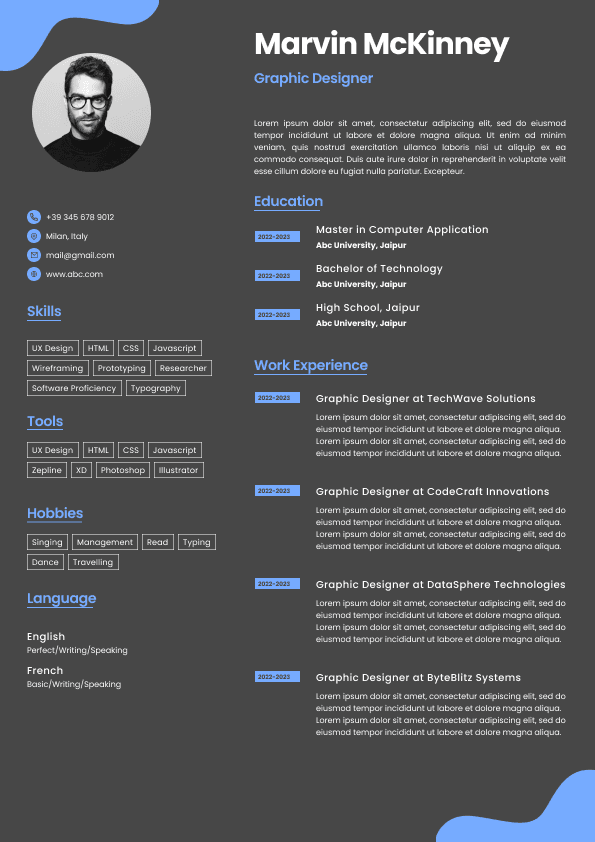
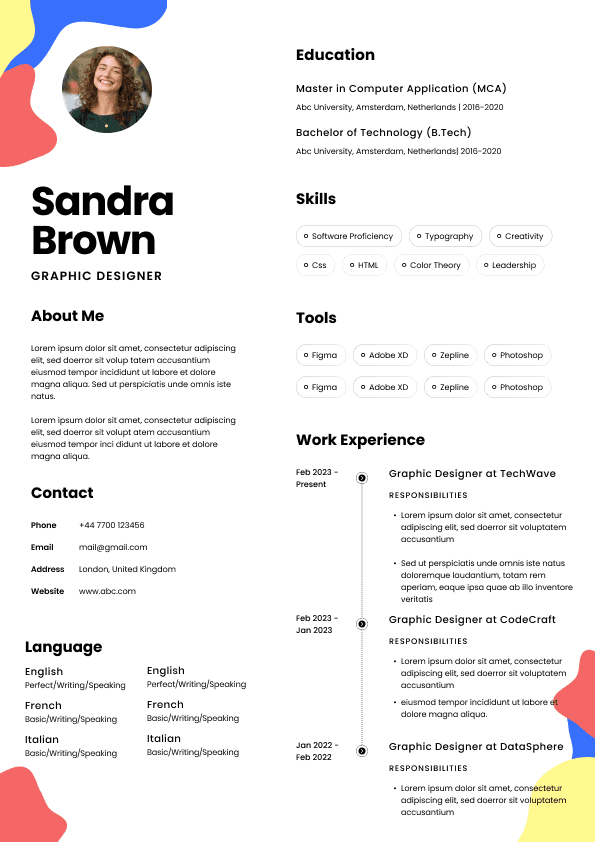
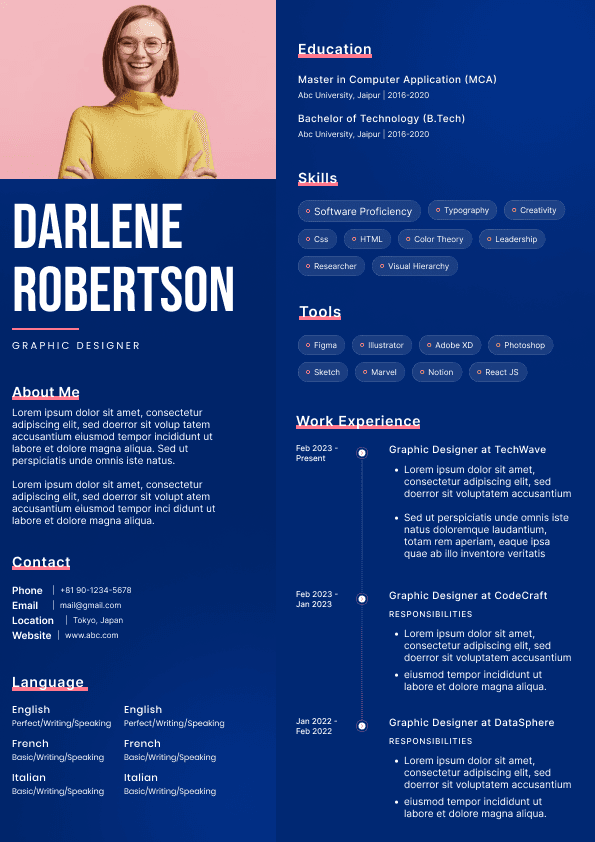
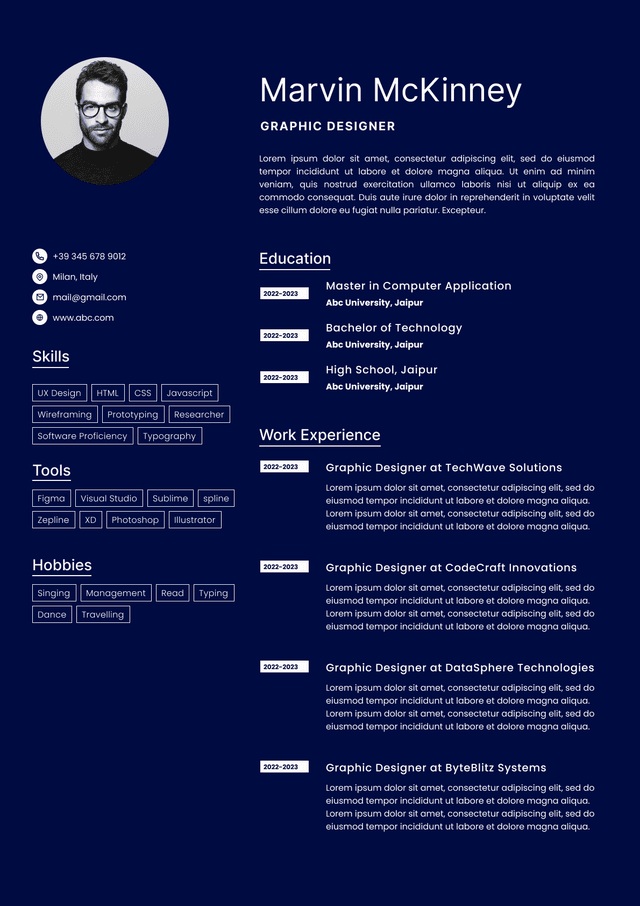
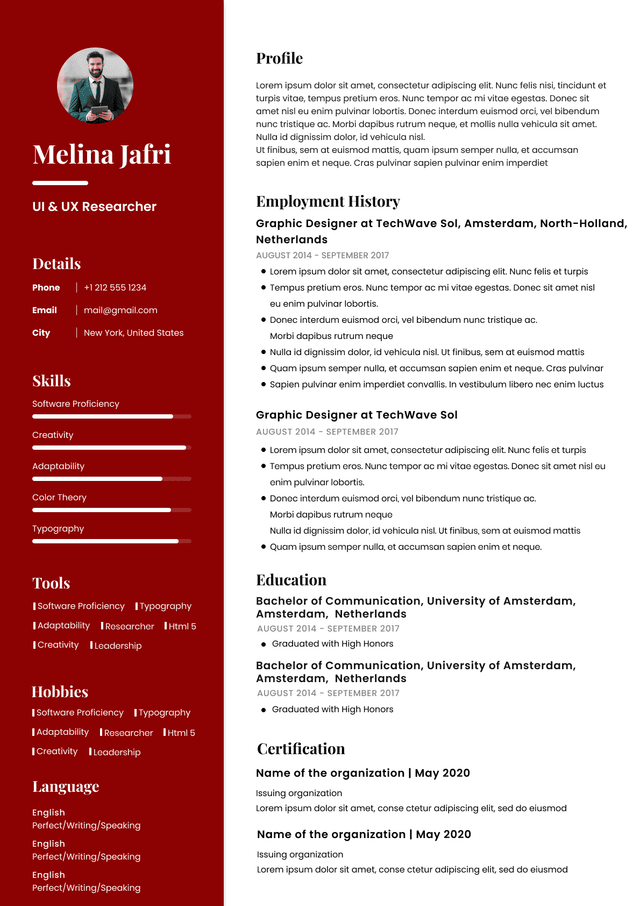
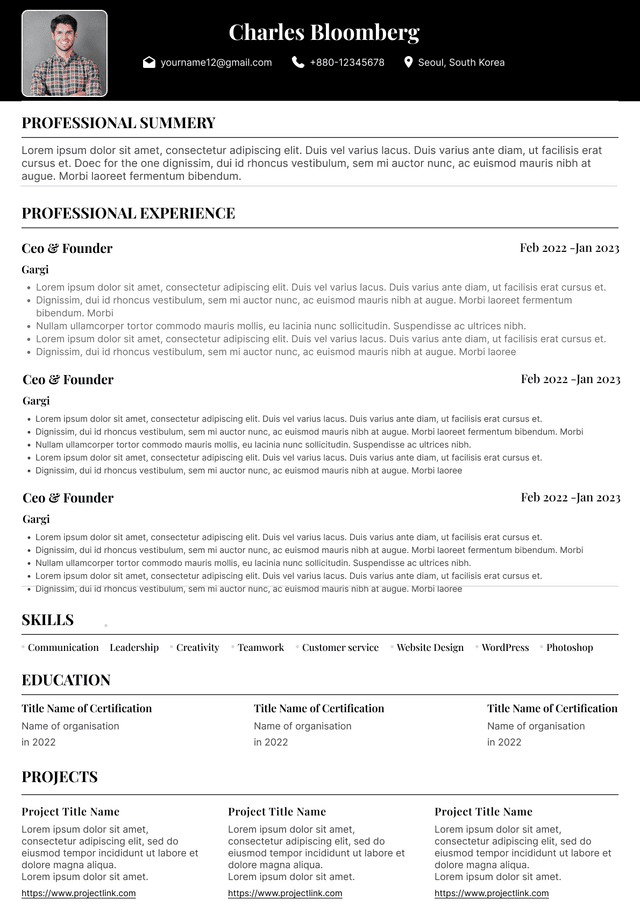
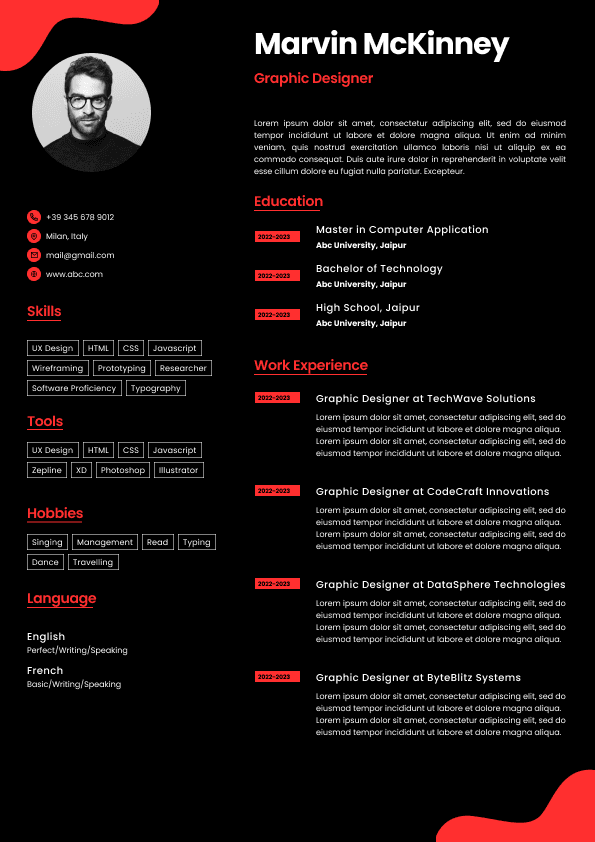
Use ATS-optimised Resume and resume templates that pass applicant tracking systems. Our Resume builder helps recruiters read, scan, and shortlist your Resume faster.


Use professional field-tested resume templates that follow the exact Resume rules employers look for.
Create Resume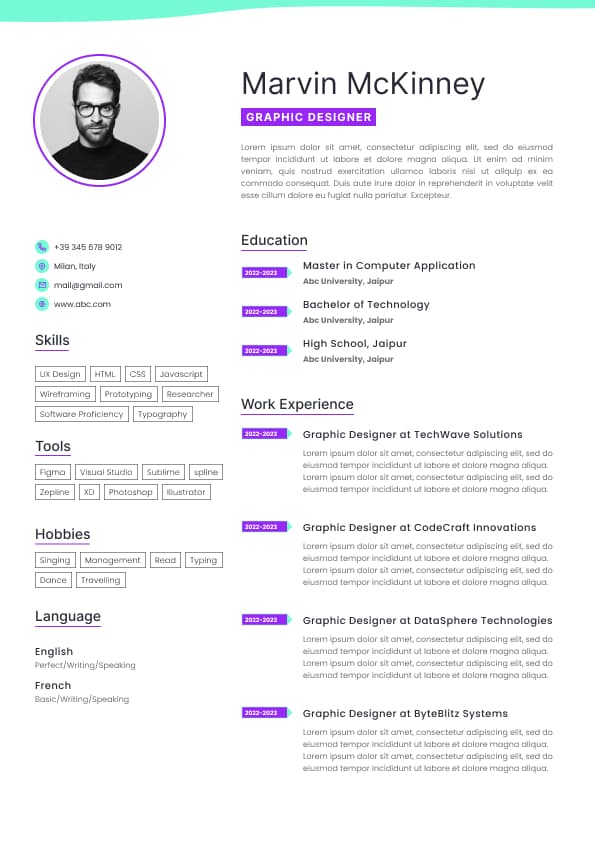
Use professional field-tested resume templates that follow the exact Resume rules employers look for.
Create ResumeMid-Level JavaScript Developer
Senior JavaScript Developer
Lead Frontend Engineer
Staff Frontend Engineer
Principal Engineer
Distinguished Engineer
Titles vary by company, but promotion criteria usually follow the same pattern:
Early career = execution quality
Mid-career = ownership and autonomy
Senior level = system-level thinking
Staff+ = organizational influence and technical strategy
Core skills expected:
JavaScript fundamentals
ES6+ syntax
DOM manipulation
APIs and async programming
HTML/CSS
Git/GitHub
Basic React or Vue knowledge
Portfolio expectations:
Small but polished projects
Responsive UI work
Clean GitHub repositories
Readable code structure
Recruiters consistently reject junior candidates for these reasons:
Tutorial-copy portfolios
No deployed projects
Poor code organization
Weak debugging ability
Inability to explain decisions
No understanding of APIs or state management
A junior developer does not need advanced architecture knowledge. But they must demonstrate the ability to build independently.
React ecosystem fundamentals
TypeScript
State management
Component architecture
Testing frameworks
Performance optimization
API integration patterns
TypeScript has become one of the strongest career accelerators in frontend engineering.
Hiring managers increasingly associate TypeScript experience with:
Scalability awareness
Maintainability
Enterprise-readiness
Better engineering discipline
Developers who remain JavaScript-only often lose opportunities at larger organizations.
Many developers incorrectly assume senior engineers spend most of their time coding.
In reality, senior engineers often spend significant time on:
Technical planning
Architecture discussions
Reviewing pull requests
Cross-team coordination
Mentoring
Performance analysis
Incident prevention
Coding remains important, but leverage matters more than raw output.
Senior frontend engineers must understand:
Rendering performance
State architecture
Bundle optimization
Design systems
Accessibility standards
Component scalability
Microfrontend strategies
SSR and hydration tradeoffs
This is where developers transition from “React developers” to true frontend engineers.
Staff Frontend Engineers
Design Systems Engineers
Frontend Architects
UI Platform Engineers
Full stack growth usually offers broader hiring opportunities and startup flexibility.
Critical full stack skills include:
Node.js
Database design
API architecture
Authentication systems
Cloud deployment
CI/CD pipelines
Backend scalability
Full stack engineers often move into:
SaaS platform engineering
Technical lead roles
Startup engineering leadership
Engineering management
In the US market:
Elite frontend specialists can earn extremely high compensation at large tech companies
Full stack engineers often have broader opportunities across startups and mid-market companies
Staff and principal-level compensation depends more on system impact than stack choice
The highest compensation usually comes from solving business-critical scalability problems.
Senior engineers optimize their own team.
Staff engineers optimize multiple teams or entire engineering systems.
This includes:
Shared infrastructure
Design system governance
Frontend platform strategy
Developer experience improvements
Performance standards
Many senior engineers fail promotion because they stay task-oriented.
Staff-level growth requires:
Broader business thinking
Cross-functional influence
Strategic communication
Organizational awareness
Companies promote engineers who improve engineering leverage at scale.
Promotion committees often assess:
Scope of influence
Strategic thinking
Long-term impact
Technical credibility
Ability to align teams
Business understanding
The best principal engineers combine technical depth with product and organizational awareness.
Represent engineering publicly
Shape architecture standards at scale
This level requires extraordinary technical credibility and organizational trust.
State management architecture
Rendering optimization
Scalability planning
API orchestration
Caching strategies
Performance specialists are increasingly valuable because frontend complexity keeps growing.
High-impact skills include:
Core Web Vitals optimization
Bundle splitting
Rendering performance
Memory optimization
Network efficiency
Accessibility expertise significantly increases engineering value in enterprise organizations.
Developers who understand WCAG compliance often become critical contributors on large-scale applications.
Modern JavaScript developers increasingly need deployment knowledge.
Important areas include:
Docker
AWS
Vercel
CI/CD
Kubernetes basics
Serverless deployment
Frontend engineers who understand infrastructure gain major career advantages.
Component libraries
Accessibility standards
Frontend consistency
Developer experience
This specialization is highly valued in enterprise environments.
Platform-focused JavaScript engineers improve internal developer productivity.
Examples include:
Internal tooling
CI/CD systems
Frontend infrastructure
Monorepo tooling
These roles often lead to staff-level advancement faster because impact scales broadly.
Frontend security expertise is becoming increasingly valuable.
Critical areas include:
Authentication systems
CSP implementation
XSS prevention
Secure API handling
Security-aware frontend engineers are highly attractive to fintech, healthcare, and enterprise organizations.
Ownership is one of the strongest promotion signals.
High-growth engineers volunteer for:
Difficult systems
Ambiguous projects
Incident response
Cross-functional initiatives
Promotions often depend on organizational reputation.
Engineers who stay invisible struggle to advance.
High-performing engineers build visibility through:
Mentoring
Documentation
Architecture leadership
Internal presentations
Open source contributions
Repeated lateral moves with no growth
Years of maintenance-only work
No architecture exposure
No evidence of impact
Shallow framework knowledge
The strongest candidates demonstrate progression in both technical complexity and business impact.
Top engineers understand:
User behavior
Business goals
Conversion impact
Product tradeoffs
This dramatically increases promotion potential.
Technical writing improves:
Industry visibility
Recruiter interest
Professional credibility
It also strengthens your own engineering clarity.
Open source contributions demonstrate:
Collaboration
Code quality
Engineering maturity
Real-world development experience
This can meaningfully improve hiring outcomes.










 Upload Resume
 Import from Linkedin