STILL APPLYING. STILL HEARING NOTHING?BUILD YOUR RESUME

STILL APPLYING. STILL HEARING NOTHING?BUILD YOUR RESUME
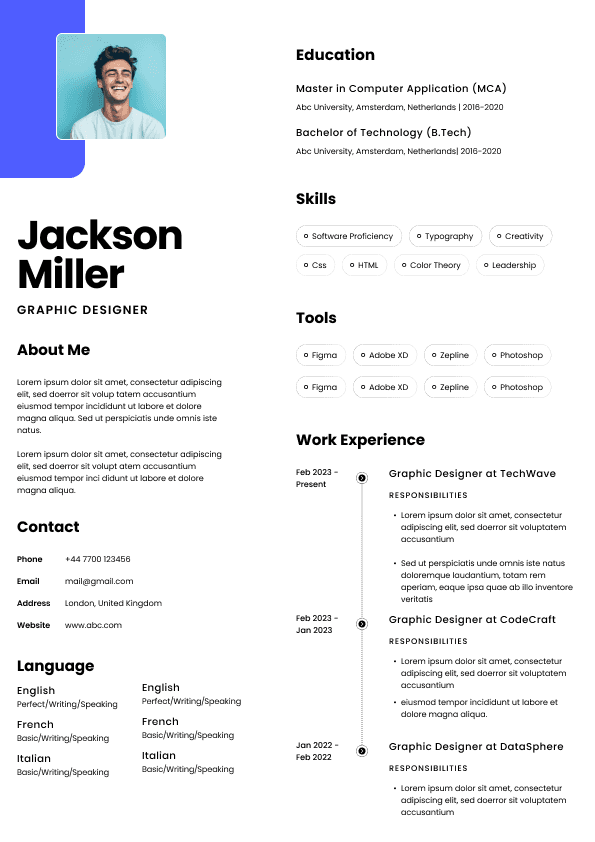
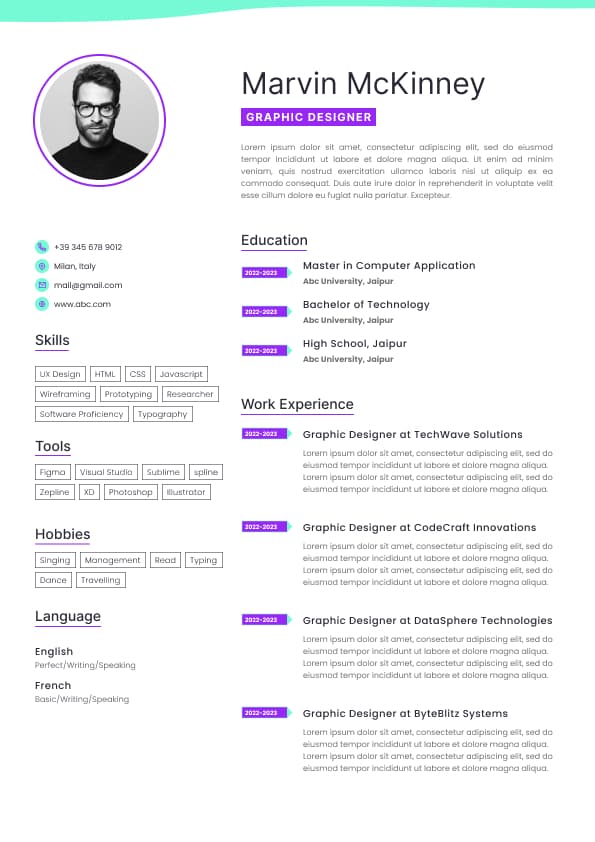
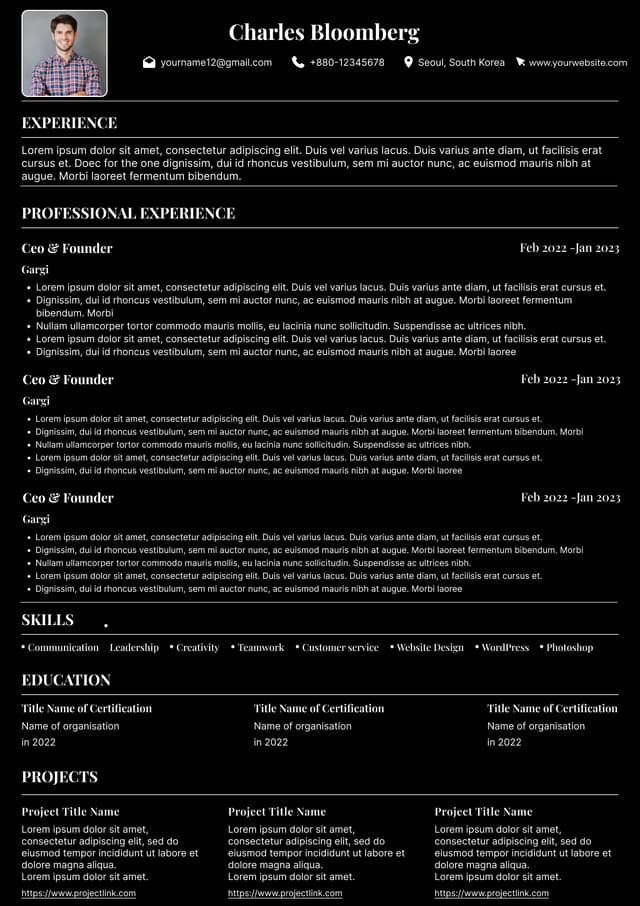
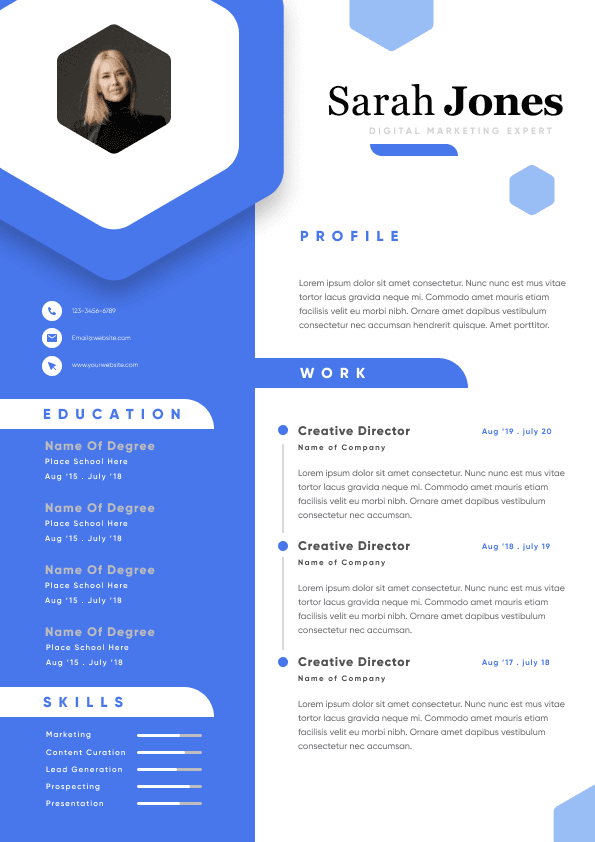
Choose from a wide range of NEWCV resume templates and customize your NEWCV design with a single click.
FAQ
A strong JavaScript developer cover letter does not repeat your resume. It proves you can solve technical problems, contribute to product goals, and communicate clearly with engineering teams. Hiring managers want evidence that you can build reliable applications, collaborate effectively, and deliver production-ready code.
The best JavaScript developer cover letters focus on business impact, not just technologies. Instead of listing React, Node.js, or TypeScript without context, strong candidates explain what they built, how they improved performance, what problems they solved, and how their work helped users or engineering teams.
For entry-level developers, projects, GitHub contributions, bootcamp work, and real application builds matter more than formal experience. For senior developers, architecture decisions, mentorship, scalability, testing strategy, and system design become the differentiators.
This guide includes recruiter-approved JavaScript developer cover letter examples for multiple career levels and specialties, along with the exact strategies hiring managers use when evaluating candidates.
Most engineering managers scan a cover letter in under 60 seconds before deciding whether to continue reviewing a candidate.
They are usually looking for five things:
Technical relevance to the role
Evidence of real project impact
Communication ability
Product and business awareness
Signs the candidate can work well with teams
A weak cover letter sounds generic and interchangeable.
Weak Example
“I am passionate about JavaScript and would love the opportunity to work at your company.”
This tells the hiring manager almost nothing.
Good Example
“At BrightWave, I developed React-based dashboard components that reduced page load times by 34% and improved customer retention reporting for enterprise clients.”
The strongest JavaScript developer cover letters follow a clear structure:
The first paragraph should quickly answer:
Which role you are applying for
Your level of experience
Why you are relevant to the company
Avoid generic enthusiasm.
Instead, connect your background directly to the role.
This is where candidates win interviews.
Strong developers explain:
What applications they built
Dear Hiring Manager,
I am excited to apply for the JavaScript Developer position at Horizon Digital. With five years of experience building scalable web applications using JavaScript, TypeScript, React, Node.js, and PostgreSQL, I have developed a strong track record of delivering high-performance features that improve user experience and support business growth.
In my current role at Elevate Labs, I helped redesign a customer analytics dashboard used by more than 40,000 monthly users. By optimizing React rendering patterns, implementing lazy loading strategies, and improving API response handling, our team reduced page load times by 38% and significantly improved customer engagement metrics.
Beyond frontend development, I have experience building REST APIs with Node.js and Express, integrating third-party services, and improving CI/CD deployment workflows within AWS environments. I regularly collaborate with product managers, UX designers, and QA engineers in Agile sprints to deliver reliable production-ready features.
One of the reasons I am especially interested in Horizon Digital is your focus on modern web performance and developer experience. Your engineering blog discussing frontend observability and component architecture strongly aligns with the type of engineering challenges I enjoy solving.
I would welcome the opportunity to bring my JavaScript development experience, product mindset, and collaborative approach to your engineering team. Thank you for your time and consideration.
Sincerely,
Michael Carter
Candidates with no formal experience often make the mistake of apologizing for being new.
That hurts their positioning immediately.
Hiring managers already know you are junior. What they want to see is evidence of initiative, learning ability, and practical skills.
Portfolio projects
GitHub activity
Bootcamp or coursework projects
APIs or applications built
Problem-solving ability
Collaboration on projects
Frontend hiring managers care about far more than “knowing React.”
They want developers who understand:
UI performance
Accessibility
Responsive design
State management
Component architecture
User experience collaboration
Many candidates fail because they only talk about frameworks instead of frontend outcomes.
Backend JavaScript developers are evaluated differently than frontend developers.
Hiring managers focus heavily on:
API architecture
Scalability
Database design
Authentication
Performance optimization
Reliability
Cloud deployment
Simply saying you know Node.js is not enough.
You need to demonstrate backend ownership.
Full stack roles are highly competitive because many candidates claim full stack experience without true depth.
Hiring managers usually look for:
End-to-end feature ownership
Ability to move between frontend and backend work
Database and deployment knowledge
Product thinking
Cross-functional communication
The best full stack cover letters demonstrate complete feature delivery.
Instead of saying:
“I worked on frontend and backend systems.”
Say:
“I developed and deployed customer onboarding features using React, Node.js, PostgreSQL, and AWS Lambda, reducing onboarding completion time by 22%.”
React-specific roles often prioritize:
Component architecture
State management
Performance optimization
TypeScript
Testing
Design systems
SSR or Next.js
Node.js hiring managers often prioritize operational reliability over flashy technology stacks.
Strong Node.js candidates demonstrate:
API scalability
Error handling
Authentication
Database optimization
Queue systems
Cloud deployments
Monitoring and observability
Candidates become much stronger when they discuss:
Senior candidates are evaluated very differently from junior and mid-level developers.
At senior level, hiring managers prioritize:
Technical leadership
Architecture decisions
Mentorship
Engineering standards
Scalability
Cross-team influence
Product and business thinking
A senior cover letter should sound strategic, not task-oriented.
Use this structure when creating your own customized cover letter.
Dear Hiring Manager,
I am excited to apply for the [Job Title] position at [Company Name]. With [X years] of experience working with JavaScript technologies including [Frameworks/Tools], I have developed strong experience building [applications/features/products].
In my current role at [Company], I helped [specific accomplishment with measurable impact]. My experience includes working with [frontend/backend/cloud/databases/testing tools] while collaborating closely with [teams/stakeholders].
One project I am especially proud of involved [brief technical or product achievement]. This experience strengthened my ability to [relevant capability tied to target role].
I am particularly interested in [Company Name] because of [specific product, engineering challenge, mission, or technology focus]. I would welcome the opportunity to contribute my experience in [relevant skill area] to your engineering team.
Thank you for your time and consideration. I look forward to speaking with you further.
Sincerely,
[Your Name]
Many technically capable developers lose interviews because their cover letters sound generic.
Bad cover letters stack tools without context.
Weak Example
“Experienced with JavaScript, React, Node.js, MongoDB, Express, AWS, Docker, and Git.”
This sounds like a keyword dump.
Instead, explain outcomes tied to the stack.
A cover letter should provide context and positioning.
Not duplicate bullet points.
Hiring managers care more about capability than enthusiasm alone.
Passion matters only when supported by evidence.
Strong engineers connect technical work to business outcomes.
Weak candidates describe coding activity without explaining impact.
Most strong engineering cover letters stay between 250 and 450 words.
Recruiters typically evaluate applications in this order:
Relevant technical stack
Years of experience alignment
Recent project relevance
Business impact
Communication quality
Portfolio or GitHub quality
Career progression
Your cover letter helps answer:
“Can this candidate likely contribute to our engineering environment?”
That is the real evaluation question.
If the role emphasizes:
Performance optimization
Accessibility
API reliability
Design systems
TypeScript migration
Cloud infrastructure
Reflect those priorities directly in your examples.
Production-level work signals maturity.
Even junior candidates can discuss deployment, testing, CI/CD, or monitoring.
Prioritize:
React
TypeScript
UI performance
Accessibility
UX collaboration
Prioritize:
Node.js
APIs

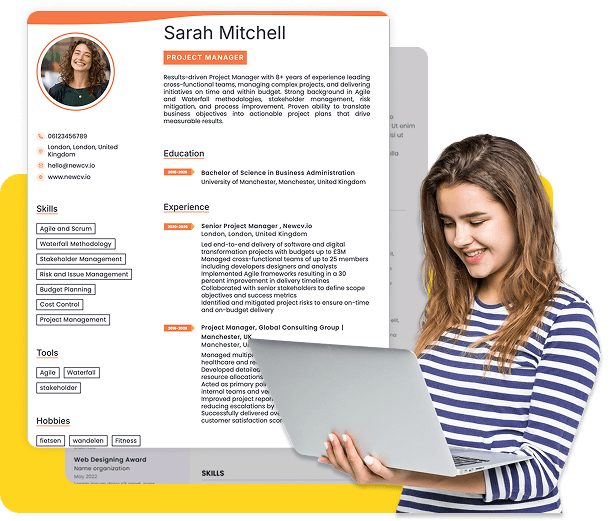
Use ATS-optimised Resume and resume templates that pass applicant tracking systems. Our Resume builder helps recruiters read, scan, and shortlist your Resume faster.

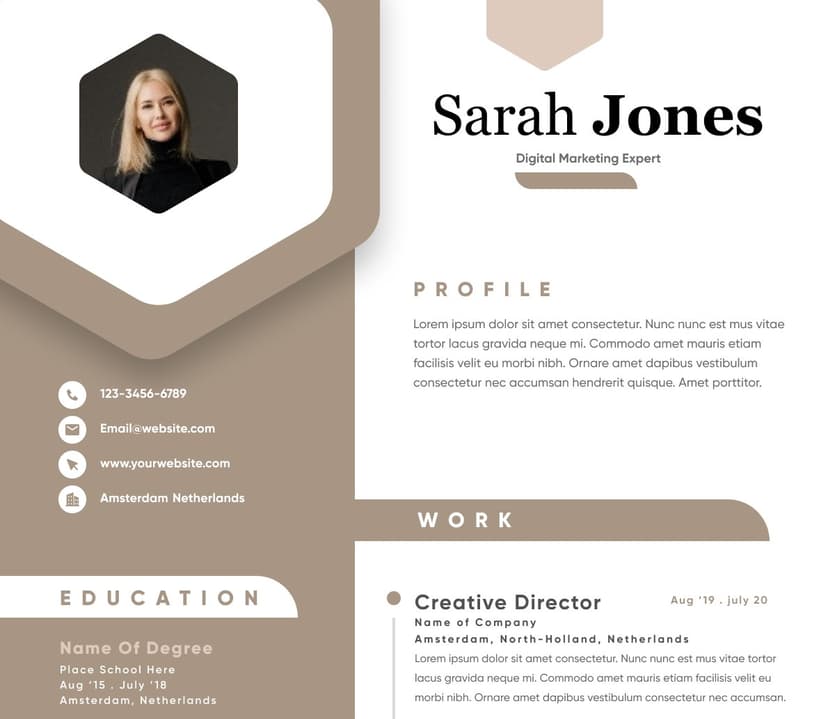
Use professional field-tested resume templates that follow the exact Resume rules employers look for.
Create Resume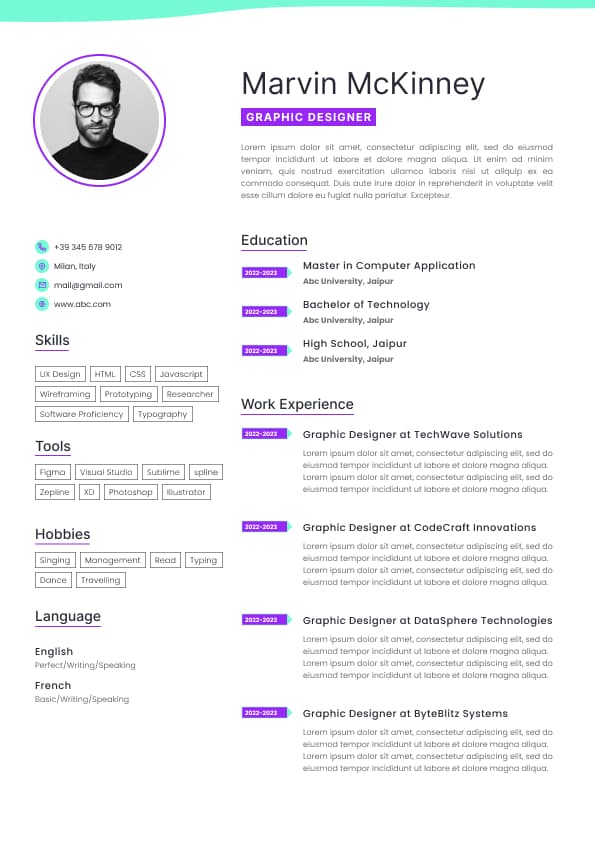
Use professional field-tested resume templates that follow the exact Resume rules employers look for.
Create ResumeThat immediately demonstrates:
Technical skill
Business value
Measurable impact
Real-world experience
The difference is specificity.
Which technologies they used
What measurable outcomes they achieved
How they collaborated with engineering or product teams
Strong closings reinforce:
Why the company interests you
Why your experience fits their engineering challenges
Your enthusiasm for contributing
Avoid passive endings like:
“Please let me know if you have questions.”
Instead:
“I would welcome the opportunity to contribute my React and API optimization experience to your platform engineering team.”
Deployment experience
Dear Hiring Manager,
I am applying for the Junior JavaScript Developer position at Nova Interactive. After completing a full-stack web development bootcamp and building multiple JavaScript-based projects independently, I am eager to contribute to a collaborative engineering team where I can continue growing as a developer.
My strongest project experience includes building a React and Node.js task management application that supports user authentication, REST API integration, and real-time updates using Socket.io. I deployed the application using Render and MongoDB Atlas and implemented responsive UI components designed for mobile and desktop users.
In addition to technical development, I enjoy debugging complex frontend issues and improving user experience. During a collaborative bootcamp project, I worked closely with other developers using Git, GitHub, and Agile workflows to deliver features within sprint deadlines.
I am particularly interested in Nova Interactive because of your focus on building accessible and user-centered web applications. I would value the opportunity to contribute my JavaScript skills, strong work ethic, and enthusiasm for modern web development to your engineering team.
Thank you for your consideration. I look forward to the opportunity to discuss how I can contribute to your team.
Sincerely,
Daniel Brooks
Reduced render times
Improved Lighthouse scores
Accessibility improvements
Reusable component systems
Design system implementation
Cross-browser optimization
Dear Hiring Manager,
I am excited to apply for the Frontend JavaScript Developer role at PixelForge. With four years of experience building responsive React and TypeScript applications, I specialize in creating scalable frontend systems that balance performance, accessibility, and user experience.
At ClearPath Software, I helped develop a reusable component library that reduced frontend development time across multiple internal products by nearly 30%. I also led performance optimization efforts that improved Lighthouse performance scores from 68 to 94 on key customer-facing pages.
My technical experience includes React, TypeScript, Redux Toolkit, Next.js, Cypress testing, and GraphQL integration. I work closely with product designers and backend engineers to ensure frontend functionality aligns with both business goals and user expectations.
I am particularly interested in PixelForge because of your emphasis on performance-focused web applications and modern frontend architecture. I would welcome the opportunity to contribute my frontend engineering experience and passion for user-focused development to your team.
Sincerely,
Ashley Monroe
API throughput improvements
Database optimization
Microservices work
Authentication systems
AWS or cloud infrastructure
Monitoring and logging systems
Queue systems or event-driven architecture
A backend cover letter should sound operationally mature.
That shows real ownership.
Listing React without discussing outcomes
Overloading the letter with libraries
Ignoring UX impact
Not mentioning performance or maintainability
Reusable component systems
Scalable frontend architecture
Frontend testing practices
Collaboration with designers
Real user-facing improvements
Strong React developers think beyond code implementation.
They understand maintainability and user experience.
Handling production traffic
Improving API response times
Reducing server costs
Building resilient services
Securing APIs
Hiring managers want engineers who understand production systems, not just Express routes.
Leading migrations
Improving engineering velocity
Mentoring developers
Establishing testing standards
Driving architectural improvements
Improving reliability and performance
Candidates who only describe coding tasks often appear mid-level.
Longer letters usually dilute impact.
Not:
“Does this person love coding?”
Hiring managers strongly prefer engineers who understand users and business goals.
Developers who think like product partners often outperform equally technical candidates.
When appropriate, include:
GitHub
Portfolio
Live applications
Technical blog
Open-source contributions
Especially for junior developers, proof reduces hiring risk.
Authentication
Databases
Scalability
Prioritize:
End-to-end ownership
Deployment
Product features
Cross-functional collaboration
Prioritize:
Architecture
Mentorship
Technical leadership
Reliability
Engineering process improvements



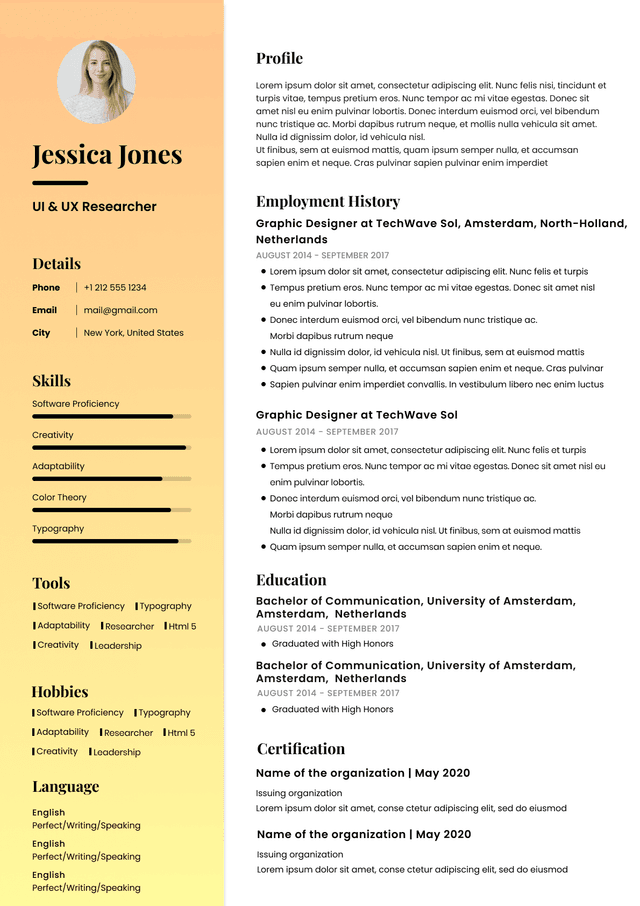
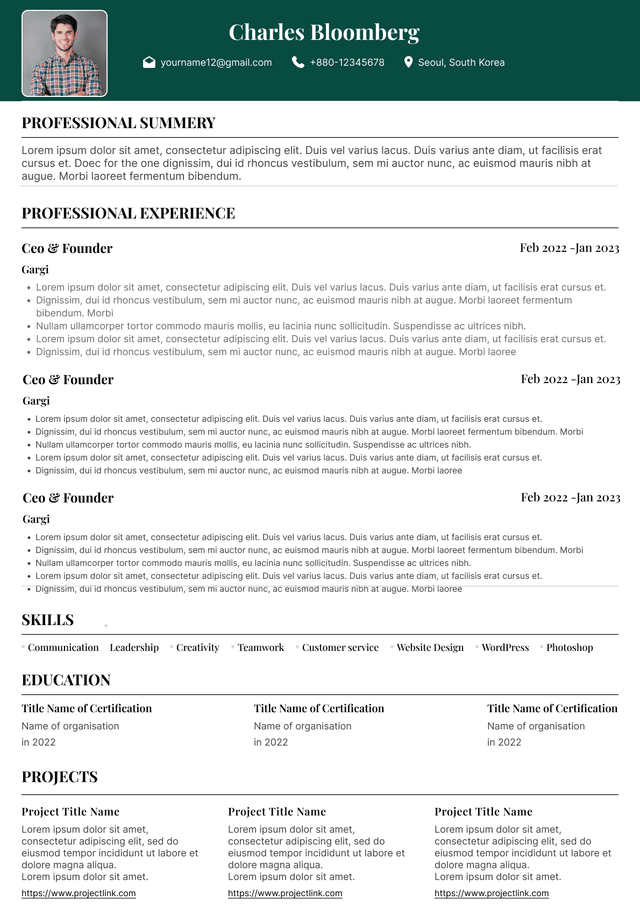
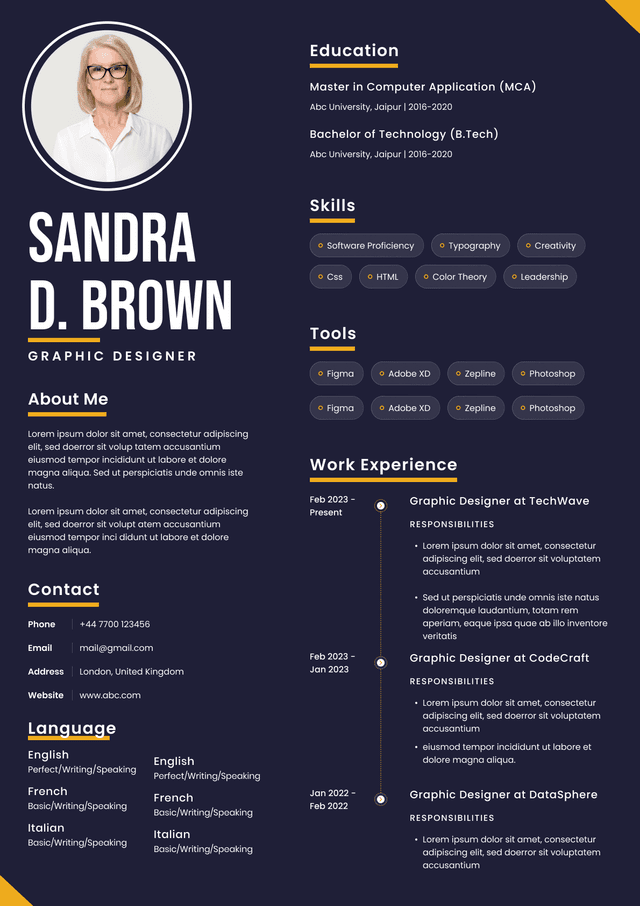
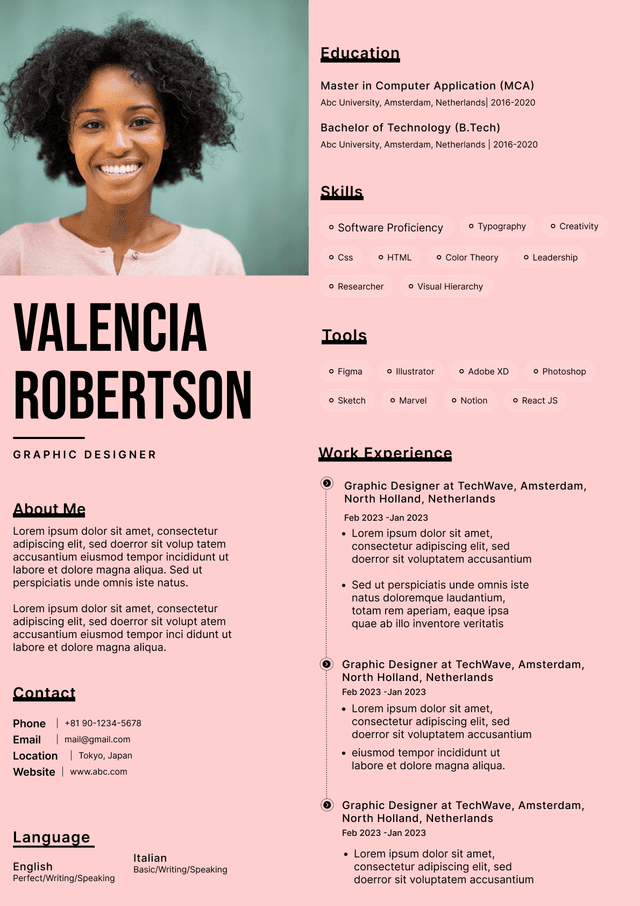
 Upload Resume
 Import from Linkedin