STILL APPLYING. STILL HEARING NOTHING?BUILD YOUR RESUME

STILL APPLYING. STILL HEARING NOTHING?BUILD YOUR RESUME
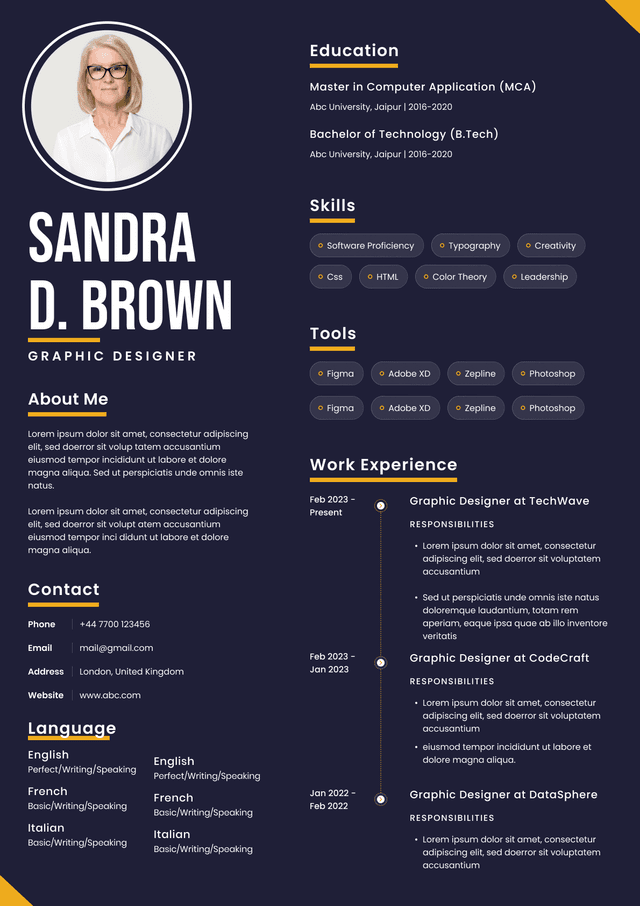
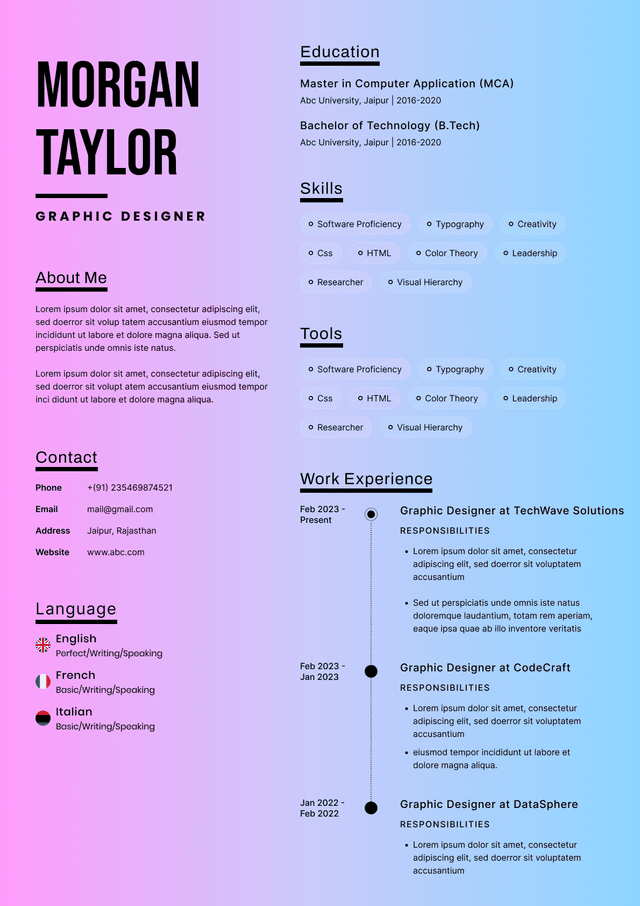
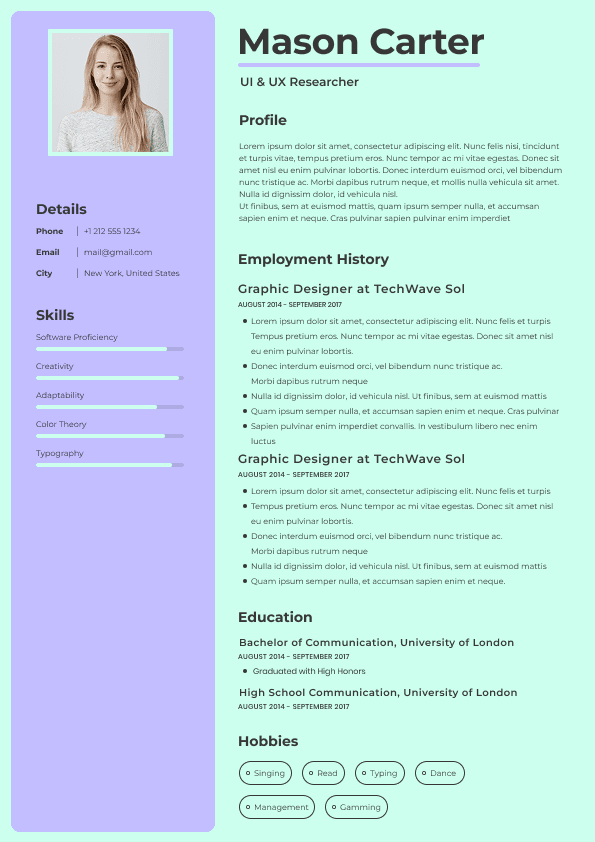
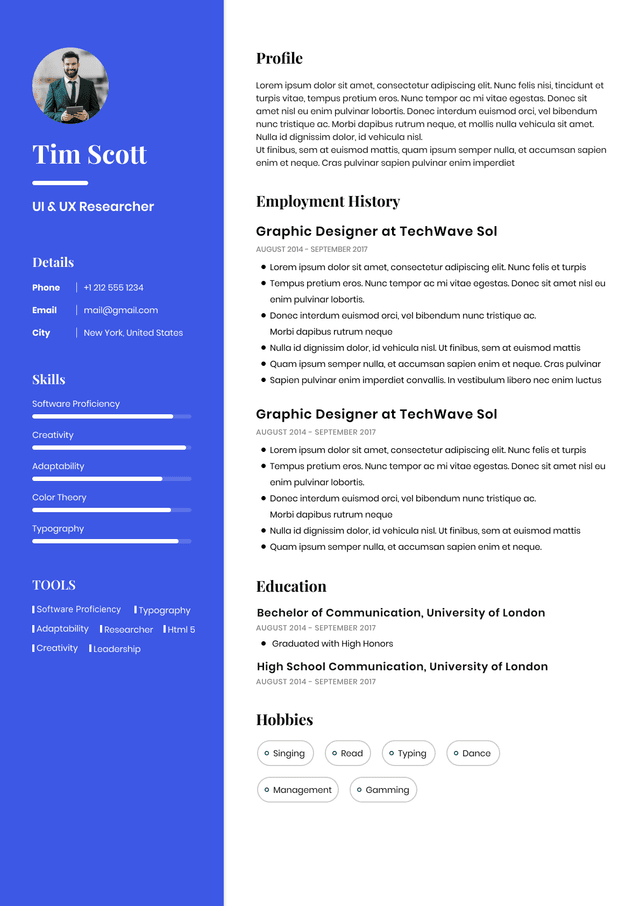
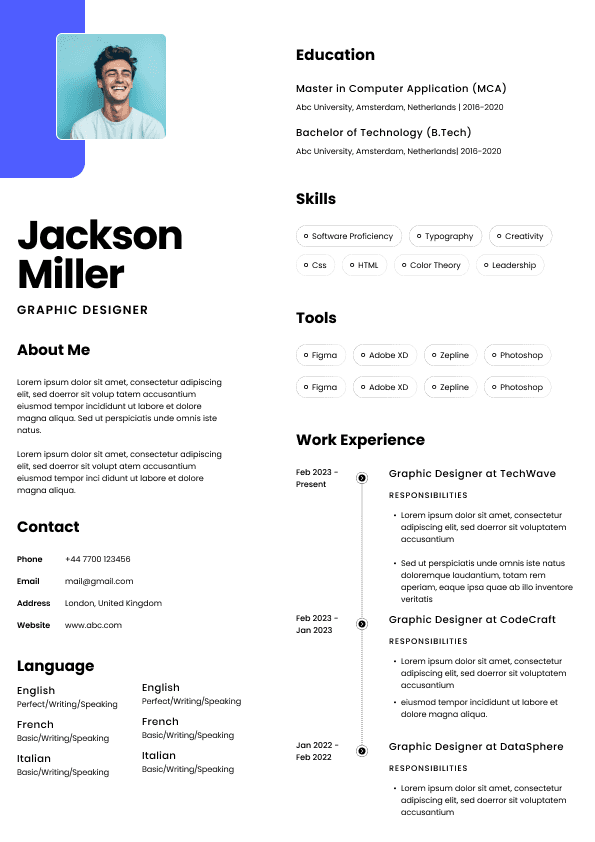
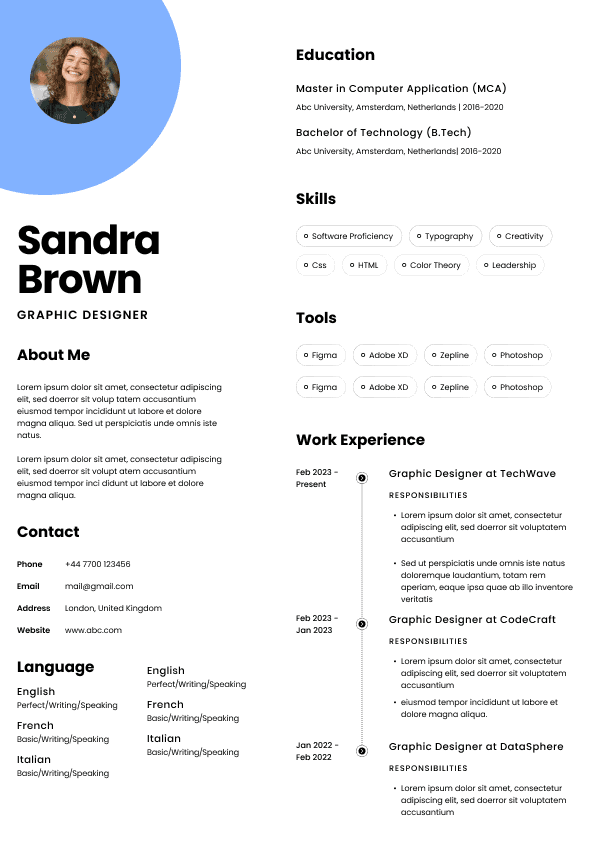
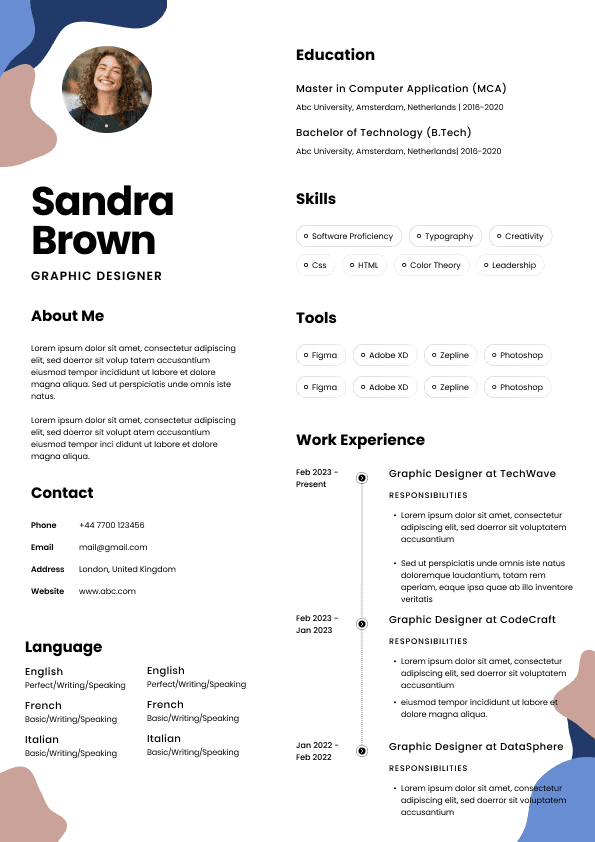
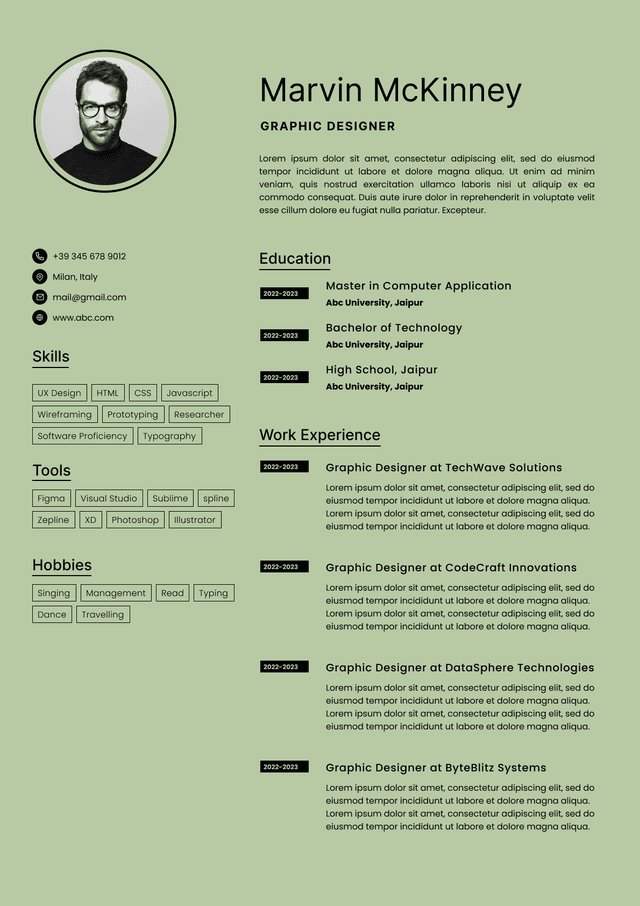
Choose from a wide range of NEWCV resume templates and customize your NEWCV design with a single click.
FAQ


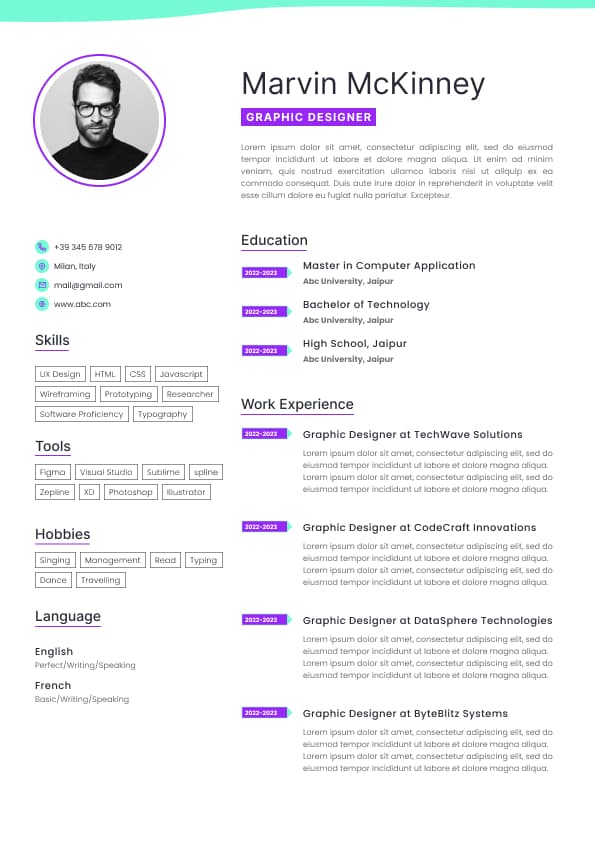
Use professional field-tested resume templates that follow the exact Resume rules employers look for.
Create ResumeIf you are applying for JavaScript developer jobs, using the wrong document format can hurt your interview chances before a recruiter even reviews your technical skills. In the U.S., employers almost always expect a resume. In the UK and many international markets, employers usually ask for a CV. While many candidates use the terms interchangeably, recruiters and hiring managers often do not.
A JavaScript developer resume is shorter, impact-driven, and optimized for ATS screening and fast hiring decisions. A JavaScript developer CV is more detailed and structured around full technical history, certifications, projects, and education. The right choice depends on the country, employer expectations, and the wording in the job posting.
For most U.S. JavaScript developer roles, use a resume. For UK or international roles that explicitly request a CV, use a CV format tailored to those hiring standards.
Most developers think the difference is just page length. It is not.
The real difference is how recruiters use the document during hiring.
A JavaScript developer resume is designed for rapid screening. Recruiters often spend less than 10 seconds on the first review, especially in high-volume U.S. tech hiring. Your resume must quickly communicate:
Core JavaScript technologies
Business impact
Relevant frameworks
Recent experience
Production-level project work
Technical stack alignment
ATS keyword relevance
A JavaScript developer CV is designed to provide fuller professional visibility. It gives hiring teams a broader view of your technical history, certifications, education, training, and project depth.
This distinction matters because hiring workflows differ across regions.
In the U.S., recruiters expect resumes that are:
Concise and highly targeted
Usually 1 to 2 pages
Optimized for ATS systems
Focused on measurable outcomes
Tailored to the exact job posting
Structured around business value
Most U.S. hiring managers care less about complete career history and more about whether you can solve current technical problems.
That means they prioritize:
Modern JavaScript frameworks
Production experience
API integrations
Frontend performance
React ecosystem knowledge
Node.js experience
Testing and debugging
Collaboration in Agile environments
A JavaScript developer CV is usually more detailed.
Recruiters reviewing CVs often expect:
Fuller technical history
More detailed role descriptions
Training and certifications
Broader technology coverage
Academic information
Side projects and technical contributions
More context around responsibilities
In UK hiring, a 2 page CV is common and often expected for experienced developers.
Unlike U.S. resumes, CVs are less aggressively optimized for brevity.
| Feature | Resume | CV |
|---|---|---|
| Primary Market | USA and Canada | UK, Europe, Australia |
| Typical Length | 1 to 2 pages | 2+ pages |
| Main Goal | Fast screening and ATS performance | Full career visibility |
| Focus | Results and impact | Career history and depth |
| Style | Concise and targeted | Detailed and structured |
| Best For | Tech companies, startups, SaaS | International and traditional employers |
| Common Sections | Skills, experience, projects | Full work history, certifications, education |
| Recruiter Review Style | Fast scanning | More detailed evaluation |
Use a JavaScript developer resume when:
The job posting says “resume”
You are applying in the U.S. or Canada
The company uses ATS-heavy hiring systems
You are applying to startups or SaaS companies
You are submitting high-volume applications
The role prioritizes execution speed and technical delivery
In the U.S. tech market, resumes dominate because recruiters screen massive application volumes quickly.
A long, overly detailed CV can actually reduce interview chances if it slows down screening.
Most U.S. recruiters do not want a full career biography for mid-level JavaScript roles.
They want immediate proof that you can:
Build modern applications
Work with current frameworks
Deliver production-ready code
Collaborate with engineering teams
Improve performance or scalability
Ship features efficiently
If that information is buried under excessive detail, your application becomes harder to process.
Use a CV when:
The employer specifically asks for a CV
You are applying in the UK or Europe
The role values technical history depth
You have extensive certifications or training
You are applying to research, academic, or government roles
The employer expects fuller project documentation
A CV is also useful for senior developers with long technical histories that would be difficult to compress into a short resume.
For U.S. applications, your resume should prioritize speed, clarity, and impact.
Header
Professional summary
Technical skills
Professional experience
Projects
Certifications
Education
Most recruiters scan resumes in this order:
Job titles
Company names
Technical stack
Recent experience
Measurable outcomes
Framework alignment
That means your strongest technologies should appear early and repeatedly in context.
Strong ATS and recruiter keywords include:
JavaScript
TypeScript
React
Node.js
Next.js
REST APIs
GraphQL
Redux
Express.js
Jest
But keyword stuffing does not work anymore.
Recruiters want to see technologies connected to actual outcomes.
“Worked on JavaScript applications using React and APIs.”
“Built React-based customer dashboard used by 45,000+ monthly users, reducing page load times by 38% through code splitting and API optimization.”
The second example proves:
Scale
Business impact
Technical execution
Performance awareness
That is what hiring managers care about.
A UK-style JavaScript developer CV is usually more descriptive.
Personal details
Professional profile
Core technical skills
Professional experience
Technical projects
Certifications and training
Education
Optional publications or open-source contributions
Strong CVs usually:
Include technologies under every role
Explain project scope in more detail
Show progression over time
Include broader engineering responsibilities
Highlight collaboration and delivery processes
Recruiters in UK markets often expect more narrative detail compared to U.S. resumes.
Some employers use “JavaScript Web Developer” instead of “JavaScript Developer.”
This distinction matters because the hiring focus may shift slightly.
A JavaScript web developer CV often emphasizes:
Website implementation
Frontend delivery
CMS integrations
Cross-browser compatibility
Responsive development
Bug fixing
UI implementation
Accessibility compliance
Meanwhile, a JavaScript developer resume may focus more heavily on:
Application architecture
Frontend frameworks
APIs
Backend integration
State management
Performance engineering
Always mirror the employer’s terminology when possible.
If the posting says “Web Developer,” include that wording naturally in your title or summary.
Many international candidates apply to U.S. tech companies using overly detailed CVs.
This creates friction during recruiter screening.
Recruiters may assume:
The candidate does not understand local hiring norms
The candidate cannot prioritize information
The candidate may struggle with communication clarity
Weak summaries sound like this:
“Experienced JavaScript developer with knowledge of frontend technologies.”
This says almost nothing.
“JavaScript developer with 5 years of experience building React and Node.js applications for SaaS platforms, including high-traffic dashboards, REST APIs, and performance-optimized frontend systems.”
The second version establishes:
Experience level
Core technologies
Environment type
Technical scope
Recruiters care less about technology lists than candidates think.
This:
“React, Node.js, APIs, AWS, MongoDB”
is weaker than this:
“Developed React and Node.js microservices supporting 120K+ monthly users across AWS infrastructure.”
Context creates credibility.
Modern ATS systems primarily parse:
Skills
Job titles
Keywords
Experience chronology
Education
Certifications
But passing ATS alone is not enough.
Your resume must also survive recruiter review.
That means balancing:
Keyword relevance
Readability
Technical credibility
Business impact
Common failure patterns include:
Graphic-heavy resume designs
Missing keyword alignment
Generic bullet points
No measurable outcomes
Outdated technologies dominating the page
Excessive length
Dense text blocks
Recruiters want fast comprehension.
If your resume is mentally exhausting to scan, interview chances drop.
Hiring managers rarely hire JavaScript developers based solely on technology exposure.
They hire based on applied problem-solving.
Strong candidates demonstrate:
Production experience
System thinking
Scalability awareness
Collaboration ability
Frontend performance understanding
Debugging capability
Feature delivery ownership
These signals consistently improve interview rates:
Quantified performance improvements
User scale metrics
Revenue impact
Modern framework experience
Deployment ownership
CI/CD exposure
Testing practices
Cross-functional collaboration
“Reduced frontend bundle size by 42% using lazy loading and code splitting across React applications.”
“Built reusable component library that reduced frontend development time by 28% across engineering teams.”
“Integrated third-party payment APIs supporting over $2M in annual transaction volume.”
These statements show business value, not just technical participation.
If you are applying globally, match the employer language exactly.
The posting says “resume”
The company is U.S.-based
The employer uses ATS-heavy recruiting
The role is startup or SaaS focused
The posting says “CV”
The employer is UK or Europe based
The company expects fuller career documentation
The role values academic or technical depth
This alignment matters more than most candidates realize.
Recruiters often interpret document choice as evidence that you understand the hiring market.
Yes, but strategically.
Senior developers do not need to compress valuable experience unnaturally.
However, recruiters still prioritize relevance over completeness.
Focus heavily on:
Recent 8 to 10 years
Leadership impact
Architecture ownership
Team collaboration
Business outcomes
Scalability improvements
Older experience should be compressed unless highly relevant.
For JavaScript developers, external proof matters significantly.
Strong resumes and CVs should include:
GitHub
Portfolio website
Live projects when possible
But low-quality portfolios can hurt credibility.
Recruiters and hiring managers typically look for:
Clean project structure
Modern frameworks
Real functionality
Responsive design
API integrations
Code consistency
Deployment quality
Even one strong production-quality project can outperform five unfinished demo apps.
The highest-performing JavaScript developer applications usually follow this formula:
Match the document type to the region
Mirror job-posting terminology
Prioritize measurable technical impact
Show modern framework relevance
Demonstrate production experience
Keep formatting recruiter-friendly
Include proof of technical execution
Most rejected applications fail because they are too generic, too broad, or too difficult to scan quickly.
Hiring teams are evaluating clarity as much as technical skill.
Use ATS-optimised Resume and resume templates that pass applicant tracking systems. Our Resume builder helps recruiters read, scan, and shortlist your Resume faster.


Use professional field-tested resume templates that follow the exact Resume rules employers look for.
Create ResumeCypress
AWS
MongoDB
CI/CD
Agile
Responsive design
Web performance optimization



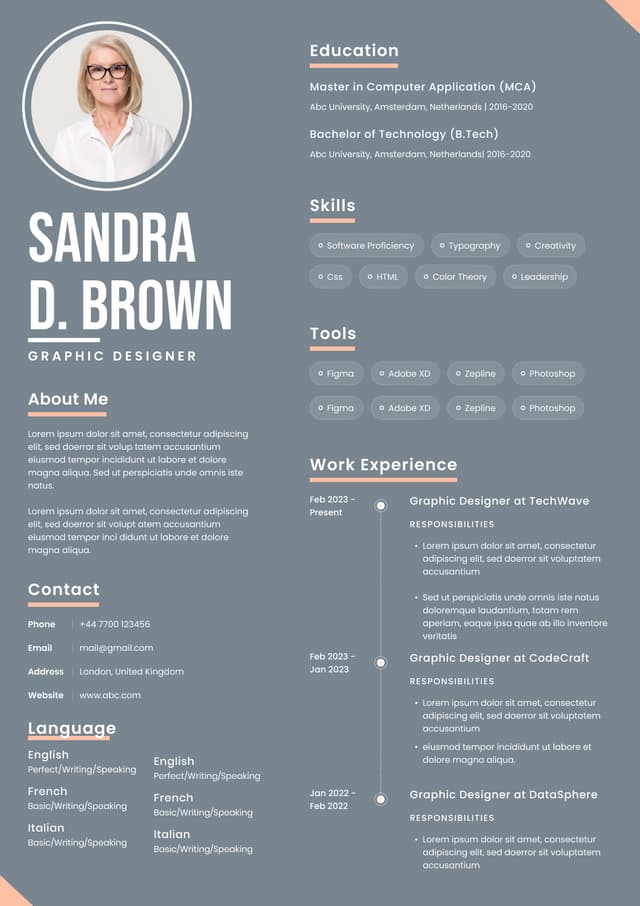
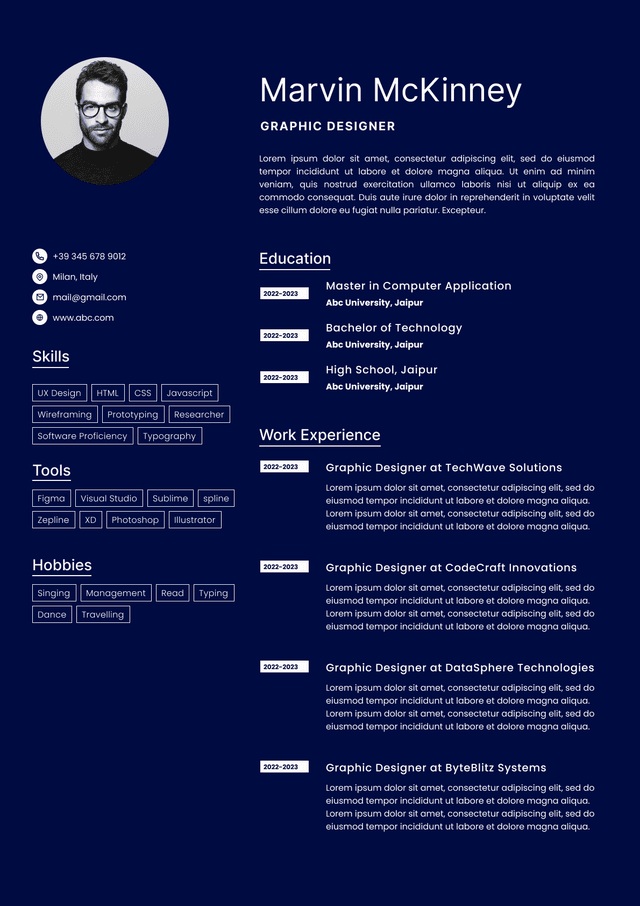
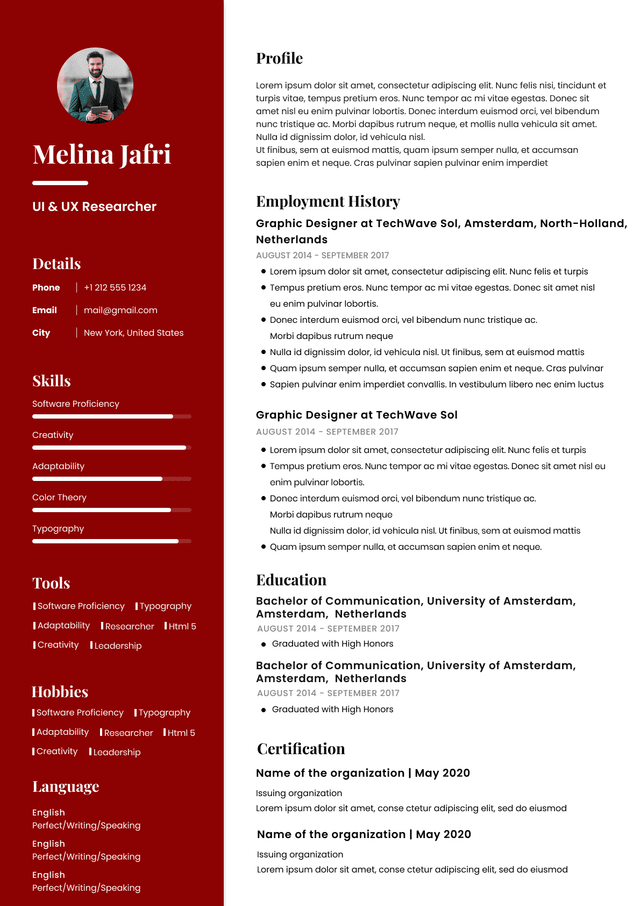

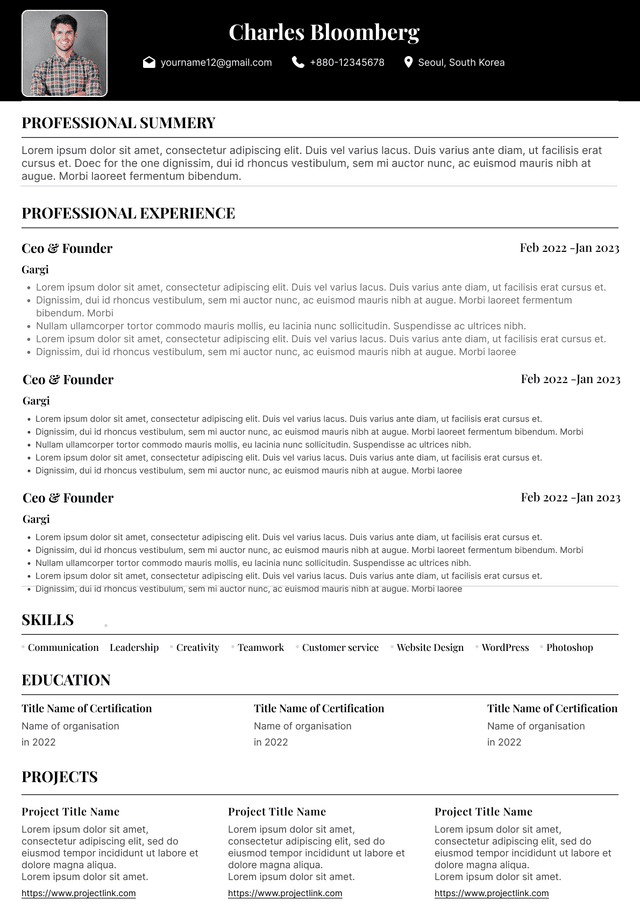
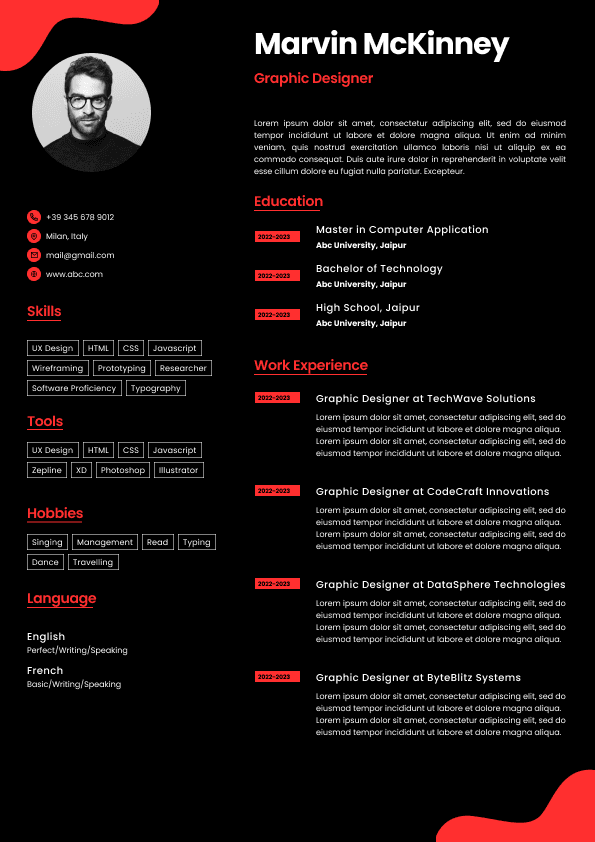


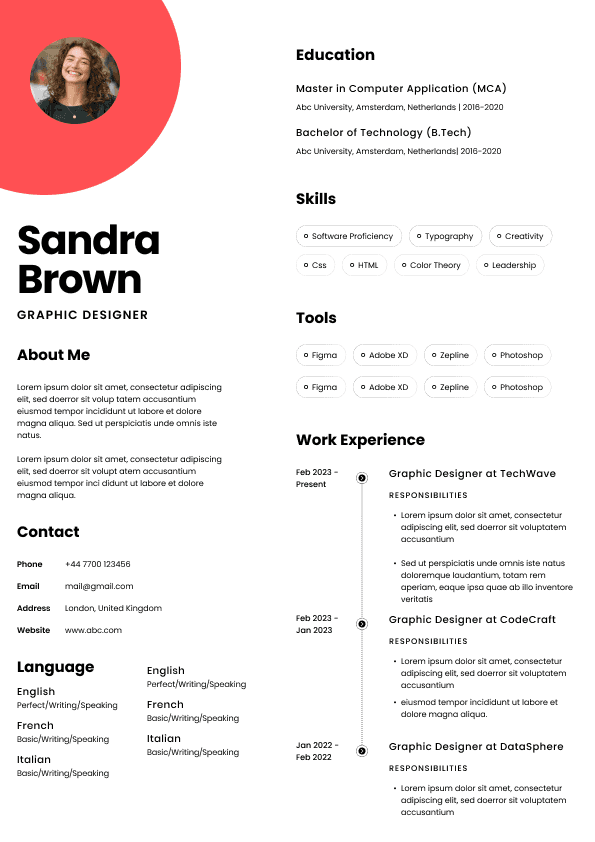
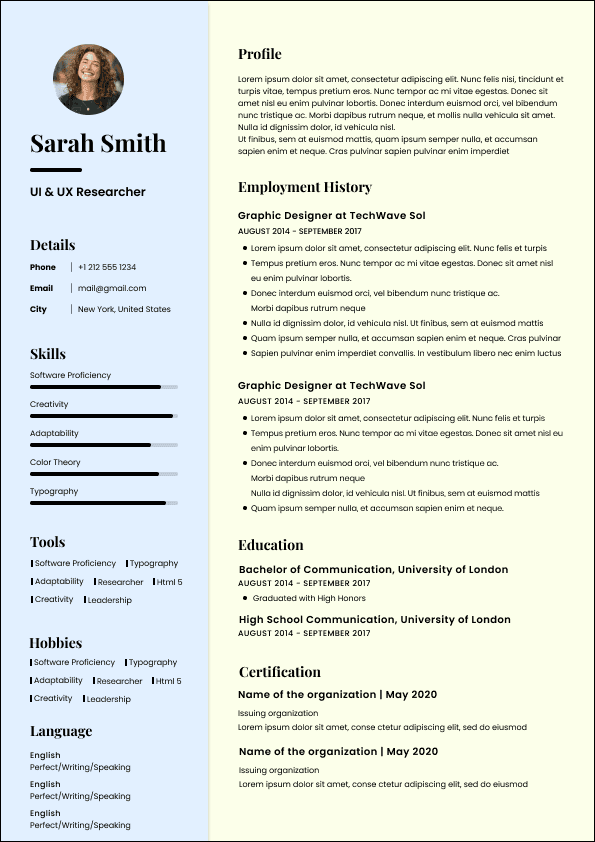
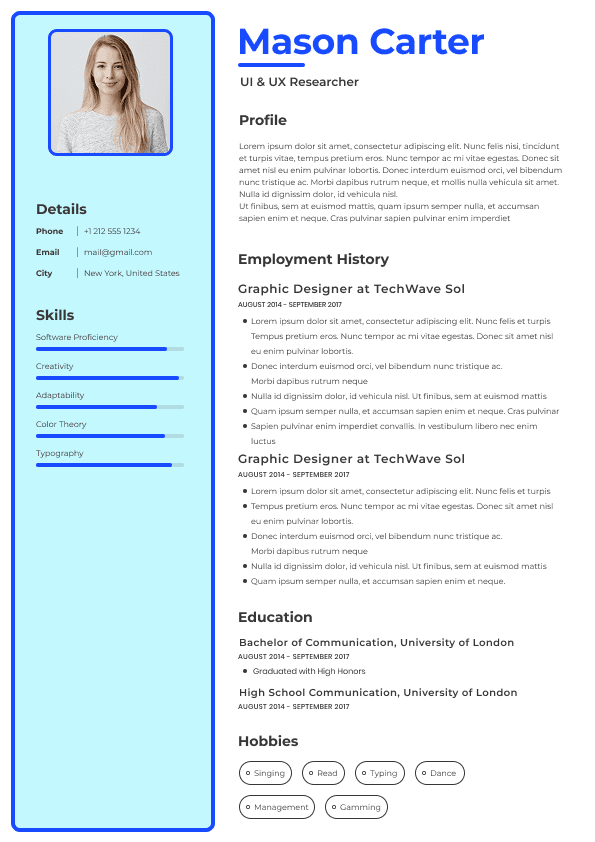



 Upload Resume
 Import from Linkedin