STILL APPLYING. STILL HEARING NOTHING?BUILD YOUR RESUME

STILL APPLYING. STILL HEARING NOTHING?BUILD YOUR RESUME
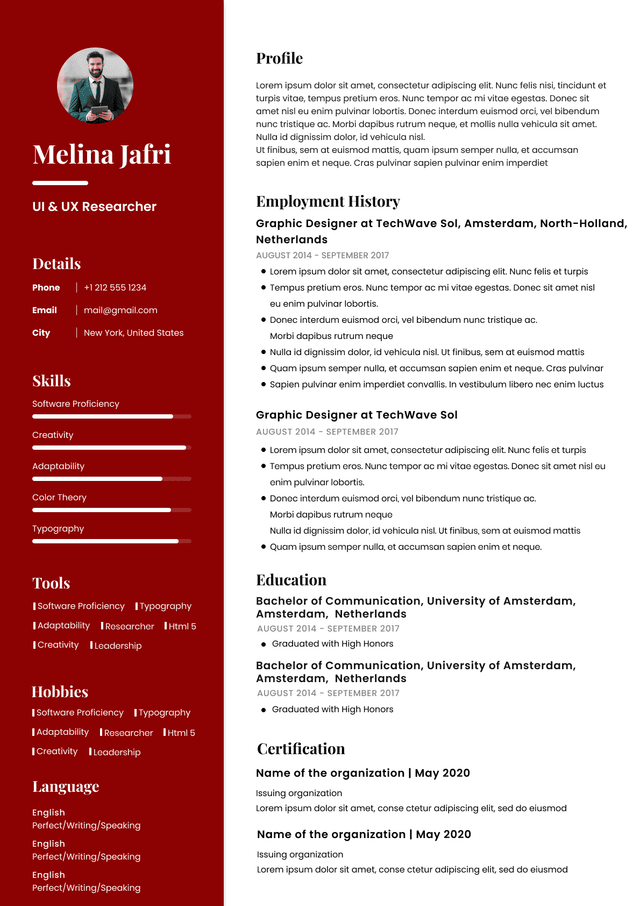
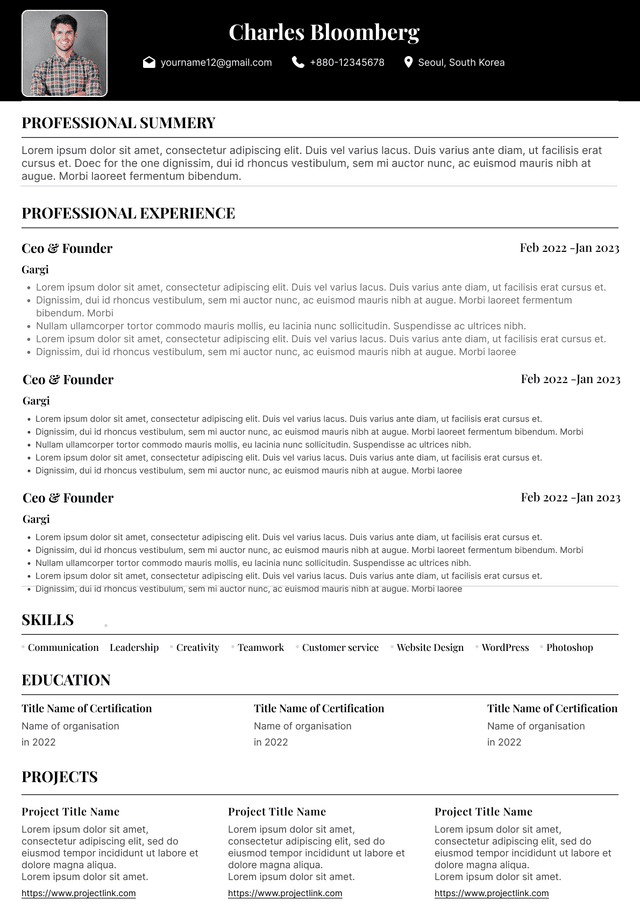
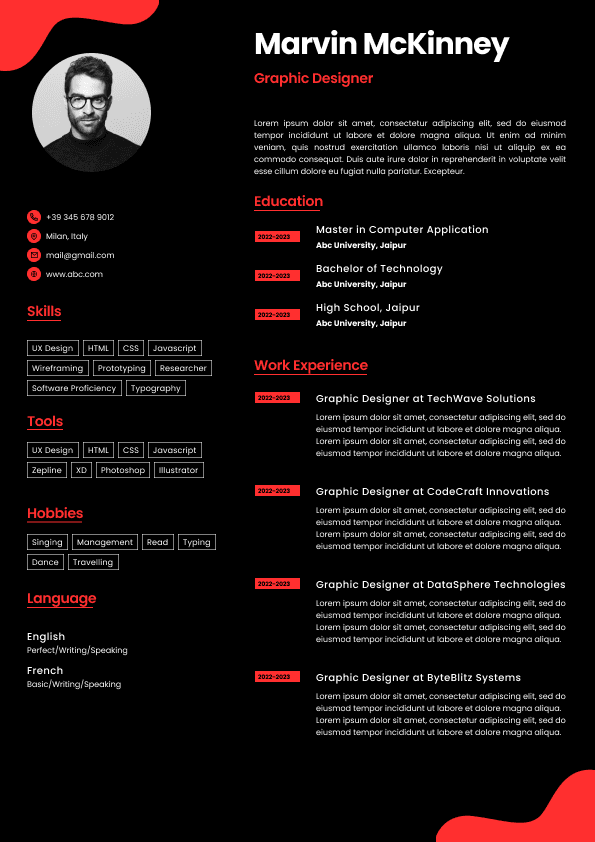
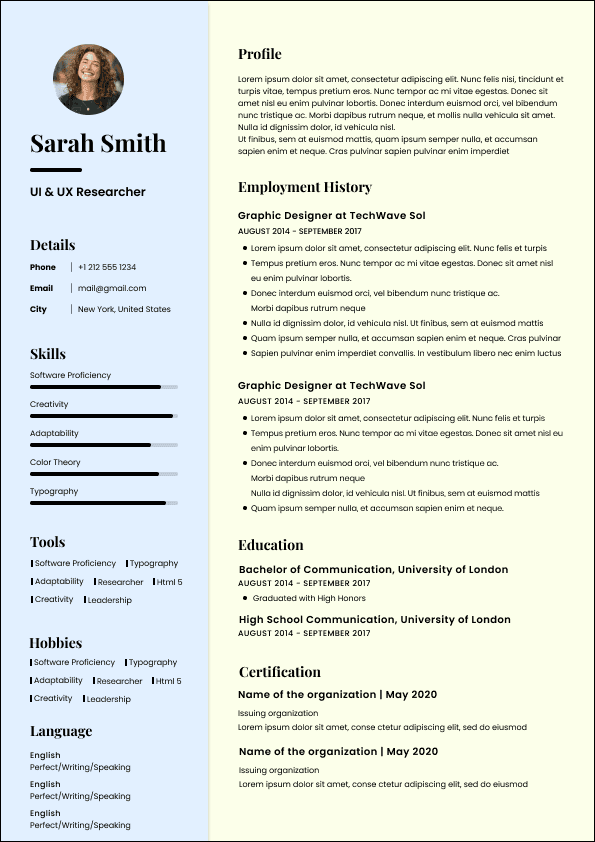
Choose from a wide range of NEWCV resume templates and customize your NEWCV design with a single click.
FAQ
A JavaScript developer is responsible for building, maintaining, testing, and optimizing web applications, frontend interfaces, APIs, and JavaScript-based services. On a resume, employers expect to see more than generic coding tasks. Hiring managers look for evidence that you can ship production features, collaborate across teams, solve performance problems, and contribute to scalable software systems.
The strongest JavaScript developer resumes show measurable impact tied to real engineering responsibilities. That includes improving application performance, building reusable components, fixing production issues, integrating APIs, reducing technical debt, and contributing to Agile development workflows.
Most candidates fail because they list vague duties like “worked on web applications” instead of showing how they contributed to architecture, performance, testing, deployment, or product delivery. Recruiters scan for technical depth, business impact, and modern JavaScript ecosystem experience within seconds.
This guide breaks down the exact duties and responsibilities employers expect from JavaScript developers, how those responsibilities vary by role, and how to position them effectively on a resume.
A JavaScript developer designs, develops, tests, deploys, and maintains applications using JavaScript and related technologies. Depending on the role, they may focus on frontend development, backend services, or full stack engineering.
Most modern JavaScript developer roles involve:
Building user interfaces and application features
Writing clean and maintainable JavaScript or TypeScript code
Integrating APIs and backend services
Debugging production issues and browser problems
Optimizing application speed and performance
Collaborating with product, design, QA, and engineering teams
Participating in Agile development workflows
The following responsibilities appear consistently across JavaScript developer job descriptions in the US market.
This is the foundation of nearly every JavaScript developer role.
Developers are expected to build:
Web applications
Interactive user interfaces
Dashboards and portals
APIs and backend services
Full stack features
Internal tools and workflows
Frontend-focused JavaScript developers typically work with frameworks such as React, Vue, Angular, or Next.js.
Their responsibilities usually include:
Building responsive interfaces
Creating reusable UI components
Managing state and frontend architecture
Optimizing Core Web Vitals
Improving accessibility and usability
Handling API integrations
Fixing browser compatibility issues
JavaScript developers working with Node.js typically support backend systems, APIs, integrations, and infrastructure services.
Responsibilities often include:
Developing RESTful APIs
Building server-side services
Integrating databases
Managing authentication systems
Handling asynchronous processing
Optimizing API performance
Supporting cloud deployments
Full stack JavaScript developers are expected to handle both frontend and backend responsibilities.
This often includes:
Building end-to-end application features
Managing frontend and backend integrations
Supporting databases and APIs
Implementing authentication systems
Handling deployments and release processes
Collaborating across multiple engineering functions
The biggest mistake full stack candidates make is listing every technology they have touched without showing ownership.
Hiring managers want to see:
Modern JavaScript development is highly collaborative.
Most companies expect developers to participate in:
Sprint planning
Daily standups
Retrospectives
Backlog refinement
Technical discussions
Pull request reviews
Candidates often underestimate how important collaboration signals are on resumes.
Engineering managers do not want developers who only code in isolation. They want team contributors who can communicate effectively and support delivery processes.
Testing and debugging responsibilities are major screening factors in modern hiring.
Employers expect JavaScript developers to:
Debug production defects
Identify browser issues
Resolve API failures
Improve application stability
Develop automated tests
Increase test coverage
Support QA processes
Candidates who omit testing responsibilities often appear inexperienced.
Performance optimization has become one of the most valuable JavaScript development skills in the US market.
High-performing JavaScript developers improve:
Core Web Vitals
Rendering performance
API response times
JavaScript bundle size
Memory usage
Frontend responsiveness
Application scalability
Recruiters consistently prioritize candidates who understand performance engineering.
Many JavaScript developers spend substantial time integrating systems and services.
Responsibilities often include:
Connecting REST APIs
Integrating GraphQL services
Implementing payment gateways
Supporting authentication providers
Connecting CMS platforms
Integrating analytics tools
Handling cloud services
Hiring managers specifically evaluate whether candidates understand:
Modern JavaScript developers are increasingly expected to understand deployment workflows and engineering operations.
Responsibilities may include:
Supporting CI/CD pipelines
Managing deployment workflows
Using Git and version control systems
Monitoring production systems
Supporting release processes
Handling environment configurations
Responding to incidents
This is especially important for mid-level and senior positions.
Security responsibilities are increasingly common in JavaScript roles.
Developers may be expected to:
Prevent XSS vulnerabilities
Validate user input
Secure authentication systems
Implement access controls
Support compliance requirements
Handle secure API communication
Security awareness signals maturity and production readiness.
Even frontend developers are now expected to understand secure coding practices.
Do not simply write “implemented security.”
Candidates often search for daily responsibilities because they want to understand how the role operates in practice.
Typical daily JavaScript developer tasks include:
Writing and reviewing code
Attending Agile meetings
Debugging defects
Building application features
Collaborating with designers and engineers
Testing functionality
Optimizing performance
Recruiters do not evaluate responsibility sections the same way candidates write them.
Most recruiters scan resumes looking for signals in three categories:
This includes:
Frameworks and tools
Application complexity
Testing practices
Architecture exposure
Performance optimization
API experience
The most effective responsibility bullets start with strong action verbs and include measurable outcomes where possible.
High-performing examples include:
Developed scalable React and Node.js application features supporting enterprise users
Optimized JavaScript rendering performance, reducing page load times by 38%
Built reusable frontend components improving engineering efficiency across multiple projects
Integrated third-party APIs and authentication systems for customer-facing applications
Collaborated with product, QA, and DevOps teams in Agile sprint environments
Debugged production issues and implemented fixes improving application stability
Generic statements destroy resume quality.
Weak Example
“Responsible for JavaScript development.”
This communicates almost nothing.
Many candidates create skill-heavy resumes with little evidence of impact.
Recruiters care far more about:
What you built
What improved
What scale you supported
What problems you solved
Technical work should connect to outcomes whenever possible.
Focus on:
Application development
Frontend features
API integrations
Testing exposure
Collaboration
Learning modern frameworks
Do not exaggerate architecture ownership.
Emphasize:


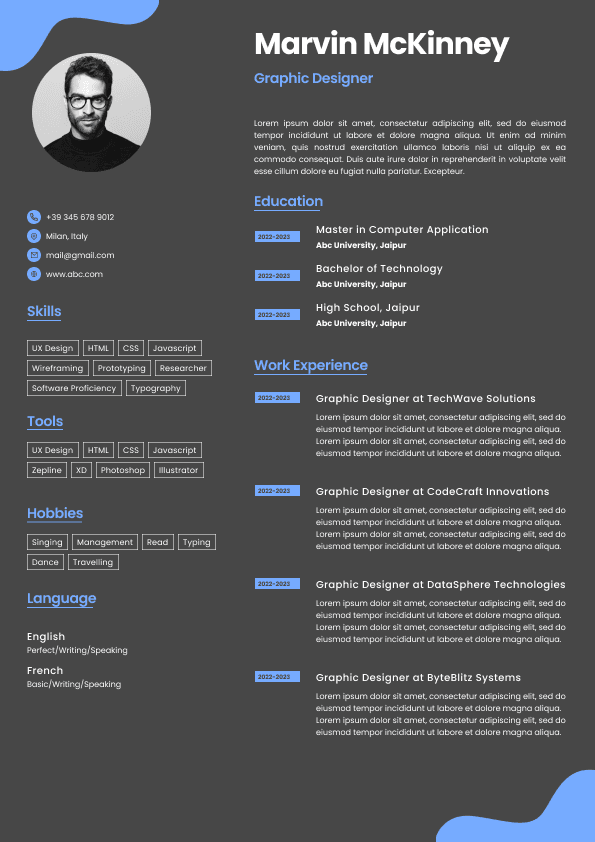
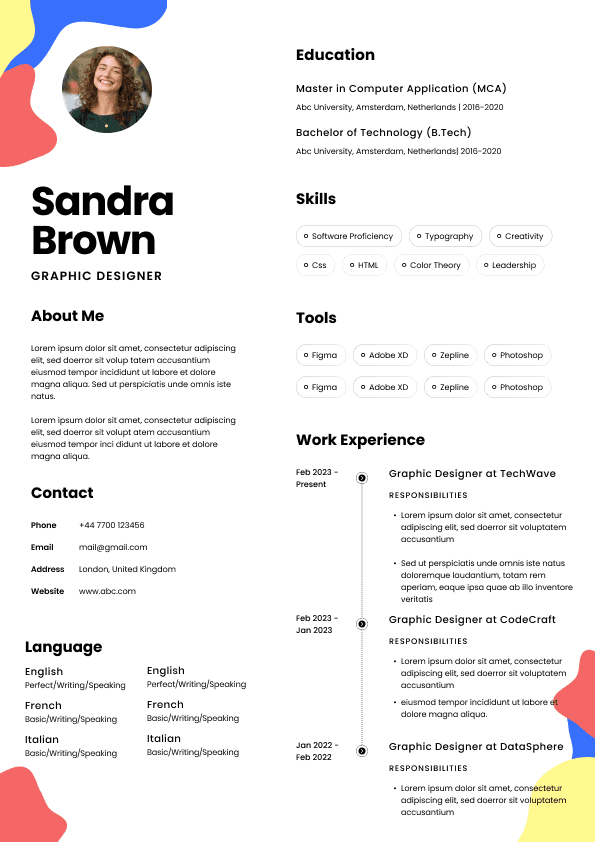
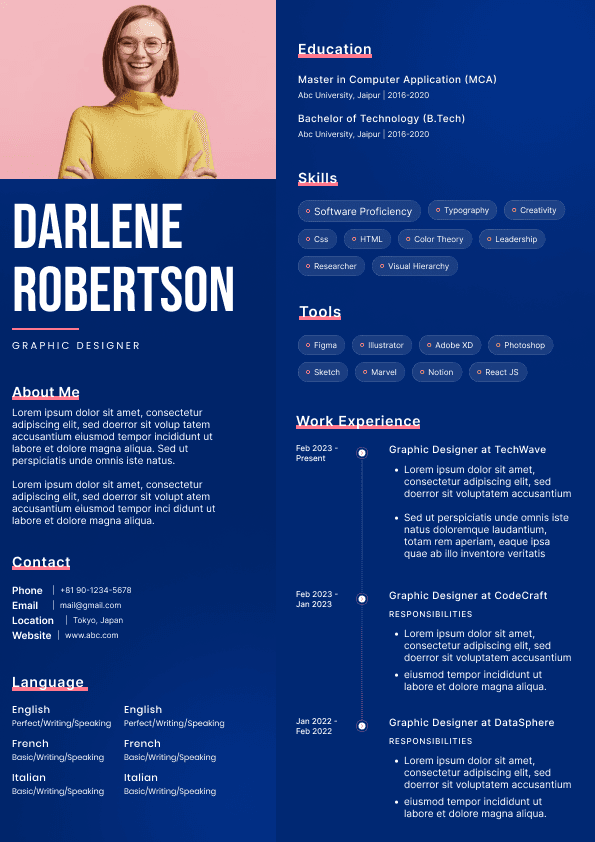
Use ATS-optimised Resume and resume templates that pass applicant tracking systems. Our Resume builder helps recruiters read, scan, and shortlist your Resume faster.


Use professional field-tested resume templates that follow the exact Resume rules employers look for.
Create Resume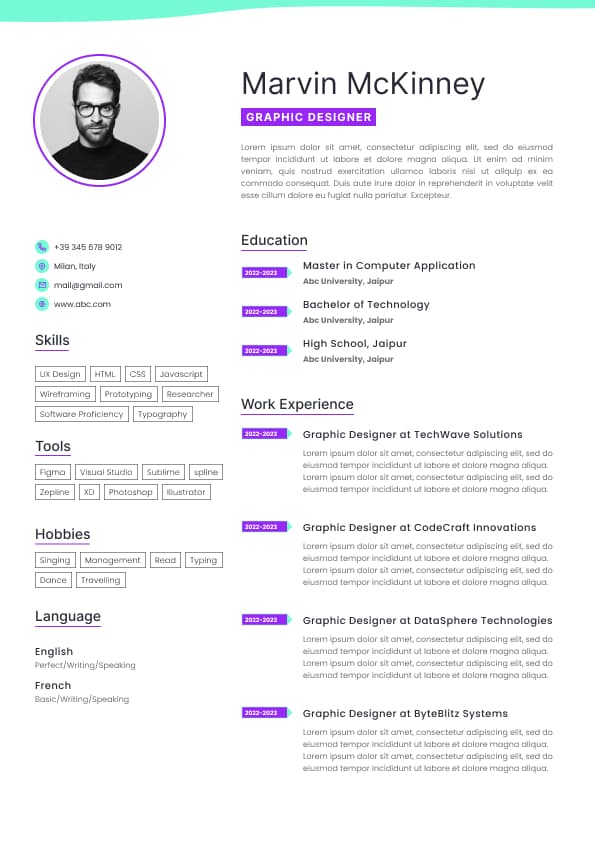
Use professional field-tested resume templates that follow the exact Resume rules employers look for.
Create ResumeMaintaining testing and deployment pipelines
In enterprise hiring, employers rarely evaluate JavaScript developers based only on coding ability. Hiring managers also assess:
Code quality and maintainability
System thinking and architecture awareness
Collaboration and communication
Ownership of production systems
Problem solving under deadlines
Ability to work in modern development environments
That is why high-performing resumes describe responsibilities in business and engineering terms, not just technical tasks.
Reusable frontend components
Recruiters specifically look for candidates who understand production application development rather than isolated coding assignments.
Weak Example
“Built websites using JavaScript.”
Good Example
“Designed and developed reusable React components and JavaScript application features supporting 150K+ monthly users.”
The second example demonstrates scale, architecture contribution, and production relevance.
Modern engineering teams care heavily about maintainability.
Hiring managers want developers who can:
Write reusable code
Follow coding standards
Structure scalable applications
Reduce technical debt
Improve long-term maintainability
Contribute to engineering quality
Candidates who only emphasize “fast development” without mentioning maintainability often raise concerns during resume screening.
Strong resumes include terms like:
Modular architecture
Reusable components
TypeScript adoption
Refactoring legacy code
Code quality improvements
Development standards
These signals indicate engineering maturity.
Supporting responsive mobile experiences
Recruiters heavily prioritize measurable frontend impact.
Most frontend resumes fail because they focus only on technologies instead of outcomes.
Employers care about whether you improved:
Page speed
User experience
Conversion performance
Rendering efficiency
Application reliability
Frontend maintainability
Strong candidates connect frontend work to measurable improvements.
Good Example
“Reduced initial page load time by 42% through code splitting, lazy loading, and JavaScript bundle optimization.”
That communicates engineering value immediately.
Monitoring backend reliability
Backend-focused resumes should emphasize scalability, reliability, and production ownership.
Recruiters pay close attention to whether candidates have experience with:
API security
Authentication flows
Database optimization
Error handling
Logging and monitoring
Production deployments
CI/CD workflows
Cloud infrastructure
These responsibilities separate entry-level developers from mid-level and senior candidates.
Cross-functional delivery
Feature ownership
System-level thinking
Production accountability
Problem-solving capability
Weak Example
“Worked with other developers.”
Good Example
“Collaborated with product managers, QA engineers, and backend developers in Agile sprint environments to deliver customer-facing features on schedule.”
This sounds significantly more credible to recruiters because it reflects real engineering workflows.
Engineering teams spend enormous amounts of time maintaining and stabilizing applications.
Developers who only build features but cannot maintain quality create operational risk.
Strong resume language includes:
Unit testing
Integration testing
Jest
Cypress
Test automation
Production debugging
Error resolution
Incident response
These terms align closely with real hiring requirements.
Good Example
“Improved Lighthouse performance scores from 58 to 91 by optimizing rendering behavior, reducing bundle size, and implementing lazy loading.”
This type of bullet immediately signals senior-level capability.
Most resumes never include measurable optimization results, which creates a major opportunity for differentiation.
API reliability
Authentication security
Error handling
Data validation
Rate limits
Integration stability
Developers who can safely integrate systems are significantly more valuable than developers who only build isolated UI components.
Recruiters and engineering managers often reject candidates who appear disconnected from production environments.
If your resume only shows coding tasks but no deployment or operational responsibilities, employers may assume:
Limited ownership experience
Junior-level exposure
Weak production awareness
Poor collaboration with DevOps teams
Operational awareness is now a major hiring differentiator.
Be specific.
Good Example
“Implemented secure authentication workflows, input validation, and XSS prevention measures across customer-facing applications.”
Specificity creates credibility.
Reviewing pull requests
Updating documentation
Supporting deployments
However, daily tasks vary significantly by company size.
In startups, JavaScript developers often:
Handle broader ownership
Work across frontend and backend systems
Support deployments directly
Move quickly with limited structure
In enterprise environments, developers are more likely to:
Specialize deeply
Work within structured Agile teams
Follow stricter testing and release processes
Coordinate across multiple departments
Candidates should tailor resume responsibilities accordingly.
This includes:
Production responsibility
Feature ownership
Measurable improvements
Scalability contributions
Delivery outcomes
This includes:
Agile participation
Cross-functional collaboration
Code review participation
Communication ability
Engineering workflow familiarity
The strongest resumes balance all three areas.
Most weak resumes focus only on tools.
Refactored legacy JavaScript codebases to improve maintainability and reduce technical debt
Developed automated testing workflows using Jest and Cypress
Maintained CI/CD deployment pipelines supporting rapid feature releases
Implemented secure authentication and validation practices across frontend applications
These examples sound credible because they reflect how engineering teams actually operate.
Examples include:
Faster performance
Better reliability
Increased scalability
Reduced defects
Improved user experience
Excessive keyword stuffing hurts credibility.
Modern recruiters can immediately recognize resumes generated around keyword repetition instead of real engineering experience.
Natural technical language performs far better.
Feature ownership
Performance optimization
Production support
Cross-functional collaboration
CI/CD exposure
System reliability
Highlight:
Architecture decisions
Mentorship
Technical leadership
Scalability improvements
Engineering standards
Cross-team influence
Technical debt reduction
The more senior the role, the more recruiters evaluate ownership and decision-making rather than coding alone.













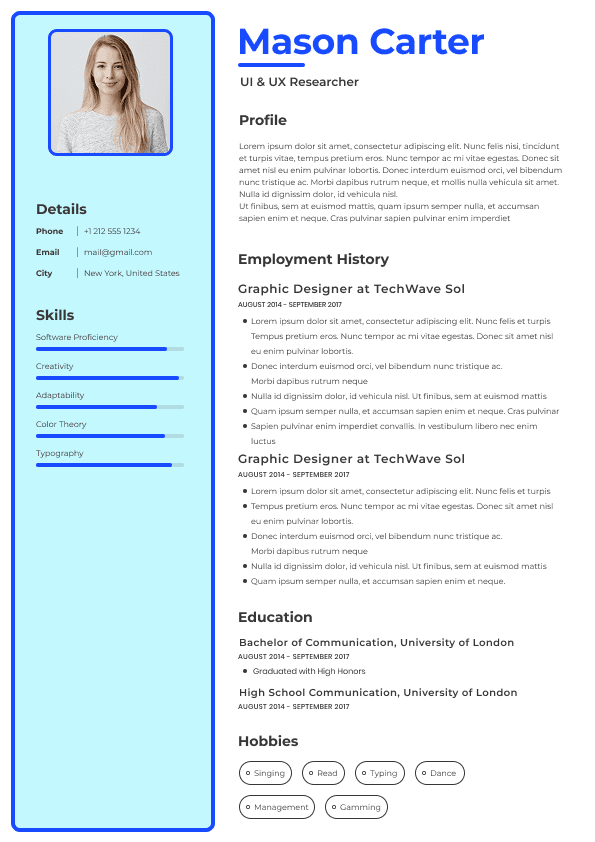



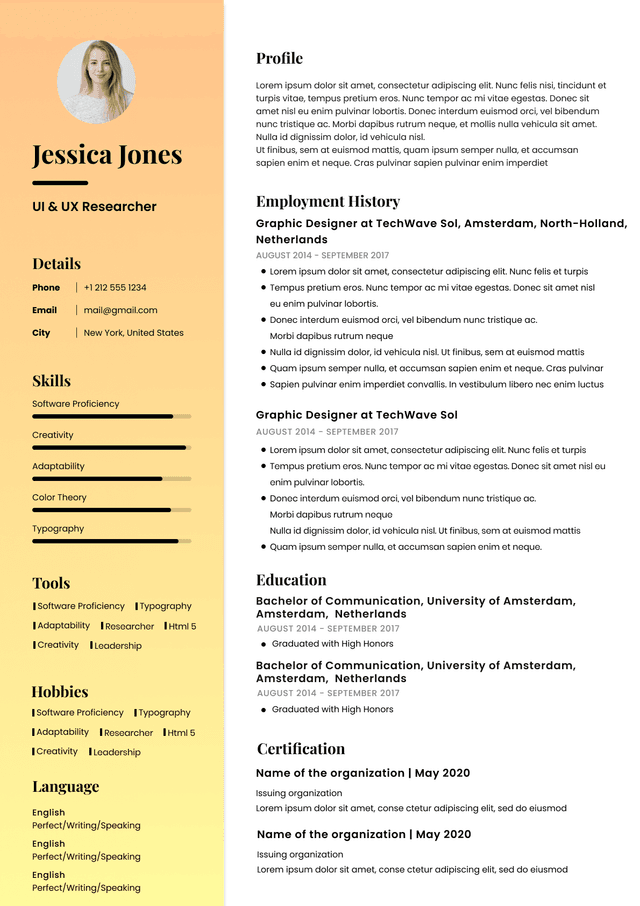



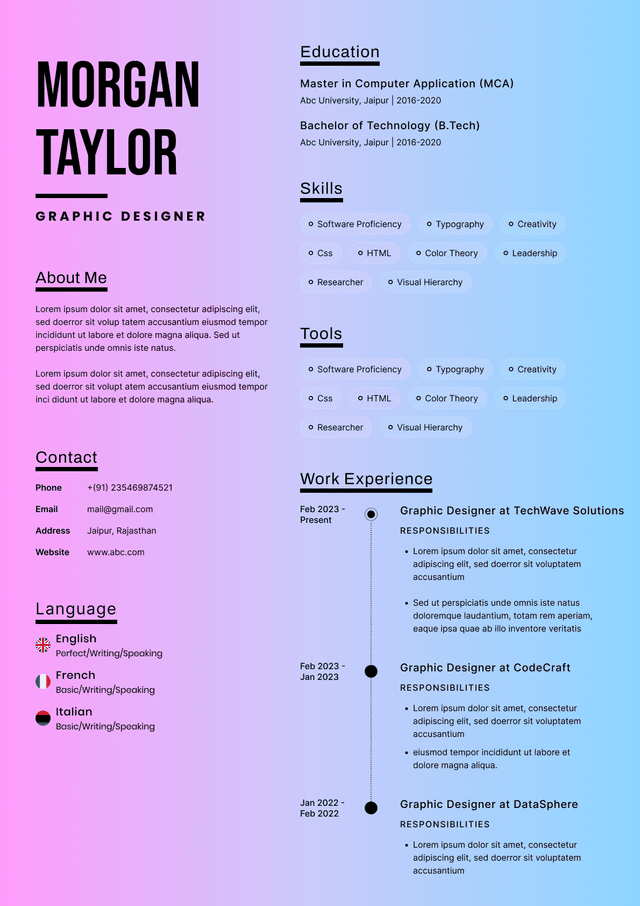
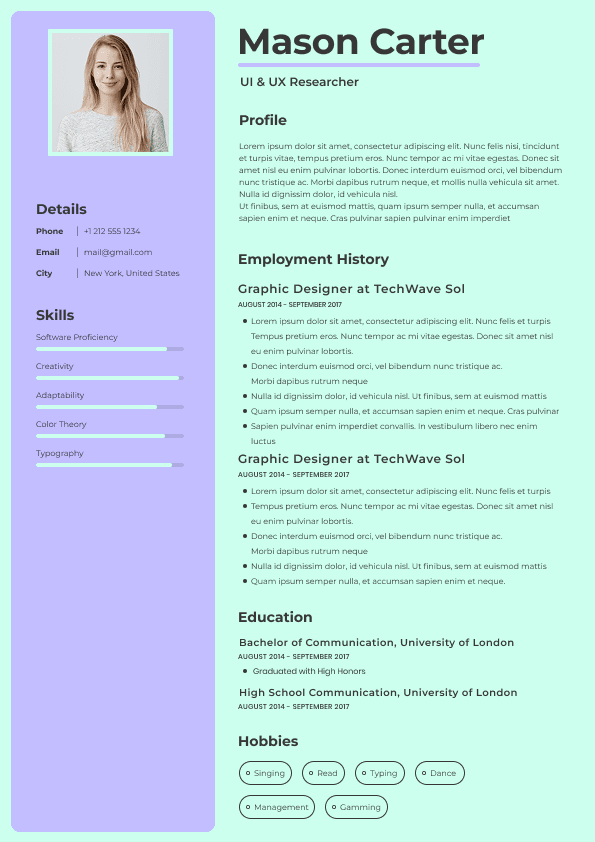










 Upload Resume
 Import from Linkedin