STILL APPLYING. STILL HEARING NOTHING?BUILD YOUR RESUME

STILL APPLYING. STILL HEARING NOTHING?BUILD YOUR RESUME
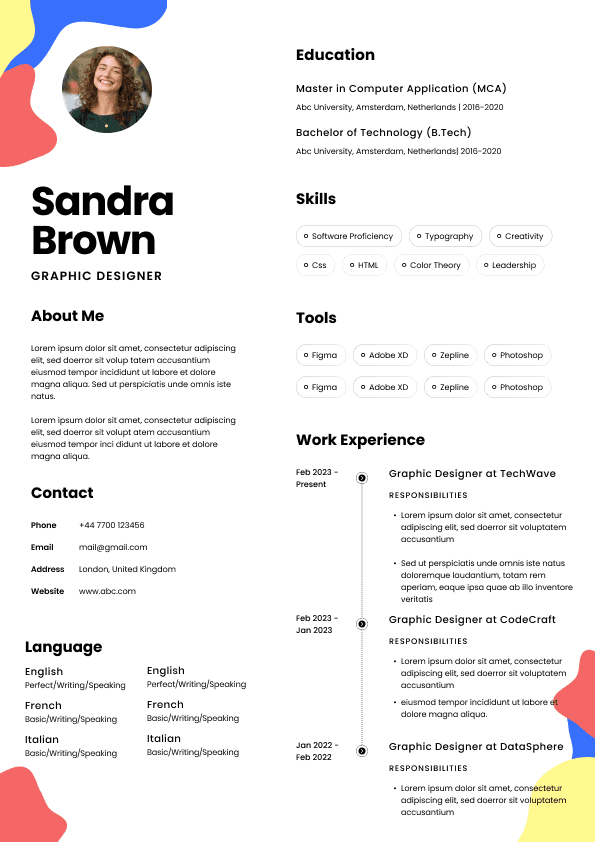
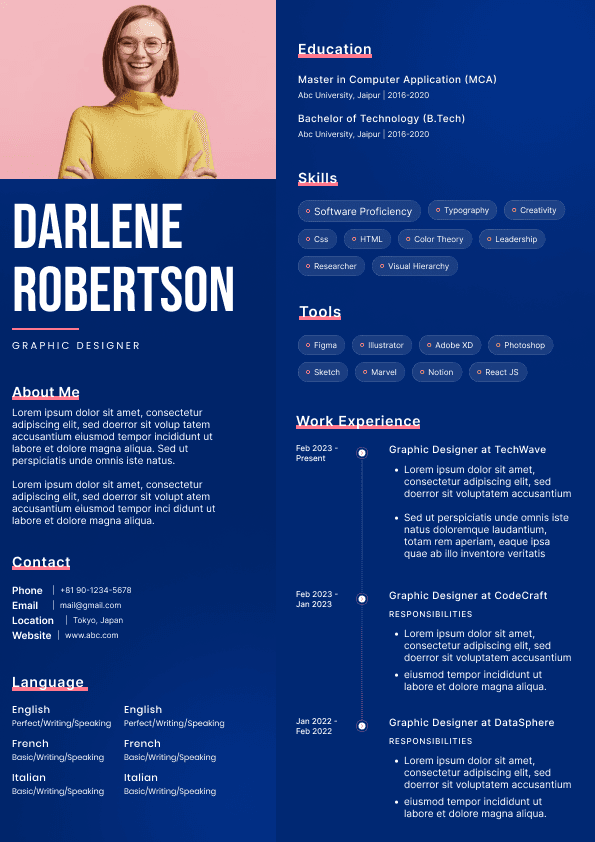
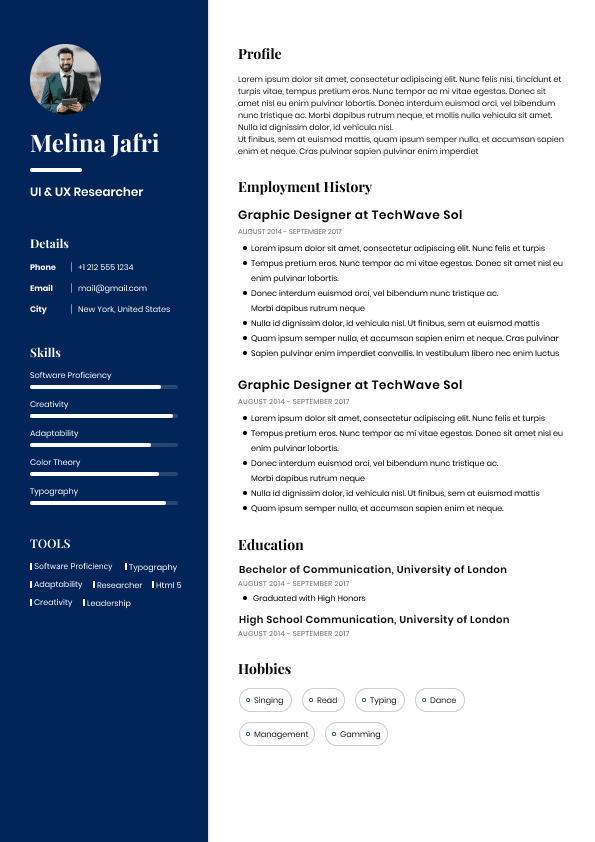
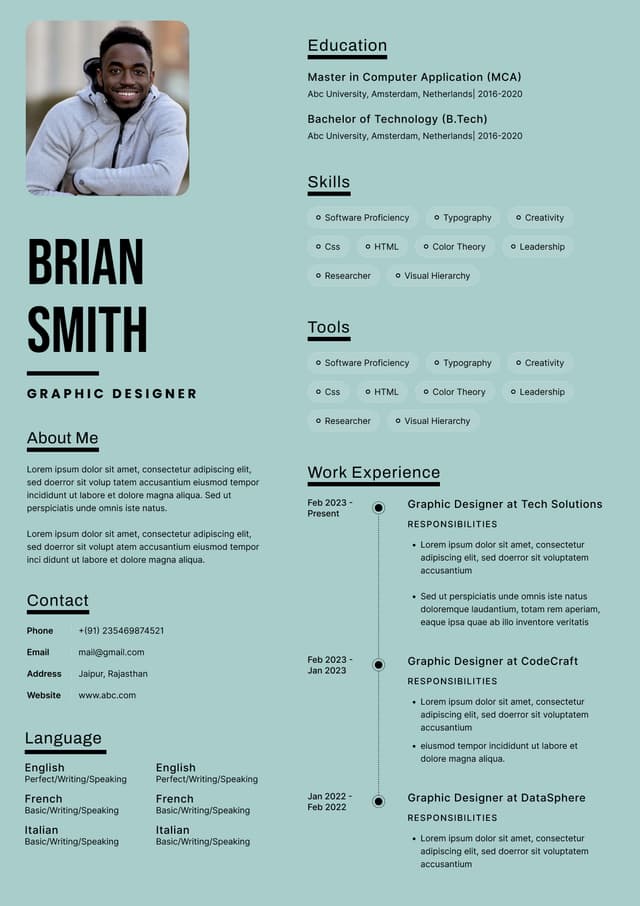
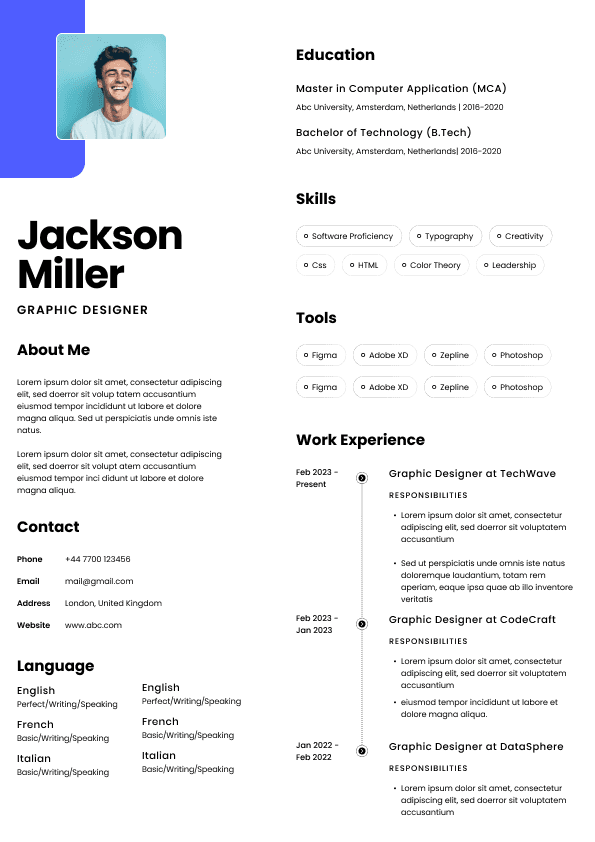
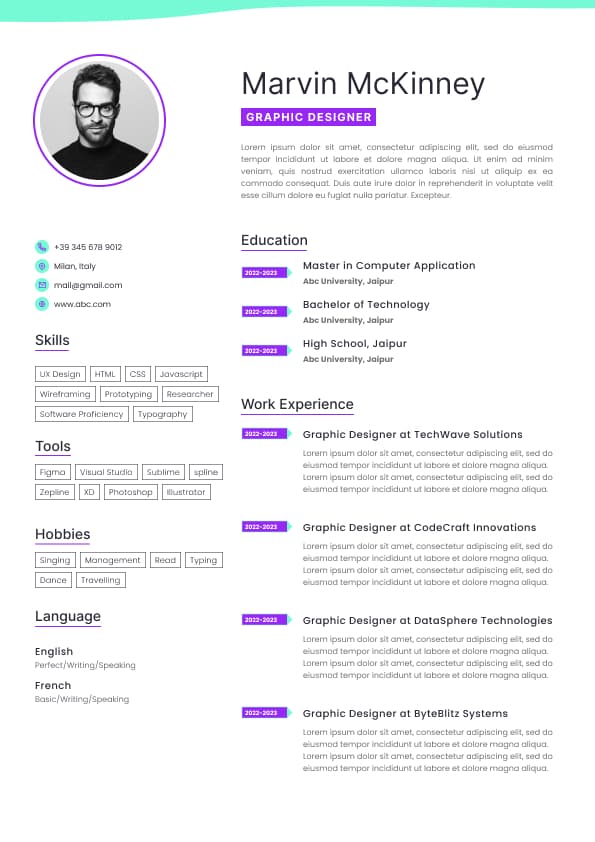
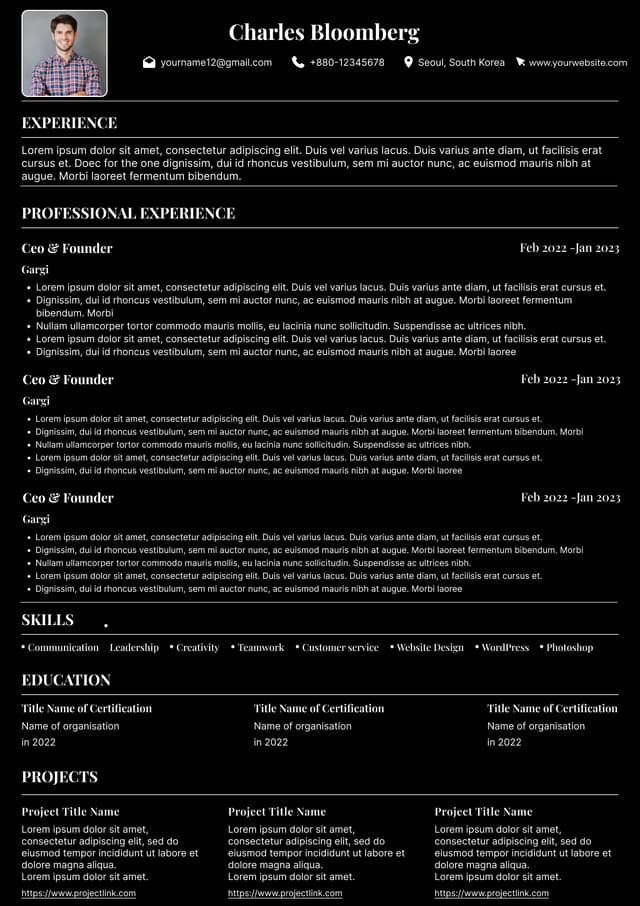
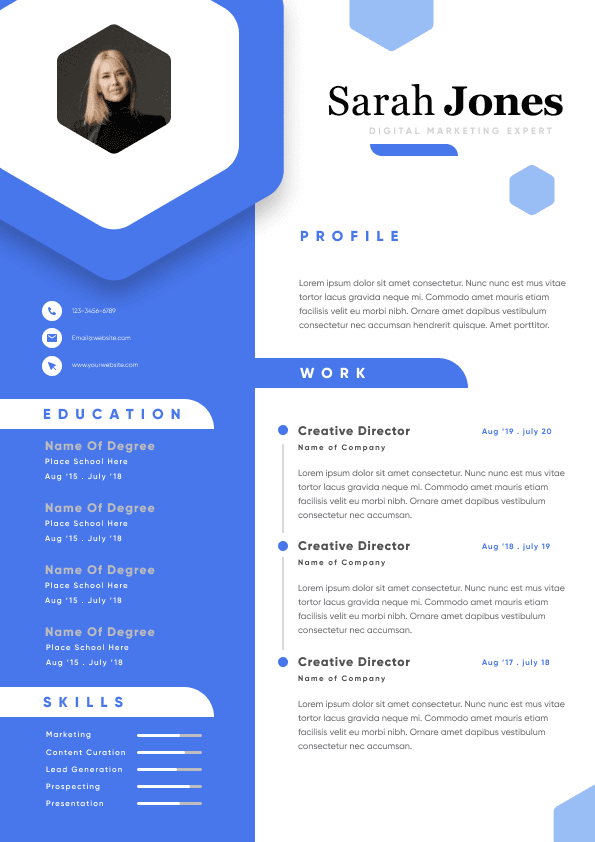
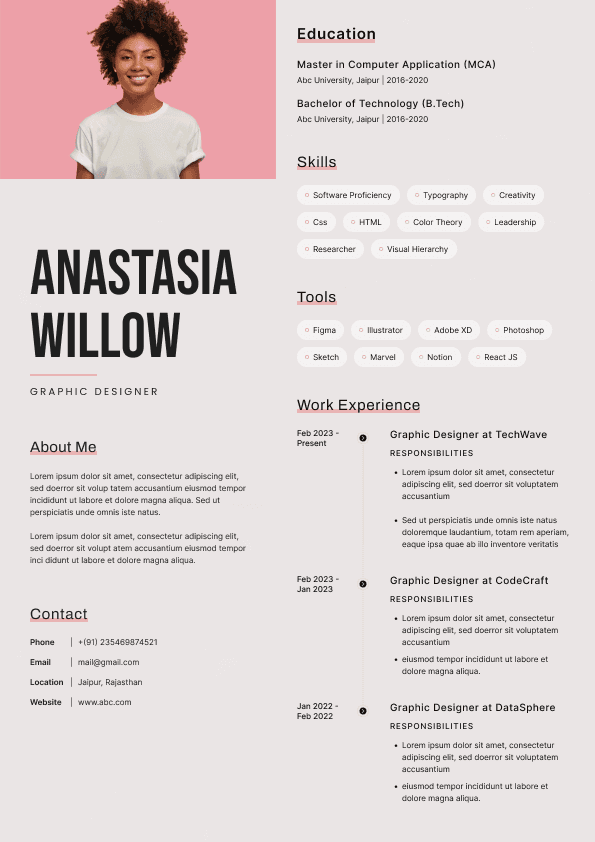
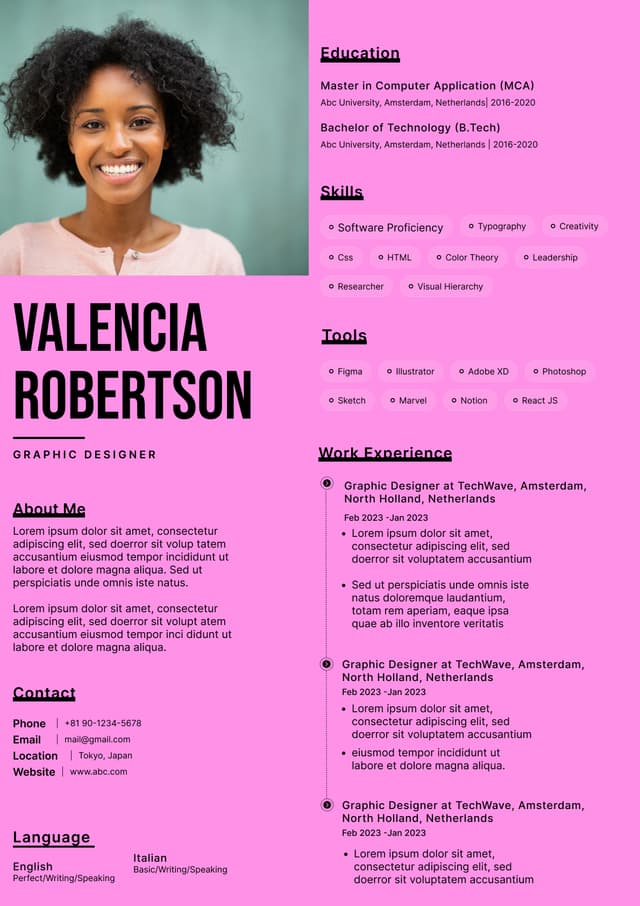
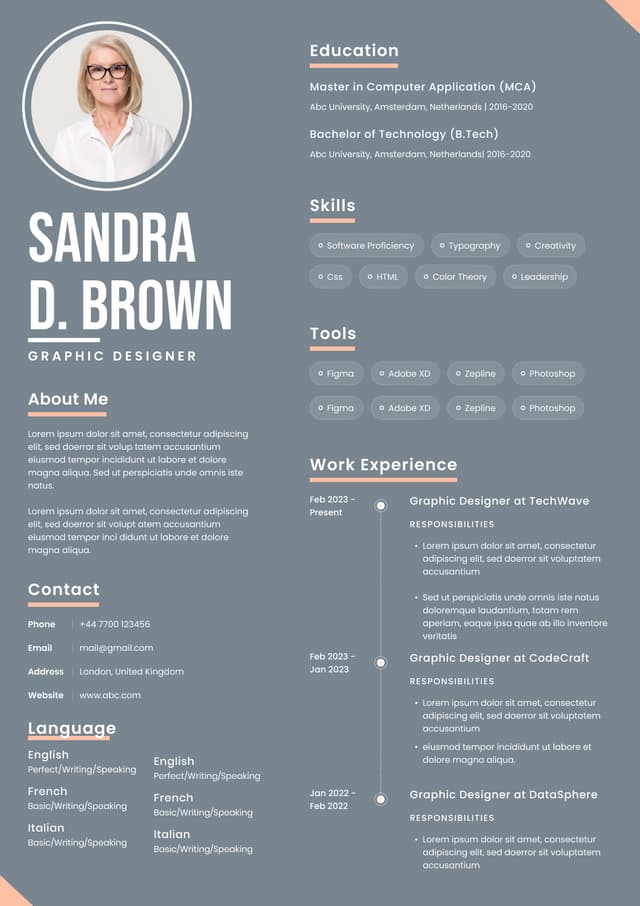
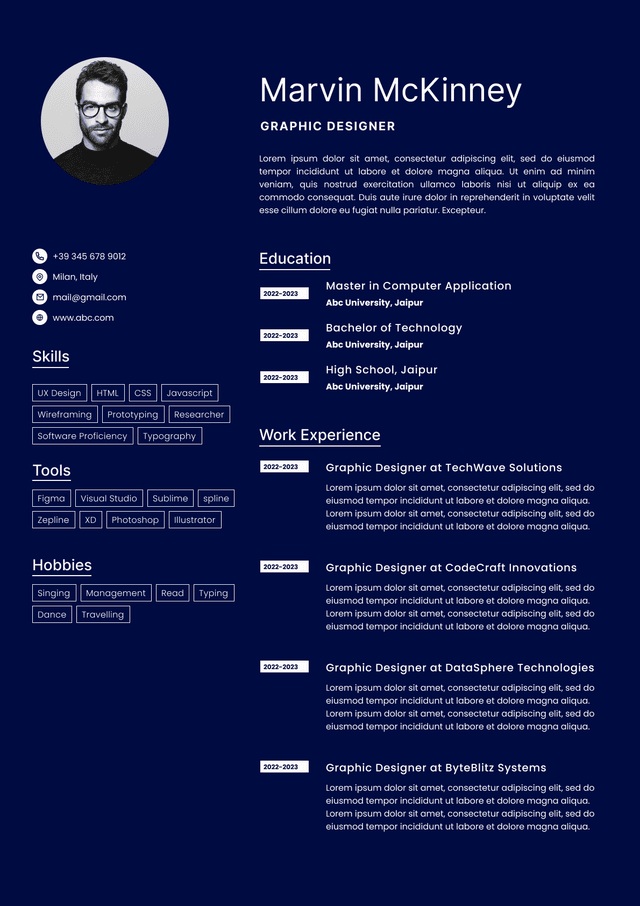
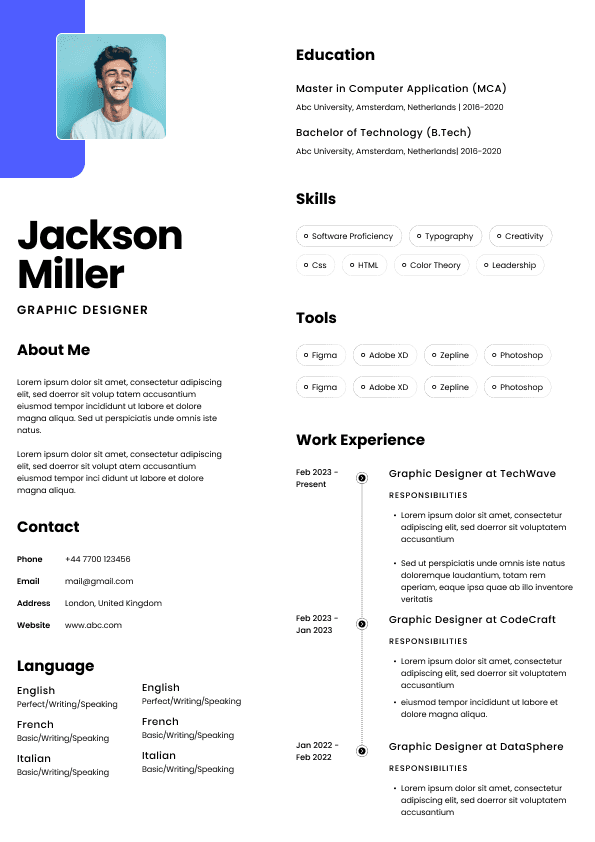
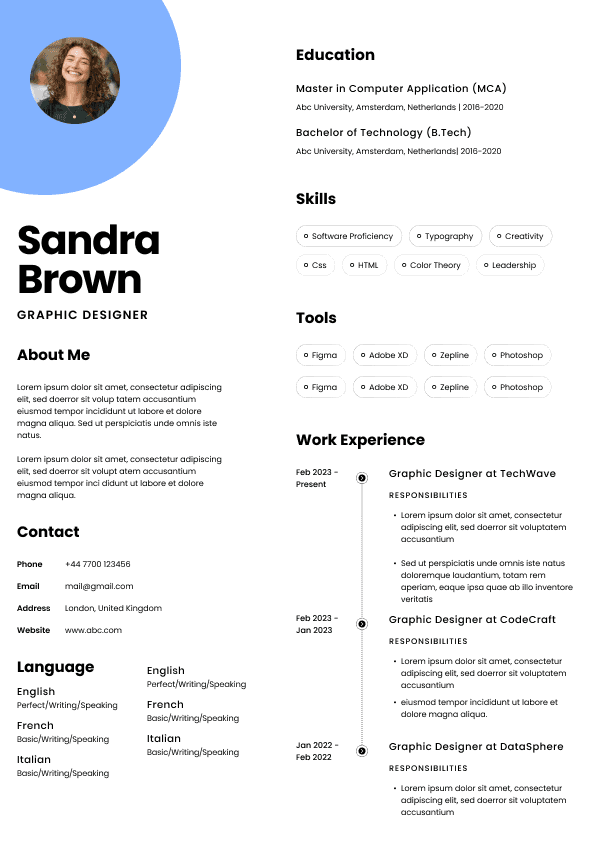
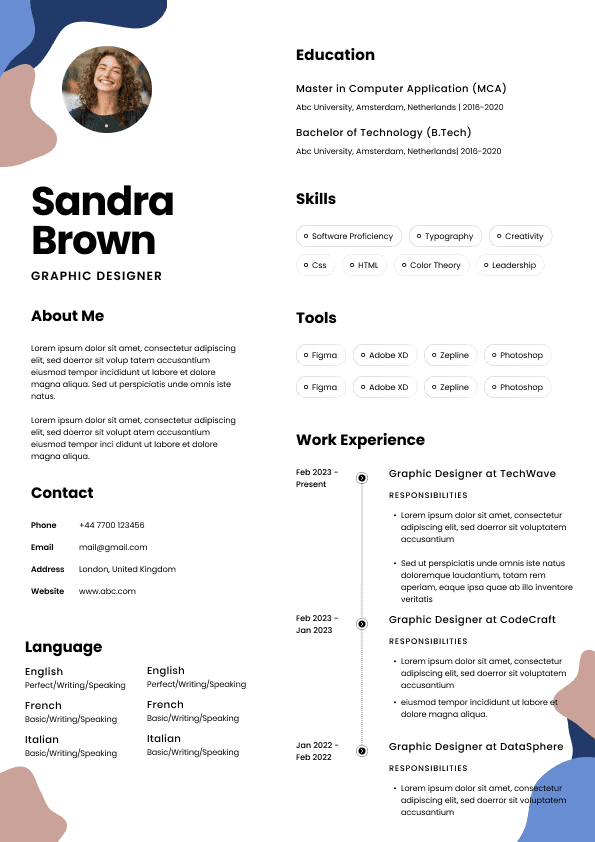
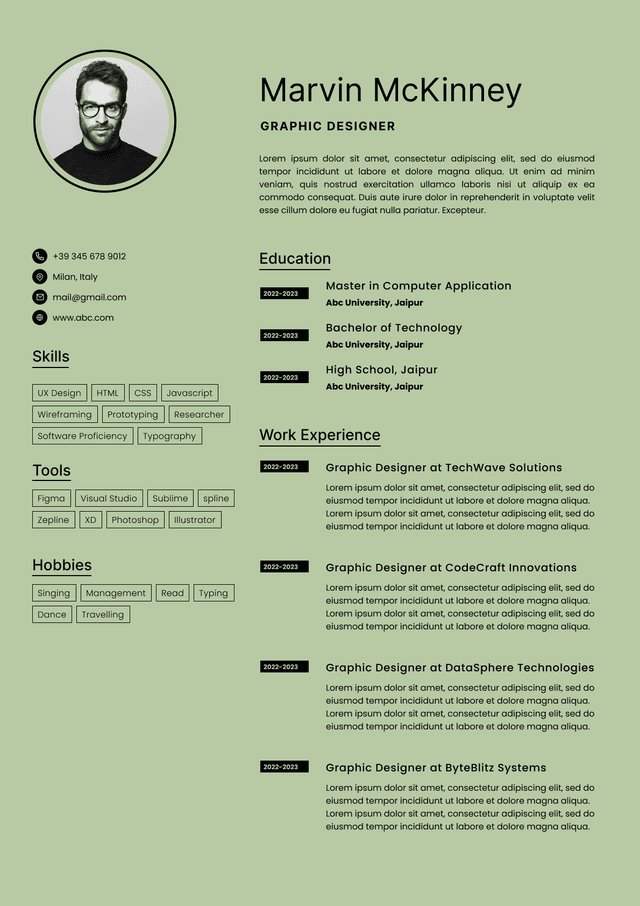
Choose from a wide range of NEWCV resume templates and customize your NEWCV design with a single click.
FAQ

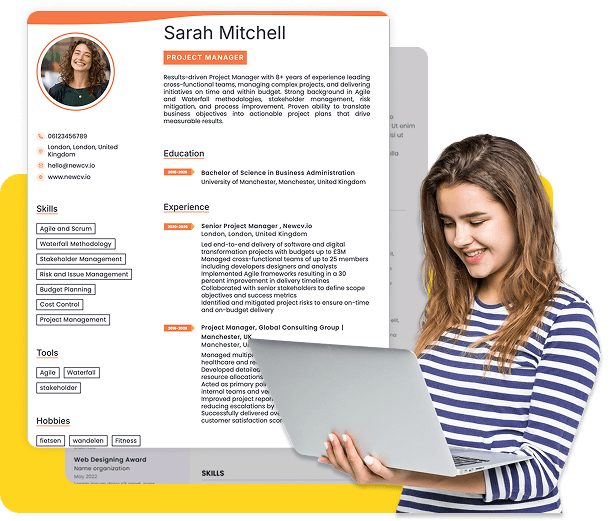
A strong JavaScript developer resume for design systems does not read like a generic React resume. Hiring managers for design system, UI platform, and component architecture roles are screening for a very specific profile: engineers who can scale frontend development across teams through reusable UI systems, governance, accessibility, and architecture.
Most candidates fail because their resumes focus heavily on feature delivery instead of platform impact. Recruiters hiring for design system roles want evidence of reusable component libraries, TypeScript architecture, Storybook adoption, accessibility standards, design token implementation, and measurable cross-team usage.
If your resume does not clearly show platform ownership, frontend standardization, developer experience improvements, and scalable component engineering within the first few seconds, you will blend in with thousands of general React developers.
This guide shows exactly how to position yourself for modern frontend platform and design system roles, including recruiter-approved resume structure, high-impact bullet examples, architecture-focused achievements, technical keywords, and complete resume examples tailored for enterprise frontend hiring.
Design system hiring is fundamentally different from standard frontend hiring.
For a typical React developer role, recruiters prioritize:
Feature implementation
API integration
UI development speed
Product delivery
For design system and UI platform roles, recruiters prioritize:
Reusability
Scalability
Cross-team adoption
Frontend governance
Accessibility compliance
Component API design
Documentation quality
Developer experience
Design-to-code consistency
Long-term maintainability
Hiring managers are evaluating whether you can improve frontend development across an organization, not just ship isolated features.
That means your resume must position you as someone who:
Creates systems instead of one-off components
Enables multiple engineering teams
Reduces frontend inconsistency
Improves developer workflows
Bridges design and engineering
Thinks architecturally
Most candidates accidentally position themselves as feature developers instead of platform engineers.
“Built React components for customer-facing applications.”
This sounds like standard frontend implementation work.
“Built and maintained a reusable React and TypeScript component library adopted by 7 enterprise product teams, reducing duplicate UI development by 38%.”
This immediately communicates:
Reusability
Scale
Platform ownership
Cross-team impact
Business value
That is what recruiters for design systems are scanning for.
For senior frontend architecture and design system roles, the most effective structure is:
Professional Summary
Core Skills
Professional Experience
Technical Stack
Selected Architecture Achievements
Education
Certifications if relevant
Avoid:
Long career objectives
Generic soft skills sections
Overly visual resume layouts
Portfolio-only positioning without business impact
ATS systems and recruiters both favor clean, architecture-focused resumes with measurable outcomes.
Your summary should immediately establish:
Seniority
Platform specialization
Technical stack
Cross-functional impact
Scalability experience
Experienced JavaScript and TypeScript engineer specializing in scalable frontend architecture, reusable component systems, and enterprise UI platforms. Proven success building React design systems adopted across multiple product teams, improving development consistency, accessibility compliance, and frontend delivery speed. Deep expertise in Storybook, design tokens, component APIs, monorepos, and scalable theming architectures for SaaS and enterprise applications.
Frontend platform engineer with expertise designing reusable React component libraries, accessibility-first UI systems, and scalable TypeScript architectures. Experienced collaborating with design, product, and engineering teams to transform Figma design systems into production-ready component ecosystems supporting enterprise-scale applications.
Many candidates overload their resumes with every frontend technology they have touched.
That weakens positioning.
For design system hiring, your skills section should reinforce architectural specialization.
React
TypeScript
Component Libraries
Design Systems
UI Architecture
Atomic Design
Design Tokens
Frontend Governance
Tailwind CSS
Styled Components
Emotion
CSS Modules
Theming Systems
Responsive Design
Accessibility (WCAG)
Storybook
Chromatic
Nx
Turborepo
npm Package Publishing
Monorepos
CI/CD Pipelines
Playwright
Jest
React Testing Library
Visual Regression Testing
For design system resumes, ATS optimization is heavily influenced by architecture terminology.
High-value keywords include:
React component architecture
Design system engineering
UI platform development
Reusable component library
Storybook documentation
Accessibility compliance
TypeScript component APIs
Frontend standardization
Design tokens
Theming infrastructure
Monorepo architecture
Cross-team frontend governance
Visual regression testing
Component-driven development
These should appear naturally throughout your resume, not stuffed into one section.
Strong bullets for design system roles focus on:
Scale
Adoption
Standardization
Performance
Developer enablement
Architectural impact
Built a reusable React and TypeScript component library supporting 60+ shared UI components across enterprise SaaS applications
Reduced duplicate frontend code by 34% through standardized UI components, shared hooks, and centralized styling architecture
Created and maintained Storybook documentation, accessibility guidelines, and usage patterns for cross-functional engineering teams
Implemented design token architecture supporting multi-brand theming and consistent UI scaling across web platforms
Partnered with product designers to translate Figma components into production-ready, WCAG-compliant UI patterns
Introduced automated visual regression testing using Chromatic and Playwright, reducing UI-related production defects by 41%
Developed scalable TypeScript component APIs improving frontend consistency and reducing onboarding time for new engineers
Led migration from fragmented frontend implementations to centralized component architecture adopted by 8 engineering teams
Published internal npm packages for shared UI functionality, improving release management and frontend maintainability
Improved feature delivery speed by 26% through reusable UI abstractions and standardized frontend workflows
Generic frontend resumes often lack measurable architectural outcomes.
Strong design system resumes quantify:
Number of components
Number of teams supported
UI consistency improvements
Accessibility gains
Reduction in duplicate code
Faster delivery speed
Adoption metrics
Reduced defects
Onboarding improvements
45+ reusable components created
8 product teams using shared library
38% reduction in duplicated UI code
25% faster frontend delivery cycles
40% reduction in UI defects
WCAG 2.1 AA accessibility compliance achieved
50% reduction in onboarding time for frontend developers
Senior frontend engineer specializing in React, TypeScript, and scalable design systems for enterprise SaaS platforms. Experienced building reusable component architectures, frontend governance systems, and accessibility-first UI libraries adopted across multiple engineering teams. Proven success improving developer experience, reducing duplicate UI development, and accelerating product delivery through shared frontend infrastructure.
React
TypeScript
Storybook
Design Systems
Component Libraries
Tailwind CSS
Accessibility
Design Tokens
Nx Monorepos
Chromatic
Playwright
Jest
Frontend Architecture
CloudScale Technologies — Austin, TX
2022 – Present
Built enterprise React and TypeScript design system supporting 9 product teams across B2B SaaS applications
Developed reusable component library containing 70+ production-ready components with accessibility baked into default APIs
Reduced duplicated frontend implementation by 36% through centralized component architecture and shared UI utilities
Created Storybook documentation environment improving developer onboarding and frontend implementation consistency
Partnered closely with design teams to operationalize Figma design tokens into scalable theming infrastructure
Implemented Chromatic and Playwright visual regression testing reducing UI production bugs by 43%
Led migration toward monorepo frontend architecture using Nx to standardize package management and deployment workflows
Nova Health Systems — Chicago, IL
2019 – 2022
Developed reusable healthcare UI components compliant with WCAG accessibility standards and responsive design requirements
Built shared TypeScript hooks and frontend utilities accelerating development across patient-facing applications
Improved frontend consistency through adoption of centralized design token architecture
Collaborated with product and UX teams to establish reusable frontend interaction patterns and documentation standards
React, TypeScript, Storybook, Tailwind CSS, Emotion, CSS Modules, Chromatic, Playwright, Jest, React Testing Library, Nx, Turborepo, Figma, GitHub Actions
Most frontend engineers underestimate how architectural these interviews become.
Hiring managers are evaluating:
System thinking
API design decisions
Scalability judgment
Maintainability mindset
Collaboration maturity
Accessibility depth
Platform ownership mentality
Your resume should therefore demonstrate:
Governance
Standards
Documentation
Enablement
Reusability
Long-term thinking
Not just coding output.
Many candidates mention Storybook without showing strategic usage.
That weakens credibility.
Hiring managers want to know whether you used Storybook as:
Documentation infrastructure
Design-engineering collaboration layer
Component testing environment
Adoption tool
Governance system
“Used Storybook for components.”
“Built and maintained Storybook documentation environment with usage guidelines, accessibility references, and visual regression testing workflows for enterprise component library adoption.”
The second version demonstrates ownership and organizational value.
Design token experience is becoming a major hiring differentiator for frontend platform teams.
Strong resumes show experience with:
Multi-brand theming
Dark mode systems
Spacing scales
Typography systems
Semantic color architecture
Token synchronization from Figma to code
Candidates who demonstrate design token architecture often stand out above general React developers because they show system-level frontend thinking.
For enterprise design system roles, accessibility is a core evaluation area.
Hiring managers increasingly reject resumes that never mention:
WCAG
Keyboard navigation
Screen reader support
Semantic HTML
ARIA patterns
Focus management
Strong accessibility positioning signals frontend maturity.
That communicates expertise immediately.
Modern enterprise frontend teams increasingly use:
Nx
Turborepo
pnpm workspaces
Shared package architectures
If you have experience with frontend platform infrastructure, surface it clearly.
This moves your positioning closer to:
Frontend platform engineer
UI infrastructure engineer
Enterprise frontend architect
These roles are often higher paying and less saturated than general frontend developer positions.
Seniority in design system engineering is less about years and more about organizational impact.
Senior resumes demonstrate:
Multi-team influence
Architectural ownership
Governance decisions
Standardization initiatives
Scalability improvements
Developer enablement
Long-term platform thinking
Junior resumes typically focus on:
Individual components
UI implementation
Ticket delivery
Product-specific features
Your wording should consistently reinforce platform-level impact.
Avoid vague bullets like:
Developed frontend features
Worked with React
Built UI screens
These fail to differentiate you.
Design system hiring is not just visual UI work.
It includes:
Architecture
APIs
Reusability
Governance
Testing
Documentation
Adoption strategy
A design system without adoption is not valuable.
Always show:
Team usage
Organizational scale
Developer enablement
Standardization outcomes
Accessibility is now a core hiring signal for frontend architecture roles.
Omitting it weakens credibility.
Storybook is often central to design system workflows.
Surface it strategically.
The strongest demand currently comes from:
SaaS companies
FinTech platforms
Healthcare software companies
Enterprise B2B platforms
HR tech companies
Developer tooling companies
Product-led growth startups
EdTech platforms
These organizations prioritize scalable frontend systems because they manage large product ecosystems and multiple engineering teams.
The frontend market is crowded with React developers.
It is far less crowded with engineers who can:
Build scalable design systems
Improve developer experience
Create reusable UI platforms
Standardize frontend architecture
Lead cross-team frontend governance
Your resume should make that distinction obvious immediately.
The strongest resumes position the candidate as:
A platform multiplier
A frontend systems thinker
A reusable architecture specialist
A cross-functional enabler
That positioning consistently performs better in senior frontend hiring.
Use ATS-optimised Resume and resume templates that pass applicant tracking systems. Our Resume builder helps recruiters read, scan, and shortlist your Resume faster.

Use professional field-tested resume templates that follow the exact Resume rules employers look for.
Create Resume
Use professional field-tested resume templates that follow the exact Resume rules employers look for.
Create Resume


 Upload Resume
 Import from Linkedin