STILL APPLYING. STILL HEARING NOTHING?BUILD YOUR RESUME

STILL APPLYING. STILL HEARING NOTHING?BUILD YOUR RESUME
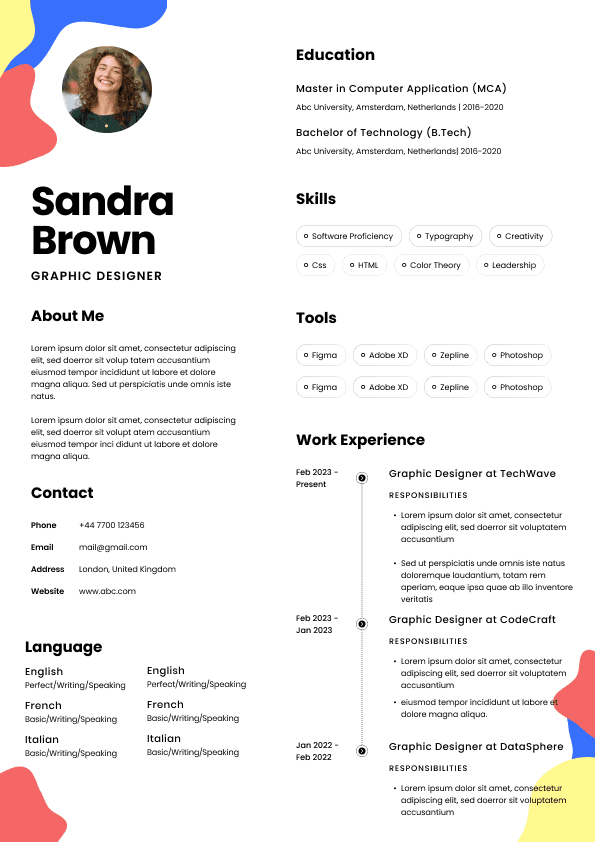
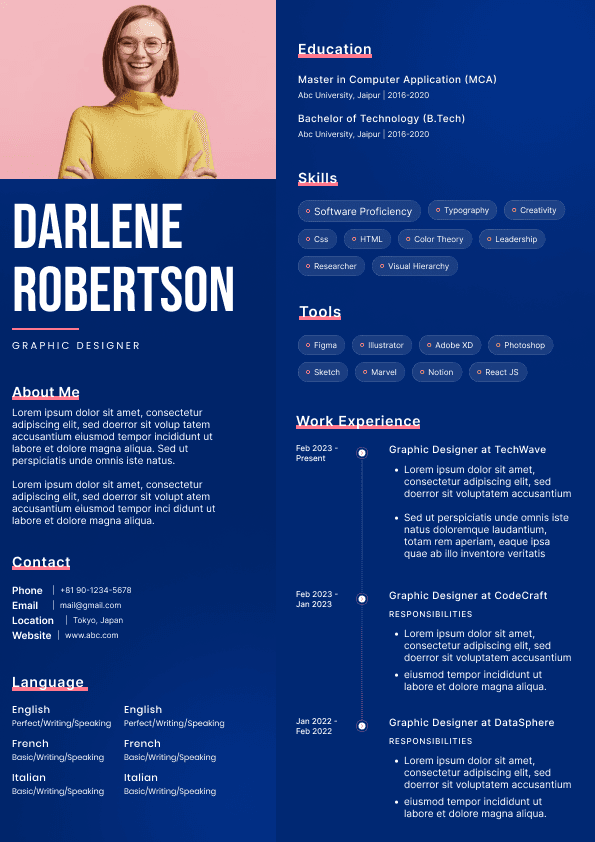
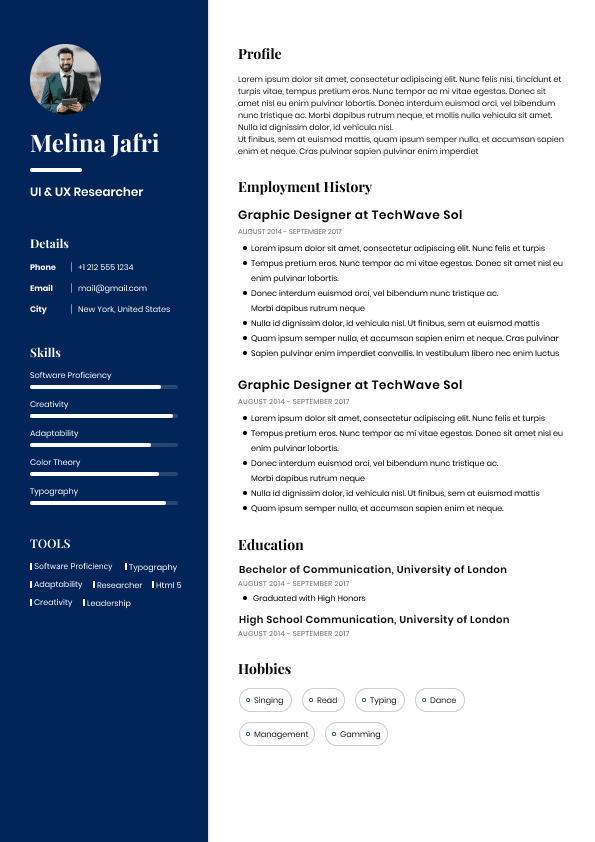
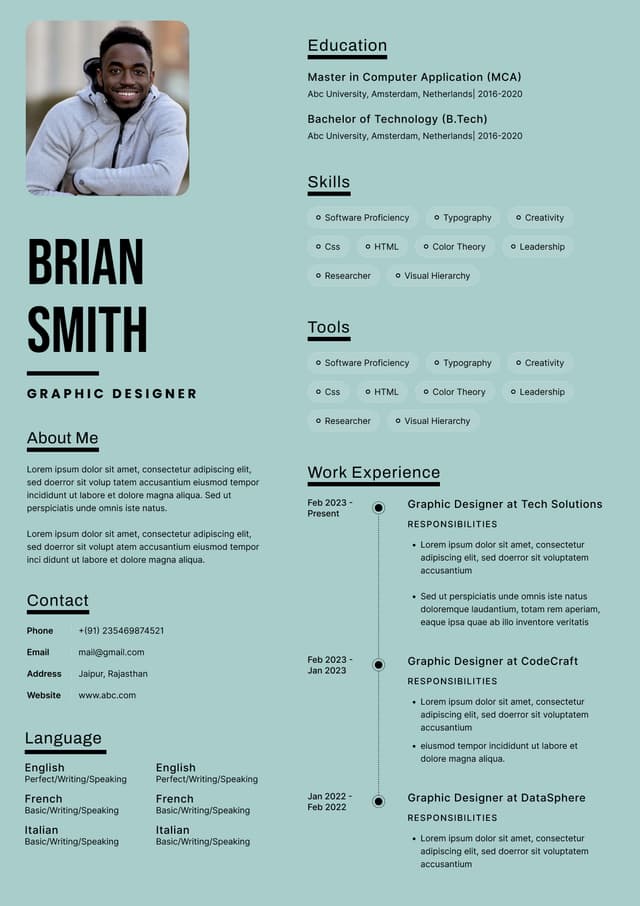
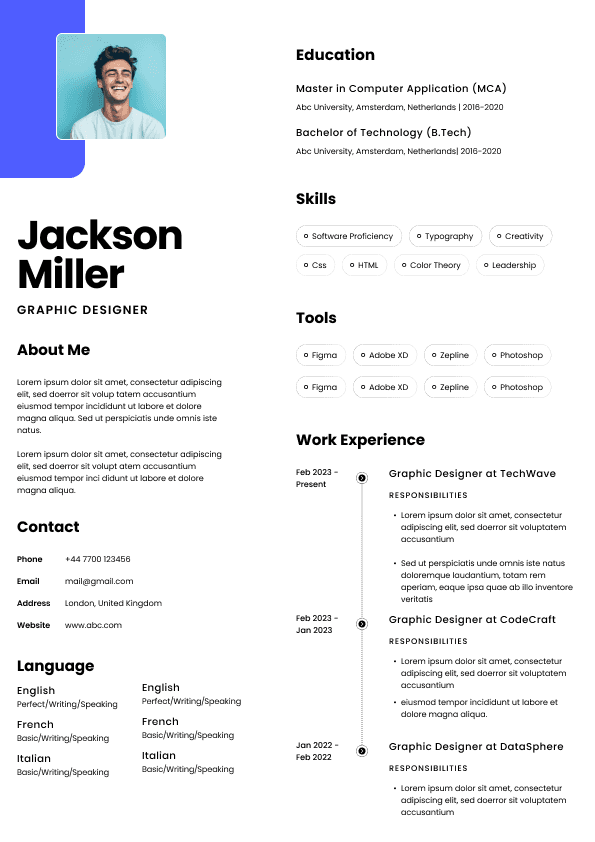
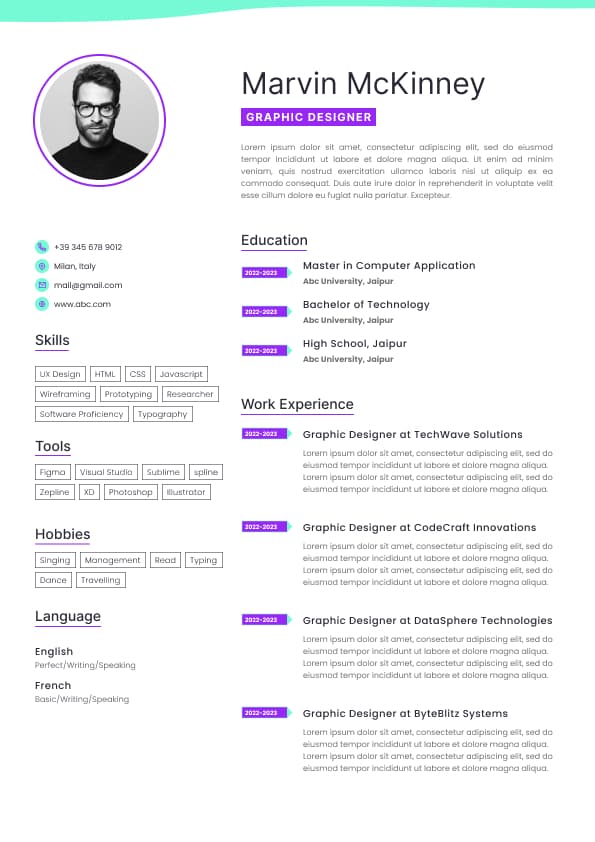
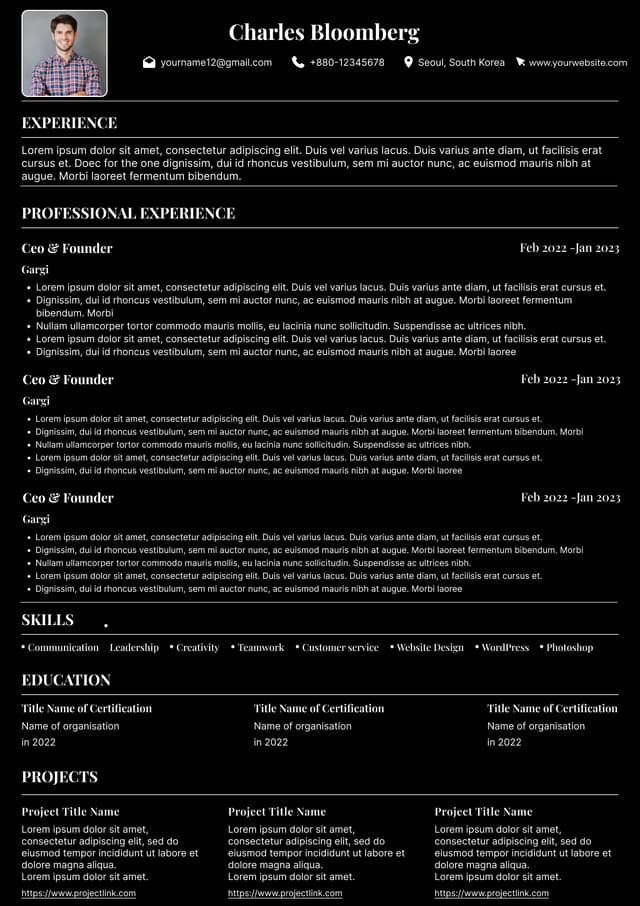
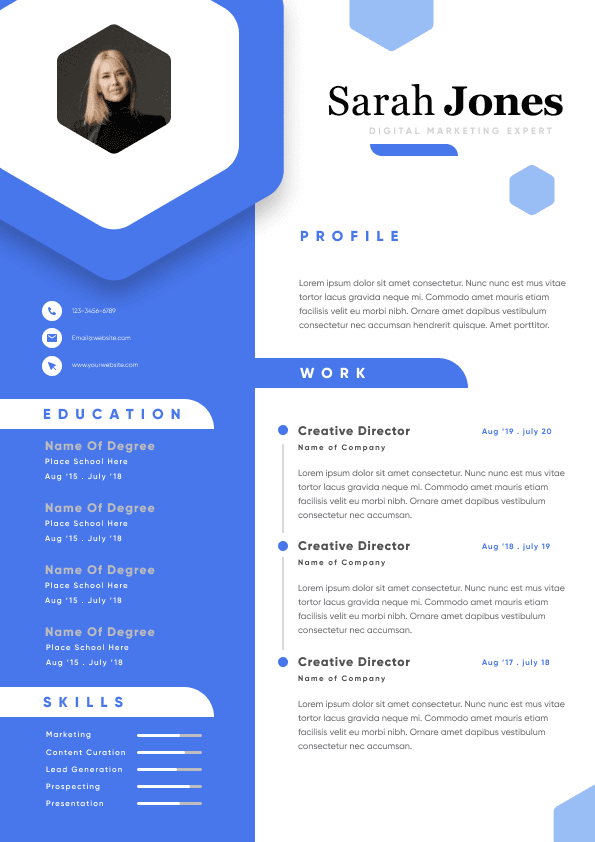
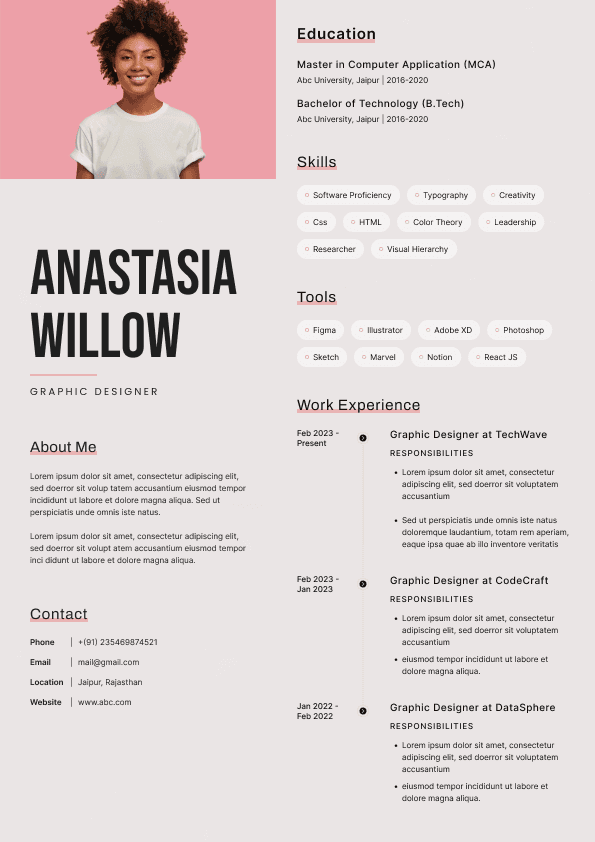
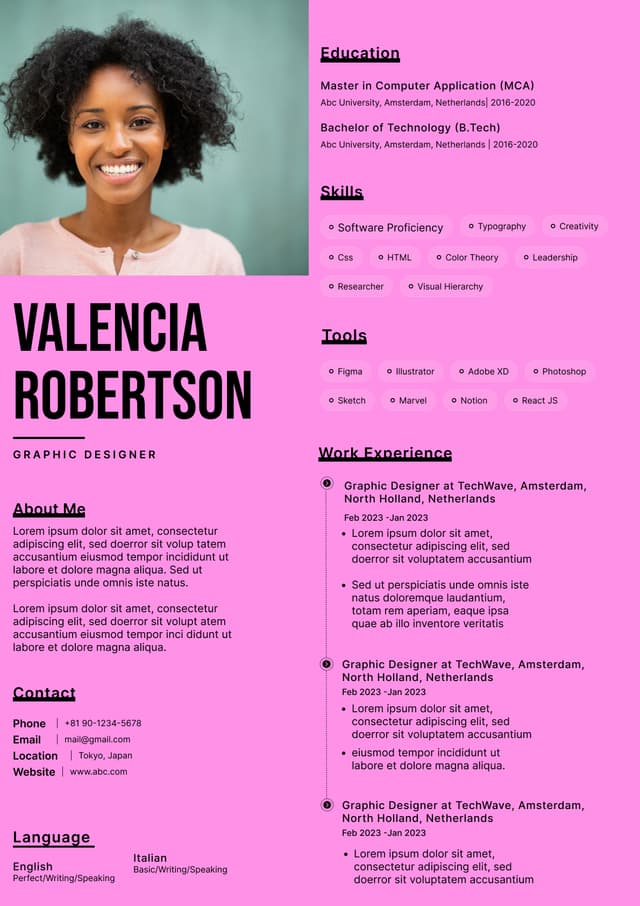
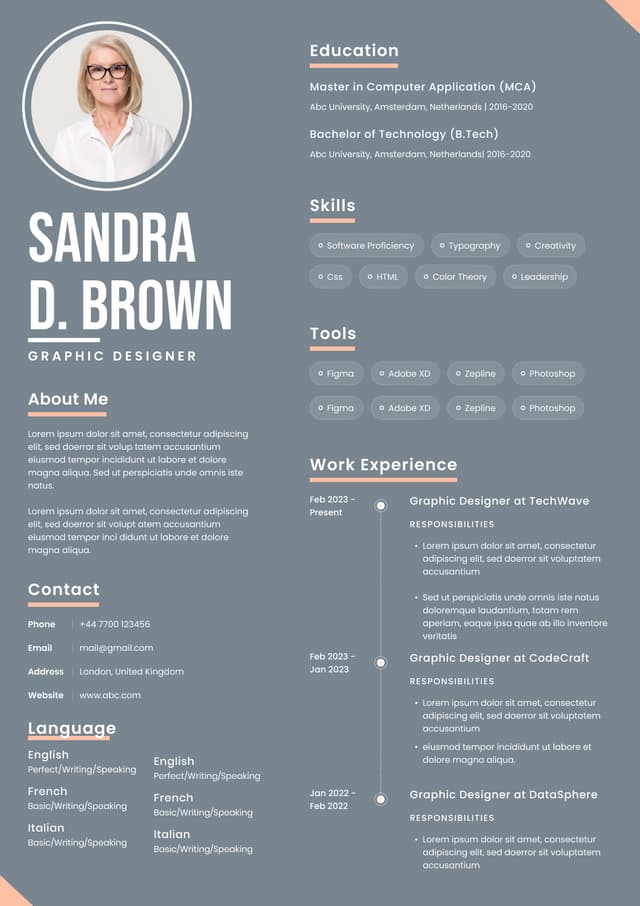
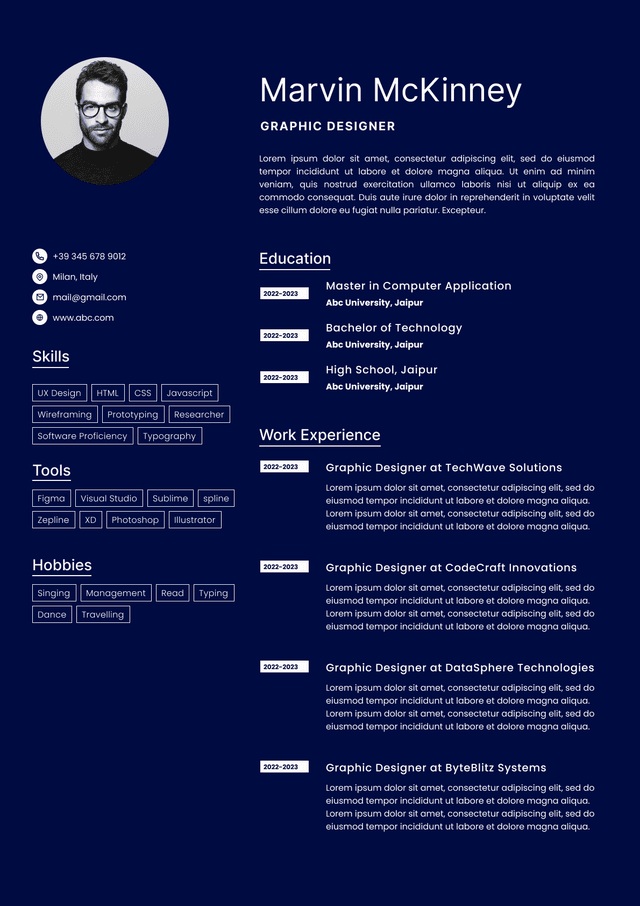
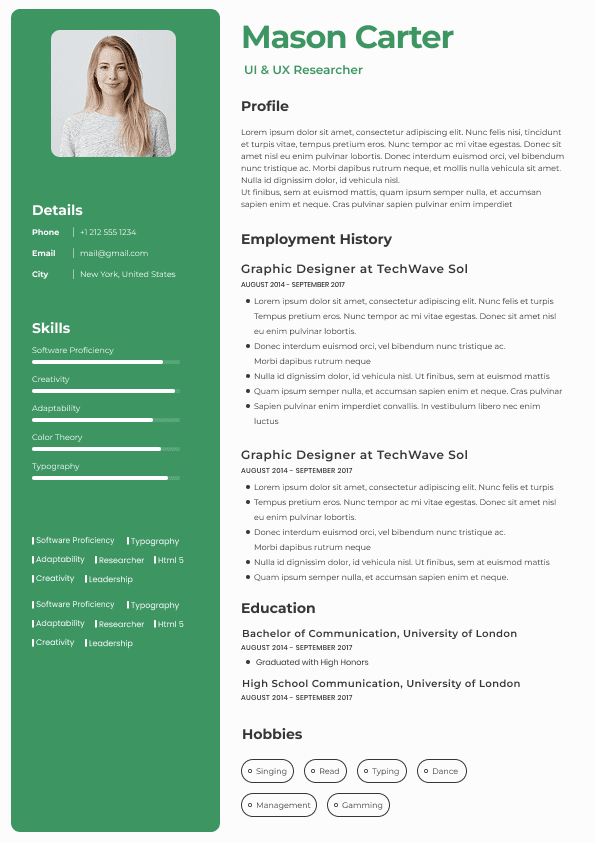
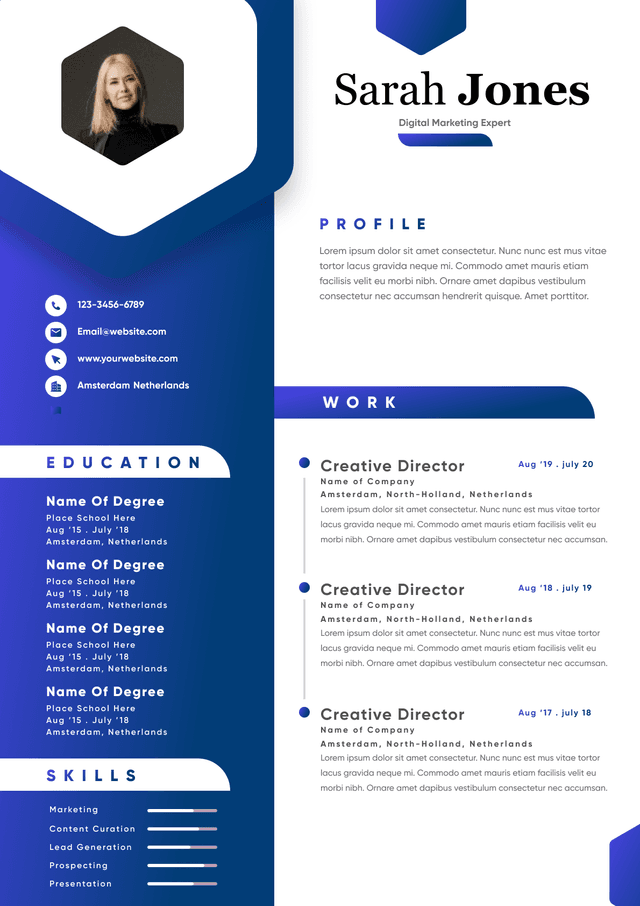
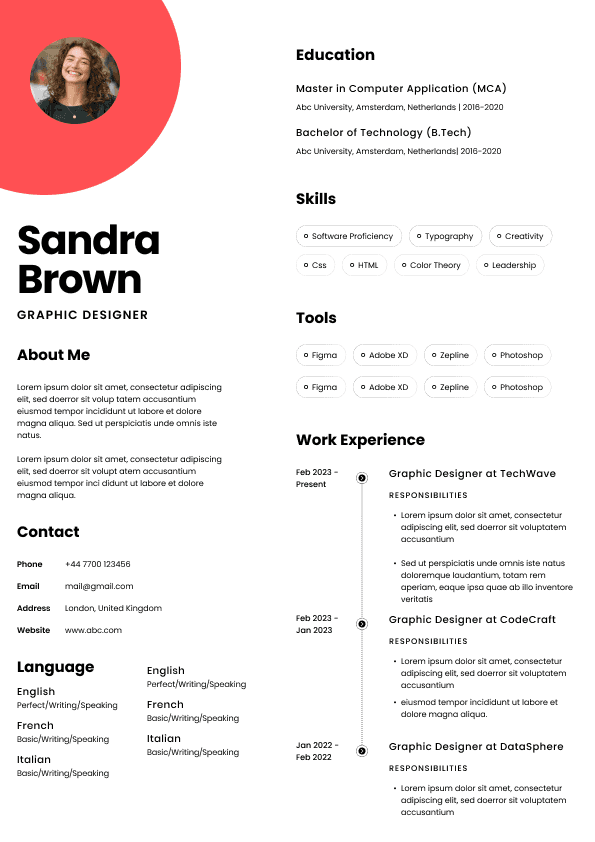
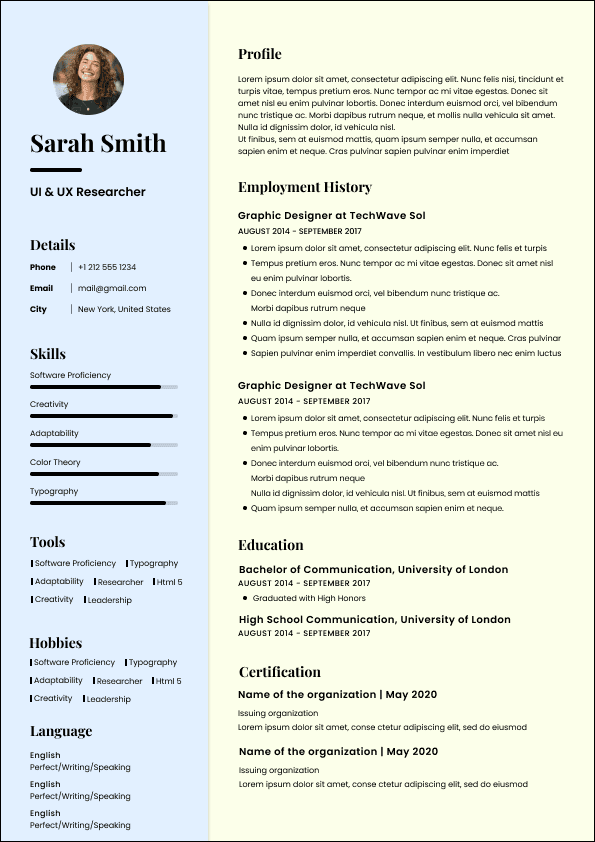
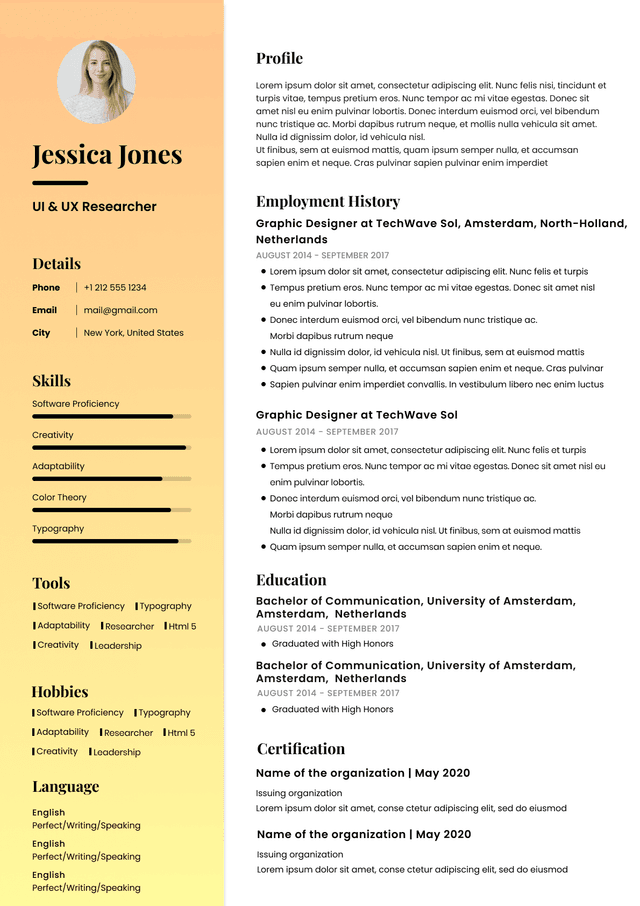
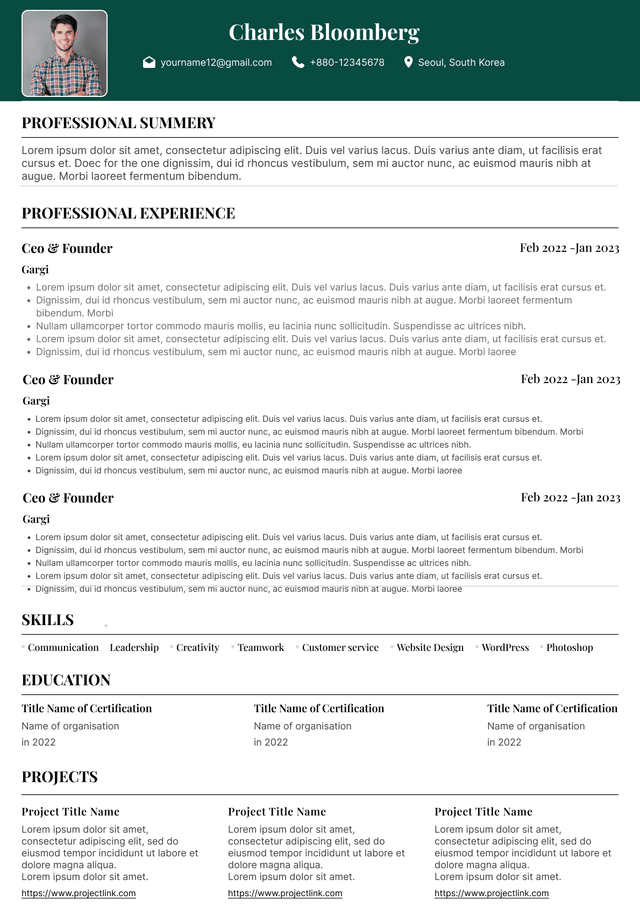
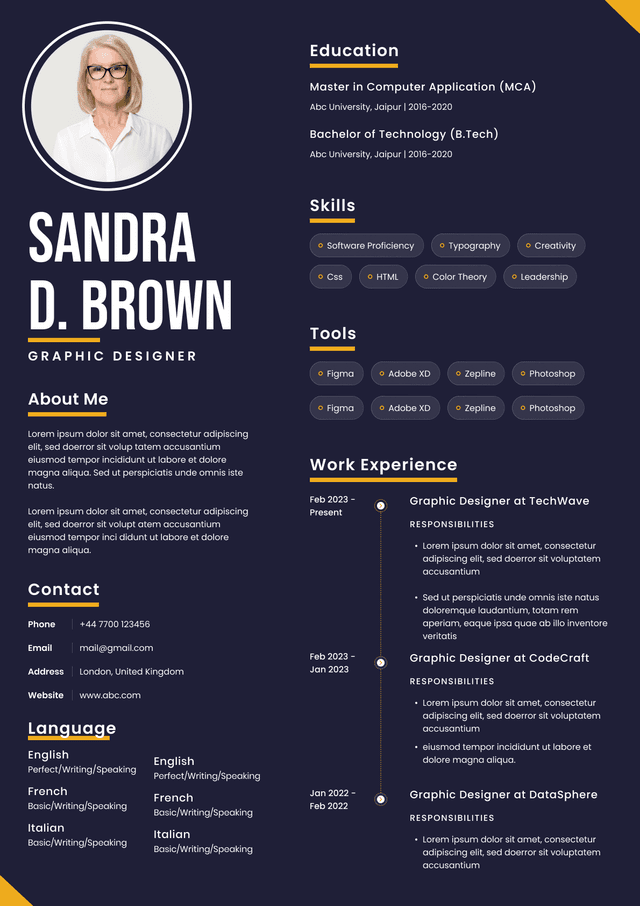
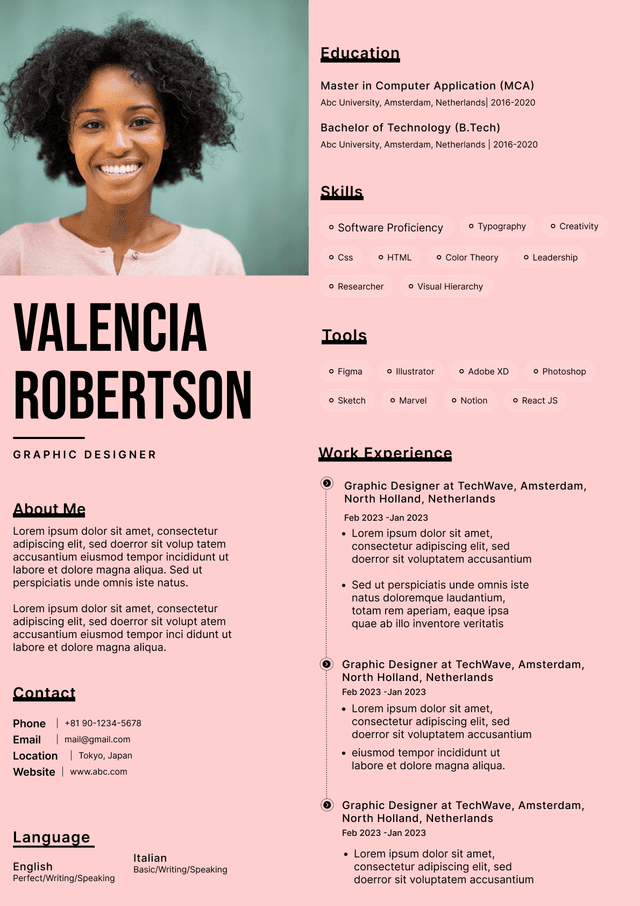
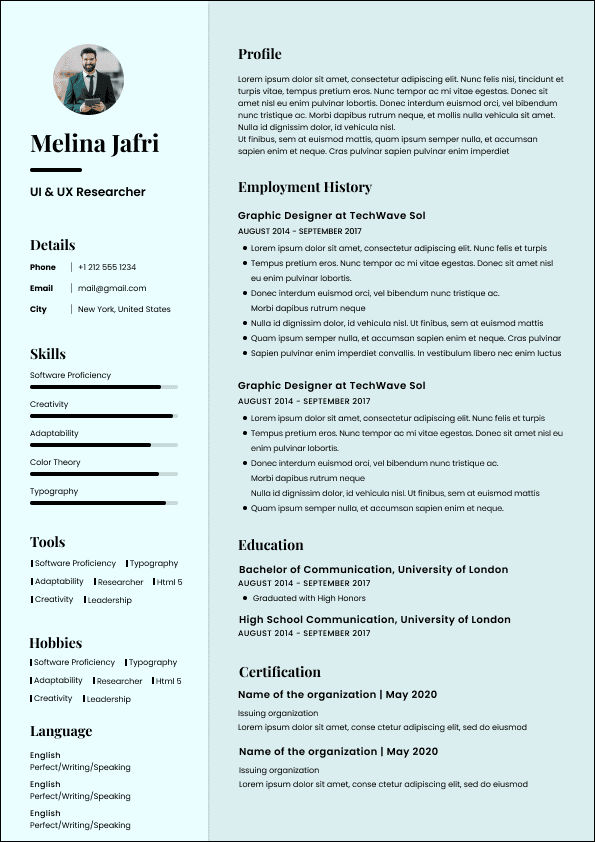
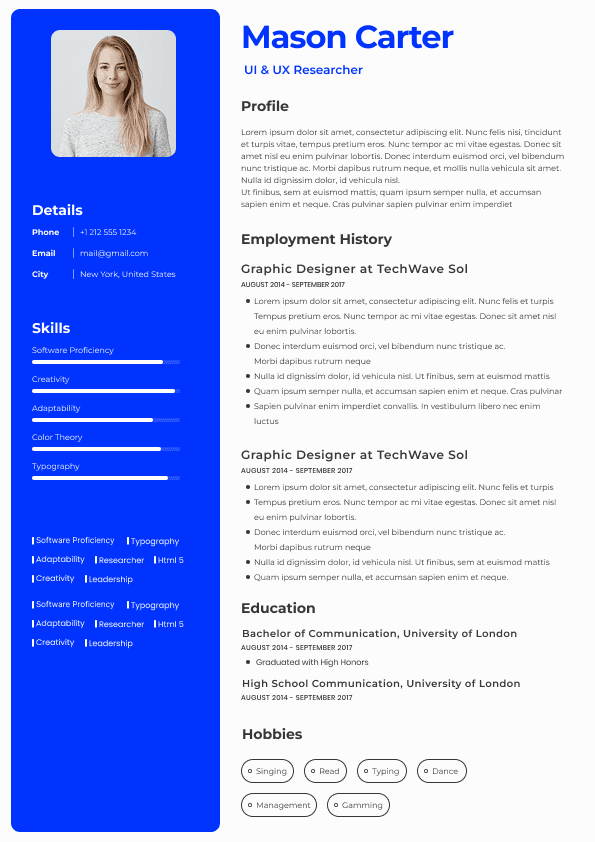
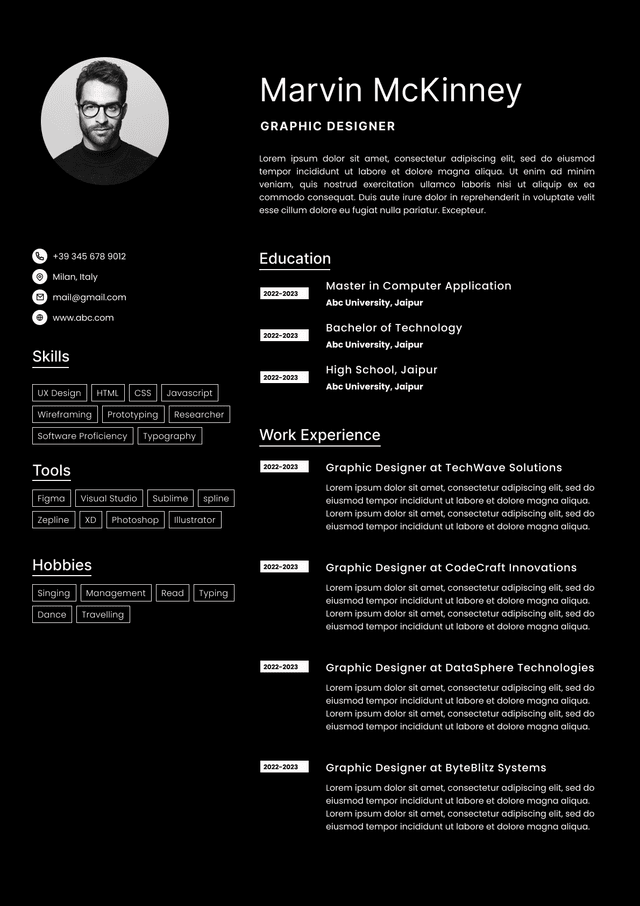
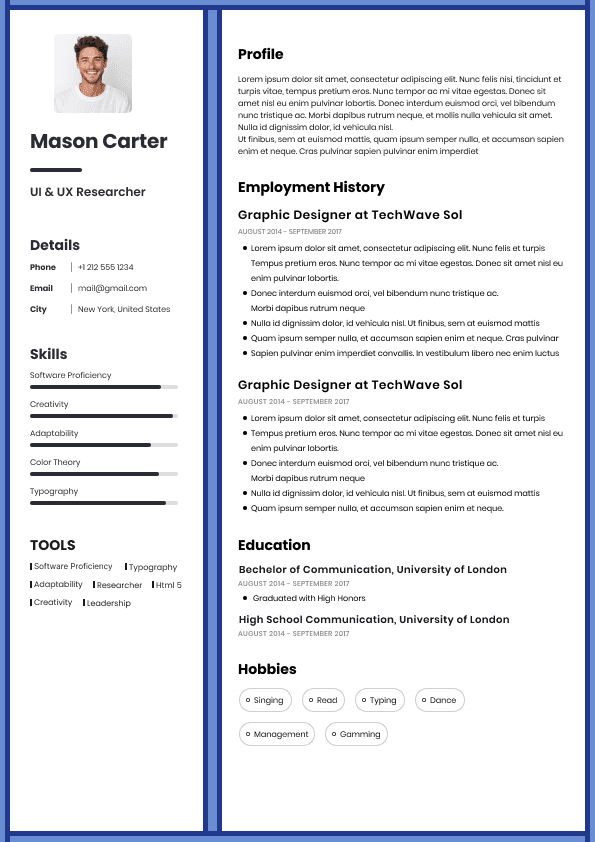
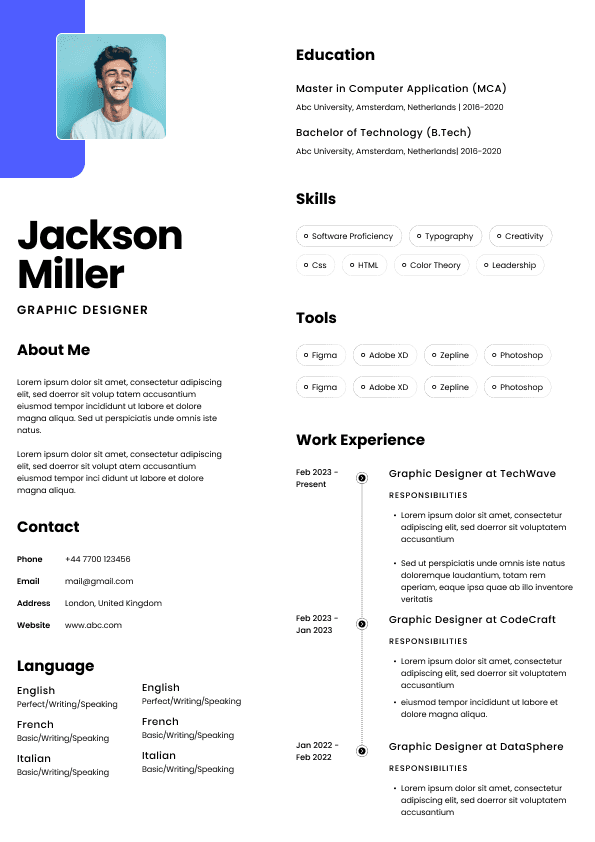
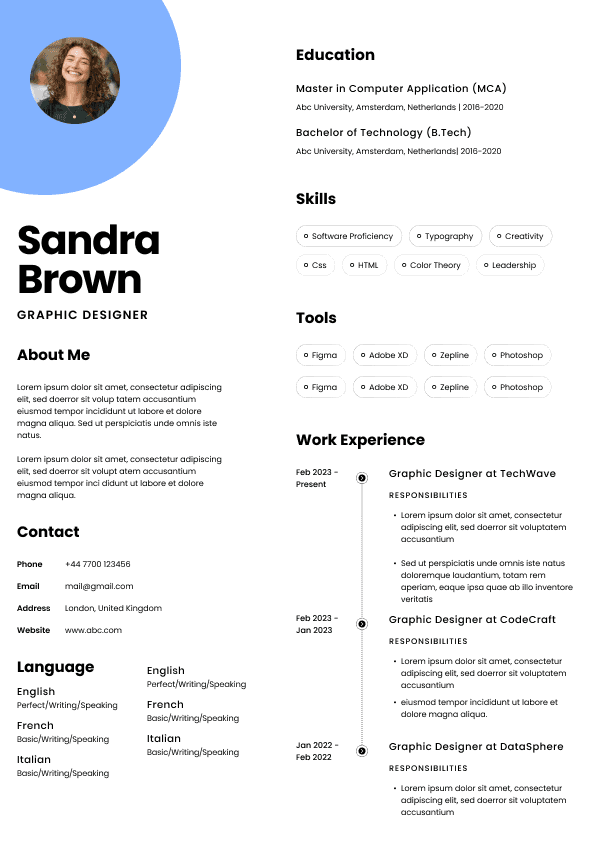
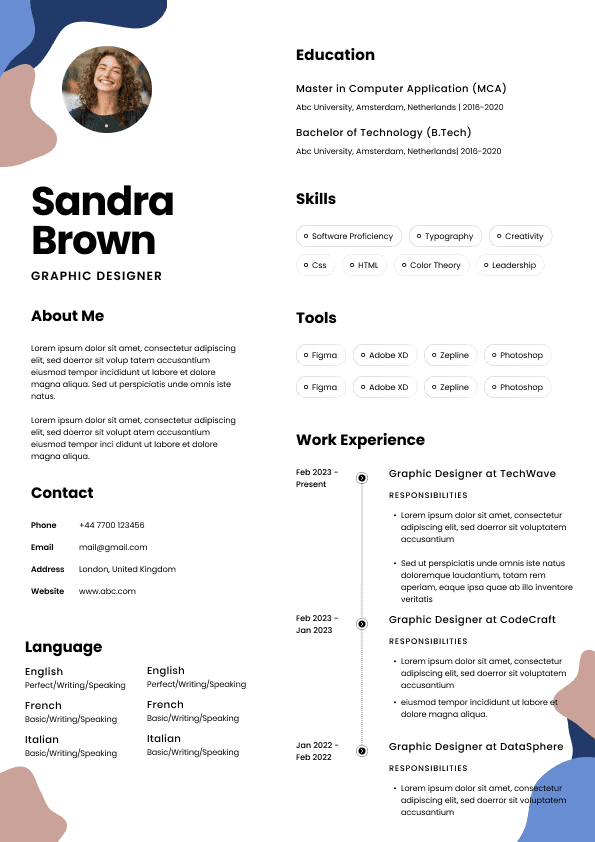
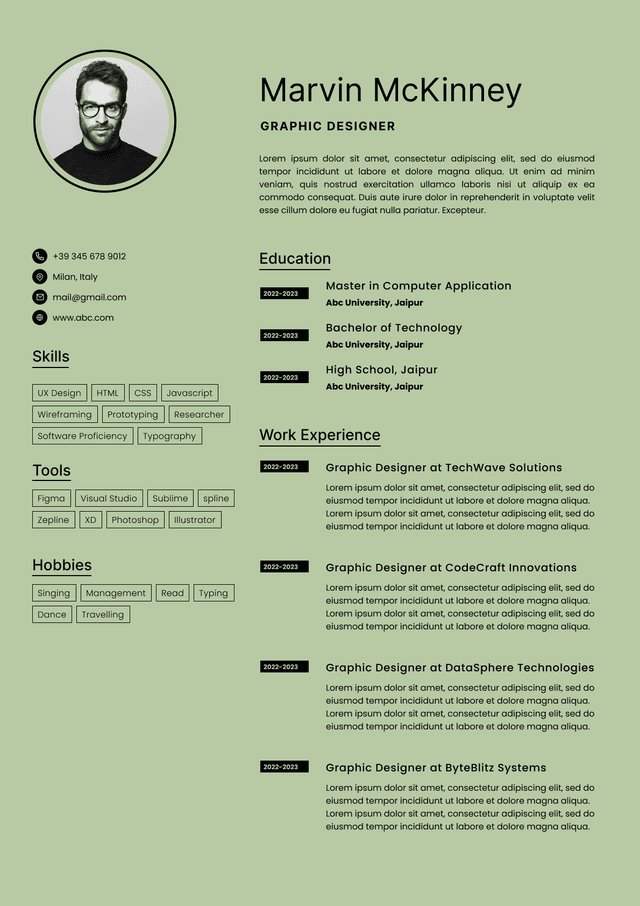
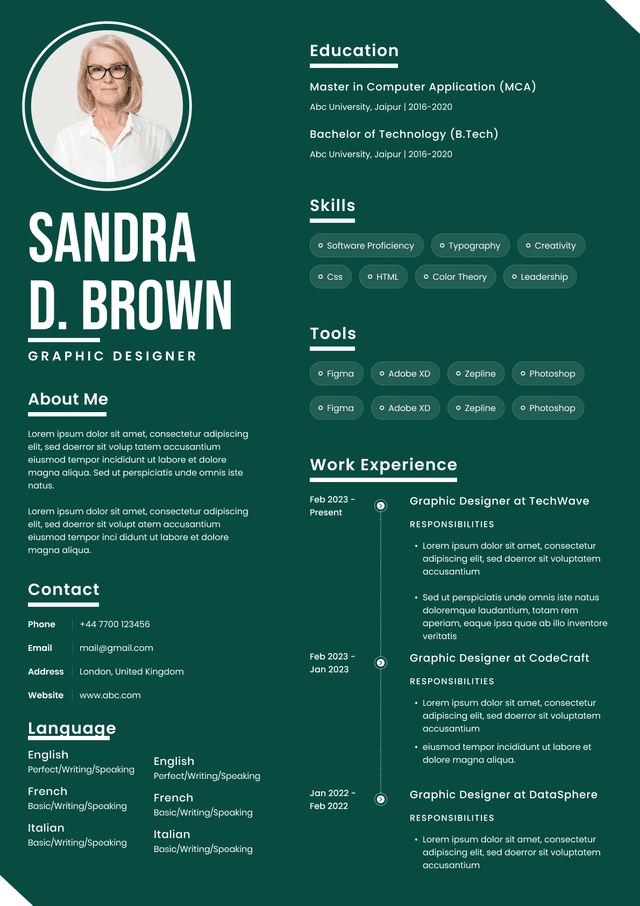
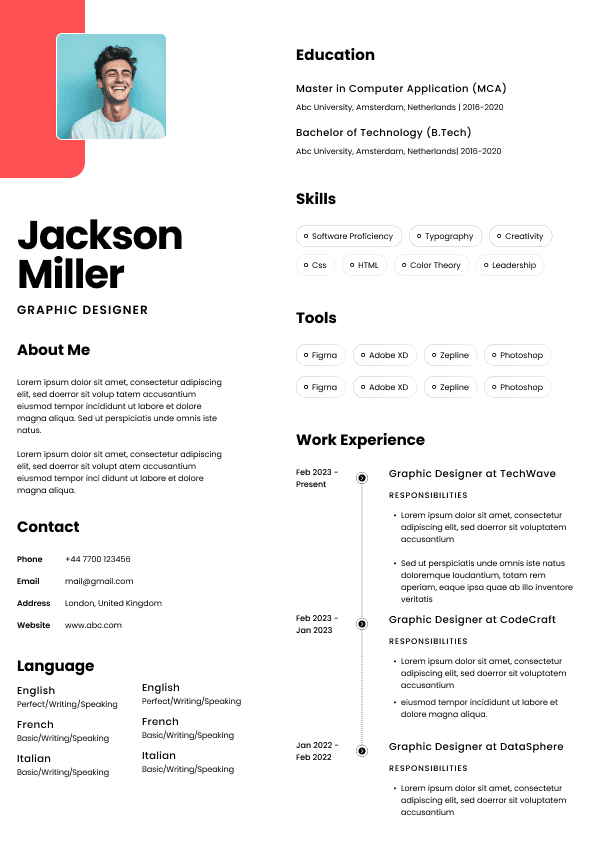
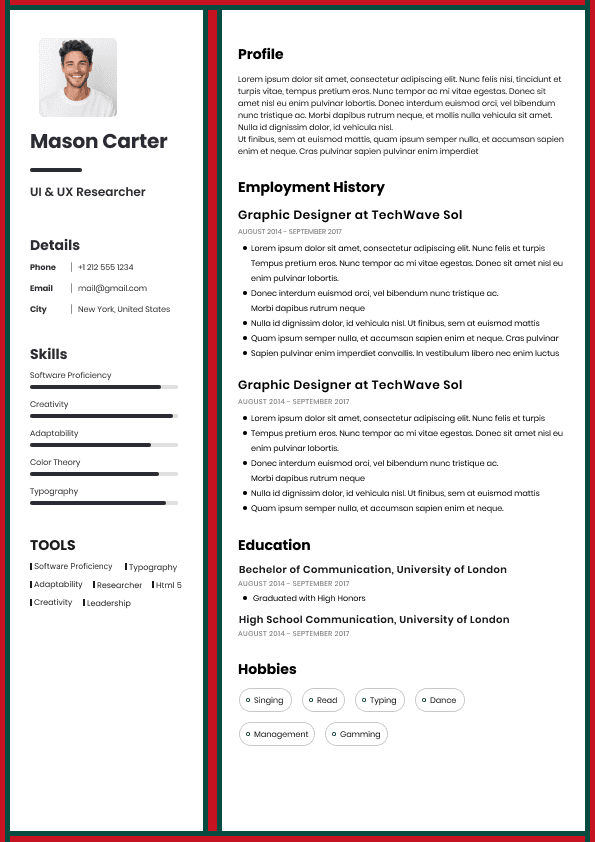
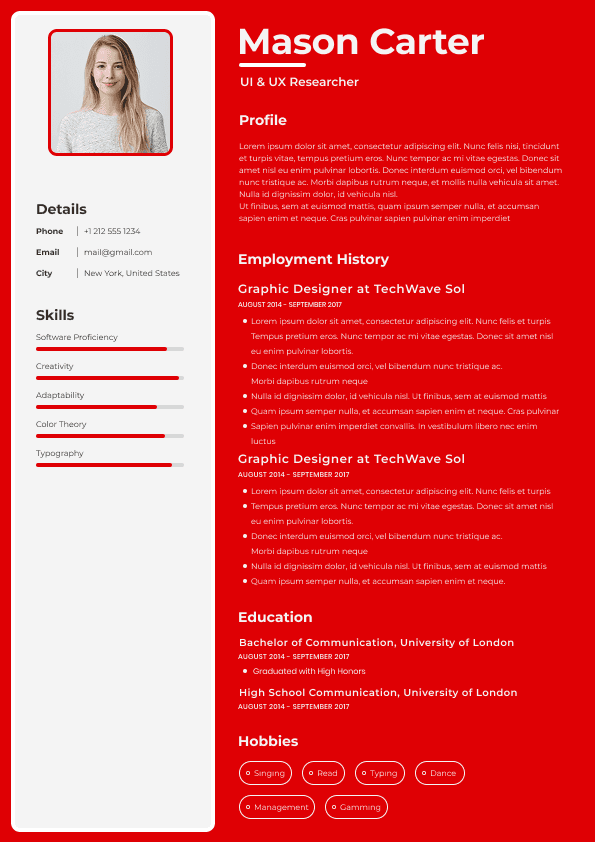
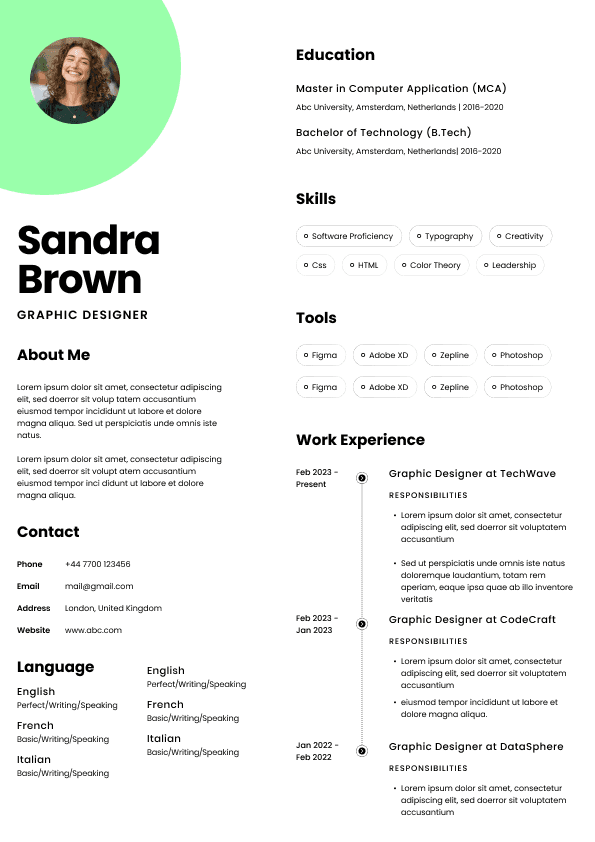
Choose from a wide range of NEWCV resume templates and customize your NEWCV design with a single click.
FAQ

Most JavaScript developer internship applicants get rejected before an interview because they look identical on paper. Recruiters see hundreds of students and bootcamp graduates listing the same skills: JavaScript, React, HTML, CSS, Git. Those keywords alone do not create interview opportunities anymore.
What consistently gets candidates shortlisted is proof of practical ability.
For a JavaScript developer internship, employers want evidence that you can build real applications, learn quickly, collaborate in a team environment, and write clean modern JavaScript. A strong internship candidate usually has:
2 to 5 polished projects
An active GitHub profile
A clear portfolio website
Practical React or Node.js experience
Basic understanding of APIs and async programming
Evidence of problem-solving and consistency
Strong communication during technical screening
You do not need years of experience to land a JavaScript internship. But you do need visible proof that you can contribute faster than other entry-level applicants.
Most candidates misunderstand how internship hiring actually works.
The process is rarely about finding “the smartest developer.” It is about reducing hiring risk.
Recruiters and hiring managers evaluate internship candidates in this order:
This is validated through:
GitHub repositories
Portfolio projects
Technical assessments
Live coding interviews
Code quality
Internships are training investments. Employers prioritize candidates who demonstrate:
Curiosity
Fast iteration
Self-learning ability
Technical experimentation
Consistent project improvement
Even strong coders get rejected if they communicate poorly.
Hiring managers look for:
Clear explanations
Collaboration examples
Documentation habits
Professionalism
Ownership mentality
Many applicants still build outdated tutorial projects.
Competitive candidates understand:
React fundamentals
APIs
State management basics
Responsive design
Git workflows
Async JavaScript
Component architecture
The biggest mistake internship candidates make is trying to learn everything.
Recruiters are not expecting senior-level depth. They are evaluating practical readiness.
These skills matter most for internship hiring.
You must understand:
Variables and scope
Functions and callbacks
Arrays and objects
Closures
ES6+ syntax
Async/await
Promises
DOM manipulation
Event handling
Fetch APIs
Error handling
If you cannot explain these clearly during interviews, you will struggle to pass technical screens.
For frontend JavaScript internships, these skills create the strongest signal:
React
Component-based architecture
Responsive design
CSS Flexbox and Grid
API integration
State management basics
Form validation
Git and GitHub
Tailwind CSS
Debugging tools
Recruiters heavily favor candidates who can build responsive React applications without relying entirely on tutorials.
For Node.js internship roles, companies usually expect:
Express.js basics
REST APIs
CRUD operations
Authentication fundamentals
MongoDB or SQL basics
Environment variables
API testing
Async backend logic
Even simple backend projects can dramatically improve your internship competitiveness because most entry-level candidates focus only on frontend work.
Projects matter more than certificates.
Most recruiters never look at certificates closely. They absolutely review projects.
The best internship projects solve real problems and demonstrate practical engineering decisions.
These show:
Frontend development
Backend logic
Database handling
API integration
Authentication flows
Strong examples include:
Task management systems
Expense trackers
Habit trackers
Team dashboards
Modern hiring teams increasingly notice AI-enhanced projects because they demonstrate current technical awareness.
Examples:
AI resume analyzer
AI chat interface
AI productivity assistant
AI content summarizer
You do not need advanced machine learning knowledge. Employers mainly want to see API integration and practical implementation.
These are powerful because they demonstrate real-world frontend complexity.
Good features include:
Product filtering
Shopping cart logic
Authentication
Payment simulation
Responsive UI
Real-time projects stand out immediately.
Examples:
Chat apps
Collaborative boards
Notification systems
Multiplayer browser games
These projects demonstrate deeper JavaScript understanding.
Most projects fail because they look unfinished.
Recruiters immediately notice weak signals like:
Broken links
Missing README files
Generic tutorial clones
No deployment
Poor UI responsiveness
Messy GitHub repositories
Strong internship candidates focus on polish.
Live deployment
Clean UI
Clear README documentation
Git commit history
Mobile responsiveness
Organized file structure
Error handling
Meaningful functionality
A smaller polished project beats a large unfinished application almost every time.
Recruiters absolutely check GitHub for technical internships.
Not every recruiter reviews code deeply, but engineering managers often do.
GitHub activity signals:
Consistency
Technical curiosity
Learning behavior
Collaboration habits
Code organization
You do not need daily commits.
But long inactive periods create concern for competitive internship programs.
Strong README files dramatically improve project quality perception.
Your README should include:
Project purpose
Tech stack
Installation steps
Screenshots
Live demo links
Features
Messy repositories create negative signals immediately.
Avoid:
Random file names
Unused folders
Broken dependencies
Incomplete documentation
Good commit examples:
“Added authentication middleware”
“Refactored API request handling”
“Improved mobile responsiveness”
Weak commit examples:
“stuff”
“update”
“final final v2”
A portfolio website is often the deciding factor between similar candidates.
Your portfolio should immediately answer:
What can this person build?
What technologies do they use?
Are they serious about development?
Can they communicate clearly?
Avoid vague introductions like:
Weak Example
“Passionate developer who loves coding.”
Instead:
Good Example
“Frontend developer specializing in React and modern JavaScript applications with experience building responsive full stack projects.”
Specific positioning creates stronger recruiter confidence.
Your best 3 to 5 projects should include:
Screenshots
Live demos
GitHub links
Technical explanations
Key challenges solved
Clearly display technologies you actually know.
Avoid massive skill lists filled with tools you barely touched.
You would be surprised how many candidates make this difficult.
Include:
GitHub
Portfolio URL
“No experience” does not mean “no proof.”
Hiring managers care far more about demonstrated ability than formal employment history for internships.
The strongest no-experience candidates compensate through:
Personal projects
Open-source contributions
Hackathons
Freelance work
Technical clubs
Coding competitions
Strong portfolios
If you are starting from scratch, focus in this order:
Master:
Arrays
Objects
Functions
Async programming
DOM manipulation
Create:
Weather apps
Dashboard apps
CRUD applications
API-based tools
Version control is mandatory for modern internship hiring.
Use:
Vercel
Netlify
Firebase
Deployed projects immediately increase credibility.
Most candidates underestimate interview preparation.
Strong candidates rehearse:
JavaScript fundamentals
React basics
Problem-solving explanations
Communication clarity
Technical interviews for internships are usually foundational, not advanced.
Recruiters and engineers want to confirm that you understand core concepts well enough to learn quickly.
Expect questions about:
Scope
Closures
Hoisting
Arrays
Objects
Event bubbling
Promises
Async/await
You may be asked about:
Components
Props
State
useEffect
Conditional rendering
API fetching
Employers still care about:
HTML semantics
CSS positioning
Responsive design
Accessibility basics
You should understand:
Commits
Branches
Pull requests
Merge conflicts
Most candidates focus only on getting the “correct” answer.
That is not enough.
Interviewers also evaluate:
Communication clarity
Debugging approach
Problem-solving process
Adaptability
Technical reasoning
A candidate who explains their thinking clearly often outperforms someone who silently solves problems.
FAANG and top-tier internships are significantly more competitive.
These companies evaluate:
Data structures and algorithms
Problem-solving speed
Coding consistency
Technical depth
Learning velocity
However, many candidates over-focus on algorithm grinding while ignoring practical engineering ability.
Top internship candidates usually combine:
Strong LeetCode performance
High-quality projects
Clear communication
Real-world React or Node.js experience
Recruiters repeatedly see the same issues.
If your portfolio contains only cloned YouTube tutorials, you blend in immediately.
You need customization, problem-solving, and originality.
Listing 30 technologies creates skepticism.
Recruiters prefer depth over inflated keyword lists.
Inactive GitHub accounts signal low engagement.
Even simple consistent activity helps.
Technical ability alone rarely secures internships.
Candidates who cannot explain projects clearly often fail interviews.
Many summer internship applications open months earlier than students expect.
Large companies often begin recruiting:
Fall for next summer
Early winter for competitive programs
The strongest internship stack currently includes:
JavaScript
TypeScript
React
Next.js
Node.js
Express.js
MongoDB
Tailwind CSS
GitHub
Vercel
You do not need mastery of all of them.
But React plus modern JavaScript fundamentals is now the baseline expectation for many frontend internships.
Internship hiring is largely about future projection.
Recruiters ask themselves:
“Can this candidate realistically become productive with mentorship?”
That decision is influenced by:
Project quality
Learning consistency
Technical curiosity
Communication ability
Portfolio professionalism
Problem-solving mindset
The candidates who get interviews fastest are rarely the ones with the longest skill lists.
They are the ones who demonstrate momentum, clarity, and practical ability.
Many candidates mass-apply to hundreds of internships with weak portfolios.
That approach usually fails.
A far better strategy is:
Build 3 strong projects
Polish GitHub thoroughly
Create a clean portfolio
Tailor applications carefully
Practice interviews consistently
Apply early
A smaller number of high-quality applications typically outperforms mass application spam.
Landing a JavaScript developer internship is no longer about simply “learning JavaScript.”
The market rewards candidates who demonstrate practical engineering ability, strong communication, consistent learning behavior, and polished project execution.
The fastest way to stand out is not collecting more certificates.
It is building visible proof.
Strong React projects, active GitHub contributions, modern JavaScript fundamentals, and clear communication consistently outperform generic entry-level resumes.
If you focus on building real applications, documenting your work professionally, and preparing strategically for interviews, you can compete successfully even without prior experience.
Use ATS-optimised Resume and resume templates that pass applicant tracking systems. Our Resume builder helps recruiters read, scan, and shortlist your Resume faster.

Use professional field-tested resume templates that follow the exact Resume rules employers look for.
Create Resume
Use professional field-tested resume templates that follow the exact Resume rules employers look for.
Create Resume


 Upload Resume
 Import from Linkedin