STILL APPLYING. STILL HEARING NOTHING?BUILD YOUR RESUME

STILL APPLYING. STILL HEARING NOTHING?BUILD YOUR RESUME
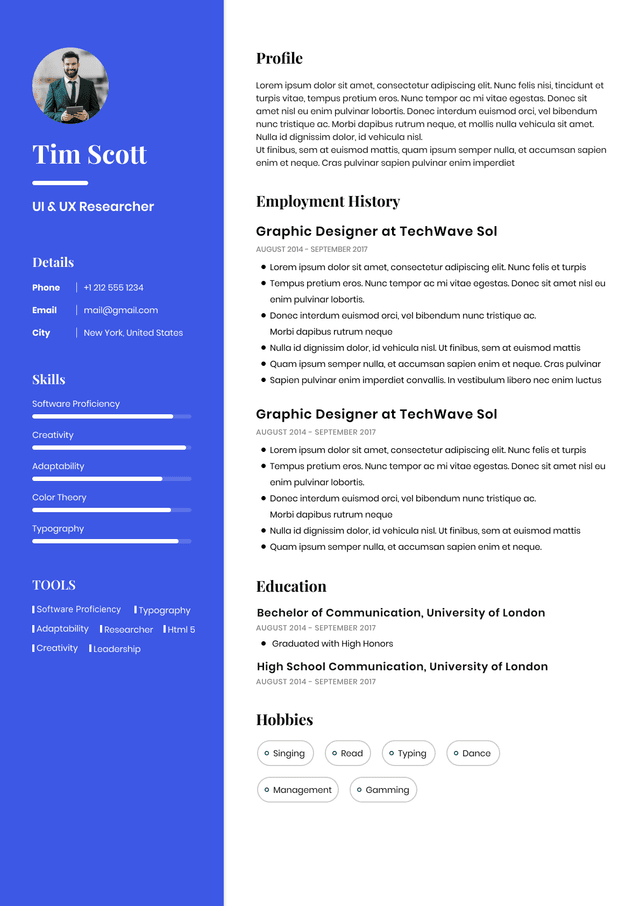
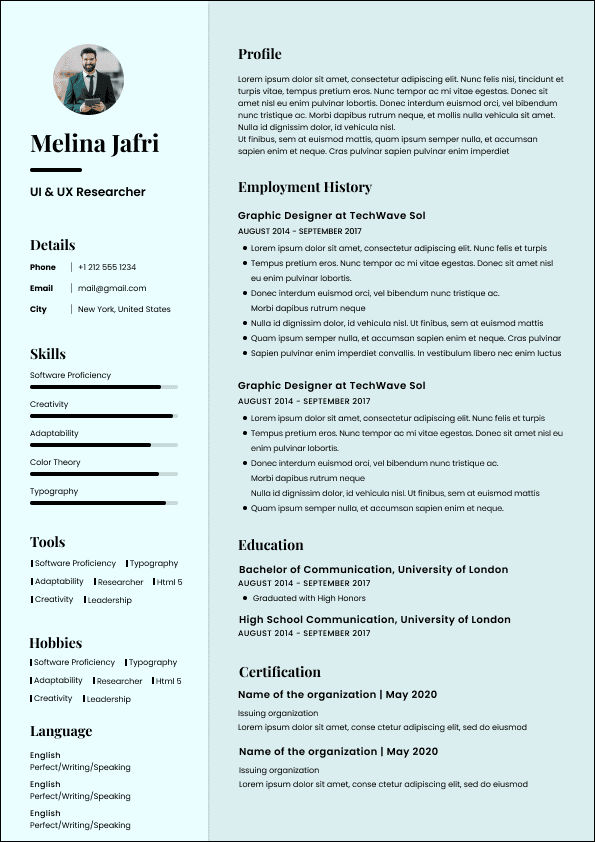
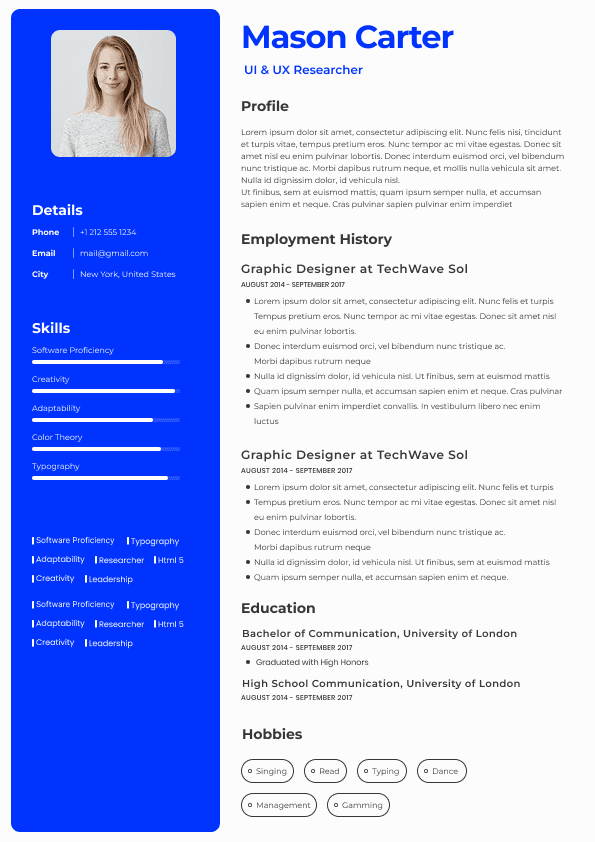
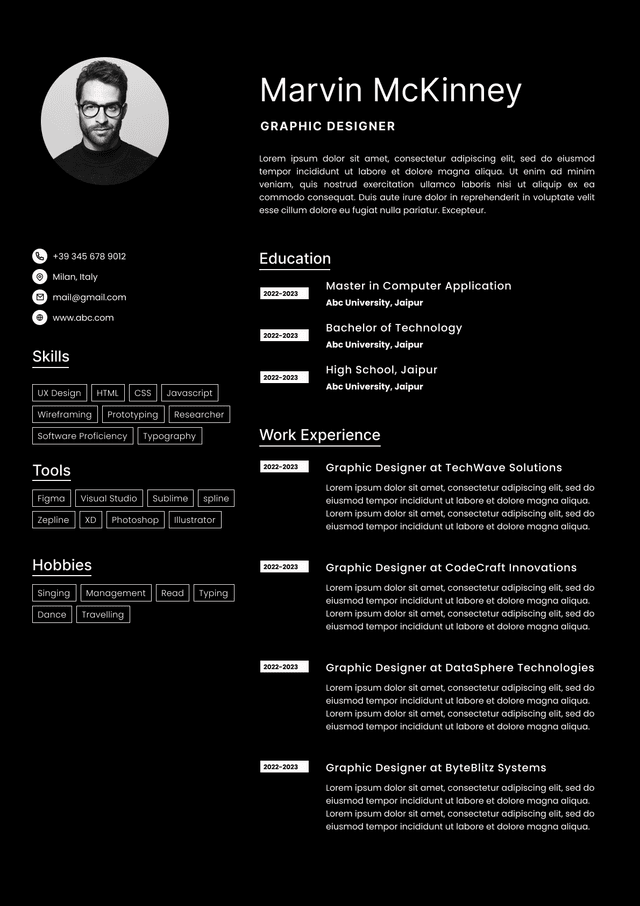
Choose from a wide range of NEWCV resume templates and customize your NEWCV design with a single click.
FAQ
JavaScript developer job requirements typically focus on three areas: technical proficiency, real-world development experience, and the ability to build scalable web applications in production environments. Most employers expect strong JavaScript fundamentals, experience with frontend frameworks like React or Vue, familiarity with APIs and Git workflows, and an understanding of testing, debugging, and deployment practices. For entry-level roles, internships, GitHub projects, and portfolio work can compensate for limited professional experience. For senior roles, hiring managers look for architecture experience, system design knowledge, mentoring ability, and expertise in performance optimization and scalable frontend or full stack systems.
What separates candidates who get interviews from those who get rejected is rarely just “knowing JavaScript.” Hiring teams evaluate whether a developer can contribute to production codebases, collaborate effectively, and solve real engineering problems without creating technical debt.
Most job descriptions list dozens of technologies, but hiring managers usually evaluate candidates through a smaller set of core competencies.
The strongest JavaScript developers demonstrate:
Deep understanding of JavaScript fundamentals
Ability to build maintainable applications
Experience working in modern frontend or full stack ecosystems
Strong debugging and problem-solving ability
Familiarity with production development workflows
Clear communication and collaboration skills
Understanding of application performance and scalability
Most JavaScript developer roles share a common technical baseline regardless of company size or industry.
This is the foundation of every JavaScript role.
Hiring managers expect candidates to understand:
ES6+ syntax and modern JavaScript features
Asynchronous programming
Promises and async/await
Closures and scope
Event loops and browser behavior
DOM manipulation
Framework requirements vary by company, but several technologies dominate the US hiring market.
React remains the most requested JavaScript framework in US job postings.
Typical React expectations include:
Functional components
Hooks
State management
Component architecture
Routing
API integration
Performance optimization
Many employers still list a bachelor’s degree requirement, but hiring decisions in software engineering are increasingly skills-driven.
Common degree preferences include:
Computer Science
Software Engineering
Computer Engineering
Information Systems
Web Development
However, many hiring managers will waive degree requirements for candidates with strong portfolios, production experience, or open-source contributions.
In practical hiring scenarios, experience usually outweighs education after the first few years of employment.
Recruiters generally prioritize candidates in this order:
Entry-level hiring is highly competitive because many junior applicants share similar skill sets.
To stand out, candidates need proof of practical capability.
Most entry-level JavaScript developer roles require:
Strong JavaScript fundamentals
Familiarity with React or another framework
Git and version control knowledge
Basic API integration
Responsive frontend development
Debugging ability
Preferred qualifications are not always mandatory, but they significantly improve competitiveness.
Modern JavaScript development increasingly overlaps with DevOps and cloud workflows.
Highly valued skills include:
AWS
Azure
Google Cloud Platform
Docker
Kubernetes
CI/CD pipelines
GitHub Actions
Technical ability alone rarely guarantees hiring success.
Engineering teams prioritize developers who communicate effectively and collaborate well.
Hiring managers consistently value:
Problem-solving ability
Communication skills
Team collaboration
Documentation habits
Adaptability
Ownership mentality
Many candidates unintentionally weaken their applications by focusing on the wrong things.
“I know React, Node.js, Vue, Angular, MongoDB, GraphQL, AWS, Docker, Kubernetes, and Python.”
This type of positioning often backfires because it signals shallow exposure instead of real expertise.
“Built and deployed a production React and Node.js SaaS dashboard with JWT authentication, Stripe integration, CI/CD deployment, and PostgreSQL backend.”
Specific implementation experience is far more credible than broad keyword lists.
Candidates frequently fail because they:
Memorize frameworks without understanding JavaScript fundamentals
Cannot explain architecture decisions
Lack deployable projects
Senior-level JavaScript roles involve far more than coding ability.
Employers evaluate leadership, architectural thinking, and scalability expertise.
Senior developers are expected to:
Design scalable frontend or backend systems
Lead technical initiatives
Mentor junior engineers
Improve development workflows
Reduce technical debt
Make architectural decisions
Not all companies evaluate JavaScript developers the same way.
Startups usually prioritize:
Speed
Adaptability
Full stack capability
Ownership
Fast problem-solving
Independent execution
Startup candidates often need broader skill sets.
Large organizations usually prioritize:
Many candidates misunderstand how technical hiring pipelines actually work.
Recruiters usually assess:
Years of experience
Framework alignment
Project relevance
Employment stability
Communication clarity
Portfolio quality
Resume keyword alignment
If a recruiter cannot quickly understand what a developer has actually built, interview chances decrease significantly.
Certifications are usually secondary to real-world experience, but they can strengthen credibility in competitive markets.
Valuable certifications may include:
AWS certifications
Azure certifications
Google Cloud certifications
Scrum certifications
Security training
Frontend specialization programs
GitHub Actions or DevOps training
Certifications help most when paired with demonstrable project work.
The strongest candidates position themselves around outcomes, not technologies.
Instead of listing tools, show what you accomplished using those tools.
Good candidate positioning emphasizes:
Production impact
Application scale
Performance improvements
Architecture contributions
Deployment ownership
User-facing results


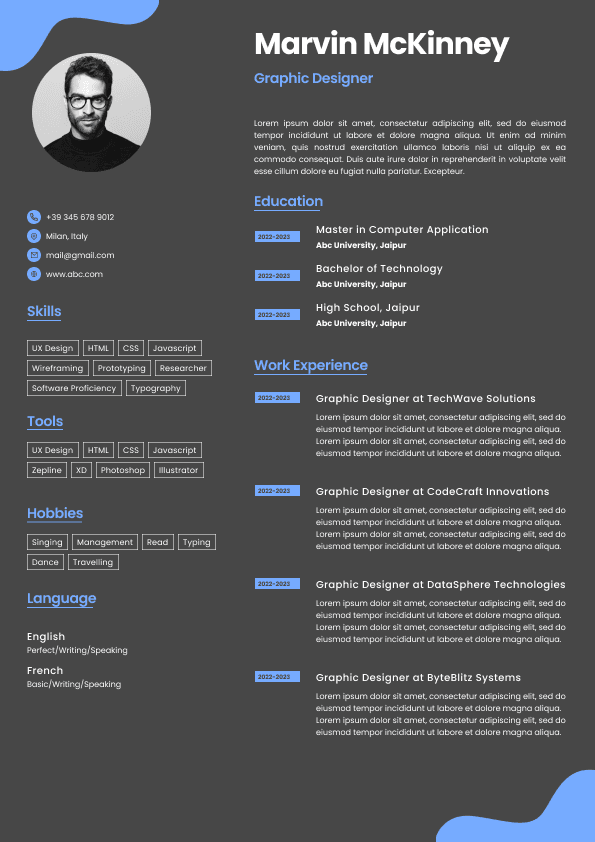
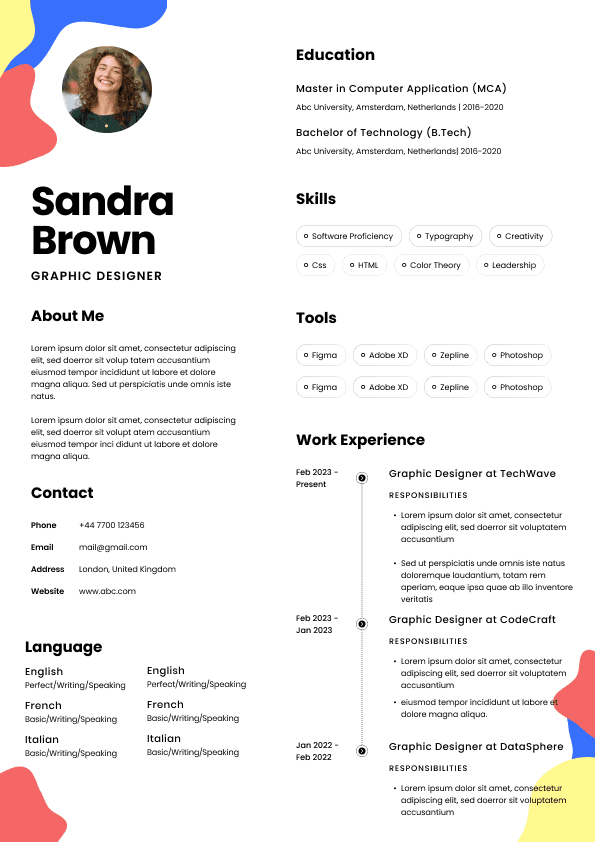
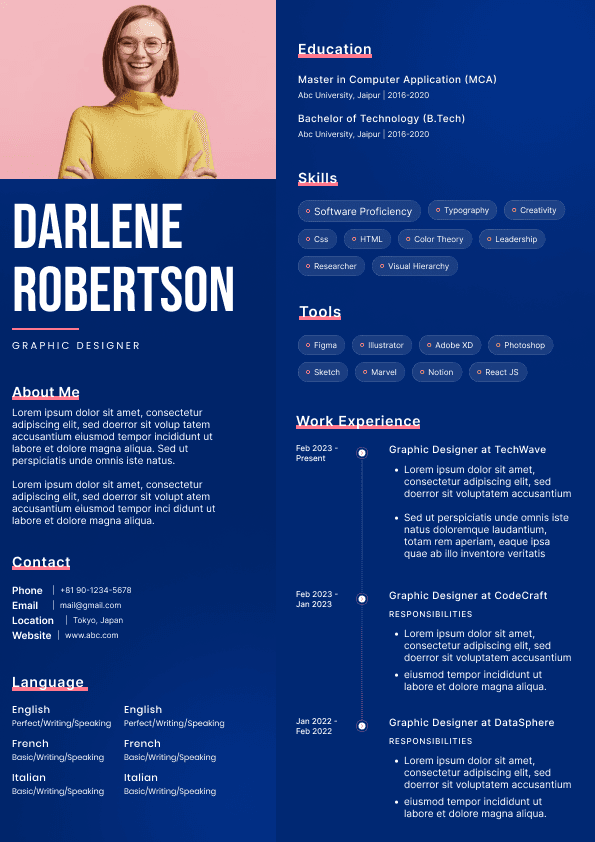
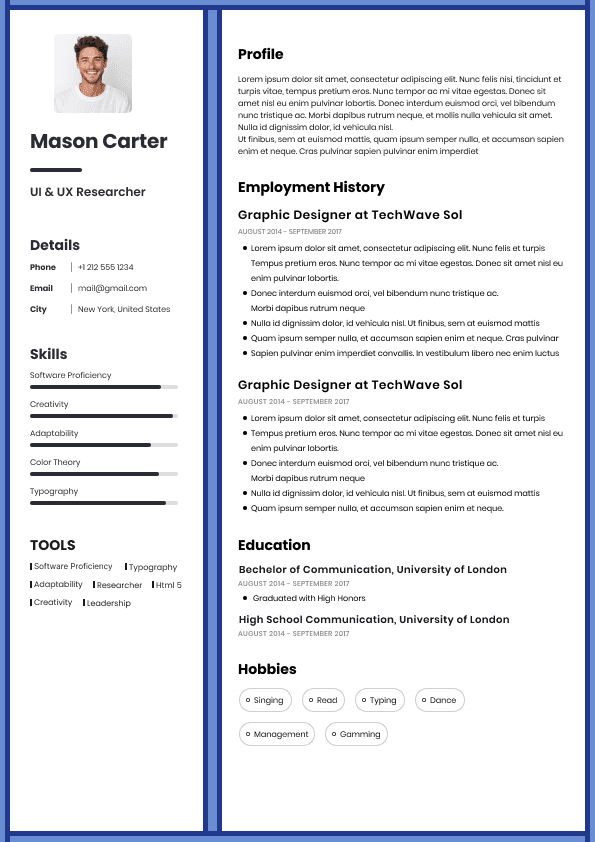
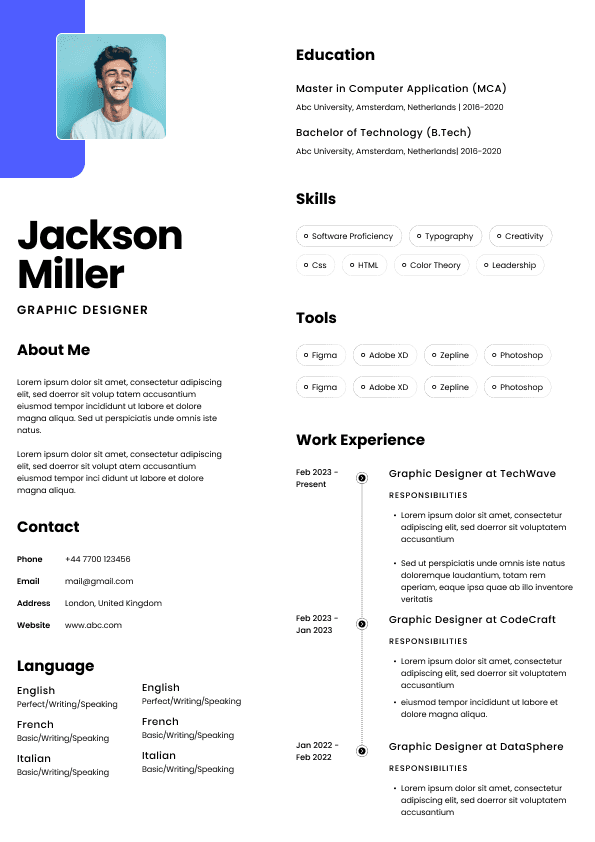
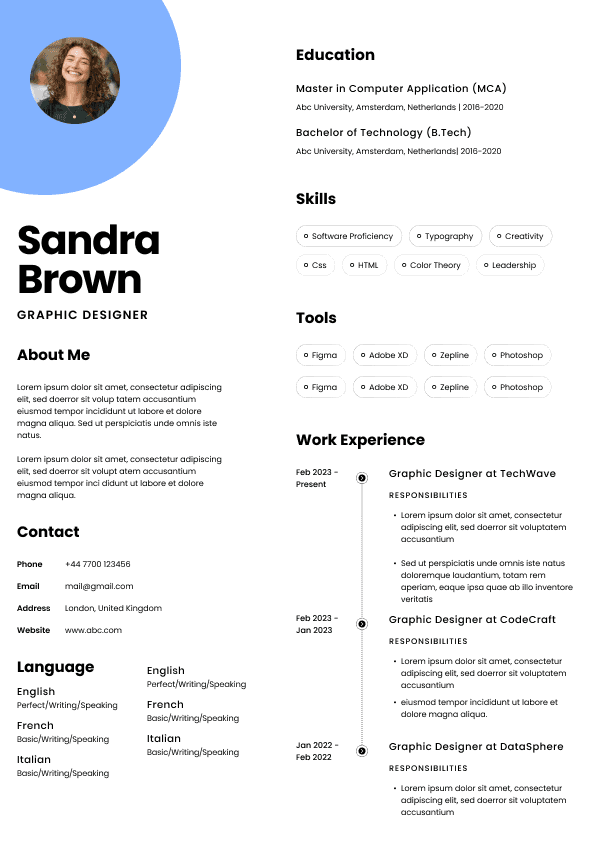
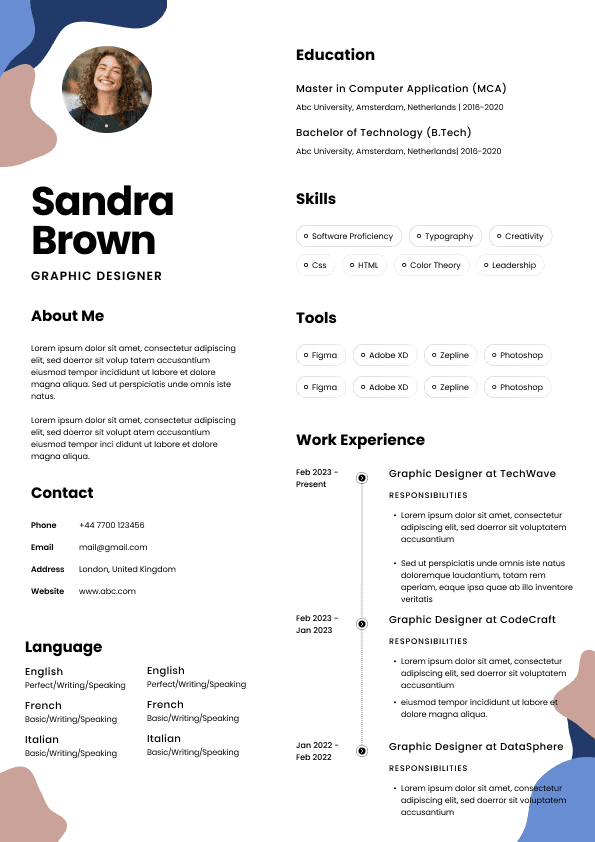
Use ATS-optimised Resume and resume templates that pass applicant tracking systems. Our Resume builder helps recruiters read, scan, and shortlist your Resume faster.


Use professional field-tested resume templates that follow the exact Resume rules employers look for.
Create Resume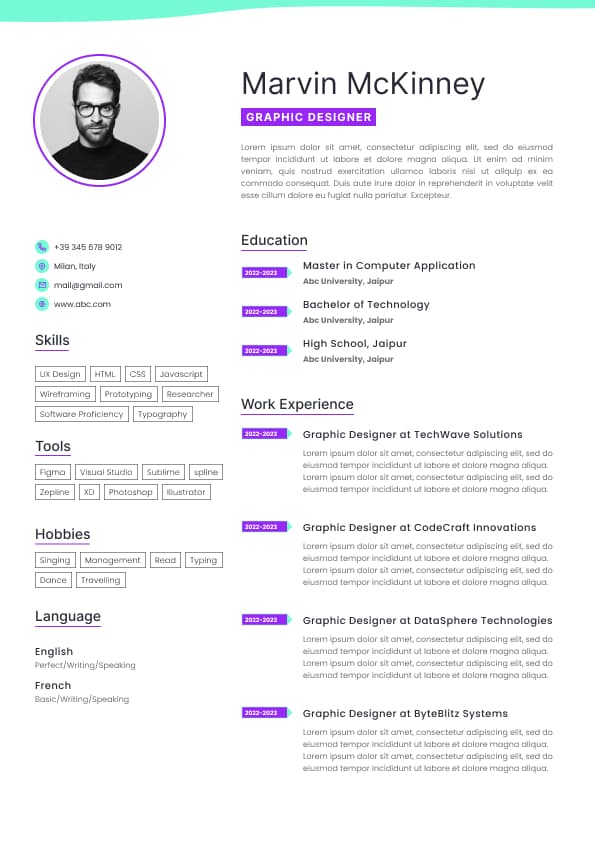
Use professional field-tested resume templates that follow the exact Resume rules employers look for.
Create ResumeRecruiters are not simply checking whether a candidate has “used React” or “knows Node.js.” They are evaluating whether the candidate can contribute effectively in a real engineering environment.
A developer who built multiple production-ready projects with strong code quality often outperforms a candidate who only completed tutorials on multiple frameworks.
Object-oriented and functional programming concepts
Error handling and debugging
API integration
State management principles
TypeScript is increasingly treated as a standard requirement instead of a bonus qualification, especially in enterprise environments and scalable frontend applications.
Candidates who only understand framework-level implementation but struggle with JavaScript fundamentals are frequently rejected during technical interviews.
Many junior developers underestimate how heavily frontend teams evaluate core web fundamentals.
Strong JavaScript developers are expected to understand:
Semantic HTML
Accessibility standards
Responsive layouts
CSS architecture
Browser compatibility
Cross-device behavior
Performance optimization
UI consistency
Hiring managers often become skeptical when a candidate claims “frontend expertise” but cannot explain responsive behavior, accessibility basics, or layout troubleshooting.
Context API or Redux
Reusable UI development
Senior candidates are often evaluated on scalability, design systems, and frontend architecture decisions rather than basic React syntax.
Some organizations prioritize Vue or Angular depending on their existing stack.
Employers may expect:
Component-based architecture
Dependency injection
Routing systems
Reactive programming
State management
Enterprise application structure
Angular is particularly common in enterprise and large corporate environments.
Vue is often favored in startups and fast-moving SaaS companies.
Full stack JavaScript roles increasingly require backend knowledge.
Common backend expectations include:
Node.js development
Express.js or NestJS
REST API development
Authentication systems
Database integration
API security
Server-side rendering
Caching strategies
Error logging and monitoring
Candidates who can work across frontend and backend systems typically command higher salaries and broader opportunities.
Real-world development experience
Portfolio quality
Technical interview performance
Relevant framework expertise
Problem-solving ability
Communication skills
Education background
A candidate with a strong GitHub portfolio and deployed projects often outperforms a candidate with a prestigious degree but weak technical execution.
Portfolio projects
Ability to learn quickly
Entry-level does not mean “no skills required.”
Most companies expect junior developers to contribute to production environments within a relatively short onboarding period.
The strongest junior candidates typically have:
Internship experience
Freelance projects
Personal SaaS projects
GitHub contributions
Deployed applications
Collaborative coding experience
Technical documentation samples
A portfolio with two strong applications usually performs better than ten unfinished tutorial clones.
Vercel
Netlify
Candidates who understand deployment and infrastructure often move faster into senior or lead positions.
Many production systems rely heavily on secure integrations.
Employers frequently look for experience with:
REST APIs
GraphQL
OAuth
JWT authentication
Session management
API rate limiting
Caching
Microservices communication
Security awareness is becoming a major differentiator in frontend and full stack hiring.
Time management
Ability to explain technical decisions clearly
Developers who cannot communicate their reasoning during interviews often underperform even with strong coding ability.
Software engineering is collaborative by nature.
Developers constantly interact with:
Product managers
Designers
QA engineers
DevOps teams
Stakeholders
Other engineers
Candidates who can explain tradeoffs, document decisions, and discuss architecture clearly are often perceived as more senior.
Ignore testing and debugging practices
Have weak GitHub profiles
Use tutorial-heavy portfolios
Overstate seniority
Cannot discuss tradeoffs during interviews
Senior hiring managers can usually identify exaggerated experience within minutes.
Optimize performance
Contribute to long-term engineering strategy
Senior candidates are often rejected not because of weak coding skills, but because they lack evidence of engineering ownership.
Advanced frontend teams frequently evaluate:
State management architecture
Design system scalability
Frontend performance optimization
Rendering efficiency
Caching strategies
Accessibility compliance
Codebase maintainability
Observability and monitoring
Senior frontend engineering today is heavily tied to scalability and user experience performance.
Scalability
Architecture consistency
Security standards
Documentation
Team collaboration
Long-term maintainability
Enterprise frameworks and workflows
Enterprise hiring tends to be more process-driven and system-focused.
Fintech, healthcare, and government employers may additionally require:
Secure coding practices
Compliance awareness
Accessibility standards
Audit documentation
Authentication expertise
Risk management understanding
These industries often evaluate engineering discipline more heavily than rapid development speed.
Engineering interviewers often focus on:
Problem-solving process
Code organization
JavaScript fundamentals
Tradeoff reasoning
Debugging ability
System thinking
Communication during coding
Candidates who narrate their reasoning clearly tend to perform better than candidates who code silently.
Hiring managers typically ask:
Can this person contribute quickly?
Will they improve the team?
Can they handle production complexity?
Are they collaborative?
Can they grow into larger responsibilities?
Technical skills alone rarely determine final hiring decisions.
Team collaboration
Hiring managers want evidence of execution, not just exposure.
Developers become significantly more competitive when they can show:
Real production applications
Measurable engineering outcomes
Clean GitHub repositories
Strong technical communication
End-to-end project ownership
Evidence of scalability thinking
These signals reduce hiring risk from the employer’s perspective.








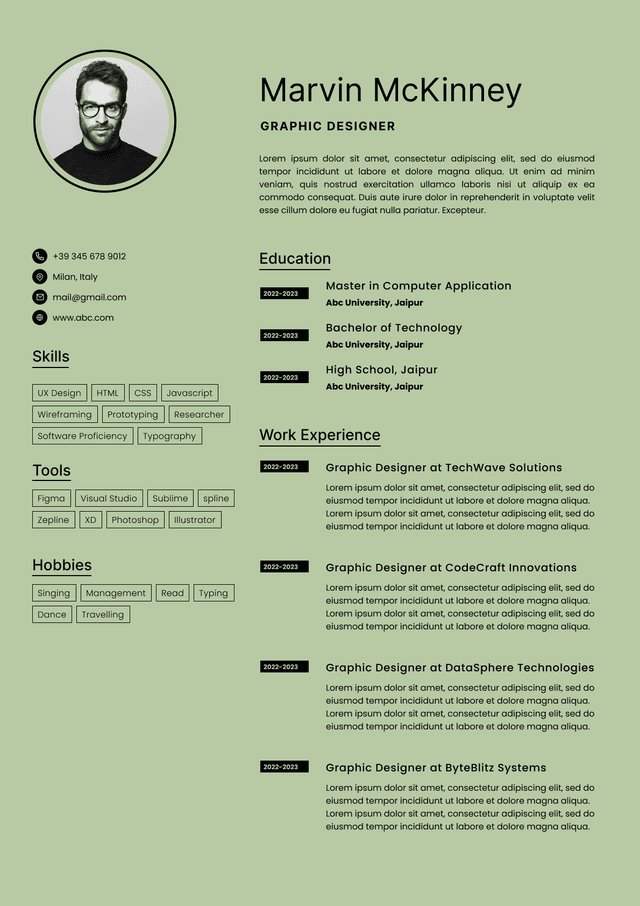
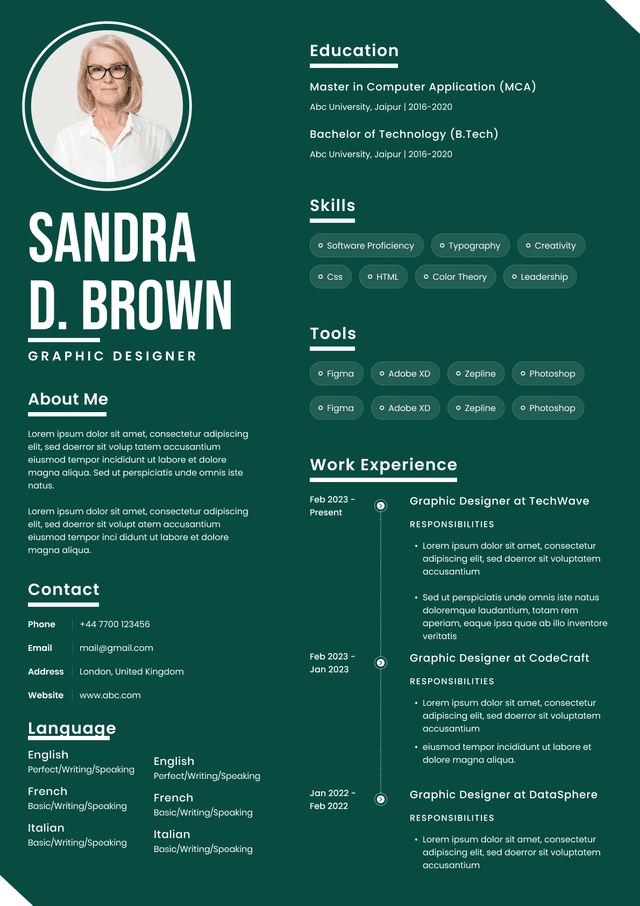
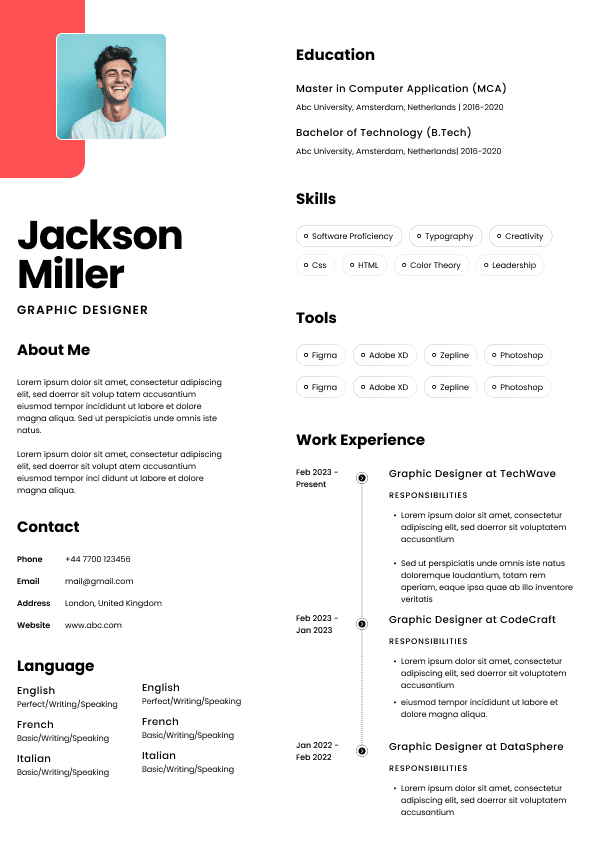
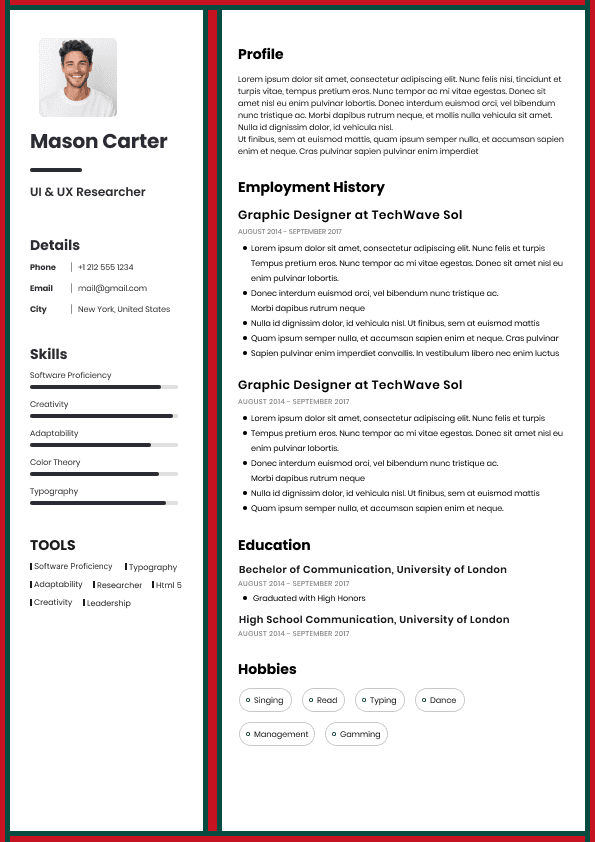
 Upload Resume
 Import from Linkedin