STILL APPLYING. STILL HEARING NOTHING?BUILD YOUR RESUME

STILL APPLYING. STILL HEARING NOTHING?BUILD YOUR RESUME
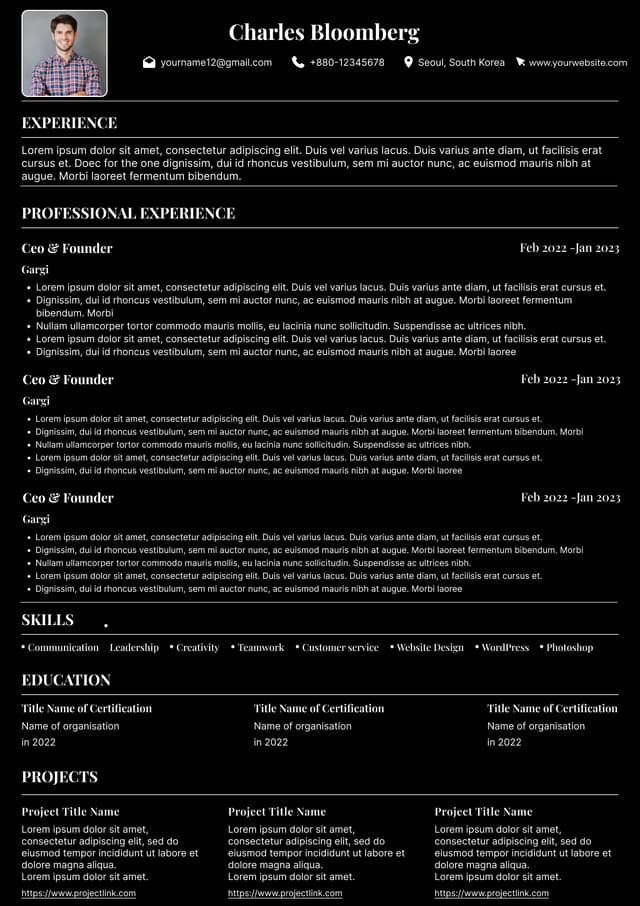
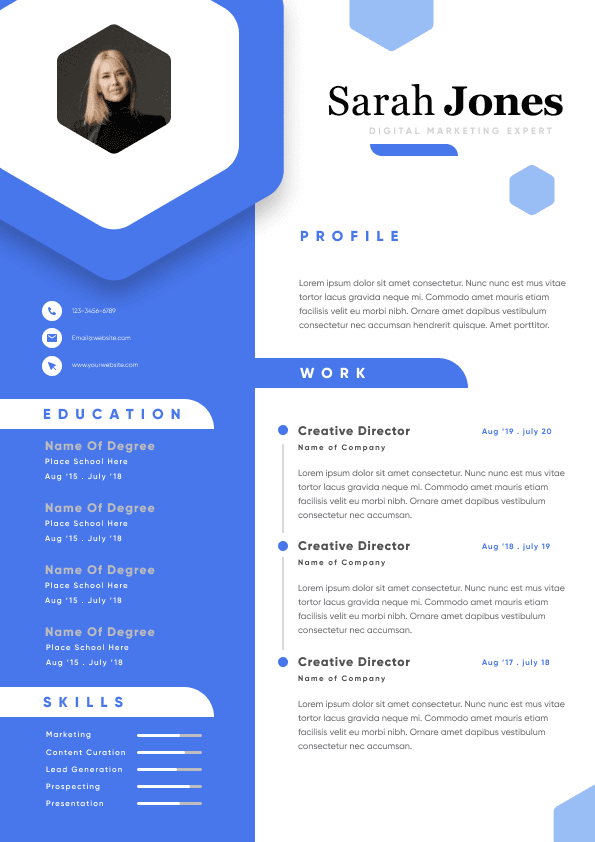
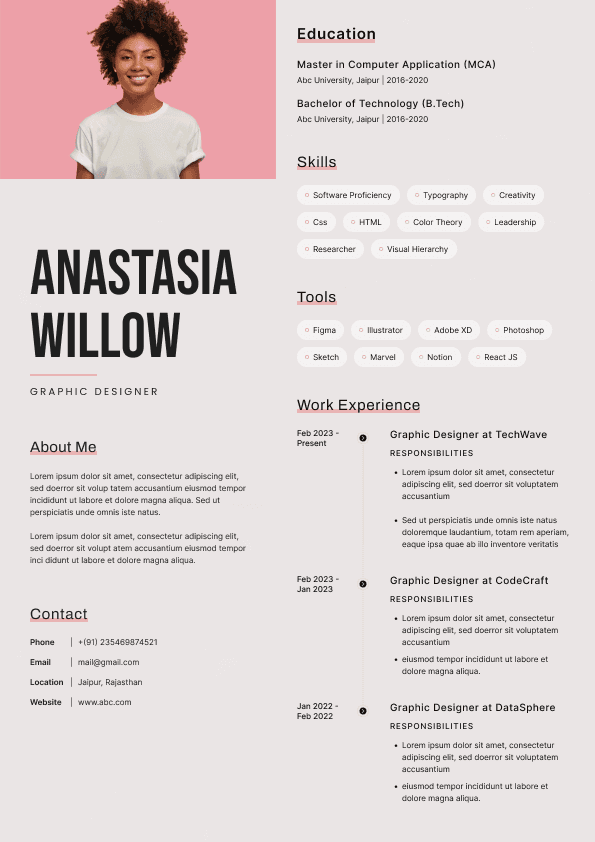
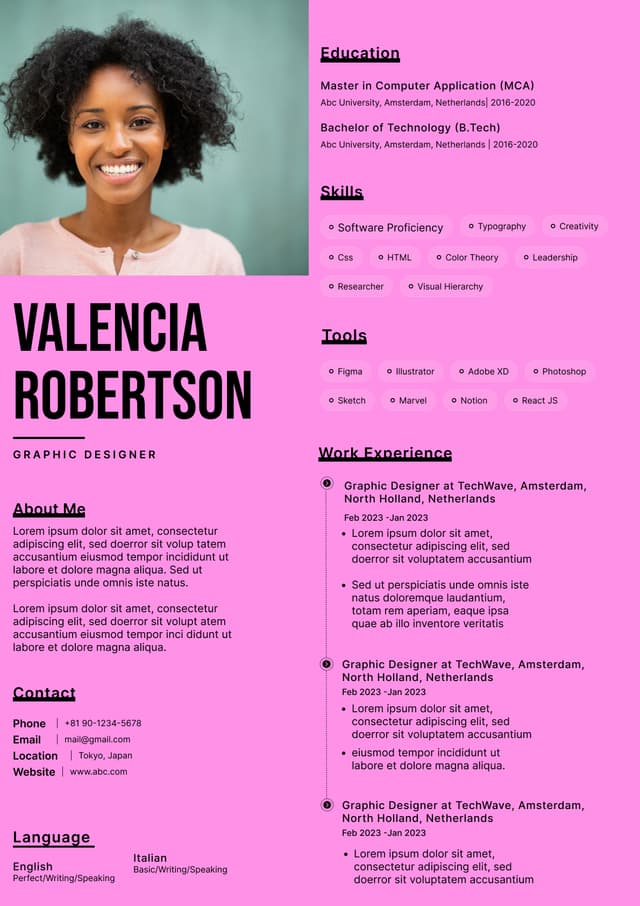
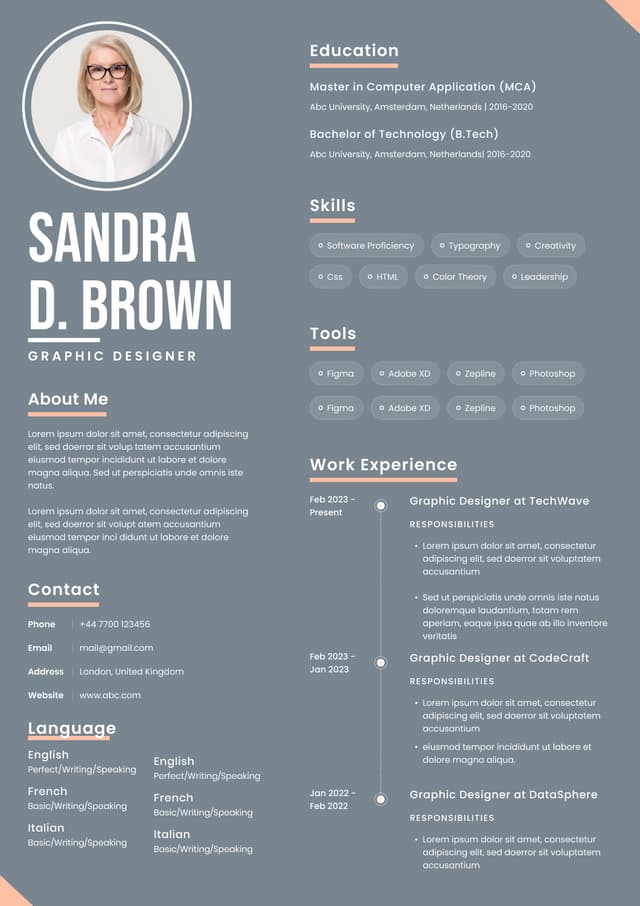
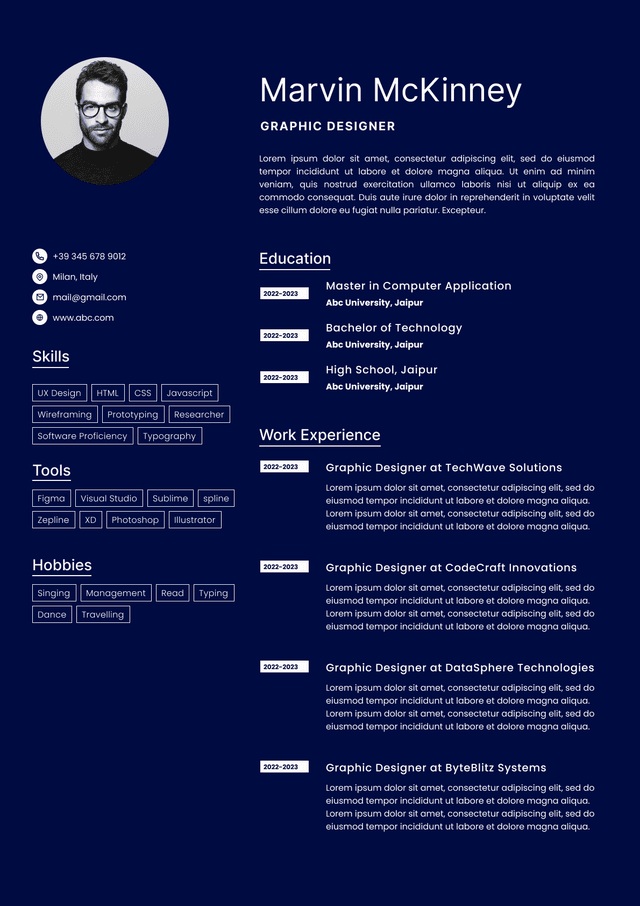
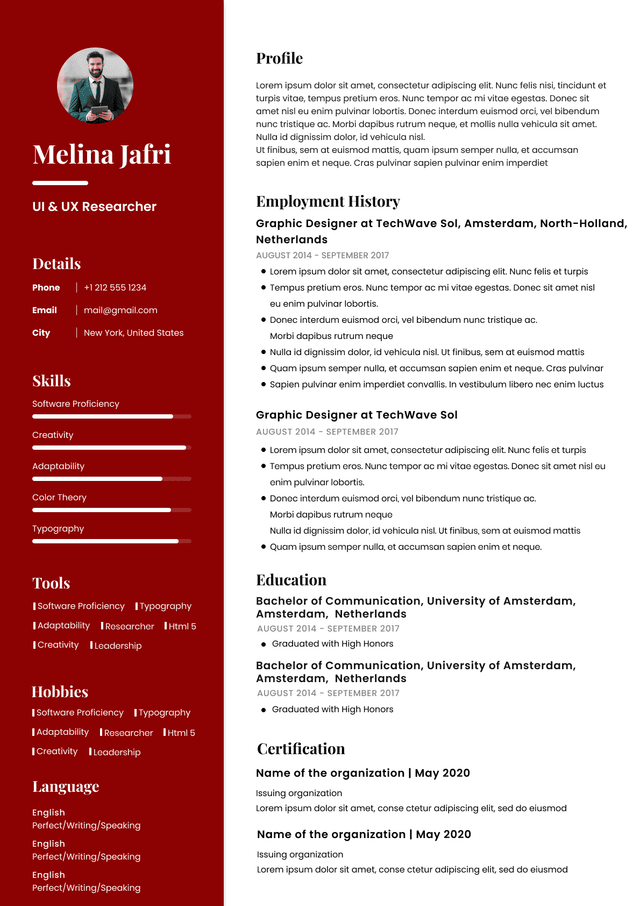
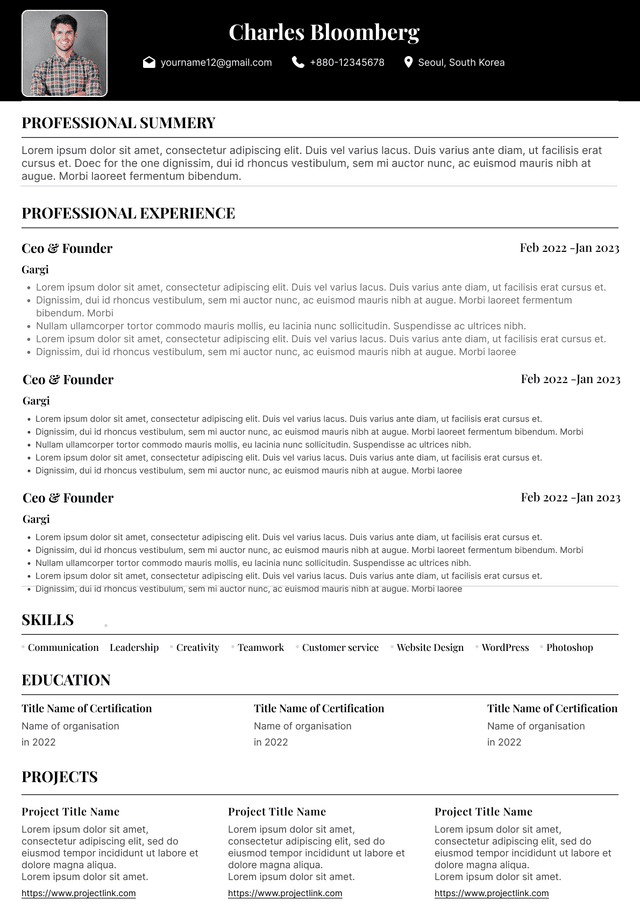
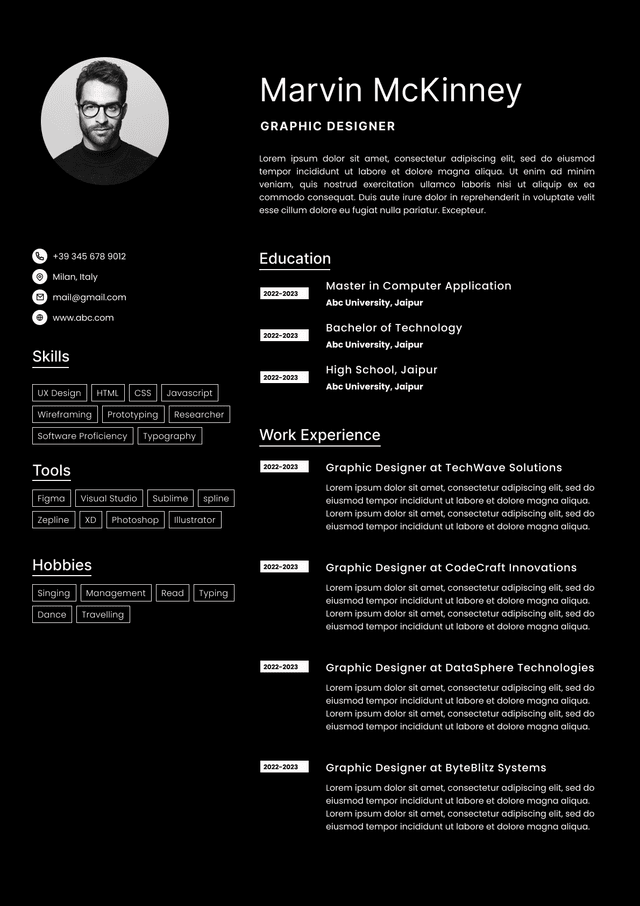
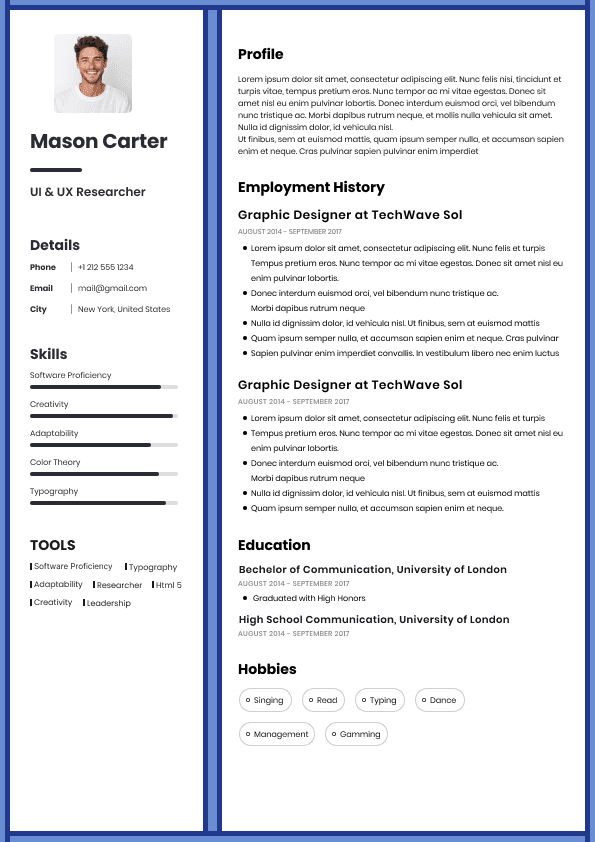
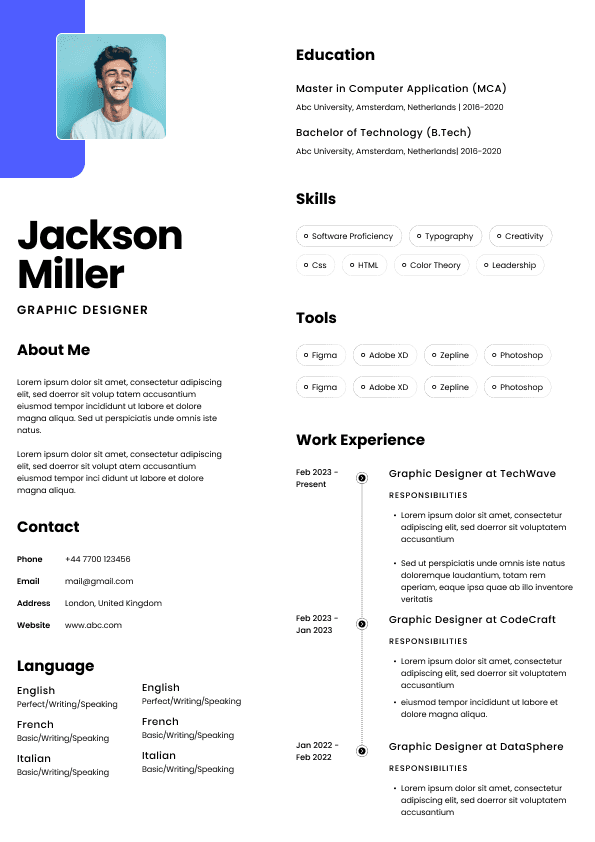
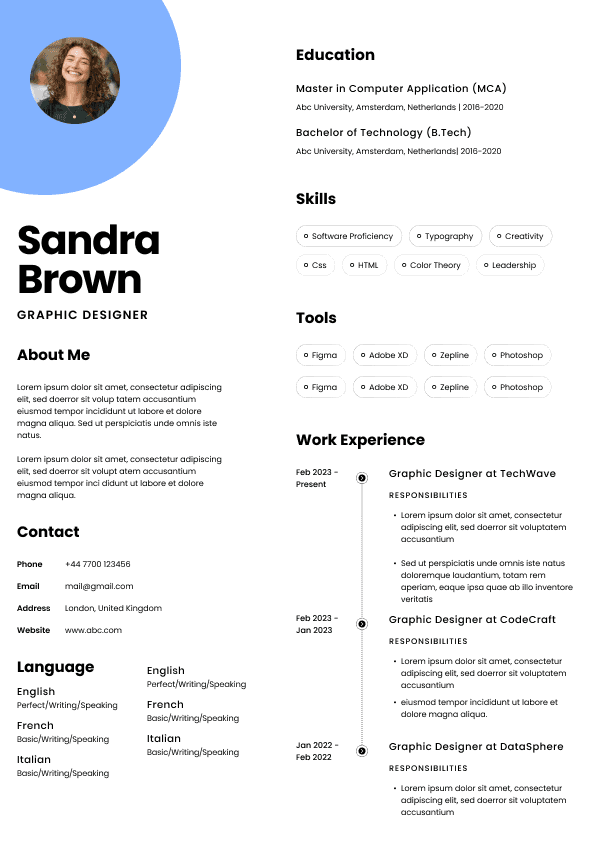
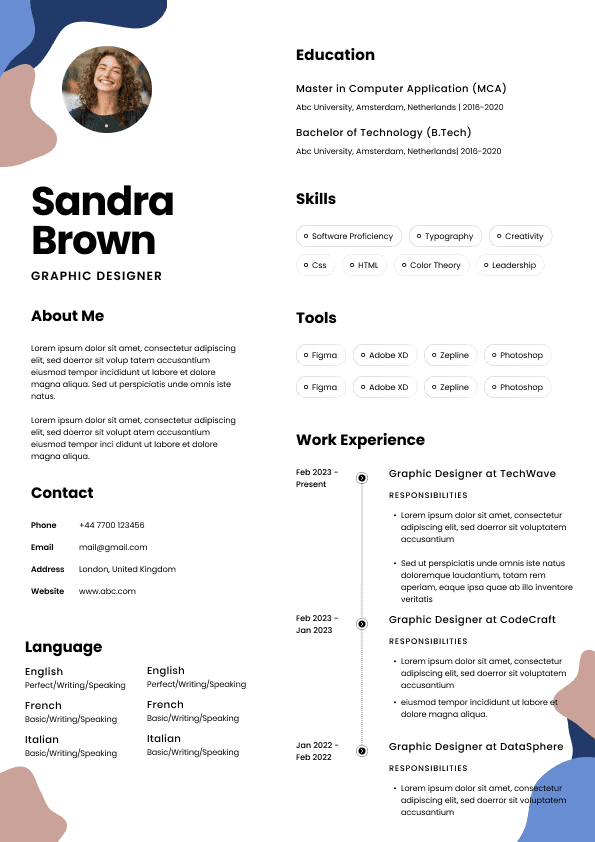
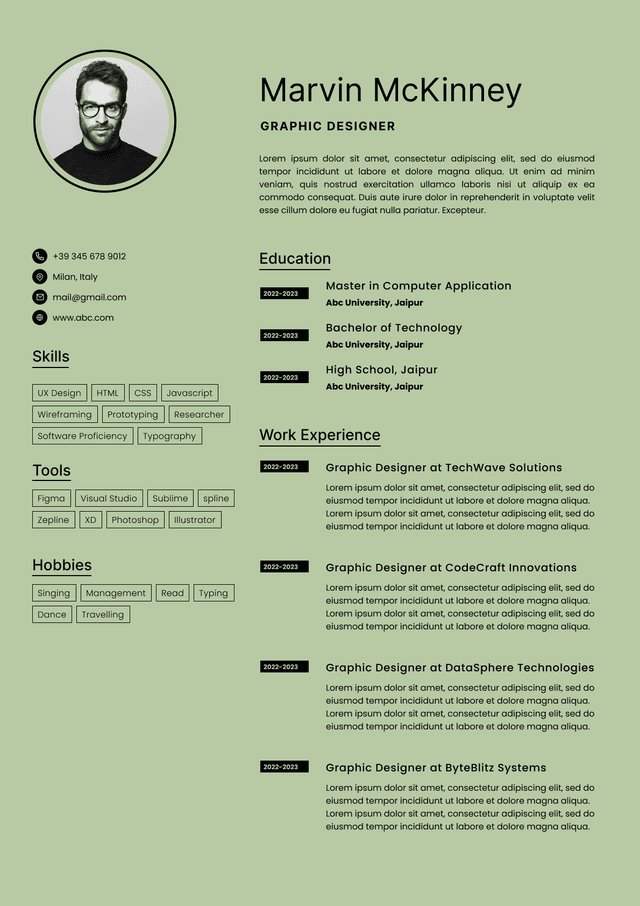
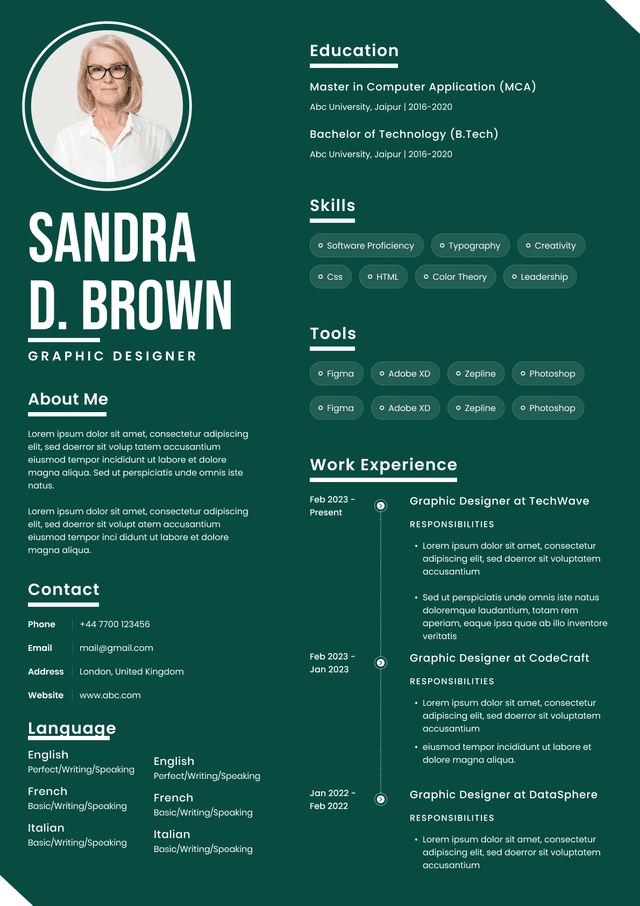
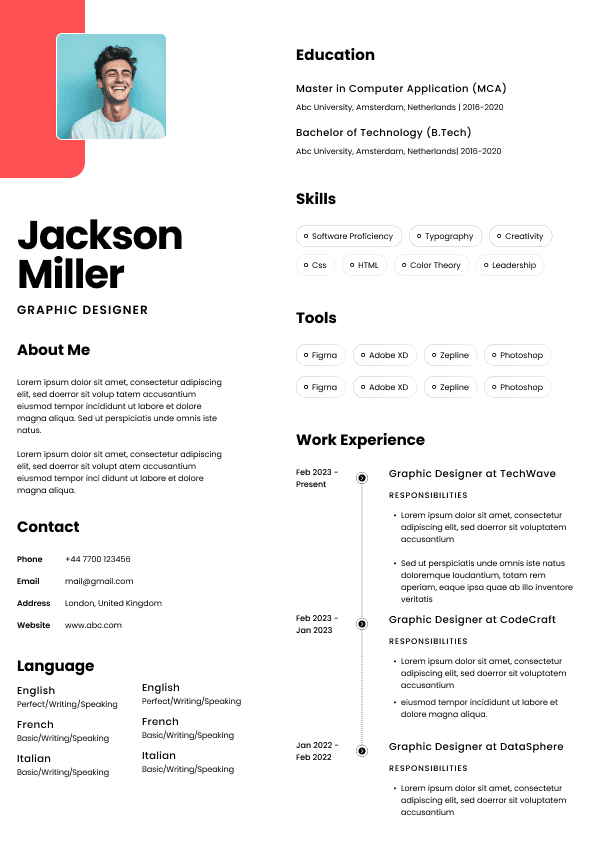
Choose from a wide range of NEWCV resume templates and customize your NEWCV design with a single click.
FAQ
JavaScript developer jobs remain one of the strongest entry points into tech, but competition has changed. Employers are no longer hiring based on “knows JavaScript” alone. Hiring managers now evaluate candidates based on practical stack alignment, portfolio proof, problem-solving ability, and whether the applicant can contribute quickly inside a real development environment.
The fastest way to get hired as a JavaScript developer is to target the right job categories, tailor your resume to the exact stack being used, build portfolio projects that mirror business applications, and apply consistently across both local and remote opportunities. Entry-level candidates without experience can still get hired, but generic resumes, unfinished portfolios, and weak GitHub profiles are major rejection triggers.
This guide breaks down how JavaScript developer hiring actually works today, where to find legitimate openings, how recruiters screen candidates, what hiring managers expect, and how to position yourself for frontend, React, Node.js, and full stack JavaScript jobs.
Most companies do not hire for “JavaScript” alone. They hire for business outcomes tied to a specific environment, framework, or product stack.
That is why JavaScript job postings often appear under titles like:
Frontend Developer
React Developer
Full Stack JavaScript Developer
Node.js Developer
JavaScript Web Developer
UI Developer
Software Engineer
Entry-level JavaScript hiring is heavily concentrated in companies that need developers who can contribute quickly to product delivery.
The best opportunities usually come from:
SaaS startups
Web development agencies
E-commerce companies
Digital marketing agencies
Small-to-mid-sized tech firms
Staffing and consulting firms
Government contractors
Local and remote hiring follow different evaluation patterns.
Local employers often prioritize:
Availability to work onsite or hybrid
Communication skills
Reliability
Fast onboarding
Long-term retention potential
Smaller companies frequently hire local junior developers faster than remote-first companies because the applicant pool is smaller.
Searching for local opportunities can uncover:
Web agencies
Hiring demand is heavily concentrated around modern JavaScript ecosystems.
The strongest combinations currently include:
JavaScript + React
JavaScript + TypeScript
JavaScript + Node.js
JavaScript + Next.js
JavaScript + APIs
JavaScript + AWS basics
JavaScript + MongoDB/PostgreSQL
JavaScript + testing frameworks
Most candidates misunderstand why they get rejected.
Recruiters rarely reject candidates because they are “bad developers.” They reject candidates because the application lacks evidence.
When recruiters review JavaScript applicants, they look for fast signals:
Stack alignment with the job description
Clear project outcomes
Production tools familiarity
Relevant frameworks
Deployment experience
Active GitHub links
“No experience” does not mean “no proof.”
Hiring managers care about demonstrated capability more than job titles for junior roles.
Candidates without experience can absolutely get hired if they build credible evidence.
The strongest no-experience candidates usually have:
Real portfolio applications
Clean GitHub repositories
Live deployed projects
API integrations
Authentication systems
Responsive UI work
Documentation quality
Different job boards attract different hiring markets.
LinkedIn Jobs
Indeed
Dice
ZipRecruiter
Wellfound
Otta
Hired
Mass applying with the same resume usually fails.
The highest-performing candidates apply with role alignment.
If the role emphasizes:
React → prioritize React projects
Node.js → prioritize backend/API work
Full stack → show frontend and backend integration
TypeScript → include TypeScript experience prominently
If the posting says:
“Component-driven architecture”
Junior hiring is largely about risk reduction.
Managers ask themselves:
“Can this person ramp up quickly without slowing the team down?”
That means employers evaluate:
Learning speed
Communication quality
Code organization
Curiosity
Problem-solving approach
Reliability
Ability to accept feedback
Many junior candidates fail interviews because they try to sound advanced instead of demonstrating solid fundamentals.
Your portfolio should function like proof of employability.
Most developer portfolios fail because they focus on aesthetics instead of hiring relevance.
3 to 5 polished projects
Live demos
GitHub repositories
Clear README documentation
Real-world functionality
Mobile responsiveness
Deployment links
The interview process varies heavily by company size.
Usually focus on:
Practical coding ability
Shipping speed
Portfolio walkthroughs
Problem-solving
Product thinking
Usually focus more on:
Algorithms
Candidates who get hired fastest usually combine multiple advantages together.
Apply daily with tailored resumes
Optimize LinkedIn for recruiter search visibility
Build one strong portfolio project every month
Contribute to open-source projects
Network inside React and Node.js communities
Reach out to recruiters directly
Apply to smaller companies, not just big tech
Remote applications require stronger positioning because employers cannot rely on in-office supervision.
Your resume should highlight:
Async collaboration tools
Remote teamwork experience
Git workflows
Deployment experience
Communication skills
Ownership mentality
Self-directed projects
For remote roles, project quality matters more than job title prestige.
Many candidates stay stuck because they repeat the same avoidable errors.
Applying with one generic resume
Focusing only on tutorials
Ignoring LinkedIn optimization
Weak GitHub activity
No deployed applications
Applying only to major tech companies
Poor interview communication
JavaScript careers can branch into multiple specialties.
React Developer
Frontend Engineer
Full Stack JavaScript Developer
Node.js Backend Developer
Next.js Developer
Web Application Engineer
UI Engineer
Platform Engineer
The JavaScript market rewards proof, consistency, and alignment.
The candidates getting hired fastest are not necessarily the smartest developers. They are the candidates who:
Position themselves clearly
Match employer needs directly
Demonstrate real-world capability
Build credible project evidence
Apply strategically
Communicate confidently
If you are entry-level, focus on becoming visibly employable instead of endlessly consuming tutorials.
If you are already applying without results, the problem is usually one of these:


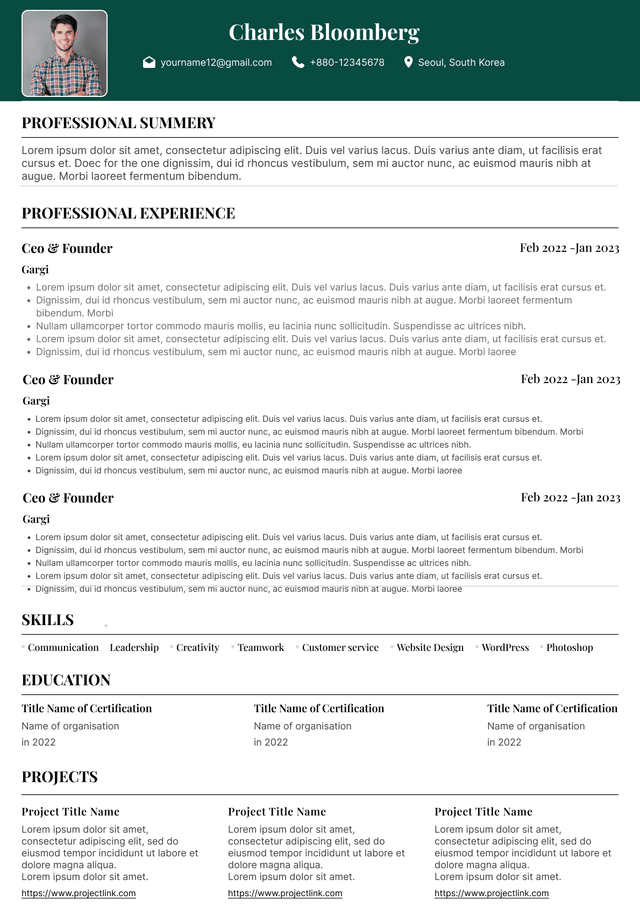
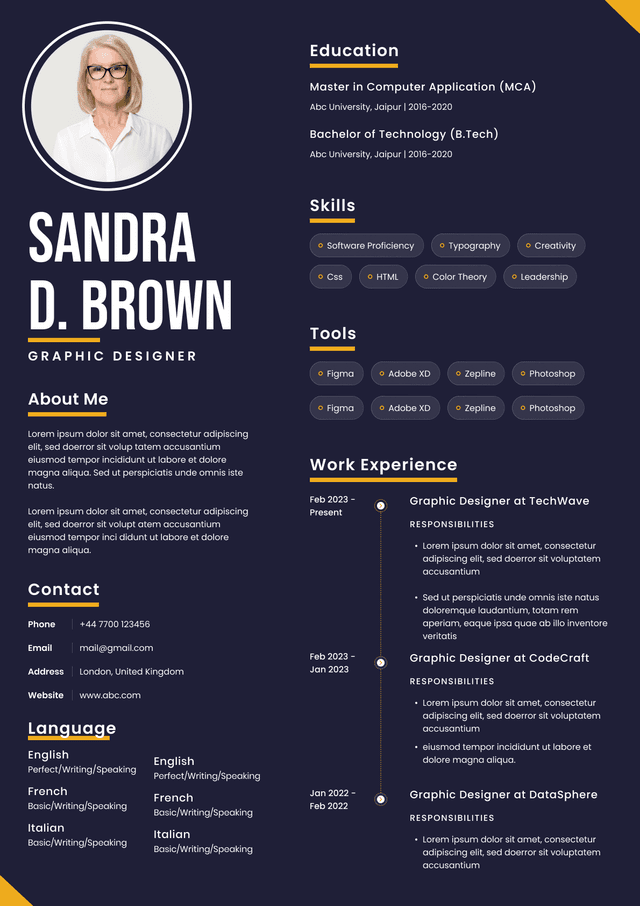
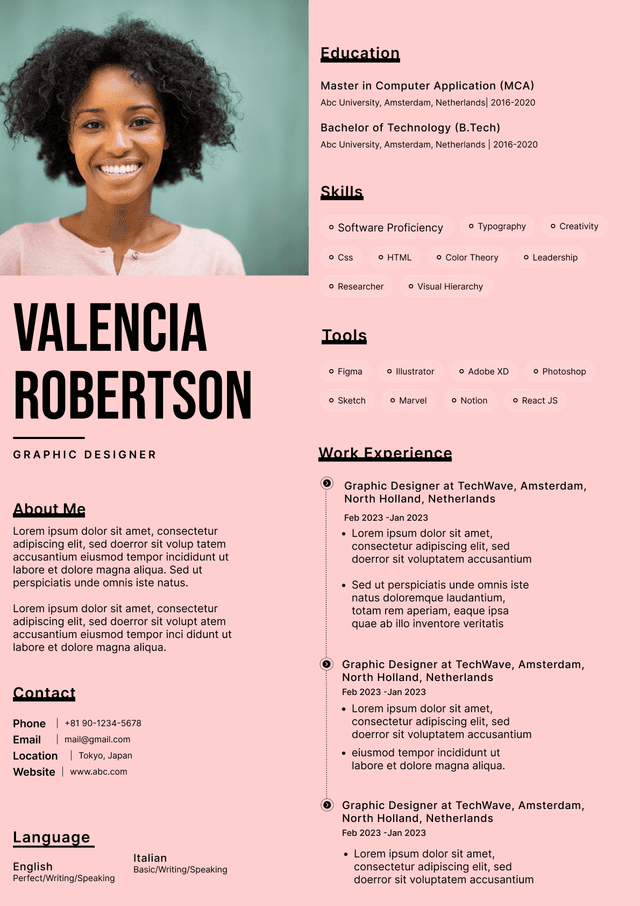
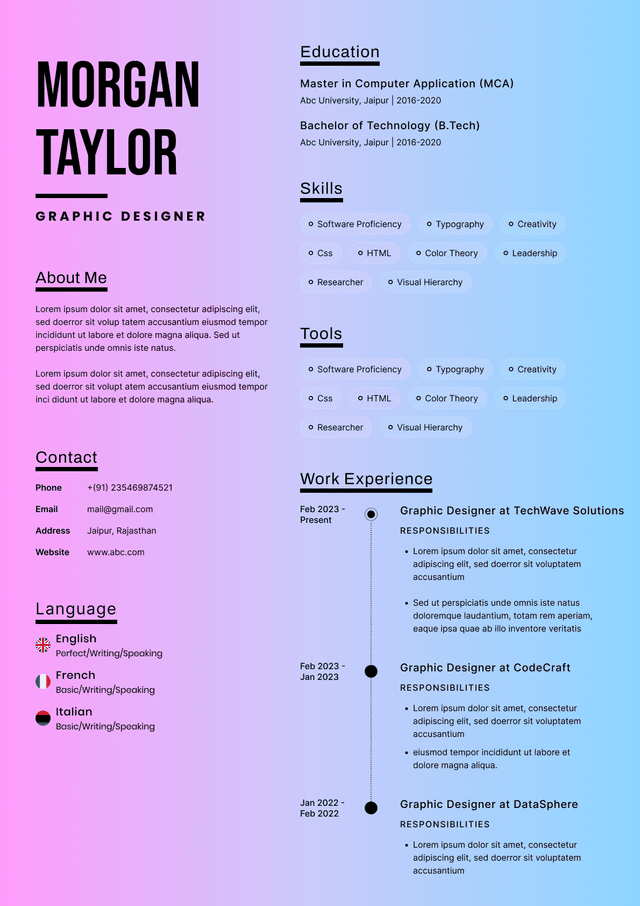
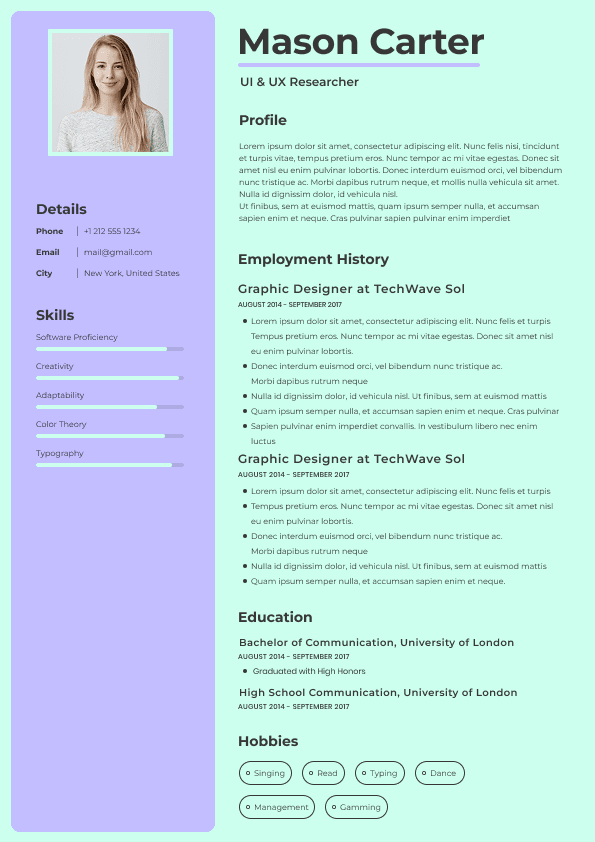
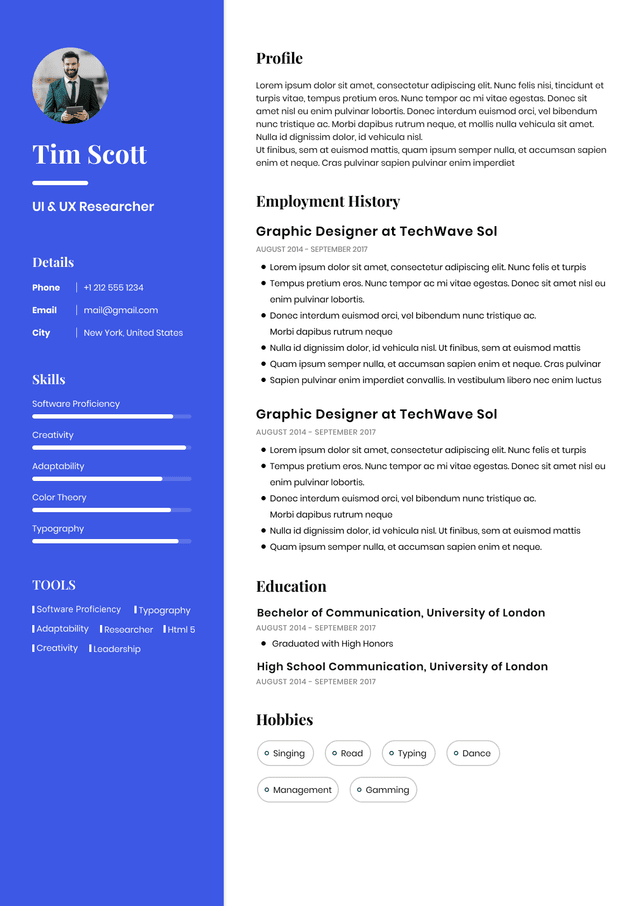
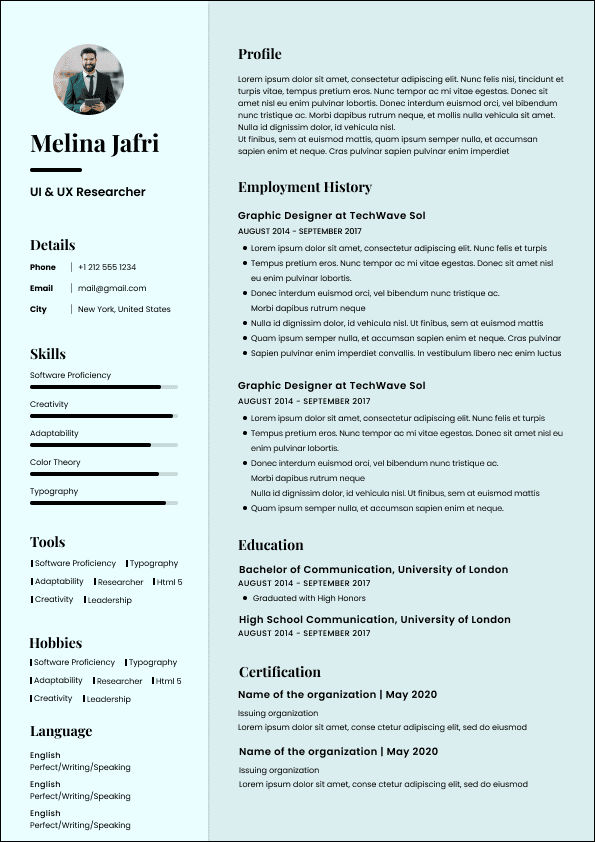
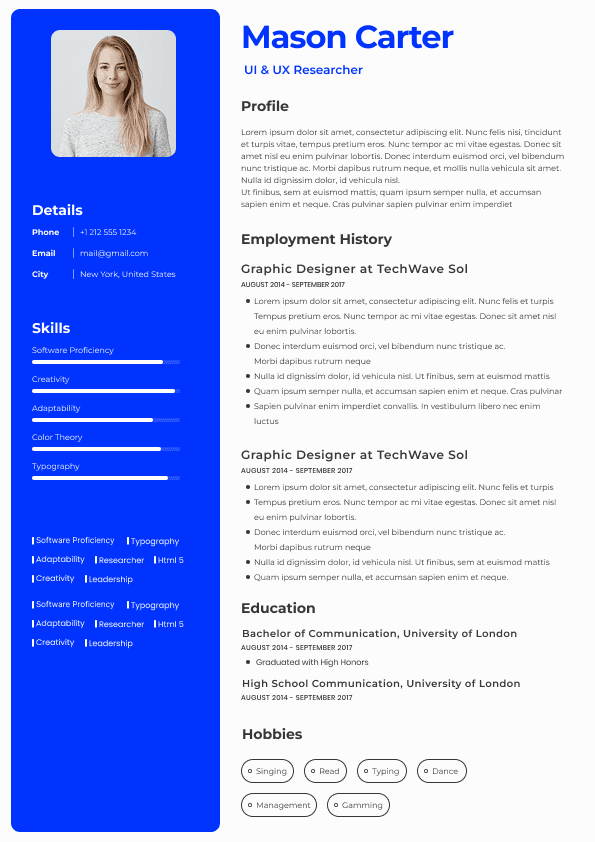
Use ATS-optimised Resume and resume templates that pass applicant tracking systems. Our Resume builder helps recruiters read, scan, and shortlist your Resume faster.


Use professional field-tested resume templates that follow the exact Resume rules employers look for.
Create Resume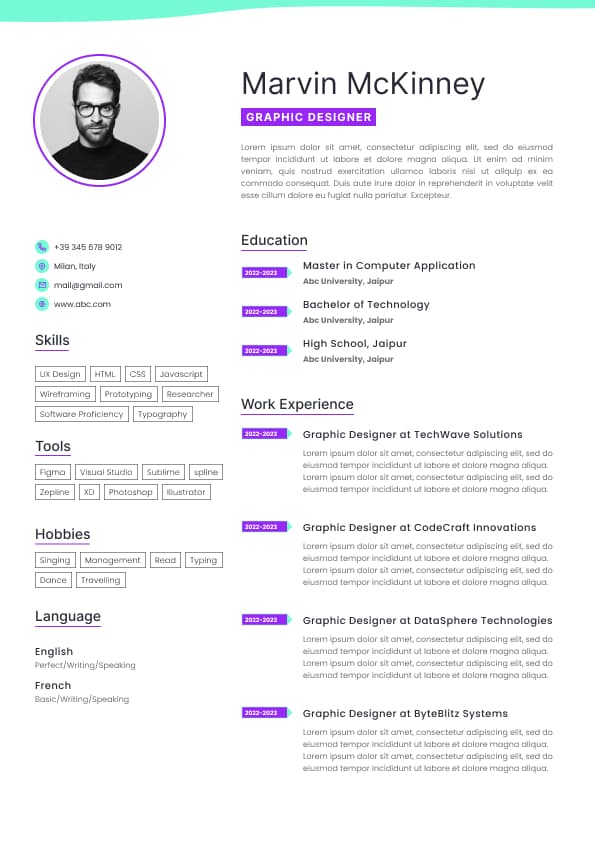
Use professional field-tested resume templates that follow the exact Resume rules employers look for.
Create ResumeWeb Application Developer
Understanding this matters because applicants often miss qualified opportunities by searching too narrowly.
For example:
A React-heavy company may advertise for “Frontend Engineer” instead of “JavaScript Developer”
A Node.js company may use “Backend JavaScript Engineer”
A startup may list “Full Stack Engineer” even if the stack is primarily JavaScript-based
Strong job seekers search by both technologies and business function.
Healthcare technology companies
Internal corporate web teams
Startups and agencies are often more willing to hire candidates with strong portfolios instead of formal experience.
Enterprise companies typically expect:
Stronger CS fundamentals
Cleaner architecture understanding
Better testing practices
Team collaboration experience
Production-level code quality
That does not mean entry-level candidates cannot get hired there. It means your projects and resume must look more production-oriented.
Local SaaS companies
Manufacturing companies with internal tech teams
Regional healthcare systems
Universities
Marketing firms
Retail chains
These jobs are often less competitive than national remote postings.
Remote JavaScript roles receive extremely high application volume.
Hiring managers reviewing remote applicants usually screen for:
Self-management ability
Clear communication
Strong GitHub activity
Real deployment experience
Async collaboration readiness
Technical depth beyond tutorials
For remote jobs, your portfolio quality matters far more than for many local roles.
A weak portfolio instantly eliminates remote applicants because employers cannot rely on in-person coaching.
JavaScript + frontend performance optimization
For frontend-focused roles, companies commonly expect:
React
TypeScript
Responsive design
API integration
State management
Component architecture
Git workflows
For Node.js or backend roles, employers prioritize:
REST APIs
Authentication systems
Database integration
Server architecture
Error handling
Security awareness
Scalability basics
Full stack roles usually expect competency across both.
Portfolio links that actually work
Generic resumes sent everywhere
No GitHub profile
Broken portfolio links
Tutorial-only projects
Keyword stuffing without proof
No measurable accomplishments
Poor formatting or readability
No indication of actual coding depth
Recruiters are not evaluating theoretical knowledge first. They are evaluating whether you appear interview-worthy.
Consistent commit history
Strong beginner projects include:
Task management apps
E-commerce stores
Authentication dashboards
Booking systems
Chat applications
Admin panels
Analytics dashboards
Full CRUD applications
The key is realism.
A hiring manager wants to see whether you can work inside business-style applications, not whether you completed another weather app tutorial.
Built In
Company career pages
GitHub Jobs alternatives
Startup directories
Staffing agency websites
Discord developer communities
Slack engineering communities
Open-source contributor communities
Many candidates over-rely on LinkedIn Easy Apply.
That creates a major problem:
Thousands of applicants apply with nearly identical resumes.
The strongest candidates combine:
Direct company applications
Recruiter outreach
Networking
Referrals
Community visibility
Portfolio-driven applications
“RESTful APIs”
“CI/CD pipelines”
“State management”
Your resume should naturally reflect those concepts where accurate.
Hiring managers trust evidence more than claims.
Weak Example
“Experienced JavaScript developer with strong coding skills.”
Good Example
“Built and deployed a React + Node.js inventory dashboard used to manage 12,000+ product records with JWT authentication and REST API integration.”
The second version demonstrates practical ability.
Strong candidates clearly explain:
Why they chose certain technologies
How they structured projects
Problems they solved
Tradeoffs they encountered
What they would improve
That signals maturity.
Business-style use cases
Hiring managers often inspect:
File structure
Commit quality
Code readability
Naming conventions
State handling
API integration quality
Error handling
Authentication implementation
They are trying to estimate how difficult you would be to onboard.
Too many unfinished projects
Copy-pasted tutorial apps
Broken deployments
Poor mobile UX
No README files
Messy repositories
No backend integration
No explanation of technical decisions
Quality beats quantity almost every time.
System design basics
Testing knowledge
Architecture understanding
Team collaboration
Closures
Async programming
Promises
Event loop
DOM manipulation
React hooks
State management
API handling
Debugging
Performance optimization
Strong candidates explain their thinking clearly during coding exercises.
Weak candidates panic when they do not immediately know the answer.
Interviewers often care more about debugging approach and reasoning process than perfect solutions.
Improve GitHub consistency
Follow up professionally after interviews
A mid-level-looking portfolio can outperform a computer science degree in many JavaScript hiring pipelines.
Especially in startups and product companies.
The market rewards visible capability.
A candidate with:
Strong GitHub activity
Production-style applications
Real deployment experience
can outperform applicants with generic corporate experience.
Fast onboarding potential
Independence
Reliable communication
Technical depth
Low management overhead
That is why vague resumes fail in remote hiring.
Overcomplicated portfolio designs
No networking strategy
Weak project explanations
A surprising number of junior developers cannot clearly explain their own code.
Hiring managers notice this immediately.
If you built a project, you should confidently explain:
Architecture decisions
State management choices
API logic
Performance considerations
Problems encountered
Tradeoffs made
That matters far more than memorizing definitions.
TypeScript-heavy development
AI-integrated frontend systems
Cloud-connected applications
Performance engineering
Full stack SaaS architecture
Developer tooling
Accessibility-focused engineering
Candidates who combine JavaScript with product thinking and communication skills often advance faster into senior roles.
Weak positioning
Weak portfolio proof
Generic resume targeting
Poor interview communication
Applying to overly competitive roles only
Treat your job search like a product funnel:
Better targeting
Better evidence
Better conversion
That is how JavaScript developers get hired consistently in today’s market.



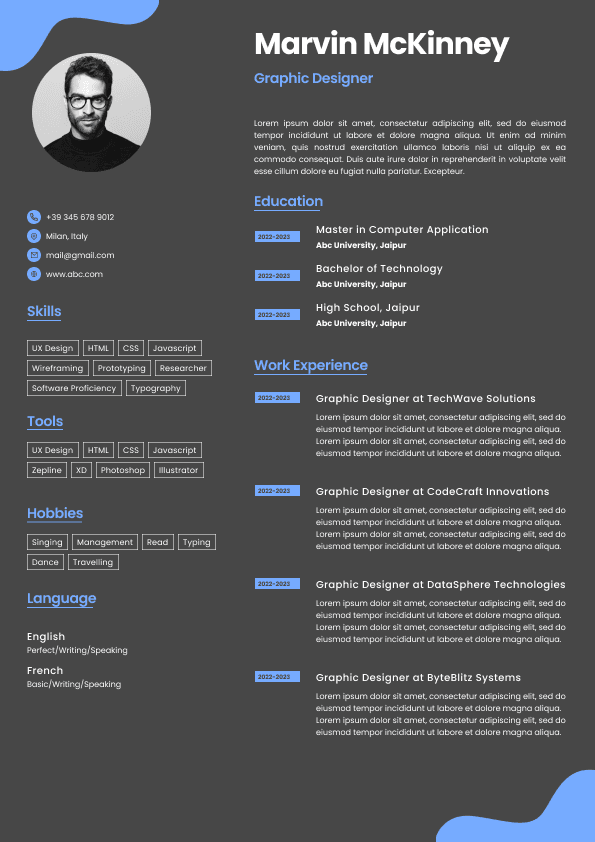
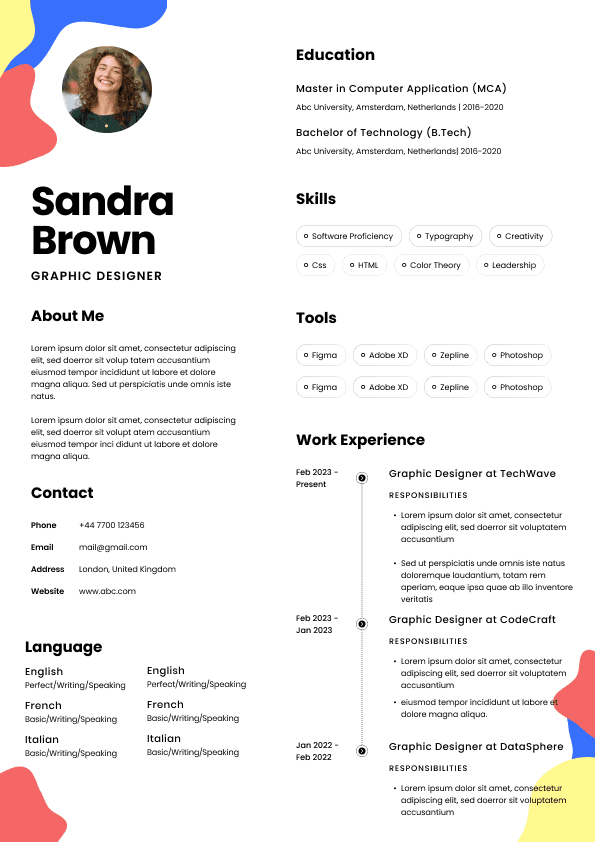
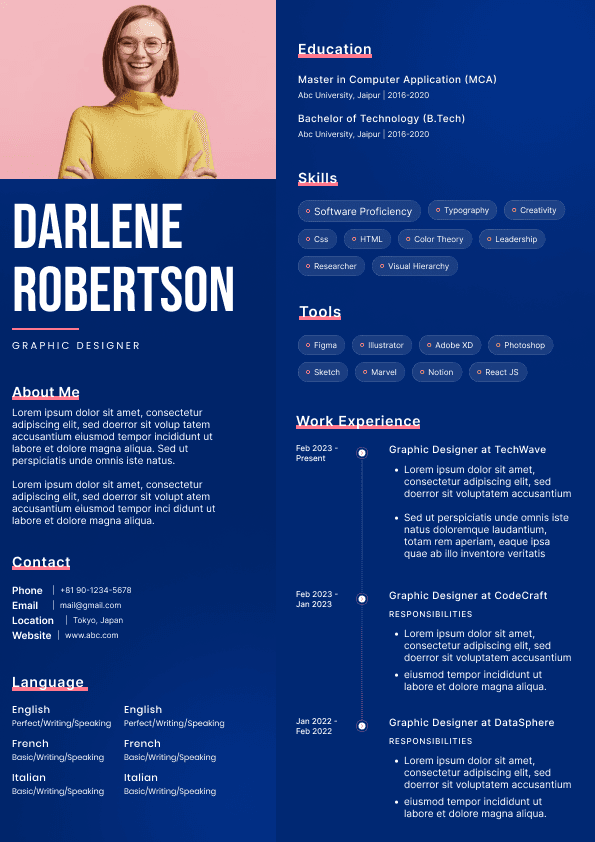




 Upload Resume
 Import from Linkedin