STILL APPLYING. STILL HEARING NOTHING?BUILD YOUR RESUME

STILL APPLYING. STILL HEARING NOTHING?BUILD YOUR RESUME
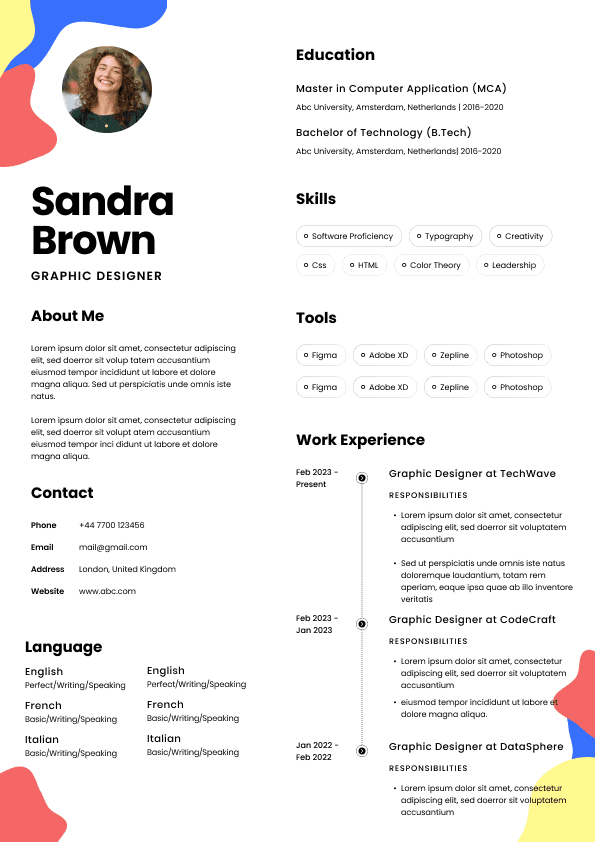
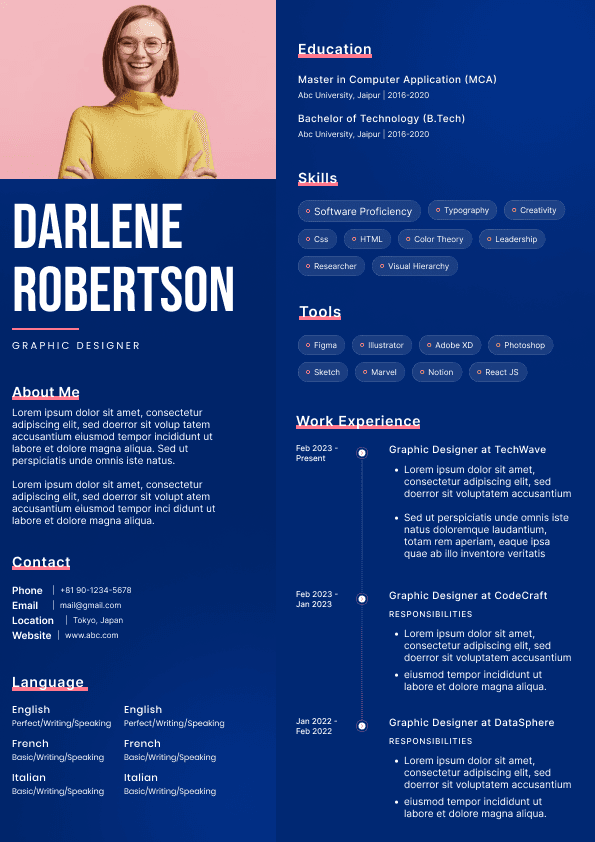
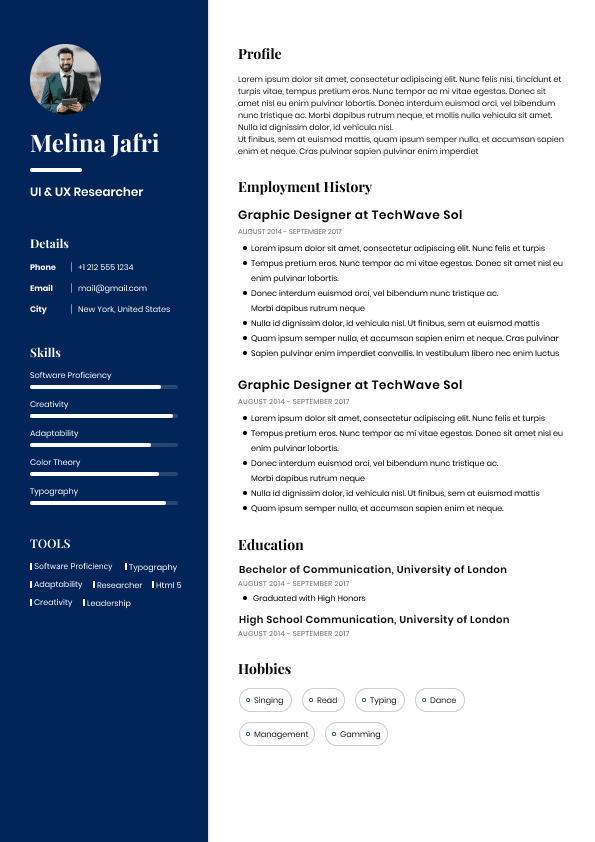
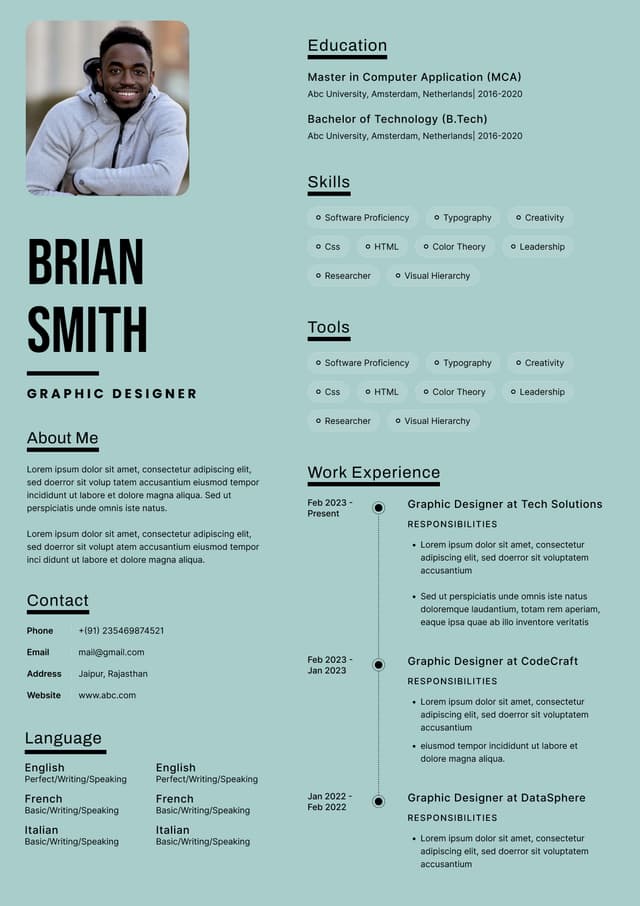
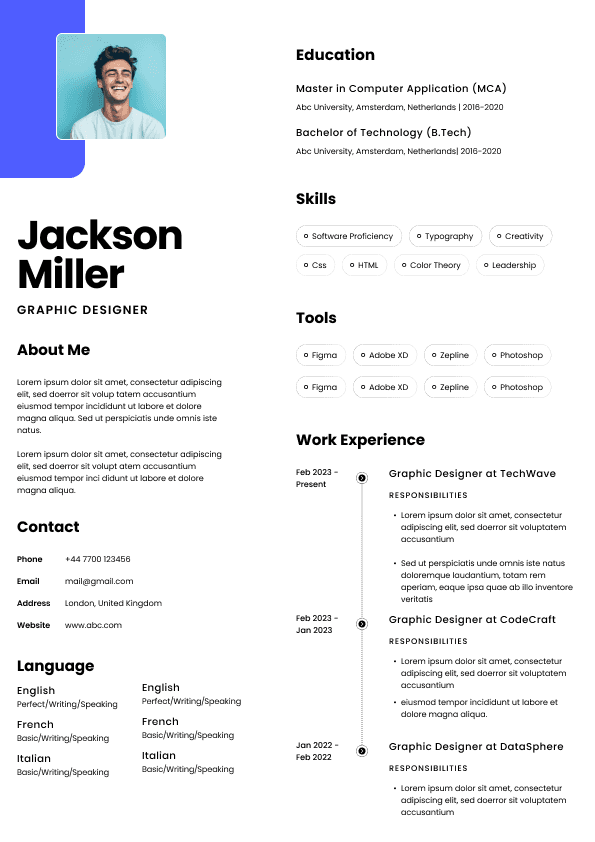
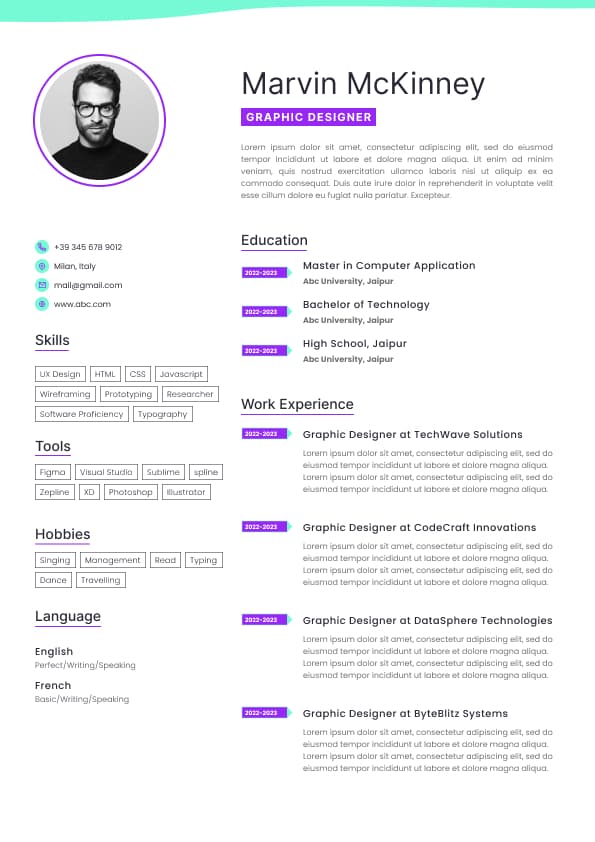
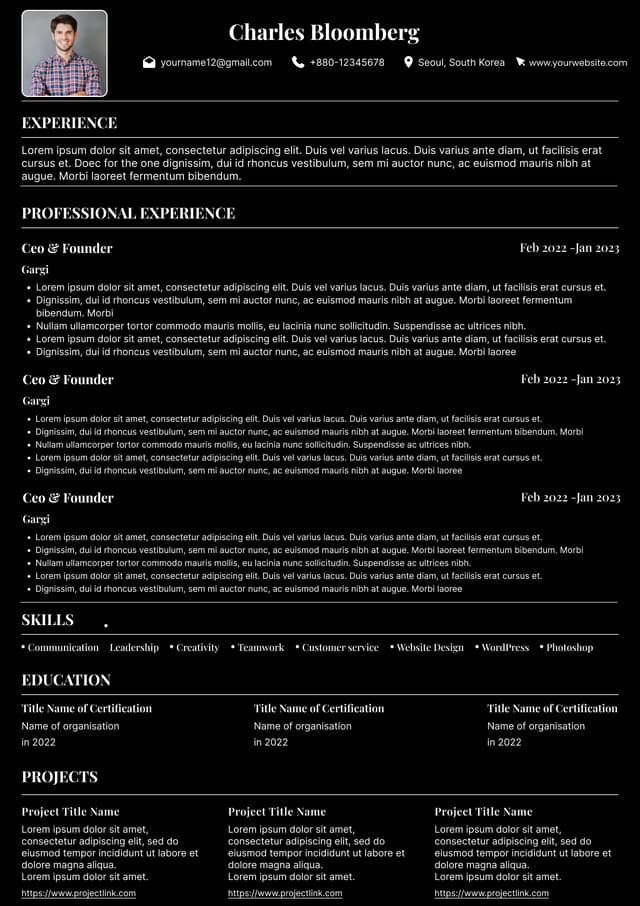
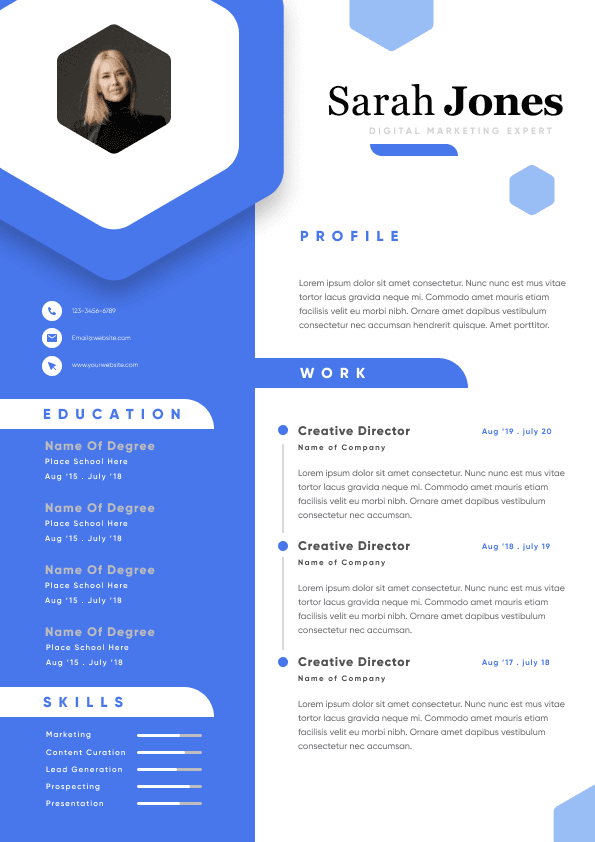
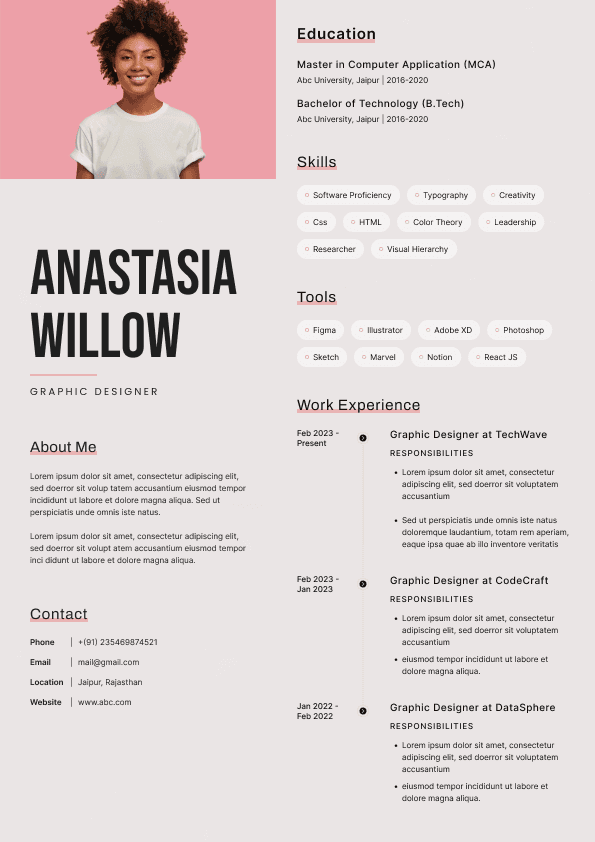
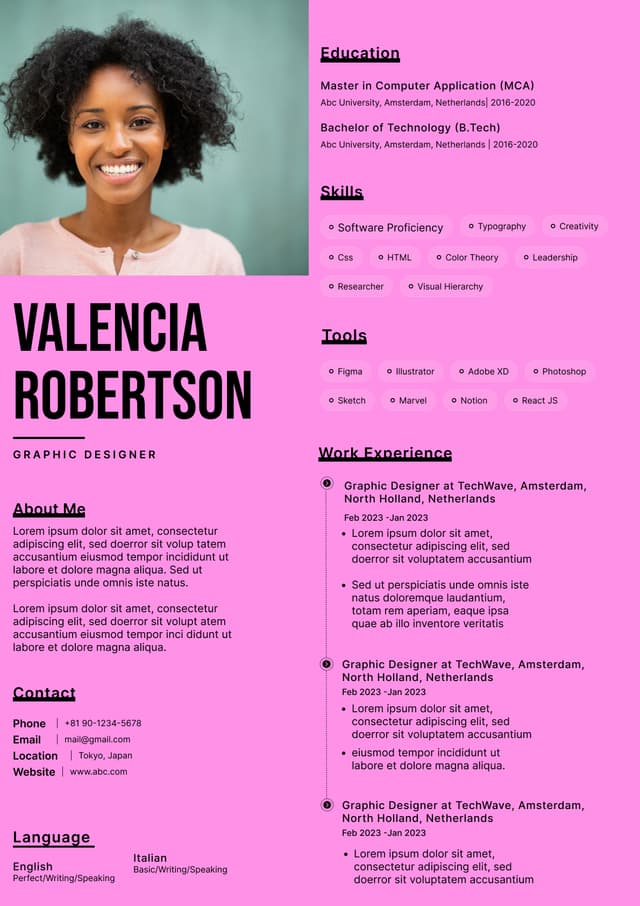
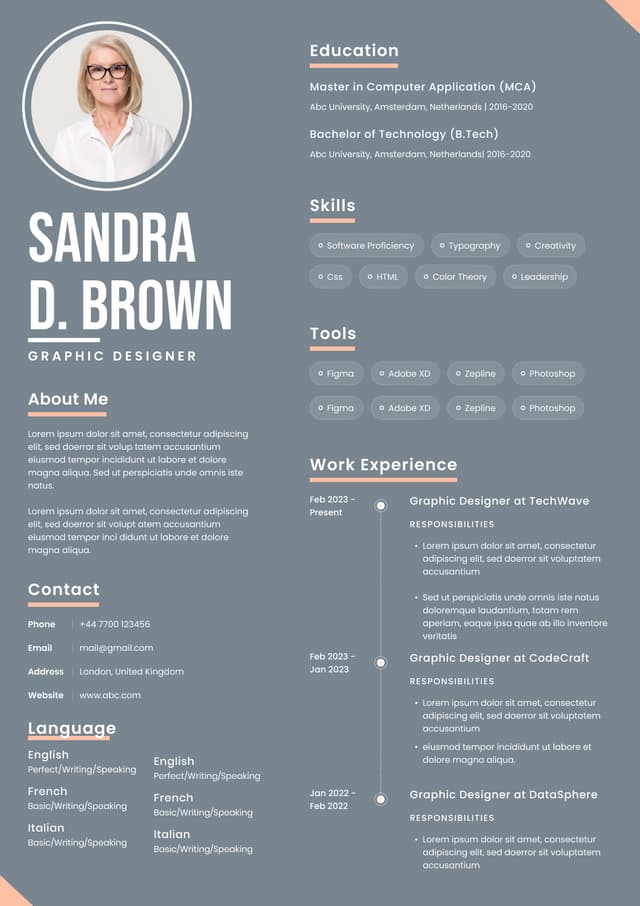
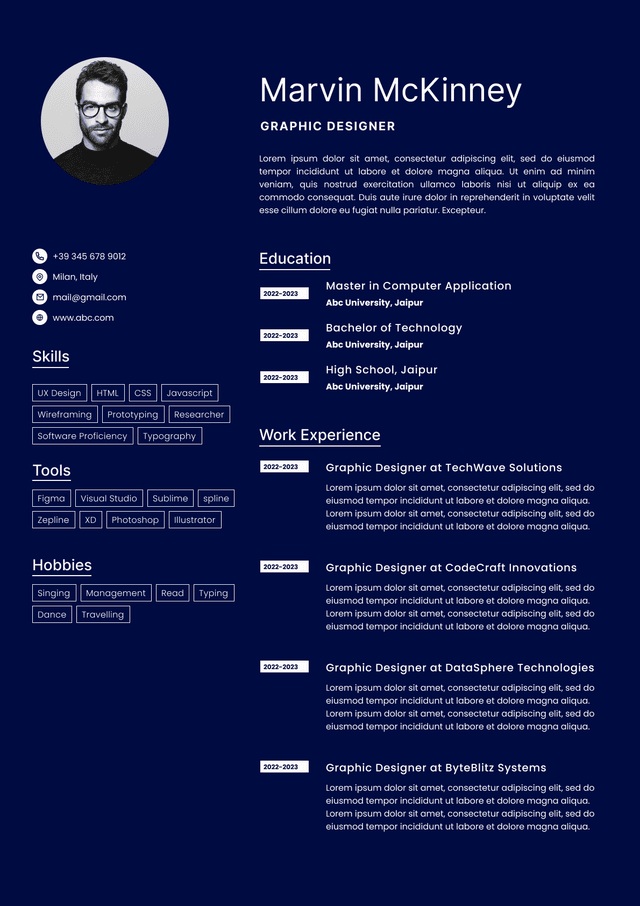
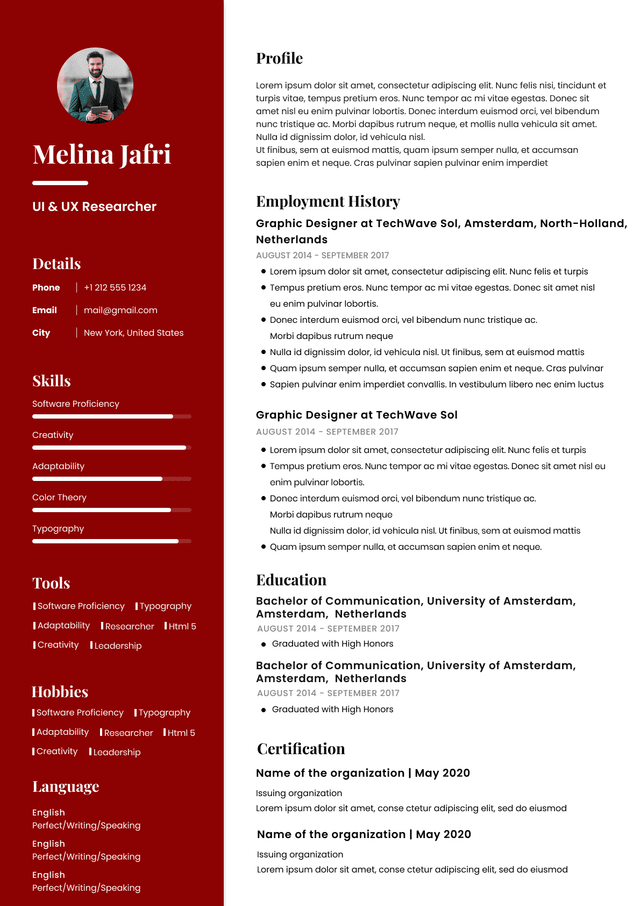
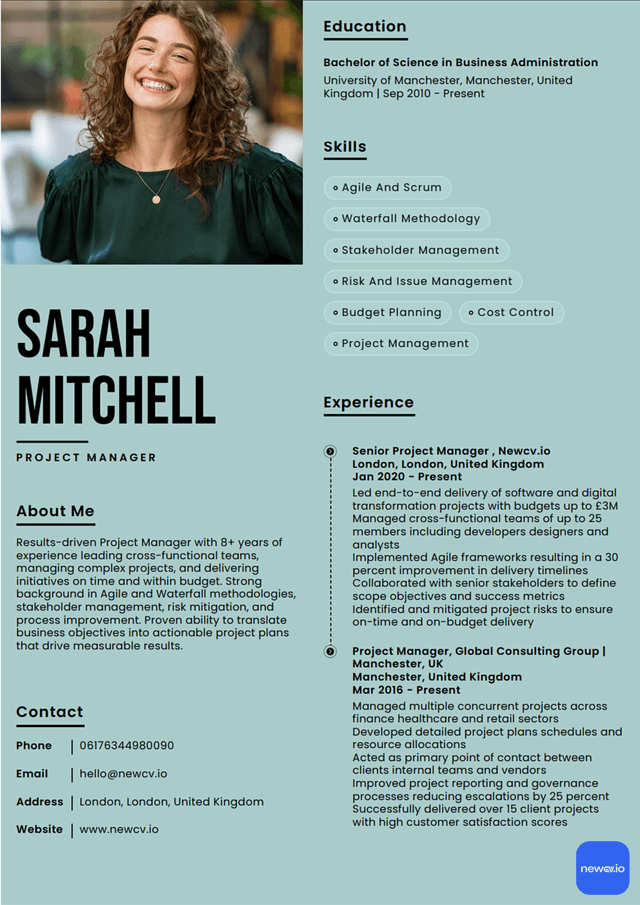
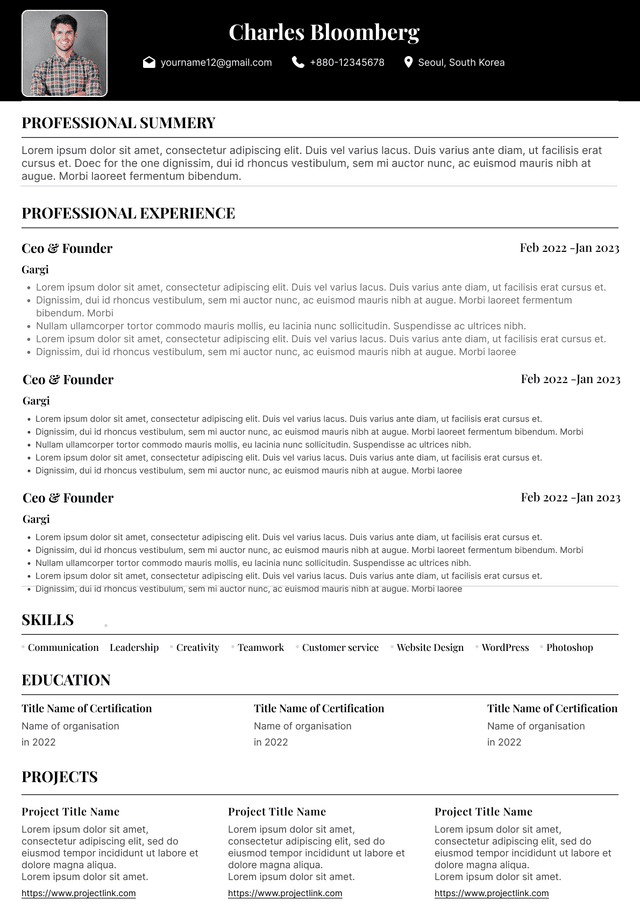
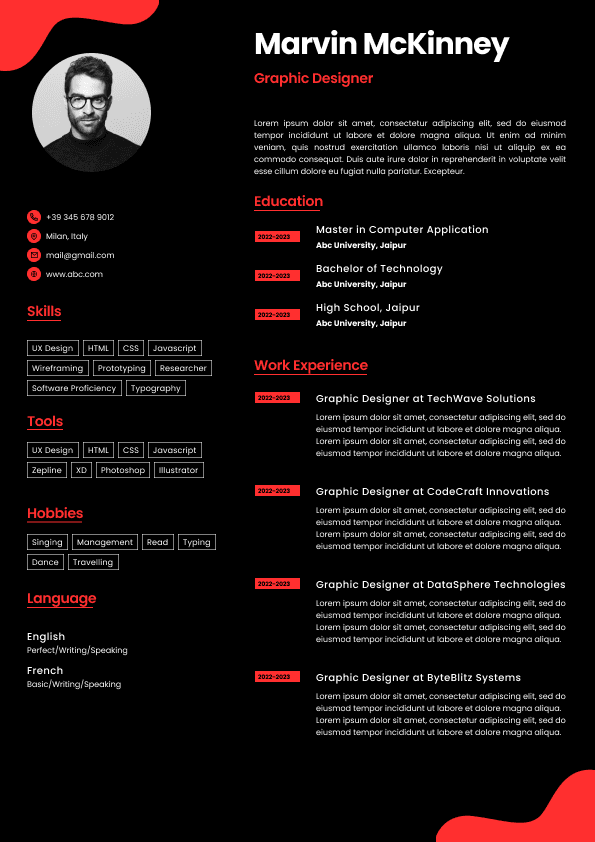
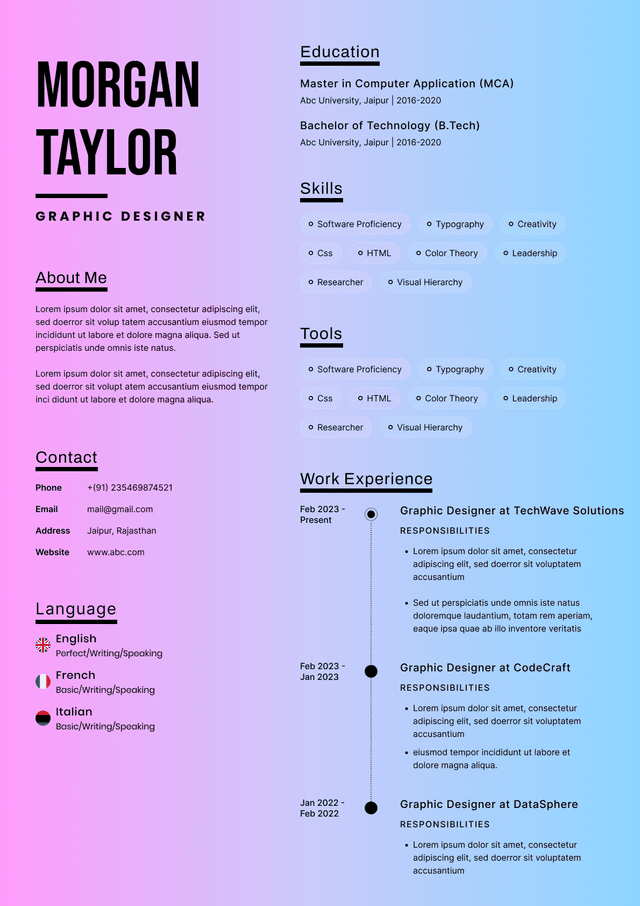
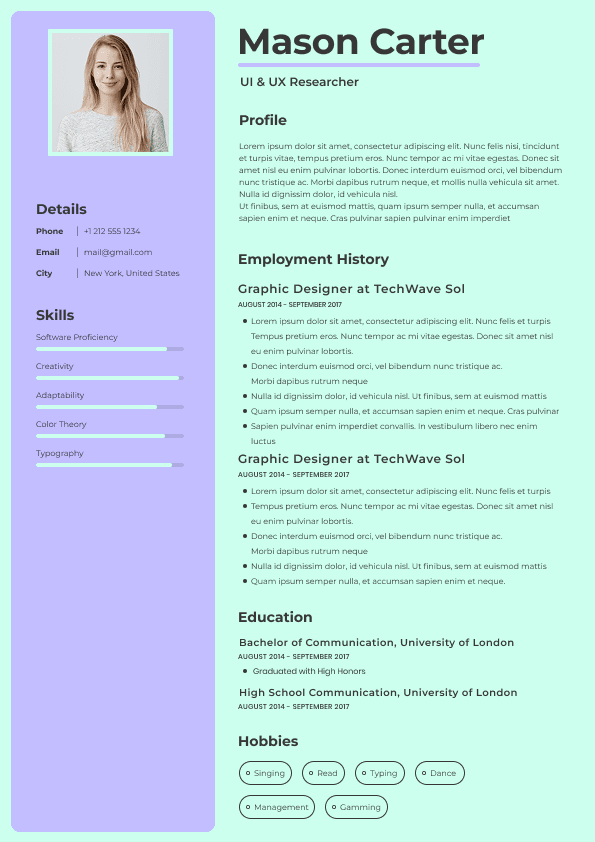
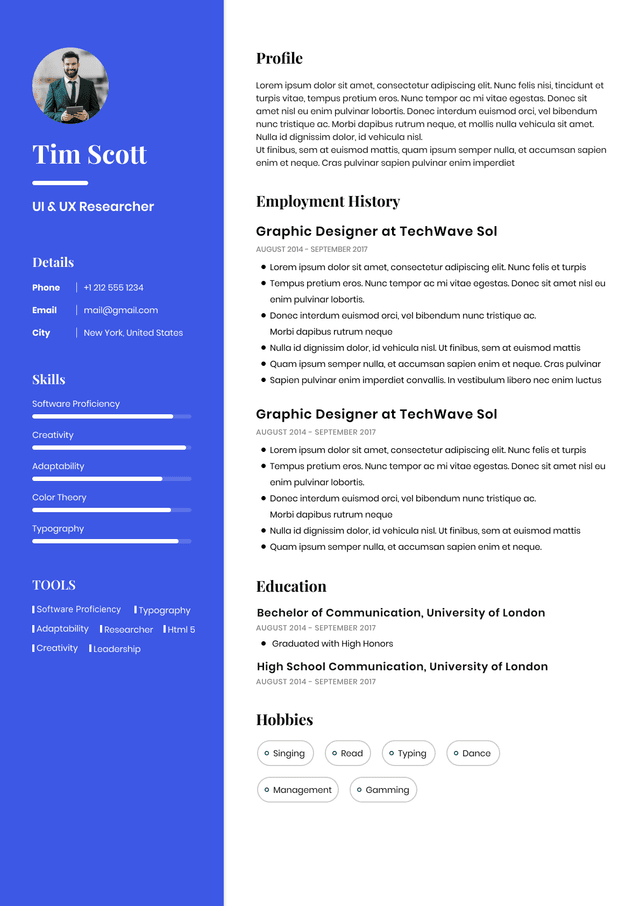
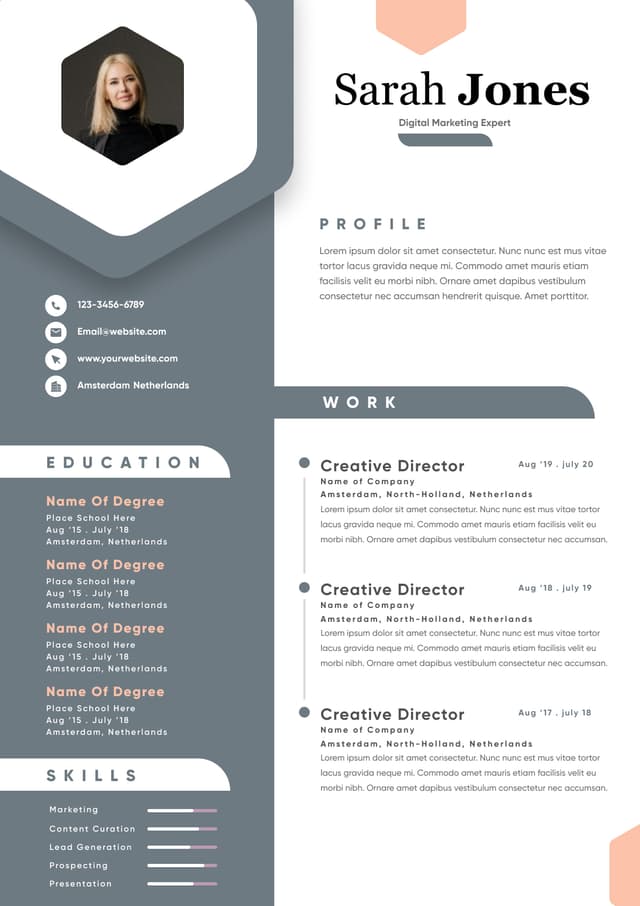
Choose from a wide range of NEWCV resume templates and customize your NEWCV design with a single click.
FAQ
A strong JavaScript developer portfolio is not just a collection of projects. It is proof that you can build production-ready applications, solve business problems, and work with modern frontend or full stack ecosystems in a professional environment.
Most JavaScript portfolios fail because they look like tutorial clones, generic templates, or unfinished experiments. Recruiters and hiring managers can spot this in under 60 seconds.
A portfolio that gets interviews does three things well:
Clearly positions your specialization
Demonstrates real technical depth through projects
Makes evaluation easy for recruiters and engineering teams
Whether you are a junior JavaScript developer, React developer, Node.js engineer, or full stack JavaScript developer, your portfolio should immediately answer these questions:
What kind of developer are you?
What technologies can you use confidently?
Recruiters are not evaluating your portfolio like another developer would.
Engineering managers may inspect architecture decisions, API structure, TypeScript implementation, or performance optimization. Recruiters first evaluate whether your portfolio creates enough confidence to justify an interview.
That evaluation usually happens in under two minutes.
Here is what actually influences hiring decisions.
One of the biggest mistakes developers make is trying to appear skilled at everything.
A portfolio that says:
“Frontend Developer | Backend Developer | Mobile Developer | AI Engineer | Blockchain Engineer”
usually signals weak positioning.
Strong portfolios communicate a focused identity immediately.
Good Examples
Frontend JavaScript Developer specializing in React and TypeScript
Full Stack JavaScript Developer focused on SaaS applications
Node.js Developer building scalable APIs and backend systems
The highest-performing portfolio websites follow a predictable structure because recruiters scan them quickly.
Your portfolio should reduce friction, not increase it.
The hero section determines whether someone keeps scrolling.
Within seconds, users should understand:
Your specialization
Your technical stack
Your experience level
Your value proposition
A weak hero section wastes space on vague branding.
Weak Example
“Passionate developer building digital experiences.”
This says almost nothing.
Good Example
“Frontend JavaScript Developer specializing in React, TypeScript, and high-performance SaaS interfaces.”
This creates immediate positioning clarity.
Your hero section should also include:
Recruiters do not want your life story.
The About section should answer:
What type of work do you specialize in?
What problems do you solve?
What technologies do you use professionally?
What environments do you work best in?
Strong About sections focus on business and engineering value.
Engineering teams look for signals like:
Product thinking
Communication ability
Another common mistake is listing every technology ever touched.
Recruiters interpret long unfocused stacks as shallow experience.
Instead, structure your stack intentionally.
Focus on technologies you can confidently discuss in interviews.
Common high-value frontend technologies include:
React
Next.js
TypeScript
Tailwind CSS
Redux Toolkit
Zustand
Not all projects create equal hiring value.
Recruiters and engineering managers care about project credibility, complexity, and relevance.
These projects demonstrate:
Authentication
Database relationships
User roles
API architecture
Frontend state management
Real-world workflows
This mirrors actual startup and SaaS engineering environments.
Examples:
Many developers sabotage strong projects with poor presentation.
A recruiter should never need to guess what your project does.
Each project should include:
Problem solved
Technologies used
Architecture overview
Key technical decisions
Performance optimization
Accessibility considerations
Live demo
A high-converting project layout looks like this:
Explain the application clearly in 2 to 4 sentences.
List the major technologies only.
Describe actual implementation complexity.
Examples:
Improved Lighthouse score from 68 to 97
Reduced API latency by 42%
Implemented lazy loading reducing bundle size by 38%
Increased accessibility compliance to WCAG AA standards
Metrics increase credibility dramatically.
A portfolio should look modern, but design alone will not get interviews.
Many developers overinvest in animations while ignoring usability.
Hiring managers increasingly care about Core Web Vitals and frontend performance.
Heavy animations can damage:
Load speed
Mobile usability
Accessibility
SEO
Lighthouse scores
A clean fast portfolio usually performs better than visually overloaded designs.
Recruiters absolutely review portfolios on mobile devices.
A broken mobile experience creates immediate negative signals.
Test thoroughly on:
Mobile phones
Tablets
Different browsers
Different viewport sizes
Accessibility awareness has become a strong hiring signal.
Strong portfolios include:
Semantic HTML
Proper heading hierarchy
Keyboard navigation support
ARIA labels where necessary
Accessible contrast ratios
Screen-reader compatibility
Accessibility demonstrates engineering maturity.
The strongest modern portfolio stack usually includes:
Next.js
TypeScript
Tailwind CSS
Framer Motion
Shadcn UI
This stack aligns closely with modern frontend hiring demand.
Next.js improves:
SEO
A portfolio website without SEO optimization limits discoverability.
This matters more for:
Freelancers
Remote developers
Startup hiring
Personal branding
Developer networking
Each page should have:
Unique title tags
Meta descriptions
Open Graph tags
Structured metadata
Instead of placing all projects on one page, create dedicated project pages.
This improves:
Search visibility
Keyword targeting
Many developers link GitHub profiles that hurt them.
Recruiters do check GitHub activity, but they are looking for:
Code consistency
Project organization
Documentation quality
Commit quality
Real implementation depth
A smaller number of polished repositories performs better than dozens of unfinished projects.
Empty repositories
These issues consistently damage candidate credibility.
Recruiters can immediately recognize copied templates.
Templates are acceptable as a starting point, but customization matters.
Your portfolio should reflect:
Your specialization
Your technical identity
Your project strengths
Five mediocre projects are worse than two strong ones.
Remove projects that:
Are unfinished
Lack technical depth
Have broken demos
Use outdated stacks
Look identical to tutorials
If recruiters cannot quickly test your work, engagement drops dramatically.
Always include:
Live demo
GitHub repository
Screenshots
Deployment links
Strong developers explain outcomes, not just features.
Instead of:
“Built a dashboard using React.”
Say:
“Built a multi-tenant analytics dashboard reducing reporting time through real-time visualization and automated filtering.”
This sounds more professional because it connects engineering work to user value.
Entry-level developers often assume they need professional experience before building a strong portfolio.
That is incorrect.
A strong portfolio can compensate significantly for limited experience if the projects demonstrate real capability.
Instead of building ten basic projects:
Build two or three advanced projects with:
Authentication
Database integration
APIs
Responsive UI
State management
Error handling
Deployment
Senior-level portfolios should emphasize architecture, leadership, and scalability.
Senior portfolios should demonstrate:
Scalable architecture
Component systems
API design
Performance optimization
State management strategy
Security awareness
Senior candidates should explain measurable outcomes.
Examples:
Yes.
Many recruiters still want quick resume access even if your portfolio is strong.
Best practice:
Include a visible resume download button
Keep resume formatting ATS-friendly
Ensure consistency between resume and portfolio
Your portfolio expands credibility.
Your resume supports recruiter workflow efficiency.
Before applying to jobs, verify:
All links work
Mobile responsiveness is polished
Lighthouse scores are strong
GitHub repositories are clean
Projects have clear explanations
Resume is updated
Contact forms work properly
Metadata is optimized

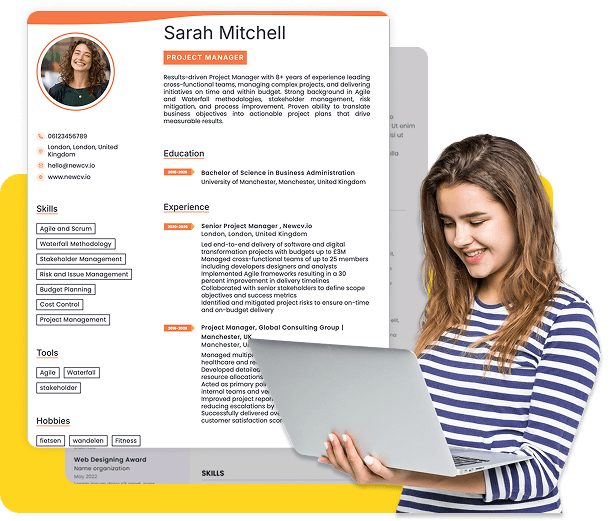
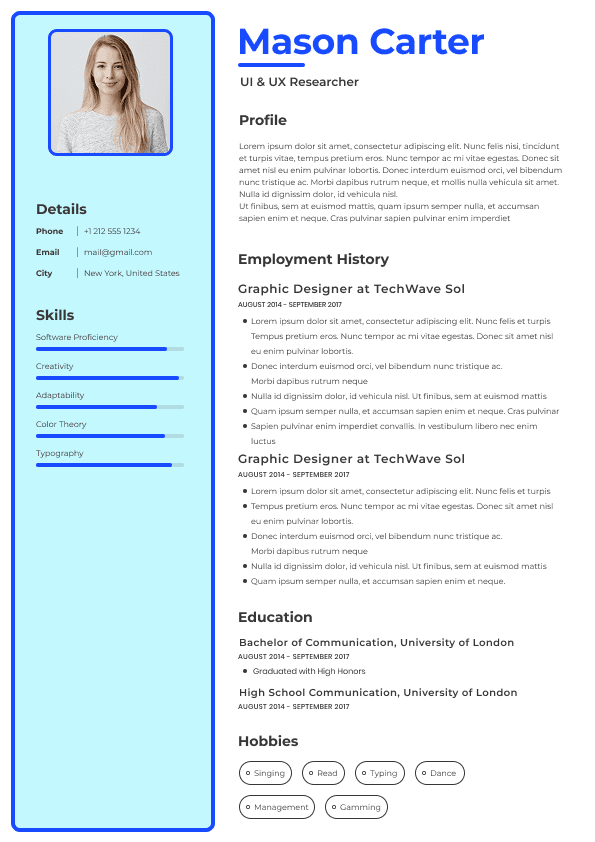
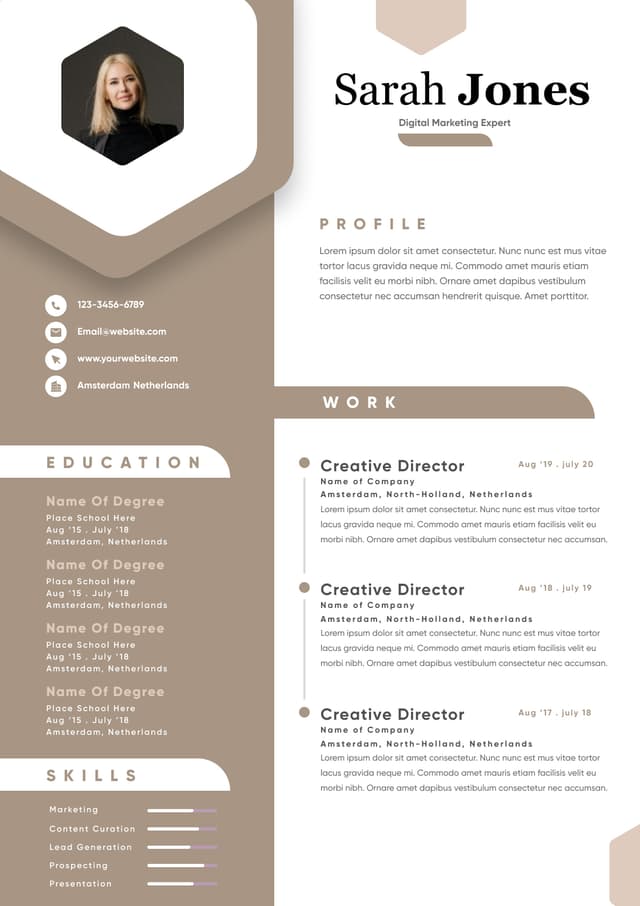
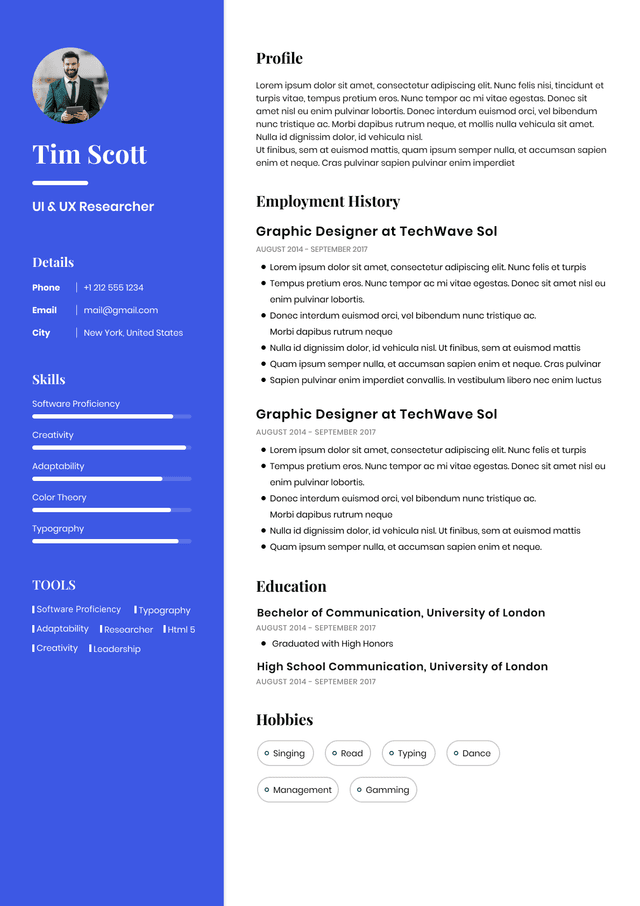
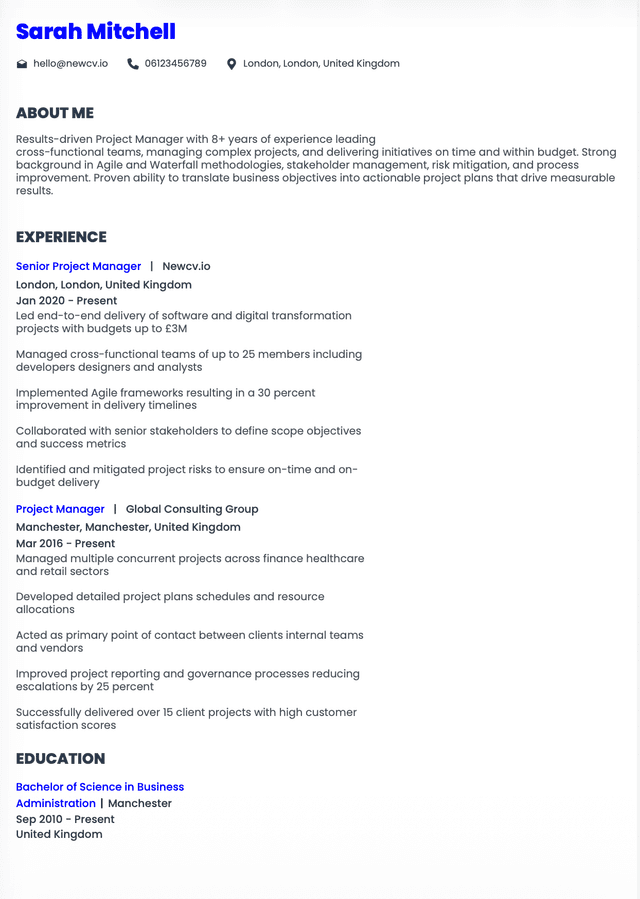
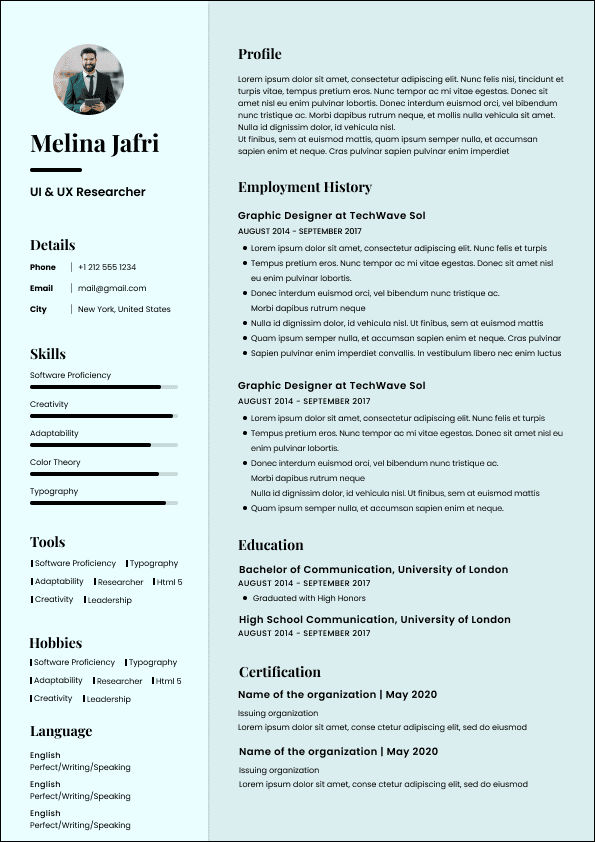
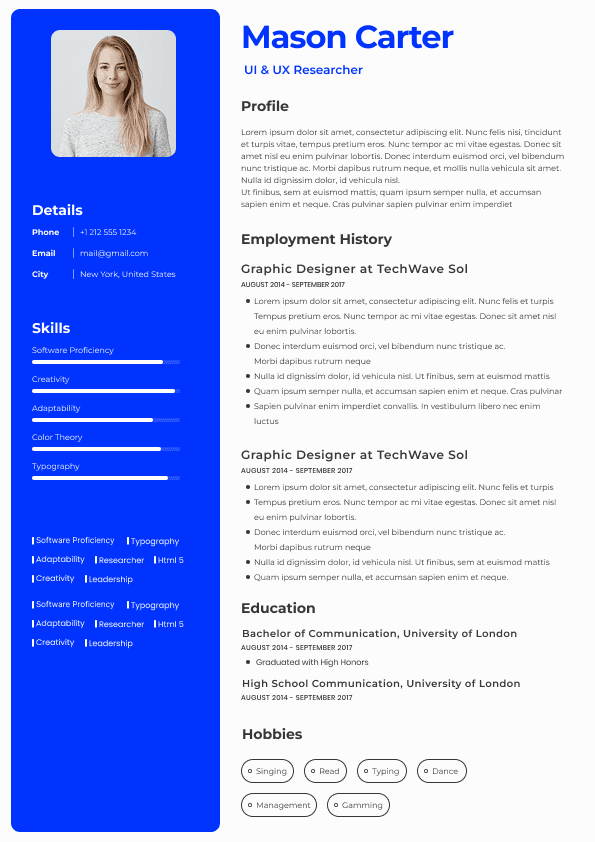
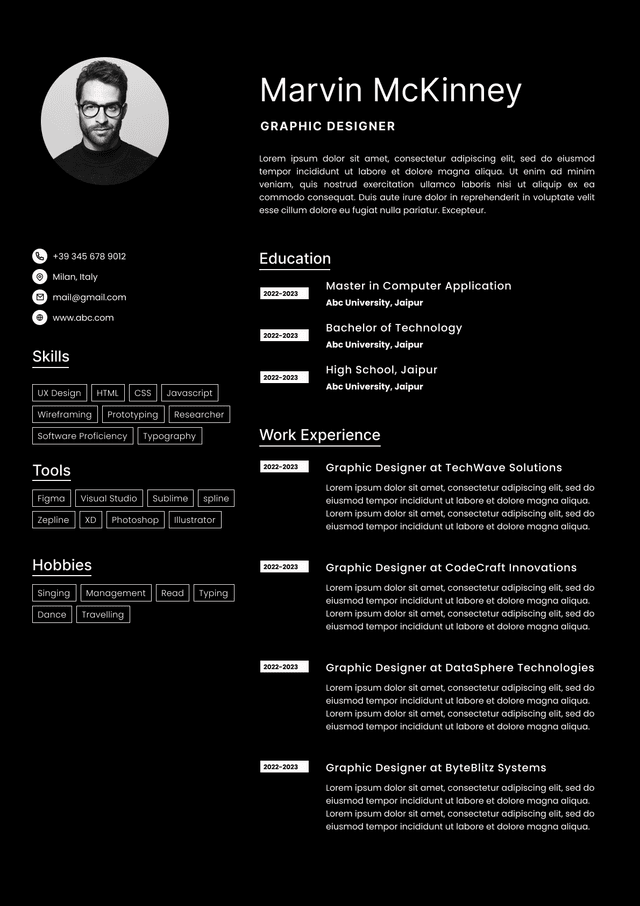
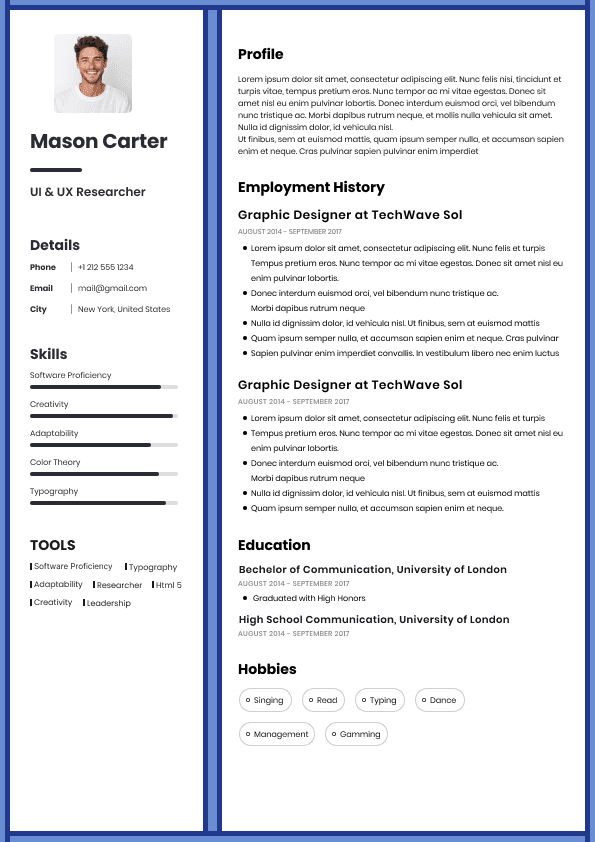
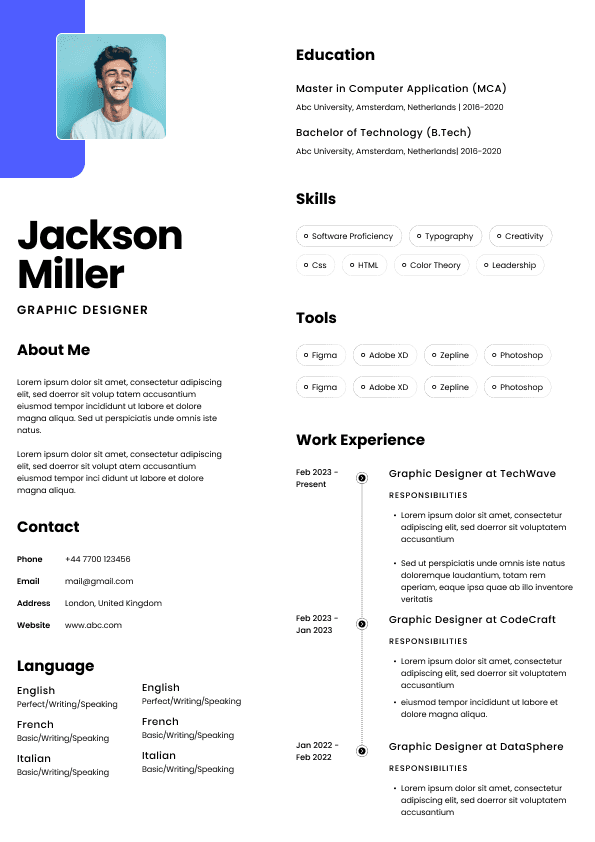
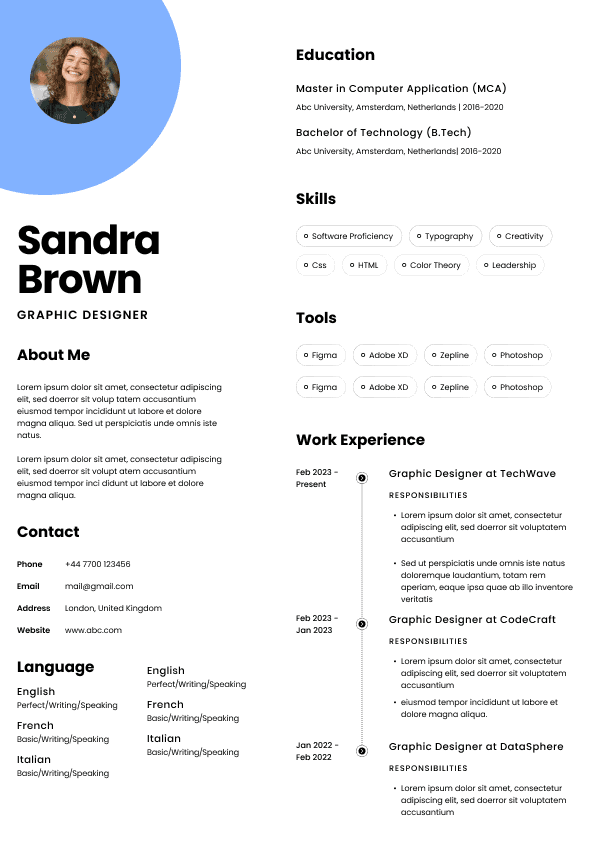
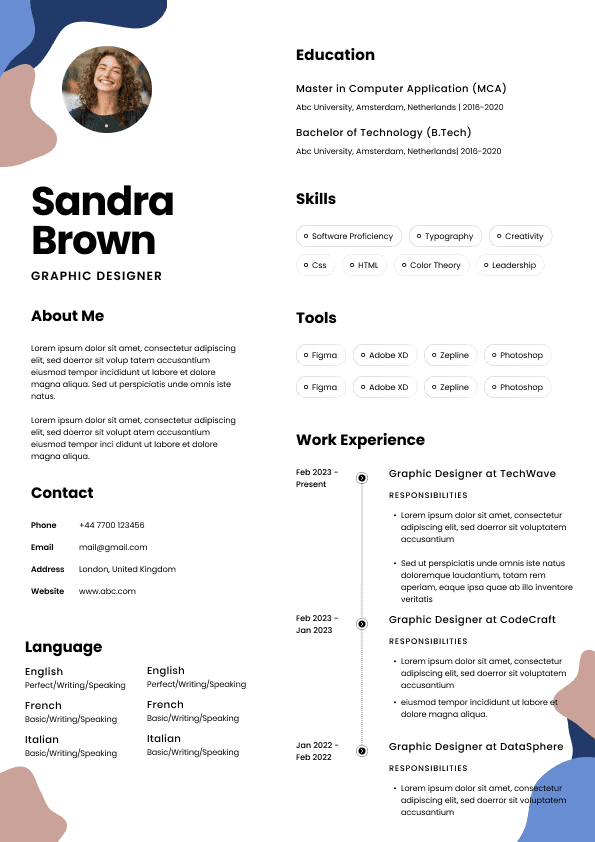
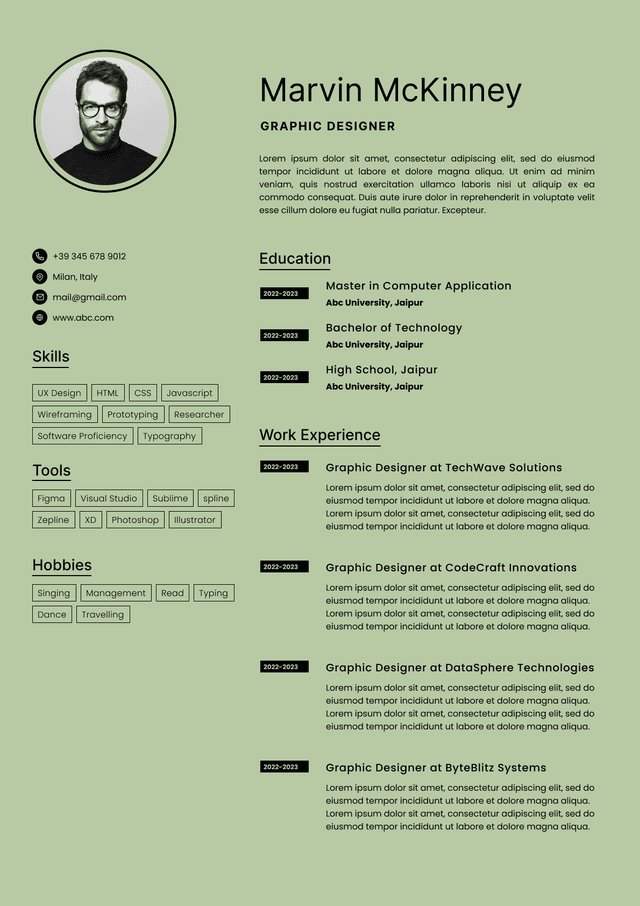
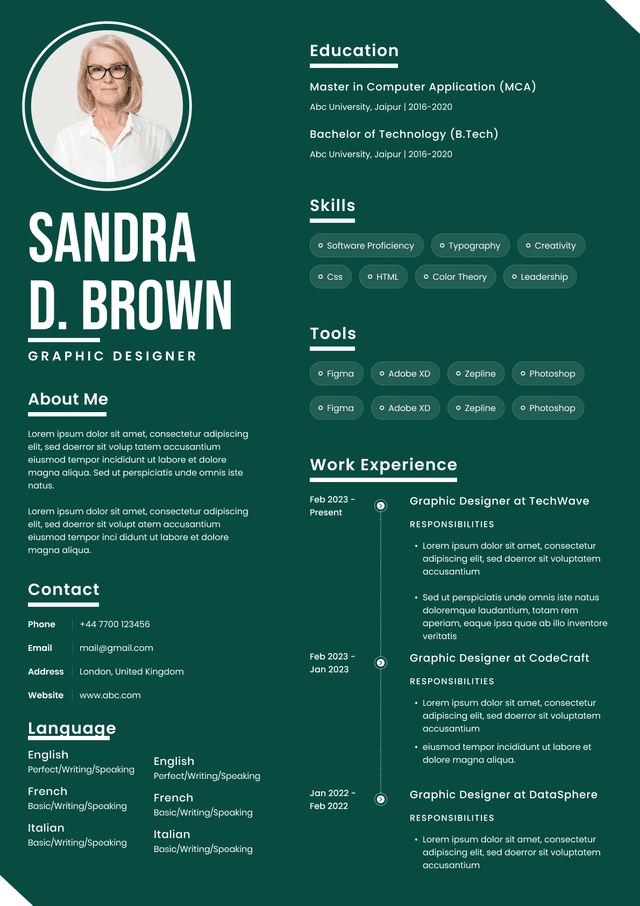
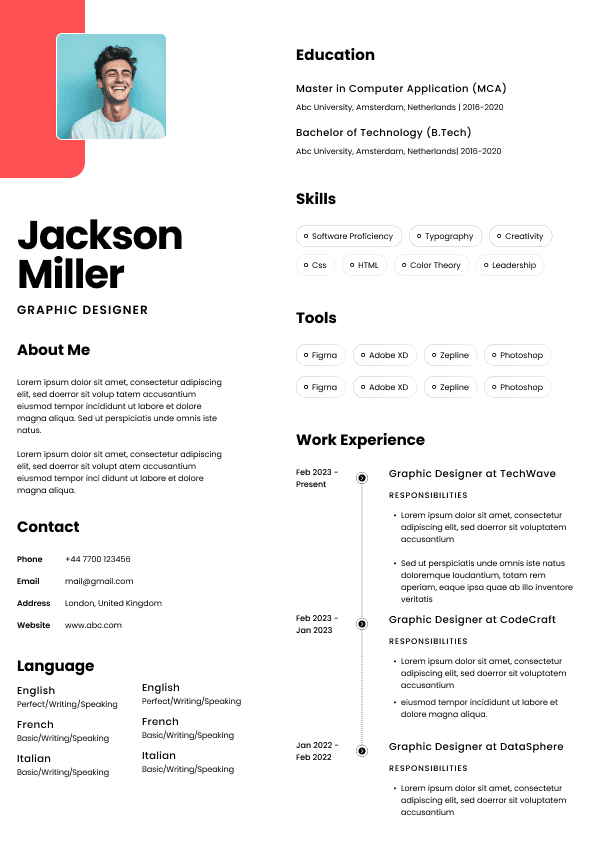
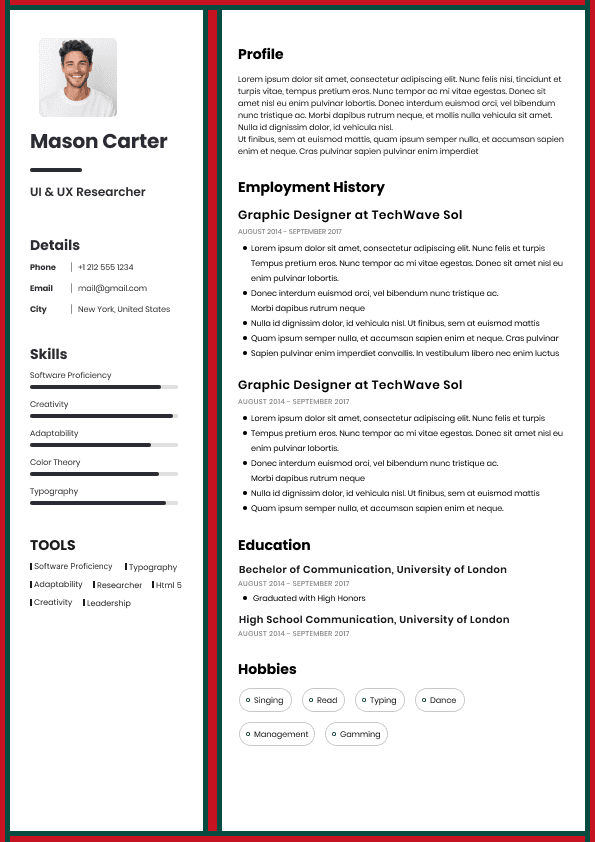
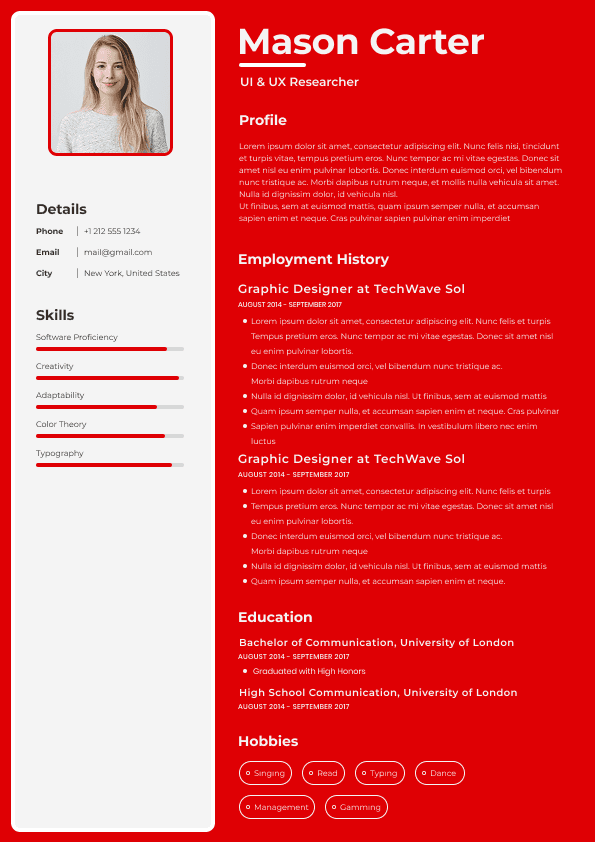
Use ATS-optimised Resume and resume templates that pass applicant tracking systems. Our Resume builder helps recruiters read, scan, and shortlist your Resume faster.

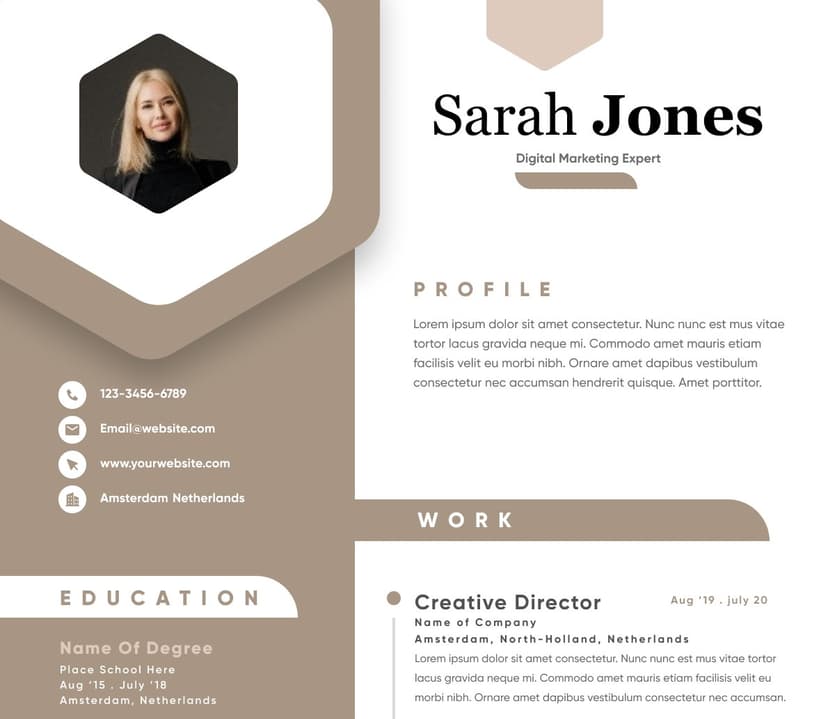
Use professional field-tested resume templates that follow the exact Resume rules employers look for.
Create Resume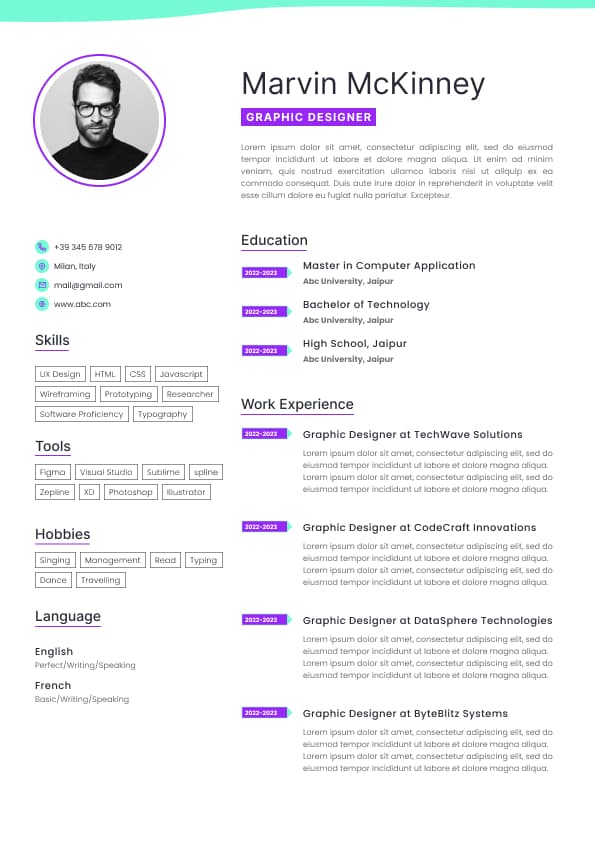
Use professional field-tested resume templates that follow the exact Resume rules employers look for.
Create ResumeCan you build real-world applications?
Would a company trust you on production systems?
The best JavaScript developer portfolios are fast, focused, technically credible, and built around outcomes instead of aesthetics alone.
React and Next.js Developer focused on performance and UX
Specialization improves recruiter confidence because it makes your professional identity easier to understand.
Recruiters see the same projects constantly:
Basic weather apps
Simple to-do lists
Standard calculator apps
Generic Netflix clones
Tutorial ecommerce stores
These projects rarely help candidates stand out unless they include advanced implementation, production architecture, or meaningful complexity.
What works better:
SaaS dashboards
Authentication systems
Multi-user applications
API-heavy applications
Real-time apps
Stripe integrations
Analytics platforms
Booking systems
Admin panels
AI-powered workflows
The project itself matters less than the sophistication of the implementation.
Strong portfolios explain why decisions were made.
Weak portfolios only show screenshots.
Hiring teams want evidence of engineering thinking.
Include explanations like:
Why you chose Next.js instead of standard React
Why you used Zustand over Redux
How caching improved API performance
Why you implemented server-side rendering
How Lighthouse scores improved after optimization
What accessibility standards you followed
This immediately separates professional developers from bootcamp-level portfolios.
Resume download
GitHub link
LinkedIn link
Clear CTA button
Strong headline
Short technical summary
Technical ownership
Collaboration mindset
Scalability awareness
Performance awareness
Avoid generic personality filler.
Vite
Framer Motion
Storybook
For full stack or Node.js developers:
Node.js
Express.js
NestJS
GraphQL
REST APIs
Prisma
PostgreSQL
Firebase
This area is heavily overlooked but increasingly important.
Strong additions include:
Vercel
AWS
Netlify
Docker
Cloudflare
GitHub Actions
CI/CD pipelines
Infrastructure signals production readiness.
Chat apps
Collaboration platforms
Live dashboards
Notification systems
These showcase stronger engineering complexity.
Modern JavaScript jobs frequently involve API orchestration.
Strong projects include:
Third-party integrations
Payment systems
Analytics platforms
CRM integrations
AI APIs
Headless CMS implementations
A surprisingly large number of portfolios avoid authentication entirely.
Adding:
JWT authentication
OAuth
Session management
Role-based permissions
immediately increases technical credibility.
GitHub repository
Screenshots
Business impact or measurable outcomes
Performance
Routing
Metadata management
Image optimization
Server-side rendering
Static generation
Recruiters increasingly expect modern React developers to understand Next.js.
For full stack portfolios:
Node.js
Express.js or NestJS
PostgreSQL
Prisma ORM
Redis
GraphQL
This creates stronger enterprise-level credibility.
Internal linking
Technical authority
One underrated strategy is integrating a technical blog.
Writing about:
React optimization
TypeScript patterns
Performance improvements
API architecture
Accessibility implementation
builds credibility with both recruiters and Google.
Broken builds
No README documentation
Tutorial code
Inconsistent naming
No deployment links
Clear architecture
Strong documentation
Clean folder structure
Meaningful commit history
Deployment instructions
Production readiness
Performance optimization
Hiring teams often prioritize adaptability.
Strong indicators include:
TypeScript adoption
Modern React patterns
Testing implementation
Accessibility improvements
Documentation quality
Junior developers gain massive credibility by explaining technical decisions clearly.
Communication ability is a major hiring factor.
Reduced rendering time by 55%
Improved conversion rates through frontend optimization
Reduced infrastructure costs
Increased deployment reliability
Strong senior portfolios often include:
Open-source contributions
Mentorship content
Technical writing
Design systems
Team collaboration examples
Accessibility issues are fixed
Performance is optimized
Images are compressed
Live demos load quickly
A polished portfolio communicates professionalism before an interview even begins.



 Upload Resume
 Import from Linkedin