STILL APPLYING. STILL HEARING NOTHING?BUILD YOUR RESUME

STILL APPLYING. STILL HEARING NOTHING?BUILD YOUR RESUME
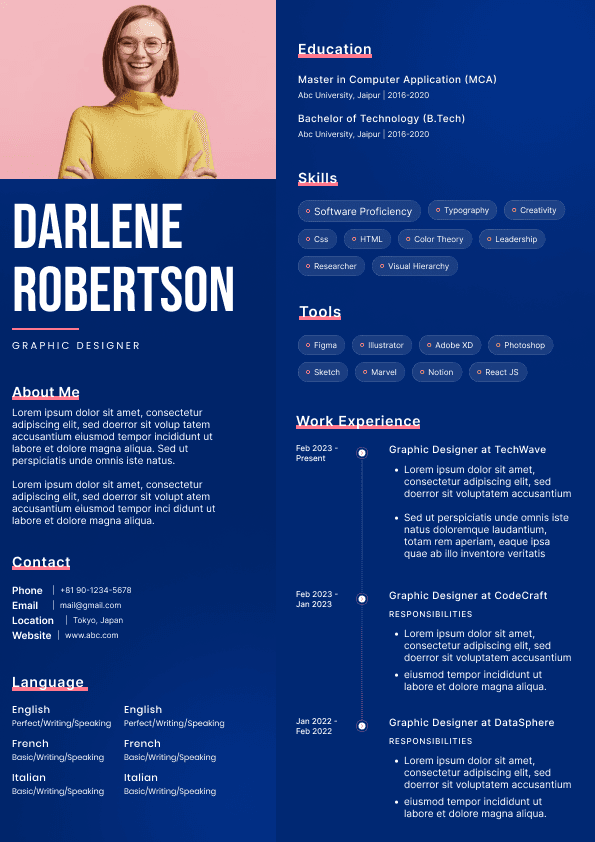
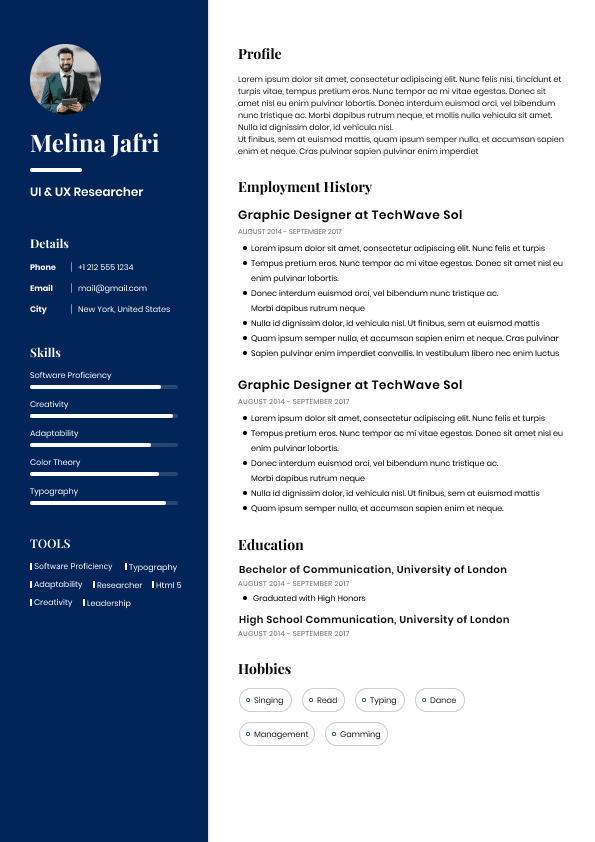
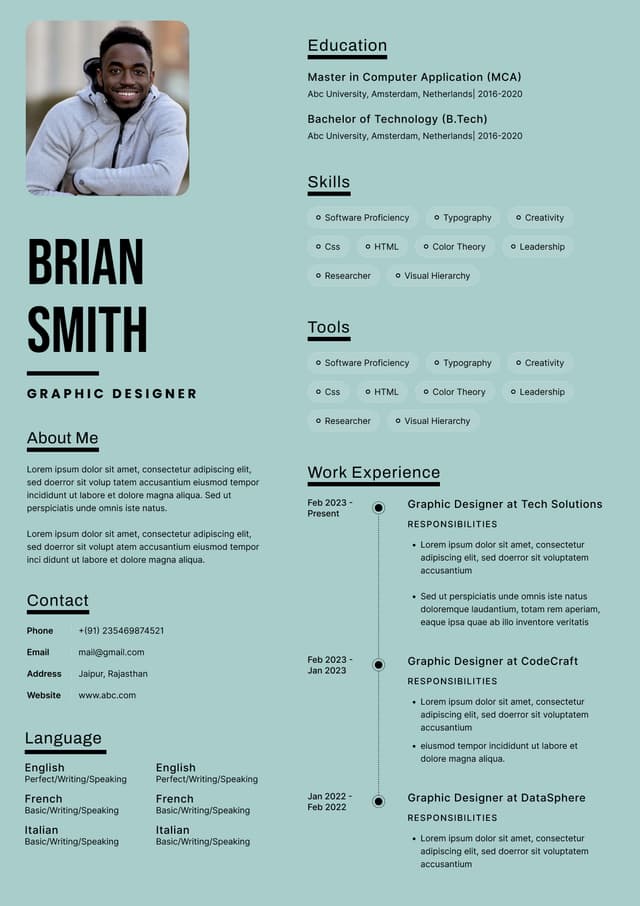
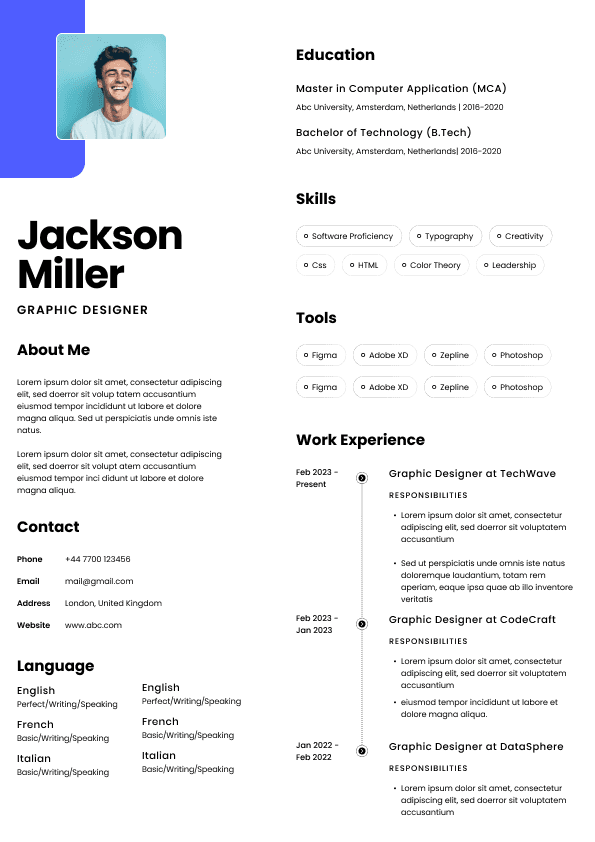
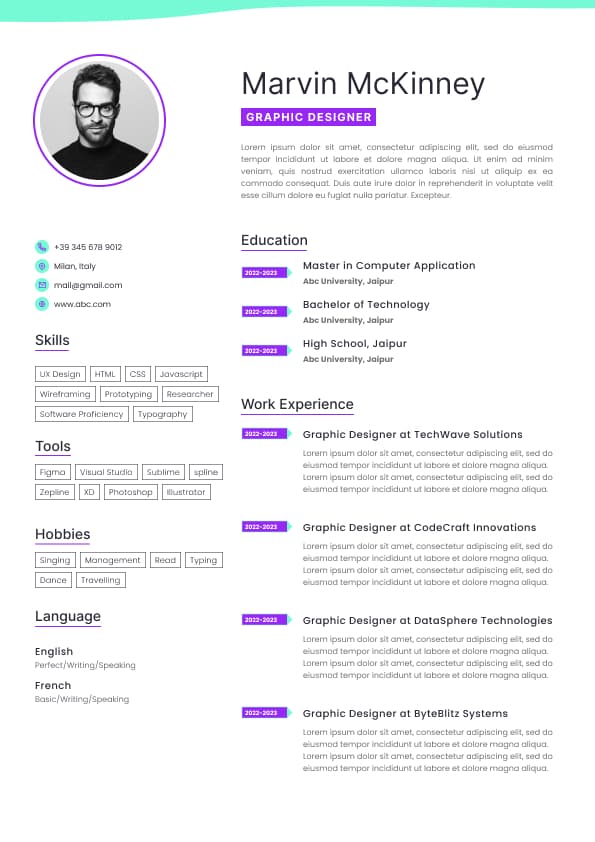
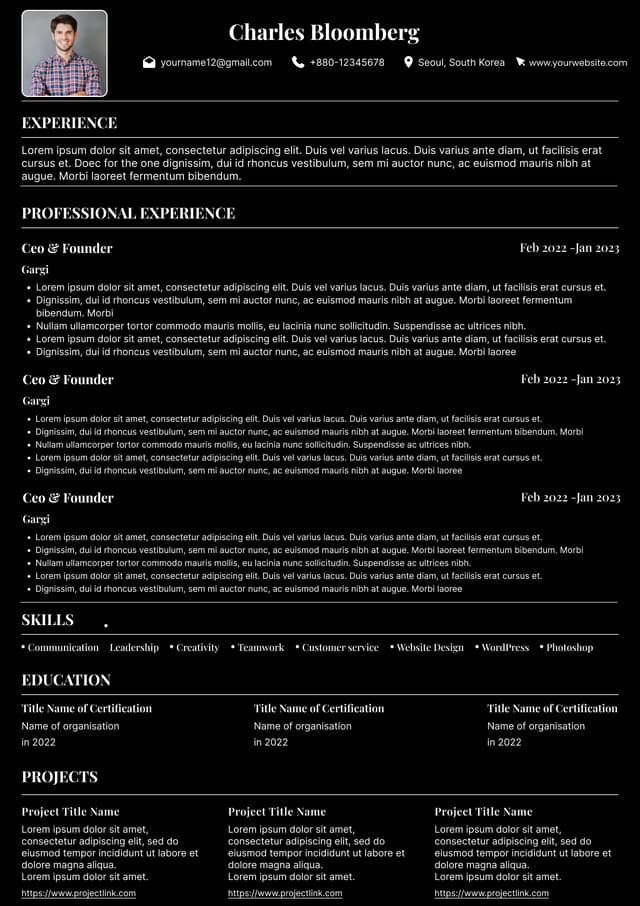
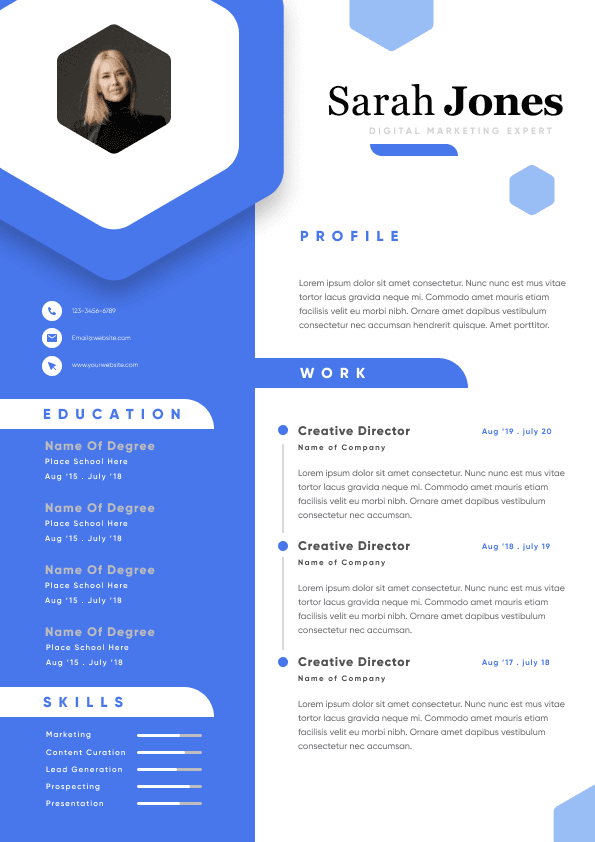
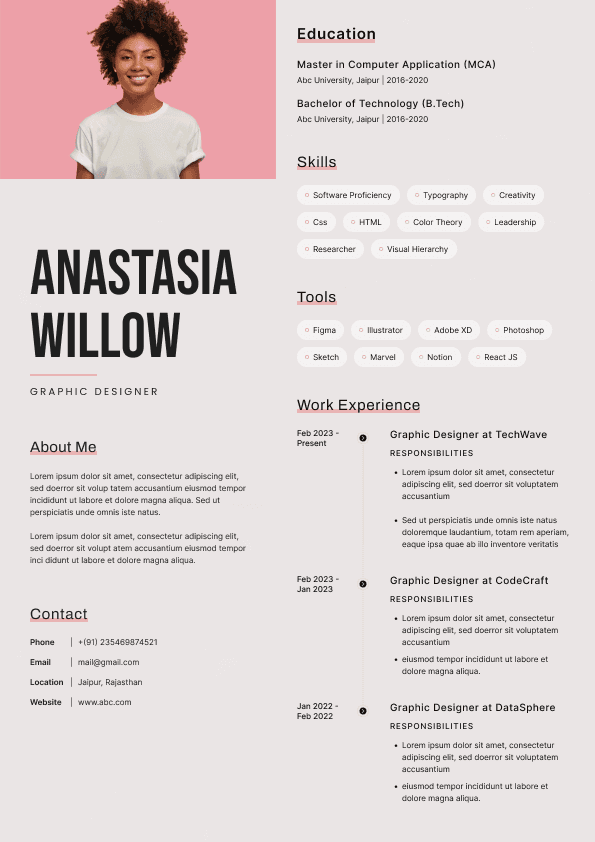
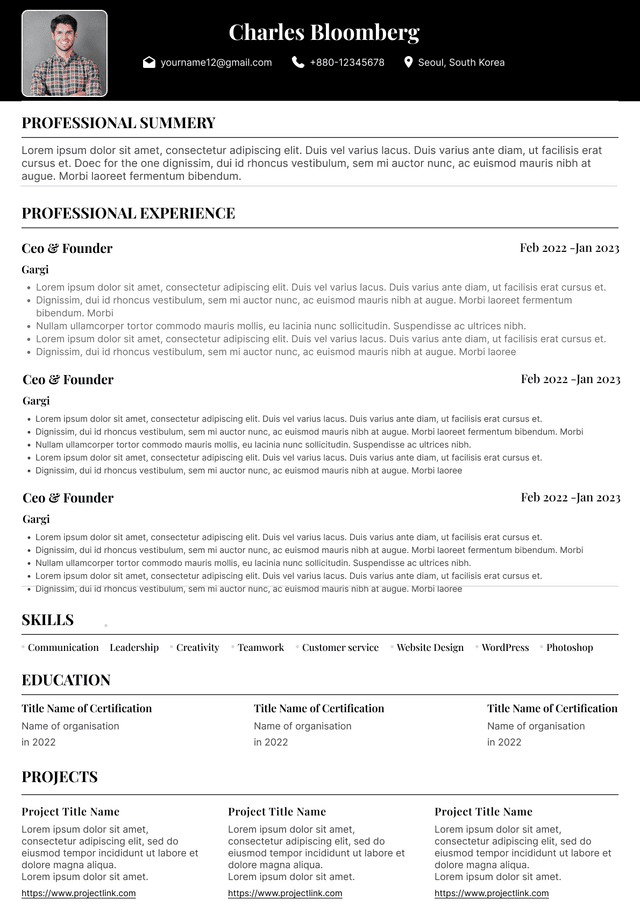
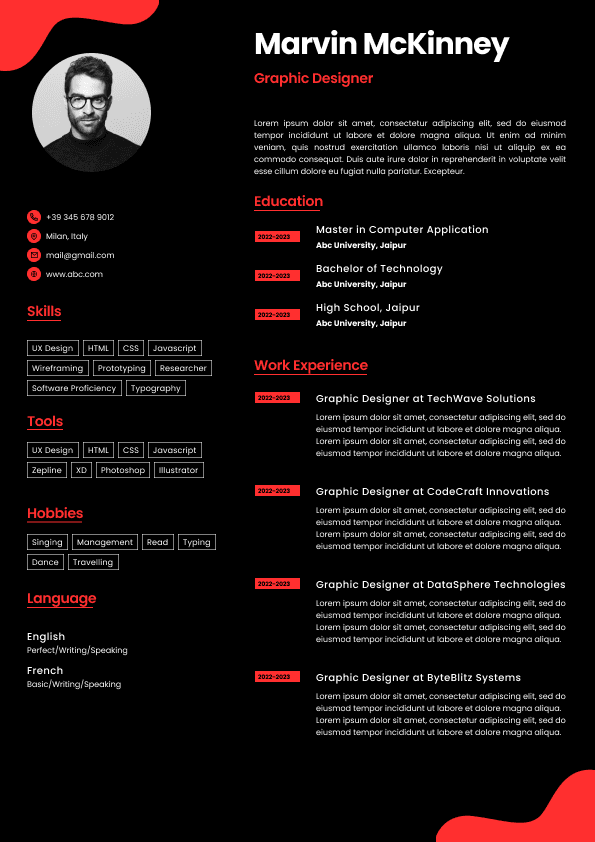
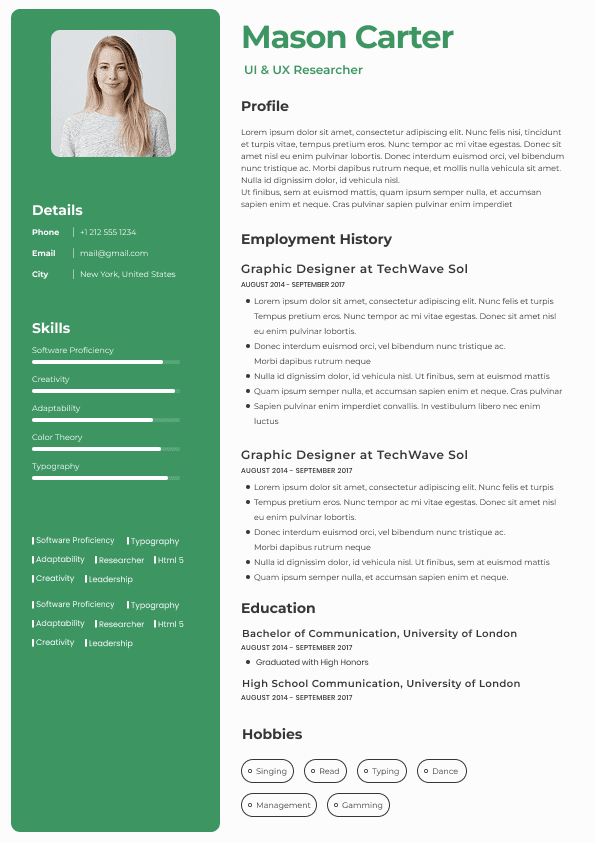
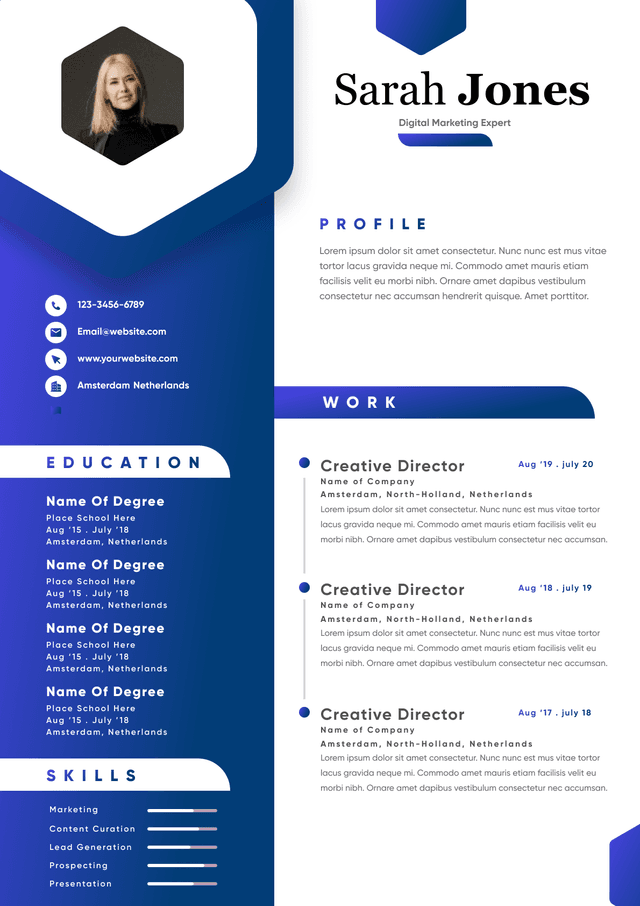
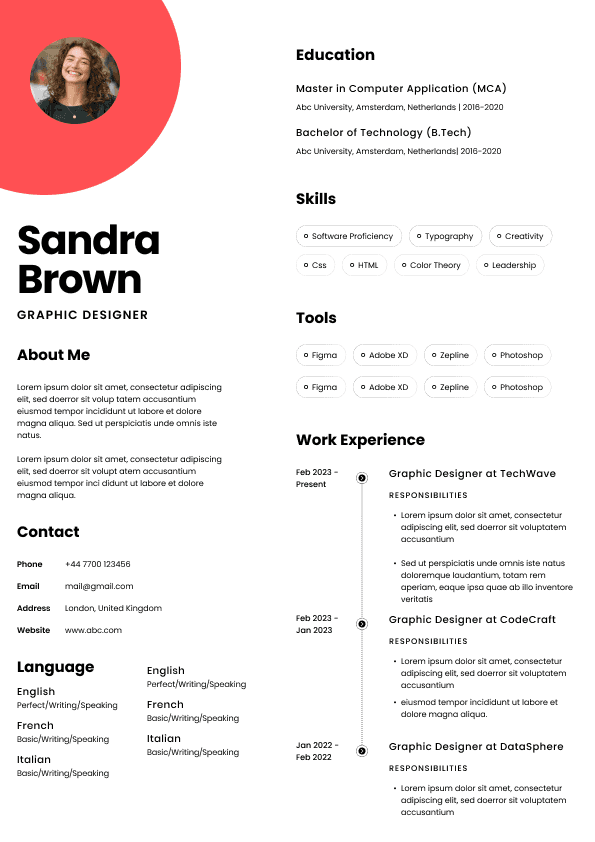
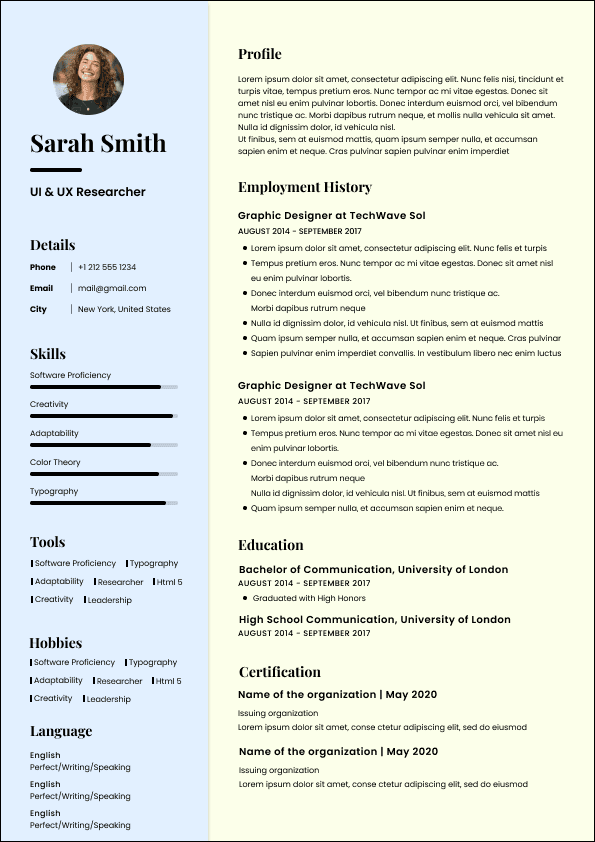
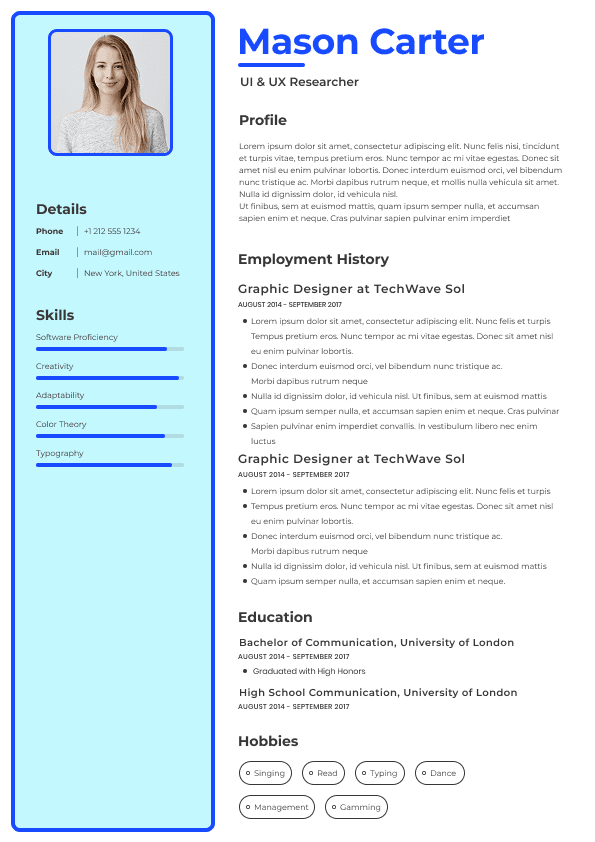
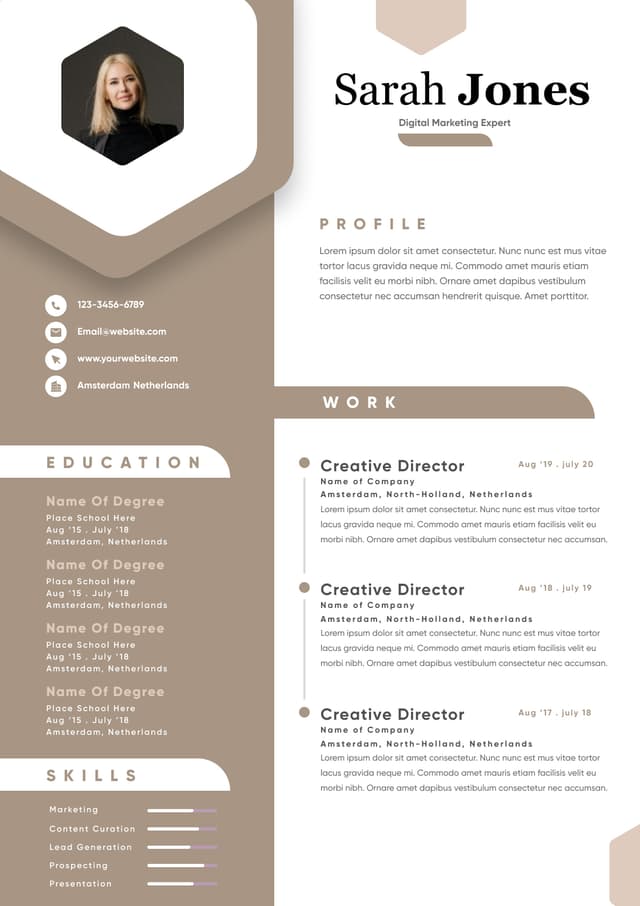
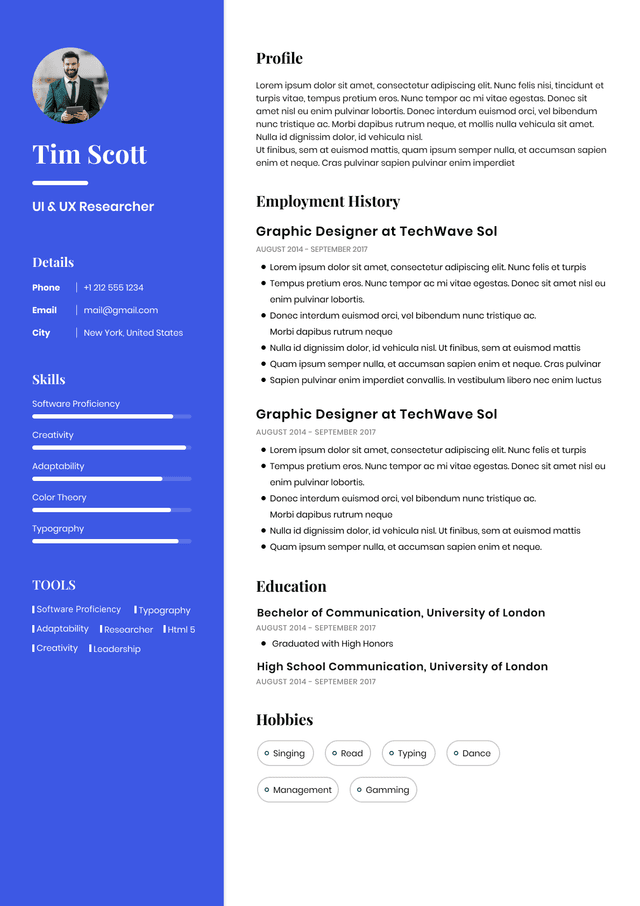
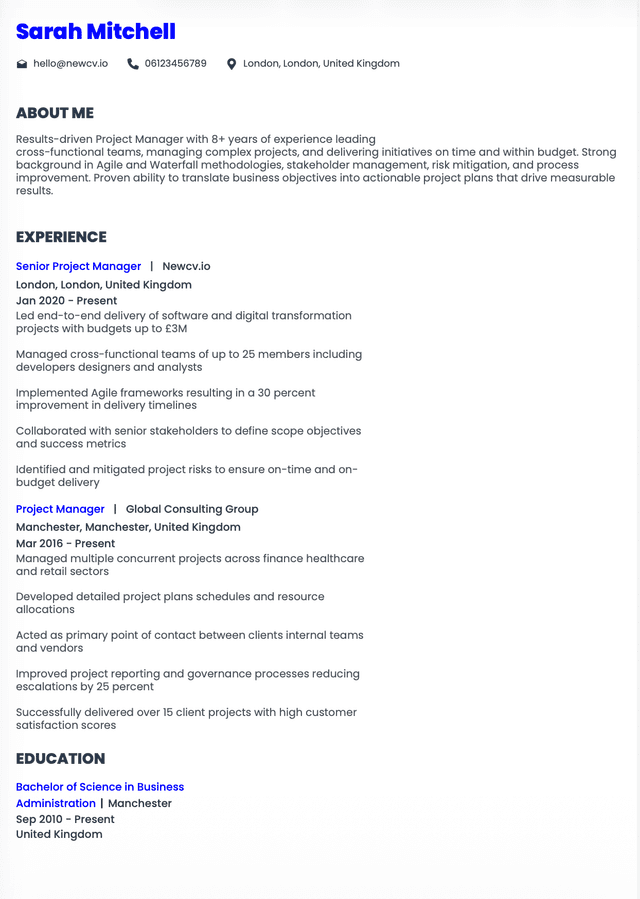
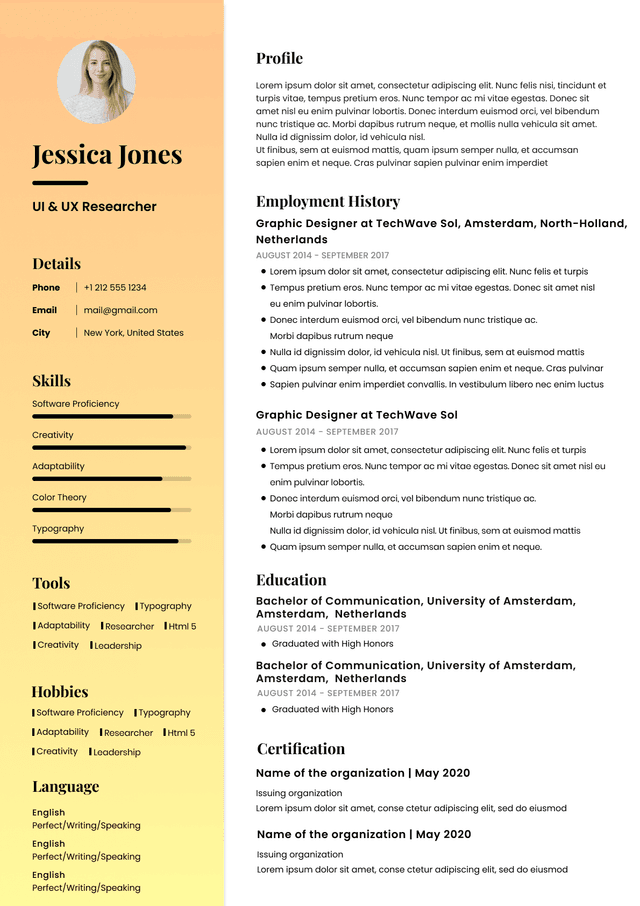
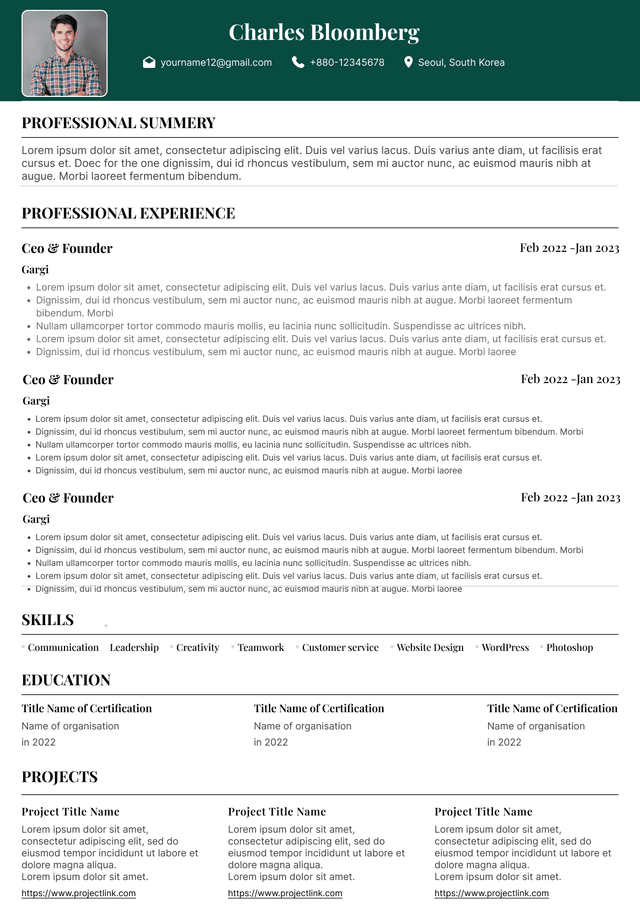
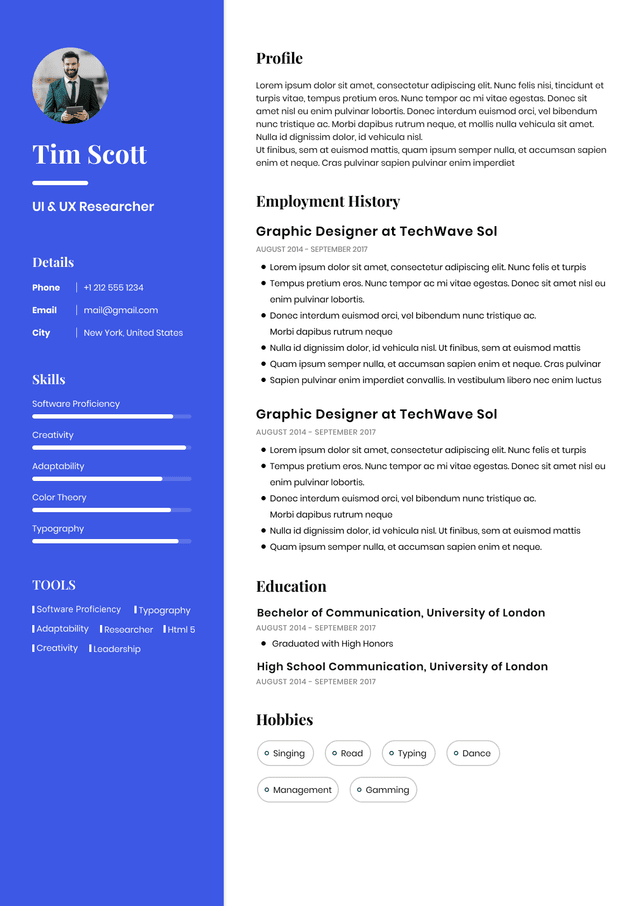
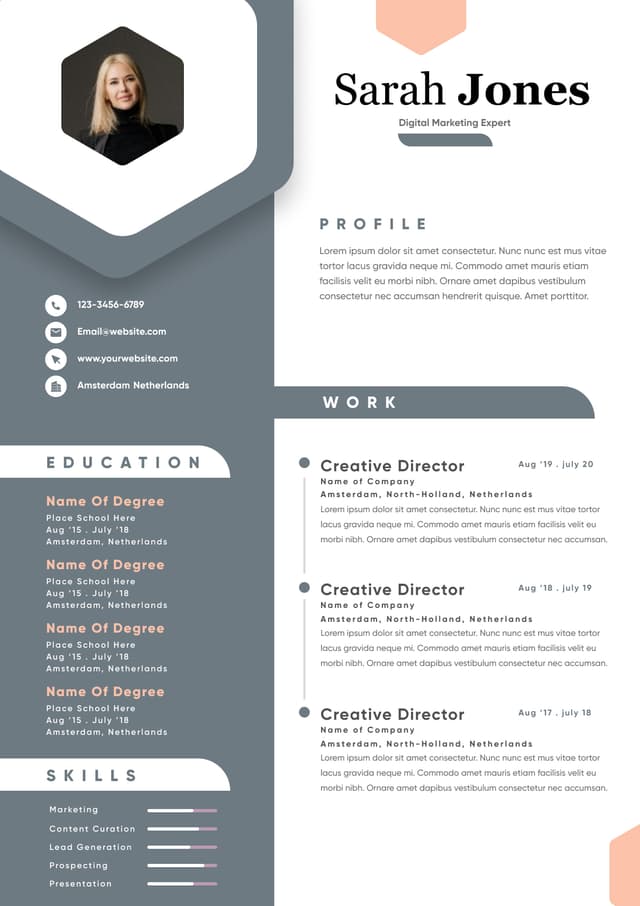
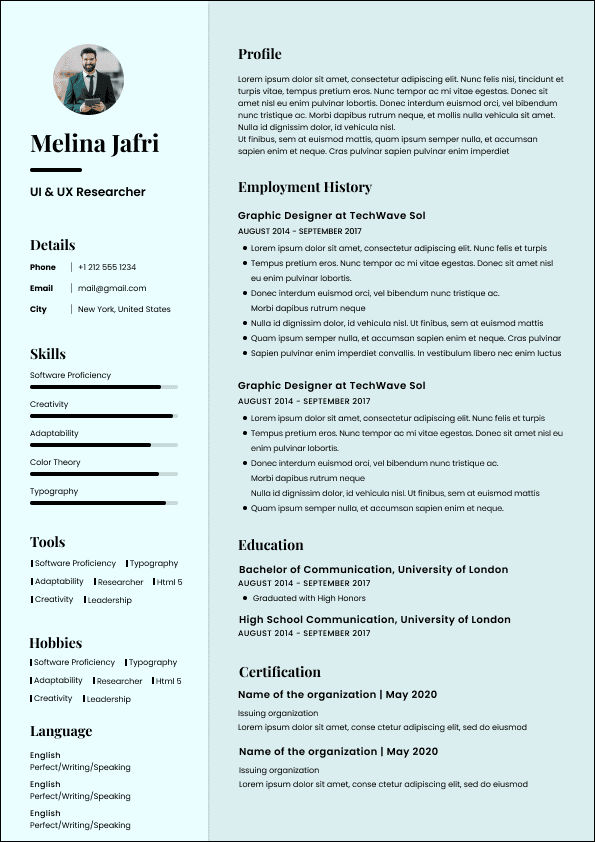
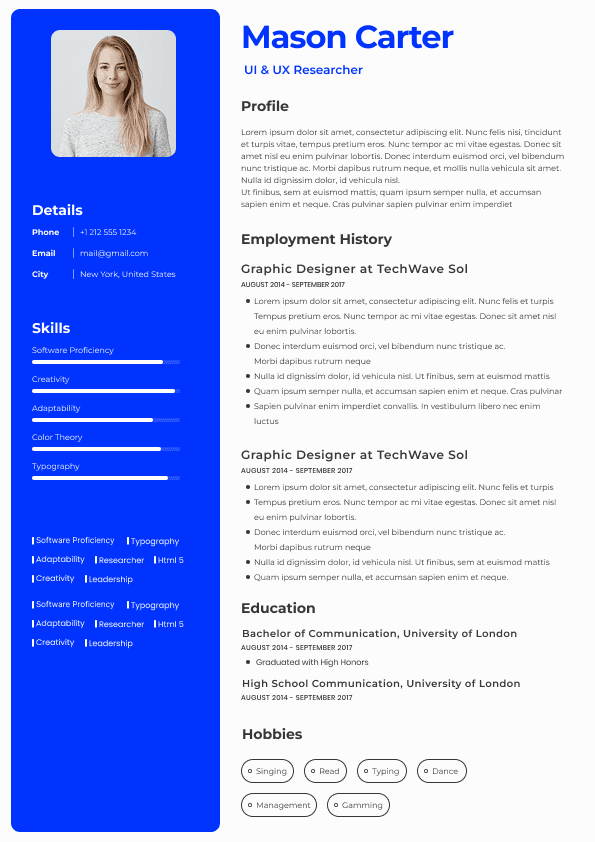
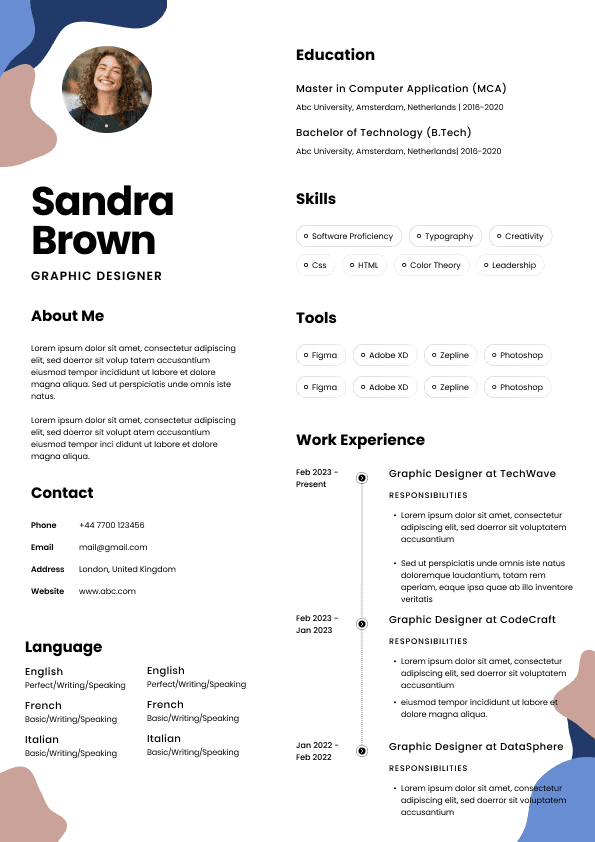
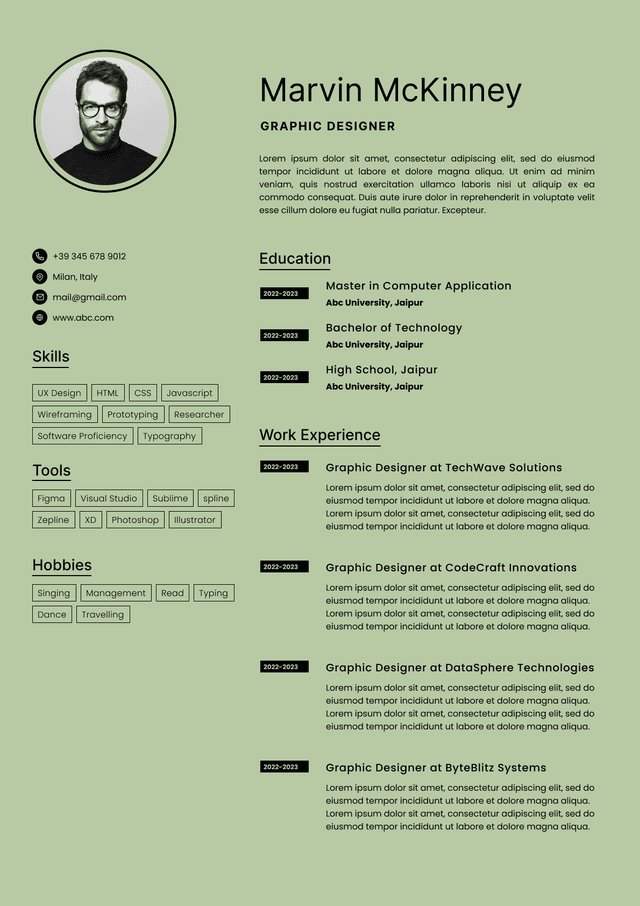
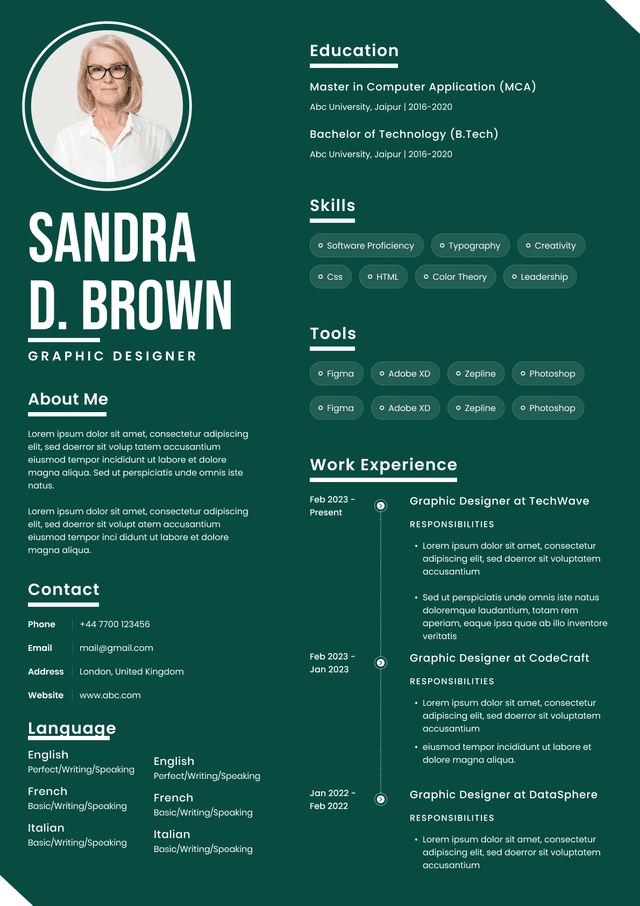
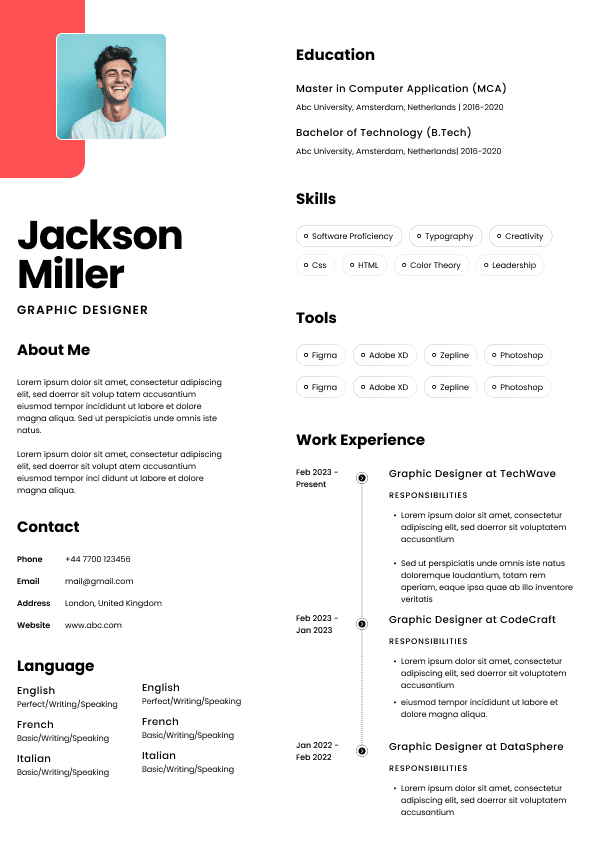
Choose from a wide range of NEWCV resume templates and customize your NEWCV design with a single click.
FAQ
Most JavaScript developer portfolios fail for one reason: the projects look like tutorials instead of proof of engineering ability.
Hiring managers are not impressed by another basic to-do app copied from YouTube. They want evidence that you can solve problems, structure applications properly, work with APIs and databases, handle state management, deploy production-ready applications, and think like a developer on a real team.
The best JavaScript developer projects do three things at the same time:
Demonstrate practical engineering skills
Match the type of role you are targeting
Show that you can build beyond beginner-level tutorials
A strong JavaScript project portfolio can absolutely compensate for limited experience, especially for internships, junior frontend roles, self-taught developers, bootcamp graduates, and career changers.
The difference is not the number of projects. It is the quality, complexity, architecture, and business relevance of the projects you build.
This guide breaks down the best JavaScript developer projects by skill level, career goal, and hiring impact, including what recruiters actually look for during technical screening.
A resume-worthy JavaScript project is not just functional. It demonstrates professional engineering practices.
Recruiters and hiring managers evaluate projects using signals like:
Complexity of the problem solved
Quality of frontend architecture
Backend integration
API handling
Authentication implementation
Database design
Performance optimization
Beginner projects should focus on core JavaScript fundamentals while still looking professional enough for a portfolio.
The goal is not complexity yet. The goal is demonstrating clean logic, DOM manipulation, state handling, APIs, and user experience awareness.
A to-do app is still valuable if built correctly.
Most candidates fail because they stop at add/delete functionality.
To make it resume-worthy:
Add drag-and-drop task organization
Include local storage persistence
Add filters and search
Support dark mode
Add due dates and reminders
Intermediate projects are where candidates start separating themselves from entry-level competition.
This is where recruiters begin looking for architecture decisions, scalability awareness, and production thinking.
A SaaS dashboard is one of the best JavaScript portfolio projects for frontend and full stack jobs.
It demonstrates:
Authentication
Protected routes
API integration
Data visualization
Role-based access control
State management
Dashboard UX
Strong technology stack:
Advanced projects are not about adding random features.
They are about demonstrating scalability, architecture maturity, performance optimization, and engineering depth.
These projects matter most for:
Mid-level developers
Senior frontend engineers
Full stack JavaScript developers
FAANG candidates
AI-focused frontend roles
This is one of the highest-value modern JavaScript projects.
It demonstrates:
LLM integration
Streaming responses
Authentication
Vector search
Conversation persistence
Prompt handling
Rate limiting
Recommended stack:
This is a major credibility project for senior candidates.
It demonstrates:
Tenant isolation
RBAC systems
Subscription management
API architecture
Database scalability
Enterprise workflows
Key differentiator:
Most portfolios show features. Very few demonstrate system design thinking.
That is what hiring managers notice.
This project strongly signals frontend engineering maturity.
Core concepts:
WebSocket streaming
Performance optimization
Data visualization
High-frequency updates
State synchronization
Memory management
Strong additions:
Order book visualization
This is an advanced frontend engineering project that immediately stands out.
It demonstrates:
Scalable frontend architecture
Independent deployment strategies
Shared component systems
Module federation
Enterprise frontend thinking
Very few junior developers build projects like this, which creates differentiation instantly.
A headless CMS demonstrates backend and frontend integration maturity.
Key features:
Rich text editing
Media uploads
Role permissions
API-driven content delivery
Content versioning
Recommended technologies:
Next.js
GraphQL
The best project depends on the job you want.
This is where many candidates fail strategically.
They build random projects instead of targeted portfolio signals.
Frontend recruiters prioritize:
UI architecture
Accessibility
State management
Responsive design
Performance optimization
Best projects:
Design system platform
Accessibility-first dashboard
Animation-heavy React application
Full stack hiring focuses on:
API architecture
Database integration
Authentication
End-to-end workflows
Best projects:
SaaS platform
E-commerce application
Booking platform
Multi-user collaboration app
Internship recruiters mainly evaluate:
Problem-solving ability
Learning potential
Code quality
Initiative
Best internship projects:
Expense tracker
CRUD app with authentication
Weather dashboard
Blog CMS
FAANG-level interviewers look for:
Performance awareness
Scalability
Algorithmic thinking
Architecture quality
Strong projects include:
Real-time systems
High-performance dashboards
Event-driven architectures
Distributed frontend systems
The project idea matters less than execution quality.
The following features consistently improve hiring outcomes.
Authentication immediately makes projects feel more real-world.
Strong implementations include:
JWT authentication
OAuth login
Session handling
Password hashing
Protected routes
Weak implementations expose security issues quickly during interviews.
Modern JavaScript development revolves around APIs.
Recruiters expect:
Async handling
Error management
Retry logic
Loading states
API optimization
Candidates who ignore loading and error states look inexperienced.
Strong projects use real databases instead of static JSON.
Good options:
PostgreSQL
MongoDB
Supabase
Firebase Firestore
The best candidates also discuss schema design decisions.
TypeScript has become a major hiring signal.
Many frontend teams now expect TypeScript experience even for junior developers.
Projects with TypeScript signal:
Scalability awareness
Maintainability focus
Professional engineering habits
Undeployed projects lose credibility instantly.
Your projects should be live.
Strong deployment platforms:
Vercel
Netlify
AWS
Railway
Render
Recruiters often click portfolio links directly during screening.
Broken deployments hurt trust immediately.
Most portfolios skip testing entirely.
That creates a major opportunity.
Adding:
Unit testing
Integration testing
End-to-end testing
Immediately separates your projects from most applicants.
A strong GitHub profile matters almost as much as the projects themselves.
Hiring managers often review:
Commit history
Repository structure
Documentation quality
Code consistency
Your repositories should include:
Clear README
Installation instructions
Tech stack explanation
Five shallow projects are weaker than two strong projects.
Recruiters prefer depth over quantity.
Hiring managers recognize tutorial projects immediately.
You must extend projects beyond the tutorial baseline.
Even backend-heavy projects need professional interfaces.
Poor UI reduces perceived engineering quality.
Strong portfolios solve actual user problems.
Weak portfolios only demonstrate syntax knowledge.
If recruiters cannot understand your project quickly, they move on.
Junior developers sometimes add unnecessary complexity to appear advanced.
This usually backfires during technical interviews.
Good engineering is appropriate engineering.
The strongest modern JavaScript stack for portfolio projects usually includes:
React
Next.js
TypeScript
Tailwind CSS
Redux Toolkit or Zustand
Node.js
Express.js or NestJS
Recruiters are not deeply analyzing every line of code.
They are looking for hiring signals.
Typical screening questions include:
Does this look production-ready?
Is the candidate building real applications or tutorials?
Can they explain architecture decisions?
Is the project relevant to the role?
Does the candidate understand modern tooling?
Does the UI feel polished?
Is the GitHub profile professional?
For most candidates:
2 to 4 strong projects is ideal
1 advanced flagship project is highly valuable
Quality matters far more than quantity
A strong portfolio usually includes:
One polished frontend application
One full stack application
One project aligned with target role specialization
Too many unfinished or low-quality projects dilute your portfolio strength.
Strong candidates explain:
Why they built the project
Technical tradeoffs
Problems encountered
Performance optimizations
Architecture decisions
Future scalability considerations
Weak candidates only describe features.
That difference is enormous during hiring evaluation.


Use ATS-optimised Resume and resume templates that pass applicant tracking systems. Our Resume builder helps recruiters read, scan, and shortlist your Resume faster.

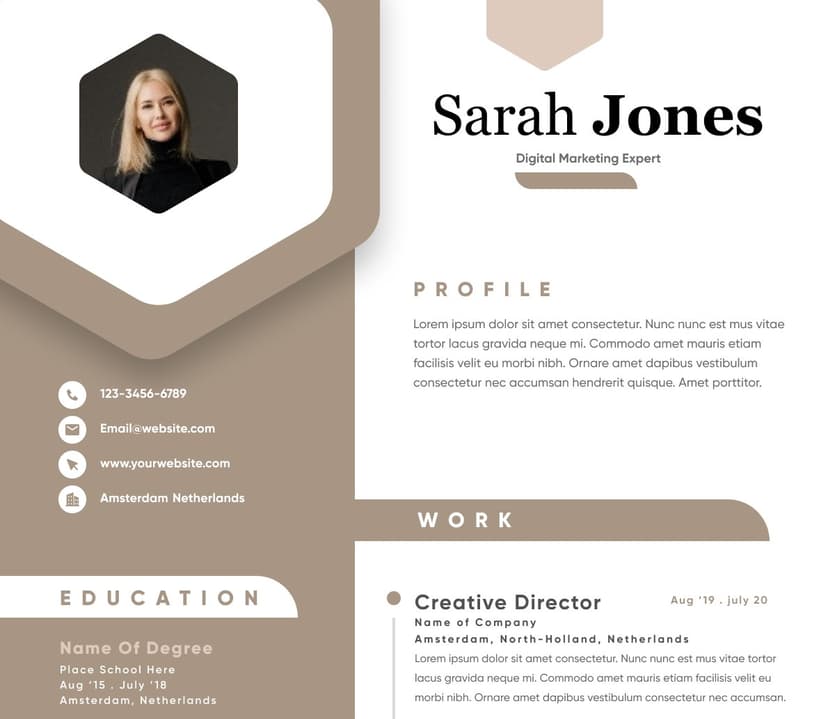
Use professional field-tested resume templates that follow the exact Resume rules employers look for.
Create Resume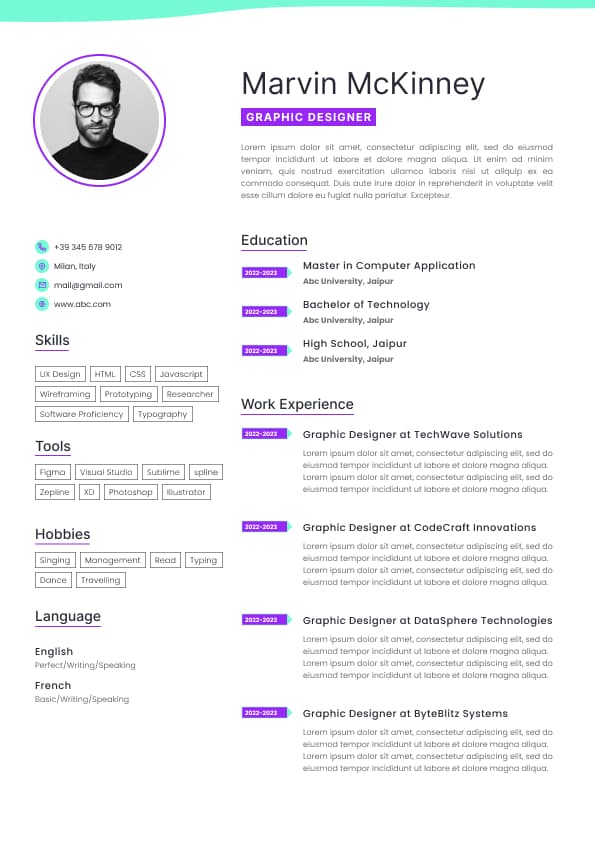
Use professional field-tested resume templates that follow the exact Resume rules employers look for.
Create ResumeError handling
Deployment quality
UI/UX polish
Code organization
Real-world usefulness
A weak portfolio project usually looks like this:
Minimal functionality
No backend integration
No authentication
No deployment
Poor UI responsiveness
Tutorial-level implementation
No unique problem solving
A strong portfolio project looks like this:
Real business use case
Production-style architecture
Secure authentication
Database integration
Responsive design
Proper loading and error states
API optimization
Role-based permissions
CI/CD deployment
Documentation and README
The strongest candidates also explain engineering decisions during interviews.
That is what separates “I followed a tutorial” from “I can contribute to a production team.”
Include authentication
Sync data with a backend
Technologies:
JavaScript
React
Local Storage or Firebase
Tailwind CSS
This project proves API integration skills.
What recruiters want to see:
External API handling
Async JavaScript knowledge
Error handling
Dynamic UI updates
Responsive design
Upgrade ideas:
Geolocation support
Forecast visualization
Search history
Unit conversion
Weather alerts
Performance optimization
This project demonstrates practical frontend logic and state management.
Strong additions include:
Data visualization charts
Budget analytics
Monthly reporting
Transaction filtering
Authentication
Cloud sync
This becomes especially valuable for internship candidates because it demonstrates product thinking.
A strong quiz app can showcase:
Dynamic rendering
State management
API consumption
Timers and scoring logic
Accessibility support
Most weak implementations lack structure. Strong candidates modularize components and optimize state updates.
This project stands out because it feels more developer-focused.
It demonstrates:
Text parsing
Live rendering
Security sanitization
Performance optimization
Hiring managers often see this as more advanced than standard CRUD apps.
React or Next.js
TypeScript
Node.js
PostgreSQL
Prisma
Tailwind CSS
Redis caching
This type of project signals commercial software experience.
E-commerce projects are valuable because they naturally involve complex workflows.
Key features recruiters expect:
Product filtering
Shopping cart logic
Checkout flow
Payment integration
Authentication
Inventory management
Admin dashboard
Advanced candidates add:
Stripe integration
Server-side rendering
Caching strategies
Search optimization
Analytics dashboards
This project aligns especially well with startup hiring environments.
This project demonstrates deeper engineering capability.
Skills validated:
WebSockets
Real-time updates
Event handling
Backend communication
Authentication
Database synchronization
Recommended stack:
Node.js
Socket.io
React
Redis
PostgreSQL
Recruiters often view real-time applications as stronger technical signals than standard CRUD apps.
This is one of the best JavaScript capstone projects because it combines frontend, backend, database, and business logic.
Core features:
Employer accounts
Applicant tracking
Resume uploads
Search and filters
Saved jobs
Notifications
Role permissions
This type of project demonstrates product thinking and workflow design.
A strong Trello-style application demonstrates:
Drag-and-drop functionality
Complex state management
Optimistic UI updates
Multi-user collaboration
Real-time synchronization
This project is excellent for React developers because it highlights frontend architecture ability.
Next.js
TypeScript
OpenAI API
Pinecone or Supabase Vector
PostgreSQL
Vercel AI SDK
Most candidates build shallow AI wrappers.
Strong candidates demonstrate architecture understanding, token optimization, streaming UX, and scalable API handling.
Live charts
Portfolio tracking
Alert systems
This project is especially valuable for fintech hiring.
PostgreSQL
Prisma
Cloudinary
Analytics dashboard
Component library
Next.js performance-focused application
Key recruiter insight:
Frontend hiring managers care more about polish and maintainability than raw feature quantity.
Subscription management system
Strong candidates explain backend tradeoffs during interviews.
Habit tracker
Real-time chat app
Internship hiring managers do not expect senior-level architecture.
They do expect professionalism and effort.
Advanced React optimization projects
Weak candidates focus only on UI aesthetics.
Strong candidates discuss rendering optimization, caching, memory usage, and scaling decisions.
Architecture overview
Screenshots or demos
Environment setup guide
Weak GitHub repositories create doubt about professionalism.
GraphQL or REST APIs
PostgreSQL
Prisma ORM
Redis caching
Vercel
Docker
GitHub Actions CI/CD
This stack aligns closely with current US hiring demand.
Can this candidate likely contribute on a real team?
Hiring managers go deeper.
They evaluate:
State management decisions
Component structure
Scalability awareness
API architecture
Performance optimization
Security handling
That is why project presentation matters almost as much as implementation.




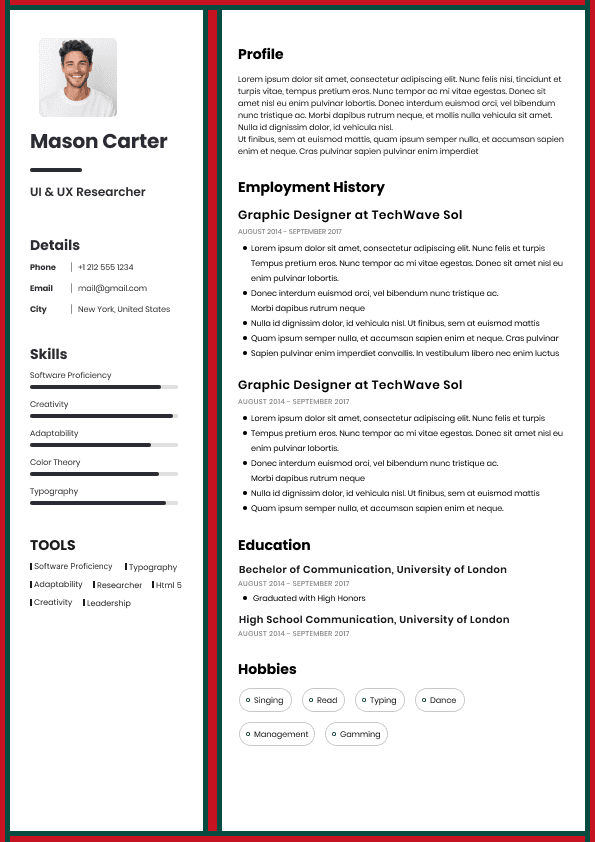
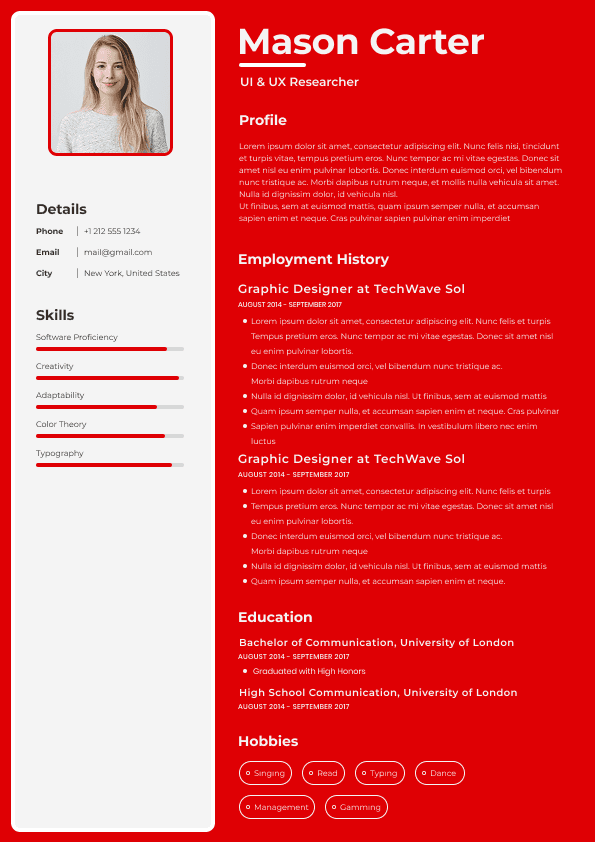
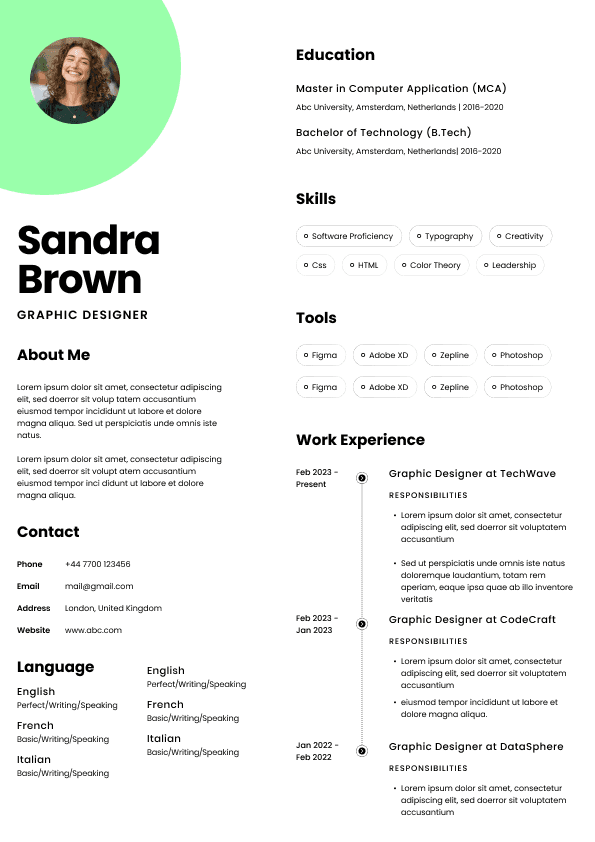
 Upload Resume
 Import from Linkedin