STILL APPLYING. STILL HEARING NOTHING?BUILD YOUR RESUME

STILL APPLYING. STILL HEARING NOTHING?BUILD YOUR RESUME
FAQ
Most JavaScript developer resumes fail for one reason: the bullet points describe tasks instead of proving engineering value.
Hiring managers do not care that you “worked with JavaScript” or “participated in Agile meetings.” They want evidence that you can ship reliable software, improve product performance, solve technical problems, and contribute to engineering outcomes.
Strong JavaScript resume bullet points communicate four things quickly:
What you built
Which technologies you used
How complex the work was
What measurable result or business impact you created
Weak resumes read like generic HR job descriptions. Strong resumes sound like an engineer explaining meaningful contributions to a real product.
A recruiter scanning your resume for 15 to 30 seconds is looking for signals such as:
Modern JavaScript ecosystem experience
The strongest bullet points typically follow this structure:
Action Verb + Technical Work + Tools/Technologies + Business Impact
Here is the difference between weak and strong execution.
This says almost nothing.
The second version demonstrates:
Technical stack
Product ownership
Scale
Most developers overuse weak verbs like “helped,” “worked on,” or “responsible for.”
Stronger verbs create clearer ownership and improve perceived seniority.
Use action verbs that match engineering execution and delivery.
Developed
Engineered
Built
Architected
Implemented
Refactored
The best resumes show range across engineering responsibilities without sounding repetitive.
Instead of writing ten bullets that all say “developed features,” diversify your experience across architecture, testing, debugging, APIs, optimization, deployment, and collaboration.
Built reusable React and TypeScript component libraries that reduced frontend development time across product teams by 40%
Developed responsive single-page applications using React, Redux, and Next.js, improving mobile engagement metrics by 28%
Refactored legacy jQuery-based interfaces into modular Vue.js architecture, improving maintainability and reducing UI bugs by 35%
Implemented lazy loading, code splitting, and bundle optimization strategies that reduced page load times from 5.1 seconds to 1.9 seconds
Engineered dynamic dashboard interfaces using Angular and RxJS to support real-time analytics for enterprise customers
Developed scalable Node.js and Express APIs supporting more than 3 million monthly transactions across SaaS platform infrastructure
Integrated RESTful APIs, GraphQL services, and third-party payment gateways including Stripe and PayPal
Built authentication and authorization systems using JWT, OAuth 2.0, and role-based access controls
Engineered backend services with MongoDB and PostgreSQL integrations to support high-volume user activity and reporting workflows
Implemented server-side validation, error handling, and logging frameworks that reduced production incidents by 22%
Designed optimized database queries and indexing strategies that reduced API response times by 48%
Performance optimization is one of the most valuable resume differentiators because it demonstrates engineering maturity.
Most junior resumes ignore measurable performance impact entirely.
Optimized Core Web Vitals scores by reducing JavaScript bundle size by 42% and improving Largest Contentful Paint performance
Reduced frontend rendering latency through memoization, virtualized rendering, and component-level optimization techniques
Debugged memory leaks and browser performance bottlenecks using Chrome DevTools and performance profiling workflows
Improved API efficiency by implementing request batching, caching, and pagination strategies
Refactored inefficient frontend state management logic, reducing unnecessary re-renders by 60%
Recruiters often associate performance optimization work with stronger mid-level and senior engineering capability.
Many JavaScript developers underestimate how important testing experience is during resume screening.
Engineering managers increasingly prioritize reliability and deployment confidence.
Developed unit and integration tests using Jest, React Testing Library, and Cypress to improve application stability and deployment confidence
Increased automated test coverage from 45% to 87% across frontend and backend JavaScript services
Built end-to-end testing workflows integrated into CI/CD pipelines for automated regression validation
Collaborated with QA teams to identify and resolve frontend defects before production release cycles
Automated frontend validation processes that reduced manual QA testing time by 30%
Testing experience becomes especially important for:
Hiring managers want developers who can operate inside real product teams, not isolated coders.
Strong collaboration bullets communicate operational maturity.
Collaborated with product managers, UX designers, and backend engineers during Agile sprint planning and feature delivery cycles
Participated in code reviews, technical discussions, and architecture planning sessions across distributed engineering teams
Worked closely with DevOps engineers to improve deployment workflows and release automation processes
Delivered high-priority product features within aggressive sprint timelines while maintaining code quality standards
Mentored junior developers on React architecture, debugging workflows, and frontend engineering best practices
These bullets help communicate seniority beyond raw coding ability.
Modern JavaScript hiring increasingly overlaps with DevOps awareness.
Even frontend-focused roles now value deployment and automation experience.
Built CI/CD pipelines using GitHub Actions and Jenkins for automated testing, builds, and production deployments
Automated frontend deployment workflows across staging and production environments using Docker and Kubernetes infrastructure
Implemented linting, formatting, and code quality validation pipelines that improved engineering consistency
Managed environment configurations, feature flags, and release rollout processes across multi-environment applications
Reduced deployment failures through automated regression testing and rollback procedures
These bullets are especially valuable for senior frontend and full-stack roles.
Industry context matters more than many candidates realize.
A fintech engineering team evaluates resumes differently than a marketing agency or ecommerce startup.
Tailor your bullet points to reflect business context.
Developed multi-tenant SaaS platform features supporting enterprise client onboarding and account management workflows
Built subscription billing integrations and customer analytics dashboards for recurring revenue platforms
Improved product scalability for rapidly growing SaaS applications serving thousands of concurrent users
Engineered ecommerce checkout flows that improved conversion rates and reduced cart abandonment
Integrated payment processing systems, inventory APIs, and order management services into JavaScript storefront applications
Optimized mobile shopping experiences and frontend performance for high-volume retail traffic
Built secure financial transaction interfaces with real-time validation and fraud prevention workflows
Integrated banking APIs and payment gateways while maintaining PCI compliance standards
Developed high-availability financial reporting dashboards with secure authentication systems
Developed HIPAA-compliant patient-facing web applications with secure data handling practices
Built appointment scheduling and healthcare reporting systems using modern JavaScript frameworks
Collaborated with compliance and security teams to maintain healthcare data protection standards
Most rejected resumes repeat the same avoidable problems.
This is the most common failure.
It sounds interchangeable with thousands of other resumes.
The second version demonstrates ownership and measurable contribution.
Recruiters do not hire based on keyword stuffing alone.
This belongs in a skills section, not experience.
Always connect technologies to outcomes.
Five high-quality bullets outperform fifteen weak bullets.
Prioritize:
Complexity
Ownership
Scale
Business impact
Technical depth
Senior developers often accidentally sound junior because their bullets focus only on coding tasks.
Senior-level bullets should include:
Architecture decisions
System scalability
Technical leadership
Mentoring
Performance optimization
Cross-functional collaboration
Deployment ownership
Hiring managers read resumes differently than recruiters.
Recruiters primarily screen for qualification alignment.
Engineering managers evaluate technical credibility.
They typically look for signals such as:
Can this developer ship production code?
Have they worked at meaningful scale?
Do they understand modern engineering workflows?
Can they debug and solve real problems?
Do they understand frontend performance?
Can they collaborate effectively?
Applicant Tracking Systems still matter, especially at larger companies.
However, keyword stuffing hurts readability and weakens credibility.
The goal is semantic alignment, not repetition.
Include relevant terms naturally such as:
JavaScript
TypeScript
React
Vue.js
Angular
Node.js
Express
Here is what a strong real-world experience section can look like.
Senior JavaScript Developer
Acme SaaS Solutions | Austin, TX
2022–Present
Developed scalable React and TypeScript frontend applications supporting more than 250,000 monthly active users
Refactored legacy frontend architecture into reusable component-based systems, reducing development time for new features by 35%
Integrated REST APIs, authentication workflows, and third-party analytics platforms into enterprise customer dashboards
Optimized application performance through lazy loading, bundle splitting, and frontend caching strategies, improving page speed scores by 41%
Built automated CI/CD deployment workflows using GitHub Actions, Docker, and AWS infrastructure
The ideal number depends on experience level.
3 to 5 bullets per role
Focus on technical execution and project work
Include internships and freelance work if relevant
4 to 6 bullets per role
Emphasize measurable business impact
Demonstrate ownership and collaboration
Top resumes consistently do three things better.
Strong resumes include metrics like:
Performance improvements
Revenue impact
User growth
Deployment efficiency
Bug reduction
Conversion improvement
Scalability outcomes
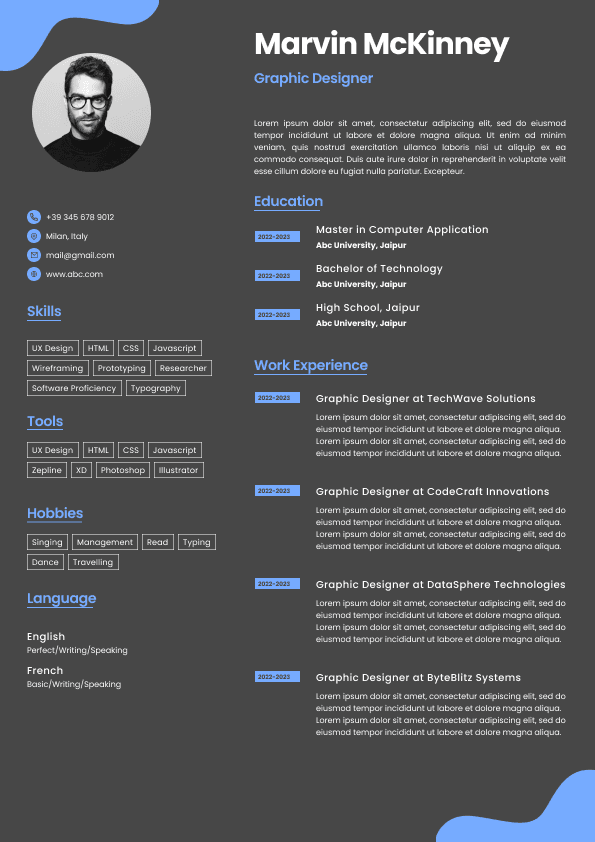
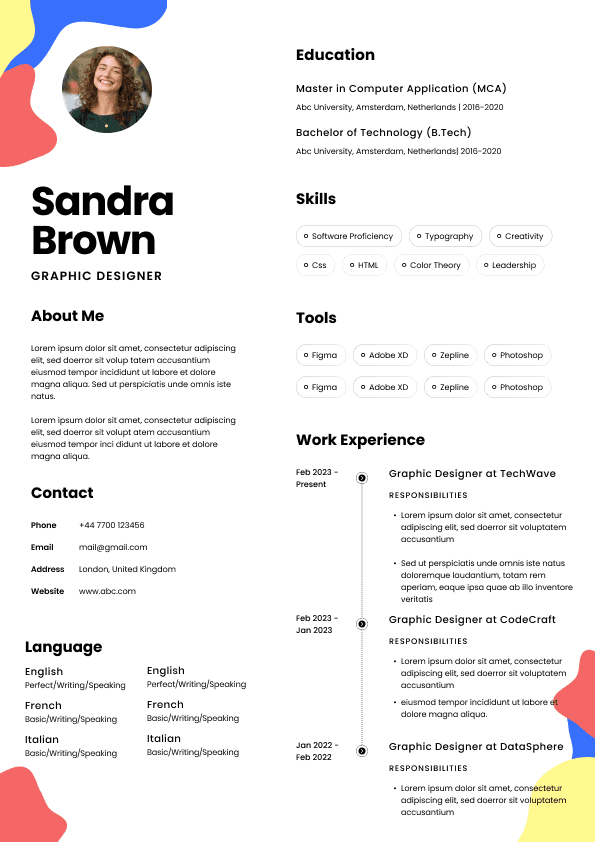
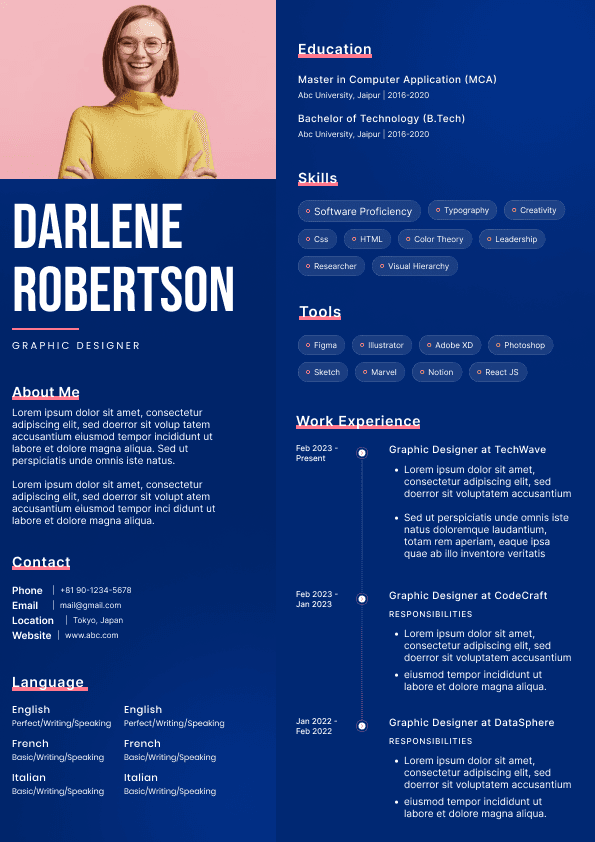
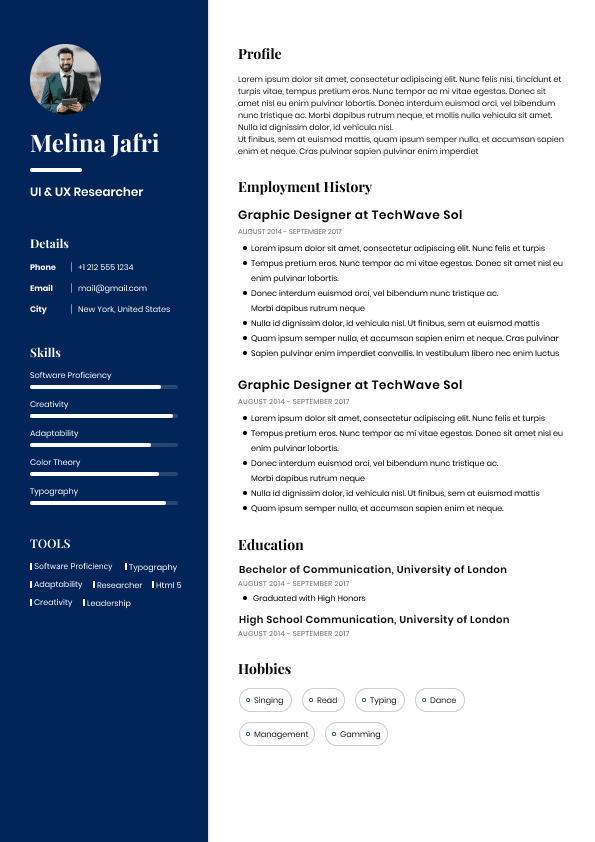
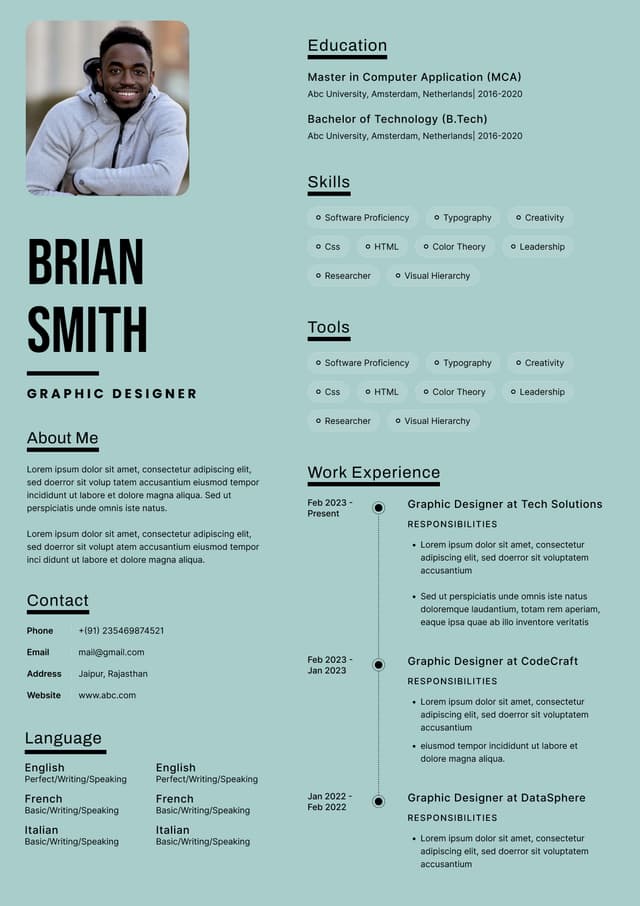
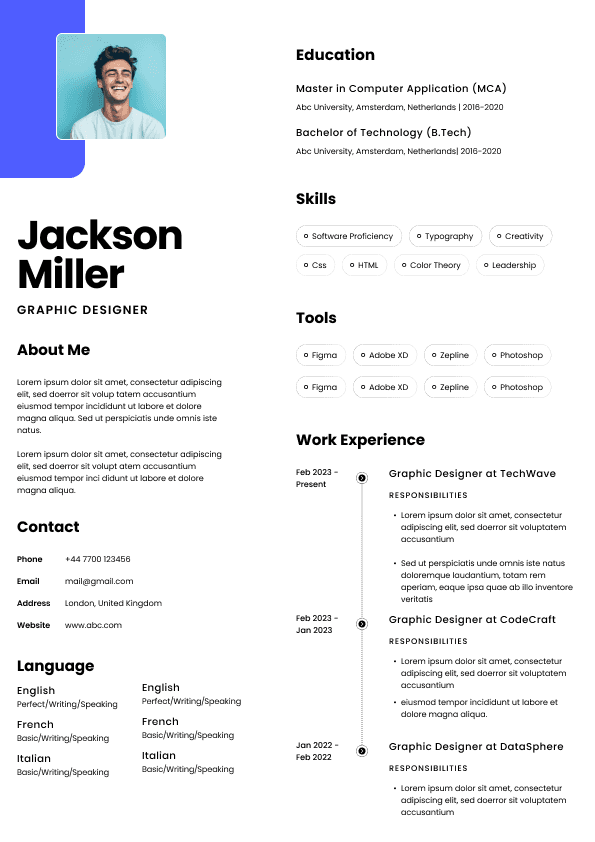
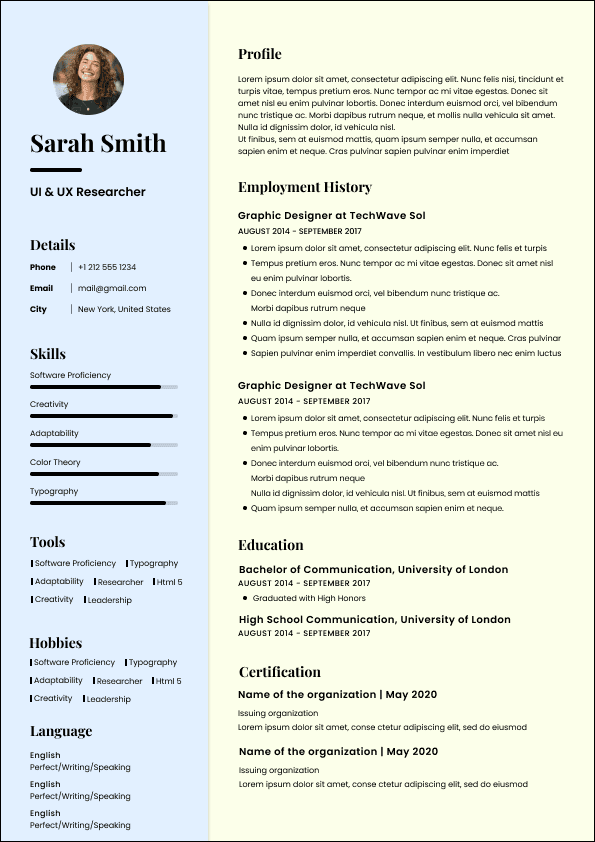
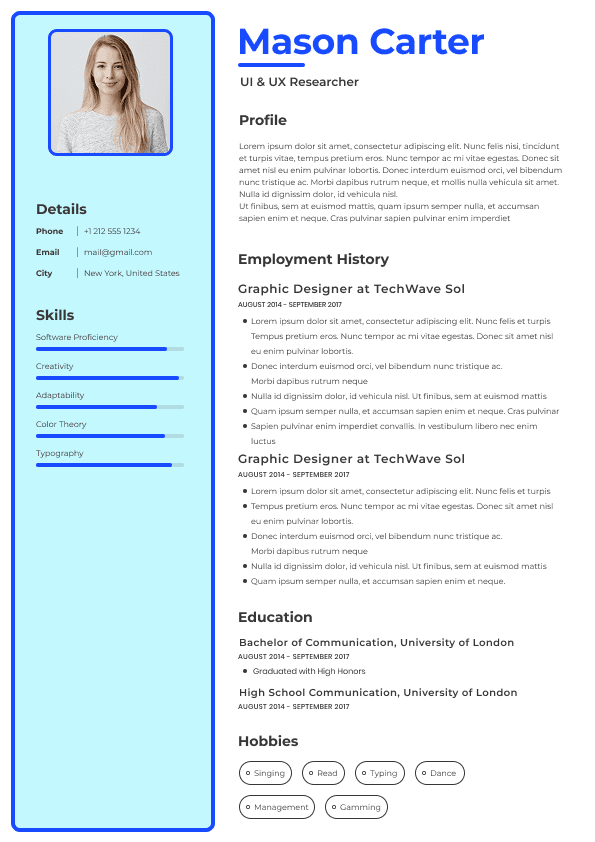
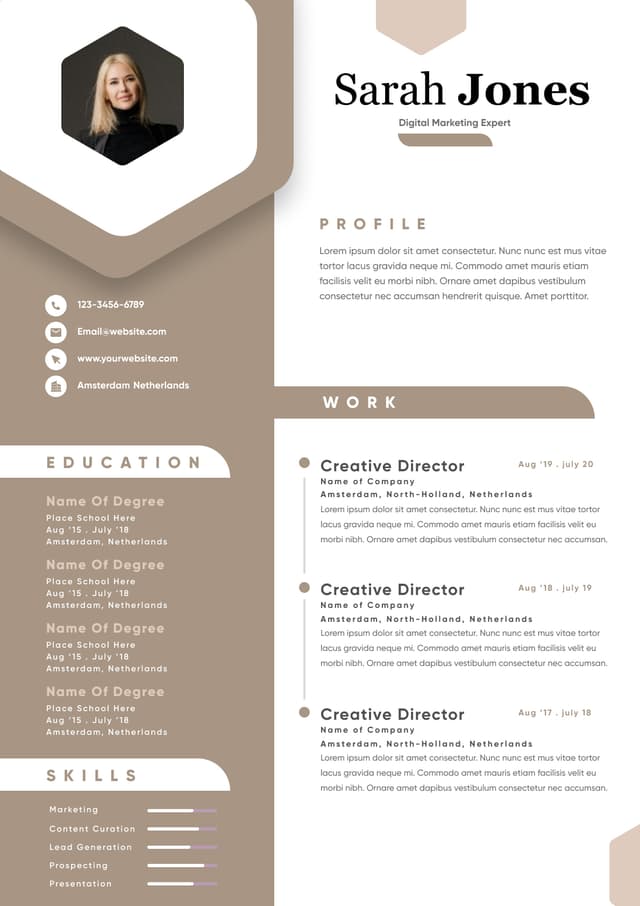
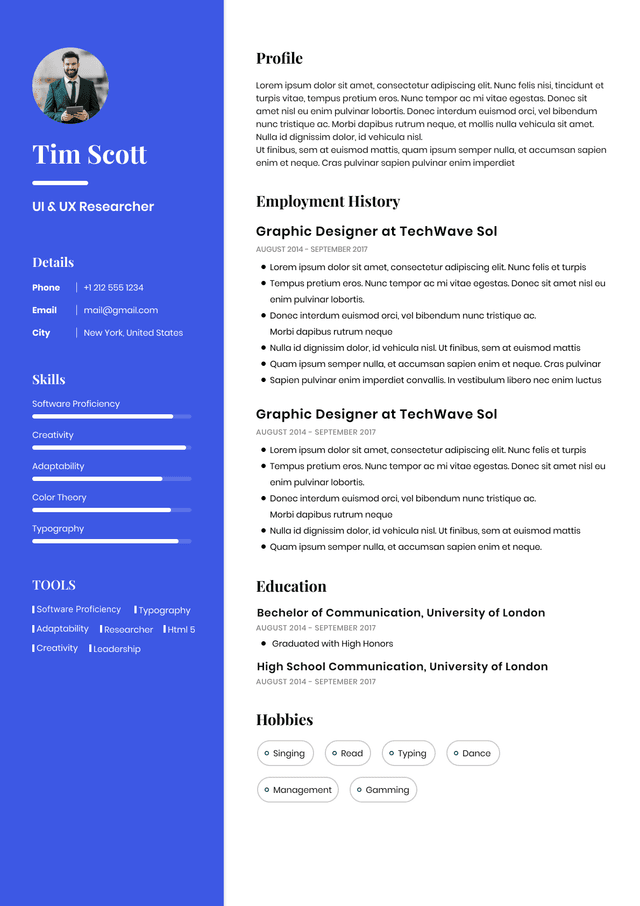
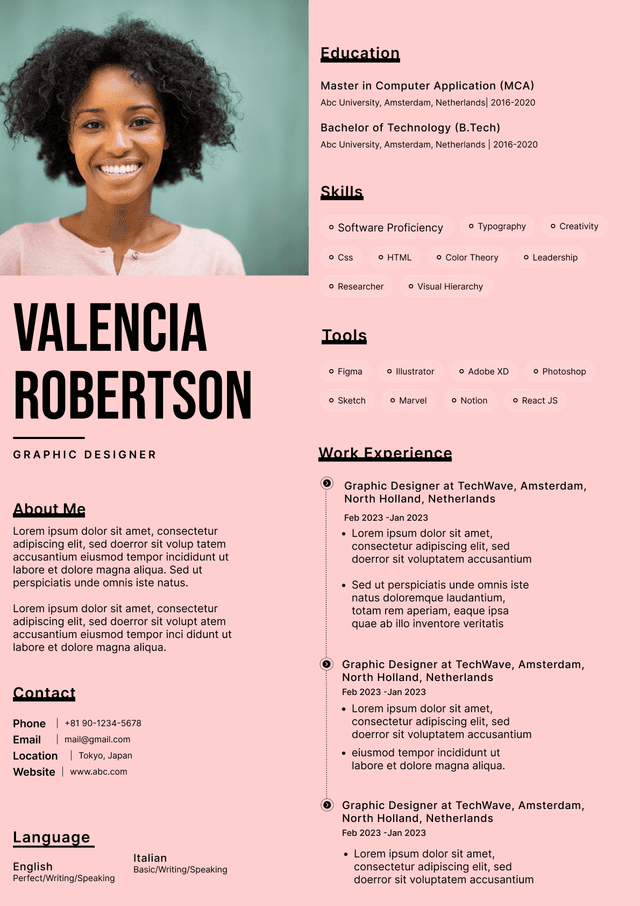
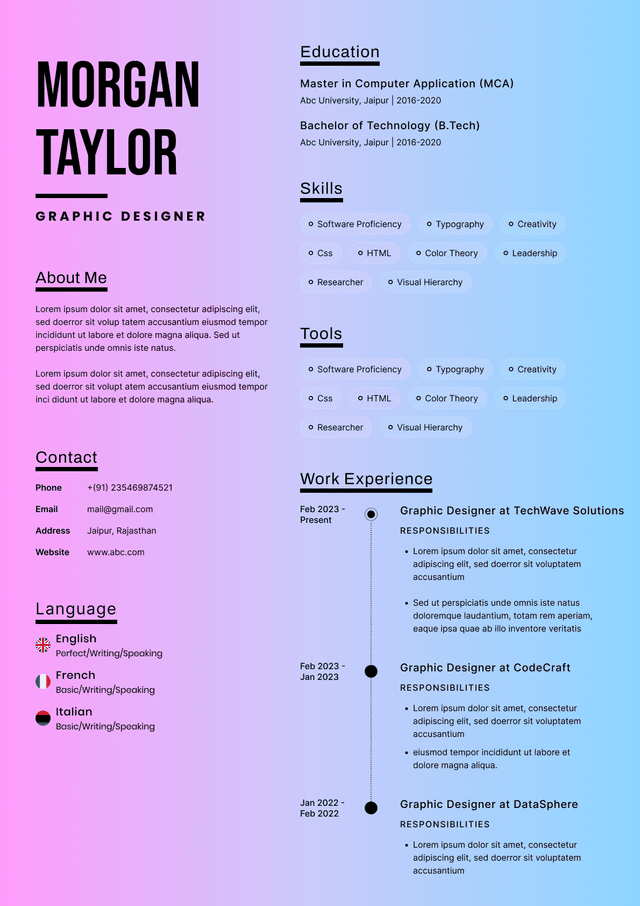
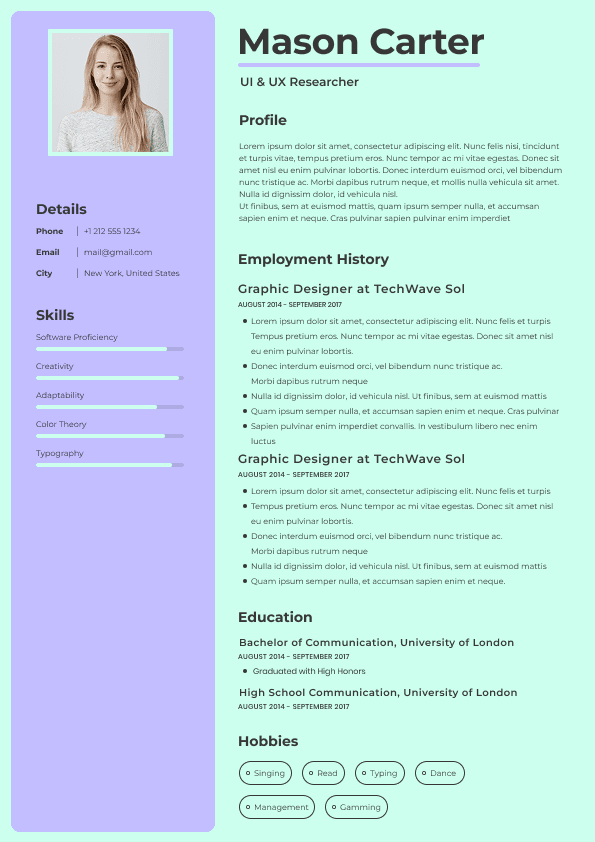
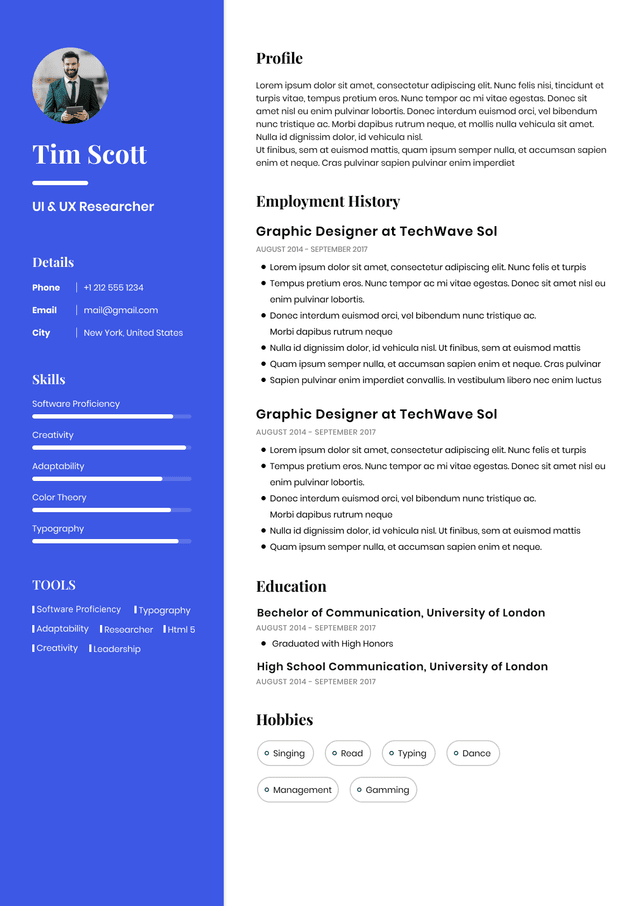
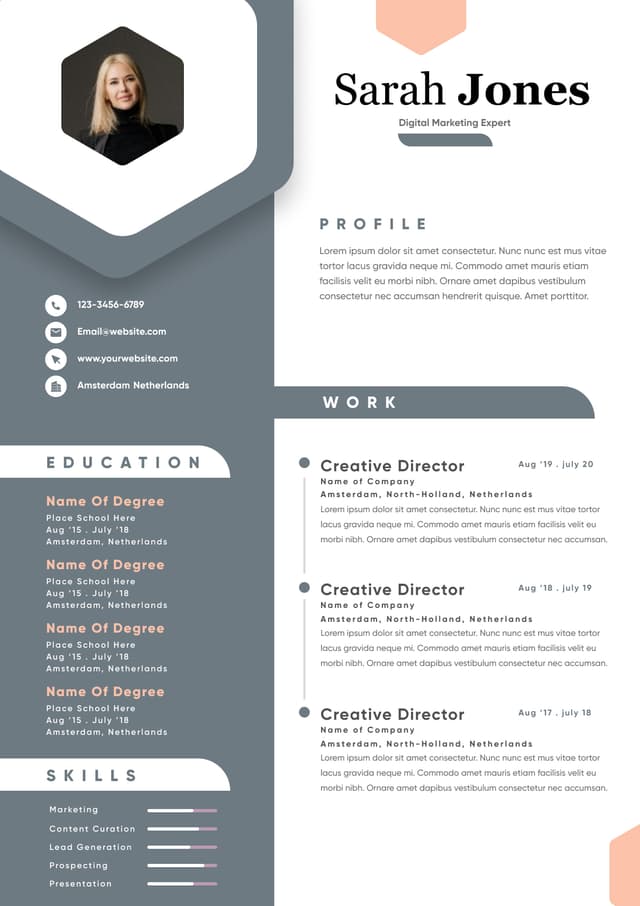
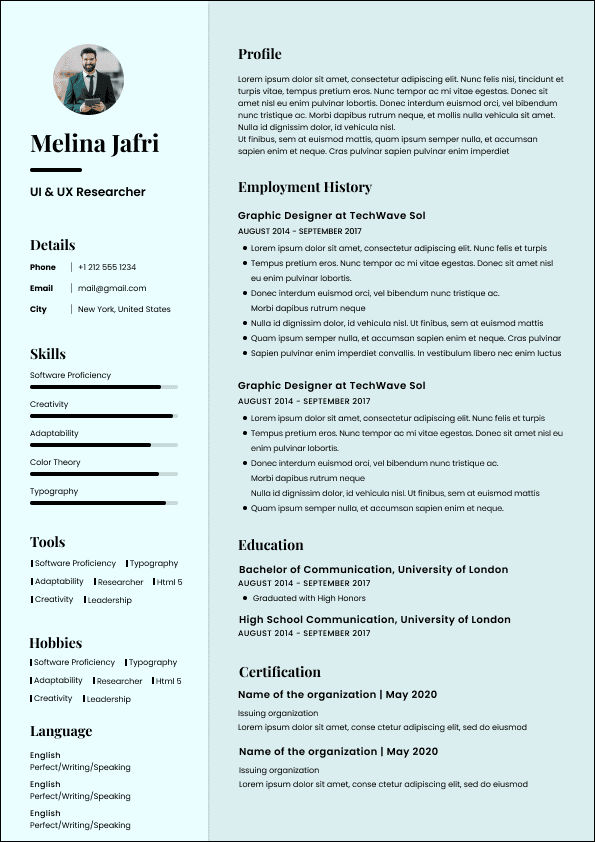
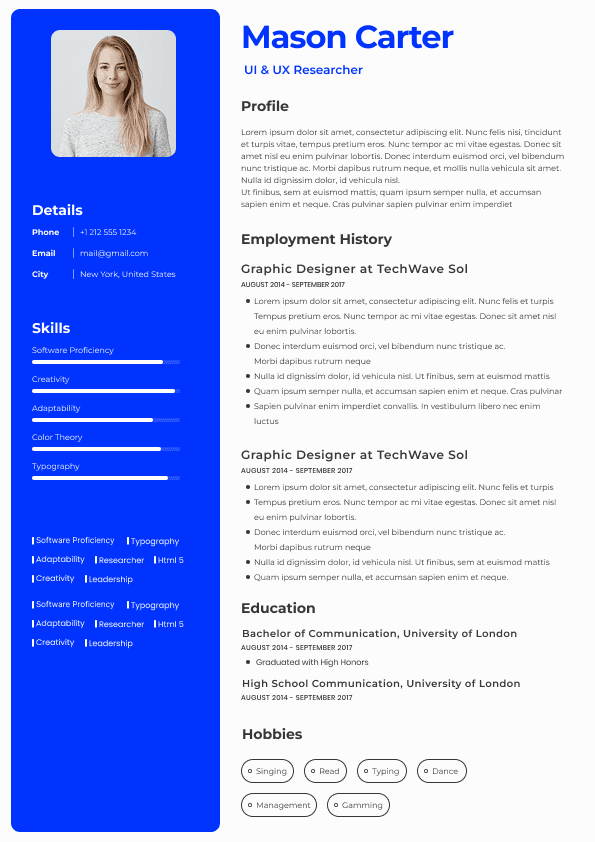
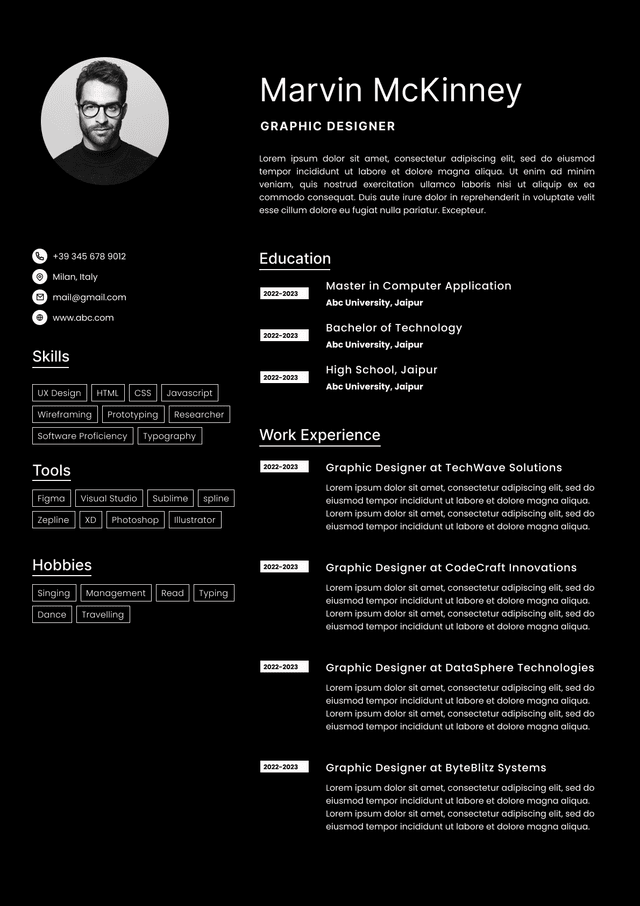
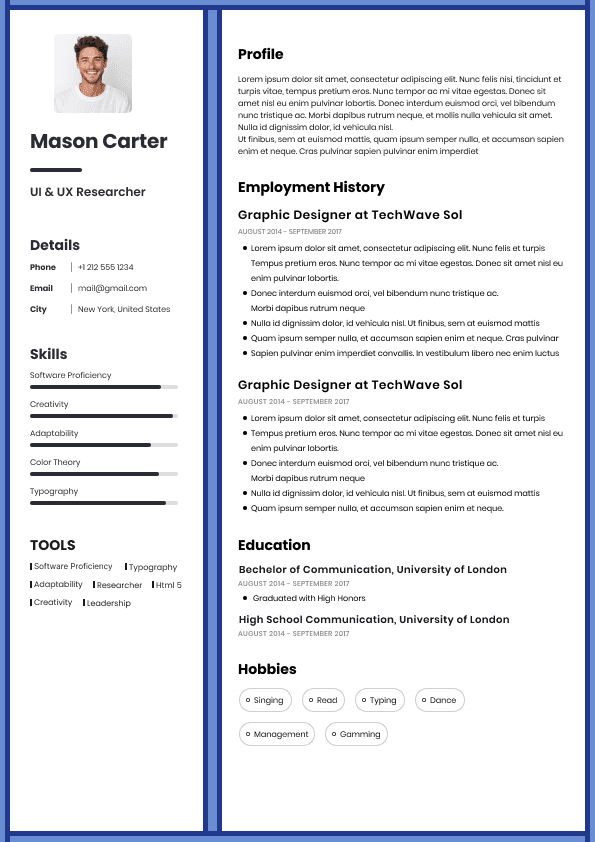
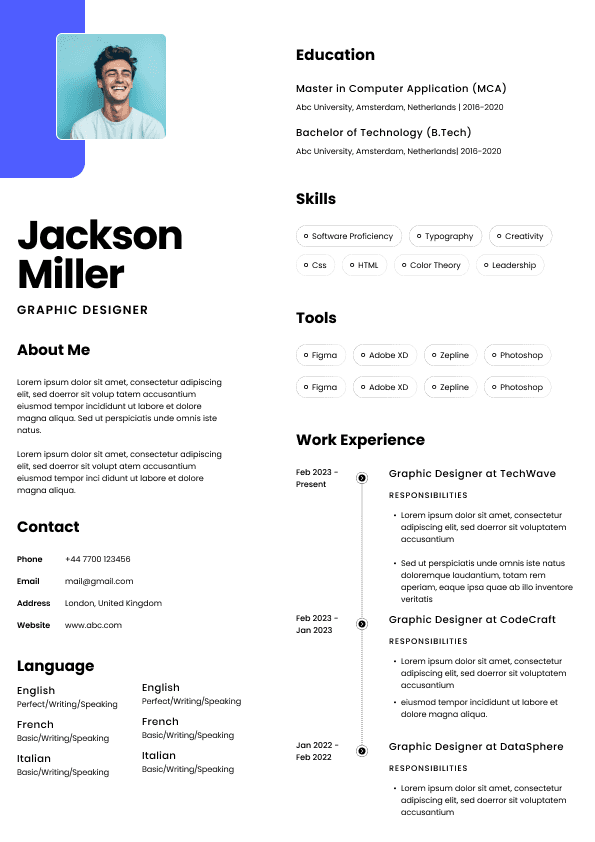
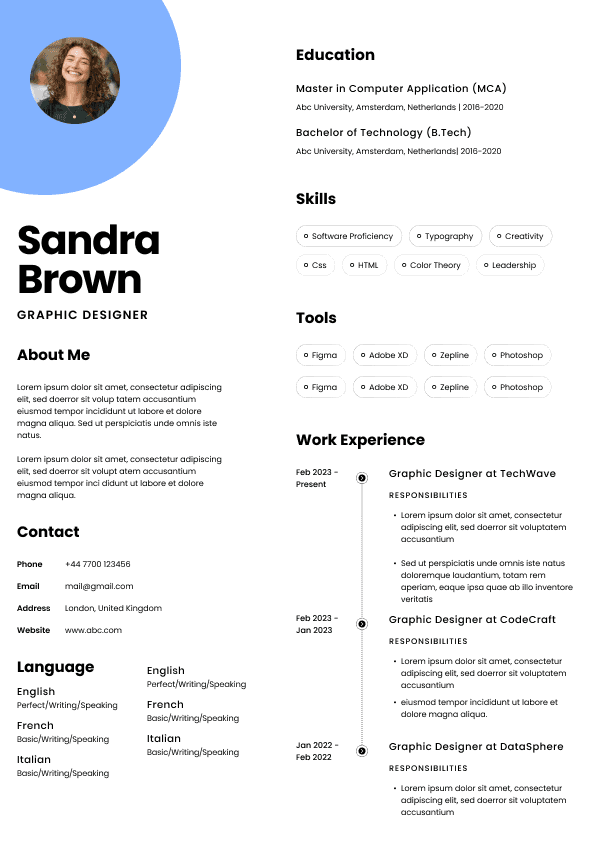
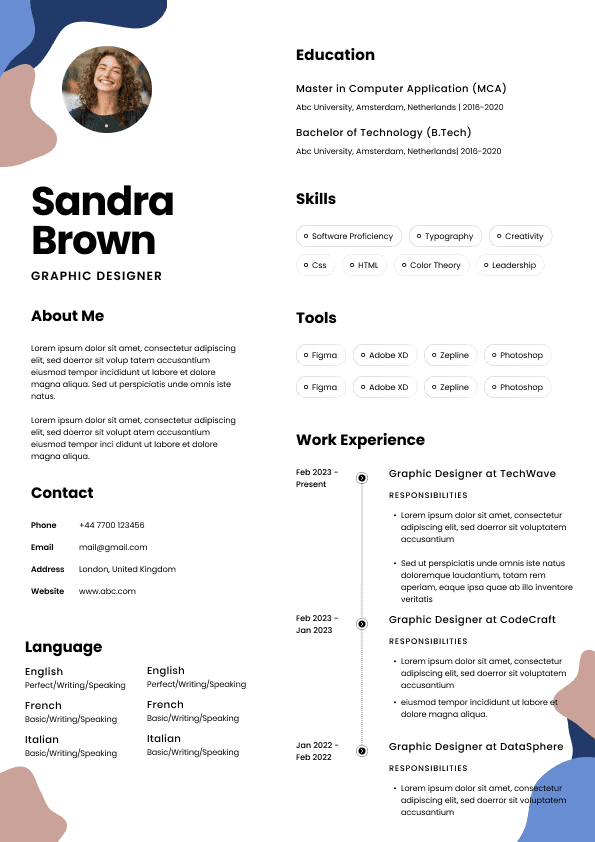
Choose from a wide range of NEWCV resume templates and customize your NEWCV design with a single click.


Use ATS-optimised Resume and resume templates that pass applicant tracking systems. Our Resume builder helps recruiters read, scan, and shortlist your Resume faster.

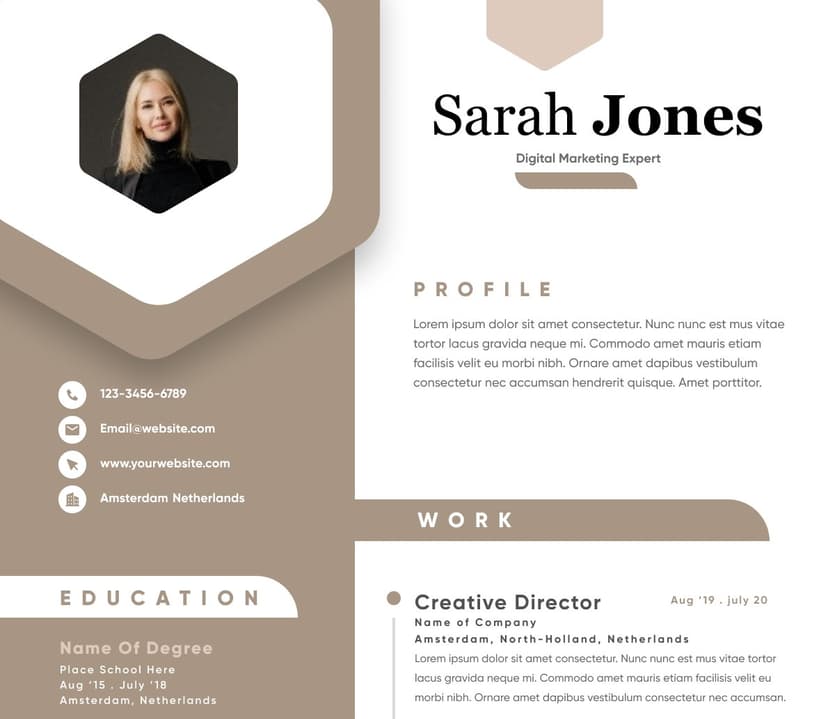
Use professional field-tested resume templates that follow the exact Resume rules employers look for.
Create Resume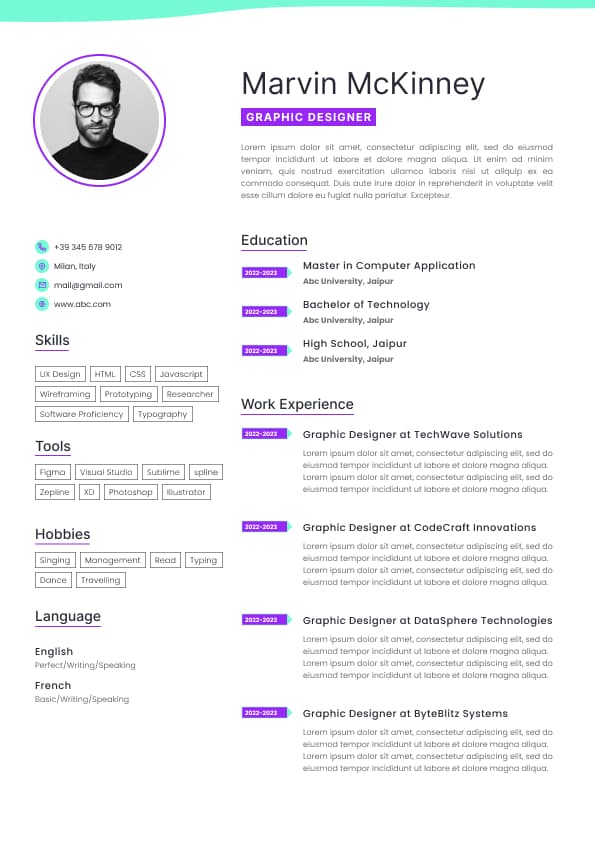
Use professional field-tested resume templates that follow the exact Resume rules employers look for.
Create ResumeFrontend framework depth
API and backend integration skills
Production-level engineering work
Scalability and performance optimization
Collaboration with cross-functional teams
CI/CD and testing practices
Business impact and delivery outcomes
The best JavaScript developer resume bullet points combine technical specificity with measurable results.
User impact
Business outcome
That is how experienced recruiters evaluate engineering resumes.
Optimized
Automated
Integrated
Modernized
Scaled
Debugged
Migrated
Delivered
Enhanced
Tested
Validated
Deployed
Maintained
Secured
Improved
Streamlined
Converted
Documented
Collaborated
Recruiters subconsciously associate stronger verbs with stronger ownership.
“Architected” signals higher-level system design responsibility than “assisted with.”
“Optimized” suggests measurable engineering improvement.
“Modernized” implies technical transformation work.
Developed responsive cross-browser interfaces compatible with Chrome, Safari, Firefox, and Edge across desktop and mobile environments
Improved frontend accessibility compliance using WCAG standards, semantic HTML, and keyboard navigation enhancements
Partnered with UX designers to implement pixel-perfect UI components while improving usability and conversion flow performance
Built interactive data visualization features using D3.js and Chart.js for customer reporting dashboards
Built asynchronous data-processing pipelines using Node.js workers and event-driven architecture
Integrated Redis caching layers that improved application performance during peak traffic periods
SaaS companies
Enterprise engineering teams
Fintech platforms
Healthcare technology employers
Remote engineering environments
Have they worked with current frameworks?
Can they contribute independently?
The best resume bullets answer these questions indirectly.
REST APIs
GraphQL
CI/CD
Agile
Jest
Cypress
MongoDB
PostgreSQL
AWS
Docker
GitHub Actions
Redux
Next.js
Webpack
Responsive design
Performance optimization
Accessibility
Cross-browser compatibility
Use them in context, not as isolated keyword blocks.
Collaborated with product managers, designers, and backend engineers in Agile sprint cycles to deliver customer-facing product enhancements
Developed Jest and Cypress testing frameworks that increased frontend test coverage from 52% to 90%
Mentored junior frontend developers during code reviews and architectural planning discussions
This example works because it combines:
Technical stack
Product scale
Performance metrics
Collaboration
Deployment workflows
Testing
Leadership signals
5 to 8 bullets per role
Highlight architecture, scalability, leadership, and optimization work
Show cross-functional influence and strategic contribution
Quality matters far more than quantity.
Hiring managers want developers familiar with:
CI/CD
Testing automation
Component architecture
Cloud deployment
Performance optimization
Accessibility
Monitoring and debugging workflows
Weak resumes sound task-oriented.
Strong resumes sound outcome-oriented.
That difference dramatically affects interview rates.


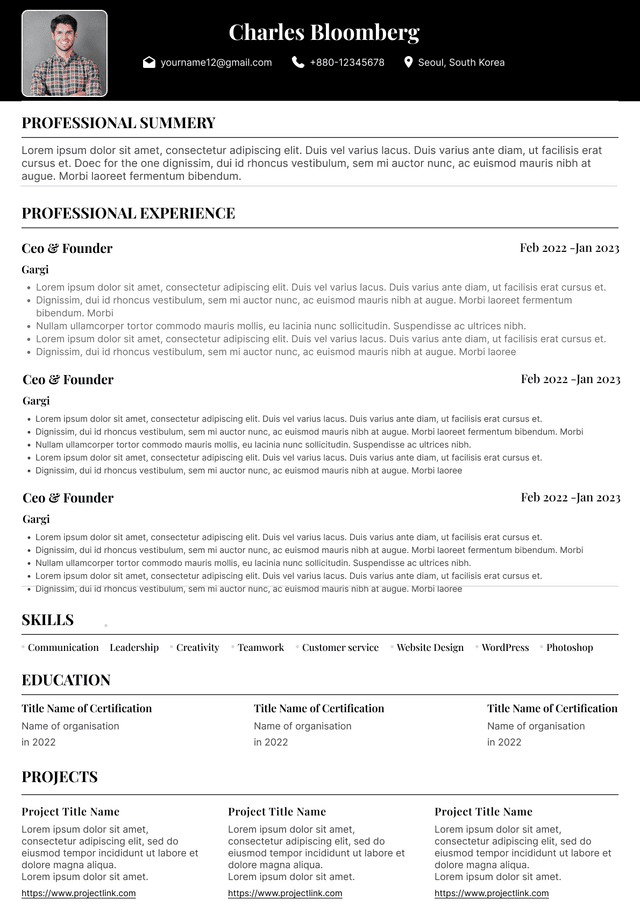
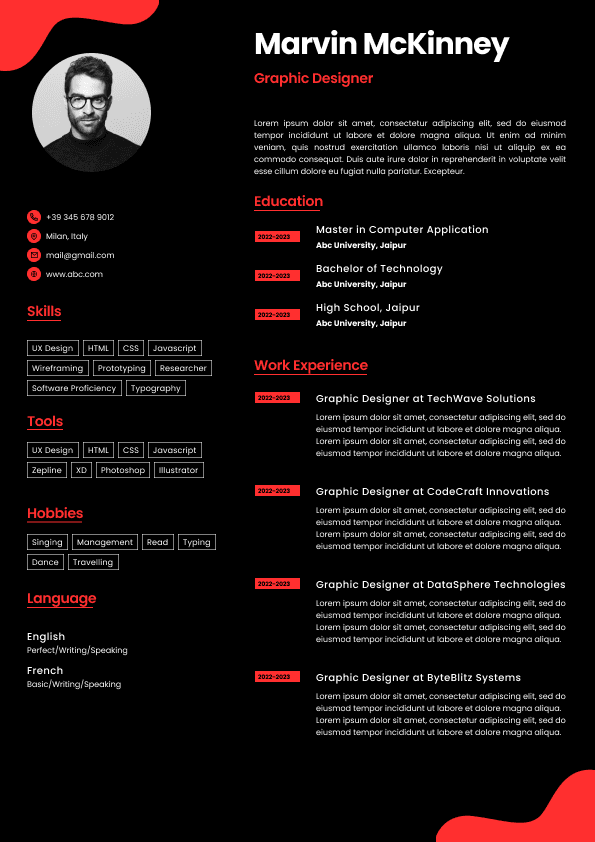

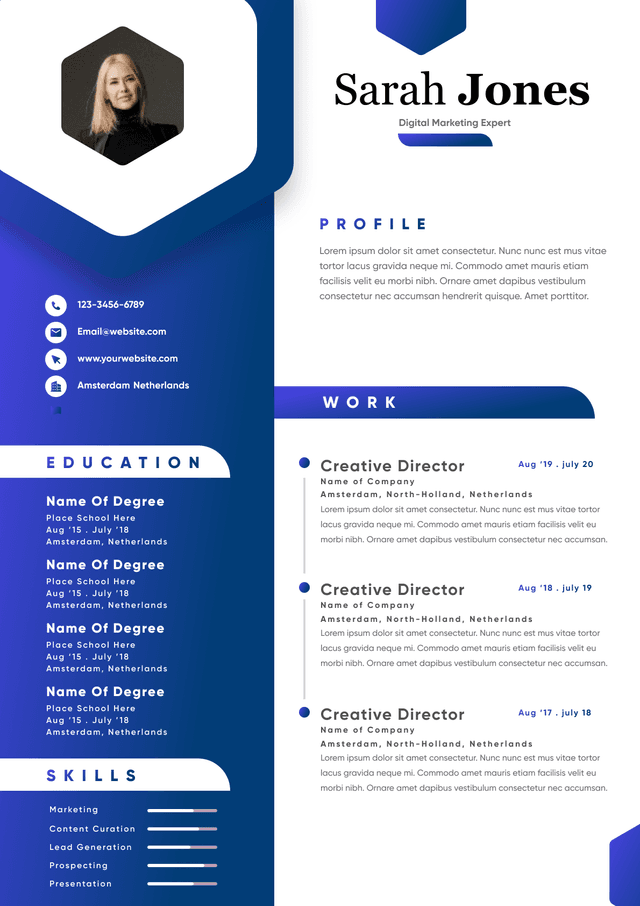
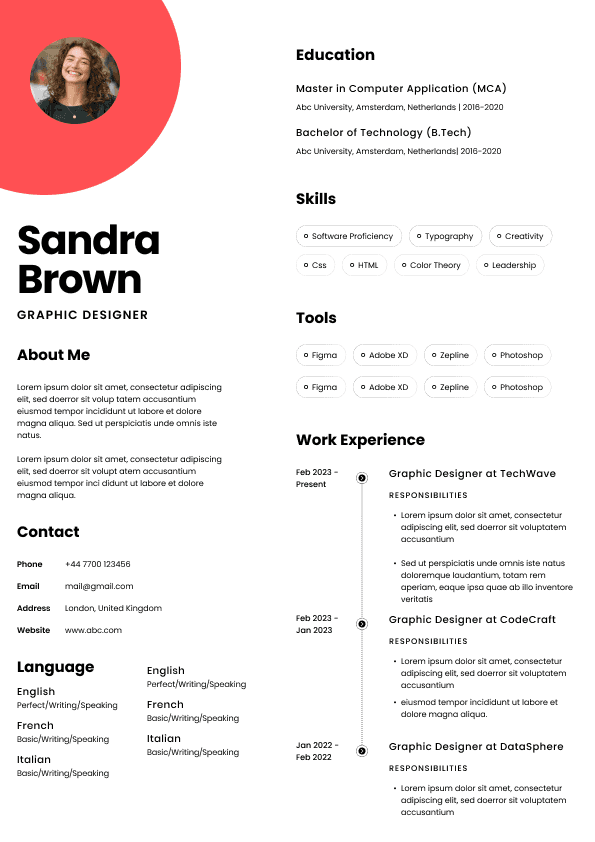
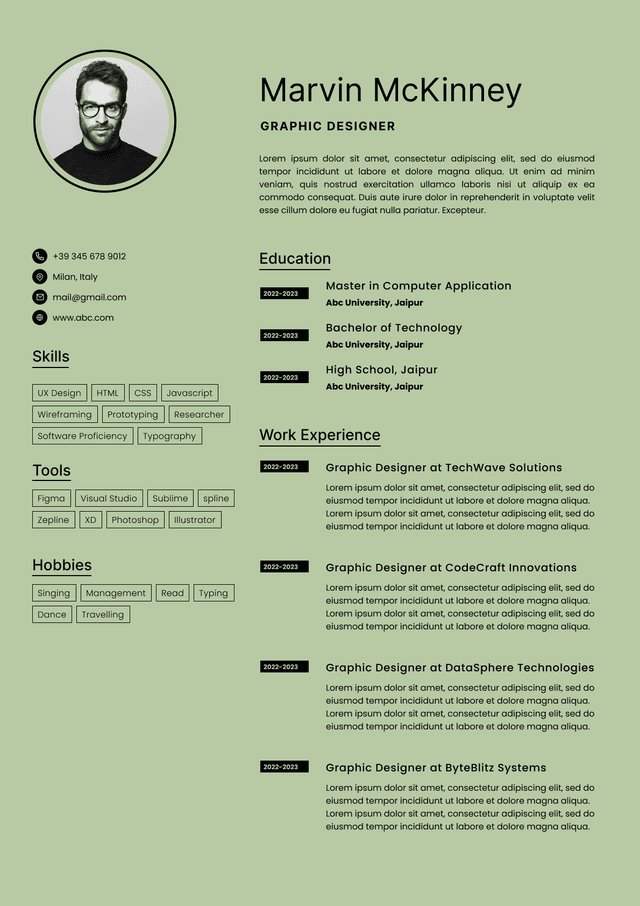
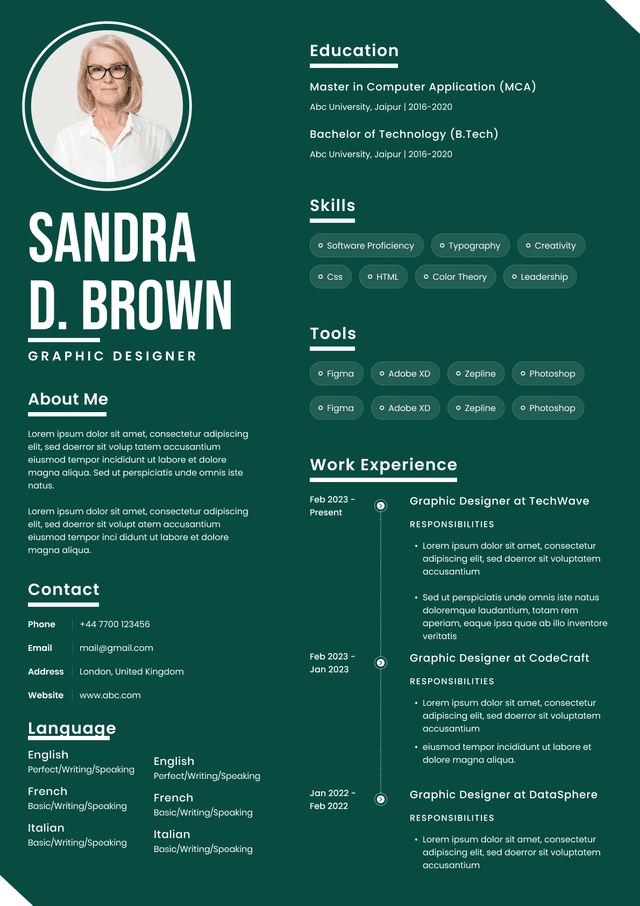
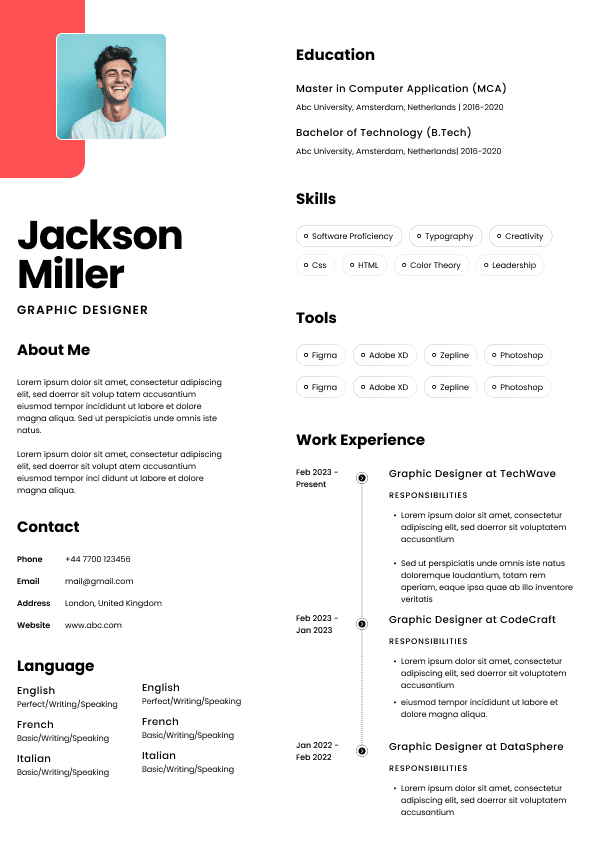
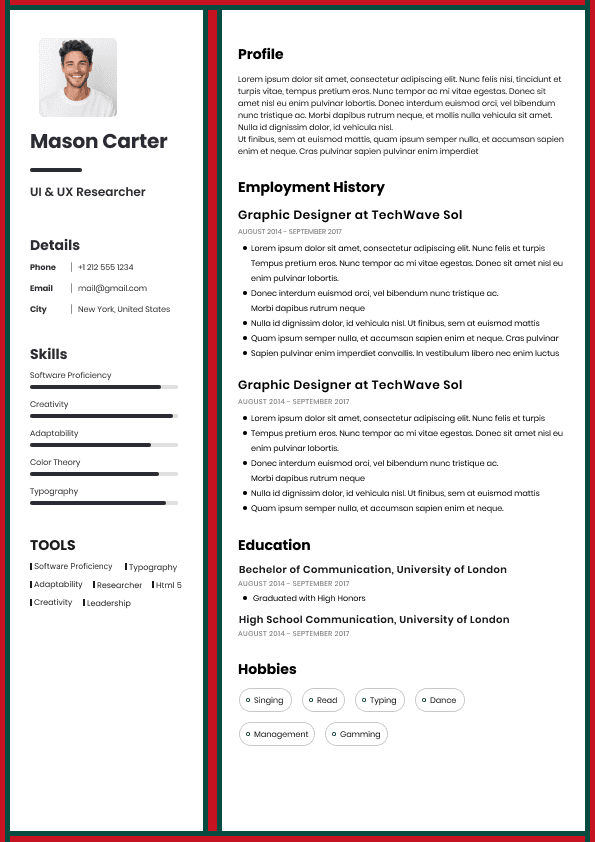


 Upload Resume
 Import from Linkedin