STILL APPLYING. STILL HEARING NOTHING?BUILD YOUR RESUME

STILL APPLYING. STILL HEARING NOTHING?BUILD YOUR RESUME
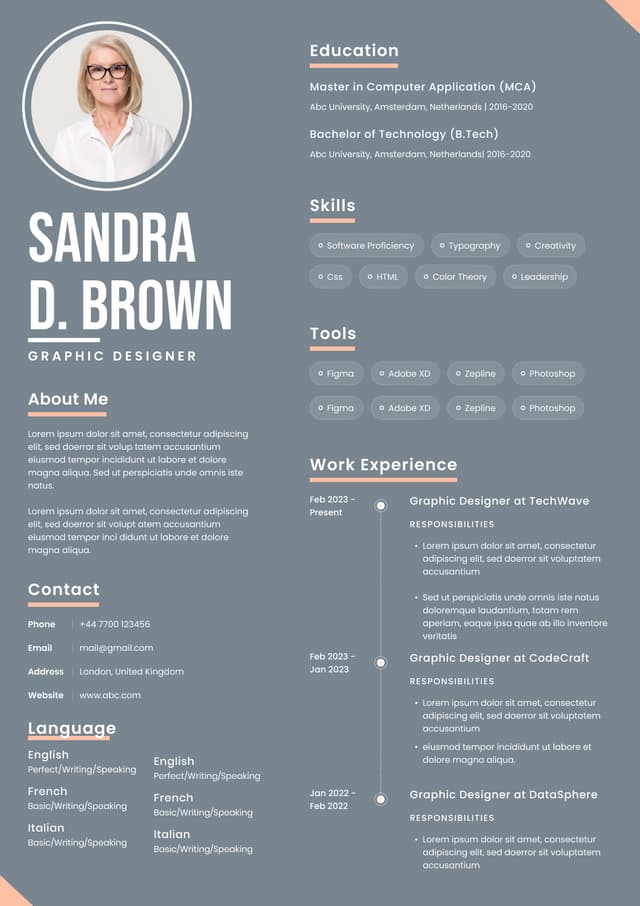
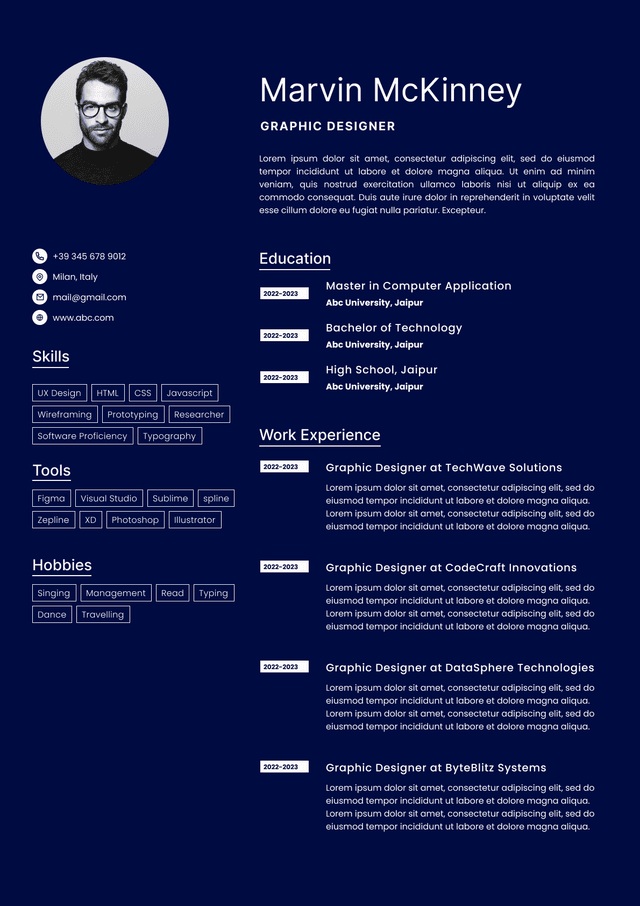
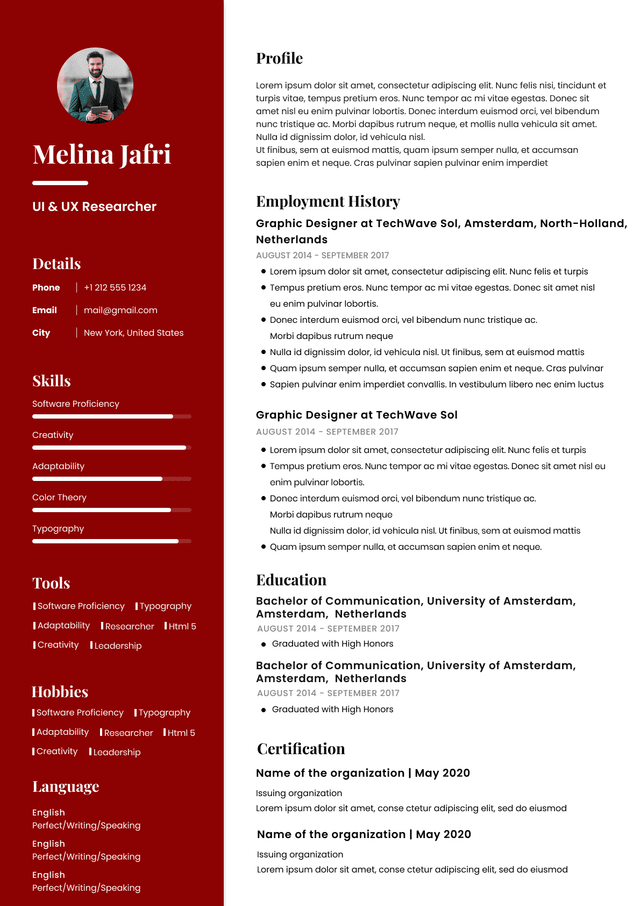
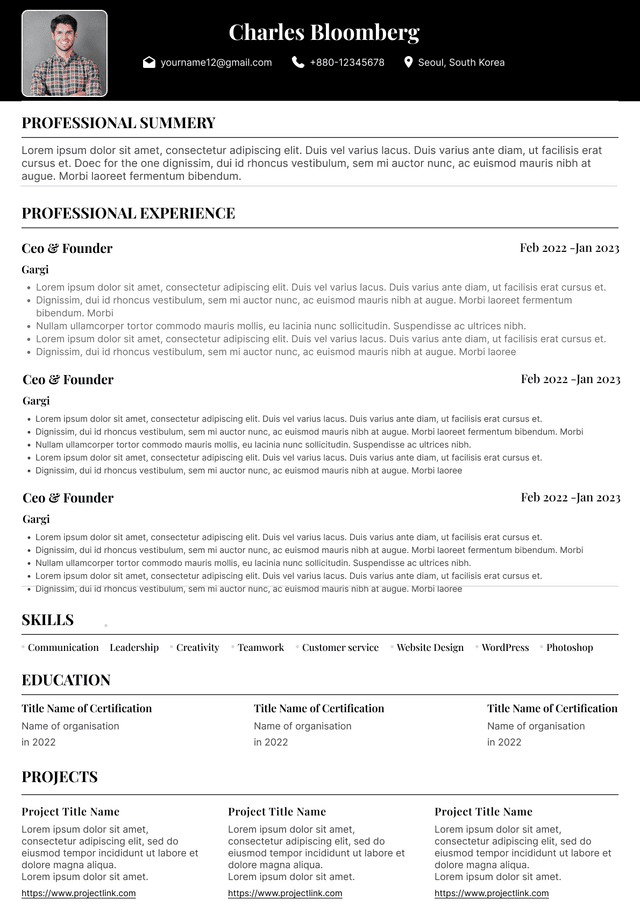
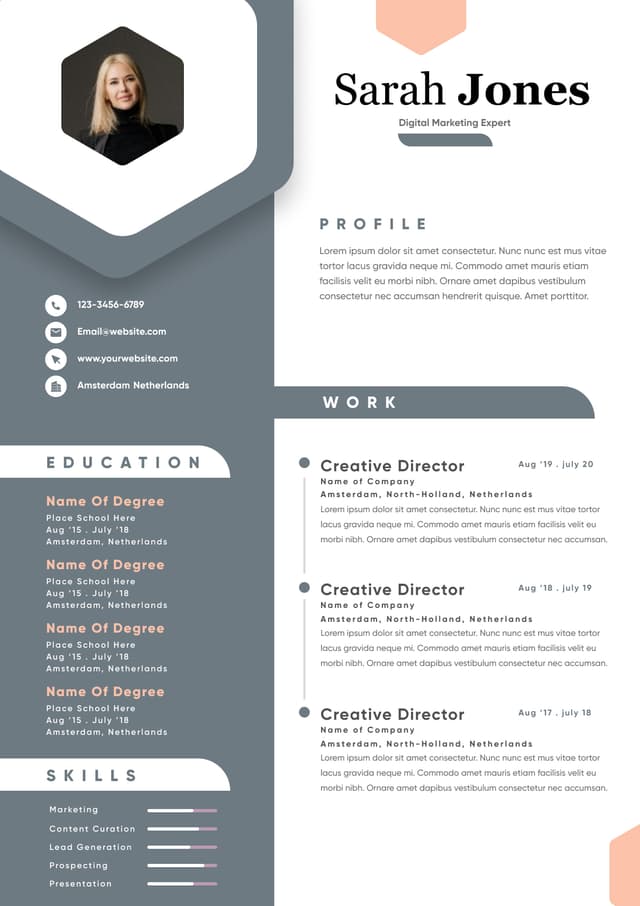
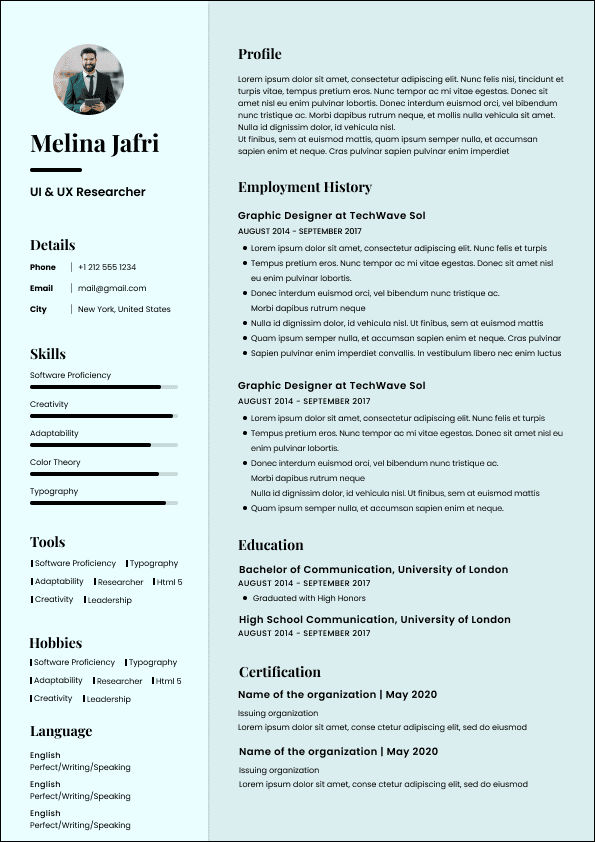
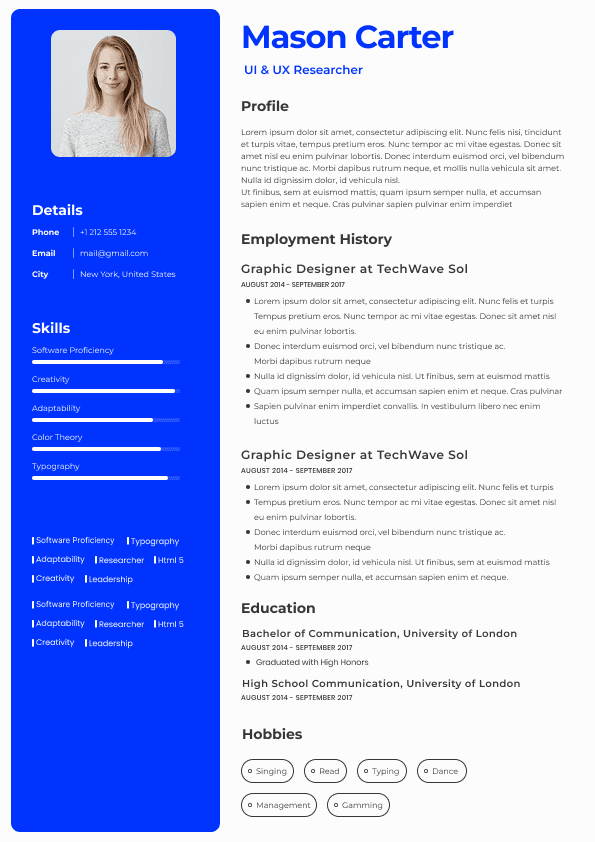
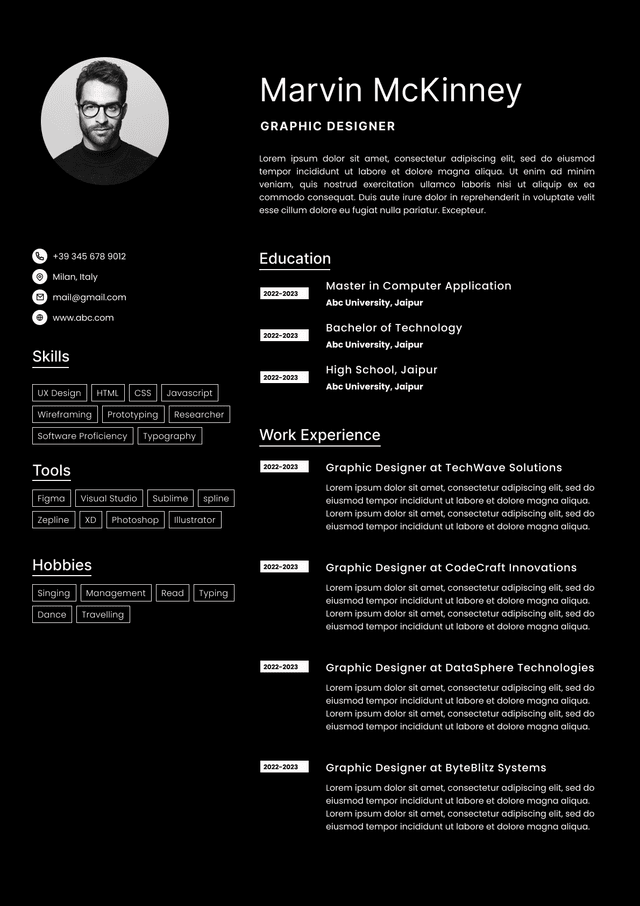
Choose from a wide range of NEWCV resume templates and customize your NEWCV design with a single click.
FAQ


Your education section can either strengthen your credibility as a JavaScript developer or quietly weaken your resume before a recruiter even reaches your experience. Most candidates either overload this section with unnecessary academic details or make it too vague to support technical hiring decisions.
For JavaScript developers, recruiters are not simply checking whether you have a degree. They are evaluating whether your education supports your ability to build modern web applications, learn frameworks quickly, work with frontend ecosystems, and solve real engineering problems.
That means the best education sections are strategically tailored to experience level. A senior JavaScript developer may only need a concise degree listing. A bootcamp graduate or self-taught candidate may need projects, certifications, GitHub work, and technical coursework to establish credibility.
This guide explains exactly how to format the education section on a JavaScript developer resume, where to place it, what to include, what recruiters actually look for, and how to write strong examples for different backgrounds.
Most recruiters spend only a few seconds scanning the education section initially. They are usually looking for signals that reduce hiring risk.
For JavaScript developer resumes, recruiters typically evaluate:
Whether you have formal technical education or equivalent proof of skill
Whether your learning background aligns with web development
Whether your resume demonstrates current frontend knowledge
Whether your projects and coursework support real technical ability
Whether your background matches the seniority level of the role
Whether you compensate effectively if you do not have a computer science degree
Hiring managers care less about academic prestige than many candidates assume. In modern frontend hiring, practical capability usually outweighs school brand recognition.
A strong education section helps answer one important question:
Can this candidate realistically contribute to a JavaScript development environment?
That answer can come from multiple paths:
Computer science degree
Software engineering program
Coding bootcamp
Self-taught portfolio work
Certifications and online training
Open-source contributions
Technical projects
The structure changes depending on your background and experience level.
Placement depends almost entirely on your experience level.
A recent graduate
A student applying for internships
A bootcamp graduate with limited experience
A self-taught developer transitioning careers
A junior JavaScript developer with fewer than 2 years of experience
A candidate whose strongest qualification is technical training
In these cases, education helps establish baseline technical credibility early.
A mid-level JavaScript developer
A senior frontend developer
A full-stack engineer with solid work experience
A candidate with strong production-level projects
Someone with multiple years of professional experience
Once experience becomes the strongest proof of capability, education becomes supporting information rather than a primary selling point.
The ideal format is concise, ATS-friendly, and easy to scan.
Use this structure:
School or training provider
Degree, certificate, or program name
Major or specialization
Graduation date or expected graduation date
Optional supporting details if relevant
University Name
Bachelor of Science in Computer Science
Graduated: May 2024
University of Texas at Dallas
Bachelor of Science in Software Engineering
Graduated: May 2025
Relevant Coursework:
JavaScript Programming
Data Structures and Algorithms
Web Application Development
Database Systems
Cloud Computing
Capstone Project:
Hack Reactor
Advanced Software Engineering Immersive
Completed: 2024
Technologies:
JavaScript
React
Node.js
Express
PostgreSQL
Projects:
Candidates often either include too little information or overload the section with irrelevant detail.
Here is what actually adds value.
This establishes your educational path quickly.
Examples:
Bachelor of Science in Computer Science
Bachelor of Science in Software Engineering
Associate Degree in Information Systems
Web Development Certificate
Full-Stack JavaScript Bootcamp
Recruiters commonly view these majors positively:
Computer Science
Software Engineering
Computer Engineering
Information Systems
Web Development
Information Technology
Human-Computer Interaction
Cybersecurity
Mathematics
Data Science
Even unrelated degrees can still work if supported by projects and technical proof.
Usually only include GPA if:
It is 3.5 or higher
You are a recent graduate
The employer explicitly requests it
You have limited professional experience
Do not include GPA if:
You have professional development experience
Your GPA is weak
You graduated years ago
Most experienced frontend hiring managers do not care about GPA.
Coursework matters primarily for:
Students
New graduates
Junior developers
Bootcamp graduates
Career changers
Only include coursework directly relevant to frontend or software engineering roles.
JavaScript Programming
Data Structures and Algorithms
Software Engineering
Web Development
Frontend Engineering
Database Systems
Cloud Computing
APIs and Microservices
UI/UX Design
Mobile Web Development
Object-Oriented Programming
Avoid overly generic or unrelated courses like:
Intro to Computers
Microsoft Office
Business Communication
Basic Statistics unless highly relevant
Recruiters skim coursework quickly. Relevance matters more than volume.
This is one of the biggest areas where candidates make strategic mistakes.
If you are self-taught, do not try to hide the lack of a formal degree. Recruiters notice immediately.
Instead, replace traditional educational authority with practical proof.
Include:
Technical certifications
GitHub profile
Portfolio website
Open-source contributions
Live applications
Framework-specific training
Real projects with measurable complexity
Professional Development
Self-Taught JavaScript Developer | 2021–Present
Technical Training:
freeCodeCamp JavaScript Algorithms and Data Structures
Meta Front-End Developer Certificate
Advanced React Coursework
Projects:
Built and deployed 8+ responsive React applications
Created reusable frontend component libraries
Contributed to open-source JavaScript UI tooling projects
Portfolio:
GitHub: github.com/johndoe
Portfolio: johndoe.dev
This works because it replaces missing credentials with real evidence of competency.
Education
University of California, Irvine
Bachelor of Science in Computer Science
Graduated: June 2024
Relevant Coursework:
JavaScript Development
Data Structures and Algorithms
Software Engineering
Web Systems Architecture
Database Management
Academic Projects:
Built a React-based analytics dashboard with REST API integration
Developed a Node.js authentication system using JWT and MongoDB
Honors:
Education
Arizona State University
Bachelor of Science in Software Engineering
Graduated: May 2023
Relevant Coursework:
Frontend Engineering
Cloud Application Development
Human-Computer Interaction
Algorithms and Complexity
Capstone Project:
Education
General Assembly
Software Engineering Immersive Bootcamp
Completed: 2024
Technologies:
JavaScript
React
Node.js
Express
PostgreSQL
Projects:
Developed a social networking application with real-time messaging functionality
Built a responsive ecommerce frontend integrated with Stripe APIs
Education
Technical Training & Independent Study
Self-Taught JavaScript Developer
Certifications:
Meta Front-End Developer Professional Certificate
freeCodeCamp Responsive Web Design Certification
Projects:
Built and deployed multiple React applications with Firebase authentication
Created reusable frontend UI components using TypeScript
Open Source:
Education
Frontend Development Training
Online Technical Education | 2022–Present
Completed Training:
JavaScript Algorithms and Data Structures
React and Redux Advanced Concepts
REST API Development
Portfolio Projects:
Built a SaaS dashboard using React, Tailwind CSS, and Node.js
Developed a weather application integrating third-party APIs
GitHub:
Education
New York University
Master of Science in Computer Science
Graduated: May 2022
Specialization:
Research Focus:
Education
University of Mumbai
Bachelor of Engineering in Information Technology
Graduated: 2021
Credential Evaluated by World Education Services (WES)
Relevant Coursework:
Web Application Development
Software Engineering
Database Systems
Technical Projects:
For junior JavaScript developers, absolutely.
Academic projects often become substitute experience during screening.
Recruiters especially value projects that demonstrate:
React or modern framework usage
API integration
Authentication systems
State management
Responsive design
Performance optimization
Real deployment experience
Weak Example
This tells recruiters almost nothing.
Good Example
Specificity signals real technical involvement.
Certifications are not replacements for skill, but they can strengthen weaker educational backgrounds.
Strong certifications include:
Meta Front-End Developer Certificate
AWS Certified Cloud Practitioner
Google UX Design Certificate
freeCodeCamp JavaScript Certifications
Microsoft Azure Fundamentals
MongoDB Developer Learning Paths
Scrum.org Certifications
IBM Full Stack Software Developer Certificate
Only include certifications relevant to frontend, software engineering, or development workflows.
Recruiters do not need:
Elementary school
Unrelated coursework
Long academic descriptions
Generic class summaries
Keep the section strategically focused.
Candidates sometimes try to obscure incomplete degrees or lack of formal education.
This usually backfires.
Transparent positioning combined with strong technical proof works much better.
A weak project section can hurt more than help.
Avoid:
Tutorial clones without modification
Generic calculator apps with no complexity
Undefined “team projects” with unclear contribution
Recruiters want evidence of real engineering decisions.
Frontend hiring managers notice stale stacks quickly.
Avoid emphasizing outdated technologies unless directly relevant.
Modern JavaScript resumes should typically reflect familiarity with tools like:
React
TypeScript
Node.js
REST APIs
Git
Responsive design systems
Modern frontend tooling
This is especially damaging for:
Self-taught developers
Bootcamp graduates
No-degree candidates
Without work samples, recruiters have fewer ways to validate capability.
Your education section should be relatively detailed.
Include:
Coursework
Projects
GPA if strong
Technical extracurriculars
Hackathons
GitHub links
Education still matters, but practical proof becomes more important.
Balance:
Education
Projects
Technical stack
Early experience
Condense the section.
Focus more heavily on:
Work experience
Production applications
Business impact
Technical ownership
Education becomes secondary.
A concise format is usually enough unless advanced research or specialized credentials are highly relevant.
Applicant tracking systems scan for educational relevance and technical alignment.
Include natural keyword coverage such as:
Computer Science
Software Engineering
JavaScript
Web Development
React
Frontend Development
APIs
Cloud Computing
Database Systems
Do not keyword stuff.
ATS optimization works best when terms appear naturally within legitimate educational context.
Here is a clean recruiter-approved structure:
Education
School or Program Name
Degree or Certificate Name
Graduation Date
Relevant Coursework:
Course 1
Course 2
Course 3
Projects or Technical Focus:
Certifications:
Portfolio or GitHub:
This structure works well because it balances readability, ATS compatibility, and technical credibility.
Hiring managers rarely evaluate education in isolation.
Instead, they connect it to broader hiring signals.
A strong education section can imply:
Structured learning ability
Technical foundation
Long-term commitment to development
Problem-solving exposure
Engineering discipline
A weak or poorly structured section can create concerns about:
Skill depth
Technical readiness
Practical experience
Attention to detail
The goal is not to impress recruiters academically.
The goal is to reinforce confidence that you can succeed in a real JavaScript development environment.
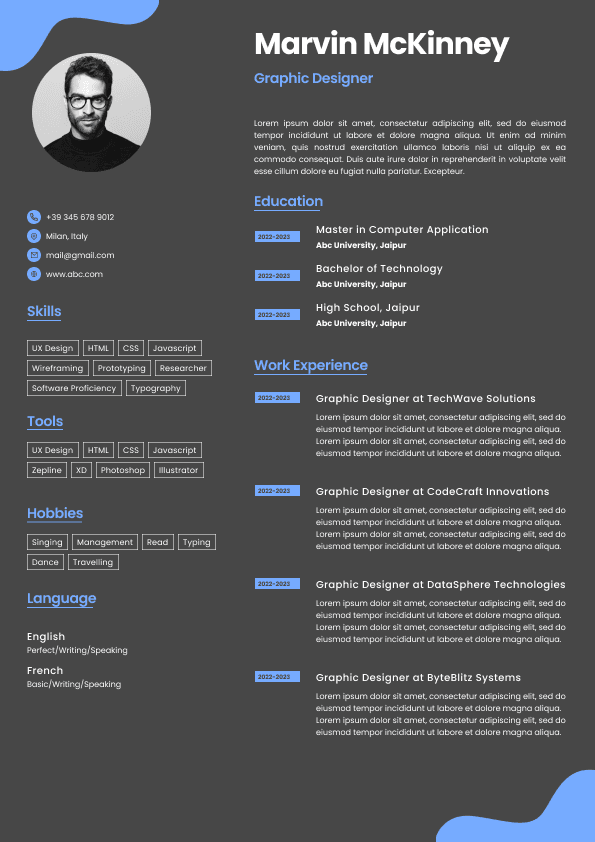
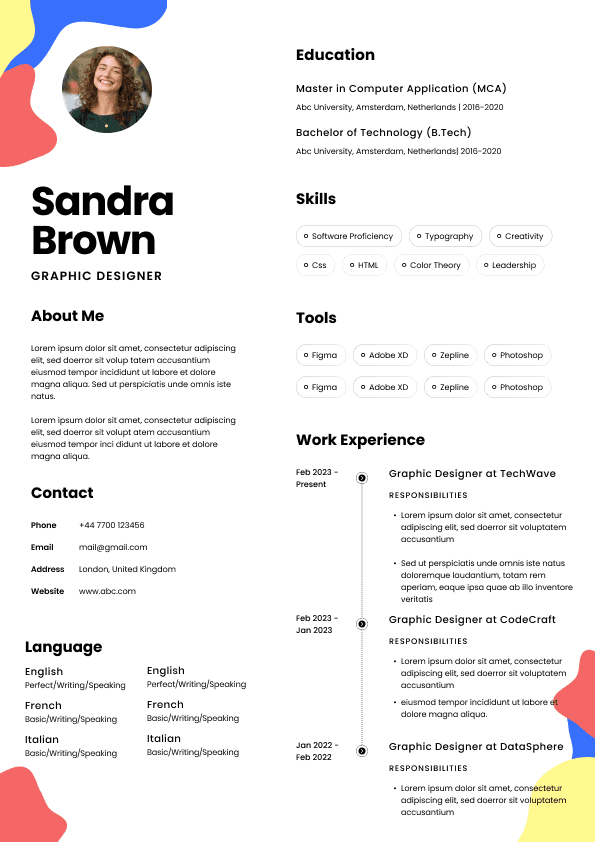
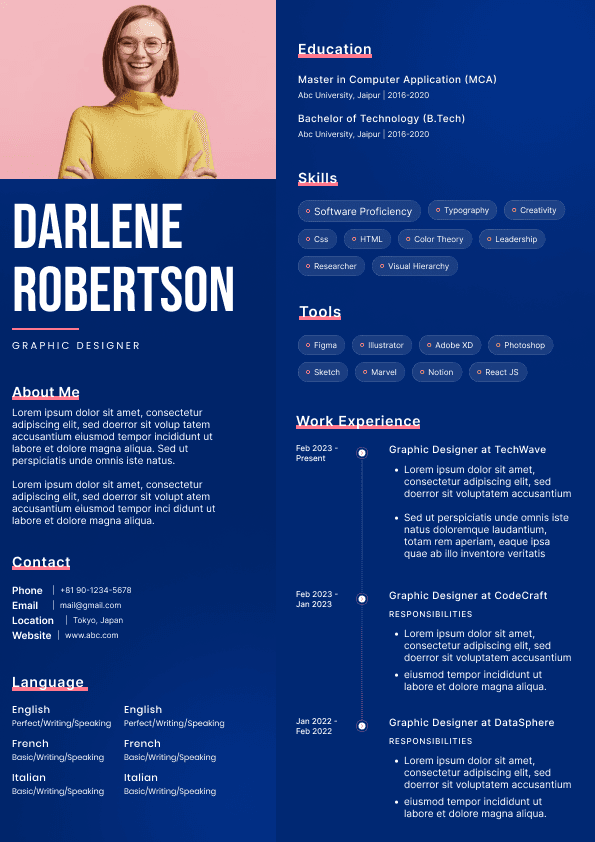
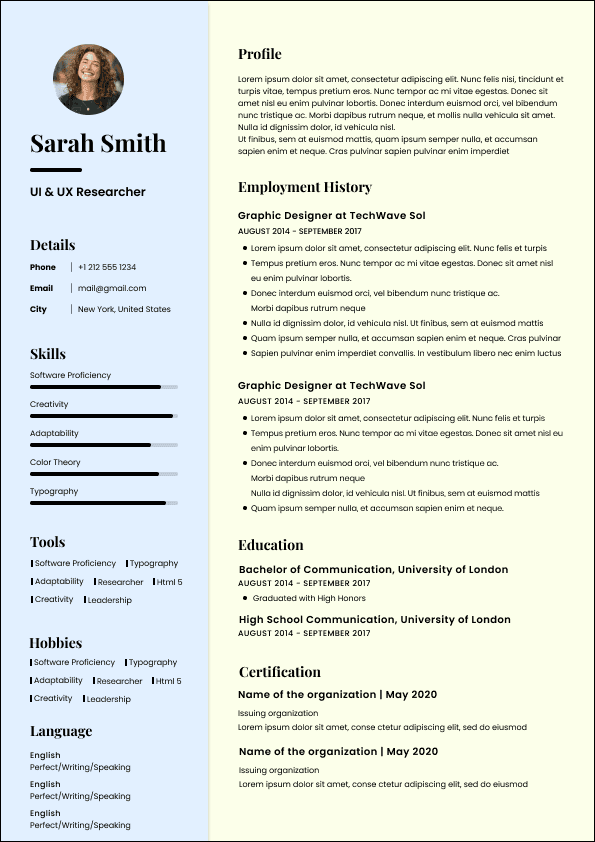
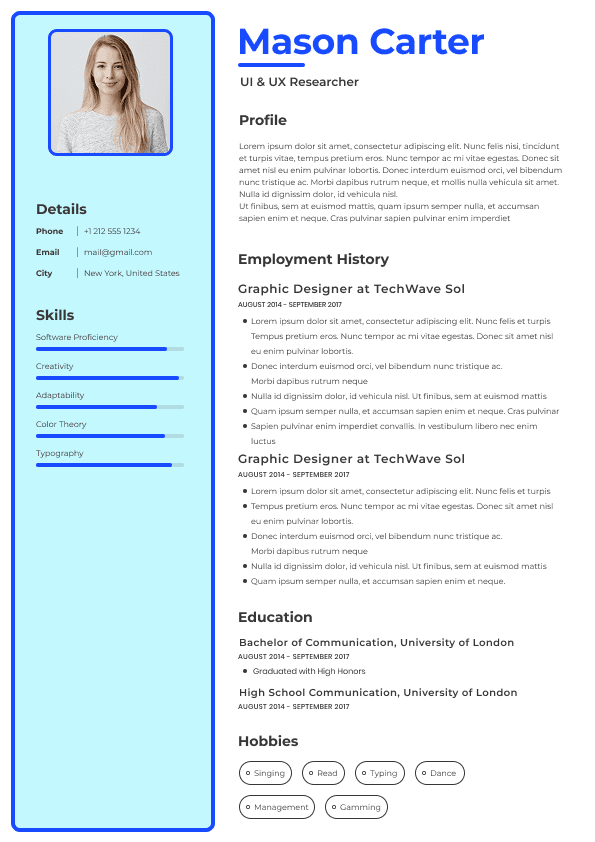
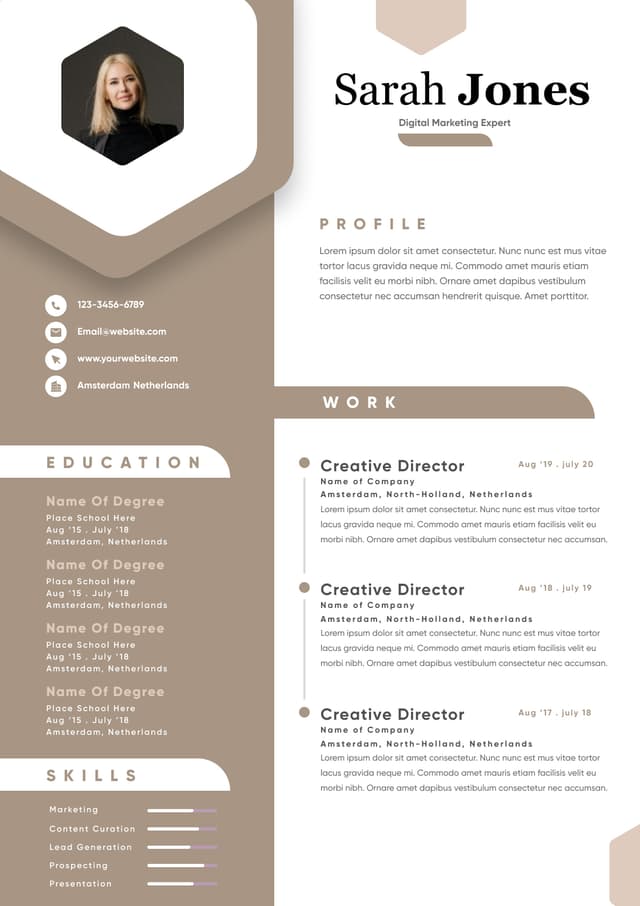
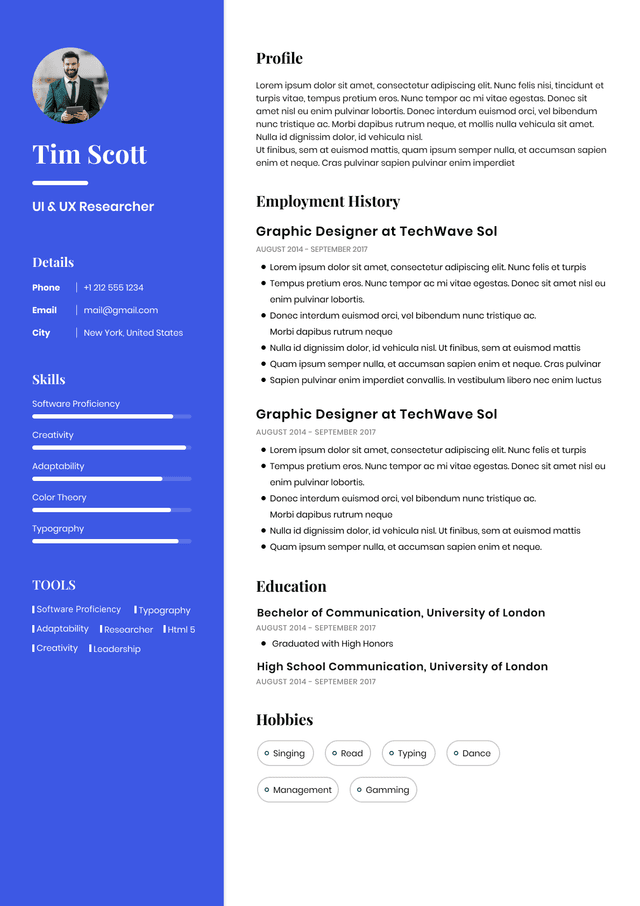
Use ATS-optimised Resume and resume templates that pass applicant tracking systems. Our Resume builder helps recruiters read, scan, and shortlist your Resume faster.


Use professional field-tested resume templates that follow the exact Resume rules employers look for.
Create Resume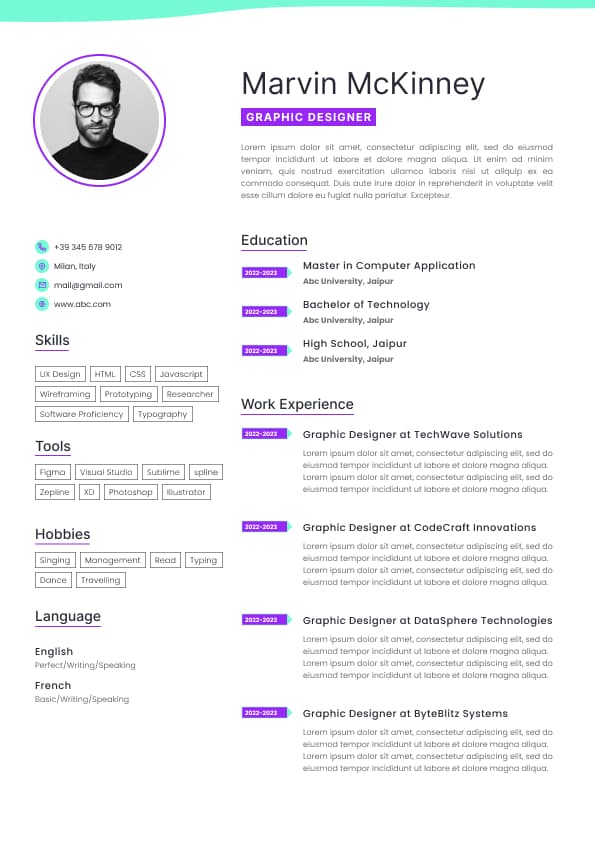
Use professional field-tested resume templates that follow the exact Resume rules employers look for.
Create Resume



 Upload Resume
 Import from Linkedin