STILL APPLYING. STILL HEARING NOTHING?BUILD YOUR RESUME

STILL APPLYING. STILL HEARING NOTHING?BUILD YOUR RESUME
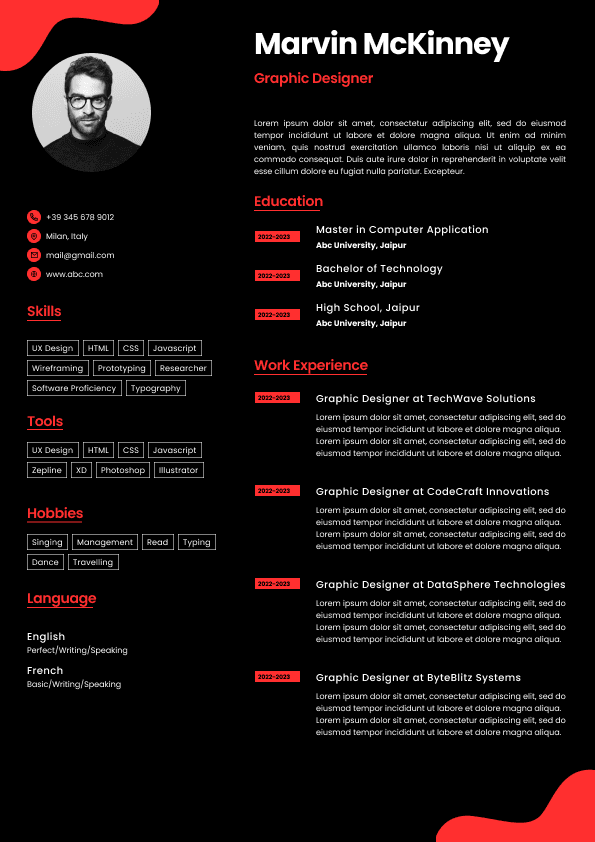
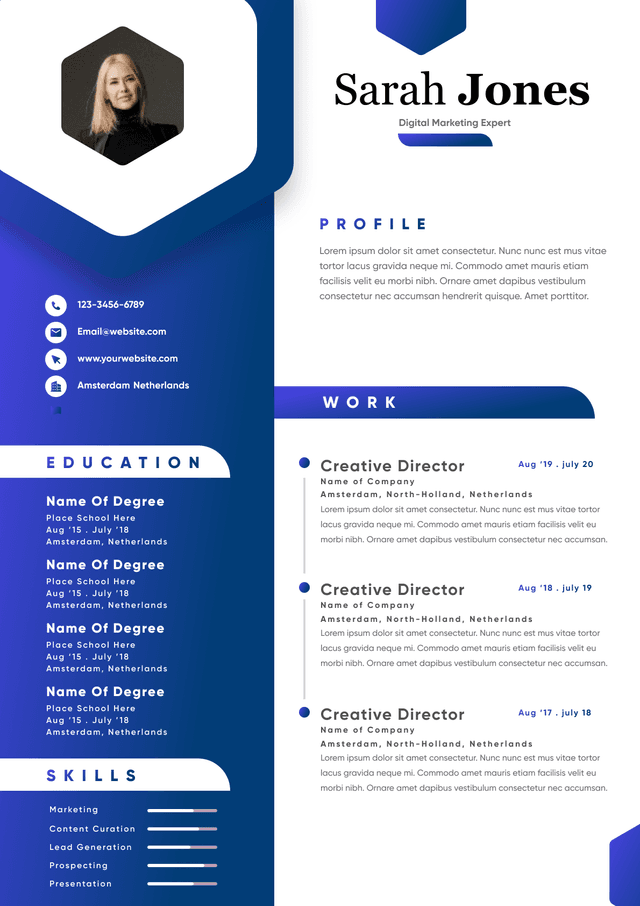
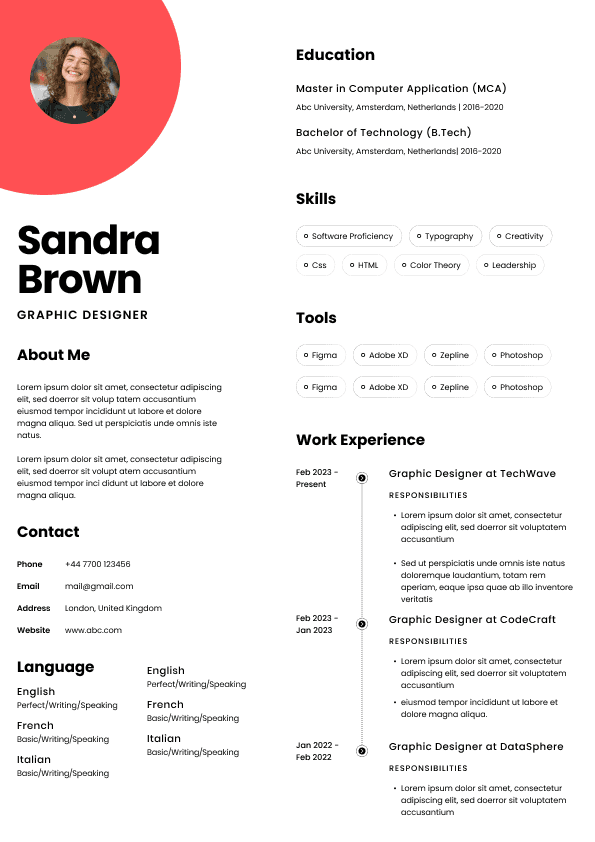
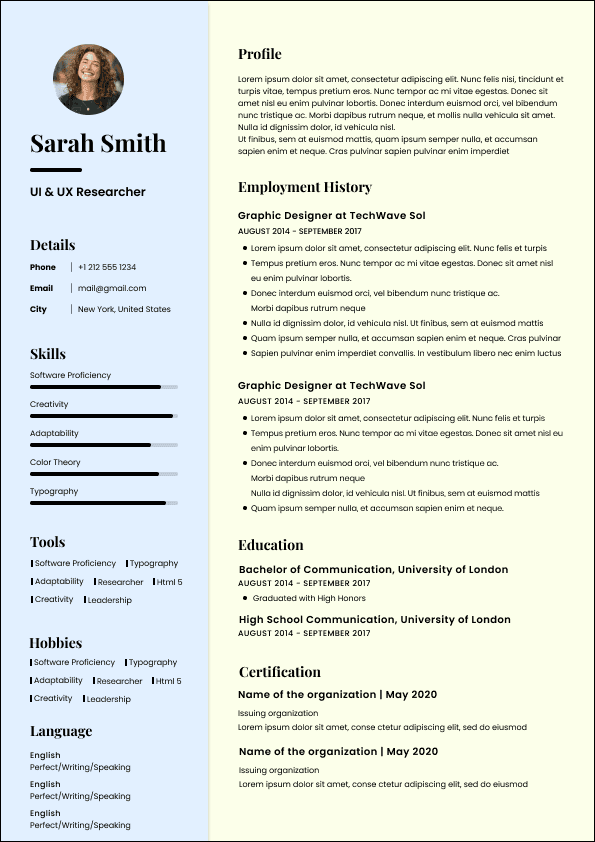
Choose from a wide range of NEWCV resume templates and customize your NEWCV design with a single click.
FAQ
A strong JavaScript developer resume is no longer just about listing frameworks like React or Node.js. In today’s US hiring market, recruiters and engineering managers evaluate resumes based on stack alignment, production impact, architecture depth, deployment workflows, TypeScript maturity, cloud exposure, and measurable business outcomes.
The difference between an interview-worthy JavaScript resume and one that gets ignored usually comes down to specificity. Generic “built web applications” bullet points fail. Stack-specific positioning wins.
If you’re applying for React, Node.js, Next.js, TypeScript, MERN, SaaS, or AWS-focused JavaScript roles, your resume needs to mirror how modern engineering teams actually hire. That means matching framework keywords, demonstrating deployment and testing workflows, highlighting performance improvements, and showing production-scale engineering impact.
This guide breaks down exactly how to optimize a JavaScript developer resume by tech stack so it performs well with ATS systems, recruiters, and technical hiring managers.
Most JavaScript resumes fail because they read like technology inventories instead of engineering impact documents.
Recruiters spend seconds deciding whether a candidate matches the role. Engineering managers scan for technical depth, architectural maturity, and business relevance.
Strong JavaScript resumes demonstrate:
Stack alignment with the exact job requirements
Real production experience, not tutorial-level projects
Measurable engineering outcomes
Modern tooling familiarity
Deployment and cloud workflows
TypeScript usage in production environments
A high-performing JavaScript resume should prioritize technical relevance and production impact.
Professional Summary
Focused on stack specialization and engineering impact.
Technical Skills
Grouped by category, not random lists.
Professional Experience
Achievement-focused with measurable results.
Projects
Only include projects relevant to the target stack.
Education
Keep concise unless early career.
Certifications
Optional but valuable for AWS or cloud-focused roles.
The skills section should mirror modern engineering ecosystems.
Frontend: React, Next.js, TypeScript, Redux Toolkit, Zustand, Tailwind CSS, Vue.js, Angular
Backend: Node.js, Express.js, NestJS, GraphQL, REST APIs, Firebase, Supabase
Cloud & DevOps: AWS, Docker, Vercel, Netlify, CI/CD pipelines
Testing: Jest, Cypress, Playwright, React Testing Library
Databases: PostgreSQL, MongoDB, MySQL, Redis
AI & Automation: OpenAI APIs, LangChain JS, vector databases, RAG pipelines
Recruiters and ATS systems scan for exact framework alignment.
Grouped skills communicate engineering maturity better than keyword dumping.
React resumes dominate the frontend hiring market, but most candidates sound identical.
Hiring managers want evidence of:
Scalable component architecture
State management experience
Performance optimization
TypeScript integration
Accessibility awareness
Testing workflows
Production-level frontend systems
Next.js hiring has expanded rapidly because companies prioritize SEO performance, server rendering, and full stack React ecosystems.
Your resume should show:
SSR and SSG experience
API routes
Performance optimization
Vercel deployment
SEO improvements
Edge rendering familiarity
“Led migration from CRA to Next.js, improving page load speed by 42% and increasing organic traffic conversions by 18%.”
TypeScript is now expected in many mid-level and senior JavaScript roles.
A JavaScript resume without TypeScript increasingly signals outdated experience.
Hiring managers often interpret TypeScript experience as evidence of:
Better engineering discipline
Scalable application architecture
Stronger maintainability practices
Enterprise-level development experience
“Refactored legacy JavaScript codebase to TypeScript, reducing production runtime errors by 28% and improving developer onboarding efficiency.”
Backend Node.js hiring focuses heavily on scalability and API engineering.
Recruiters want to see:
REST API development
Authentication systems
Database optimization
Cloud infrastructure
Microservices
Real-time systems
Backend scalability
“Built scalable Node.js and Express.js API infrastructure supporting 1.2M monthly requests with 99.9% uptime.”
MERN stack resumes remain highly searchable for startups and SaaS companies.
However, generic “MERN developer” branding is often too broad.
The best MERN resumes position the candidate around business outcomes and product engineering.
Full stack ownership
Frontend and backend integration
MongoDB optimization
Cloud deployments
Authentication systems
Production debugging
Cloud exposure dramatically increases interview conversion rates for JavaScript developers.
Even frontend-heavy roles increasingly expect deployment familiarity.
Lambda
S3
CloudFront
EC2
ECS
API Gateway
DynamoDB
Full stack JavaScript resumes fail when they appear shallow across everything.
Breadth without depth hurts credibility.
Strong full stack candidates demonstrate:
Ownership across systems
Frontend and backend integration
Database understanding
Infrastructure familiarity
Deployment workflows
Product thinking
SaaS companies evaluate resumes differently than enterprise employers.
They prioritize:
Product velocity
User impact
Experimentation
Performance metrics
Feature ownership
“Developed onboarding workflow experiments that increased SaaS activation rates by 21% using React, Node.js, and A/B testing frameworks.”
Feature flags
AI-enhanced JavaScript roles are growing rapidly.
However, hiring managers can quickly spot fake or shallow AI experience.
OpenAI APIs
LangChain JS
Vector databases
AI automation workflows
Retrieval-augmented generation
Embedding pipelines
AI-powered SaaS tools
Modern JavaScript hiring increasingly rewards developers who understand deployment workflows.
Docker
CI/CD pipelines
GitHub Actions
Vercel
Netlify
Kubernetes exposure
Infrastructure automation
Accessibility and performance optimization increasingly influence hiring decisions.
Especially for frontend and SaaS roles.
Core Web Vitals
Lighthouse scores
Load time reductions
Accessibility compliance
Bundle optimization
“Improved Lighthouse performance score from 71 to 96 through code splitting, image optimization, and lazy loading strategies.”
Long, unfocused skill lists reduce credibility.
Recruiters recognize cloned projects instantly.
Vague descriptions fail ATS and hiring manager evaluations.
Modern JavaScript hiring strongly favors TypeScript familiarity.
Engineering work without measurable outcomes feels low value.
Recruiters want evidence of real users, real systems, and real deployment environments.
React
Next.js
Vue.js
Angular
TypeScript
Tailwind CSS
Redux Toolkit
Zustand
Senior resumes emphasize:
Architecture decisions
Team collaboration
Scalability
Production systems
Performance optimization
Infrastructure ownership
Junior resumes usually focus on:
Features built
Framework familiarity
The best JavaScript resumes are not broad technology catalogs.
They are targeted positioning documents.
Your resume should immediately communicate:
Your primary stack specialization
Your engineering maturity
Your production experience
Your business impact
Your deployment familiarity
Your scalability exposure
Modern hiring teams increasingly evaluate engineers based on how they contribute to product delivery and system reliability, not just coding output.
The candidates who consistently land interviews tailor their resumes around the exact stack and engineering environment the employer uses.


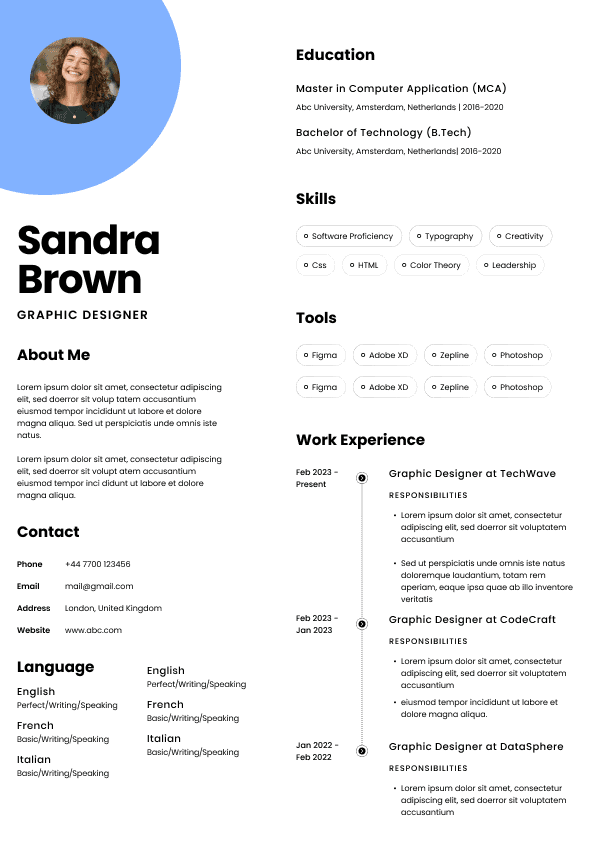
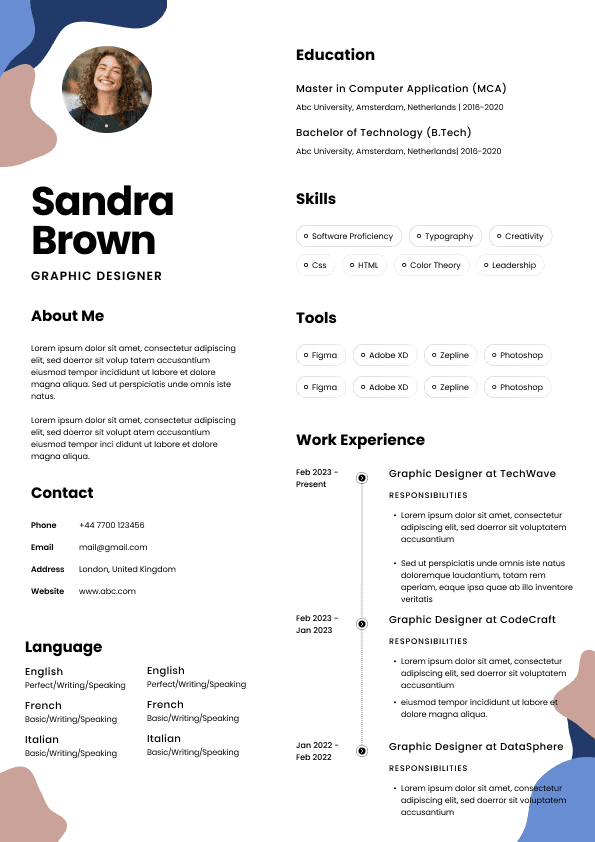
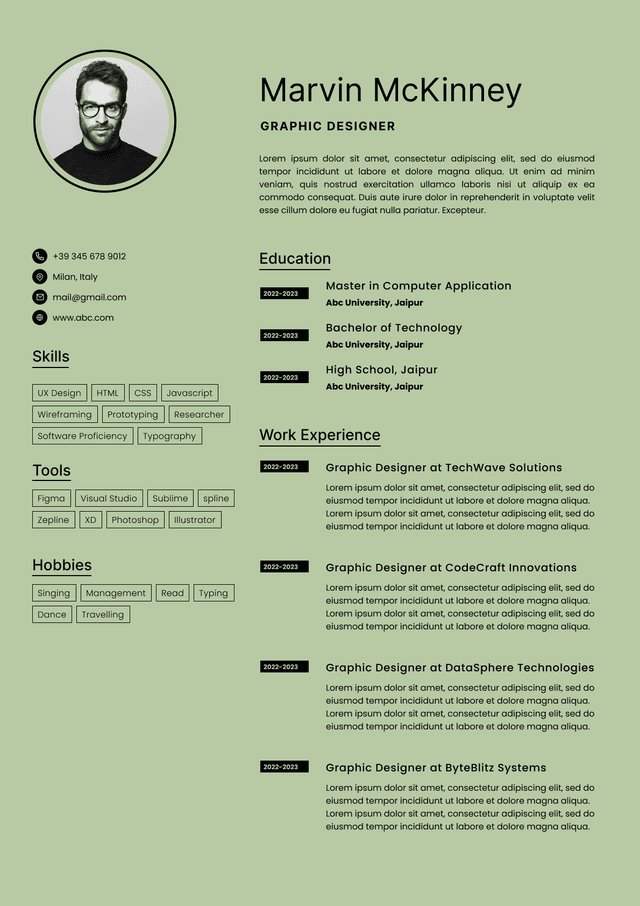
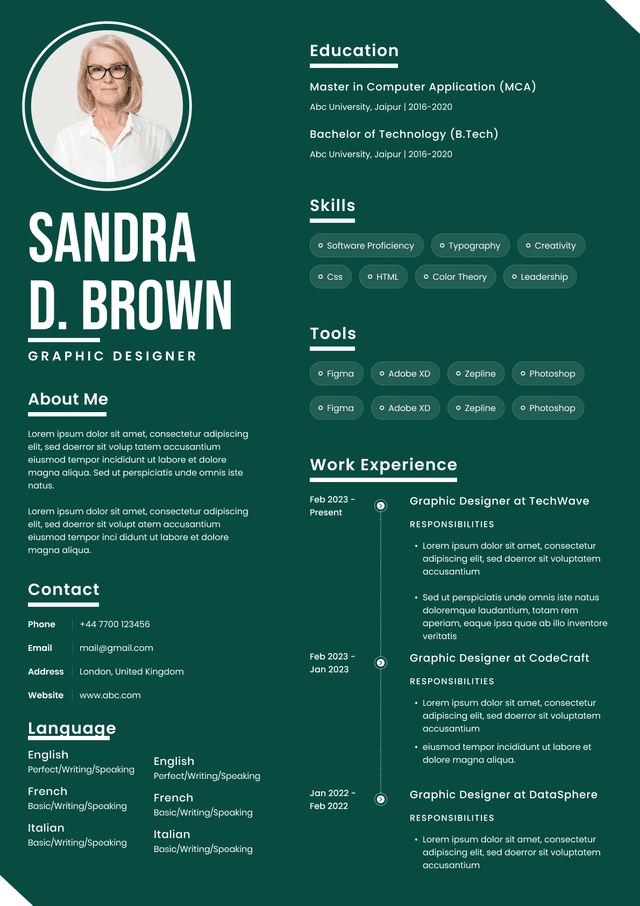
Use ATS-optimised Resume and resume templates that pass applicant tracking systems. Our Resume builder helps recruiters read, scan, and shortlist your Resume faster.


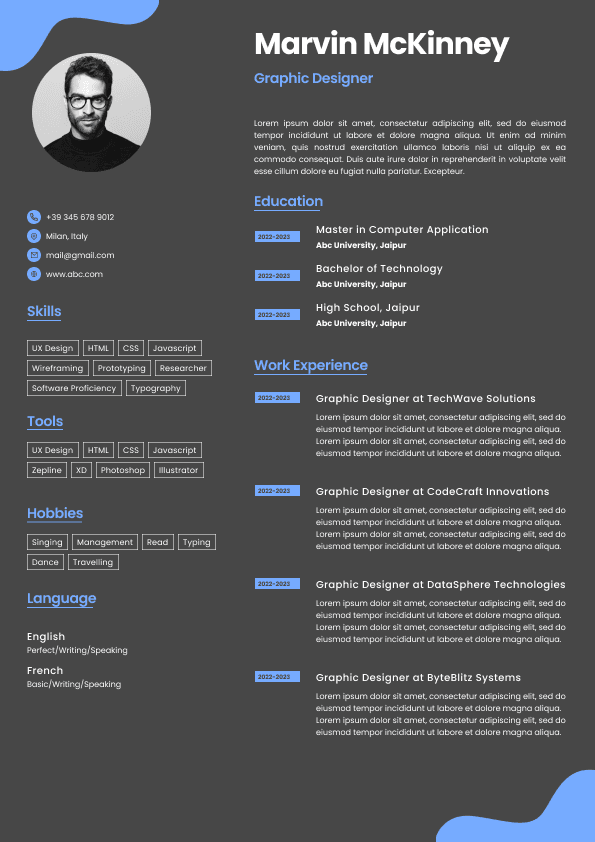
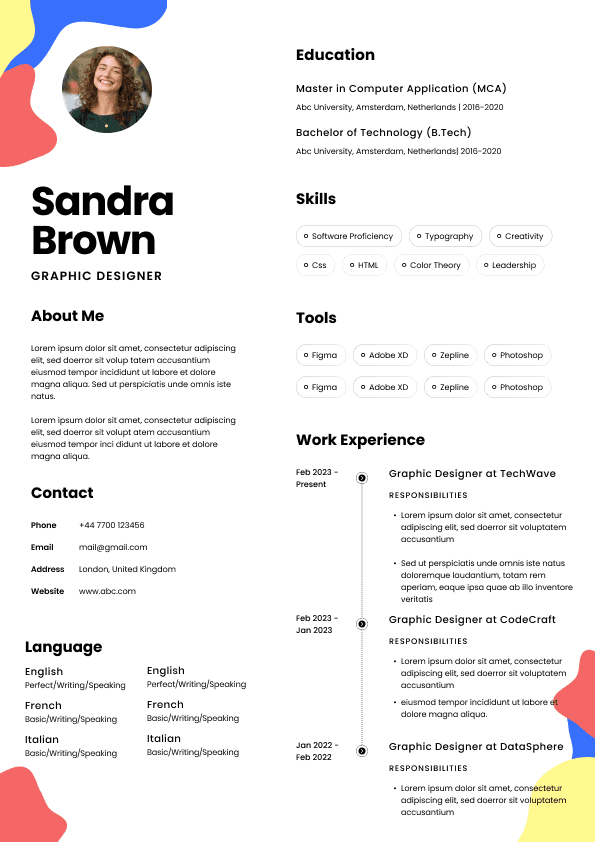
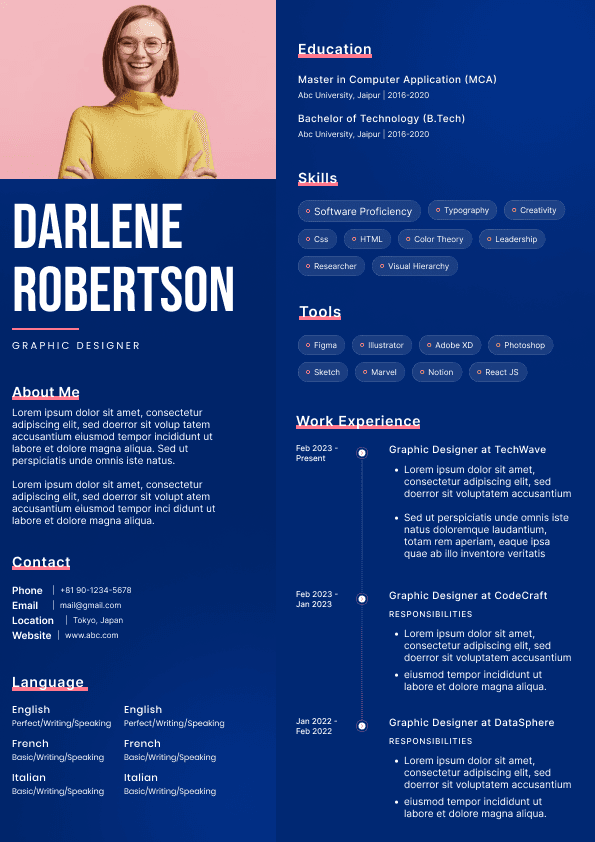
Use professional field-tested resume templates that follow the exact Resume rules employers look for.
Create Resume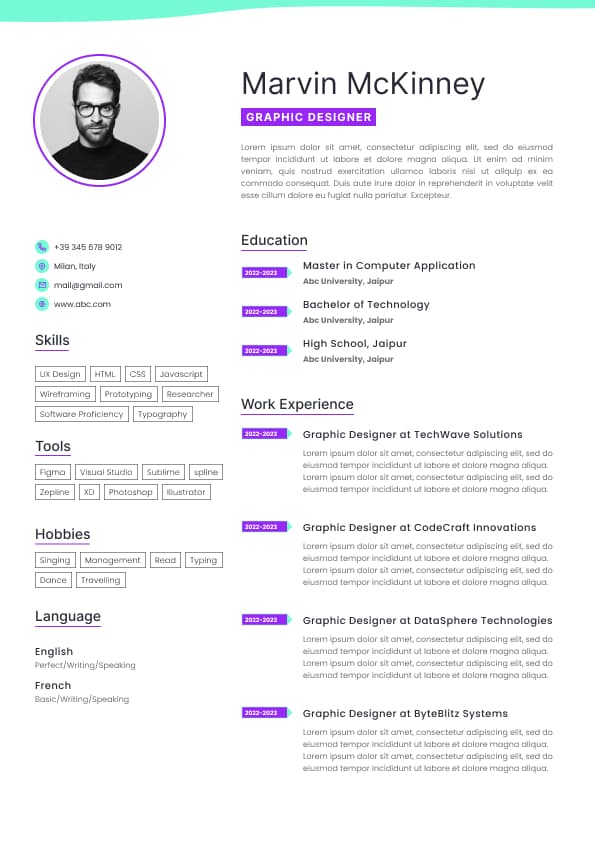
Use professional field-tested resume templates that follow the exact Resume rules employers look for.
Create ResumePerformance optimization experience
Testing and reliability practices
Collaboration with product and engineering teams
Scalable architecture exposure
Weak resumes usually:
List too many unrelated technologies
Use vague bullet points
Lack measurable outcomes
Show shallow framework exposure
Ignore cloud and deployment workflows
Overemphasize coursework or tutorials
Fail to explain engineering impact
Recruiters often search resumes using exact stack keywords.
If a company uses:
React + TypeScript + AWS
Next.js + Vercel
Node.js + GraphQL
MERN stack
NestJS + Docker
AI integrations with OpenAI APIs
Your resume should explicitly contain those technologies naturally throughout the document.
Many candidates lose interviews simply because their resume says “JavaScript developer” while the employer is searching for “React TypeScript Engineer.”
Weak Example
“Built React applications for company website.”
Good Example
“Developed reusable React and TypeScript component architecture used across 4 SaaS products, reducing frontend development time by 35%.”
React Hooks
Context API
Redux Toolkit
Zustand
React Query
Server-side rendering
Component libraries
Accessibility compliance
Lazy loading
Performance optimization
React Testing Library
Senior React candidates are often evaluated on architecture decisions, not just coding ability.
If your resume only shows “built UI components,” you appear junior.
Companies hiring Next.js engineers care heavily about:
Core Web Vitals
SEO performance
Scalable frontend architecture
Full stack React capabilities
Vercel deployment workflows
Most resumes fail because they never connect frontend engineering to business performance.
Static typing
Type-safe APIs
Interface design
Generics
Type inference
Monorepo architecture
Shared component systems
Express.js
NestJS
GraphQL
WebSockets
JWT authentication
Microservices
Queue systems
Rate limiting
API optimization
Event-driven architecture
Many candidates only describe CRUD APIs.
That sounds junior.
Senior backend resumes should demonstrate:
System scalability
Reliability engineering
Infrastructure decisions
Performance optimization
Security considerations
CI/CD workflows
“Built end-to-end MERN SaaS platform with Stripe integrations, reducing customer onboarding time by 40%.”
Deployment workflows
Cloud infrastructure
Testing practices
Scalability metrics
Real production usage
Tutorial-style projects are a major red flag unless reframed strategically.
IAM
CI/CD pipelines
“Implemented AWS-based deployment pipeline reducing production release times from 45 minutes to under 10 minutes.”
Hiring managers increasingly prefer developers who understand:
Infrastructure costs
Deployment reliability
Production environments
Monitoring workflows
Candidates with cloud exposure often outperform technically similar candidates without it.
“Designed and deployed full stack SaaS analytics platform using React, Node.js, PostgreSQL, and AWS serving 25K+ monthly users.”
They are not looking for someone who “knows everything.”
They want engineers who can:
Work across layers confidently
Solve production problems
Ship features independently
Understand system tradeoffs
Product analytics
Subscription systems
Stripe integrations
User onboarding
Experimentation frameworks
Customer retention
SaaS companies heavily favor engineers who understand business metrics.
Purely technical resumes often underperform in startup hiring environments.
“Integrated OpenAI and LangChain JS workflows into customer support platform, reducing average response handling time by 37%.”
Simply mentioning ChatGPT is meaningless.
Hiring managers care about:
Workflow integration
Production implementation
Business outcomes
System architecture
“Implemented automated CI/CD pipeline using GitHub Actions and Docker, reducing deployment failures by 60%.”
Engineering teams prefer developers who reduce operational overhead.
Deployment ownership signals seniority.
Most resumes claim performance optimization without metrics.
Quantified improvements create immediate credibility.
Node.js
Express.js
NestJS
GraphQL
REST APIs
PostgreSQL
MongoDB
AWS
Docker
CI/CD
Vercel
Netlify
Jest
Cypress
Playwright
React Testing Library
OpenAI APIs
LangChain JS
Vector databases
AI automation
RAG pipelines
Individual tasks
“Architected multi-tenant SaaS frontend using Next.js and TypeScript, improving feature release velocity by 32% across 5 engineering squads.”
“Built reusable React components and integrated REST APIs for customer dashboard.”
Both are valid.
But the senior version demonstrates organizational impact.
That specificity is what separates interview-winning JavaScript resumes from generic developer resumes that disappear in ATS systems.





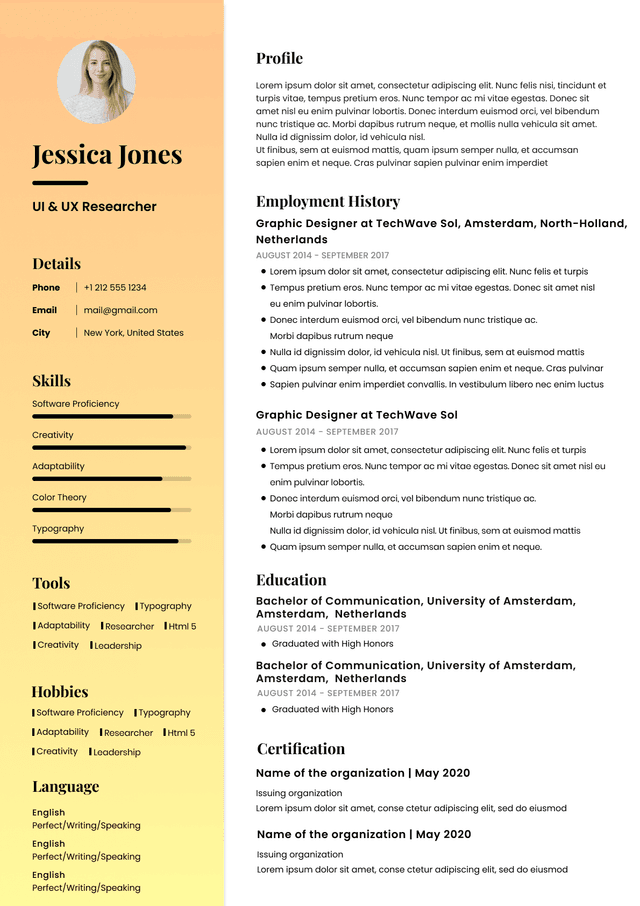
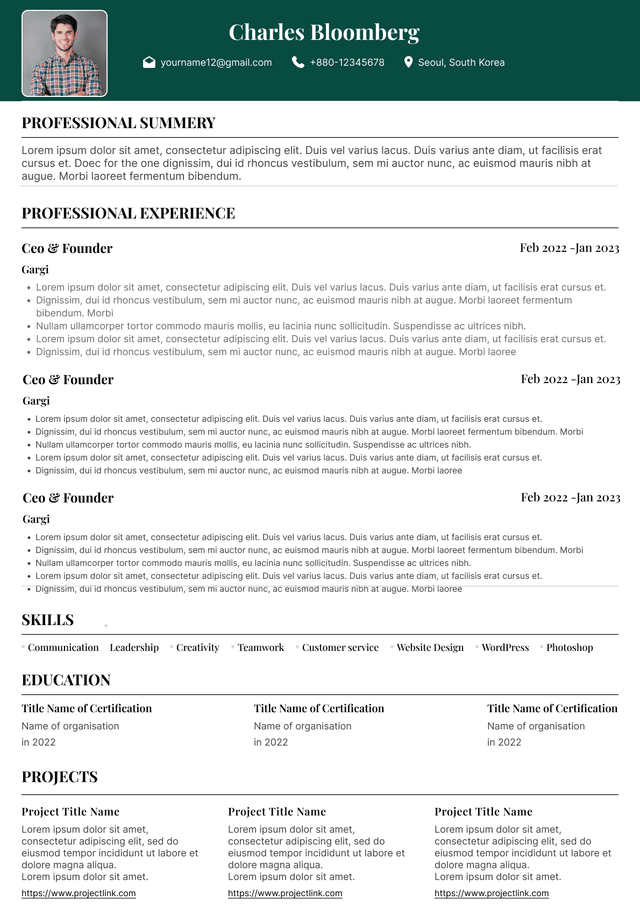
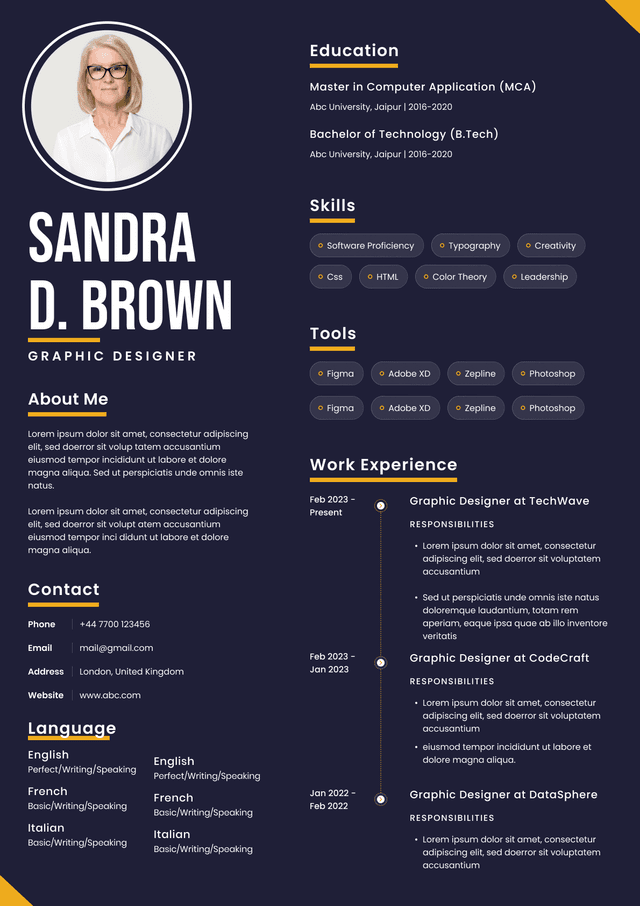

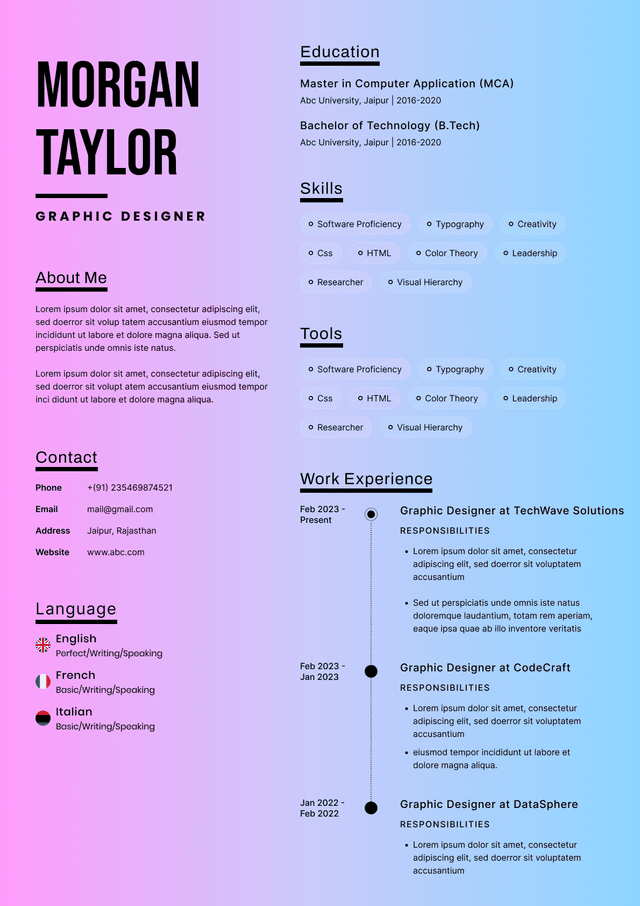
 Upload Resume
 Import from Linkedin