STILL APPLYING. STILL HEARING NOTHING?BUILD YOUR RESUME

STILL APPLYING. STILL HEARING NOTHING?BUILD YOUR RESUME
FAQ
Modern Python hiring has become heavily specialized. A Django SaaS backend engineer, FastAPI microservices engineer, AI automation developer, fintech platform engineer, and cloud-native Python engineer are not evaluated the same way. Your resume must align with the exact hiring intent of the role. This guide breaks down how recruiters actually screen Python developer resumes, why resumes get rejected, and how to optimize your resume for ATS systems, technical hiring managers, and modern backend engineering roles.
Most rejected Python resumes are not rejected because the candidate lacks technical skill. They are rejected because the resume fails to communicate production-level engineering value quickly enough.
Recruiters typically scan a resume for less than 30 seconds before deciding whether it moves forward. Technical hiring managers often spend even less time on the initial pass.
Common rejection patterns include:
Generic summaries like “Experienced Python developer with strong coding skills”
No measurable backend or infrastructure impact
Missing cloud and deployment experience
No mention of scalability, observability, or distributed systems
Weak ATS keyword alignment
No production engineering terminology
Recruiters hiring Python developers are usually trying to validate five things quickly:
Hiring managers want evidence that you worked on real applications, not just internal scripts or tutorials.
Strong indicators include:
REST APIs
Microservices
Event-driven systems
Distributed architecture
Cloud deployment
Background task processing
Most ATS systems do not intelligently “understand” your resume. They primarily score keyword relevance, title alignment, and semantic matching.
If a job description repeatedly mentions:
FastAPI
Docker
Kubernetes
AWS
Microservices
PostgreSQL
And your resume barely mentions them, your match score drops significantly.
This does not mean keyword stuffing works. Modern ATS systems evaluate contextual relevance.
For example:
Weak Example
“Python, Docker, AWS, APIs, Kubernetes.”
The strongest Python resumes include keywords tied to real production engineering work.
Django
FastAPI
Flask
REST APIs
GraphQL
AsyncIO
Celery
One of the biggest resume failures is describing responsibilities instead of outcomes.
Recruiters care far more about engineering impact than task lists.
Weak Example
“Worked on backend API development.”
Good Example
“Built FastAPI-based backend services reducing API response time by 42% and supporting 500K+ daily transactions.”
Use metrics tied to:
API performance
Infrastructure reliability
Deployment speed
For Python developers, especially mid-level and senior candidates, recruiters increasingly expect proof of technical depth outside the resume itself.
Strong additions include:
GitHub repositories
API documentation
Open-source contributions
Technical blog posts
Architecture case studies
Portfolio projects
This is especially important for:
Startup hiring
One major mistake is using the same Python resume for every role.
Modern hiring strongly rewards specialization alignment.
Prioritize:
Django
Django REST Framework
PostgreSQL
Multi-tenant systems
Authentication systems
Subscription billing
SaaS architecture
API integrations
Prioritize:
FastAPI
Async programming
Docker
Kubernetes
Event-driven architecture
Distributed systems
API performance
Message queues
Prioritize:
Python automation
AI integrations
LangChain
OpenAI APIs
Workflow automation
Data pipelines
Vector databases
Async task processing
Prioritize:
Secure authentication
Transaction systems
Audit logging
PCI compliance
SOC 2
Event streaming
Fraud prevention
High-availability systems
Prioritize:
HIPAA
Data security
Patient data handling
Encryption
Compliance systems
Audit trails
API interoperability
Healthcare engineering hiring strongly favors candidates who understand compliance-sensitive environments.
Your summary should immediately position you correctly.
“Python developer with experience building applications.”
“Backend Python engineer with 6+ years building scalable microservices, REST APIs, and cloud-native infrastructure using FastAPI, Docker, Kubernetes, PostgreSQL, and AWS. Experienced optimizing distributed systems supporting millions of monthly requests in SaaS and fintech environments.”
The second version immediately communicates:
Seniority
Architecture exposure
Infrastructure depth
Scale
Industry alignment
Avoid dumping every technology you have ever touched.
Instead, organize skills strategically.
Languages: Python, SQL, Bash
Frameworks: FastAPI, Django, Flask
Cloud & DevOps: AWS, Docker, Kubernetes, Terraform, GitHub Actions
Databases: PostgreSQL, Redis, MongoDB
Architecture: Microservices, Distributed Systems, Event-Driven Architecture
Monitoring: Datadog, Prometheus, Grafana
This improves ATS parsing and recruiter readability.
This is the section where most resumes fail.
Every bullet should demonstrate:
Technical complexity
Business impact
Production scale
Collaboration
Architecture ownership
Architected FastAPI microservices handling 8M+ monthly API requests with Redis caching and Kubernetes auto-scaling
Reduced deployment failures by 45% through GitHub Actions CI/CD automation and containerized Docker workflows
Recruiters do not hire lists of tools.
They hire engineers who solved business and infrastructure problems.
Many resumes look academic because they lack deployment and operational terminology.
Add evidence of:
Production deployment
Monitoring
Reliability
Incident management
Scalability
If the role requires Kubernetes and your resume only says “containerization,” you may not rank highly enough.
Use direct terminology naturally.
Avoid phrases like:
Hardworking developer
Team player
Passionate coder
Fast learner
These add no hiring value.
Senior and mid-level Python hiring increasingly evaluates systems thinking.
Strong terminology includes:
Distributed systems
Event-driven architecture
Service orchestration
High-availability infrastructure
Scalable backend systems
A strong resume gets interviews. It does not guarantee offers.
Hiring managers also evaluate:
System design ability
Architecture reasoning
Scalability thinking
Debugging approach
Infrastructure awareness
Security mindset
API design quality
Cross-functional collaboration
The highest-performing resumes communicate business importance, not just technical execution.
Instead of:
“Built backend APIs.”
Use:
“Developed revenue-critical backend APIs supporting subscription billing infrastructure for 120K+ SaaS users.”
Modern backend hiring rewards engineers who collaborate across teams.
Mention:
DevOps collaboration
Platform engineering coordination
Security reviews
Infrastructure planning
Product partnership
Ownership language dramatically improves perceived seniority.
Examples:
Led
Architected
Designed
Scaled
Optimized
Implemented
Automated
Avoid passive wording like “helped with.”
The strongest Python resumes reflect current backend engineering practices.
High-value terminology includes:
Cloud-native architecture
Infrastructure automation
Event streaming
API observability
Container orchestration
Service reliability
Resilient systems
Before applying, verify your resume includes:
Measurable backend or infrastructure metrics
Python framework specialization
Cloud platform experience
Docker and Kubernetes exposure
CI/CD tooling
Database optimization work
API architecture terminology
Distributed systems or scalability terminology
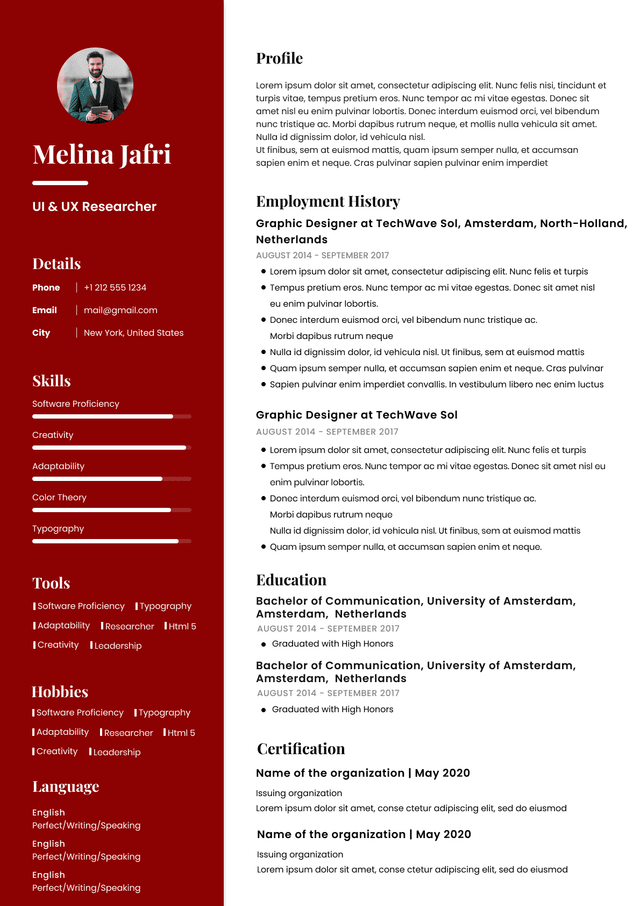
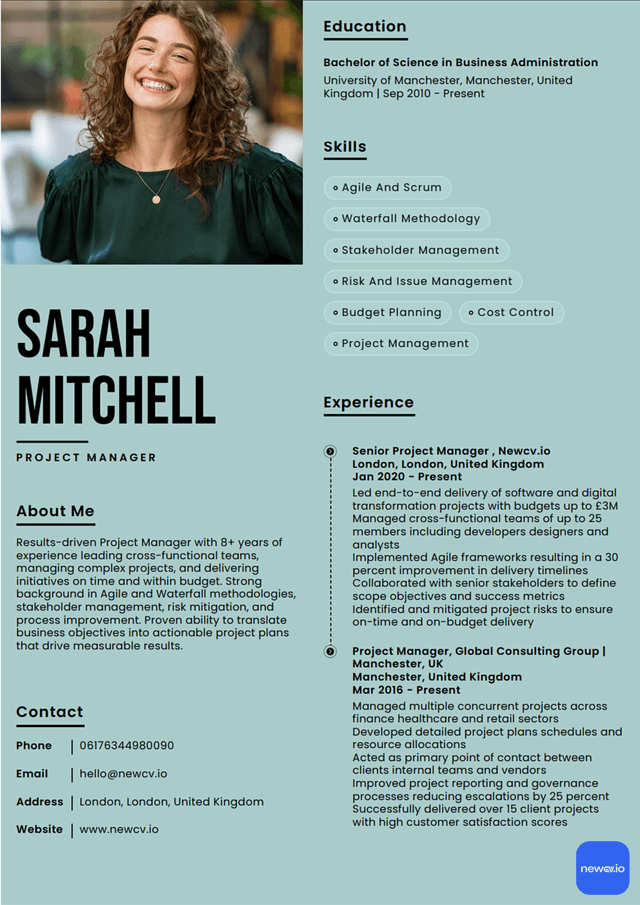
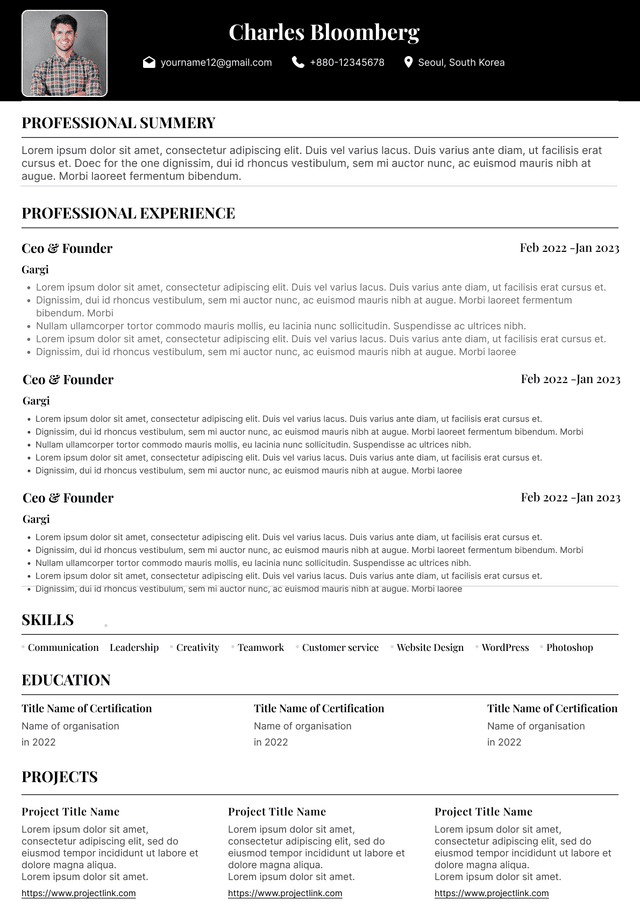
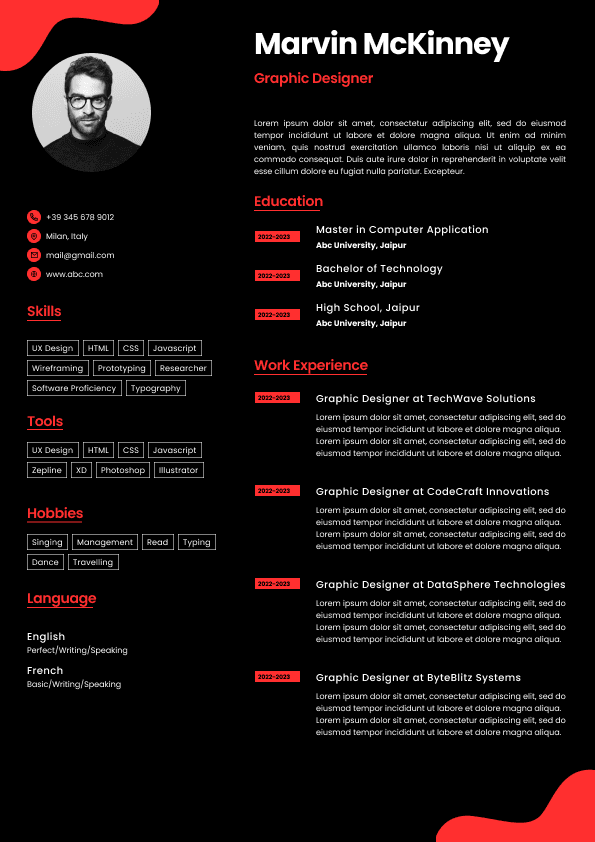
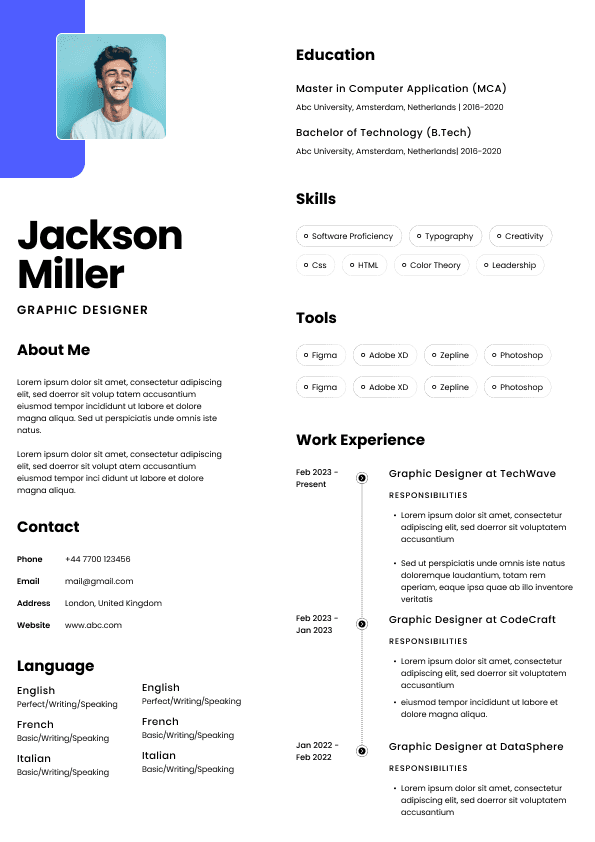
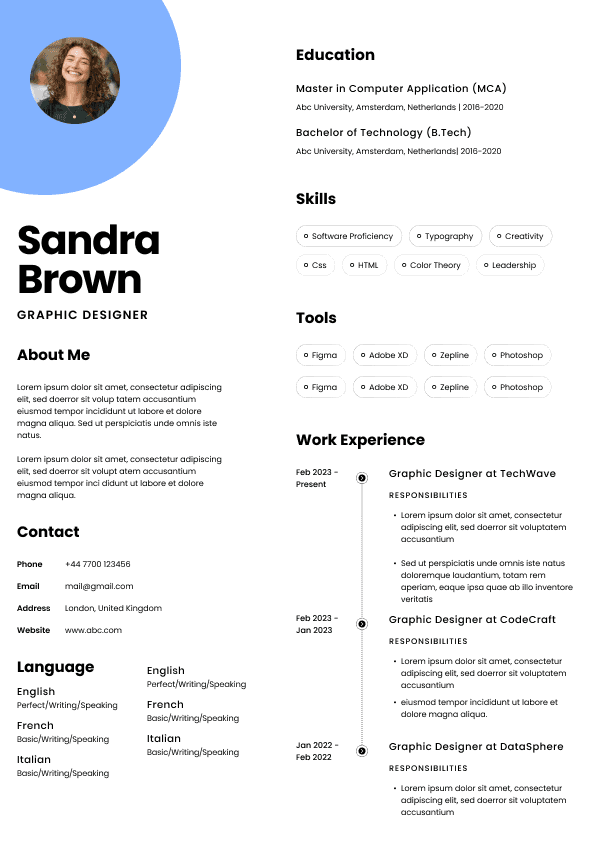
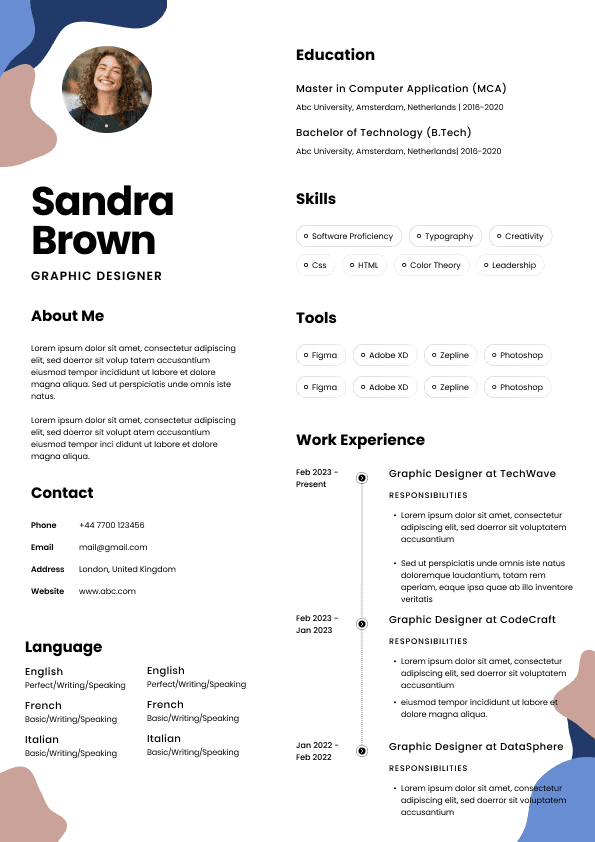
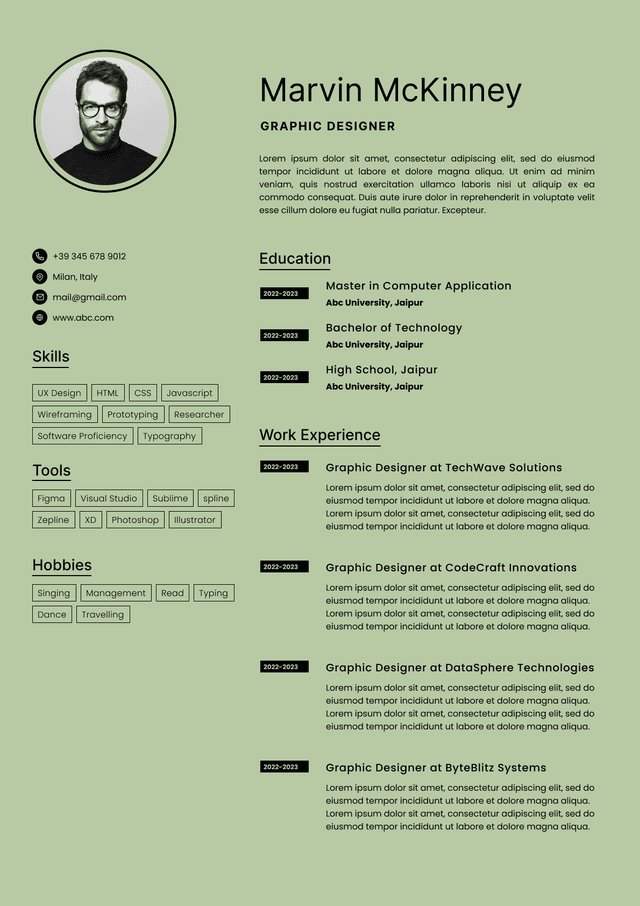
Choose from a wide range of NEWCV resume templates and customize your NEWCV design with a single click.

Use ATS-optimised Resume and resume templates that pass applicant tracking systems. Our Resume builder helps recruiters read, scan, and shortlist your Resume faster.

Use professional field-tested resume templates that follow the exact Resume rules employers look for.
Create Resume
Use professional field-tested resume templates that follow the exact Resume rules employers look for.
Create ResumeNo GitHub, portfolio, or API documentation links
Listing technologies without business or engineering outcomes
Positioning yourself as a generalist when the company wants specialization
A Python developer resume that says:
Weak Example
“Built APIs using Python and Django.”
Sounds junior and low-impact.
A stronger version immediately communicates scale, architecture, and outcomes.
Good Example
“Designed and deployed Django REST APIs supporting 2M+ monthly requests with Redis caching, PostgreSQL optimization, and Docker-based CI/CD deployment on AWS ECS.”
That difference alone changes how recruiters classify the candidate.
API authentication
Production monitoring
CI/CD pipelines
Modern backend hiring strongly favors candidates with scale-related terminology and metrics.
Important keywords include:
Async programming
Load balancing
Caching
Queue systems
Horizontal scaling
Kubernetes
Container orchestration
Rate limiting
Performance optimization
Python backend hiring increasingly overlaps with platform engineering and DevOps.
Recruiters now expect familiarity with:
AWS
Azure
GCP
Docker
Kubernetes
Terraform
GitHub Actions
Jenkins
CI/CD
Infrastructure monitoring
This is especially important in fintech, healthcare, and SaaS hiring.
Valuable keywords include:
OWASP
HIPAA
SOC 2
Secure authentication
OAuth2
JWT
Role-based access control
Encryption
API security
Strong resumes connect technical work to business outcomes.
Hiring managers want to see:
Reduced latency
Increased API throughput
Faster deployments
Reduced infrastructure costs
Improved uptime
Better reliability
Higher scalability
This looks artificial.
Good Example
“Deployed containerized FastAPI microservices using Docker and Kubernetes on AWS EKS with automated CI/CD pipelines.”
That creates semantic relevance recruiters and ATS systems both recognize.
gRPC
API gateway
Swagger
OpenAPI
Docker
Kubernetes
Microservices
Distributed systems
Event-driven architecture
Redis
RabbitMQ
Kafka
Horizontal scaling
Caching
Load balancing
AWS
Azure
GCP
ECS
EKS
Lambda
Terraform
CloudFormation
S3
IAM
PostgreSQL
MySQL
MongoDB
DynamoDB
SQLAlchemy
Database optimization
Query tuning
Prometheus
Grafana
Datadog
ELK Stack
OpenTelemetry
Logging
Monitoring
Alerting
Incident response
OWASP
HIPAA
SOC 2
OAuth2
JWT
Secure authentication
Encryption
RBAC
GitHub Actions
Jenkins
GitLab CI
CI/CD pipelines
Infrastructure automation
Blue-green deployment
Canary deployment
Database efficiency
System uptime
Cost reduction
Scalability
Automation savings
Request volume
User growth
Reduced API latency from 900ms to 250ms
Improved deployment frequency from weekly to daily
Supported 99.95% uptime SLA
Processed 10M+ monthly events
Reduced infrastructure costs by 28%
Increased query performance by 60%
AI engineering roles
SaaS engineering
Platform engineering
Remote jobs
Recruiters are not just checking whether you have GitHub activity.
They evaluate:
Project complexity
Documentation quality
Architecture decisions
Testing practices
API design
CI/CD setup
Real deployment evidence
A polished repository with Docker setup, API documentation, and deployment instructions immediately differentiates candidates.
SaaS companies want engineers who understand long-term maintainability and backend product scaling.
These roles are often evaluated closer to platform engineering than traditional backend development.
AI hiring managers care heavily about practical implementation experience, not just experimentation.
Fintech recruiters aggressively filter out candidates who lack security and reliability terminology.
Designed event-driven payment processing systems using Kafka and PostgreSQL for high-volume fintech transactions
Implemented observability tooling with Datadog and Prometheus, reducing incident resolution time by 38%
Optimized asynchronous task processing pipelines using Celery and RabbitMQ, improving throughput by 52%
The best resumes hint at these capabilities before interviews even begin.
For example:
“Collaborated with DevOps teams to implement Kubernetes-based deployment automation and observability tooling across distributed backend services.”
That signals maturity far beyond simple coding ability.
Monitoring and observability tools
Security and compliance terminology
GitHub or portfolio links
Production deployment evidence
ATS keyword alignment with the job description
Strong business and engineering impact statements
A Python resume that combines technical depth, measurable impact, infrastructure awareness, and specialization alignment consistently performs better in both ATS systems and recruiter screening.



 Upload Resume
 Import from Linkedin