STILL APPLYING. STILL HEARING NOTHING?BUILD YOUR RESUME

STILL APPLYING. STILL HEARING NOTHING?BUILD YOUR RESUME
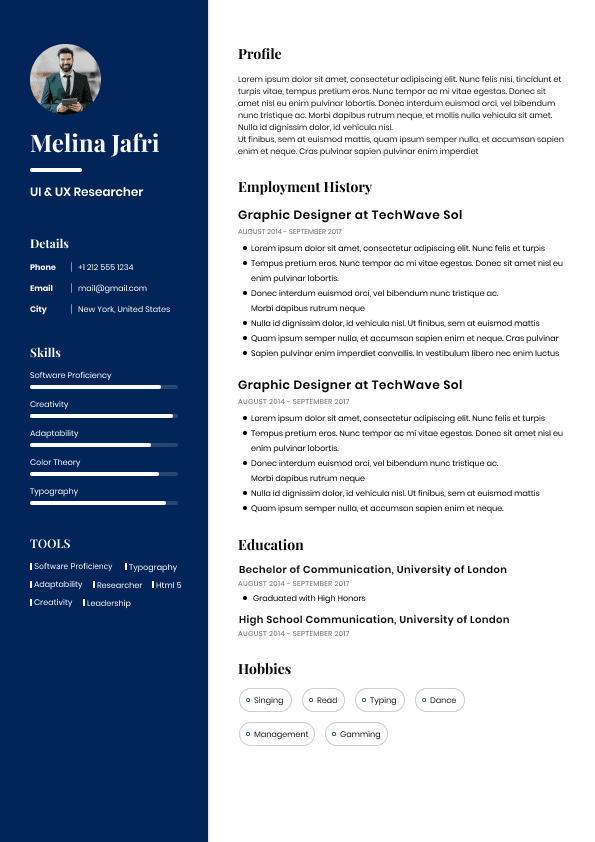
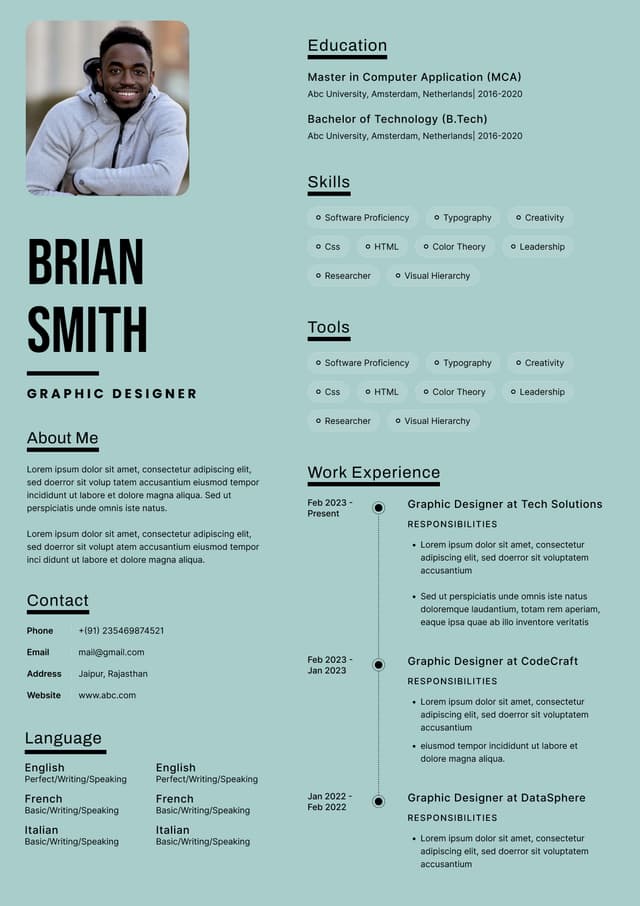
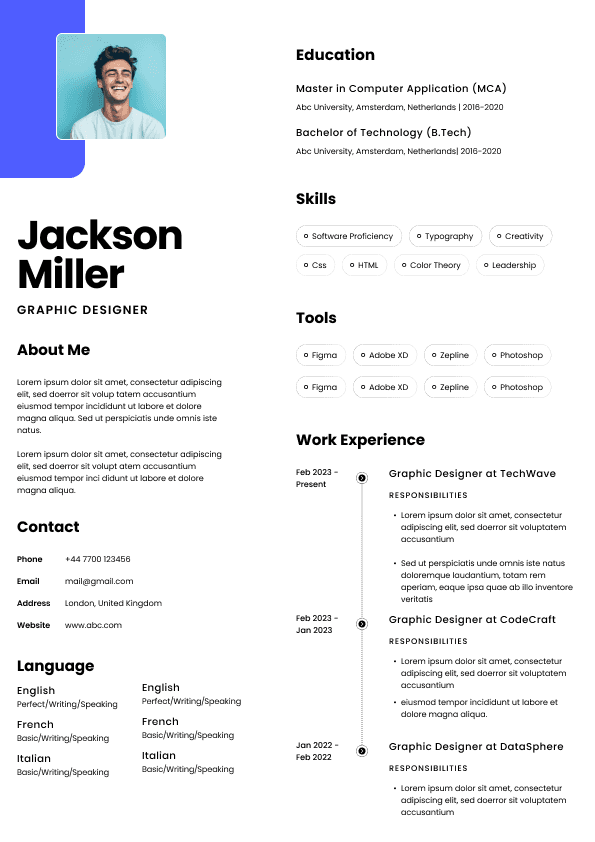
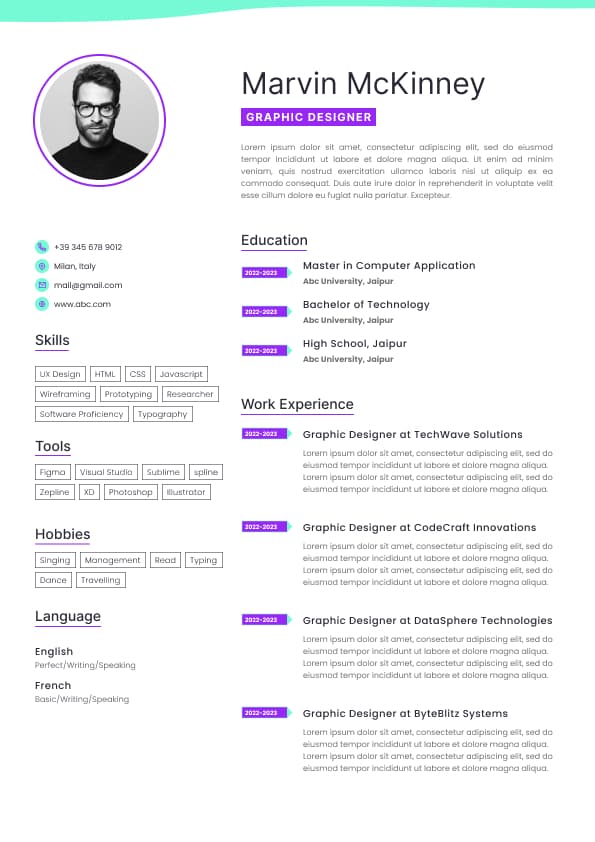
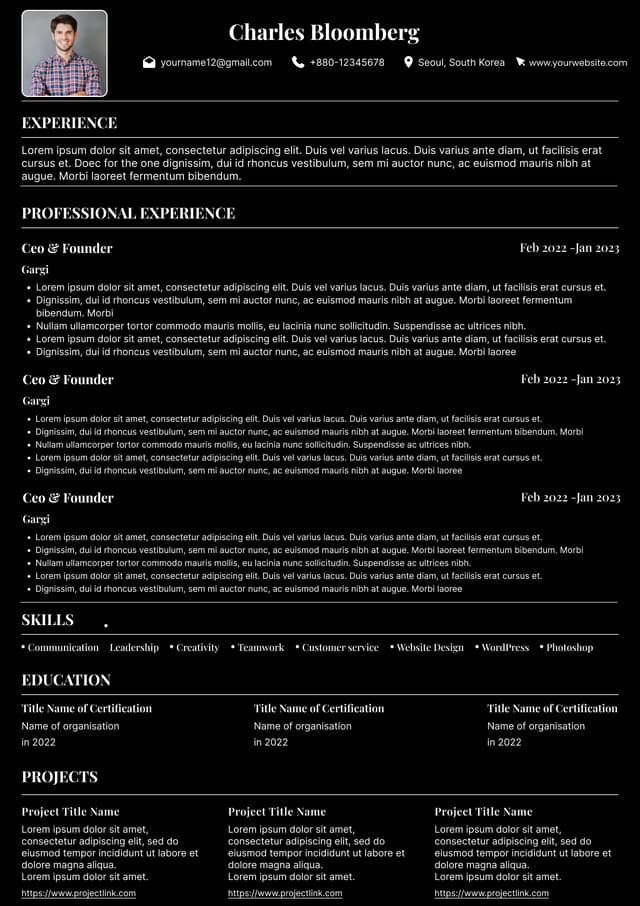
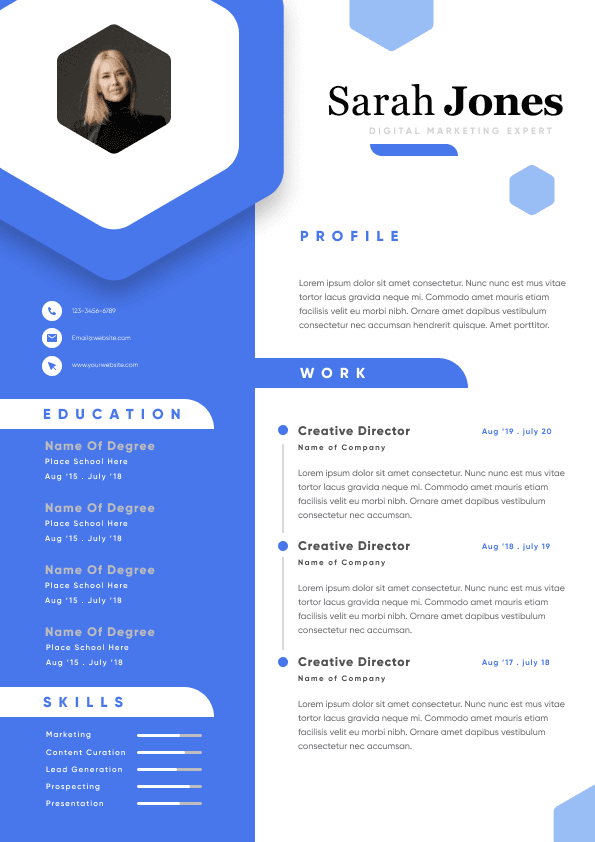
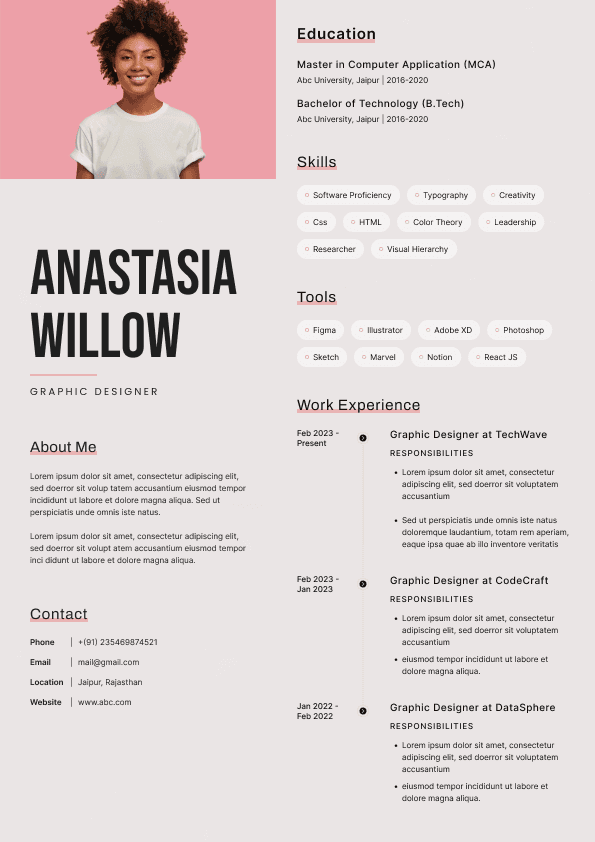
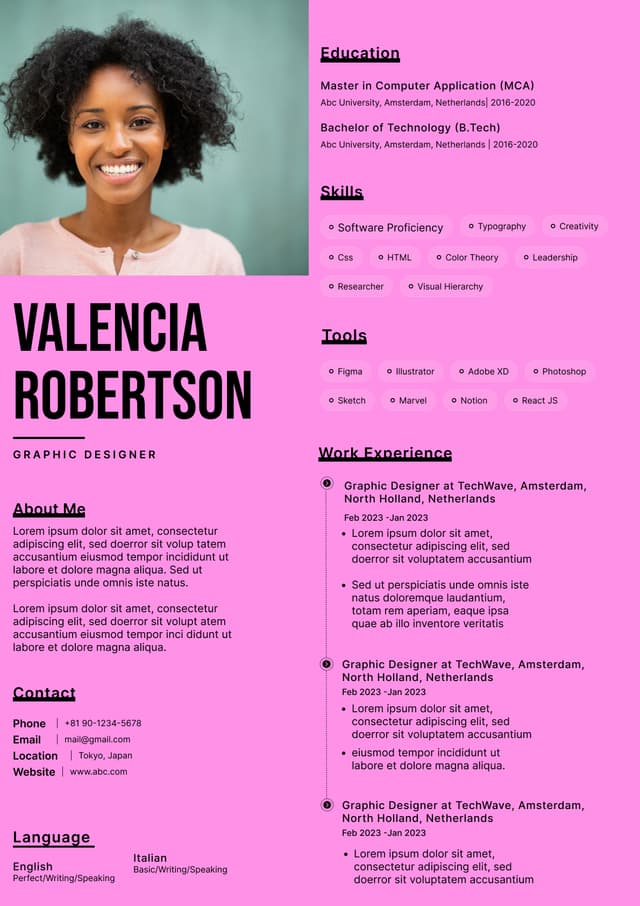
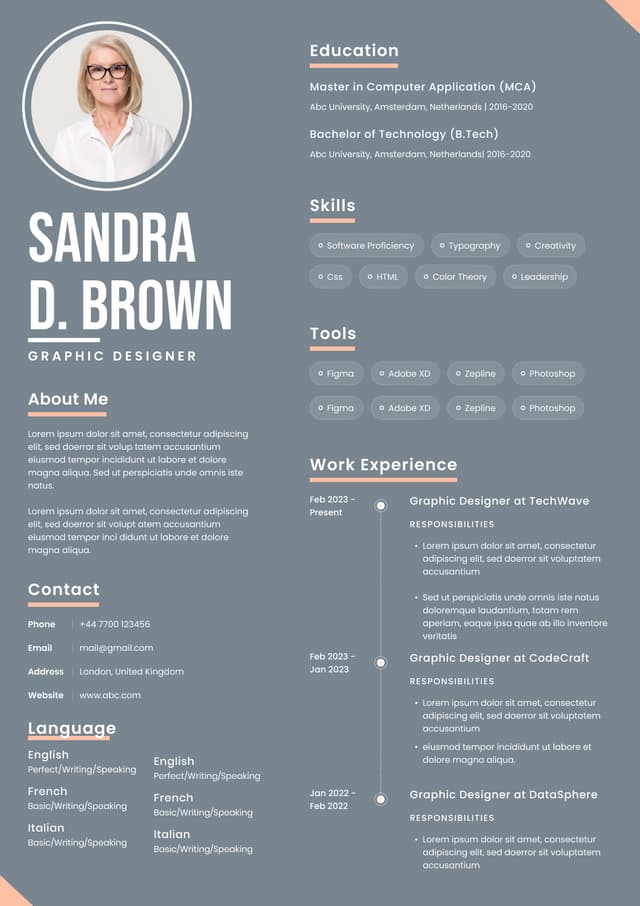
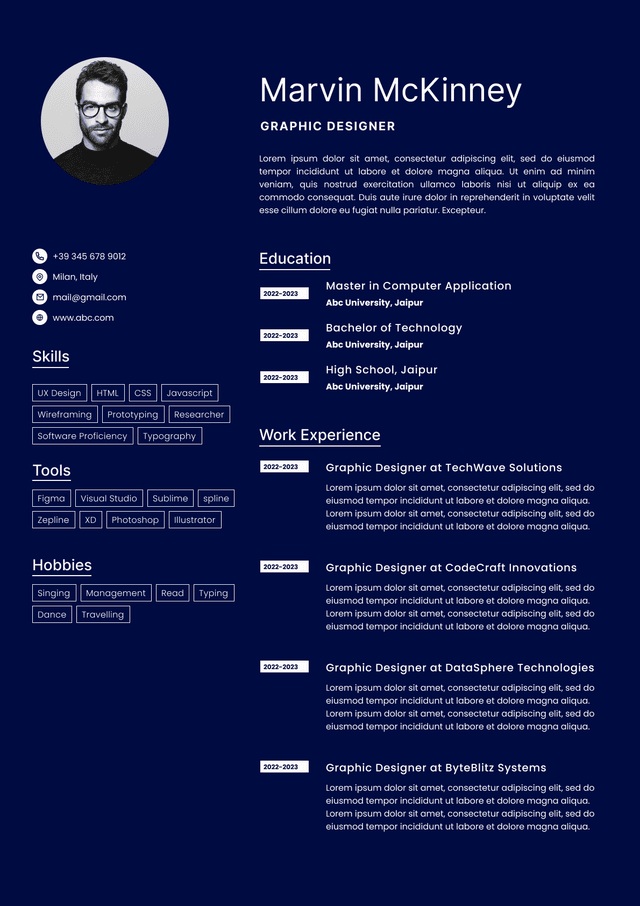
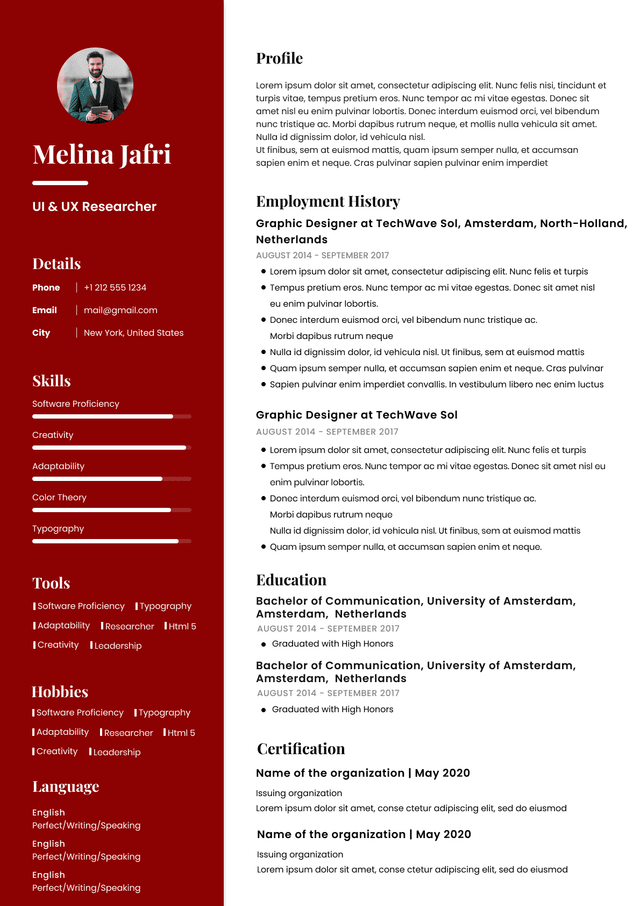
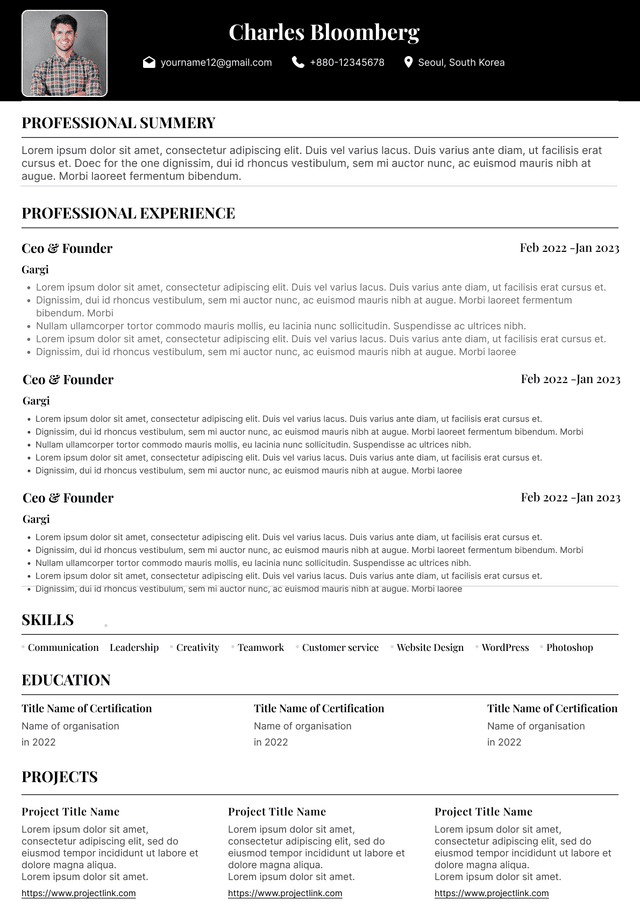
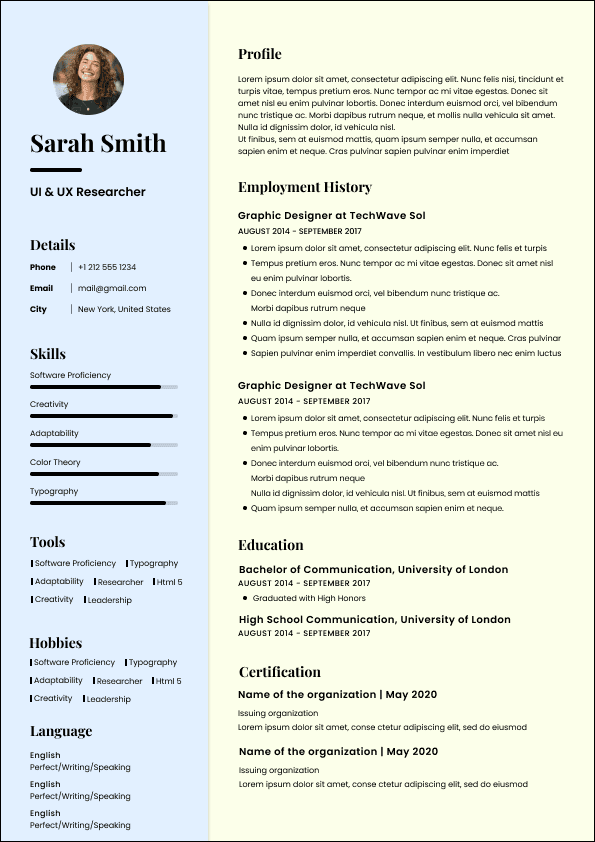
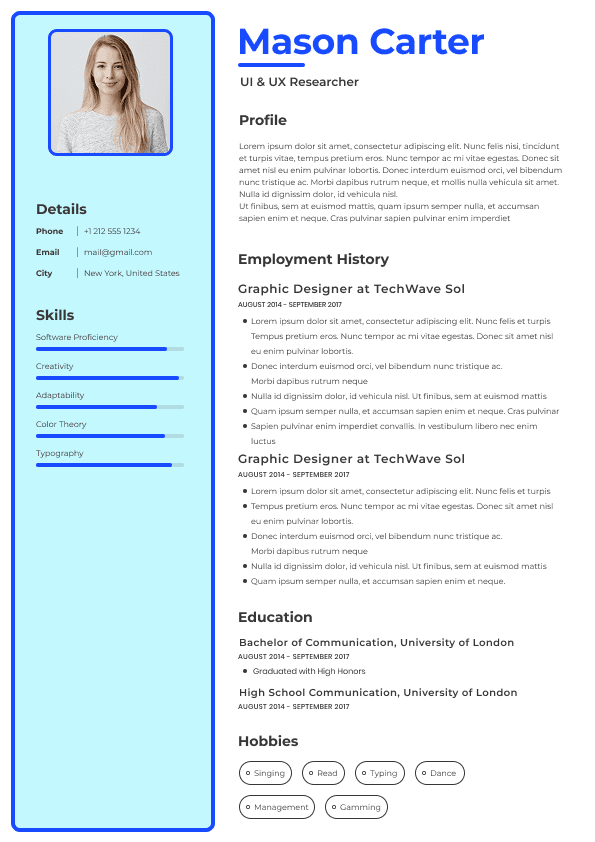
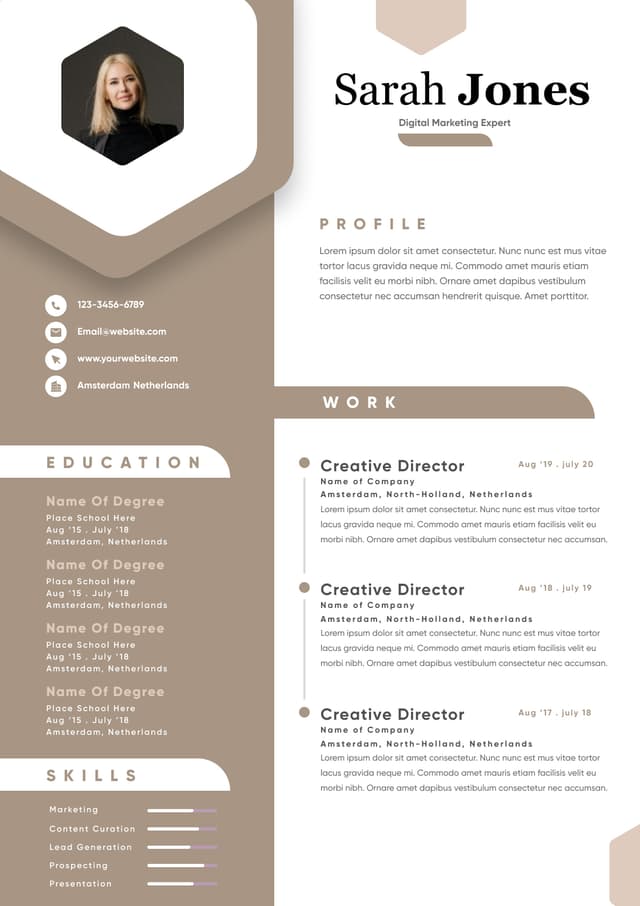
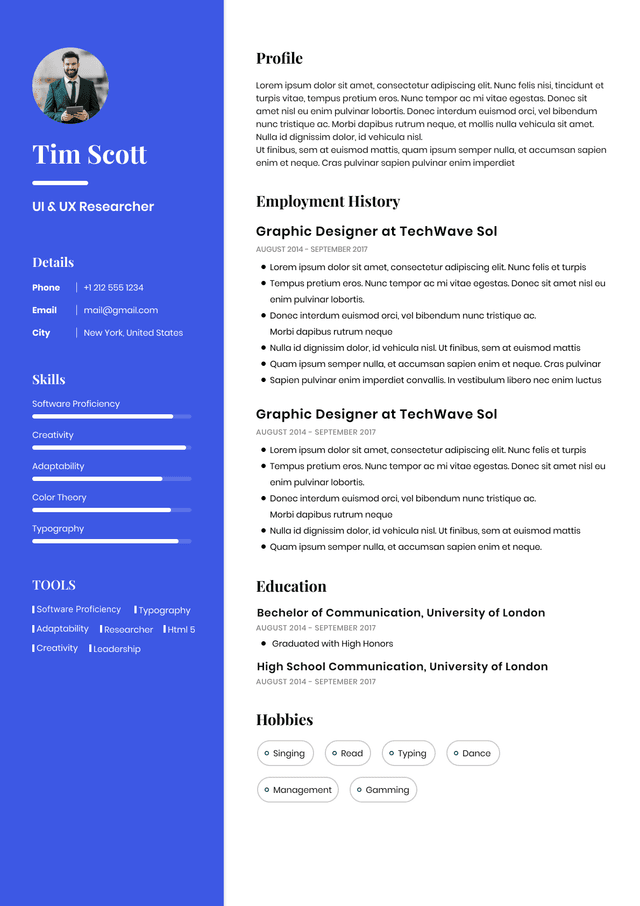
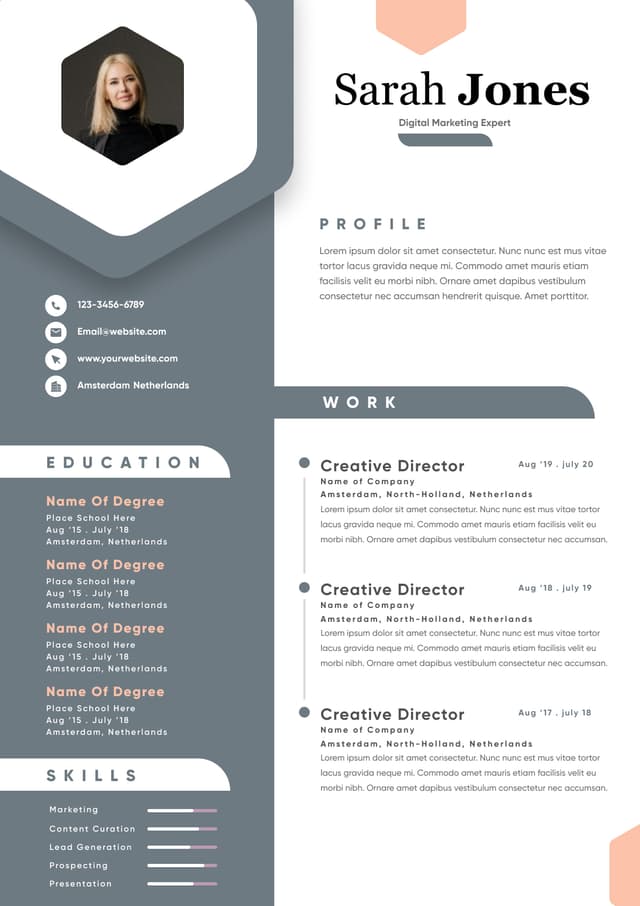
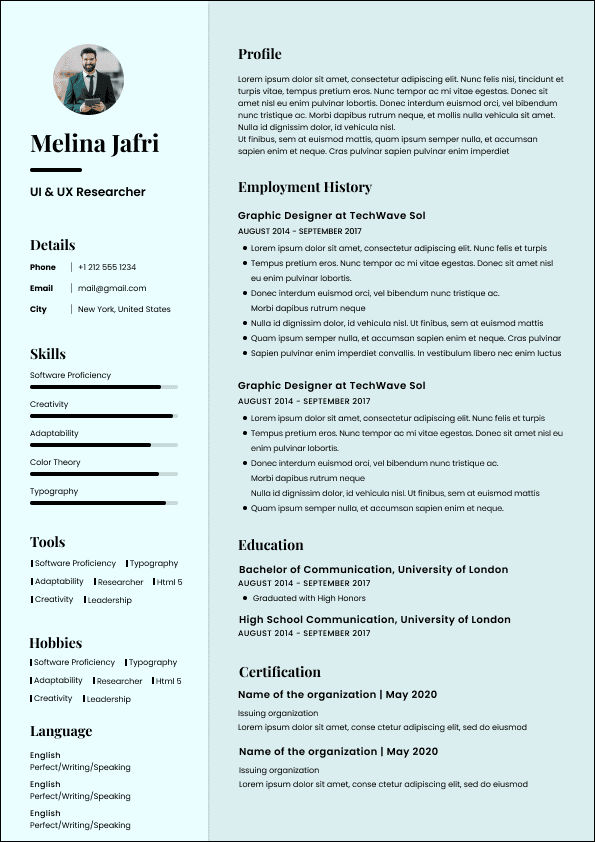
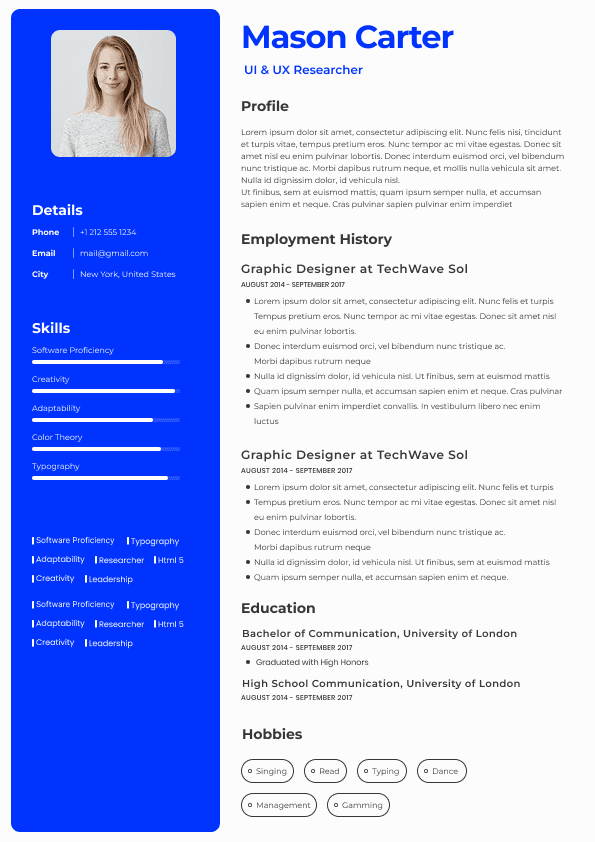
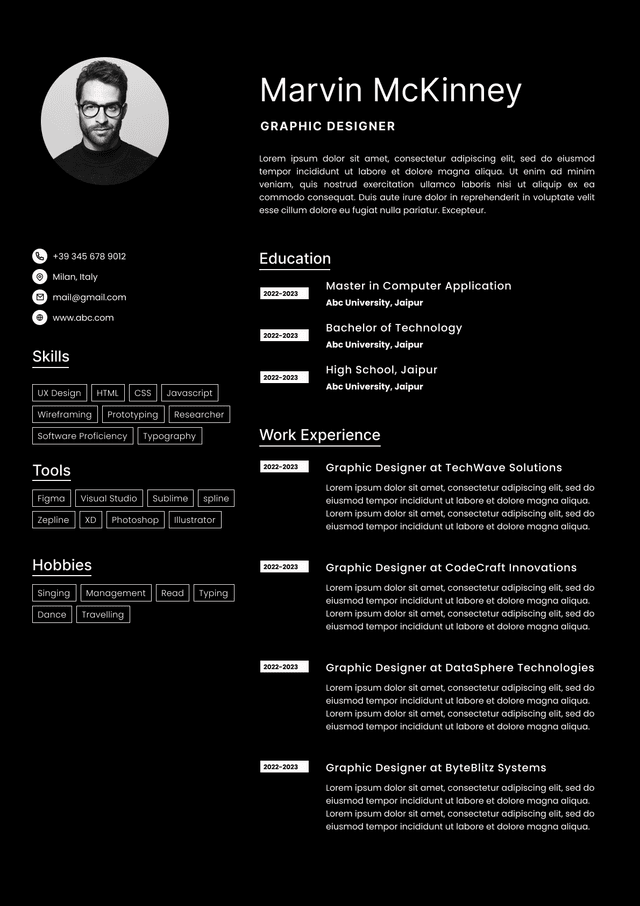
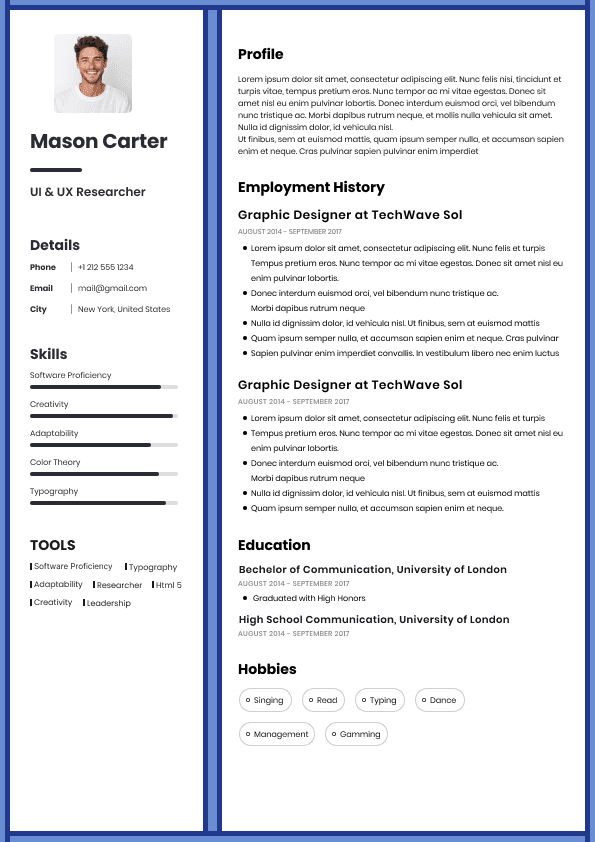
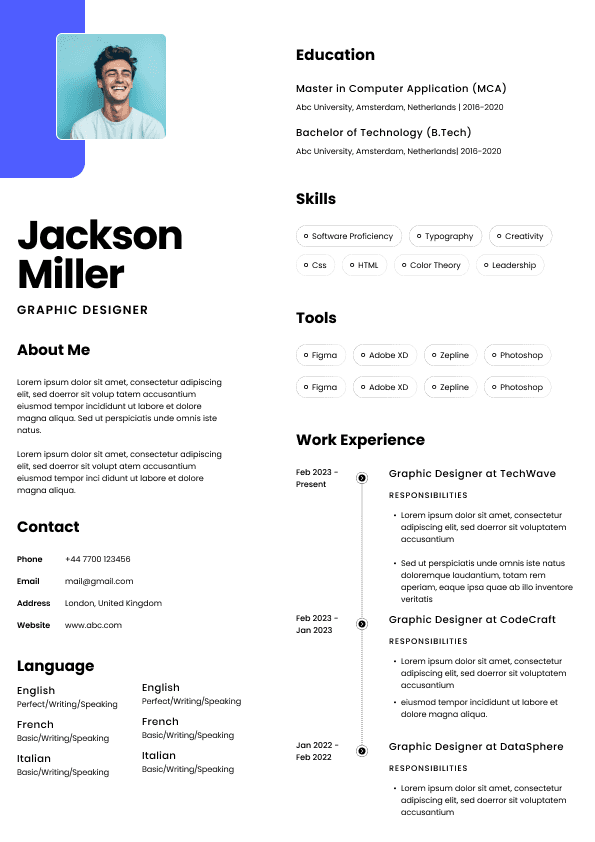
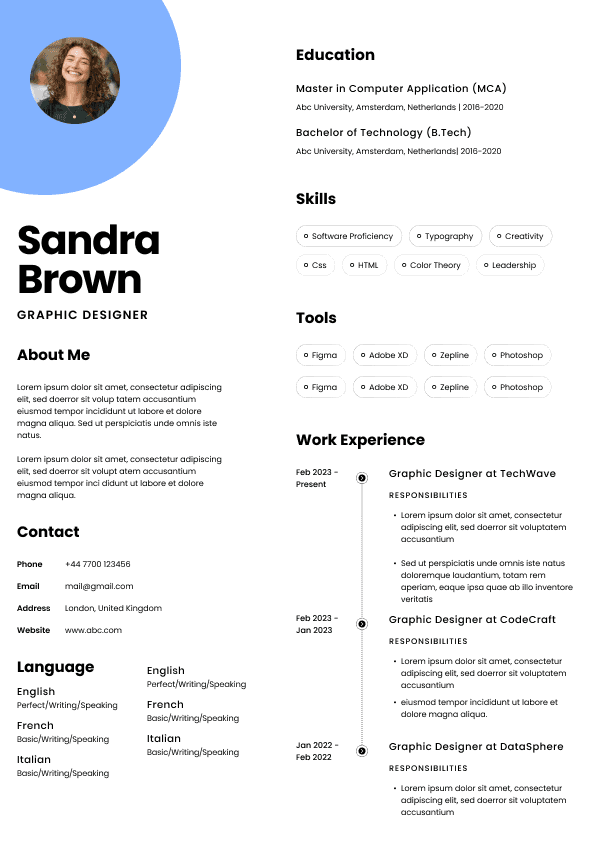
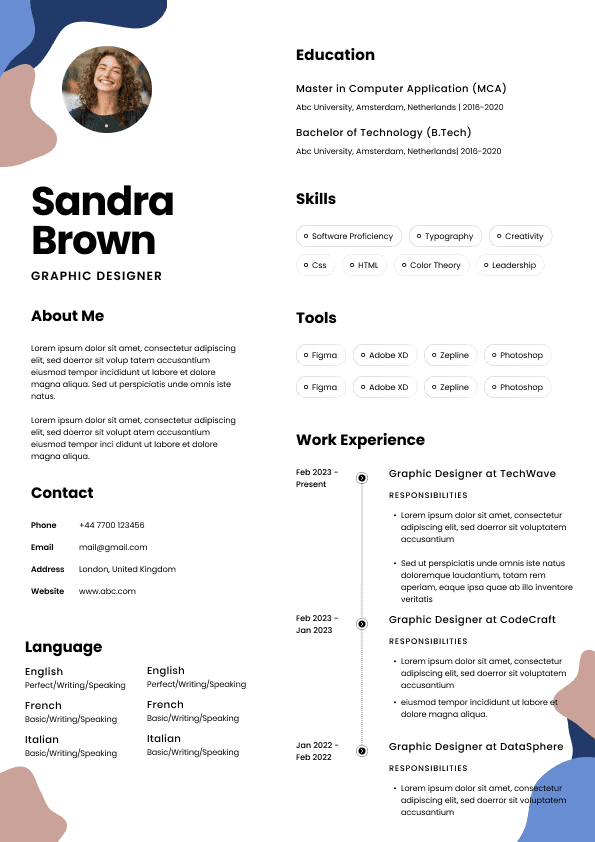
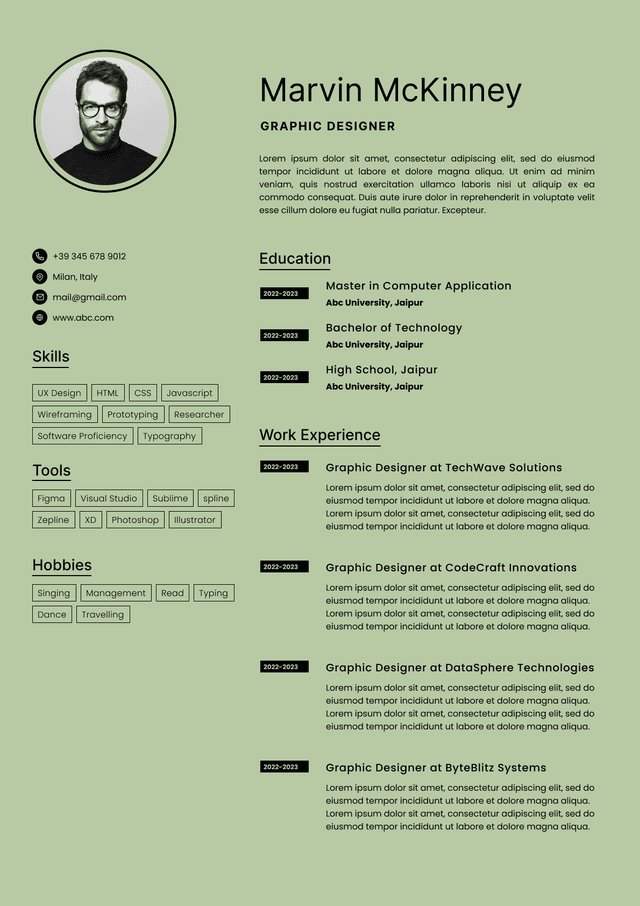
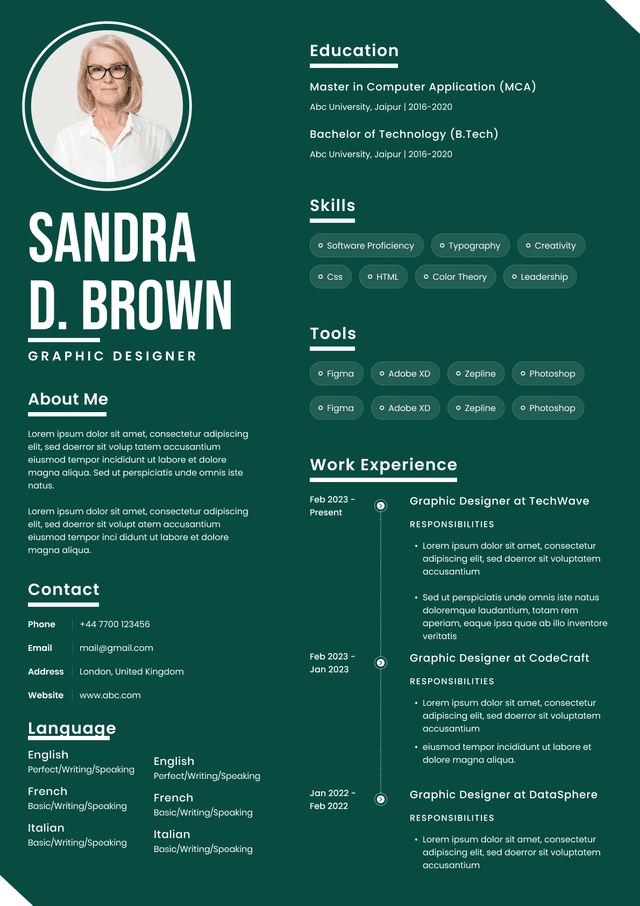
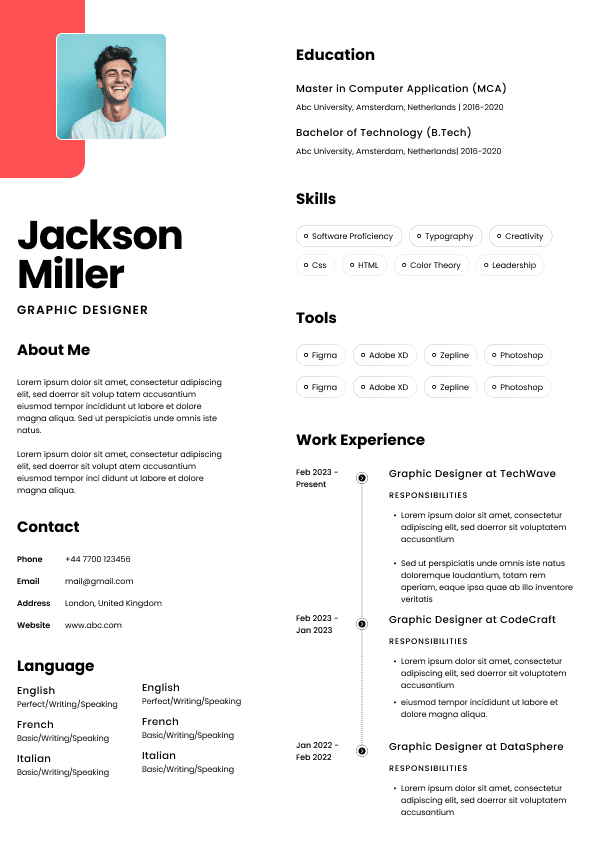
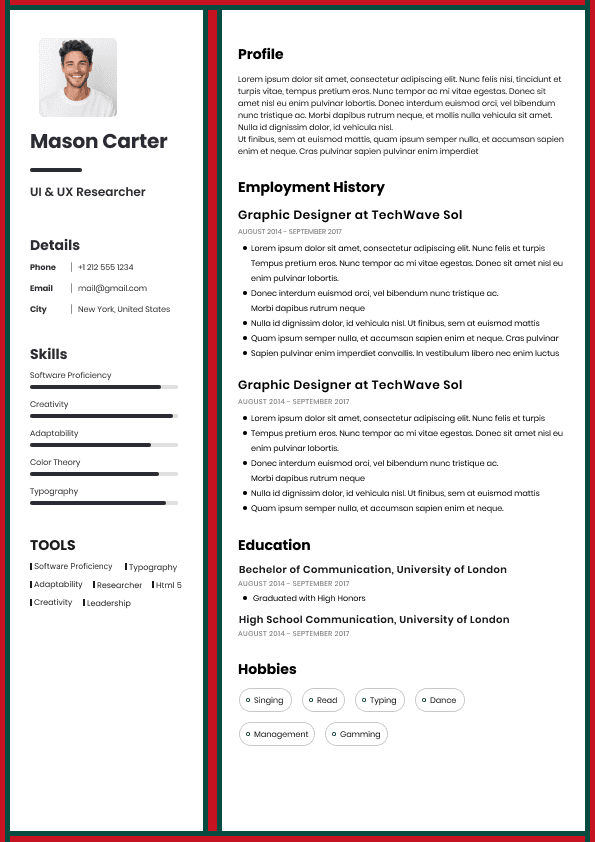
Choose from a wide range of NEWCV resume templates and customize your NEWCV design with a single click.
FAQ
The biggest mistake candidates make is treating remote hiring like regular local hiring. Remote employers evaluate different signals. They look for ownership, documentation habits, deployment experience, communication quality, and evidence you can operate effectively without micromanagement.
If you want to land remote TypeScript developer jobs consistently, you need three things:
Strong technical positioning around modern TypeScript stacks
Proof you can work remotely
A job search strategy built specifically for remote-first hiring markets
Remote TypeScript roles now span far beyond traditional frontend React positions. Employers increasingly use TypeScript across the full stack, especially in startup and SaaS environments.
The most common remote TypeScript job categories include:
Remote frontend TypeScript developer jobs
Remote backend TypeScript developer jobs
Remote full stack TypeScript jobs
Remote React and Next.js developer roles
Node.js and API-focused TypeScript positions
TypeScript platform engineering roles
Remote startup engineering jobs
TypeScript has become the default choice for many modern engineering teams because it improves maintainability, scalability, onboarding speed, and developer reliability.
Remote companies especially value TypeScript because distributed teams rely heavily on:
Clear code structure
Predictable APIs
Strong typing
Better documentation through code
Reduced production errors
When teams operate across time zones, cleaner systems matter more.
That is why remote employers increasingly prefer developers who already work comfortably with:
Typed APIs
Many developers assume technical ability alone gets remote interviews. It does not.
Remote hiring managers screen for operational reliability just as heavily as coding skill.
The strongest candidates combine technical depth with remote execution skills.
For frontend-heavy TypeScript roles:
TypeScript architecture
React performance optimization
Next.js app routing and SSR
State management
API integration
Frontend debugging
Recruiters hiring for remote engineering teams evaluate very specific signals.
Candidates who consistently get interviews usually show:
Active GitHub profiles
Well-documented projects
Clear README files
Production deployments
Open-source contributions
Portfolio projects with business logic
Real-world integrations
Some platforms consistently outperform others depending on your experience level and career goals.
These platforms are strongest for:
Startup hiring
Most remote developer resumes fail because they read like local-office resumes.
Remote hiring managers scan for evidence you can function autonomously.
Your resume should clearly show:
Independent delivery
Remote collaboration
Cross-functional communication
Production deployment experience
Ownership of outcomes
Documentation habits
Most developer GitHub profiles are not hiring assets.
Recruiters and engineering managers are not looking for quantity. They are looking for proof of engineering maturity.
Consistent activity
Real project architecture
Clean documentation
Meaningful commit history
TypeScript proficiency
Deployment workflows
API integrations
Remote engineering interviews are often more communication-heavy than in-office interviews.
Companies want to know:
Can you explain technical decisions clearly?
Can you collaborate asynchronously?
Can you debug independently?
Can you communicate under pressure?
Most remote TypeScript hiring pipelines include:
Recruiter screening
Technical screening
Entry-level remote TypeScript jobs exist, but competition is extremely high.
Companies hesitate to hire junior developers remotely because onboarding and mentoring are harder in distributed teams.
That said, candidates still break in successfully when they compensate with strong proof of execution.
Strong portfolio projects
Open-source contributions
Active GitHub profiles
Real deployments
Technical writing
Clear communication
Global remote hiring has expanded dramatically, especially for TypeScript roles.
US and European companies increasingly hire internationally because:
TypeScript demand exceeds supply
Remote workflows are normalized
Global hiring reduces costs
Distributed engineering is now standard
International applicants should proactively clarify:
Timezone overlap
English communication ability
Many candidates apply to:
Frontend jobs
Backend jobs
Full stack jobs
DevOps jobs
Using the same resume for all of them.
That weakens positioning.
Tailor your positioning to:
Frontend TypeScript
Backend Node.js
Choose a primary lane:
Frontend React/Next.js
Backend Node.js
Full stack SaaS
Startup engineering
Then optimize everything around it.
Not ten average ones.
Your projects should include:
Authentication
APIs


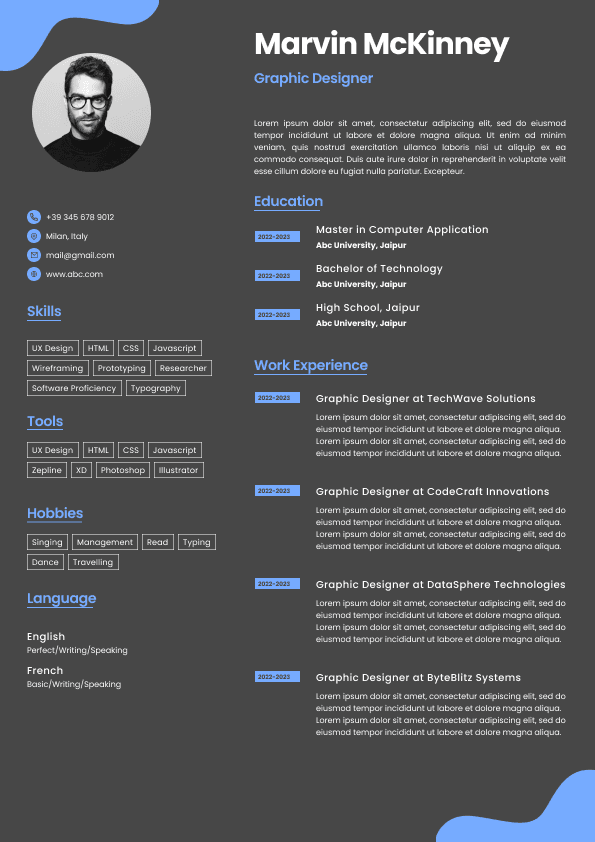
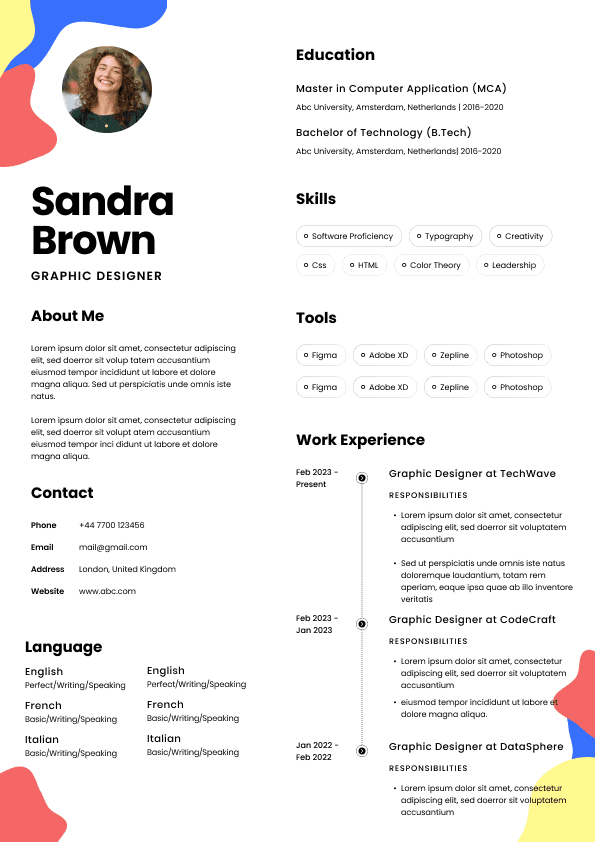
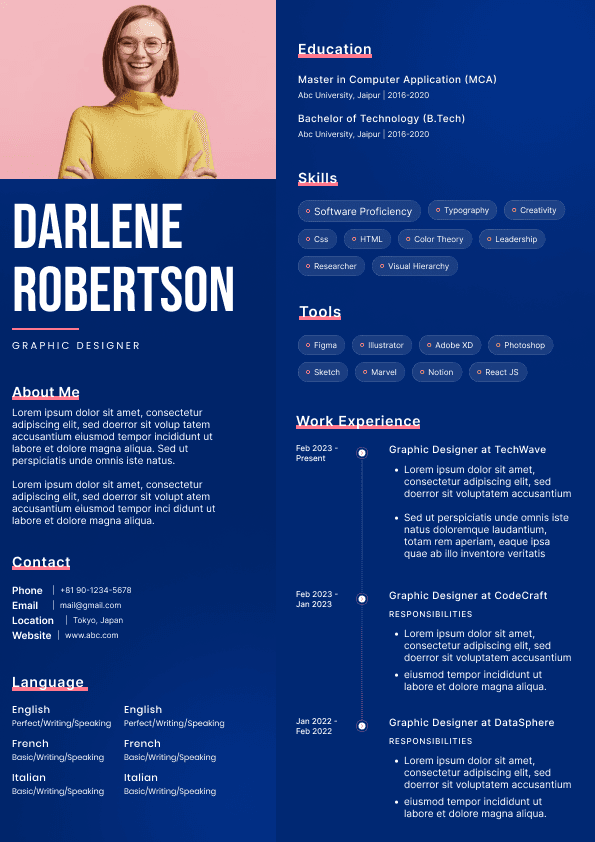
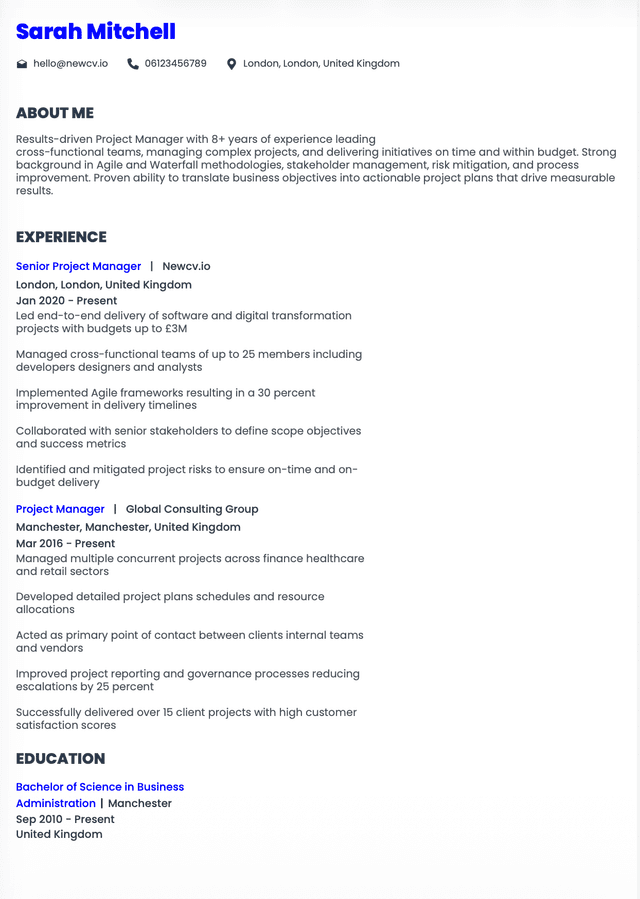
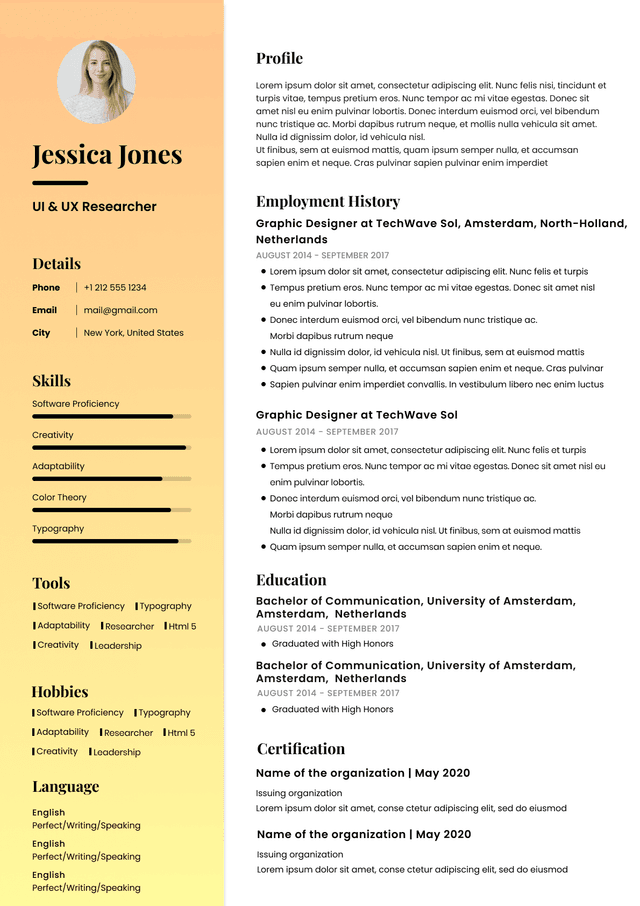
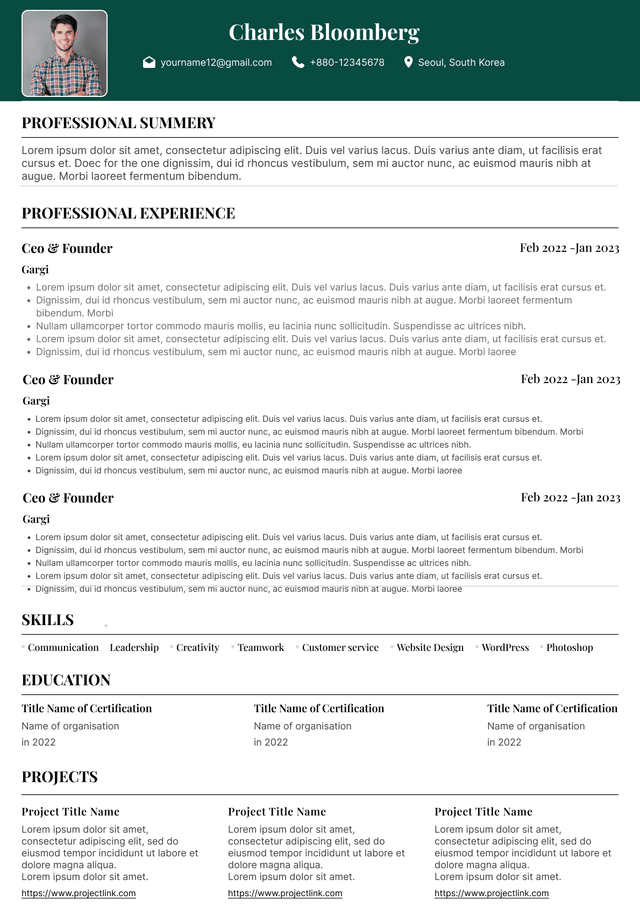
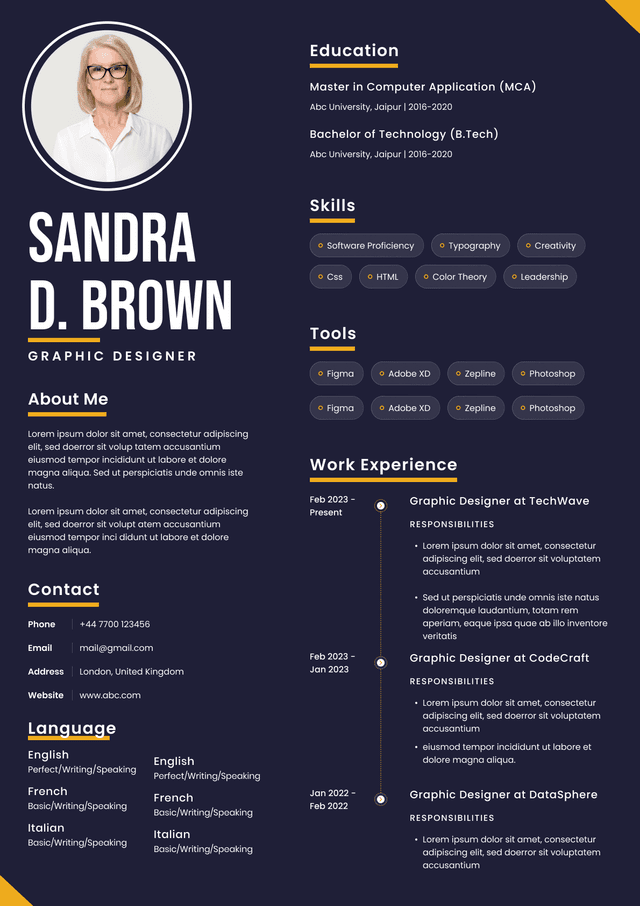
Use ATS-optimised Resume and resume templates that pass applicant tracking systems. Our Resume builder helps recruiters read, scan, and shortlist your Resume faster.


Use professional field-tested resume templates that follow the exact Resume rules employers look for.
Create Resume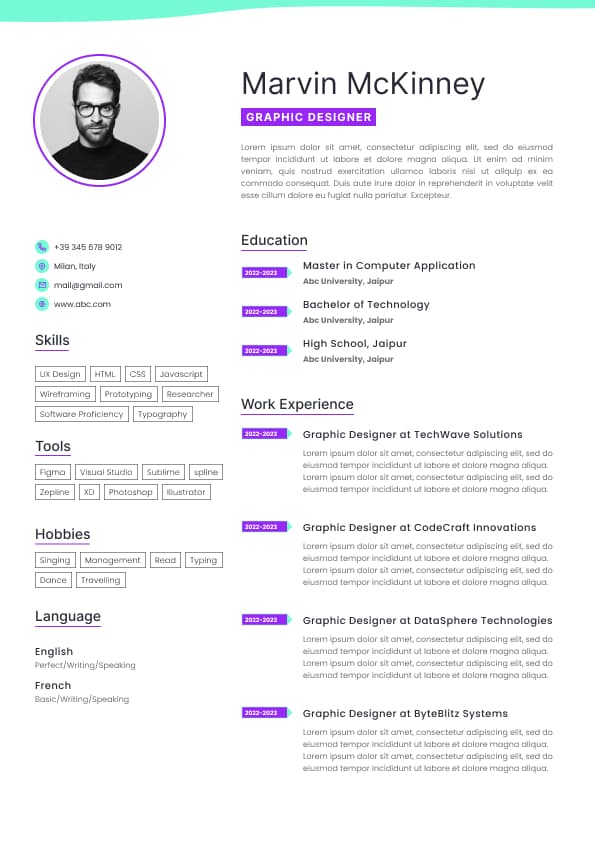
Use professional field-tested resume templates that follow the exact Resume rules employers look for.
Create ResumeThis guide breaks down exactly how remote TypeScript hiring works today, what companies actually look for, and how to position yourself to compete globally.
Contract and freelance TypeScript development work
Most modern remote TypeScript positions revolve around ecosystems like:
React
Next.js
Node.js
Express
GraphQL
PostgreSQL
AWS
Docker
Vercel
Tailwind CSS
Cypress
GitHub Actions
Companies hiring remotely often prioritize developers who can move across multiple layers of the stack instead of staying narrowly specialized.
That is especially true for:
Startups
Product-led SaaS companies
Global remote-first teams
VC-backed early-stage companies
Shared contracts
Component systems
Monorepos
CI/CD pipelines
Documentation-heavy workflows
Remote hiring also expanded the talent pool globally. US companies are now routinely hiring:
Latin American developers
Eastern European engineers
Southeast Asian contractors
International freelancers
Global startup talent
Many companies care less about location and more about whether you can:
Collaborate effectively
Communicate clearly
Deliver independently
Handle async workflows professionally
Component libraries
Accessibility standards
For backend TypeScript roles:
Node.js
REST APIs
GraphQL
PostgreSQL
Prisma or ORMs
Authentication systems
Docker
AWS deployment
Queue systems
Microservices familiarity
For full stack positions:
End-to-end feature ownership
Deployment workflows
CI/CD pipelines
GitHub Actions
Production debugging
Database optimization
Monitoring and logging
This is where many qualified developers fail.
Remote employers heavily evaluate:
Async communication quality
Documentation habits
Written clarity
Ownership mentality
Time management
Independent execution
Git collaboration
Product thinking
Cross-functional communication
A candidate with slightly weaker technical depth but exceptional communication often beats stronger developers who appear difficult to manage remotely.
Async collaboration examples
Distributed team experience
Hiring managers want evidence you can work without hand-holding.
These are common rejection triggers:
Empty GitHub accounts
Tutorial-only projects
No deployed applications
Poor written communication
Generic resumes
No measurable impact
No remote collaboration examples
No ownership language
Weak LinkedIn profiles
Unclear timezone availability
One of the biggest hidden problems is candidates presenting themselves as “task executors” instead of problem solvers.
Remote-first companies want developers who:
Identify issues independently
Propose solutions
Communicate blockers early
Think beyond tickets
SaaS engineering jobs
US remote employers
International remote teams
These are better for:
Contract work
International candidates
Flexible schedules
Freelance income
Short-term projects
The hardest platforms:
Wellfound
Otta
The highest signal-to-noise platforms:
Arc.dev
Gun.io
Braintrust
The best platform depends on your positioning:
Junior developers benefit from startups and smaller teams
Mid-level developers succeed with SaaS companies
Senior engineers perform best through network-driven hiring and specialized platforms
Git workflows
Business impact
Weak Example
“Worked on frontend development using React and TypeScript.”
This sounds passive and low ownership.
Good Example
“Built and deployed TypeScript-based React features used by 120K+ monthly users while collaborating asynchronously across US and European engineering teams.”
This demonstrates:
Scale
Ownership
Remote collaboration
Technical stack
Business impact
For remote TypeScript jobs, recruiters pay especially close attention to:
Technical stack clarity
GitHub links
Deployment experience
Remote collaboration indicators
Metrics and outcomes
Portfolio quality
Project ownership
Candidates who hide their GitHub or portfolio links lose interviews unnecessarily.
Testing practices
The strongest portfolio projects typically include:
Authentication systems
Payment integrations
Real databases
Role-based permissions
API architecture
CI/CD pipelines
Production deployments
Error handling
Responsive UI systems
A polished SaaS-style project usually outperforms ten unfinished side projects.
Async coding challenge
Live coding session
Pair programming
System design discussion
Architecture walkthrough
Team communication interview
Many developers focus entirely on solving the coding problem while ignoring communication quality.
Remote interviewers evaluate:
Clarity
Collaboration style
Thought process
Debugging methodology
Tradeoff awareness
Candidates who narrate decisions clearly perform significantly better.
Strong remote candidates:
Explain assumptions early
Clarify requirements
Communicate tradeoffs
Discuss scalability
Mention testing approaches
Think aloud professionally
Handle ambiguity calmly
This signals seniority and remote-readiness.
Freelance experience
Startup internships
Tutorial clone projects
No deployments
Generic resumes
No specialization
Weak LinkedIn profiles
No TypeScript depth
No backend exposure
Junior candidates who position themselves as “full stack TypeScript developers” often perform better than candidates presenting only basic frontend skills.
Availability windows
Contract preferences
Remote collaboration experience
Recruiters worry about operational friction more than geography itself.
Reliability.
If you consistently communicate clearly, respond professionally, and demonstrate strong ownership, many companies will prioritize you over local candidates with weaker execution.
Full stack SaaS
Next.js product engineering
Specificity converts better.
Remote employers trust evidence more than claims.
You need:
GitHub
Portfolio
Deployments
Technical projects
Documentation examples
Poor communication kills remote hiring.
Many developers underestimate:
Slack communication
Written clarity
Documentation
Status updates
Async collaboration
These are hiring factors, not “soft skills.”
Candidates who only build local projects appear inexperienced.
You should understand:
Hosting
CI/CD
Environment variables
Production debugging
Monitoring basics
Modern remote teams expect developers to own production workflows.
Database integration
TypeScript architecture
Deployment
Error handling
Real UI/UX quality
Recruiters increasingly check:
Commit quality
Activity consistency
Documentation
Architecture decisions
Treat GitHub like a public technical resume.
High-performing candidates usually:
Tailor applications
Target remote-first companies
Apply early
Use referrals
Engage recruiters directly
Customize outreach
Mass applying with generic resumes performs poorly in remote engineering markets.




 Upload Resume
 Import from Linkedin