STILL APPLYING. STILL HEARING NOTHING?BUILD YOUR RESUME

STILL APPLYING. STILL HEARING NOTHING?BUILD YOUR RESUME
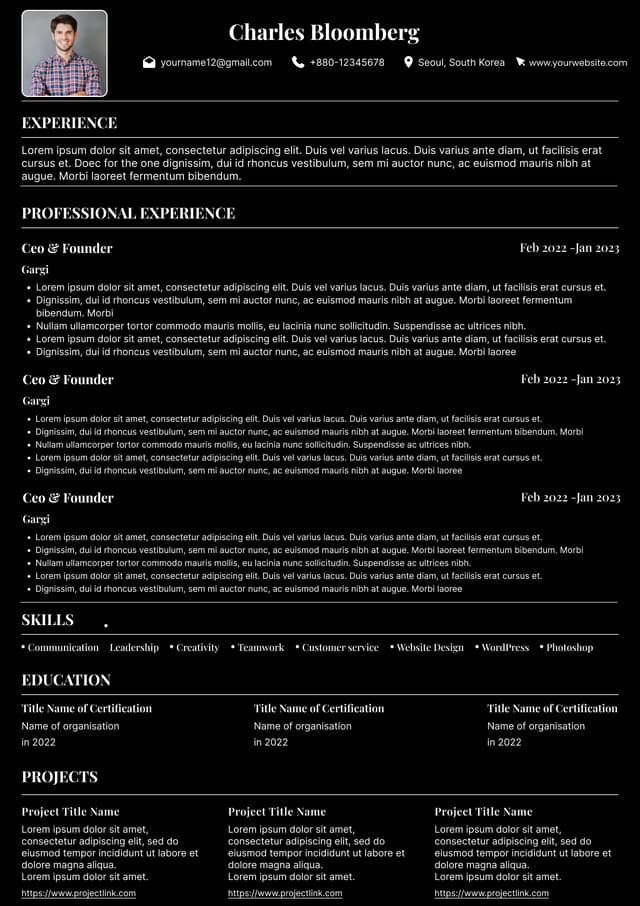
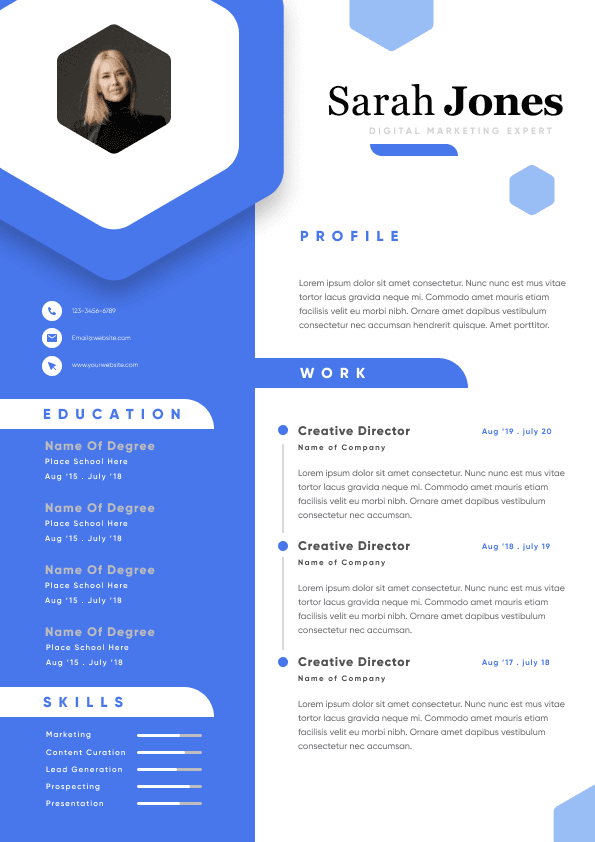
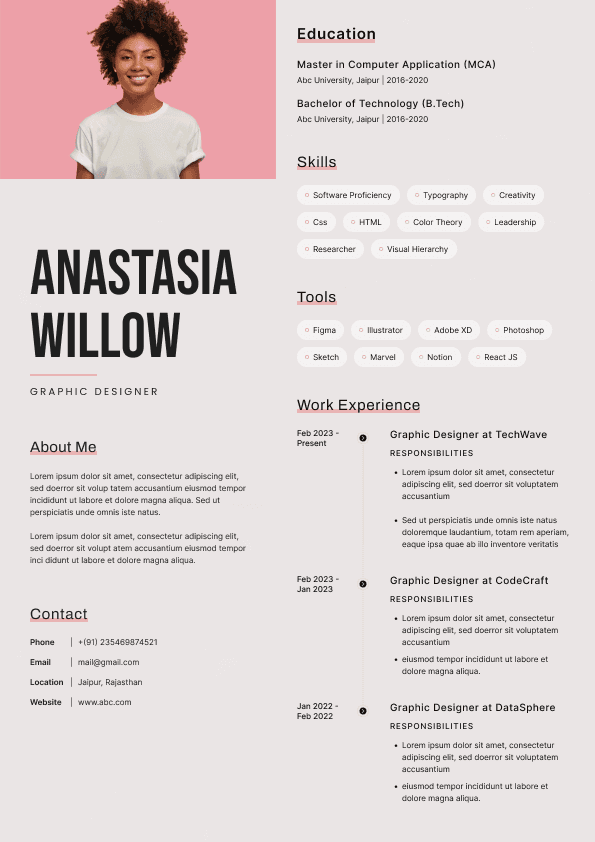
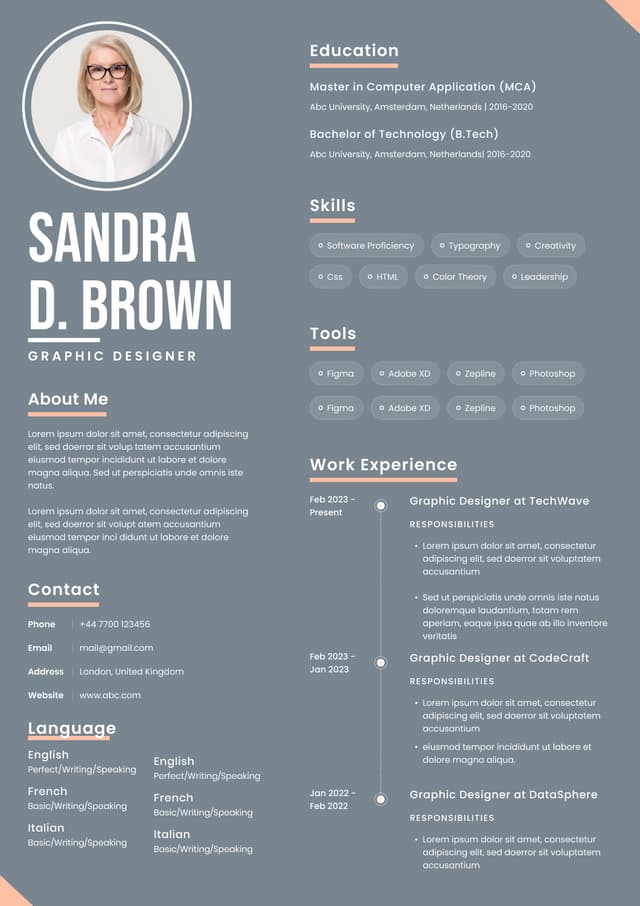
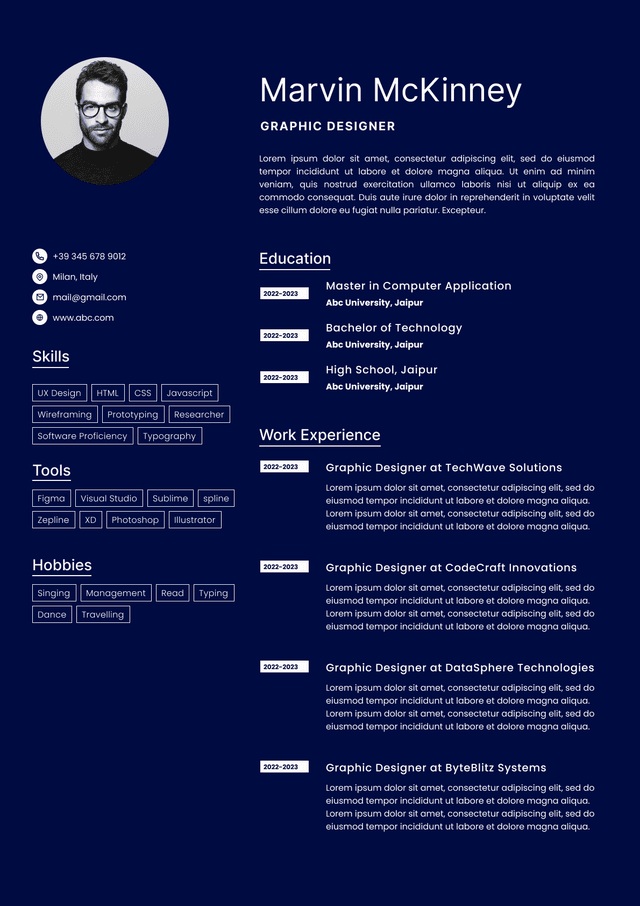
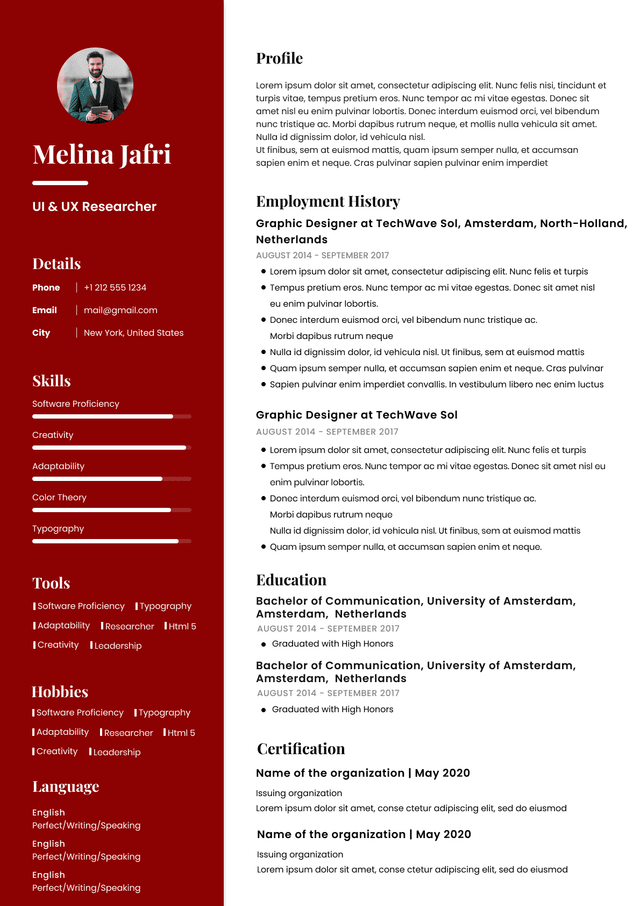
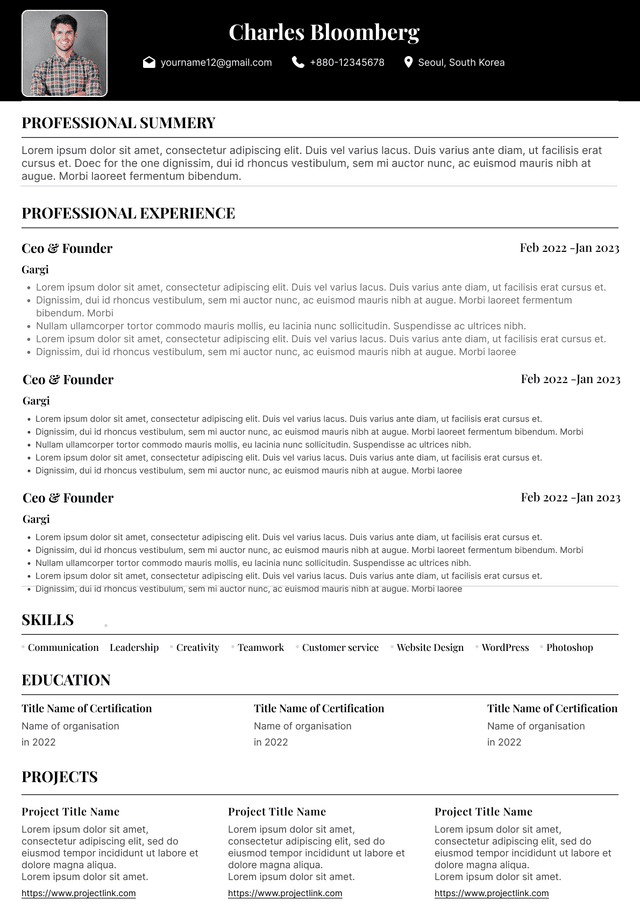
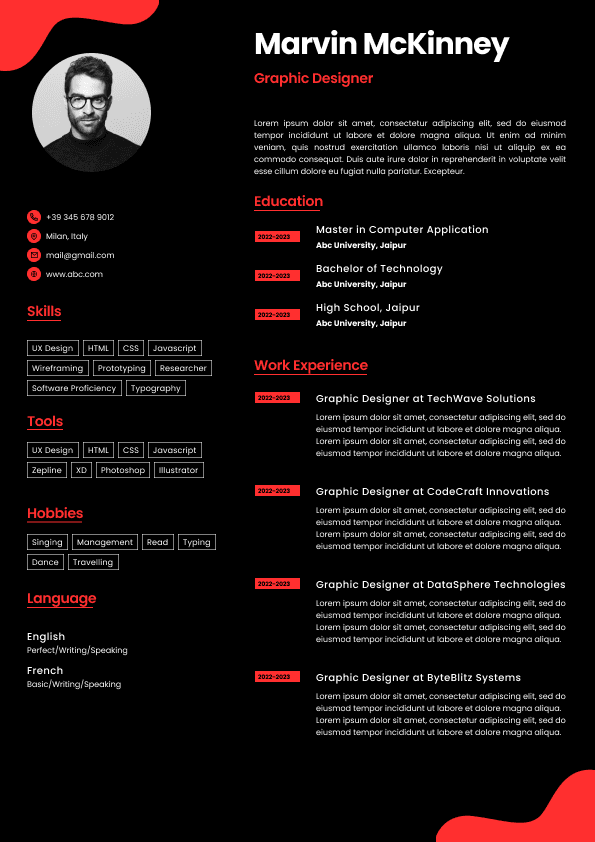
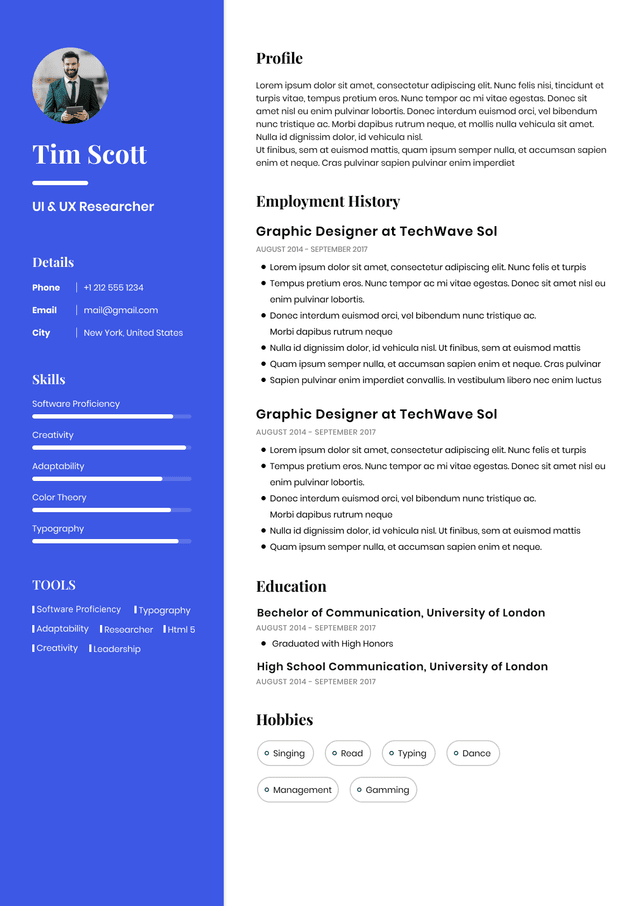
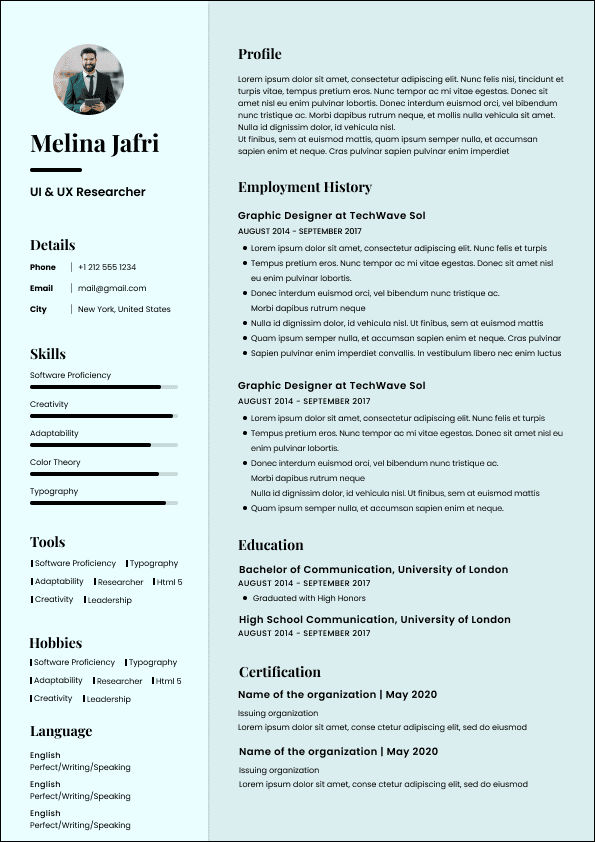
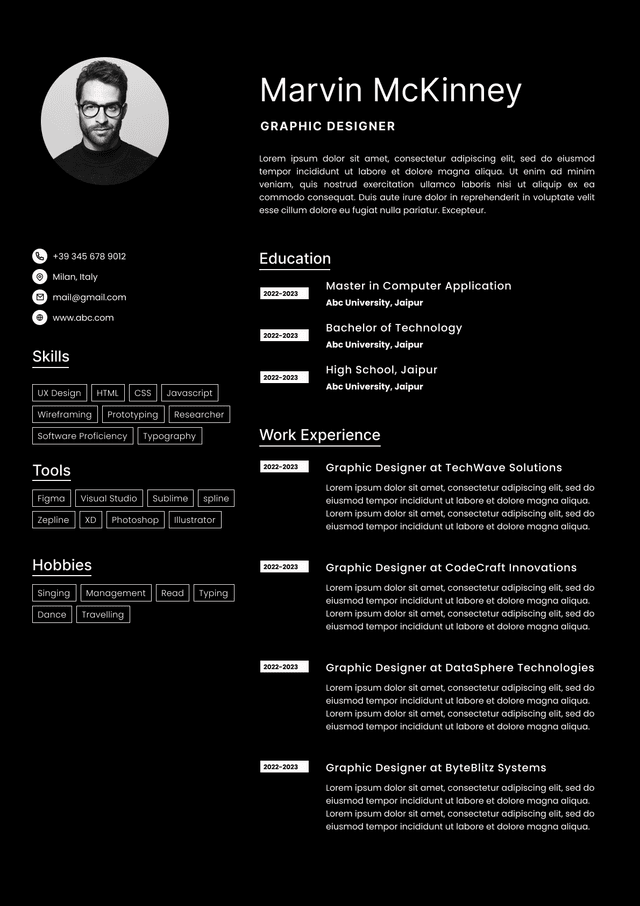
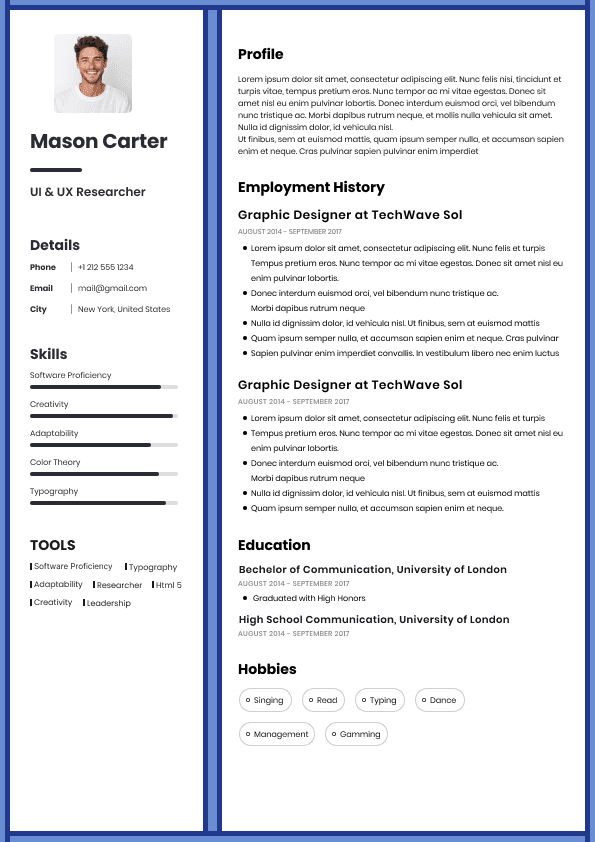
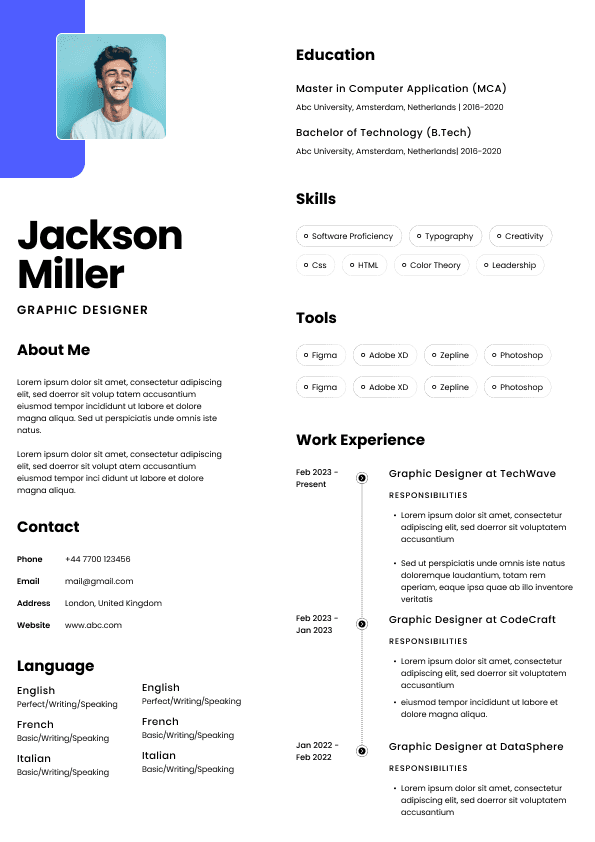
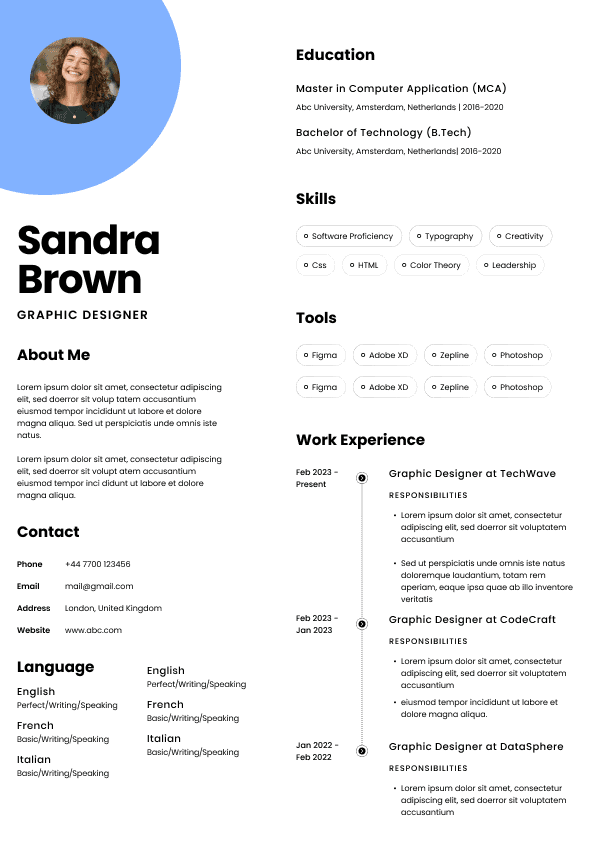
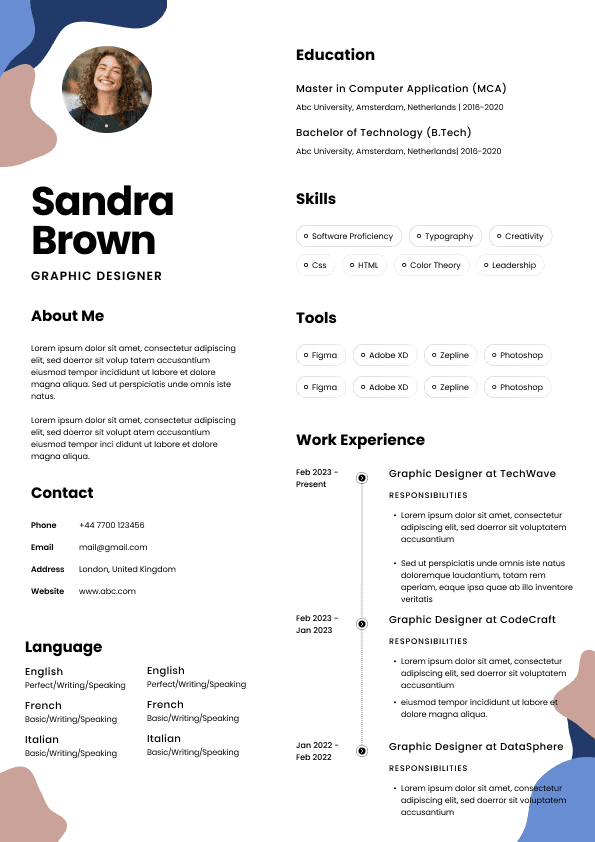
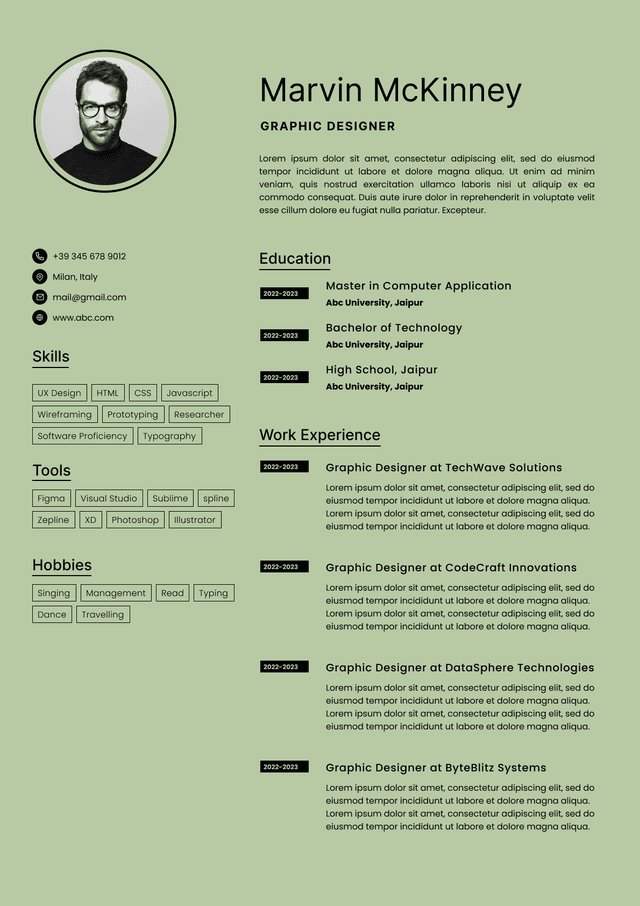
Choose from a wide range of NEWCV resume templates and customize your NEWCV design with a single click.
FAQ
A strong TypeScript developer resume does not just list technologies. It proves impact with measurable results. Hiring managers want to see how your work improved performance, reduced errors, increased scalability, accelerated releases, or helped the business ship better products faster.
Most TypeScript developer resumes fail because they sound task-focused instead of outcome-focused. Statements like “worked on React applications” or “used TypeScript in frontend development” do not help recruiters evaluate your level. High-performing resumes show clear evidence of technical ownership, engineering impact, and business value.
The strongest TypeScript resume achievements combine:
A technical action
A measurable result
A performance, scalability, reliability, or productivity outcome
Context around systems, users, or engineering scope
Recruiters screening TypeScript developer resumes usually evaluate five things very quickly:
Technical depth
Product impact
Scale and complexity
Engineering maturity
Business outcomes
Most resumes only communicate the first item.
That is the biggest mistake.
A recruiter already assumes you used TypeScript if it appears in your tech stack. What differentiates candidates is whether your work produced measurable engineering improvements.
For example:
Weak Example
“Developed React and TypeScript applications for internal teams.”
This tells recruiters almost nothing.
Metrics reduce ambiguity.
Hiring managers do not want to guess whether your contributions mattered. Quantifiable achievements create credibility and make technical impact easier to evaluate during resume screening.
Strong metrics also help differentiate:
Junior vs mid-level developers
Mid-level vs senior engineers
IC contributors vs technical leaders
A TypeScript developer who says:
“Improved application performance”
sounds average.
A developer who says:
“Reduced frontend bundle size by 38%, improving Largest Contentful Paint from 4.1s to 2.3s”
sounds significantly more advanced.
Specificity signals competence.
It also helps recruiters justify moving you into technical interviews because measurable outcomes are easier to defend internally during candidate reviews.
Not all resume metrics are equally valuable.
The strongest TypeScript resume achievements usually fall into these categories.
These are highly effective because frontend and full-stack performance directly affect user experience.
Examples:
Reduced page load time by 42% through code splitting and caching
Improved Core Web Vitals by 45% through rendering optimization
Reduced API response latency by 30% using typed contracts and query optimization
Decreased frontend bundle size by 28% with tree shaking and lazy loading
Optimized React rendering performance, reducing re-renders by 60%
Performance metrics are especially powerful for:
Most strong TypeScript resume bullets follow this structure:
Action + Technical Skill + Business or Engineering Impact + Measurable Result
Example:
“Refactored 25,000+ lines of legacy JavaScript into strict TypeScript, reducing runtime production errors by 38% and improving maintainability across 4 engineering teams.”
This works because it combines:
Technical depth
Scope
Business impact
Quantified improvement
Without all four pieces, resume bullets usually feel incomplete.
Improved Core Web Vitals by 45% through bundle optimization, lazy loading, and rendering improvements
Reduced page load speed by 42% using code splitting, asset caching, and image optimization
Decreased React re-render frequency by 60% through memoization and component architecture improvements
Reduced frontend bundle size by 28% through tree shaking and dependency optimization
Optimized rendering performance for high-traffic dashboards serving 500,000+ monthly users
Built 40+ reusable TypeScript React components adopted across 5 product teams
Reduced API response errors by 30% through validation, typed contracts, and improved error handling
Developed Node.js and TypeScript APIs supporting 1M+ daily transactions
Reduced database query execution time by 55% through indexing and schema optimization
Integrated 10+ third-party APIs for payments, authentication, analytics, and messaging
Improved backend reliability and maintained 99.9% uptime for customer-facing services
Migrated monolithic JavaScript services to modular TypeScript architecture, improving maintainability and deployment flexibility
Senior-level resumes require more than coding metrics.
Hiring managers expect evidence of:
Technical leadership
Cross-team impact
System ownership
Engineering process improvement
Strong examples:
Led migration of legacy JavaScript platform to TypeScript, reducing runtime errors by 38% across 15 production services
Established frontend architecture standards adopted by 30+ engineers across multiple product teams
Mentored 6 junior developers, improving onboarding speed and reducing ramp-up time by 30%
This is the most common issue.
Weak Example
“Responsible for developing TypeScript applications.”
This sounds passive and generic.
Good Example
“Built TypeScript applications supporting 500,000+ monthly active users while reducing runtime errors by 38%.”
The second version demonstrates measurable value.
Experienced recruiters notice unrealistic claims immediately.
Avoid:
Impossible percentages
Vague “improved efficiency” claims
Metrics without context
Inflated ownership
Bad metrics damage credibility.
If exact numbers are unavailable, estimate responsibly.
Example:
“Reduced deployment time from approximately 45 minutes to under 15 minutes”
“Supported systems handling over 1M daily requests”
Reasonable estimates are acceptable if grounded in reality.
This is another major issue.
Weak Example
“Used React, TypeScript, Redux, Jest, Node.js, Express, MongoDB, AWS, Docker, GraphQL, and Git.”
This reads like keyword stuffing.
Recruiters care more about outcomes than tech lists.
Instead:
“Built scalable TypeScript React applications with GraphQL APIs, improving data-fetching performance by 32%.”
The technologies are naturally embedded within a business outcome.
Generic bullets reduce differentiation.
Avoid:
Worked on
Assisted with
Helped develop
Participated in
Responsible for
These phrases weaken perceived ownership.
Strong resumes use decisive action verbs:
Built
Optimized
Many developers underestimate their impact because companies do not publicly track engineering metrics.
You can still create strong resume achievements by estimating based on:
User volume
Team size
Deployment frequency
Feature delivery count
Ticket resolution volume
Error reduction
Release improvements
Applicant Tracking Systems evaluate both keywords and contextual relevance.
Strong TypeScript resumes naturally incorporate terms like:
TypeScript
React
Node.js
Next.js
REST APIs
GraphQL
CI/CD
AWS
Strong metrics communicate hidden signals beyond technical skill.
For example:
“Reduced runtime errors by 38% through strict TypeScript migration”
signals:
Code quality awareness
Refactoring capability
Type safety expertise
Long-term maintainability thinking
“Automated CI/CD workflows reducing deployment time from 45 minutes to 12 minutes”
signals:
DevOps maturity
Process improvement mindset
A strong TypeScript resume usually includes:
4 to 6 achievement bullets per recent role
Fewer bullets for older positions
Metrics in at least 60% to 80% of bullets
Not every bullet requires a percentage.
But your resume should consistently demonstrate measurable impact.
A good balance includes:
Performance metrics
Scalability metrics
Delivery metrics
The strongest placement areas are:
Professional experience
Key achievements
Project highlights
Technical leadership contributions
Do not bury your best metrics inside:
Skills sections
Long summaries
Dense paragraphs
Recruiters scan resumes rapidly.
Your strongest TypeScript achievements should be highly visible within seconds.


Use ATS-optimised Resume and resume templates that pass applicant tracking systems. Our Resume builder helps recruiters read, scan, and shortlist your Resume faster.


Use professional field-tested resume templates that follow the exact Resume rules employers look for.
Create Resume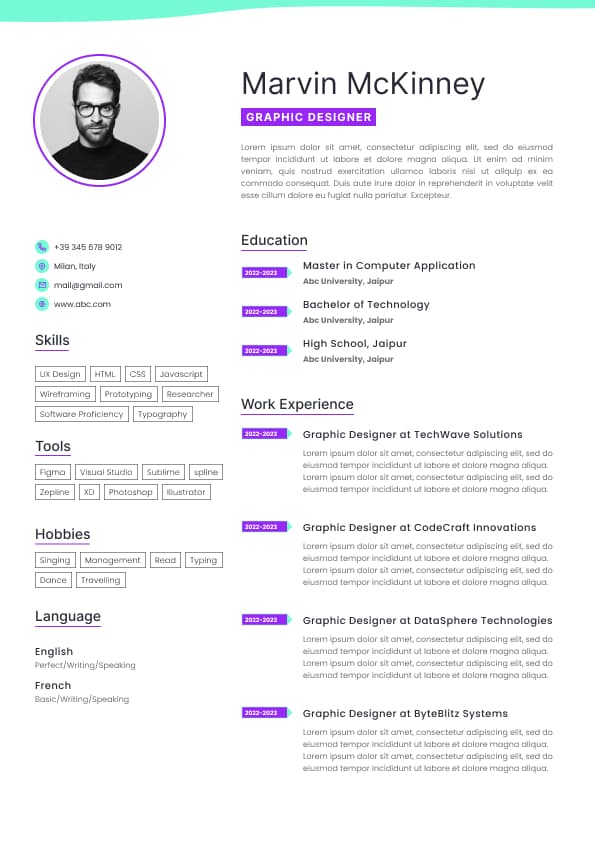
Use professional field-tested resume templates that follow the exact Resume rules employers look for.
Create ResumeThis guide shows exactly how recruiters evaluate TypeScript developer resume achievements, what metrics matter most, and how to write resume bullets that improve interview conversion rates.
Good Example
“Built TypeScript React dashboards used by 12 internal operations teams, reducing manual reporting time by 40%.”
The second version demonstrates:
Real product usage
Cross-team adoption
Quantifiable operational impact
Clear business value
That immediately changes how a recruiter perceives seniority.
React developers
Next.js developers
Frontend engineers
Full-stack TypeScript developers
These show engineering maturity.
Examples:
Reduced runtime errors by 38% after migrating legacy JavaScript modules to strict TypeScript
Increased test coverage from 52% to 87% across React and Node.js services
Reduced customer-reported UI bugs by 24% through automated component testing
Maintained 99.9% uptime for customer-facing applications
Resolved 200+ production bugs and stability issues
These metrics signal strong engineering discipline.
Hiring managers value engineers who improve development velocity.
Examples:
Automated CI/CD workflows, reducing deployment time from 45 minutes to 12 minutes
Increased release frequency from monthly to weekly through deployment automation
Improved developer onboarding time by 30% with setup automation and documentation
Reduced QA regression testing time by 35% using automated test pipelines
Delivered 15+ product features across 6 Agile release cycles
These achievements are especially valuable for senior and lead engineers.
Scale creates instant credibility.
Examples:
Supported high-scale systems processing 1M+ transactions daily
Built TypeScript services supporting 500,000+ monthly active users
Developed APIs handling 10M+ requests per month
Optimized database queries, reducing execution time by 55%
Built 40+ reusable TypeScript components adopted across multiple product teams
Scale metrics help recruiters quickly identify enterprise-level experience.
Delivered 15+ customer-facing features across 6 Agile release cycles
Reduced customer-reported UI bugs by 24% through improved validation and component testing
Implemented accessibility improvements achieving WCAG 2.1 AA compliance across core application flows
Developed responsive TypeScript interfaces improving mobile engagement by 18%
Increased frontend test coverage from 52% to 87% using Jest and React Testing Library
Reduced regression defects by 35% through automated component and integration testing
Implemented typed API contracts that reduced frontend-backend integration errors by 30%
Standardized TypeScript linting and formatting rules across 12 repositories
Refactored 25,000+ lines of JavaScript/TypeScript code to improve scalability and reduce technical debt
Implemented event-driven TypeScript microservices reducing processing bottlenecks by 40%
Built shared TypeScript SDKs adopted across 8 engineering teams
Automated CI/CD workflows, reducing deployment time from 45 minutes to 12 minutes
Increased release frequency from monthly to weekly through deployment automation improvements
Reduced rollback incidents by 32% through automated validation and deployment checks
Implemented containerized TypeScript deployment pipelines using Docker and Kubernetes
Designed scalable TypeScript infrastructure supporting 2M+ monthly active users
Reduced engineering delivery bottlenecks by implementing shared component libraries and CI/CD automation
Partnered with product and design teams to deliver 20+ customer-facing features within aggressive release timelines
Notice the difference.
Senior achievements show organizational influence, not just individual task execution.
Migrated
Architected
Reduced
Improved
Automated
Delivered
Scaled
System uptime
Performance monitoring tools
For example:
Instead of:
“Improved frontend performance”
Use:
“Reduced page load times by approximately 30% based on Lighthouse performance audits.”
Or:
“Built internal TypeScript tools used by 50+ support and operations employees.”
You do not need Fortune 500 scale to demonstrate meaningful impact.
Jest
Redux
Docker
Microservices
Agile
Frontend performance
Scalability
Unit testing
However, ATS optimization should never sound robotic.
Keyword stuffing hurts readability and recruiter trust.
Instead of:
“TypeScript developer using TypeScript to develop TypeScript applications”
Use:
“Built scalable TypeScript React applications with automated testing and CI/CD deployment pipelines.”
Natural language performs better for both ATS systems and human reviewers.
Engineering productivity impact
“Built features used by 500,000+ monthly users”
signals:
Production-scale experience
User-facing ownership
Scalability exposure
This is why achievement framing matters so much.
Hiring managers are evaluating implied engineering maturity, not just surface-level accomplishments.
Quality metrics
Collaboration or leadership outcomes
Too many metrics can also feel artificial.
Prioritize meaningful achievements over stuffing numbers into every sentence.



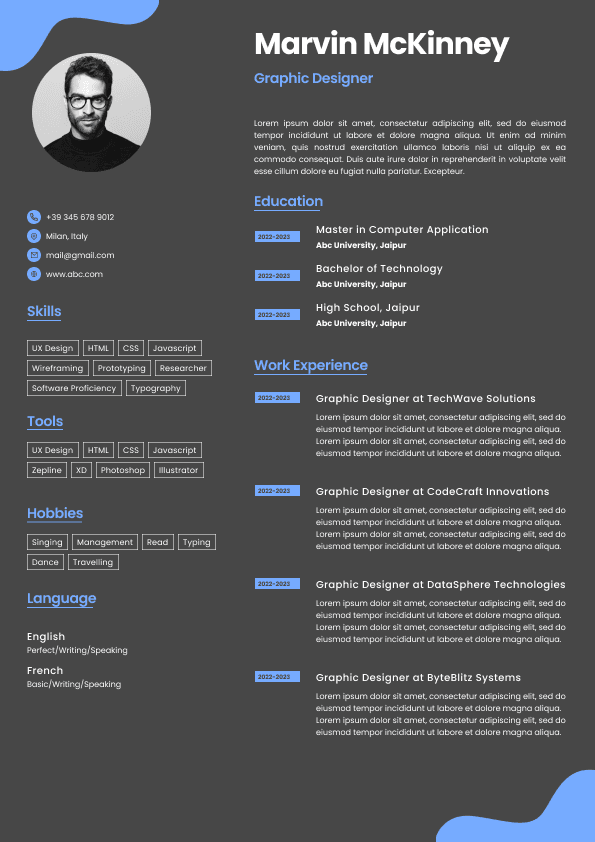
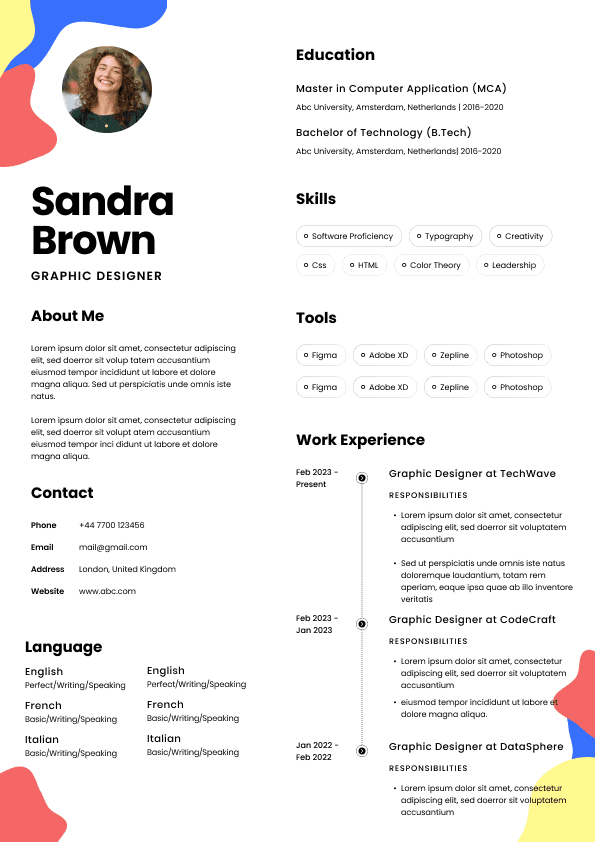
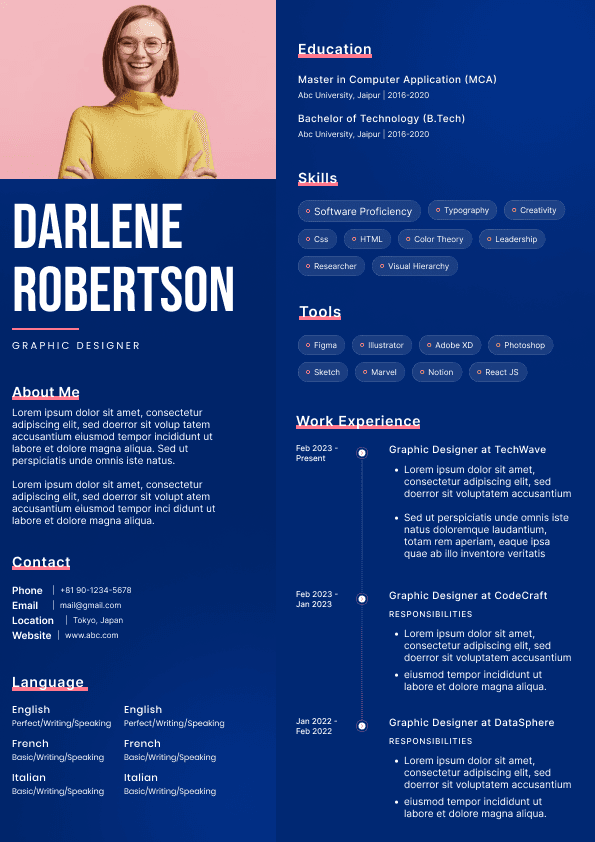



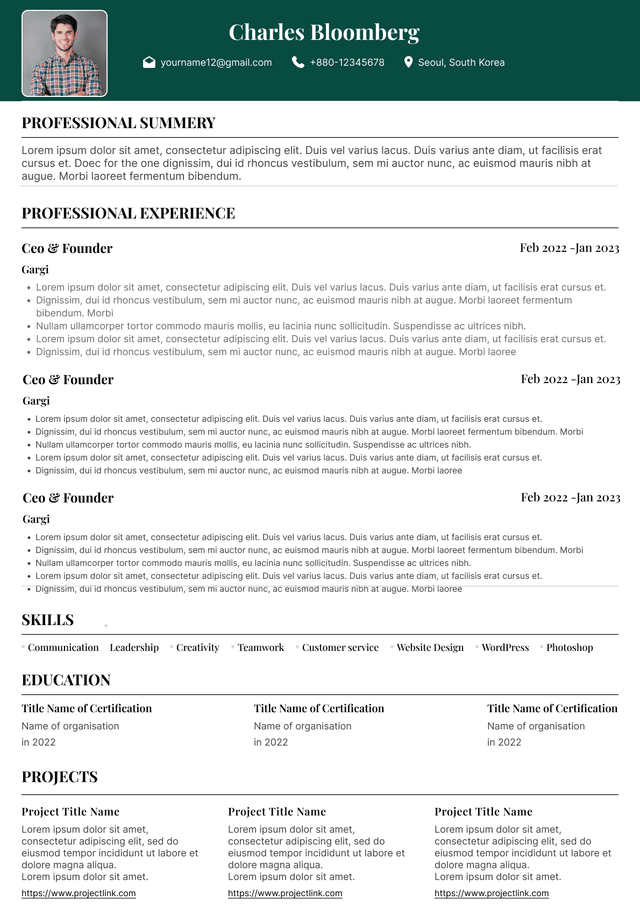
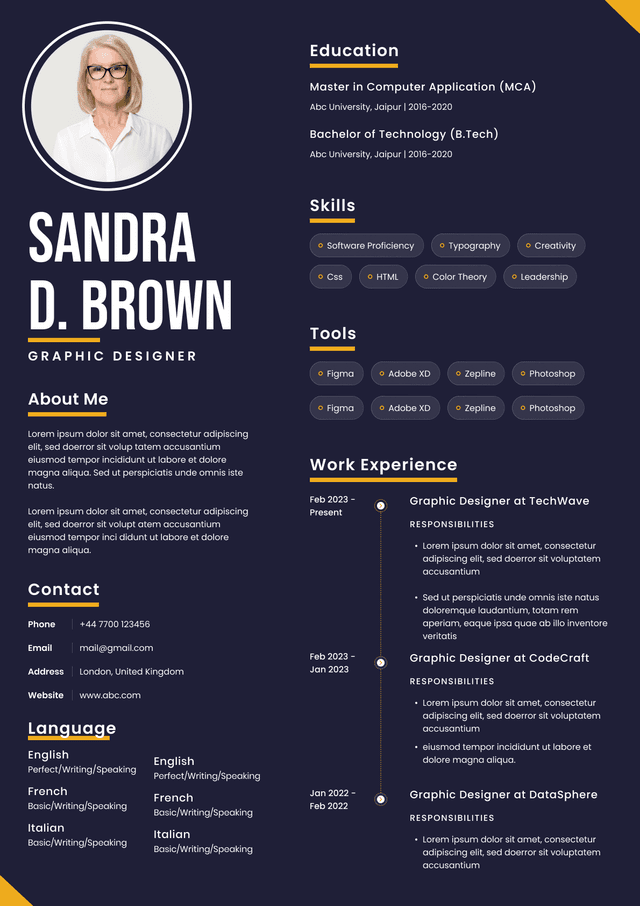

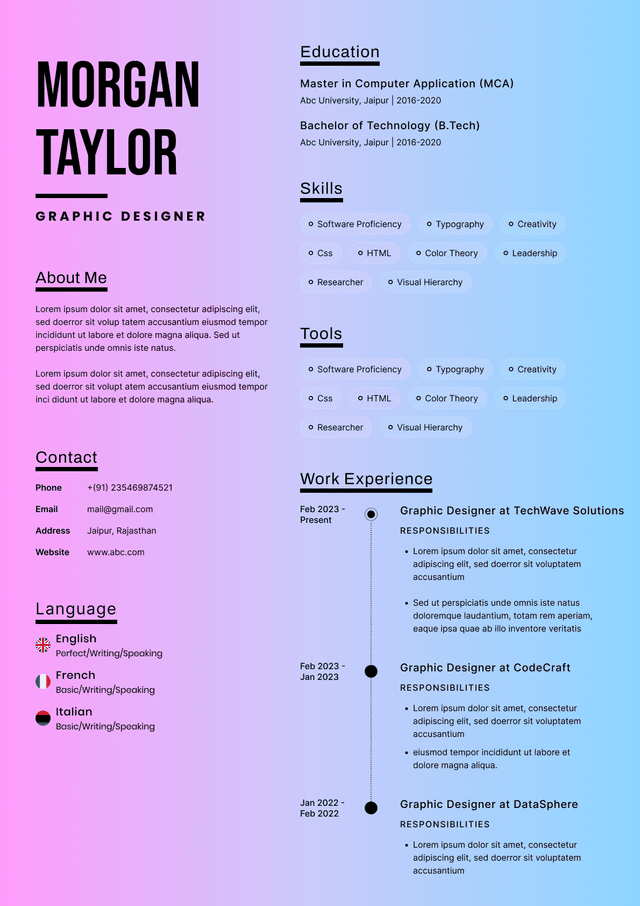
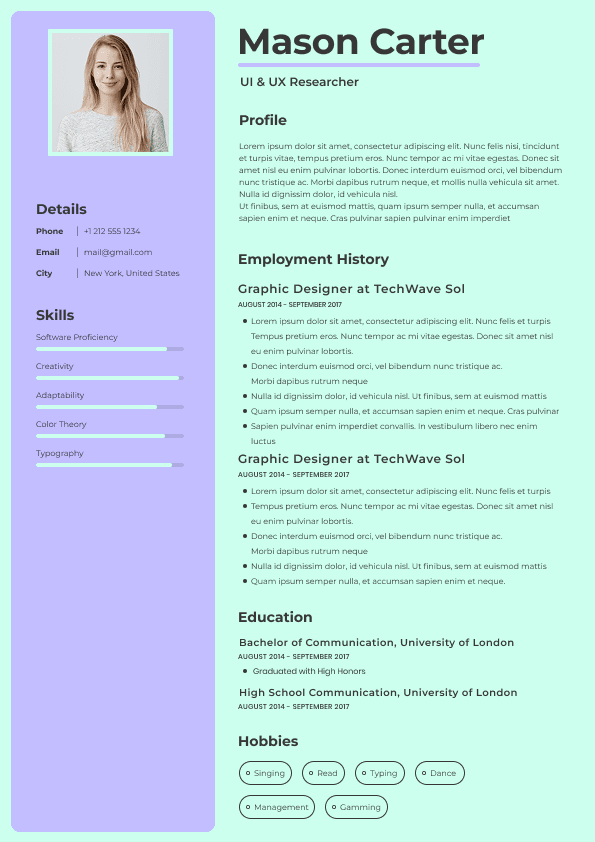


 Upload Resume
 Import from Linkedin