STILL APPLYING. STILL HEARING NOTHING?BUILD YOUR RESUME

STILL APPLYING. STILL HEARING NOTHING?BUILD YOUR RESUME
Choose from a wide range of NEWCV resume templates and customize your NEWCV design with a single click.
FAQ


A TypeScript developer resume will not pass ATS simply because it lists React, Node.js, or TypeScript. Modern applicant tracking systems evaluate keyword relevance, technical alignment, role match, project depth, and contextual usage of skills before a recruiter ever sees the resume. Most TypeScript resumes fail because they either overload keywords unnaturally, lack measurable technical impact, or do not align with the exact frontend, backend, or full stack role being targeted.
To pass ATS for TypeScript developer jobs, your resume must combine three things:
Exact role-specific keyword alignment
ATS-friendly structure and formatting
Real technical achievements tied to the technologies listed
The strongest TypeScript developer resumes are optimized for both machines and human reviewers. They include the right keywords naturally, demonstrate production-level engineering work, and clearly show technical depth, architecture experience, and business impact.
Most candidates misunderstand how ATS screening works.
ATS software does not simply “score” resumes based on keyword quantity. Modern systems parse resumes to evaluate:
Job title relevance
Technical stack alignment
Experience depth
Skills frequency and placement
Contextual keyword usage
Seniority indicators
Industry relevance
Chronological consistency
Resume structure readability
For TypeScript developer roles, ATS systems are heavily configured around technical stack matching.
If a company is hiring a React TypeScript Developer, the ATS may prioritize resumes containing:
TypeScript
React
TSX
Next.js
Component architecture
REST APIs
Redux Toolkit
Jest
CI/CD
GitHub Actions
A resume mentioning “JavaScript developer” without explicitly including TypeScript may rank significantly lower even if the candidate has transferable experience.
This is one of the biggest reasons qualified developers get filtered out before recruiter review.
The highest-performing TypeScript resumes follow a layered keyword strategy.
They include:
Core engineering keywords
Role-specific keywords
Framework-specific keywords
Infrastructure keywords
Testing keywords
Architecture terminology
Product impact metrics
Industry-specific technical terms
Strong ATS optimization is not about stuffing terms into a skills section.
Recruiters want to see keywords supported by real implementation examples.
Weak Example
React
TypeScript
Node.js
APIs
AWS
This tells the ATS almost nothing about depth or relevance.
Good Example
Built scalable React and TypeScript dashboard applications supporting 120K+ monthly users
Developed Node.js and NestJS APIs with PostgreSQL and Redis integration
Implemented CI/CD pipelines using GitHub Actions and Docker on AWS ECS
Increased Jest test coverage from 42% to 87%, reducing production regressions by 31%
The second version improves both ATS ranking and recruiter confidence.
The most effective TypeScript resume keywords depend on the specific role.
However, there are foundational keyword groups every strong resume should contain.
These establish broad relevance for ATS systems.
TypeScript development
JavaScript development
Frontend development
Backend development
Full stack development
Web application development
API development
Application architecture
Component architecture
Type-safe development
Scalable applications
Agile development
CI/CD
Code review
Debugging
Unit testing
Git version control
These matter heavily for React, Next.js, Angular, and UI engineering roles.
React
Next.js
Redux Toolkit
Zustand
React Router
Tailwind CSS
Material UI
Chakra UI
Storybook
Vite
These improve ATS matching for API and backend engineering positions.
Node.js
NestJS
Express.js
Fastify
GraphQL
REST APIs
Microservices
Authentication
Authorization
JWT
Full stack roles require balanced frontend and backend keyword depth.
Full stack development
React and Node.js
End-to-end application development
API integrations
Frontend architecture
Backend services
Cloud deployment
CI/CD pipelines
Containerization
Many TypeScript resumes fail because they ignore testing terminology.
ATS systems increasingly prioritize engineering quality signals.
Include:
Jest
Vitest
Cypress
Playwright
React Testing Library
Integration testing
End-to-end testing
Test-driven development
Code coverage
ESLint
The best TypeScript resume is not generic.
It is tailored.
Recruiters often search ATS databases using exact technologies from the job description.
If the job posting mentions:
Next.js
TypeScript
GraphQL
AWS Lambda
Prisma
Your resume should include those exact terms if they truthfully apply to your experience.
This dramatically improves ATS retrieval and ranking.
ATS systems often normalize similar technologies poorly.
For example:
“JavaScript” does not always equal “TypeScript”
“React developer” does not always equal “Frontend Engineer”
“Cloud deployment” does not always equal “AWS”
You should include both broad and specific terminology.
Good Example
This line captures:
TypeScript
React
Next.js
GraphQL
AWS Lambda
All in one natural sentence.
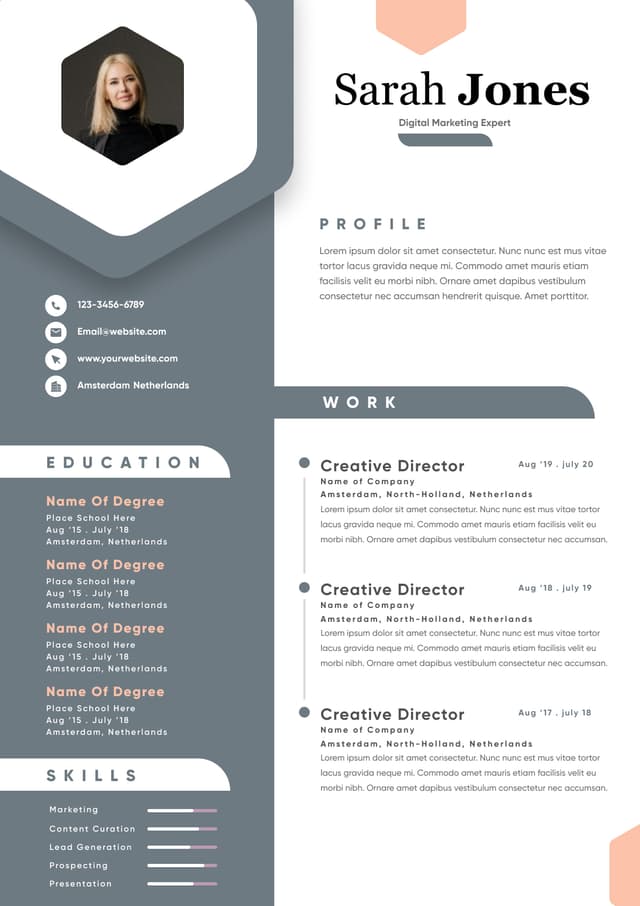
Even highly qualified developers get rejected because of formatting issues.
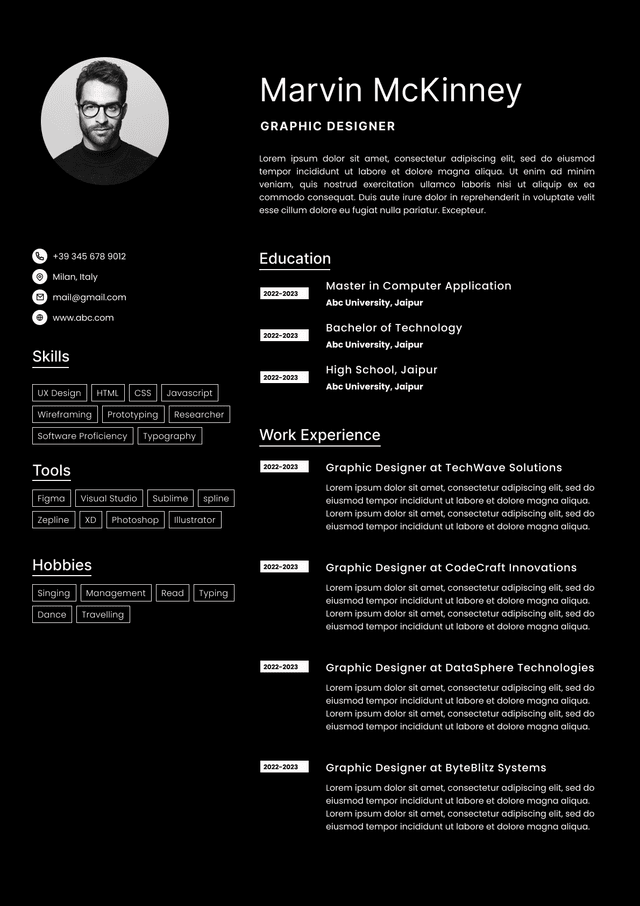
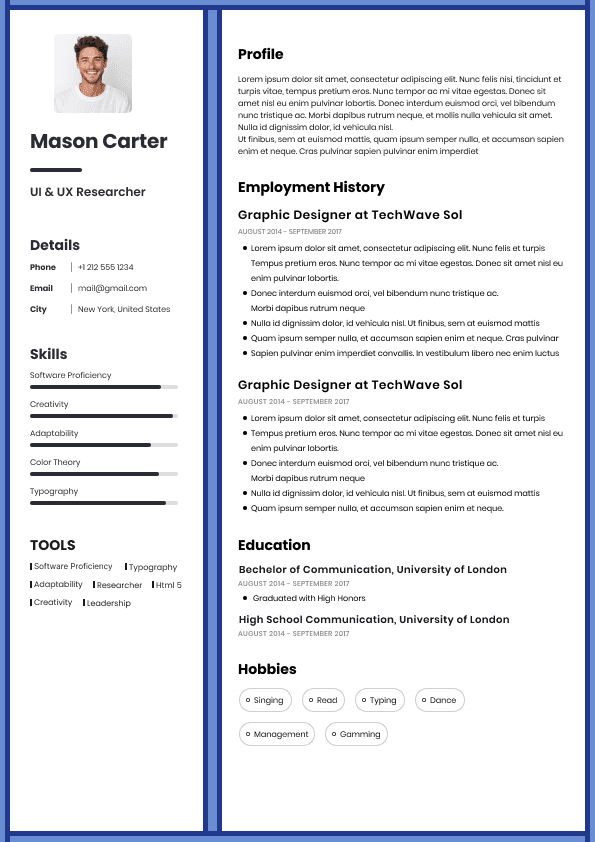
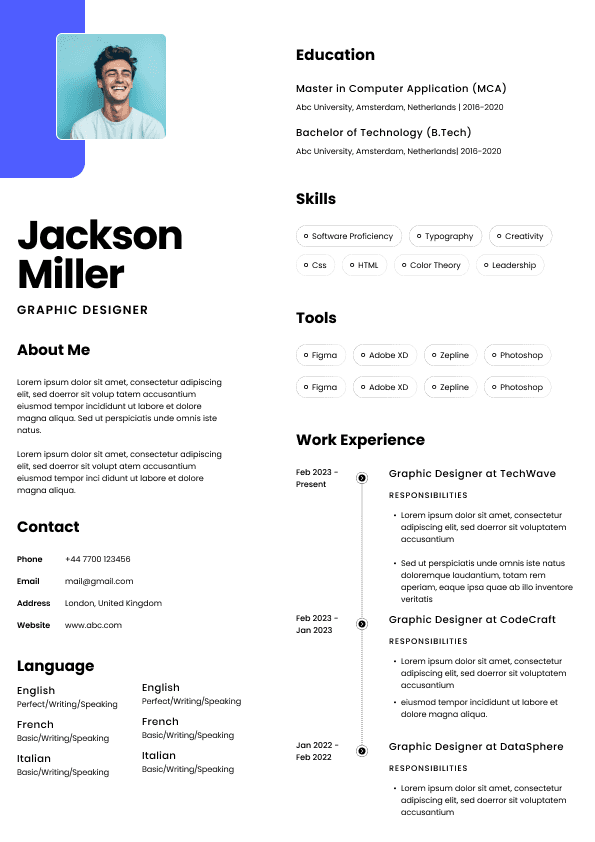
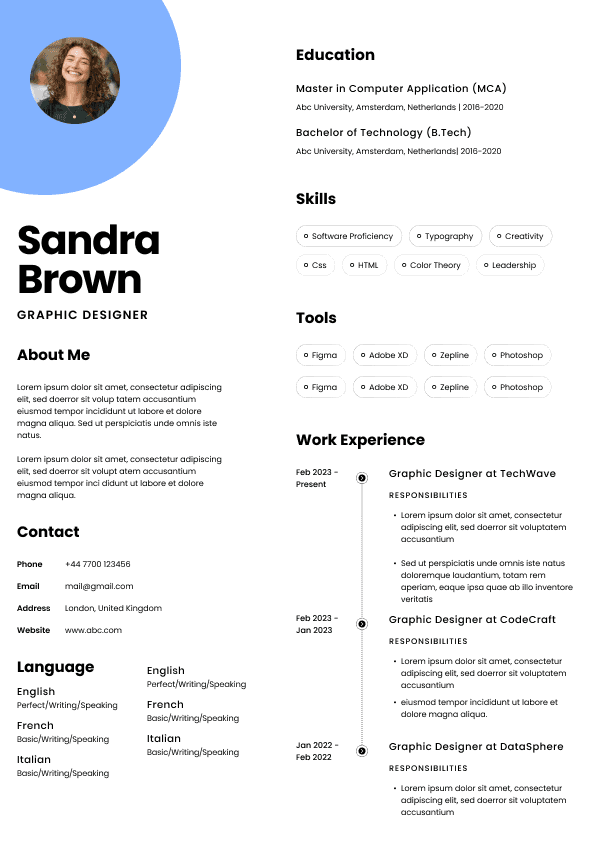
ATS systems can misread resumes that use:
Multiple columns
Tables
Icons
Graphics
Text boxes
Skill bars
Fancy templates
Headers and footers containing critical info
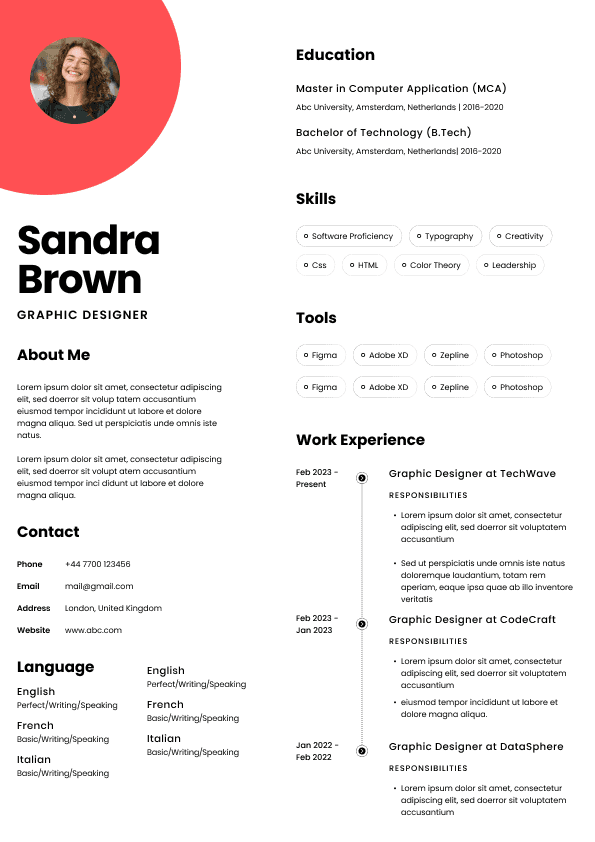
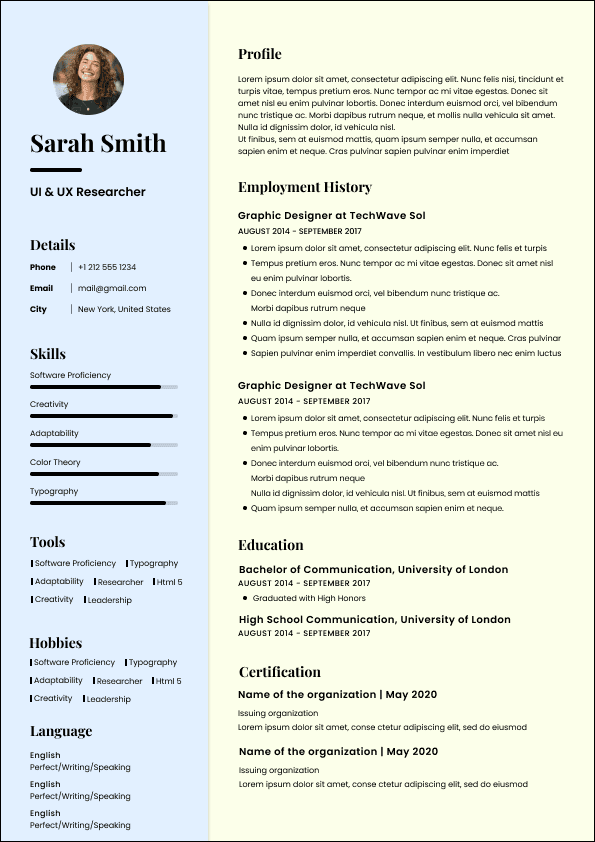
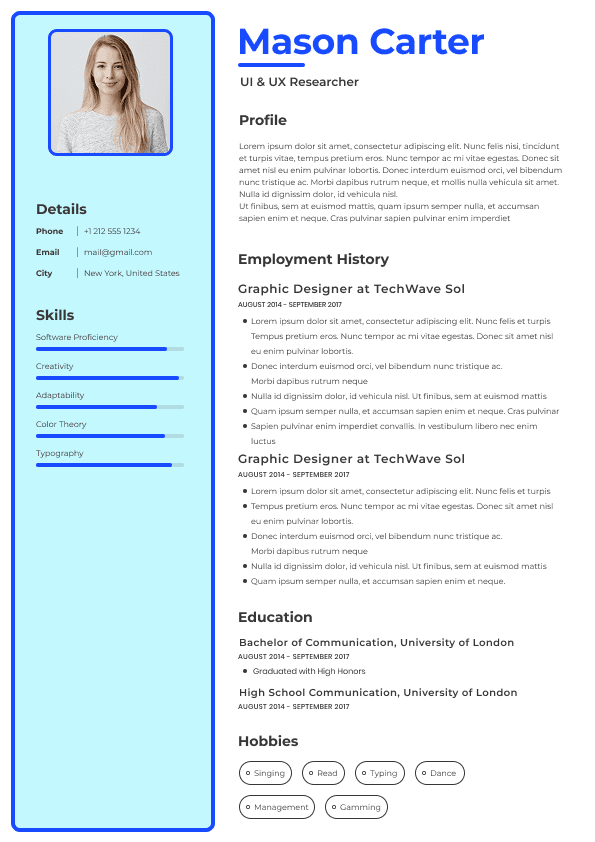
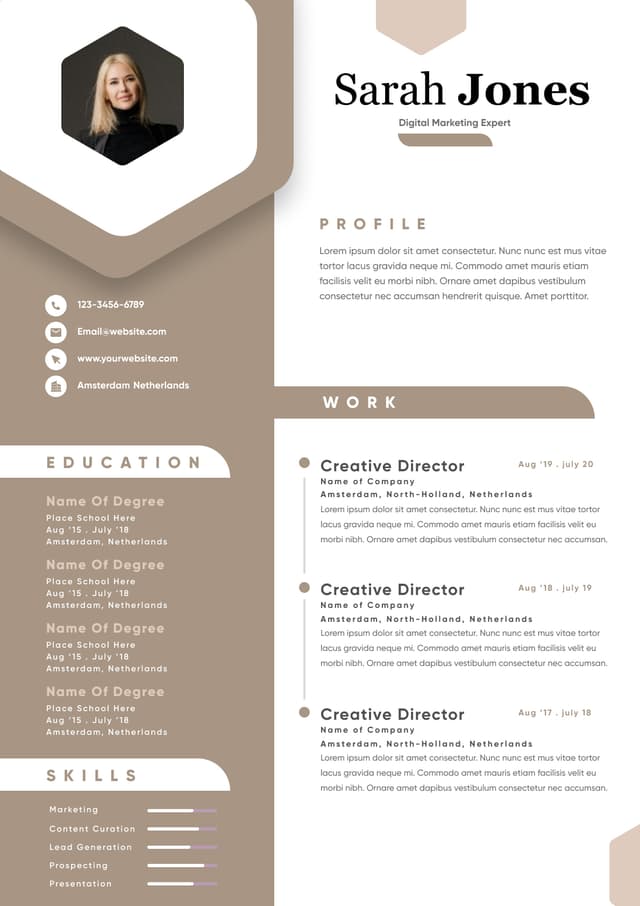
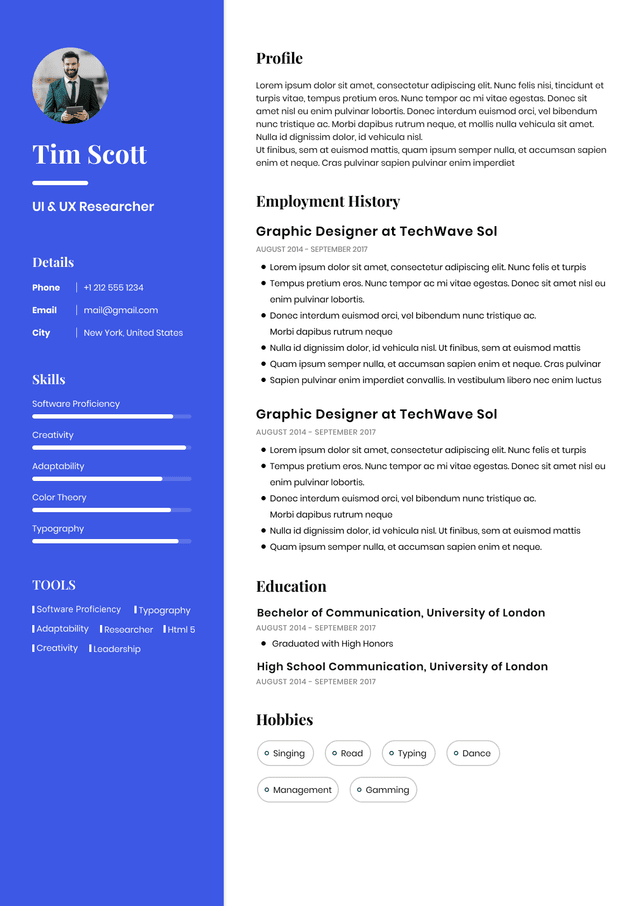
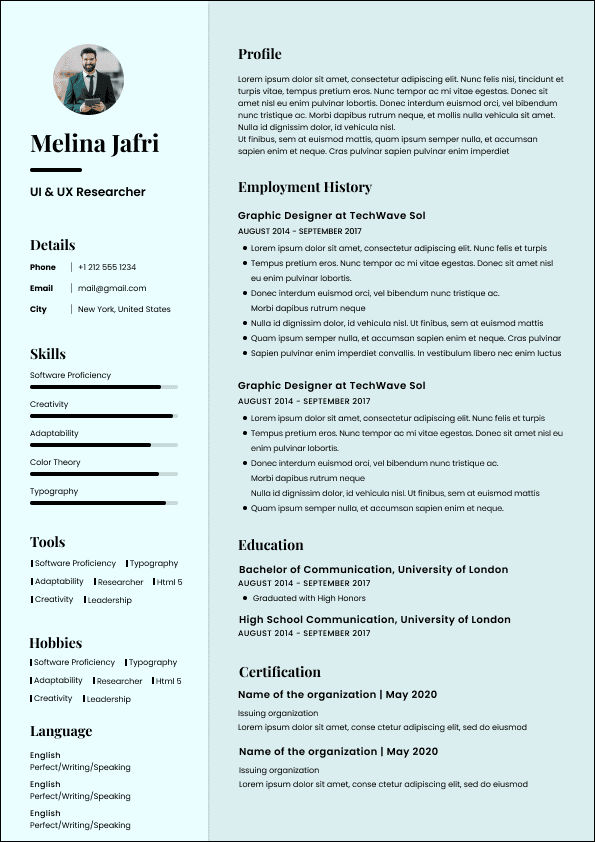
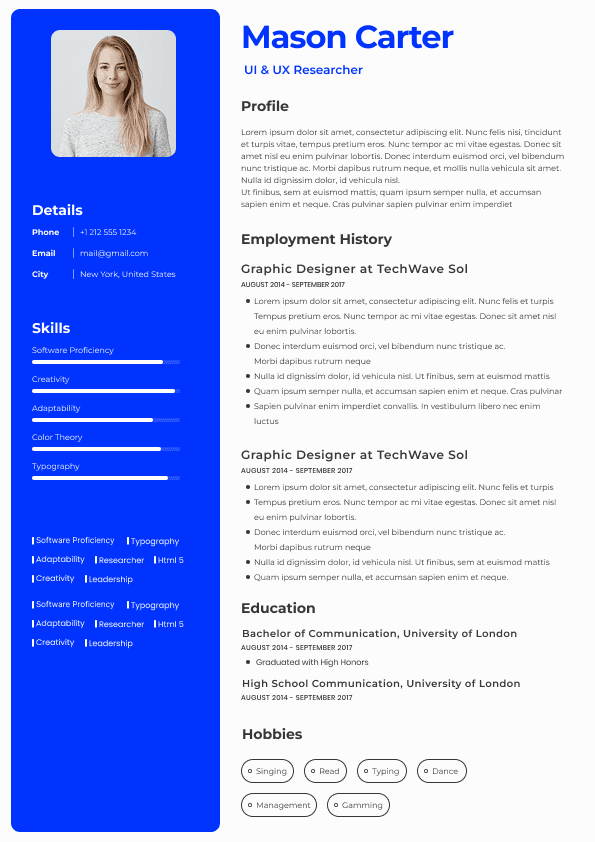
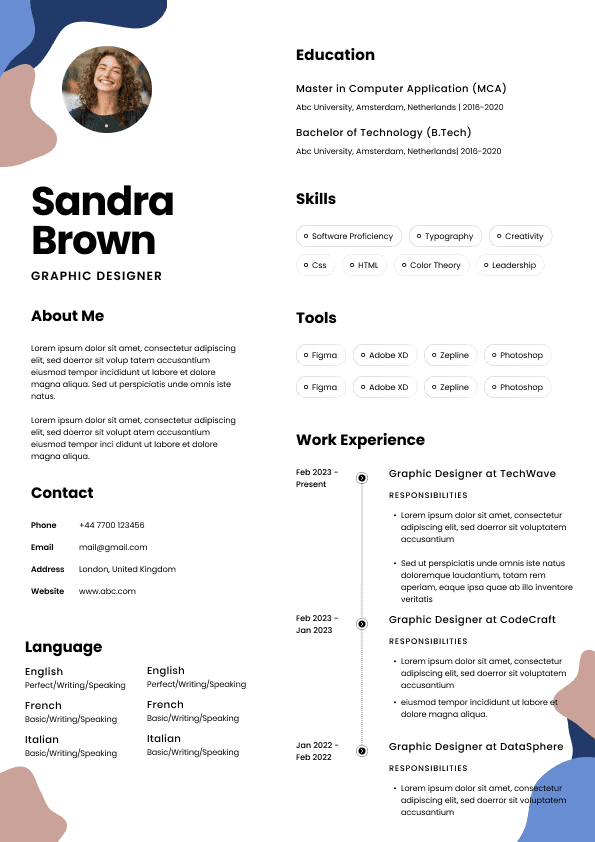
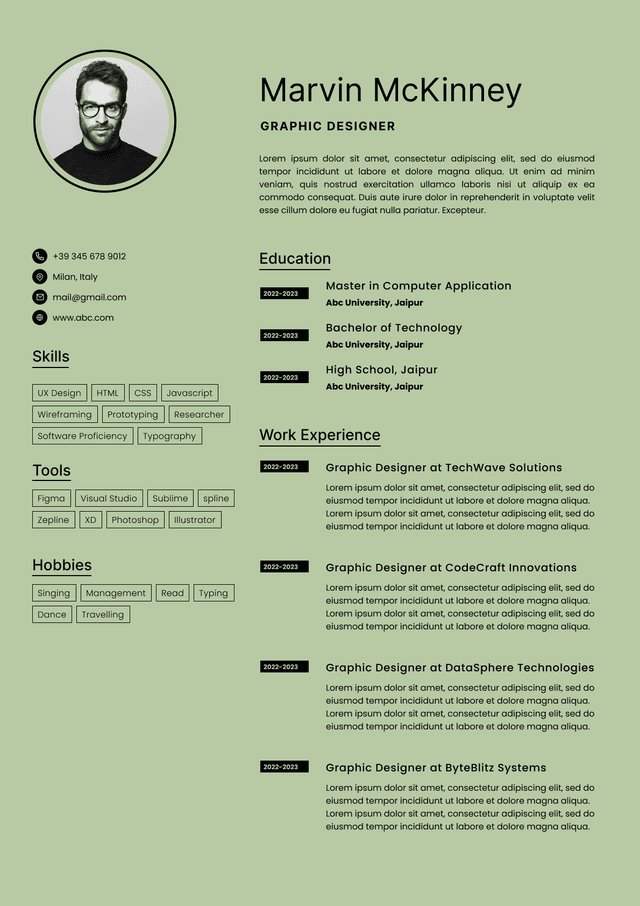
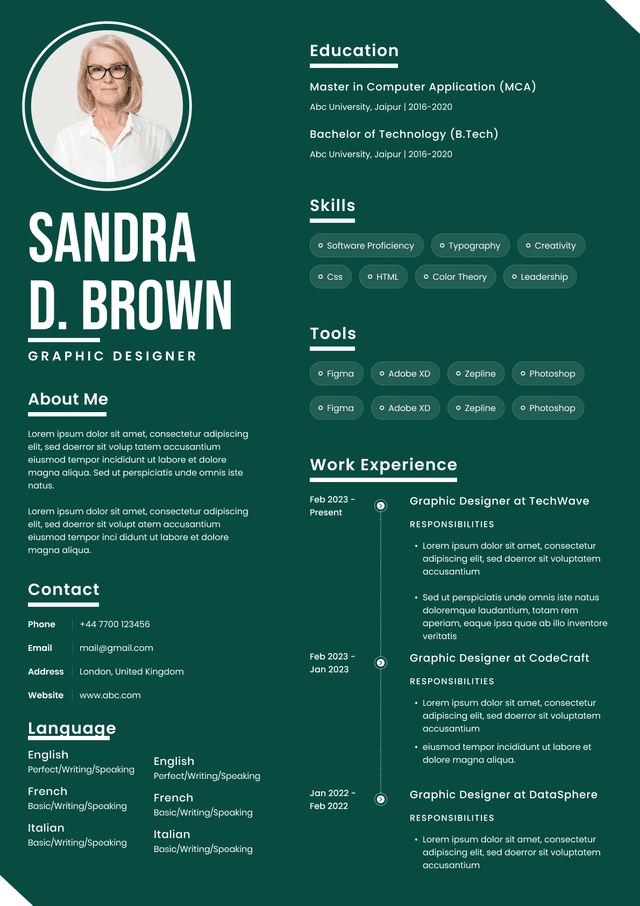
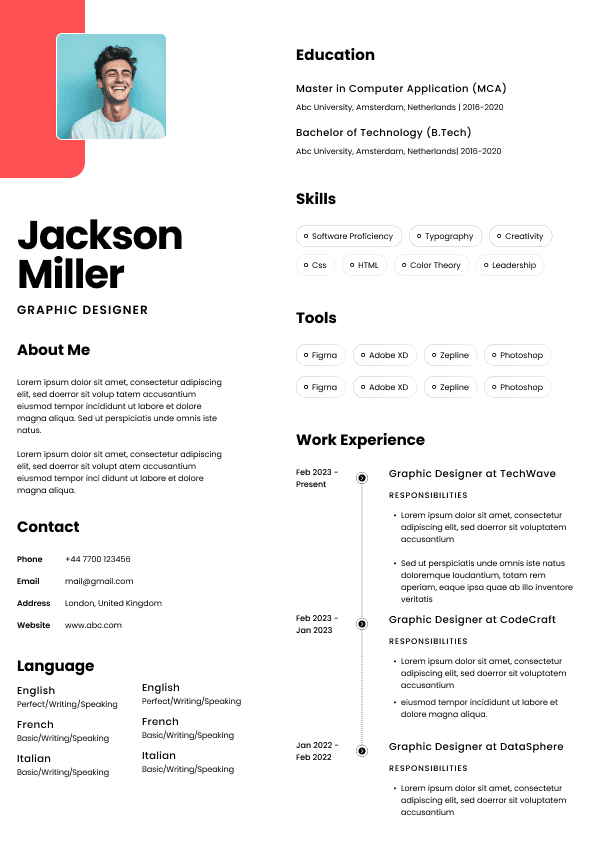
The safest ATS-friendly TypeScript developer resume structure is:
Include:
Full name
Phone number
Professional email
GitHub
Portfolio
Do not place contact information inside headers or graphics.
Your summary should immediately establish:
Job title
Years of experience
Core technologies
Business or engineering impact
Good Example
Frontend TypeScript Developer with 5+ years of experience building scalable React and Next.js applications. Specialized in TypeScript architecture, performance optimization, and component-driven UI systems. Improved frontend load times by 38% and increased test coverage across enterprise SaaS applications.
This summary is ATS-rich without sounding robotic.
Group skills logically.
Good Structure
Languages
Frameworks
Databases
Cloud and DevOps
Testing Tools
Methodologies
Avoid giant unstructured keyword dumps.
This section carries the most ATS weight.
Each bullet should include:
Action verb
Technology
Scope
Impact metric
Weak Example
Good Example
Projects matter heavily for:
Junior developers
Career changers
Self-taught developers
Freelancers
Strong project entries should include:
Technologies used
Architecture decisions
APIs
Deployment platforms
Metrics or scale
GitHub or live URLs
Certifications help ATS systems categorize candidates.
Relevant certifications may include:
AWS Certified Developer
Microsoft Azure Developer Associate
Google Cloud certifications
Meta Front-End Developer
TypeScript-focused bootcamps or advanced engineering programs
Most ATS articles ignore recruiter behavior completely.
Here is what actually happens after ATS screening.
A recruiter spends roughly 15 to 40 seconds on first review.
They scan for:
Job title match
Tech stack alignment
Production experience
Technical depth
Stability
Career progression
Measurable outcomes
They also look for signals that the candidate can contribute quickly.
Recruiters trust resumes that show:
Real engineering ownership
Production systems
Scale
Measurable outcomes
Technical specificity
Architecture involvement
Recruiters become skeptical when resumes contain:
Massive keyword stuffing
Generic bullets
No metrics
No architecture terminology
No testing experience
No production deployment details
Unrealistic skill lists
If someone claims 25 frameworks but shows no implementation depth, recruiters often assume the resume was artificially optimized.
React TypeScript roles are highly competitive.
Most resumes over-focus on React and under-focus on engineering quality.
To stand out, include keywords related to:
Component architecture
State management
Performance optimization
Accessibility
Testing
Design systems
SSR and SSG
Frontend observability
React hooks
Custom hooks
Context API
Redux Toolkit
TanStack Query
Code splitting
Lazy loading
Hydration
Server-side rendering
Web Vitals
This demonstrates:
TypeScript
React
Architecture
Scalability
Business value
All in one bullet.
Backend TypeScript resumes should demonstrate system reliability and infrastructure awareness.
Top backend resumes include:
API scalability
Security
Authentication
Cloud deployment
Performance tuning
Database optimization
Observability
NestJS
Express.js
API gateway
OAuth
JWT
Rate limiting
Queue systems
Event-driven systems
WebSockets
Caching strategies
Docker
Kubernetes
AWS ECS
Terraform
This shows engineering maturity immediately.
Some candidates list JavaScript and React but never explicitly mention TypeScript.
This is a major ATS failure.
Listing technologies without implementation details weakens ATS relevance and recruiter trust.
“Built web applications” is too vague.
Recruiters want architecture, scale, and outcomes.
Metrics create credibility.
Include:
Performance improvements
User counts
Revenue impact
Deployment frequency
Test coverage
Bug reduction
Load time improvements
ATS parsing failures still happen regularly.
Clean formatting consistently performs better.
Industry-specific language improves ATS ranking dramatically.
Multi-tenant architecture
Subscription systems
Analytics dashboards
User onboarding
Payment processing
Fraud prevention
PCI DSS awareness
LLM API integration
RAG applications
Vector databases
Streaming responses
LangChain.js
Improving ATS performance is usually about precision, not volume.
Important technologies should appear early in the resume.
Especially:
TypeScript
React
Node.js
Next.js
AWS
Testing tools
ATS systems often score keyword repetition across multiple sections.
If you list:
TypeScript
GraphQL
Prisma
In the skills section, reinforce them inside experience bullets.
Depth beats keyword overload.
Recruiters prefer:
Strong TypeScript expertise
Strong React architecture experience
Over resumes listing every framework ever used.
Especially important for developers.
Include:
GitHub
Portfolio
npm packages
Open-source contributions
Technical blogs
Live applications
These strengthen recruiter trust after ATS screening.
Action verbs improve readability and strengthen ATS parsing.
High-performing verbs include:
Engineered
Architected
Optimized
Automated
Implemented
Scaled
Refactored
Integrated
Secured
Deployed
Debugged
Migrated
Streamlined
Modernized
Avoid repetitive verbs like:
Worked on
Helped
Assisted
These weaken perceived ownership.
Prioritize:
React
Next.js
UI performance
Accessibility
Component architecture
Design systems
Prioritize:
APIs
Databases
Authentication
Scalability
Cloud infrastructure
Security
Balance:
Frontend frameworks
Backend services
Databases
Deployment systems
CI/CD pipelines
Show:
Architecture leadership
Mentorship
System design
Scalability
Cross-team collaboration
Technical strategy
Before submitting your resume, verify:
TypeScript appears naturally throughout the resume
The exact job title is reflected where appropriate
Keywords match the job posting truthfully
Technologies are supported by implementation examples
Metrics are included throughout experience bullets
Resume formatting is ATS-friendly
Skills are grouped logically
Projects include technical depth
GitHub and portfolio links are included
Testing and CI/CD keywords are present
The resume is tailored to the exact role
A TypeScript developer resume that passes ATS is not just keyword-rich.
It demonstrates engineering credibility, production experience, technical depth, and measurable impact in a format both ATS systems and recruiters can evaluate quickly.
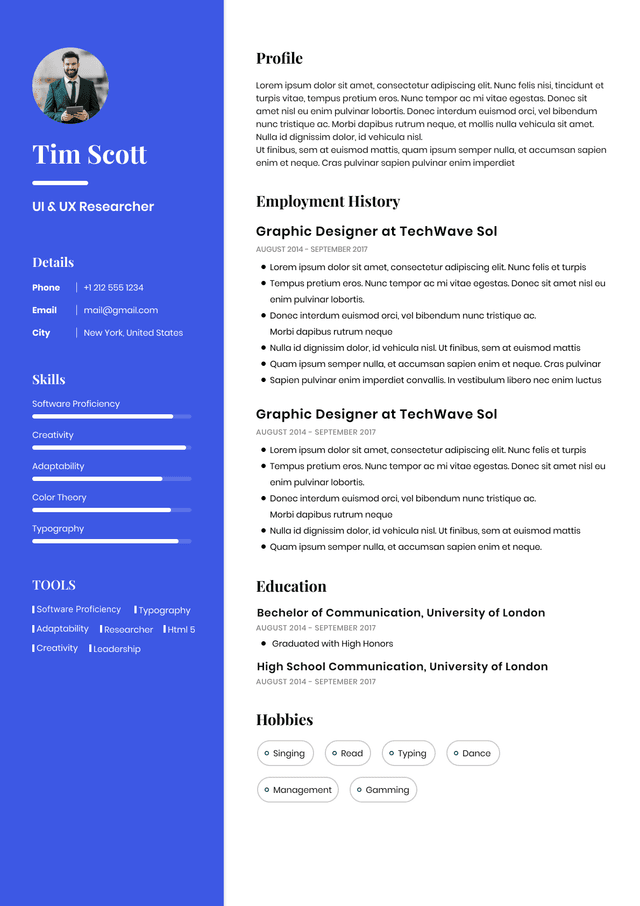
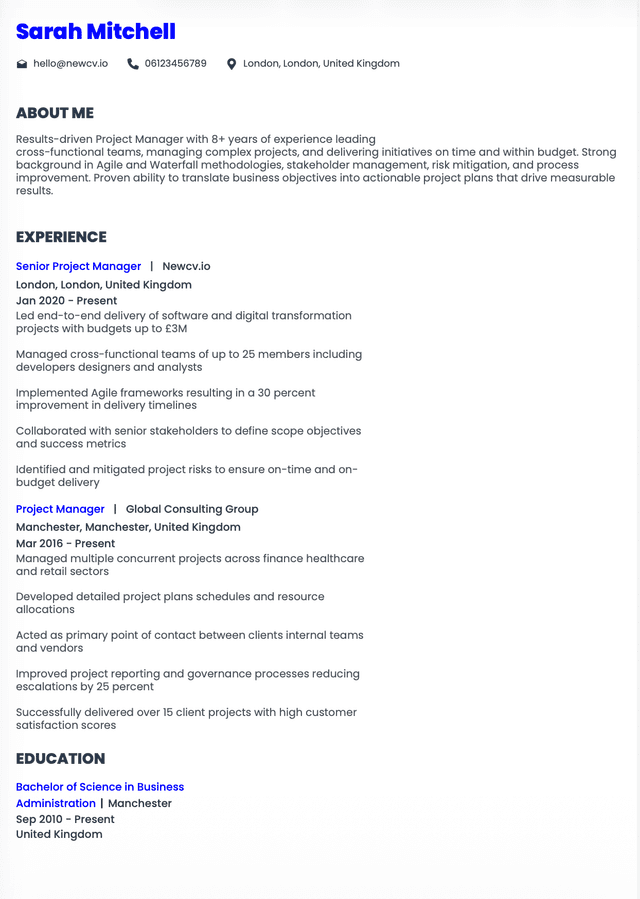
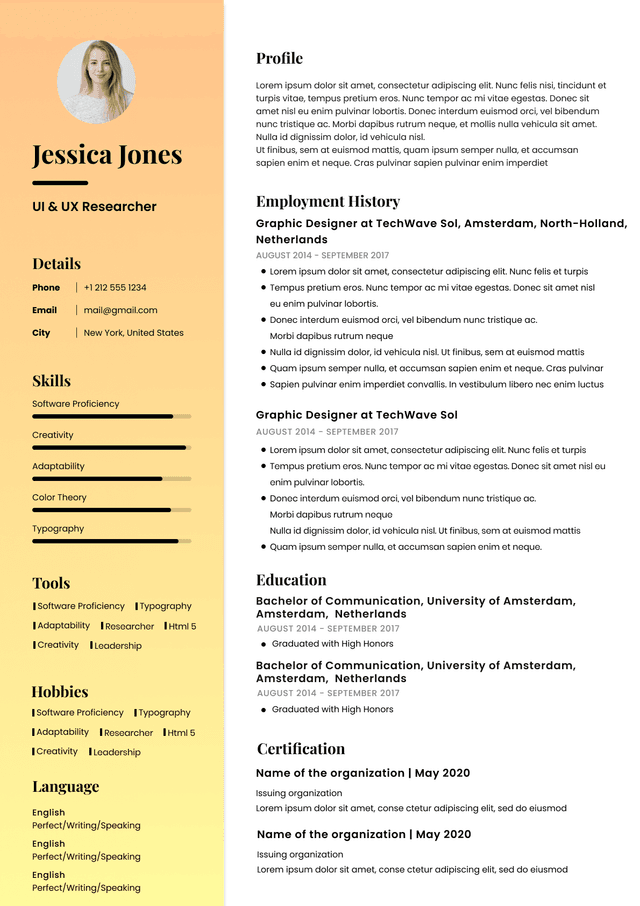
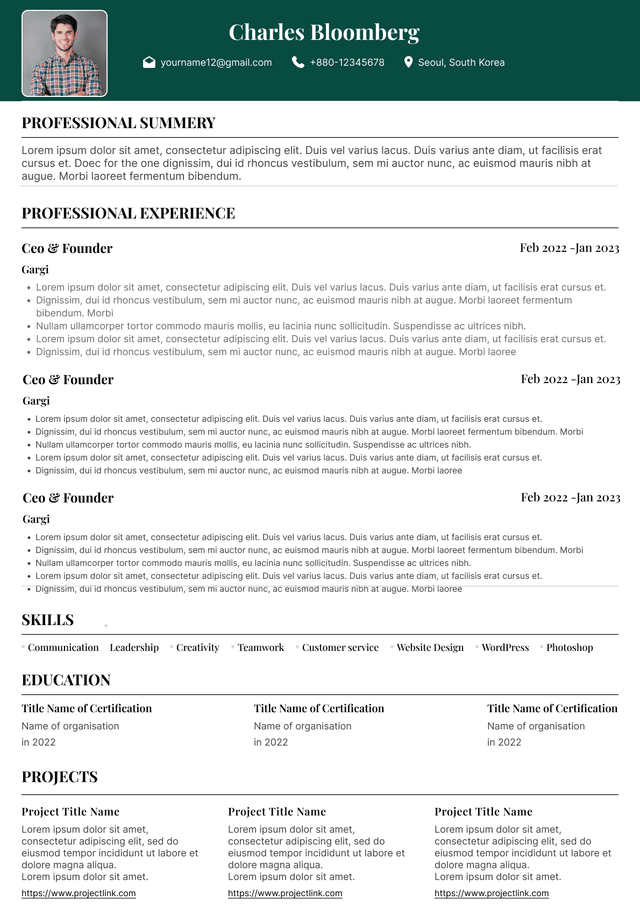
Use ATS-optimised Resume and resume templates that pass applicant tracking systems. Our Resume builder helps recruiters read, scan, and shortlist your Resume faster.

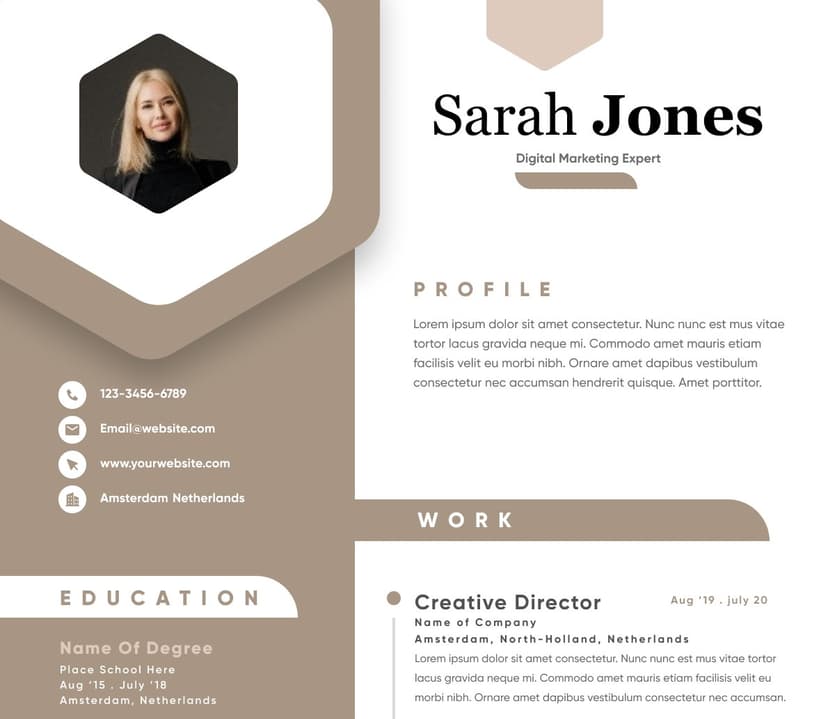
Use professional field-tested resume templates that follow the exact Resume rules employers look for.
Create Resume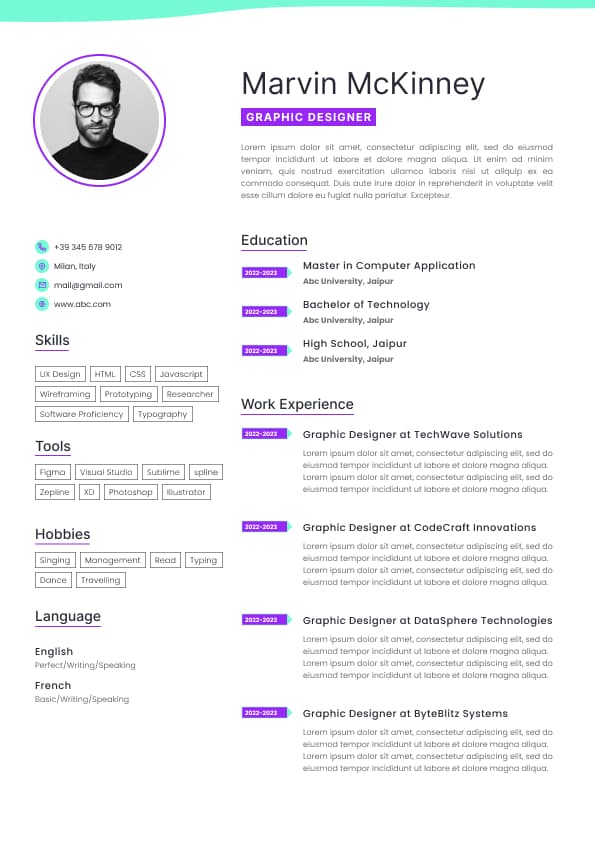
Use professional field-tested resume templates that follow the exact Resume rules employers look for.
Create ResumeTSX
Responsive design
Component libraries
Server-side rendering
Static site generation
Frontend performance optimization
Web accessibility
State management
API security
Database schema design
PostgreSQL
MongoDB
Redis
Prisma
TypeORM
Query optimization
Event-driven architecture
Cross-functional collaboration
Prettier
Static analysis
Lighthouse optimization
Accessibility compliance
Storybook
Design systems



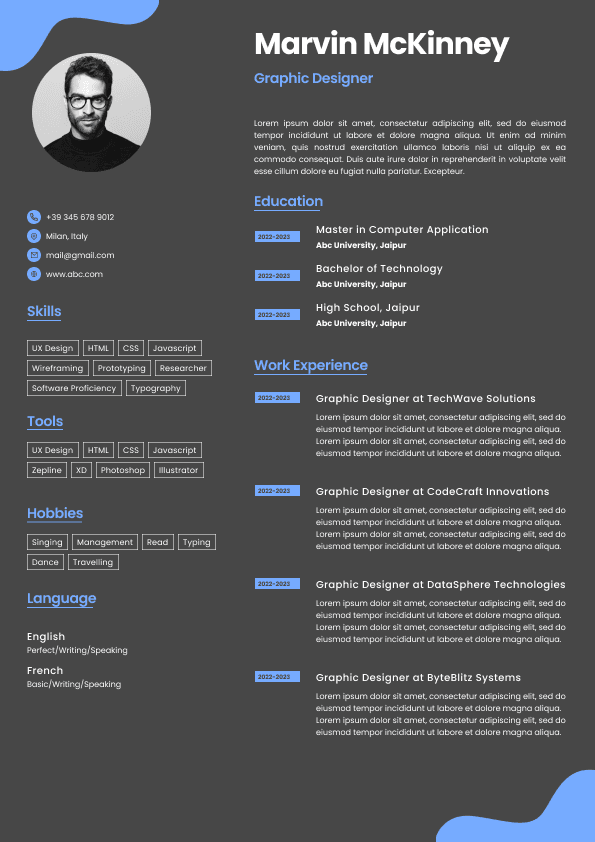
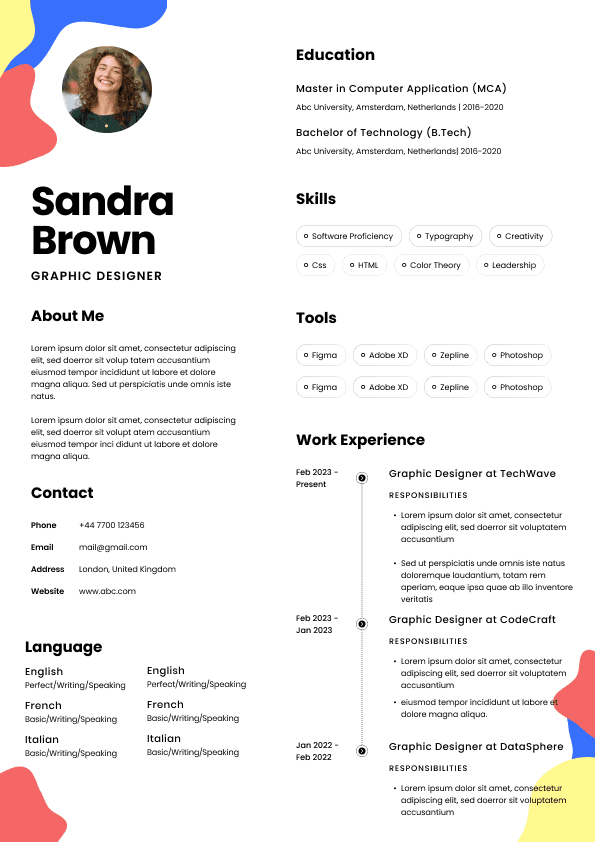

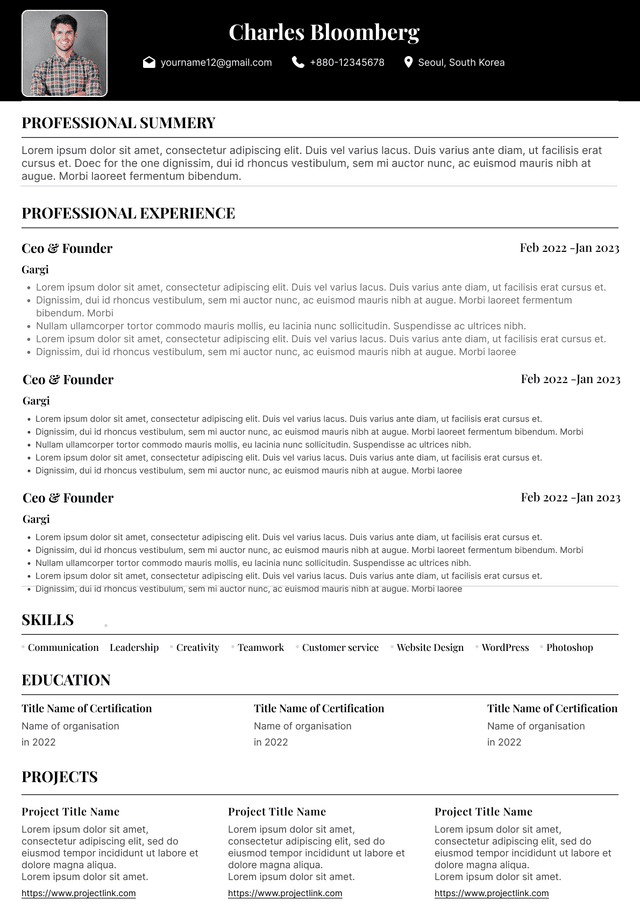
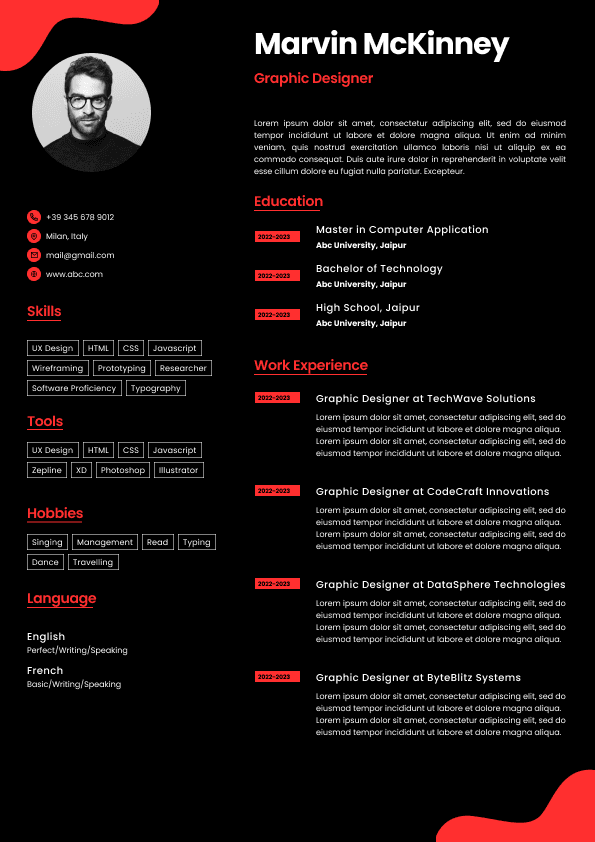
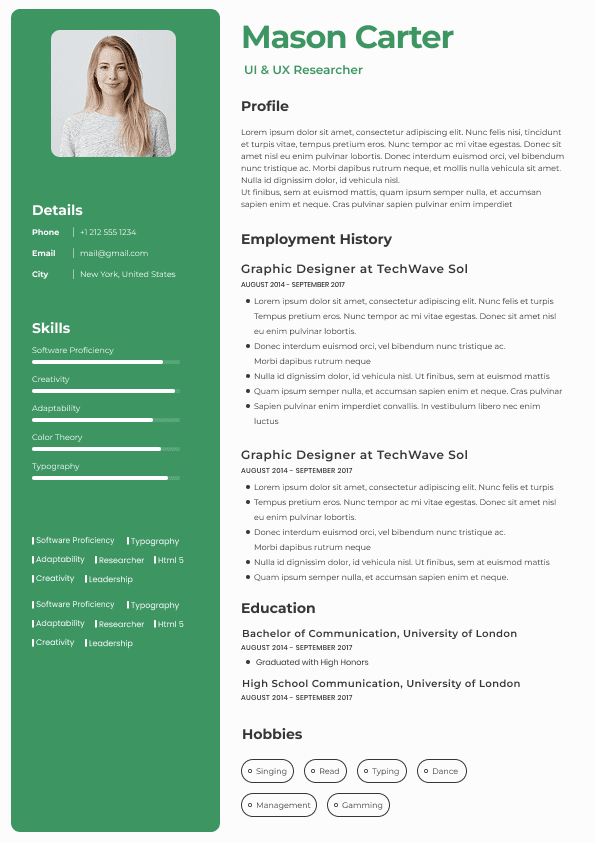
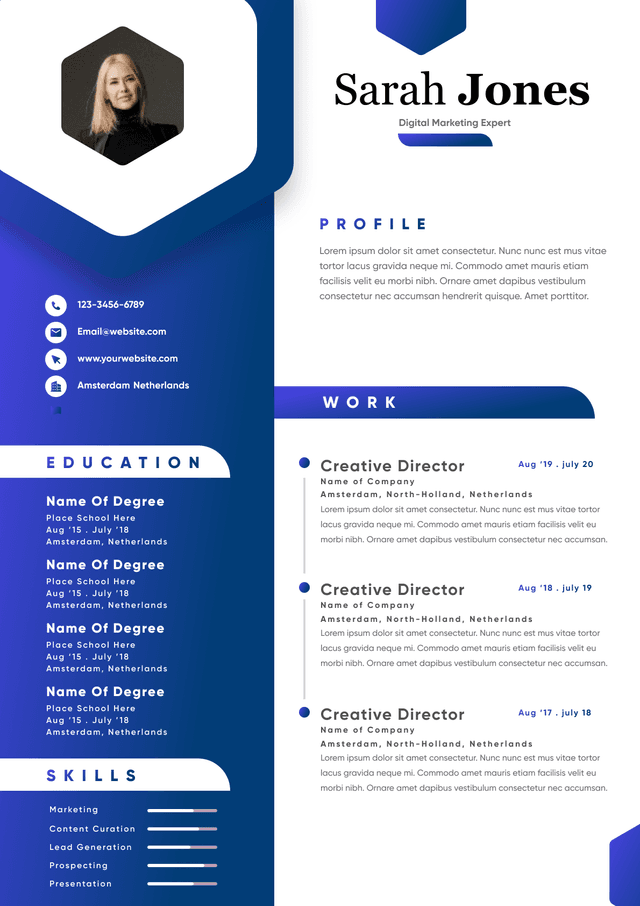
 Upload Resume
 Import from Linkedin