STILL APPLYING. STILL HEARING NOTHING?BUILD YOUR RESUME

STILL APPLYING. STILL HEARING NOTHING?BUILD YOUR RESUME
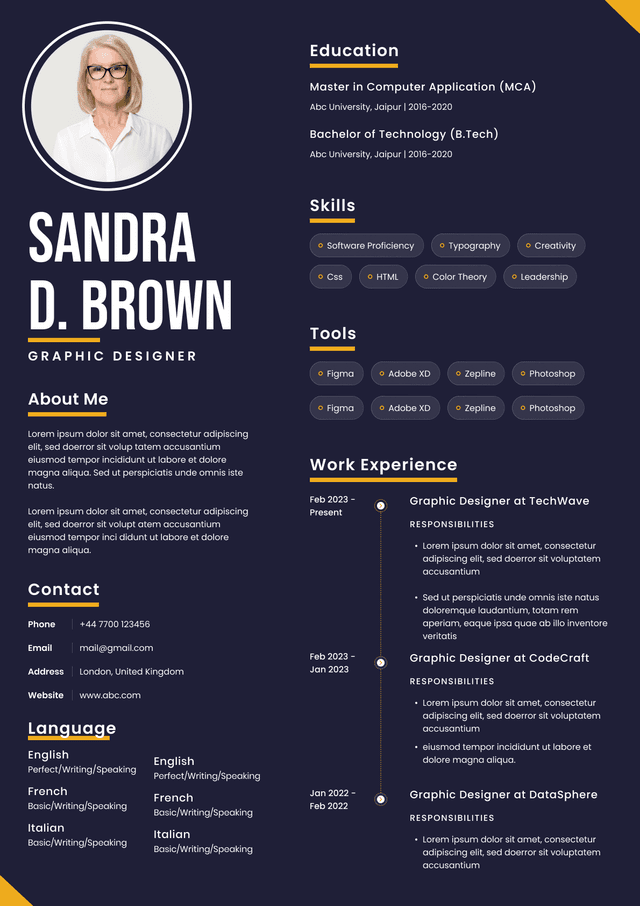
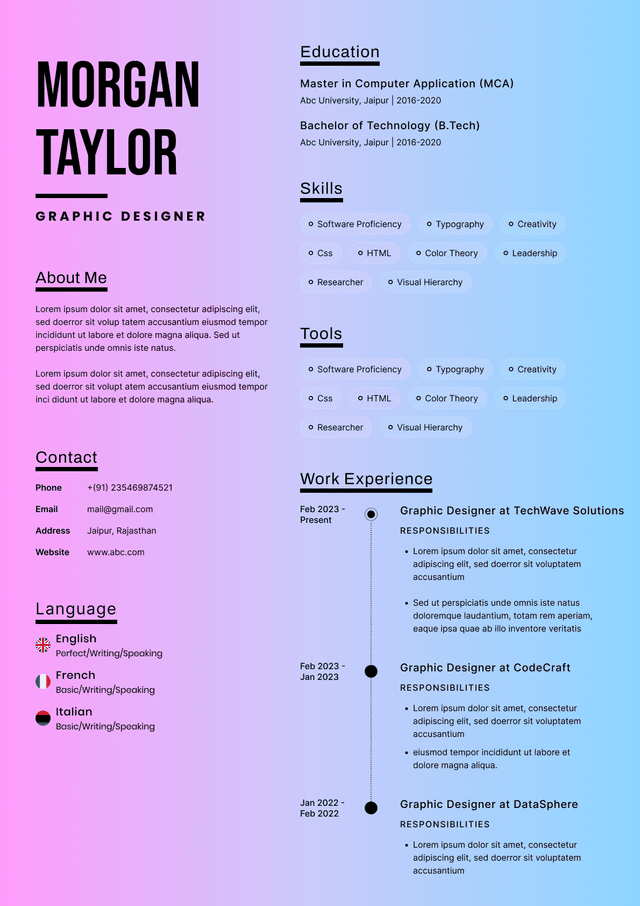
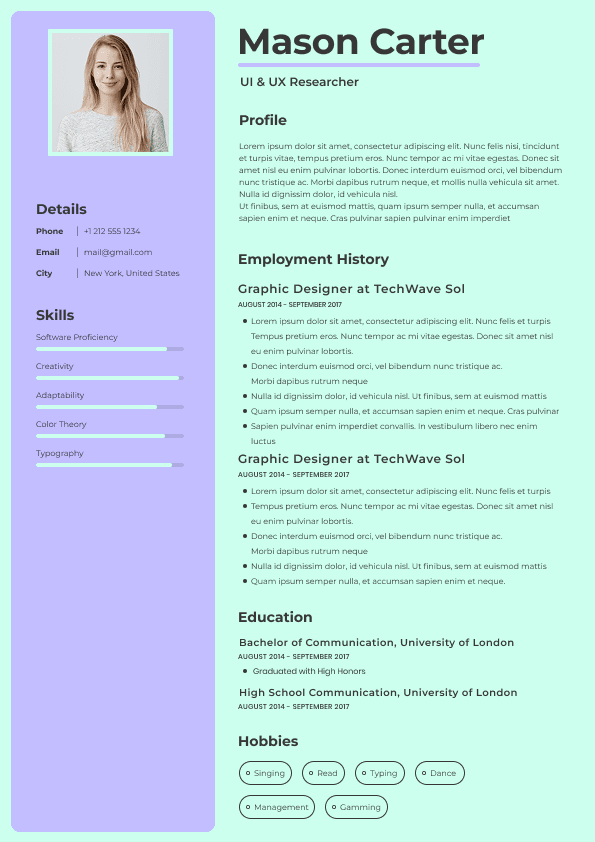
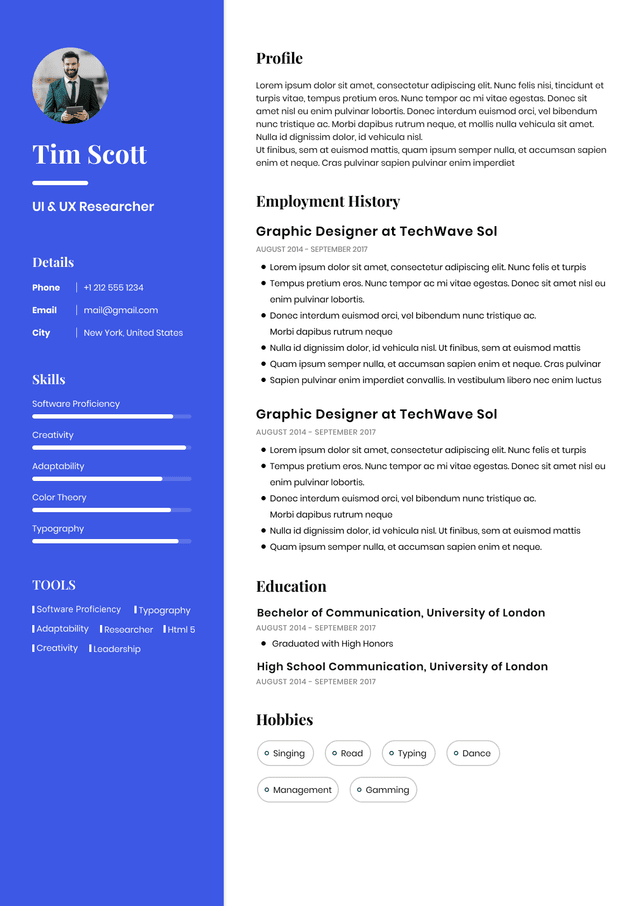
Choose from a wide range of NEWCV resume templates and customize your NEWCV design with a single click.
FAQ
A strong TypeScript developer resume is not just a JavaScript resume with “TypeScript” added to the skills section. Hiring managers evaluate TypeScript candidates differently because TypeScript is usually tied to engineering maturity, scalable architecture, maintainability, and modern product development practices.
The biggest mistake candidates make is writing generic software engineering resumes that fail to reflect their actual stack depth. A React TypeScript engineer, a NestJS backend engineer, and a full stack SaaS engineer are evaluated using completely different signals.
If your resume does not align with the exact stack, architecture patterns, deployment environment, and business outcomes tied to the role, recruiters will often reject it within the first screening pass.
The resumes that consistently generate interviews do three things well:
Match the company’s actual TypeScript stack
Show measurable engineering impact
Demonstrate production-level ownership, not tutorial-level experience
Most recruiters screening TypeScript resumes are not evaluating TypeScript syntax knowledge alone. They are looking for evidence that you can contribute inside modern production systems.
That means your resume must demonstrate:
Framework specialization
Architectural decision-making
Real deployment experience
Scalable frontend or backend engineering
Collaboration inside modern product teams
Production ownership
Performance optimization
One of the biggest recruiter frustrations is seeing resumes that list every framework imaginable without depth.
Hiring managers can immediately tell when candidates are keyword stuffing.
Here’s what typically gets rejected:
Long skills lists with no project alignment
“Worked on frontend applications” bullets
No measurable outcomes
No architecture ownership
No deployment or infrastructure exposure
Generic JavaScript experience presented as TypeScript expertise
A high-performing TypeScript resume usually follows this structure:
Professional summary
Technical skills
Professional experience
Selected projects
Education
Certifications if relevant
The key is not the sections themselves.
The key is how well the content aligns with the target stack.
Your summary should immediately position you within a specific engineering environment.
Example
“Experienced software engineer skilled in JavaScript, TypeScript, and frontend development.”
Why this fails:
Too broad
No specialization
No engineering depth
No business impact
Sounds interchangeable with thousands of resumes
Example
“Frontend TypeScript engineer with 6+ years of experience building scalable React and Next.js SaaS platforms. Specialized in performance optimization, component architecture, accessibility compliance, and modern CI/CD deployment workflows across AWS and Vercel environments.”
Frontend TypeScript resumes are evaluated heavily on UI scalability, maintainability, and performance.
Hiring managers want evidence that you can work inside large production applications, not just build components.
React architecture
Next.js production usage
State management systems
Accessibility compliance
Core Web Vitals optimization
Design system experience
Component scalability
React TypeScript resumes should emphasize scalability and maintainability.
Recruiters specifically look for:
Reusable component systems
State architecture
UI performance
Design systems
Typed API integrations
Cross-functional collaboration
Mention:
Next.js resumes perform best when they demonstrate production deployment experience.
Many candidates mention Next.js.
Few demonstrate understanding of:
SSR
ISR
Edge rendering
SEO optimization
Vercel deployment
Caching strategies
Performance monitoring
Backend TypeScript resumes are evaluated very differently from frontend resumes.
Recruiters prioritize:
API scalability
Authentication systems
Database architecture
Observability
Infrastructure awareness
Queue systems
Cloud deployment
Node.js hiring managers want engineers who understand scalable backend systems.
API performance optimization
Authentication architecture
Rate limiting
Database indexing
Event-driven systems
Queue processing
Distributed systems exposure
NestJS roles are often associated with more mature engineering organizations.
Hiring managers typically expect:
Clean architecture patterns
Dependency injection familiarity
Modular application design
Enterprise API development
Swagger/OpenAPI documentation
Authentication systems
Example
“Designed modular NestJS microservices architecture supporting multi-tenant SaaS workflows, integrating JWT authentication, role-based access control, Prisma ORM, and centralized observability dashboards across AWS infrastructure.”
Full stack TypeScript resumes are among the hardest to write effectively.
Most candidates dilute their positioning by trying to show everything.
The best full stack resumes emphasize end-to-end product ownership.
Shared TypeScript contracts
End-to-end feature ownership
Frontend + backend integration
SaaS product delivery
Deployment workflows
CI/CD systems
Cloud experience significantly increases interview rates for senior TypeScript roles.
Even frontend-heavy organizations increasingly value infrastructure awareness.
AWS
Docker
Kubernetes
Terraform
Lambda
ECS
CloudFront
AI-integrated TypeScript roles are rapidly growing, especially in SaaS startups and product engineering teams.
These resumes should emphasize practical implementation, not hype.
OpenAI APIs
LangChain.js
Vector databases
RAG systems
AI chat systems
Pinecone
Weaviate
Metrics dramatically improve TypeScript resume performance because they prove engineering impact.
Strong metrics include:
Performance improvements
Revenue impact
Infrastructure scaling
Latency reduction
Deployment stability
Conversion improvements
System uptime
Cost reduction
ATS optimization still matters, especially for enterprise organizations.
The key is contextual keyword usage, not keyword stuffing.
React
Next.js
Redux Toolkit
Tailwind CSS
TypeScript
Accessibility
SSR
These mistakes consistently reduce interview rates.
Large skills dumps reduce credibility.
Recruiters trust focused specialization more than broad claims.
Weak bullets like:
“Built web applications”
“Worked with React and TypeScript”
“Collaborated with team members”
tell recruiters almost nothing.
Recruiters want to know:
What scale you worked at
Senior-level resumes are evaluated heavily on ownership.
The strongest senior candidates show:
Architecture leadership
Mentorship
Cross-functional influence
Platform scalability
Product thinking
System reliability
Business alignment
For most US-based TypeScript roles:
Keep the resume to 1 page if under 7 years experience
Use 2 pages for senior or staff-level engineers
Prioritize recent stack relevance
Keep technical skills near the top
Use clean ATS-friendly formatting
Avoid graphics, icons, and multi-column layouts
Recruiters scan quickly.
Your stack alignment must be obvious within seconds.
The highest-performing TypeScript resumes usually follow this pattern:
That combination consistently outperforms generic developer resumes.
Specific framework or stack
Clear engineering challenge
Technical implementation
Measurable outcome
Example
“Improved API response throughput by 41% across a NestJS TypeScript microservices platform by implementing Redis caching, asynchronous queue processing, and optimized PostgreSQL indexing strategies.”
This works because it proves:


Use ATS-optimised Resume and resume templates that pass applicant tracking systems. Our Resume builder helps recruiters read, scan, and shortlist your Resume faster.


Use professional field-tested resume templates that follow the exact Resume rules employers look for.
Create Resume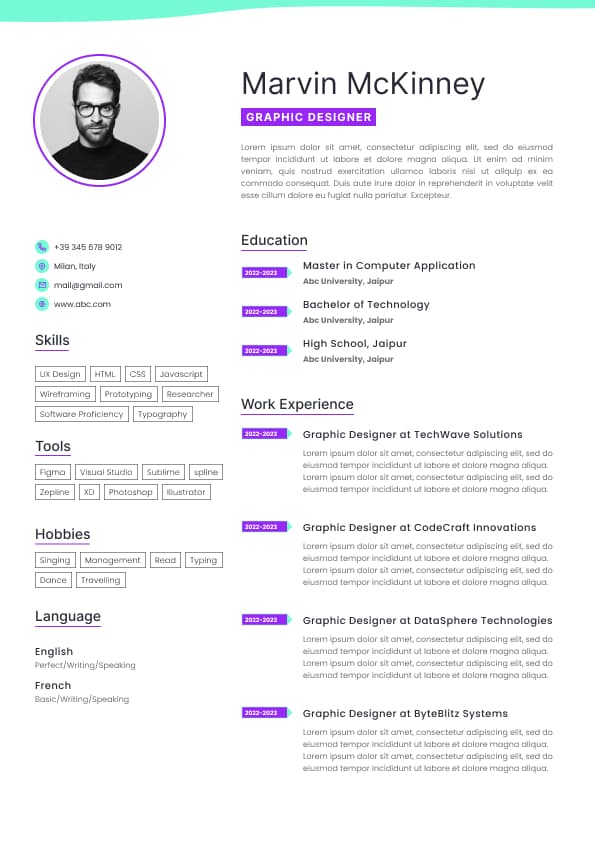
Use professional field-tested resume templates that follow the exact Resume rules employers look for.
Create ResumeThis guide breaks down how to optimize a TypeScript developer resume by stack specialization so your resume aligns with how US recruiters and hiring managers actually evaluate candidates.
CI/CD and cloud workflows
Strong API and data-layer understanding
A weak TypeScript resume looks like a generic developer profile.
A strong TypeScript resume clearly communicates:
What stack you specialize in
What environments you’ve shipped in
What business problems you solved
What engineering complexity you handled
What measurable outcomes your work created
No mention of testing or scalability
Stack-specific engineering achievements
Framework-specific architecture decisions
Production deployment environments
Performance improvements with metrics
API scalability improvements
Shared TypeScript contract systems
Testing frameworks and CI/CD integration
Cloud infrastructure ownership
The difference is specificity.
A hiring manager hiring for a Next.js SaaS platform wants proof you understand SSR, routing, caching, deployment pipelines, Core Web Vitals, and frontend scalability.
A backend engineering manager hiring for NestJS wants evidence of distributed systems thinking, API security, observability, queues, and database optimization.
Why this works:
Clear specialization
Modern stack alignment
Architectural credibility
Infrastructure exposure
Strong recruiter keyword alignment
Frontend testing
API integration
Performance optimization
React
Next.js
TypeScript
Redux Toolkit
Zustand
Tailwind CSS
React Query
SSR
ISR
Accessibility
Core Web Vitals
Storybook
Jest
Cypress
Vite
Example
“Reduced frontend bundle size by 38% across a Next.js SaaS platform by implementing dynamic imports, route-level code splitting, and optimized shared TypeScript component libraries, improving Core Web Vitals scores and increasing conversion rates by 11%.”
Why this works:
Shows measurable impact
Demonstrates performance engineering
Reflects production-level architecture knowledge
Ties engineering work to business outcomes
Shared component libraries
Design systems
Typed props/interfaces
Scalable frontend architecture
Strong resumes mention actual tooling:
Redux Toolkit
Zustand
React Query
Context API
Include measurable improvements like:
Bundle size reduction
Faster page load speed
Improved Lighthouse scores
Reduced rerenders
Example
“Built and deployed SEO-optimized Next.js applications using SSR and ISR strategies across Vercel infrastructure, increasing organic landing page traffic by 44% while reducing average page load time from 3.8s to 1.6s.”
This works because it combines:
Technical implementation
Deployment environment
SEO understanding
Measurable business impact
Node.js
NestJS
Express.js
Fastify
PostgreSQL
Prisma
GraphQL
Redis
Kafka
RabbitMQ
Docker
Kubernetes
AWS Lambda
Monitoring and observability
Example
“Scaled Node.js TypeScript APIs handling over 12M monthly requests by implementing Redis caching layers, database indexing optimization, and asynchronous queue processing workflows, reducing average response latency by 47%.”
This demonstrates:
Scale
Infrastructure awareness
Performance engineering
Production backend ownership
Why this stands out:
Enterprise architecture language
Security systems
SaaS environment
Infrastructure maturity
Cloud environments
Recruiters are skeptical of “full stack” candidates who only have shallow exposure across multiple layers.
Your bullets must demonstrate real ownership.
Example
“Led end-to-end delivery of subscription billing features across React, Node.js, Prisma, and AWS infrastructure, implementing shared TypeScript contracts between frontend and backend services while reducing production deployment errors by 31%.”
CI/CD
GitHub Actions
Vercel
Do not just list cloud platforms.
Show actual implementation.
Example
“AWS, Docker, Kubernetes”
Example
“Containerized TypeScript backend services using Docker and Kubernetes across AWS ECS environments, improving deployment consistency and reducing rollback incidents by 42%.”
Embeddings
Streaming APIs
Example
“Built AI-powered customer support workflows using OpenAI APIs, LangChain.js, and vector search infrastructure, reducing average support resolution time by 36% across a multi-tenant SaaS platform.”
Reduced API latency by 47%
Increased Lighthouse score from 68 to 96
Reduced deployment failures by 31%
Improved page load speed by 2.2 seconds
Supported 10M+ monthly requests
Increased user retention by 18%
Node.js
NestJS
GraphQL
Prisma
PostgreSQL
REST APIs
Authentication
AWS
Docker
Kubernetes
CI/CD
GitHub Actions
Terraform
Jest
Cypress
Playwright
Vitest
What users you supported
What business outcomes improved
What systems you owned
Modern TypeScript roles increasingly expect familiarity with:
CI/CD
Cloud environments
Deployment workflows
Monitoring systems
“Defined frontend platform architecture standards across multiple React TypeScript applications, reducing duplicate component development by 52% while improving release velocity across four engineering teams.”
This demonstrates:
Leadership
Platform ownership
Organizational impact
Engineering scalability
Technical depth
Scalability thinking
Production engineering
Business impact



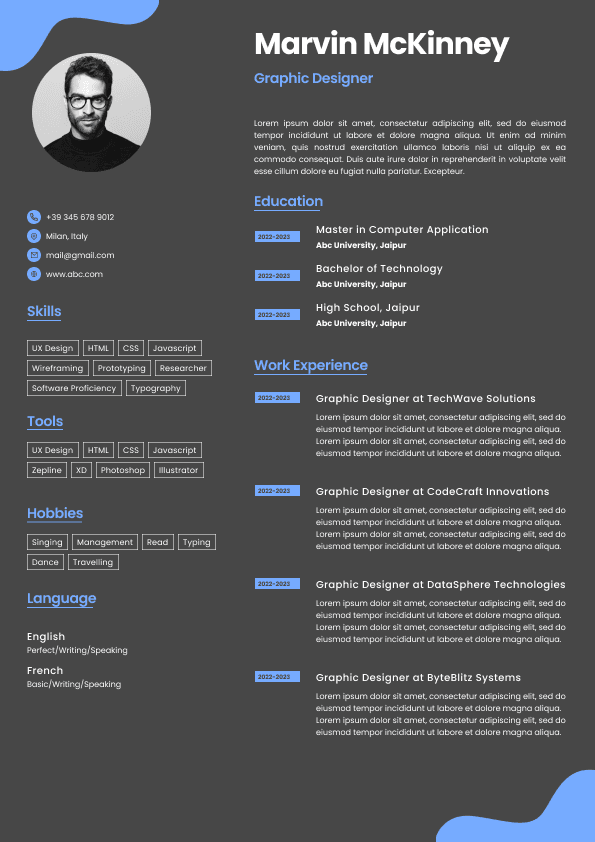
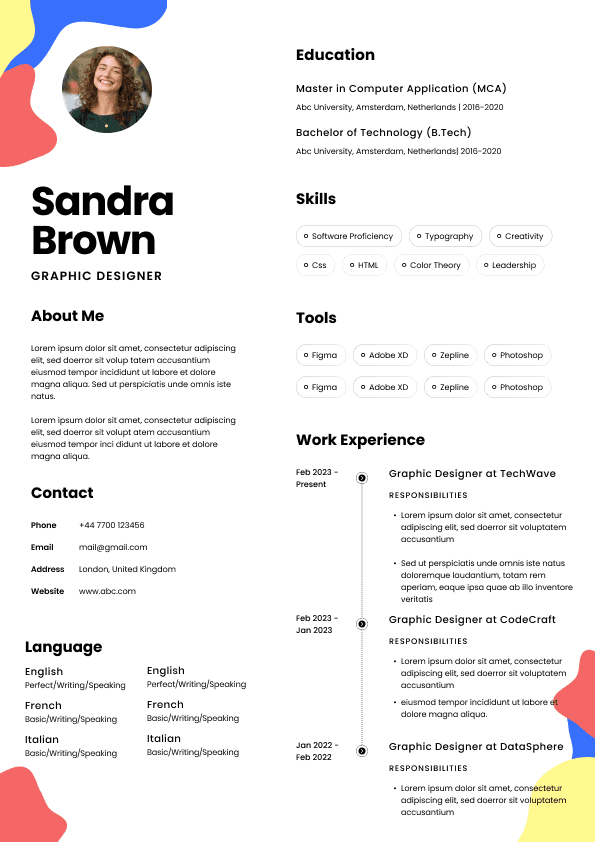
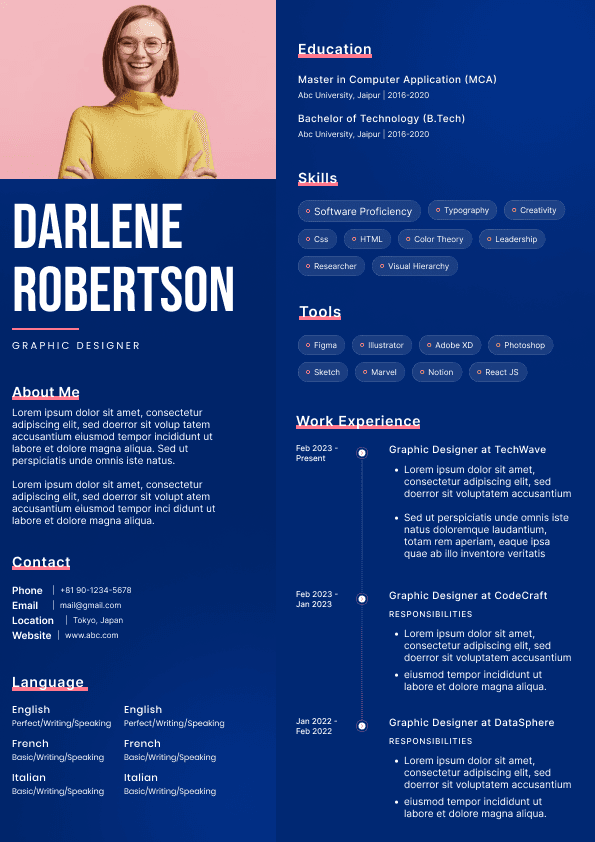






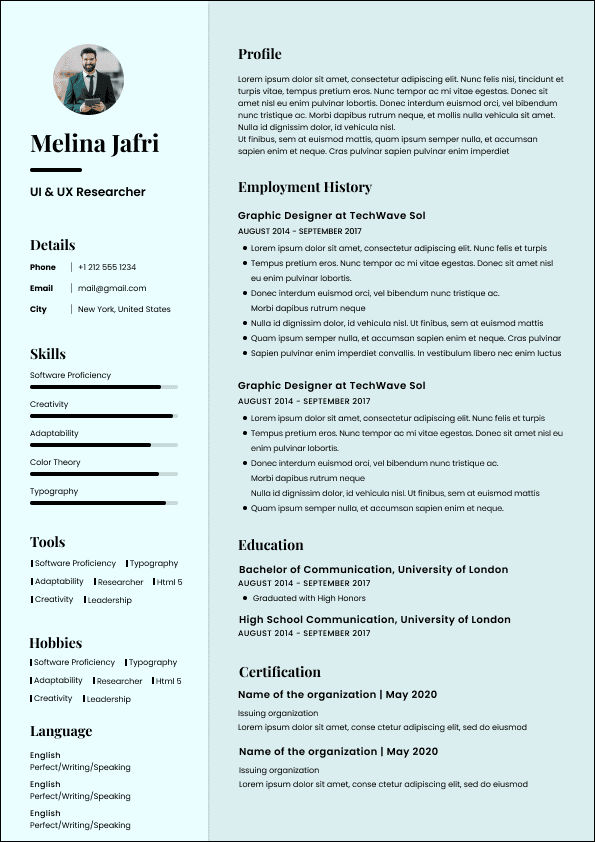
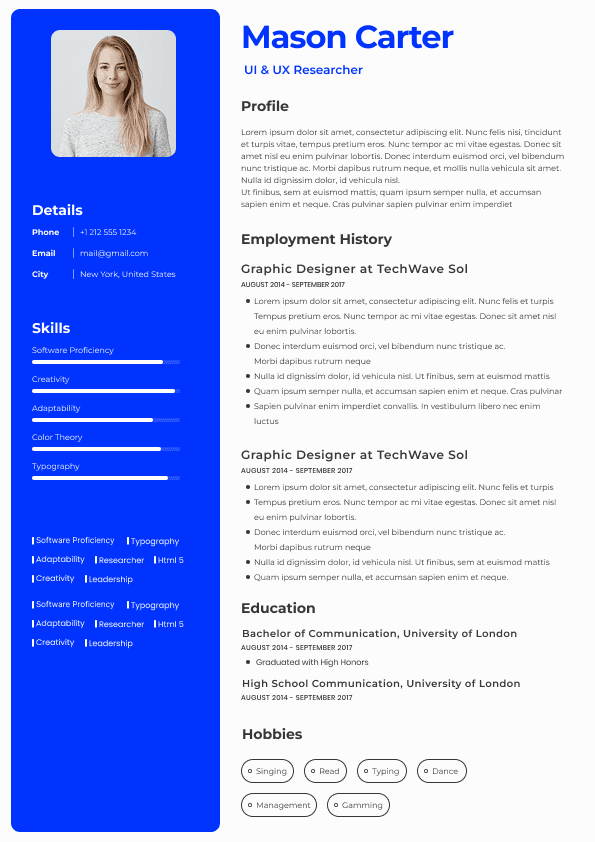
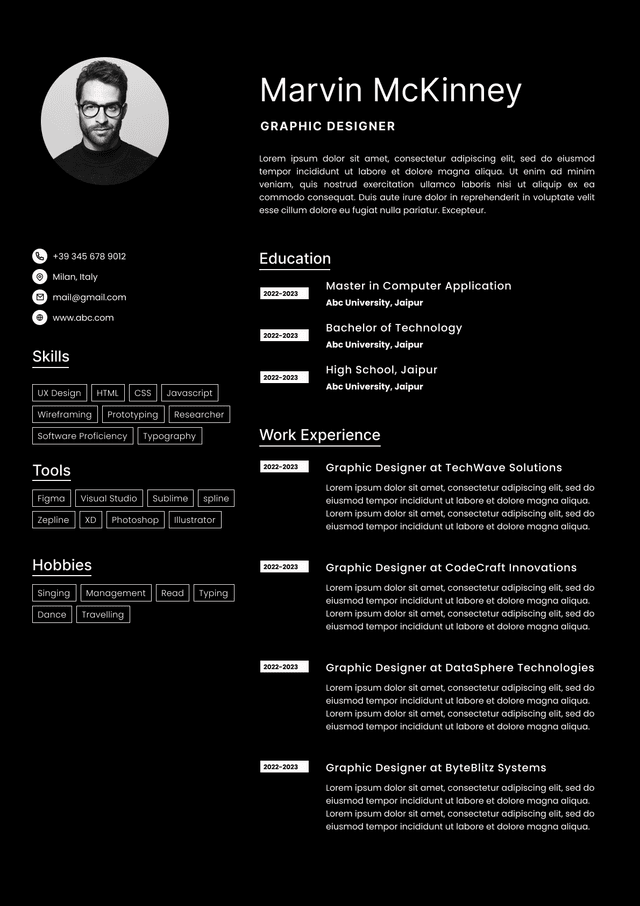
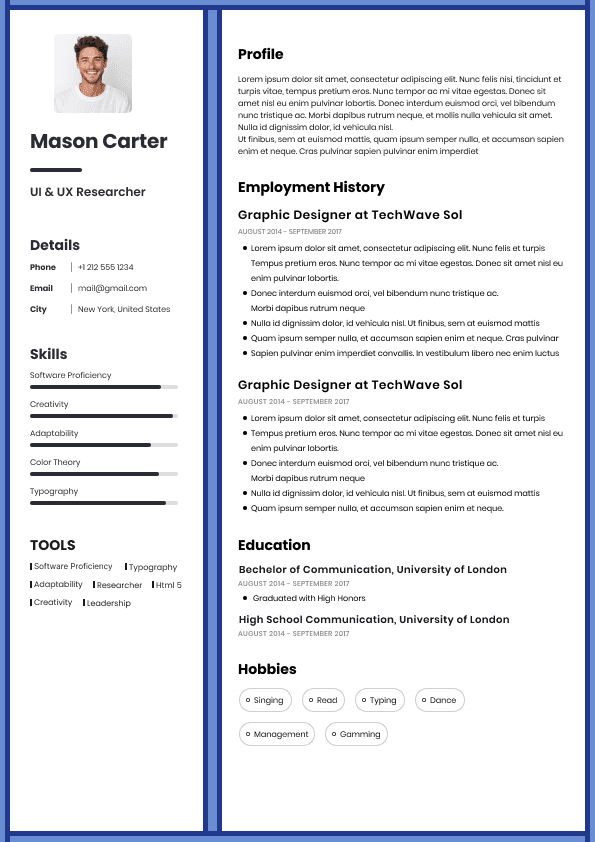
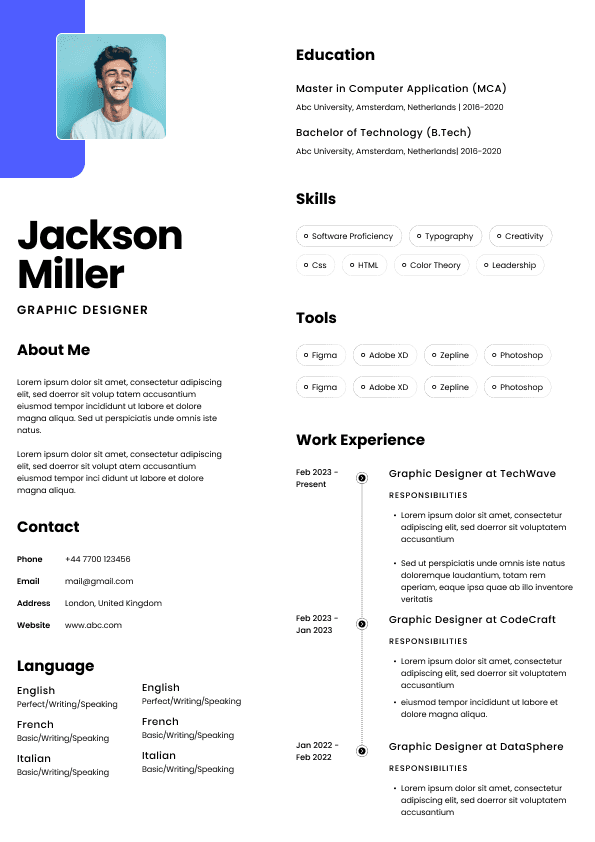
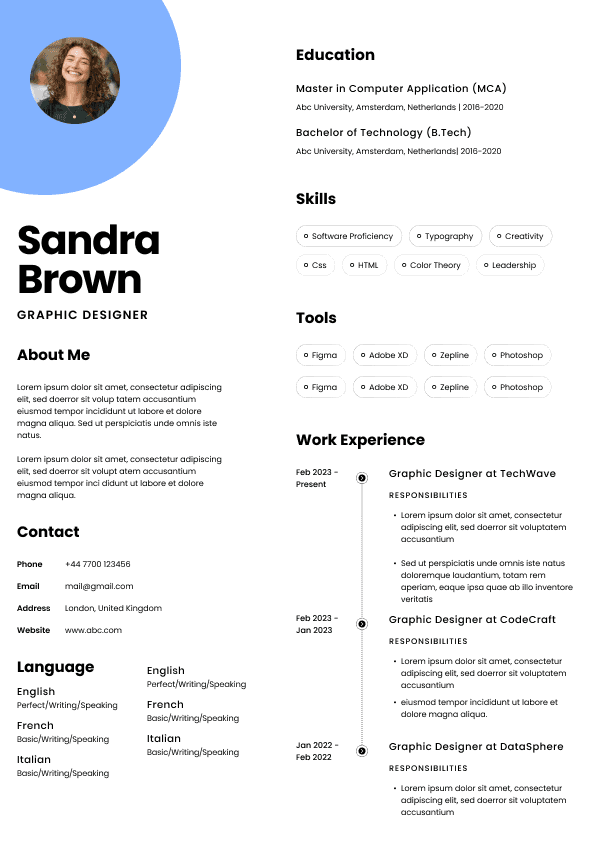
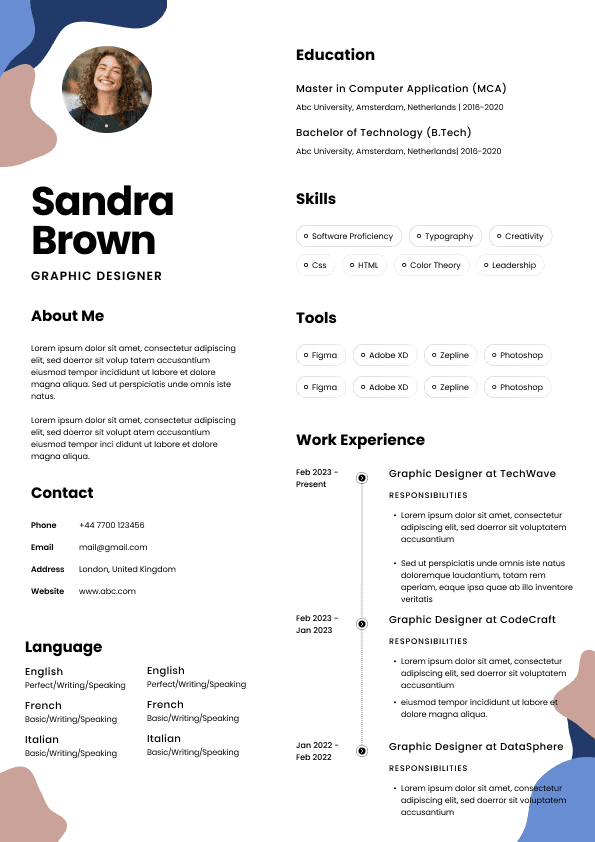
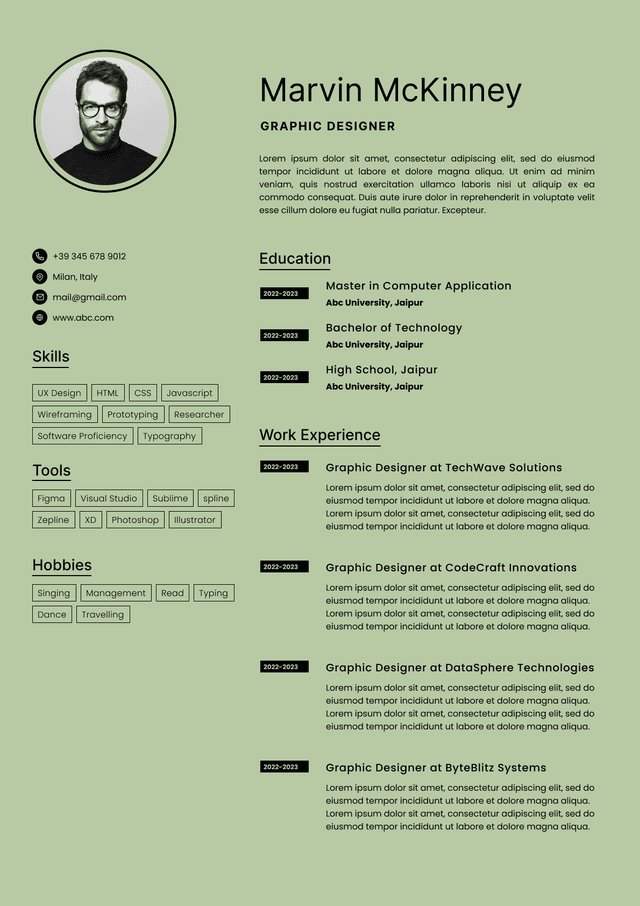
 Upload Resume
 Import from Linkedin