
Choose from a wide range of NEWCV resume templates and customize your NEWCV design with a single click.

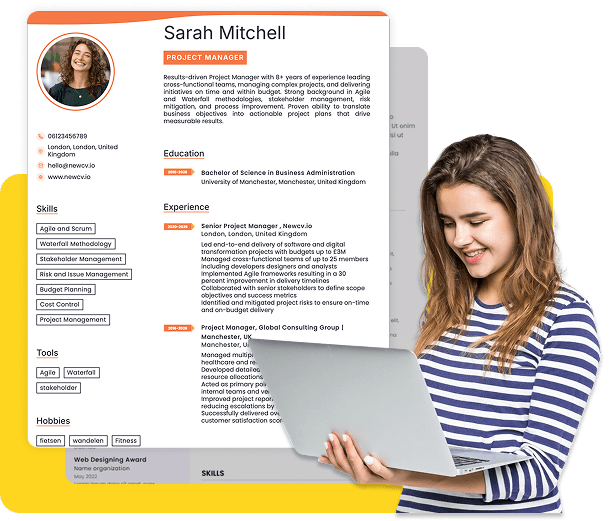
Use ATS-optimised Resume and resume templates that pass applicant tracking systems. Our Resume builder helps recruiters read, scan, and shortlist your Resume faster.

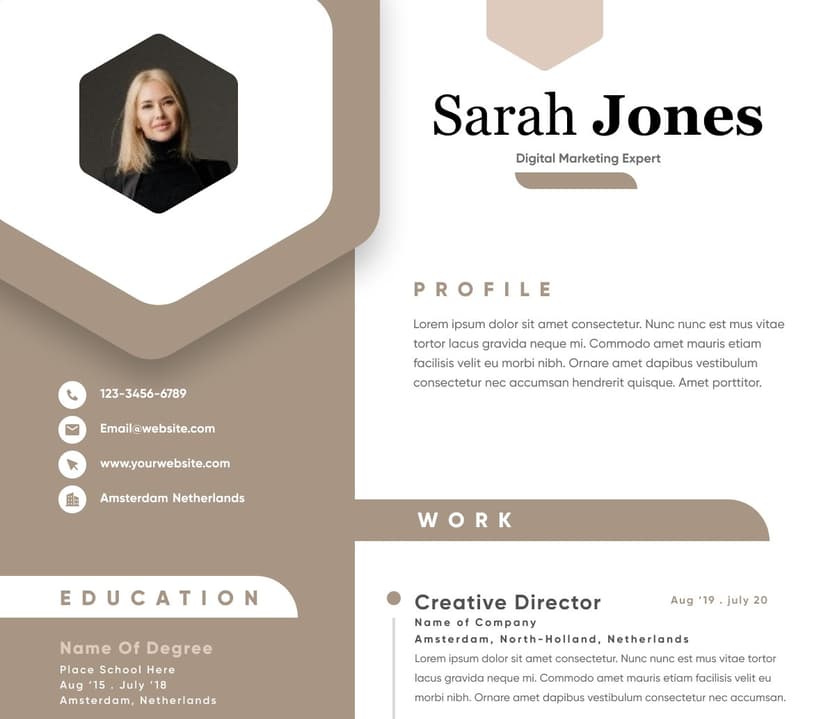
Use professional field-tested resume templates that follow the exact Resume rules employers look for.
Create Resume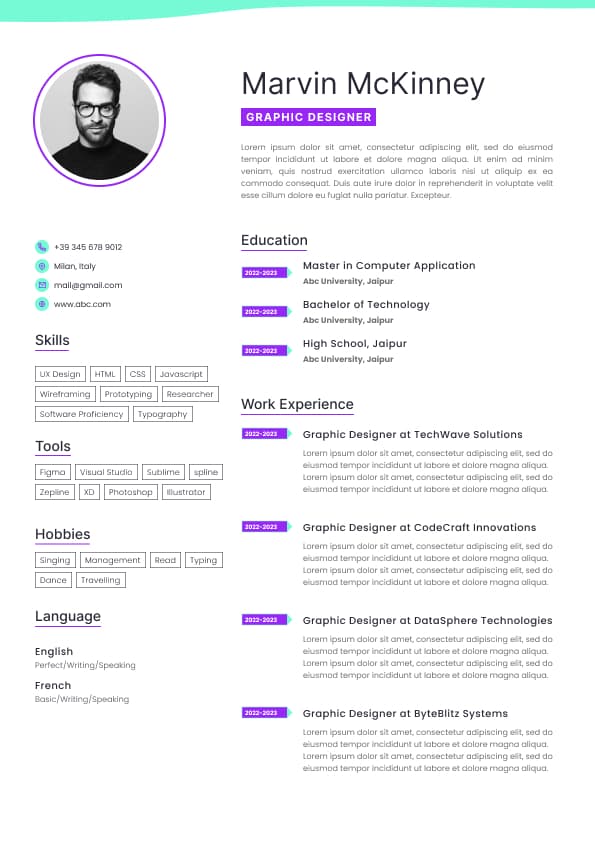
Use professional field-tested resume templates that follow the exact Resume rules employers look for.
Create ResumeA strong sales resume in Australia is not about listing duties. It is about proving commercial impact fast. Australian recruiters and hiring managers scan most sales resumes in under 30 seconds during the first review. They are looking for revenue growth, pipeline performance, client acquisition results, territory management success, and evidence that you can hit targets in a competitive environment.
The biggest mistake most candidates make is writing a generic resume that sounds busy but says nothing measurable. Statements like “responsible for sales” or “managed client relationships” do not help recruiters assess performance. High-performing sales resumes show numbers, commercial outcomes, and market credibility immediately.
If you want interviews in Australia’s current hiring market, your resume needs to demonstrate:
Revenue contribution
Target achievement
Commercial influence
Stakeholder management
Industry expertise
Sales recruitment in Australia is highly performance-driven. Hiring managers care less about generic personality claims and far more about evidence of commercial success.
Most recruiters screen sales resumes using five core questions:
This is the primary filter. If your resume does not clearly demonstrate sales outcomes, recruiters assume you were average.
Strong resumes include:
Revenue generated
Quota attainment percentages
New business wins
Account growth figures
Conversion improvements
Retention performance
Consistency of performance
Strong communication and negotiation capability
CRM and sales technology proficiency
This guide breaks down exactly how Australian recruiters evaluate sales resumes, what separates shortlisted candidates from ignored applicants, and how to position yourself effectively for modern sales hiring.
Average deal sizes
Territory expansion achievements
Recruiters assess industry transferability carefully.
For example:
SaaS sales experience transfers differently than FMCG sales
Enterprise B2B sales differs from retail sales
Healthcare sales differs from construction sales
Channel sales differs from direct sales
Australian employers often prioritise candidates who understand their sales cycle, customer base, and market conditions.
Strong sales professionals communicate clearly and commercially.
Your resume itself becomes proof of:
Persuasion ability
Clarity
Positioning
Professional communication standards
Executive-level credibility
Messy formatting, vague wording, and generic content immediately reduce confidence.
Recruiters are highly sceptical of inflated claims.
A statement like:
“Generated millions in revenue”
is weak because it lacks context.
A better version:
“Increased annual territory revenue by 28% within 12 months through strategic account expansion across NSW commercial clients”
feels credible, specific, and commercially mature.
Sales can have higher turnover rates than many industries. Recruiters evaluate:
Tenure consistency
Promotion history
Career progression
Performance stability
Reasons for movement between employers
Short stints without explanation can create concern.
Australian sales resumes typically perform best at 2 to 3 pages depending on experience level.
A high-performing structure includes:
Your opening summary should position you commercially, not generically.
Avoid:
“Hardworking sales professional with great communication skills.”
That tells recruiters nothing.
Instead:
Good Example
“Results-driven B2B sales professional with 8+ years’ experience across SaaS and enterprise technology sales environments. Proven record of exceeding annual revenue targets, growing strategic accounts, and driving pipeline growth across Australian mid-market and enterprise clients.”
This works because it immediately communicates:
Market relevance
Seniority
Industry alignment
Commercial value
This section helps both ATS systems and recruiters scan quickly.
Focus on commercially relevant skills such as:
Business Development
Account Management
Solution Selling
Territory Management
Pipeline Management
Negotiation
Lead Generation
Stakeholder Engagement
CRM Management
Salesforce
Avoid excessive soft skills.
“Team player” and “motivated” rarely influence shortlisting decisions.
This is the section that determines whether you get shortlisted.
Most sales resumes fail because they focus on tasks instead of outcomes.
Recruiters want:
Commercial impact
Scope
Sales environment
Client type
Revenue influence
Growth contribution
Market complexity
Weak Example
This is generic and forgettable.
Good Example
This works because it shows:
Specific achievement
Commercial outcome
Sales strategy
Industry relevance
This gives recruiters:
Scale
Market context
Revenue credibility
Territory relevance
Strong sales resumes quantify performance wherever possible.
The most persuasive metrics include:
Examples:
Annual revenue generated
New business revenue
Territory growth
Account expansion value
Examples:
Achieved 118% of annual sales target
Consistently exceeded quarterly KPIs by 20%+
Examples:
Increased active client portfolio from 45 to 110 accounts
Secured 35 new enterprise customers within 12 months
Examples:
Improved client retention by 18% through strategic account management initiatives
Increased upsell revenue by 32% across existing customer base
Examples:
Improved lead-to-sale conversion rate from 14% to 27%
Reduced sales cycle length by 22% through consultative selling strategy
Most medium and large employers in Australia use Applicant Tracking Systems.
ATS optimisation matters, but many candidates misunderstand it.
ATS is not about stuffing keywords randomly.
It is about relevance and alignment.
ATS platforms primarily identify:
Relevant job titles
Skills alignment
Industry terminology
Experience relevance
Keyword consistency
Mirror the language used in the job advertisement naturally.
For example, if the role mentions:
Pipeline management
Enterprise sales
Solution selling
CRM reporting
your resume should reflect these terms authentically where applicable.
Avoid:
Graphics-heavy resumes
Text inside tables
Unusual fonts
Excessive design elements
Keyword stuffing
Overuse of acronyms without explanation
Australian recruiters generally prefer clean, professional formatting over flashy design.
Not all sales resumes should sound the same.
The positioning changes significantly depending on the sales environment.
Focus heavily on:
Relationship management
Long sales cycles
Stakeholder engagement
Solution selling
Pipeline development
Strategic accounts
Highlight:
ARR or MRR contribution
Product demos
CRM expertise
Sales velocity
Outbound prospecting
Tech stack familiarity
Emphasise:
Customer experience
Conversion rates
Team KPIs
Store targets
Upselling performance
Focus on:
Territory management
Clinical stakeholder engagement
Compliance awareness
Relationship-building capability
Product education
These mistakes consistently damage otherwise capable candidates.
Claims without numbers feel weak.
Avoid:
Excellent sales skills
Strong communicator
Proven results
Show evidence instead.
Recruiters already know what sales roles involve.
You do not gain advantage by saying:
Made sales calls
Attended meetings
Managed CRM
Instead, explain the outcome of those activities.
Australian hiring culture generally values confidence without exaggeration.
Overly dramatic language can reduce credibility.
Avoid phrases like:
Sales ninja
Rockstar closer
Guru
World-class sales expert
These often feel immature to hiring managers.
Your opening summary should create immediate commercial confidence.
Many resumes waste valuable space with vague personal branding language.
Sales hiring still prioritises results.
Personality matters during interviews, but resumes need commercial evidence first.
Most candidates assume recruiters read resumes individually.
In reality, hiring managers compare candidates comparatively.
This means your resume is evaluated against:
Similar years of experience
Comparable industries
Similar territory exposure
Equivalent client types
Matching revenue environments
This is why context matters.
For example:
“Exceeded sales targets”
is weaker than:
“Exceeded national B2B SaaS sales target by 127% across mid-market logistics accounts”
Specificity creates differentiation.
Australian recruiters generally prefer:
Reverse chronological format
Clean layout
Simple typography
Strong readability
Clear hierarchy
Include:
Name and contact details
Professional summary
Key skills
Professional experience
Education
Certifications
Technical skills if relevant
Only include if genuinely valuable:
Awards
Languages
Industry memberships
Major client achievements
For competitive sales roles, yes.
Particularly for:
Enterprise sales
Senior BDM roles
Account executive roles
Leadership positions
A tailored cover letter helps demonstrate:
Commercial understanding
Motivation
Communication quality
Industry alignment
However, generic cover letters rarely help.
Keyword relevance varies by industry, but commonly searched sales terms include:
Business Development
Account Management
Territory Sales
Lead Generation
Consultative Selling
Pipeline Development
CRM
Salesforce
B2B Sales
Solution Selling
Client Acquisition
Stakeholder Engagement
Forecasting
Revenue Growth
Customer Retention
Enterprise Sales
Strategic Partnerships
Use these naturally where relevant.
Senior sales resumes require more strategic depth.
At senior level, recruiters assess:
Leadership influence
Commercial strategy
Revenue ownership
Team impact
Market expansion capability
Executive stakeholder management
Include:
Multi-million dollar revenue ownership
National or APAC responsibilities
Team leadership
GTM strategy involvement
Enterprise account growth
Commercial forecasting
Senior candidates should sound commercially strategic, not operationally task-focused.
The strongest sales resumes create fast commercial clarity.
Within the first page, recruiters should understand:
What you sell
Who you sell to
Your level of performance
Your market relevance
Your commercial value
Strong candidates make this obvious quickly.
Weak resumes force recruiters to interpret vague information.
In competitive Australian sales hiring, recruiters usually shortlist the clearest and most commercially credible candidates first.
If your sales resume is not generating interviews, the problem is usually one of these:
Lack of measurable outcomes
Generic positioning
Weak commercial language
Poor alignment to the target role
Insufficient industry specificity
Overly task-focused content
Weak first-page impact
The highest-performing sales resumes in Australia do three things exceptionally well:
Position clearly
Quantify commercial value
Match the hiring environment strategically
That combination consistently drives more interviews than fancy formatting or generic personal branding ever will.
HubSpot
Enterprise Sales
B2B Sales
Client Retention
Strategic Partnerships
Forecasting
Cross-functional Collaboration


 Upload Resume
 Import from Linkedin