STILL APPLYING. STILL HEARING NOTHING?BUILD YOUR RESUME

STILL APPLYING. STILL HEARING NOTHING?BUILD YOUR RESUME
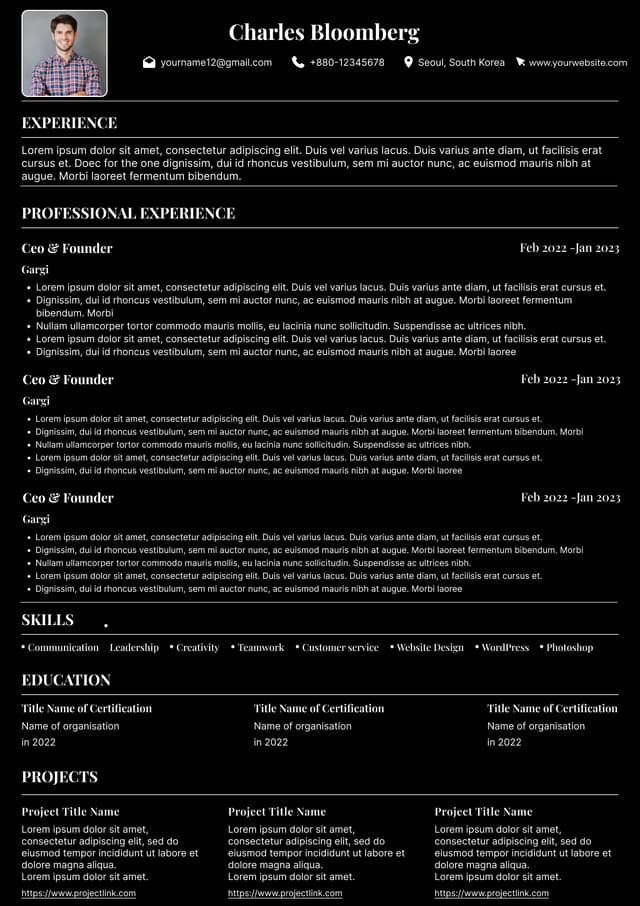
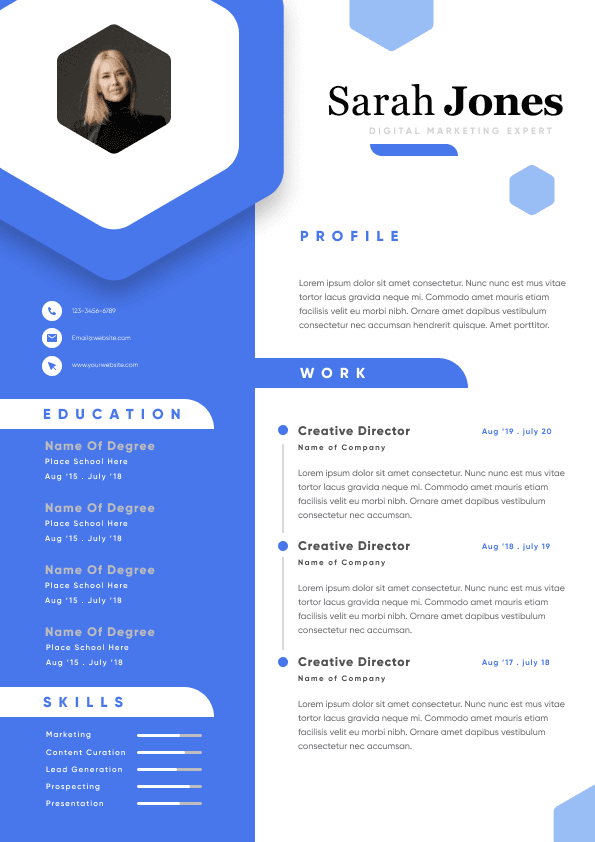
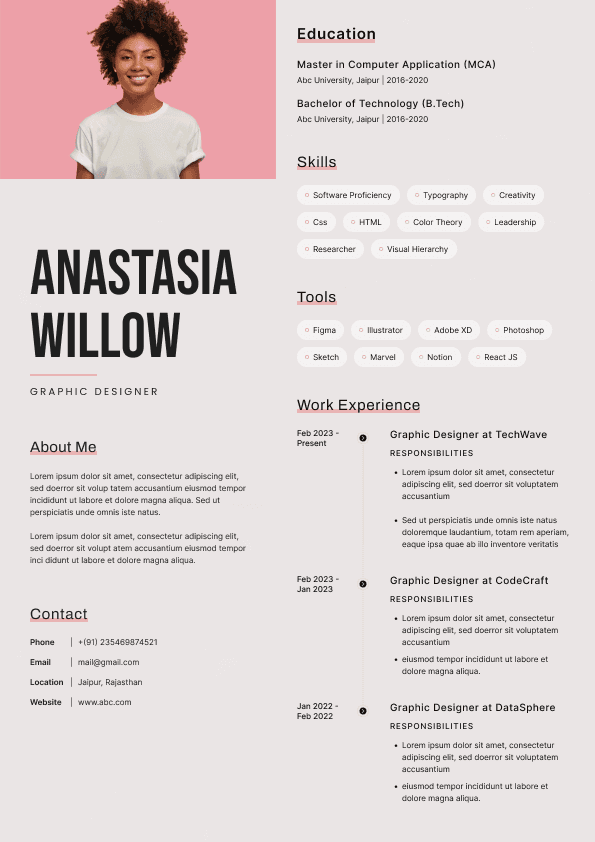
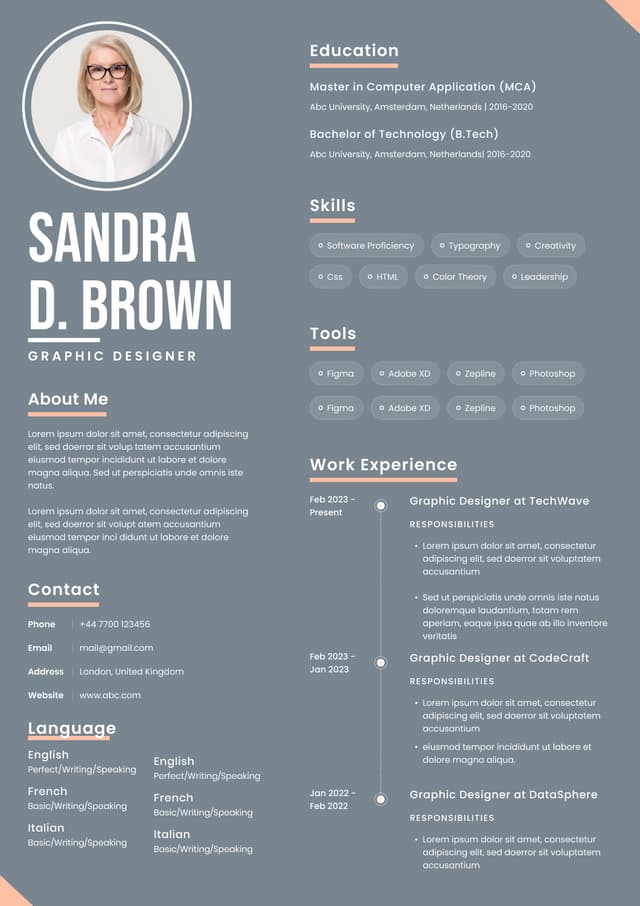
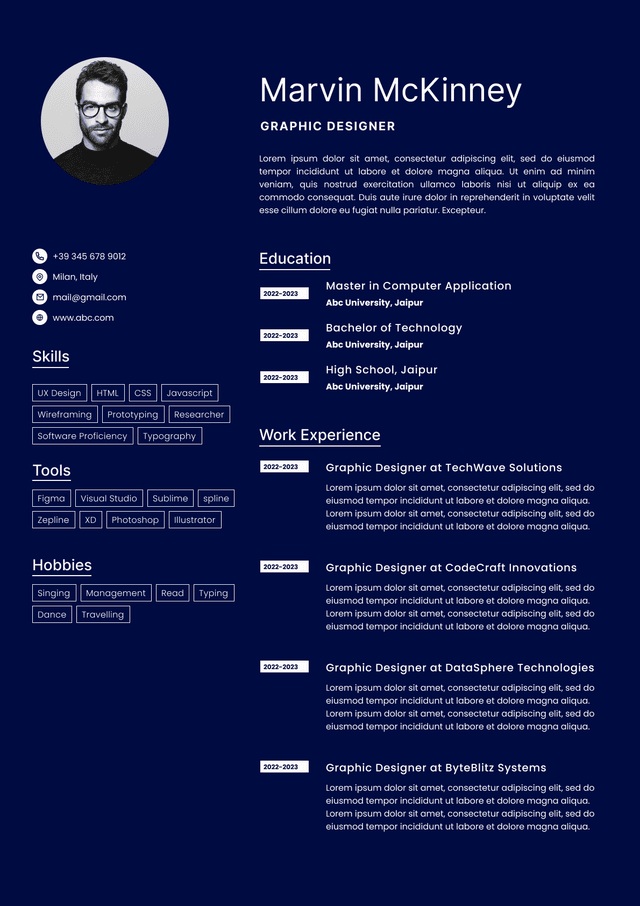
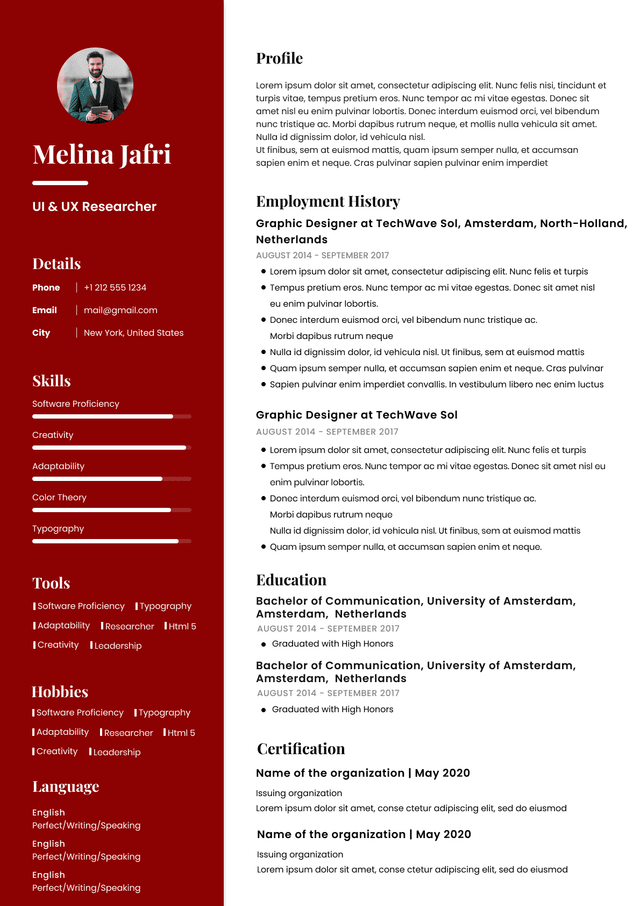
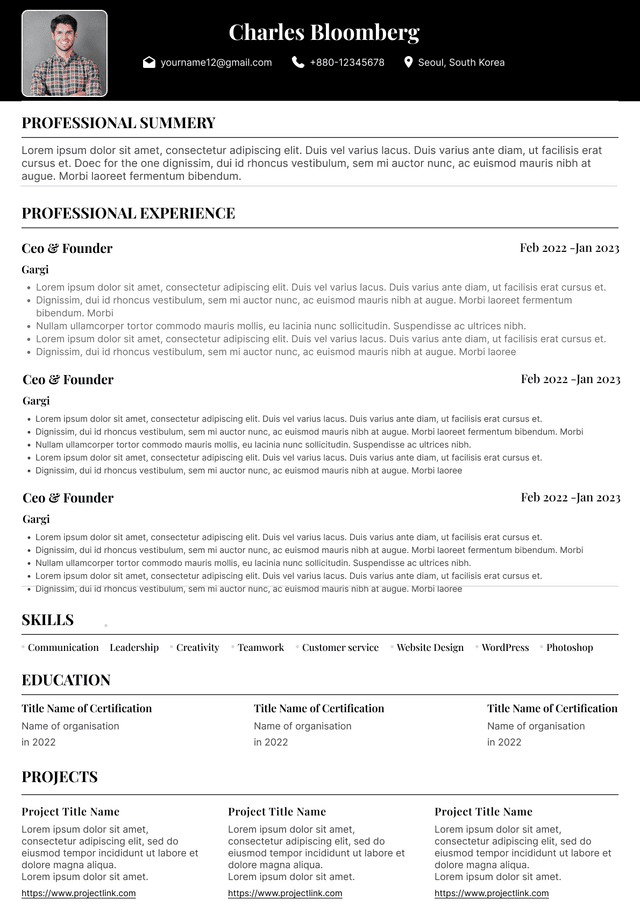
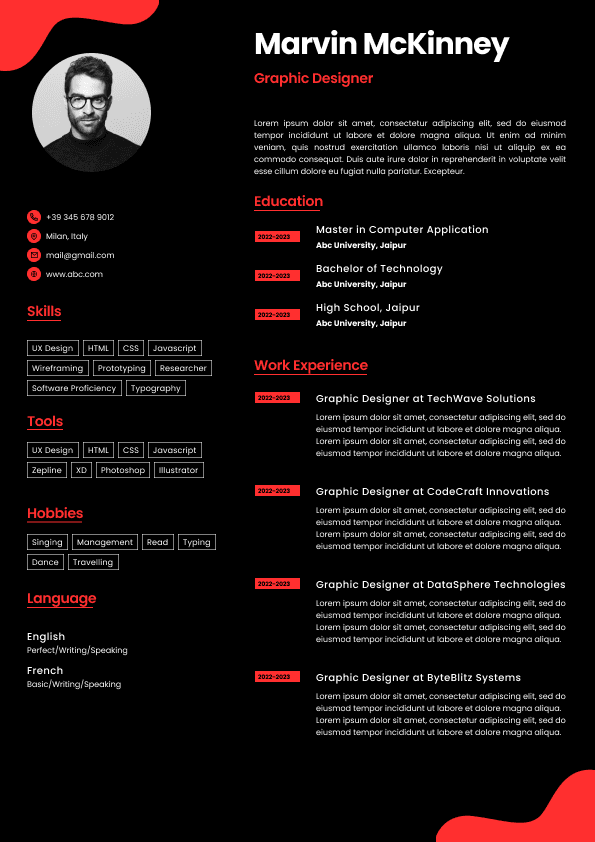
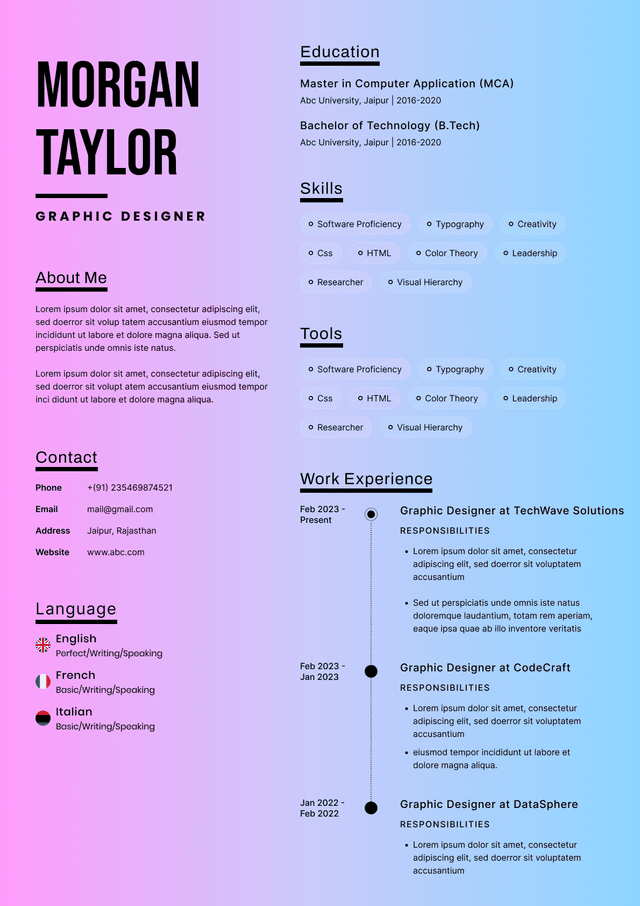
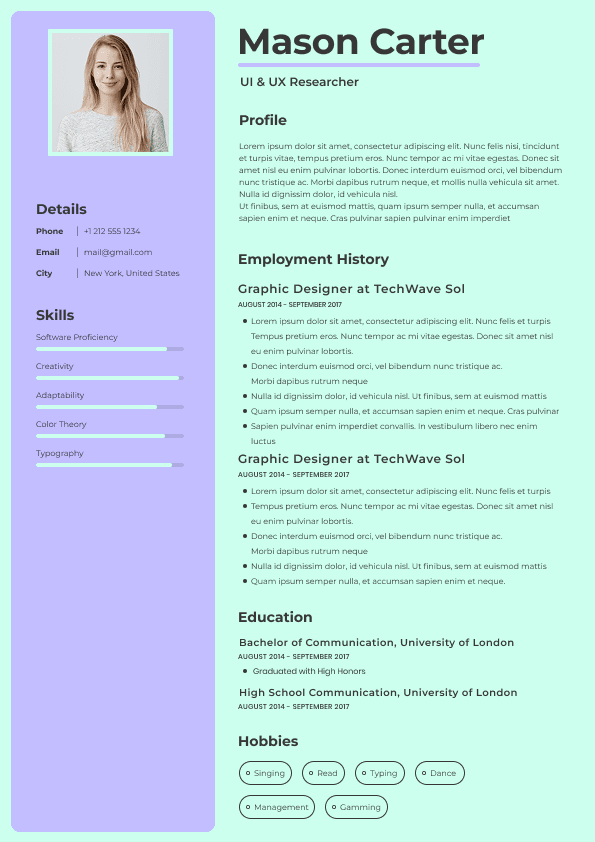
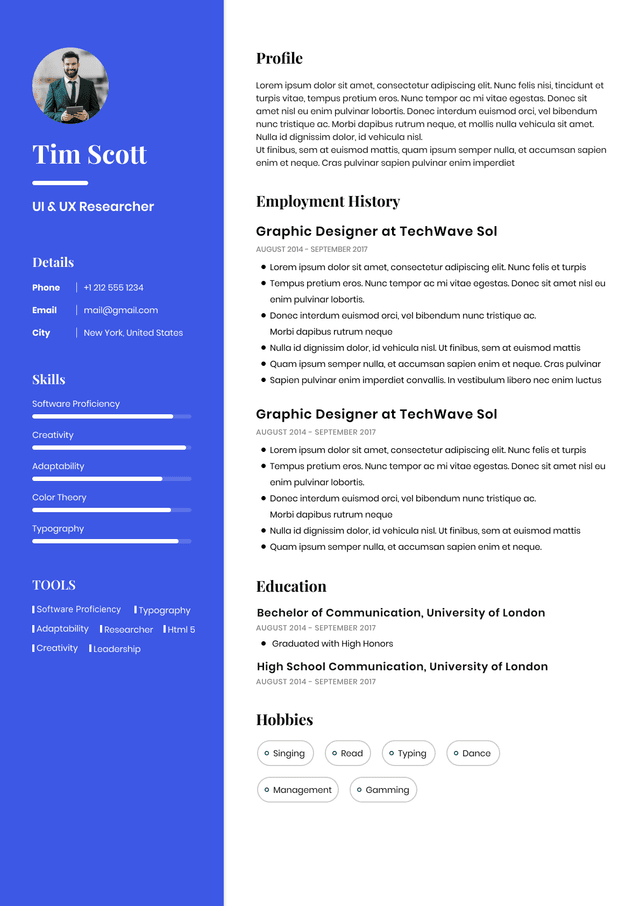
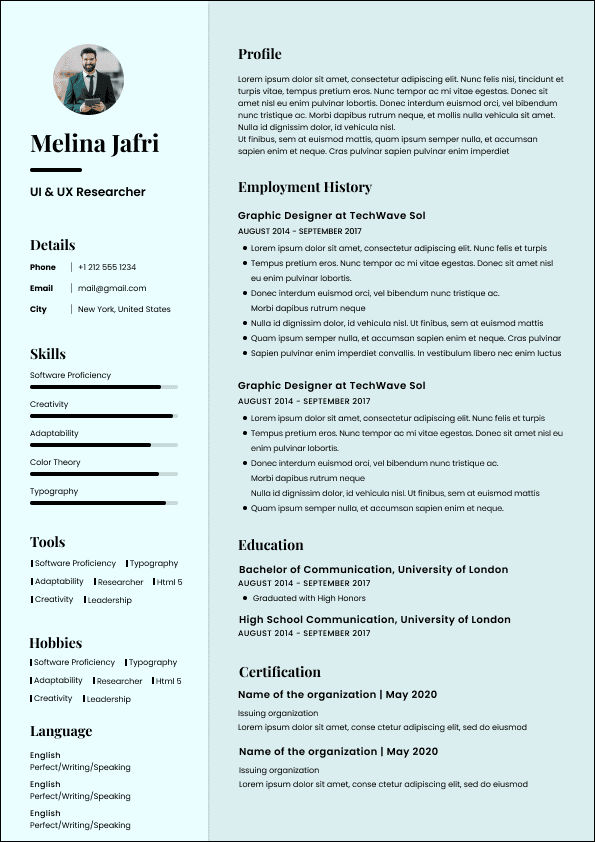
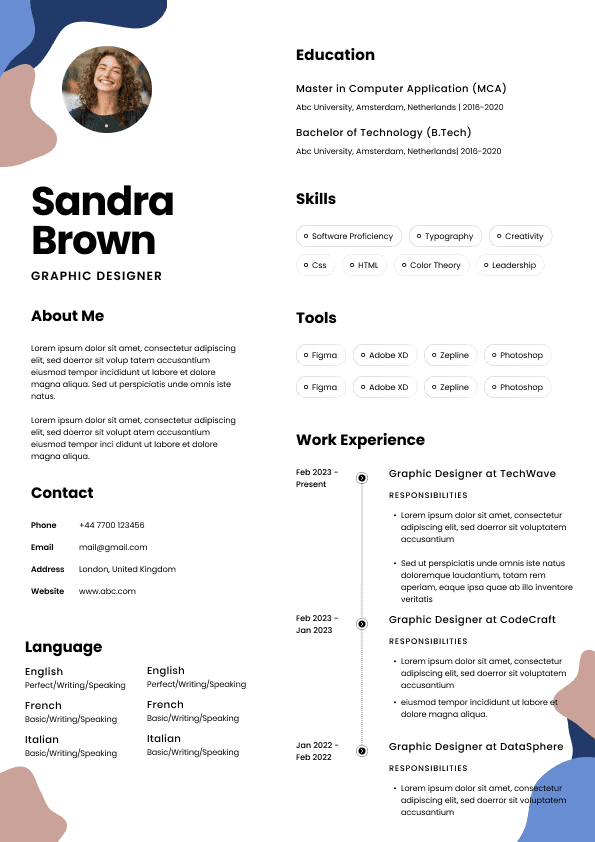
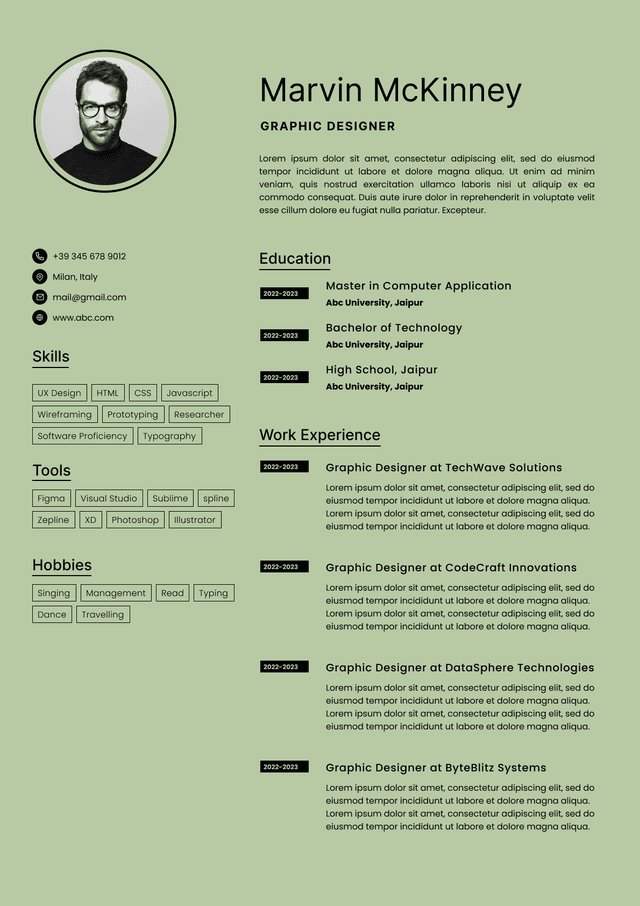
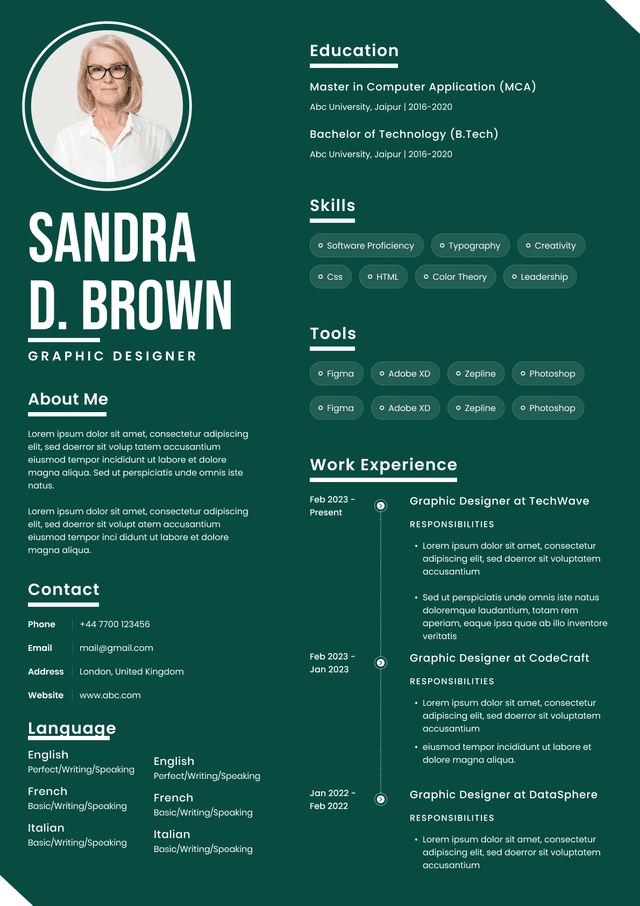
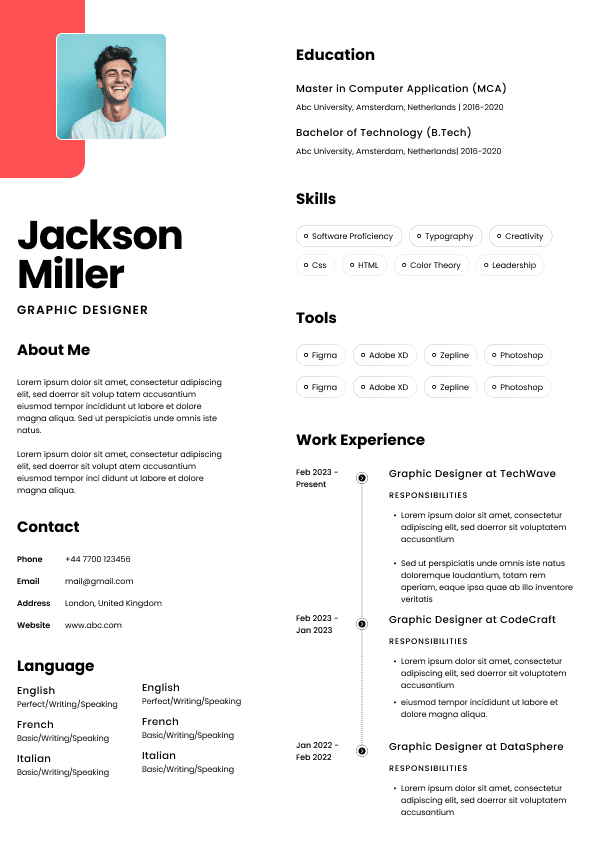
Choose from a wide range of NEWCV resume templates and customize your NEWCV design with a single click.


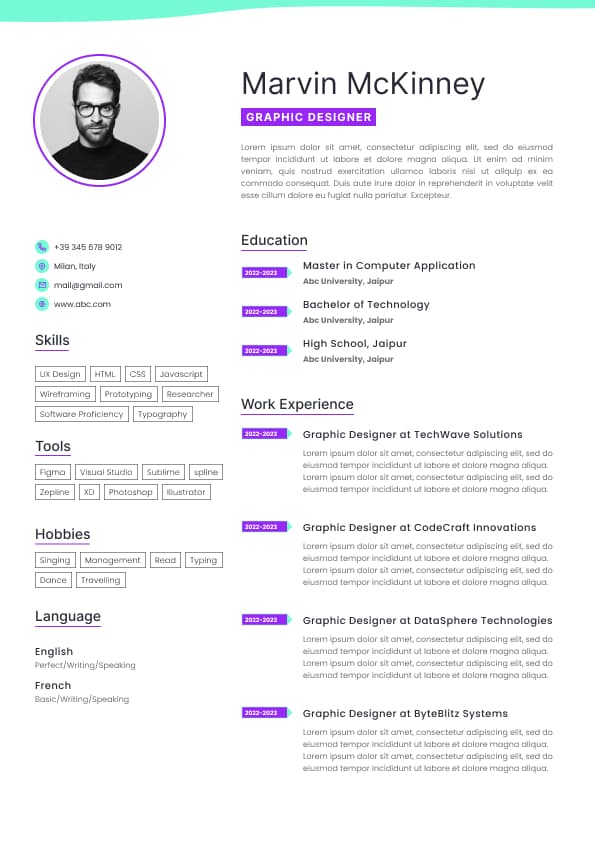
Use professional field-tested resume templates that follow the exact Resume rules employers look for.
Create ResumeA JavaScript developer assessment test is a pre-employment coding evaluation companies use to measure whether candidates can actually write, debug, and explain JavaScript code under realistic hiring conditions.
Most employers are not testing whether you memorized syntax. They are evaluating whether you can:
Solve problems efficiently
Write clean, readable JavaScript
Handle edge cases correctly
Understand asynchronous behavior
Debug broken logic quickly
Work with React or Node.js in practical scenarios
Communicate your thinking during live coding
Perform under time pressure
For frontend and full stack roles, these assessments are often the first major elimination stage after resume screening. Strong candidates regularly fail because they underestimate how employers structure these tests.
Modern JavaScript assessments now focus heavily on real-world coding ability instead of textbook trivia. Employers want proof that you can contribute to production codebases without extensive hand-holding.
Hiring managers receive hundreds of applications for JavaScript, React, and Node.js roles. A resume alone does not prove technical ability.
Assessments help employers quickly identify:
Candidates who can actually code versus keyword-stuffed resumes
Developers who understand JavaScript fundamentals deeply
Engineers who can debug efficiently
React or Node.js developers who understand practical architecture
Candidates who perform well under realistic constraints
Developers whose skill level matches the advertised role
From a recruiter perspective, technical assessments reduce hiring risk.
A candidate may have impressive company names on their resume but still struggle with:
Closures
Async behavior
State management
API integration
Component architecture
Data transformation logic
Assessment scores help recruiters prioritize which candidates move to technical interviews.
Most JavaScript developer assessments follow predictable skill categories. The difference between junior, mid-level, and senior evaluations is usually depth, complexity, and speed.
This is the foundation of almost every assessment.
Employers commonly test:
Variable scope
Hoisting
Closures
Prototypes
Functions
Arrays and objects
Destructuring
ES6+ syntax
Truthy and falsy values
Type coercion
Optional chaining
Spread operators
You may be asked to:
Transform arrays of objects
Filter and map data
Flatten nested arrays
Remove duplicates
Group data by keys
Refactor inefficient logic
Many candidates can write working code. Fewer candidates write maintainable code.
Hiring teams look for:
Clear variable naming
Readable logic
Efficient solutions
Proper edge-case handling
Avoidance of unnecessary complexity
This is one of the biggest elimination categories.
Companies heavily test asynchronous concepts because modern applications depend on them.
Expect questions involving:
Promises
async/await
fetch()
setTimeout
Event loop behavior
Microtasks vs macrotasks
Error handling
API requests
Candidates memorize async syntax but cannot explain execution order.
A common assessment question asks:
What logs first?
Why does the event loop behave this way?
How would you prevent race conditions?
Strong candidates explain execution flow clearly instead of guessing.
Frontend developer assessments often include practical DOM tasks.
Typical exercises include:
Form validation
Dynamic rendering
Event listeners
Element creation
State updates
Search filtering
Modal interactions
Drag-and-drop behavior
They are not only checking whether the feature works.
They also evaluate:
Performance awareness
Code organization
Reusability
Separation of concerns
Accessibility awareness
User interaction handling
React assessments are now extremely common for frontend and full stack hiring.
Most companies do not care whether you memorized every hook API. They care whether you can build maintainable React applications.
Common React assessment topics include:
Functional components
Hooks
useEffect
useState
Props
Component communication
Controlled forms
Conditional rendering
API fetching
State management
Performance optimization
You may be asked to:
Build a searchable product list
Create a form with validation
Fetch and display API data
Implement pagination
Build reusable UI components
Fix rendering bugs
Optimize unnecessary re-renders
Experienced candidates:
Keep components modular
Avoid unnecessary state
Handle loading and error states correctly
Separate UI logic cleanly
Write predictable rendering logic
Explain architectural decisions clearly
Backend and full stack roles often include Node.js evaluation.
These tests usually focus less on algorithms and more on backend practicality.
Common topics include:
Express.js
REST APIs
Middleware
Authentication basics
CRUD operations
JSON parsing
Error handling
Async server logic
Database interaction patterns
Environment variables
You may need to:
Build an API endpoint
Validate incoming data
Handle async database requests
Return proper status codes
Implement authentication middleware
Debug backend issues
Backend assessments reveal whether candidates understand production realities.
Hiring managers evaluate:
Error handling quality
API structure
Input validation
Security awareness
Clean architecture
Maintainability
More employers now include TypeScript screening even for standard JavaScript roles.
Companies increasingly expect developers to understand:
Interfaces
Types
Enums
Generics
Type inference
Type safety patterns
Many candidates claim TypeScript experience but only know basic annotations.
Assessments quickly expose weak understanding when candidates cannot:
Define reusable interfaces
Narrow union types
Prevent runtime issues through typing
Structure scalable typed code
Not every JavaScript assessment focuses heavily on algorithms, but many still include them.
Especially on platforms like:
HackerRank
CodeSignal
Codility
LeetCode-style screening rounds
Typical algorithm categories include:
Arrays
Strings
Hash maps
Sorting
Searching
Recursion
Sliding window problems
Two-pointer techniques
Many developers over-focus on extremely advanced algorithm preparation.
Most frontend and JavaScript-focused roles prioritize:
Problem-solving clarity
Reasonable efficiency
Clean implementation
Communication
Debugging ability
Overly clever solutions sometimes hurt candidates if readability suffers.
Widely used for timed coding tests.
Usually includes:
Multiple-choice questions
Timed coding problems
Debugging tasks
Frontend exercises
HackerRank often emphasizes algorithmic speed.
Popular among large tech companies.
Known for:
Scored assessments
Strict timing
Performance benchmarking
General coding evaluations
CodeSignal rewards speed and accuracy heavily.
Frequently used in live interviews.
Interviewers observe:
Your thought process
Communication
Debugging approach
Collaboration style
This is often more realistic than automated testing.
Common in startup and mid-market hiring.
Usually combines:
JavaScript fundamentals
Problem-solving
Logical reasoning
Personality screening
More practical and project-oriented.
Candidates may complete:
Mini applications
API integrations
Real-world debugging tasks
These assessments often better reflect actual developer work.
Many candidates memorize interview questions without understanding underlying concepts.
This becomes obvious during:
Debugging tasks
Follow-up questions
Live coding sessions
A solution that works for one input is not enough.
Employers expect candidates to handle:
Empty arrays
Null values
Invalid input
Async failures
Unexpected API responses
Messy code creates hiring risk.
Recruiters and engineering managers reject candidates who:
Use unclear variable names
Overcomplicate simple logic
Ignore maintainability
Write deeply nested code unnecessarily
Strong developers still fail because they lose composure under pressure.
Common issues include:
Rushing without planning
Ignoring instructions
Overengineering solutions
Freezing after one bug
Live coding is partly a communication evaluation.
Interviewers want to hear:
Your assumptions
Tradeoff decisions
Debugging thought process
Problem-solving logic
Silence often hurts candidates.
Many candidates jump directly into frameworks.
That is a mistake.
Strong JavaScript fundamentals improve performance across:
React
Node.js
TypeScript
Frontend architecture
Debugging
Master:
Closures
Scope
Async behavior
Arrays and objects
Event loop concepts
Functional programming basics
Reading solutions is not preparation.
You need realistic pressure practice.
Use platforms like:
HackerRank
CodeSignal
LeetCode
Frontend Mentor
DevSkiller practice tests
Practice with:
Timers
No tutorials
No ChatGPT assistance
Minimal Googling
That better reflects actual hiring conditions.
Many hiring managers trust practical projects more than puzzle-solving alone.
Build projects involving:
API requests
Authentication
CRUD functionality
React state management
Form handling
Error handling
This improves both assessment performance and interview confidence.
Debugging is massively underrated in preparation.
Strong candidates systematically isolate issues instead of randomly changing code.
Practice:
Reading stack traces
Using browser dev tools
Logging strategically
Reproducing bugs consistently
Especially in live coding rounds.
Practice explaining:
Why you chose a solution
Tradeoffs you considered
Time complexity
Potential optimizations
Edge-case handling
Interviewers often care more about reasoning than perfect syntax.
function removeDuplicates(arr){
return [...new Set(arr)]
}
Use ATS-optimised Resume and resume templates that pass applicant tracking systems. Our Resume builder helps recruiters read, scan, and shortlist your Resume faster.


Use professional field-tested resume templates that follow the exact Resume rules employers look for.
Create Resume


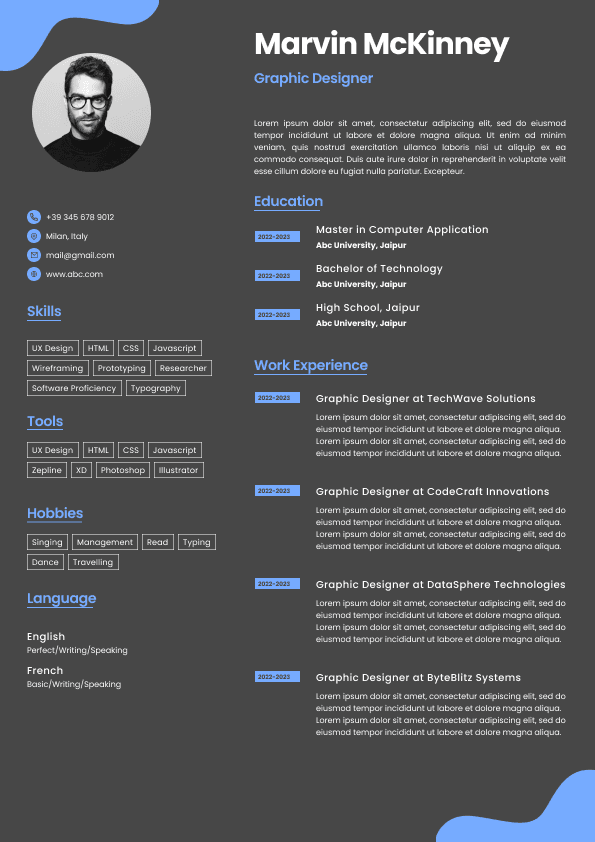
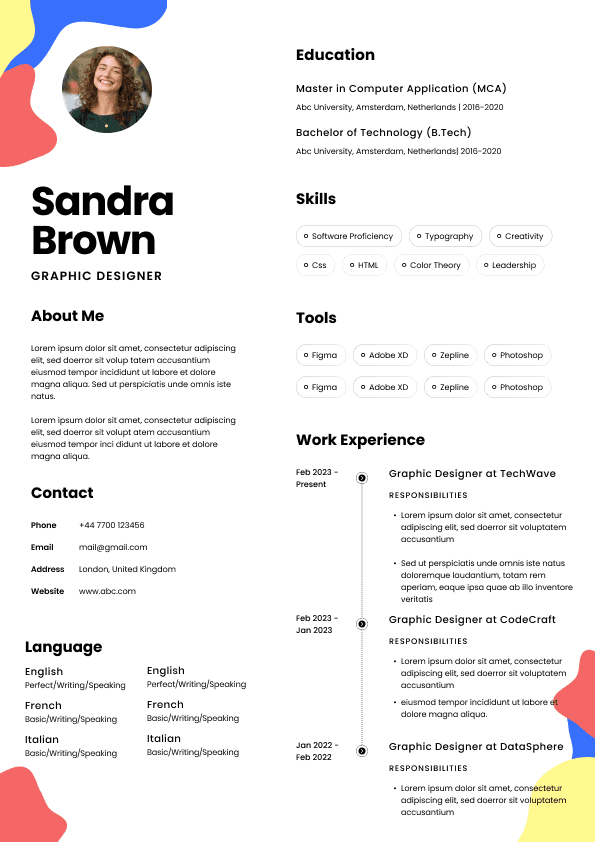
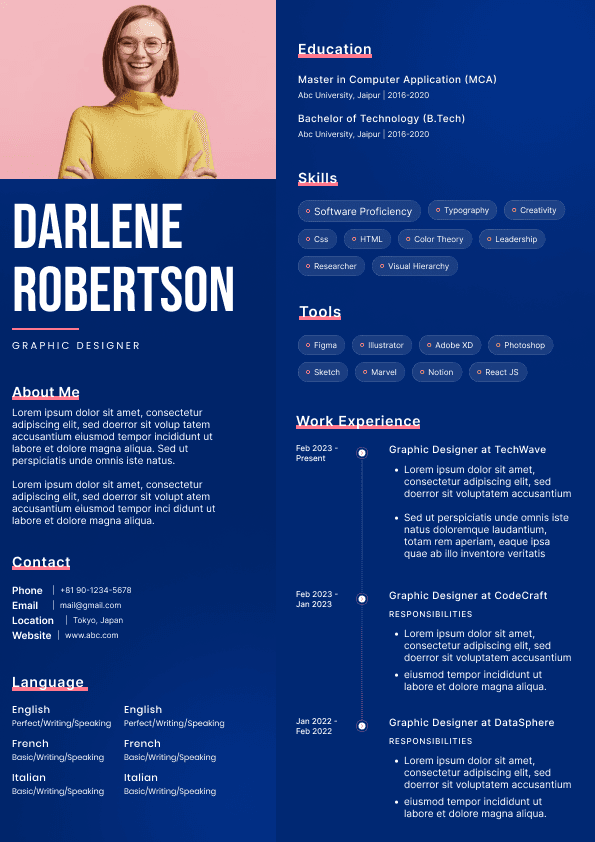








 Upload Resume
 Import from Linkedin