STILL APPLYING. STILL HEARING NOTHING?BUILD YOUR RESUME

STILL APPLYING. STILL HEARING NOTHING?BUILD YOUR RESUME
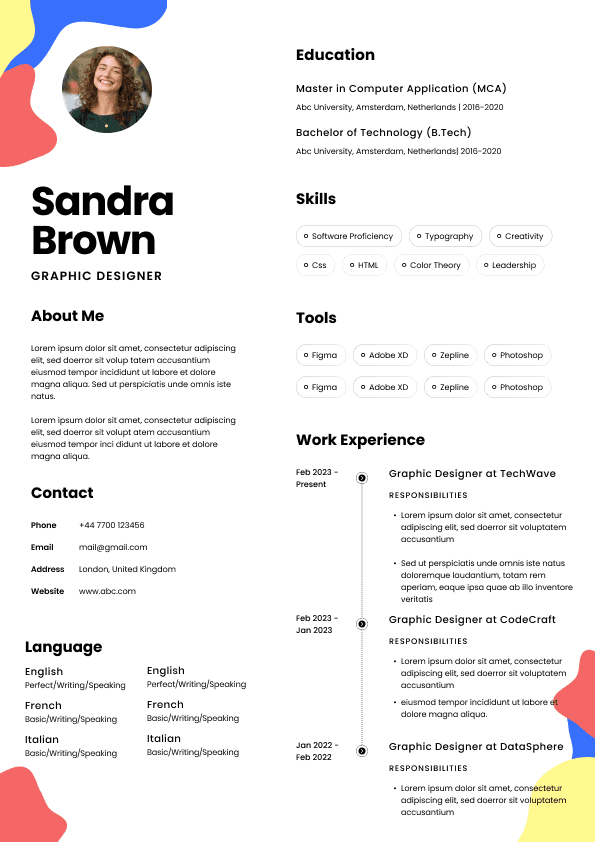
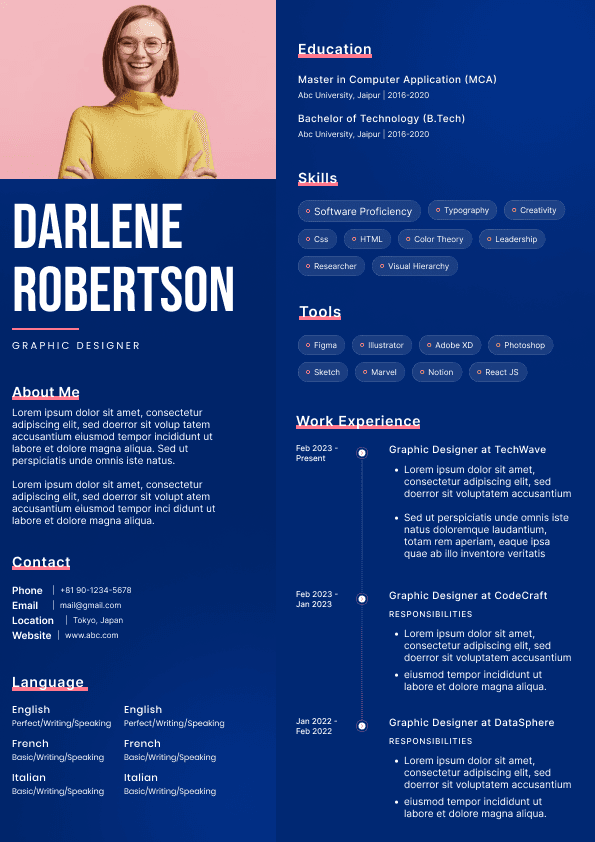
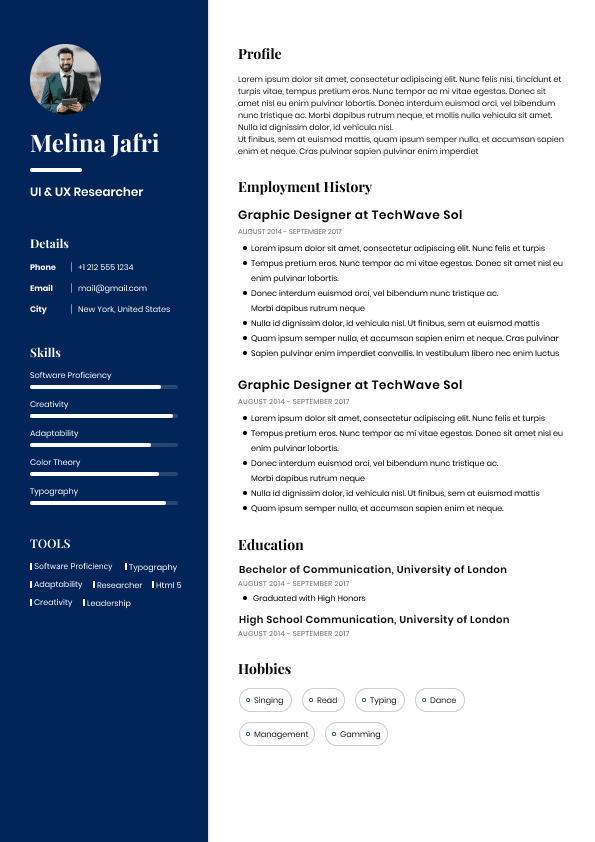
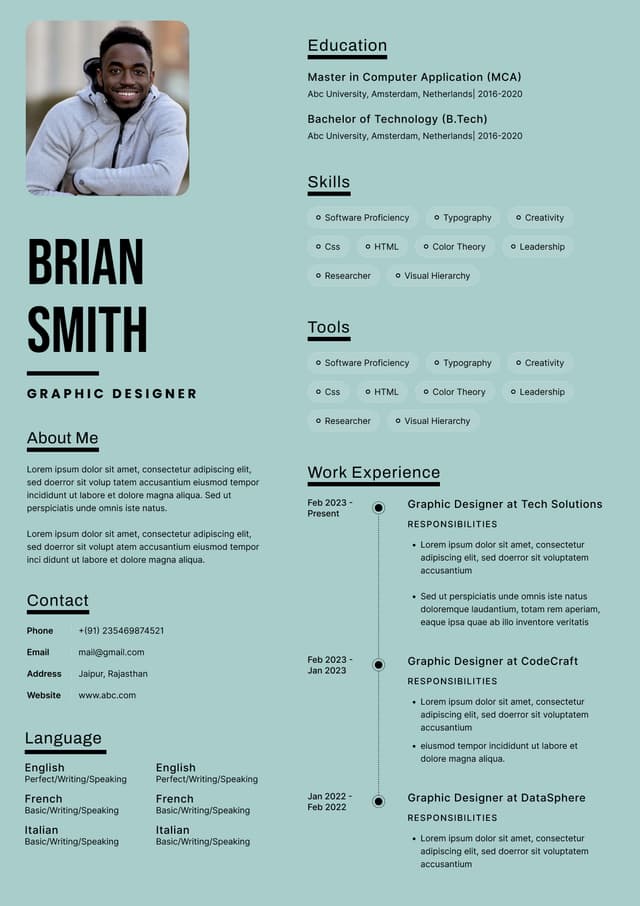
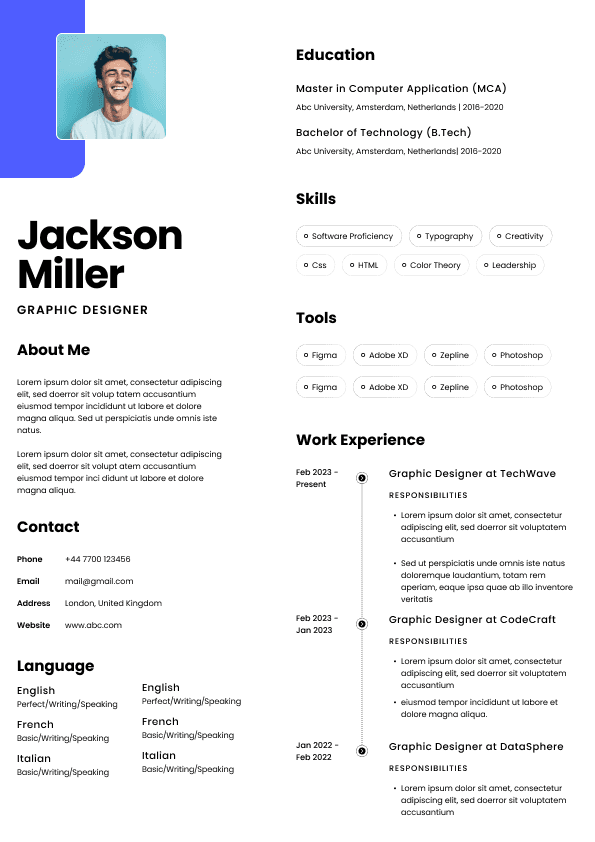
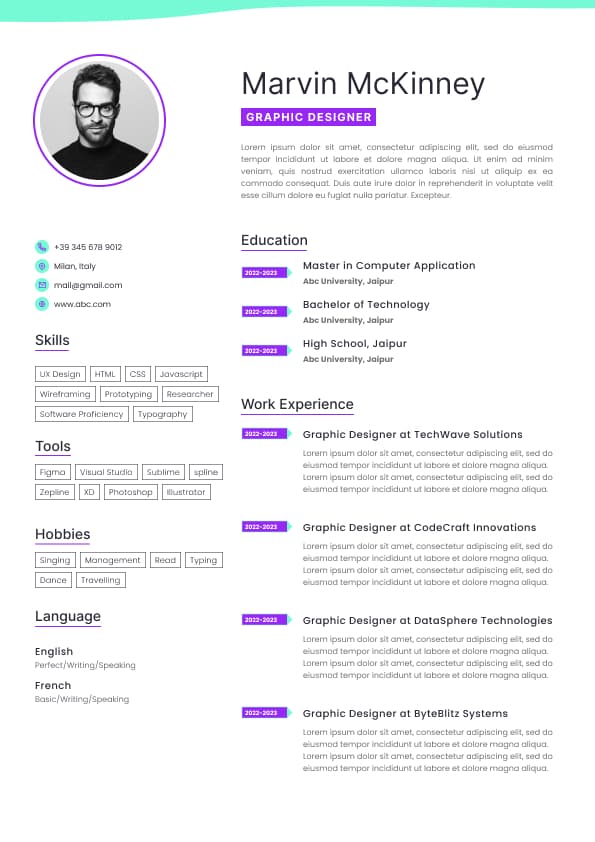
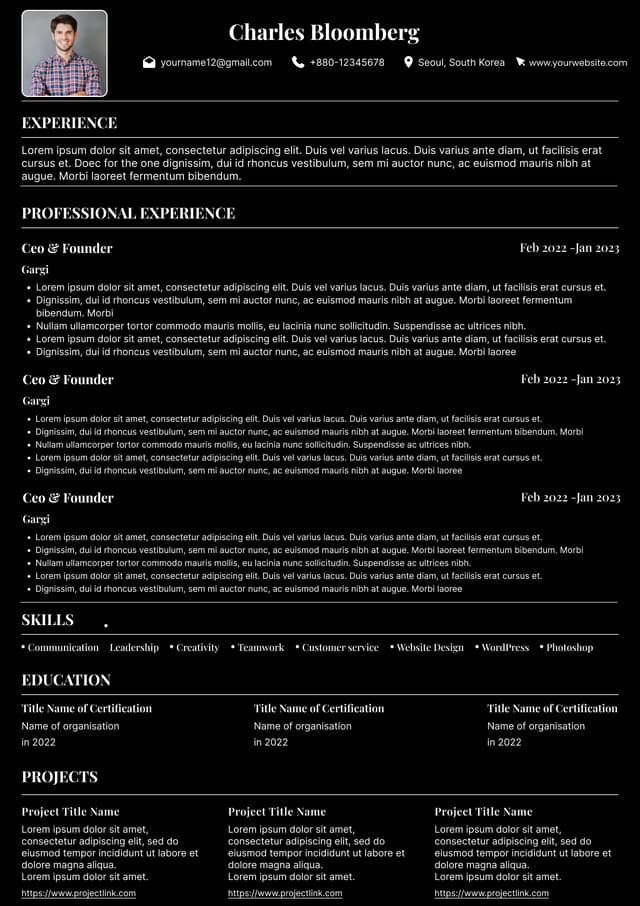
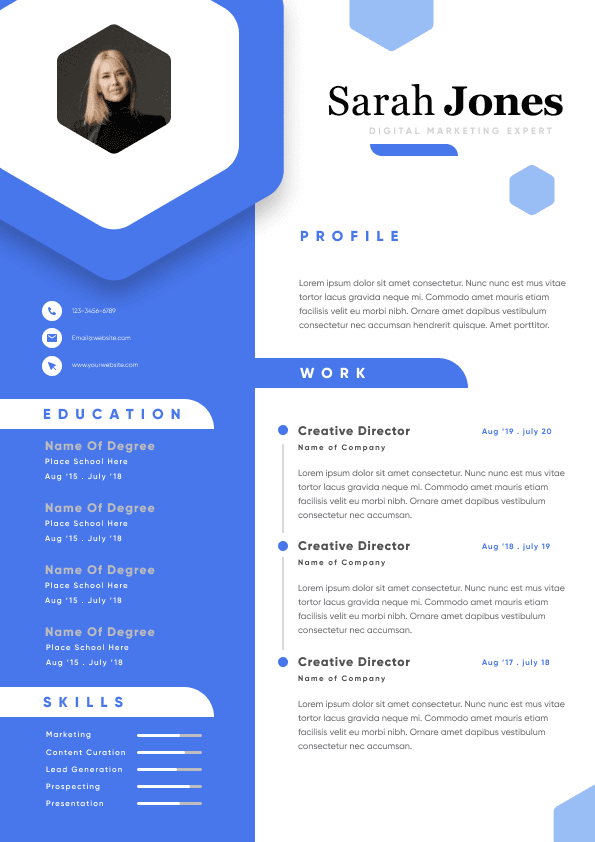
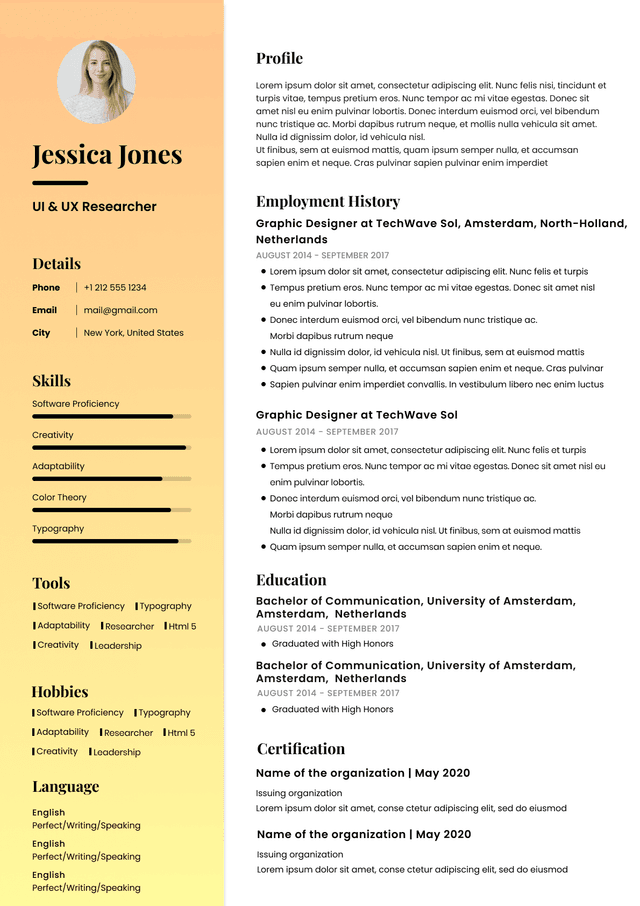
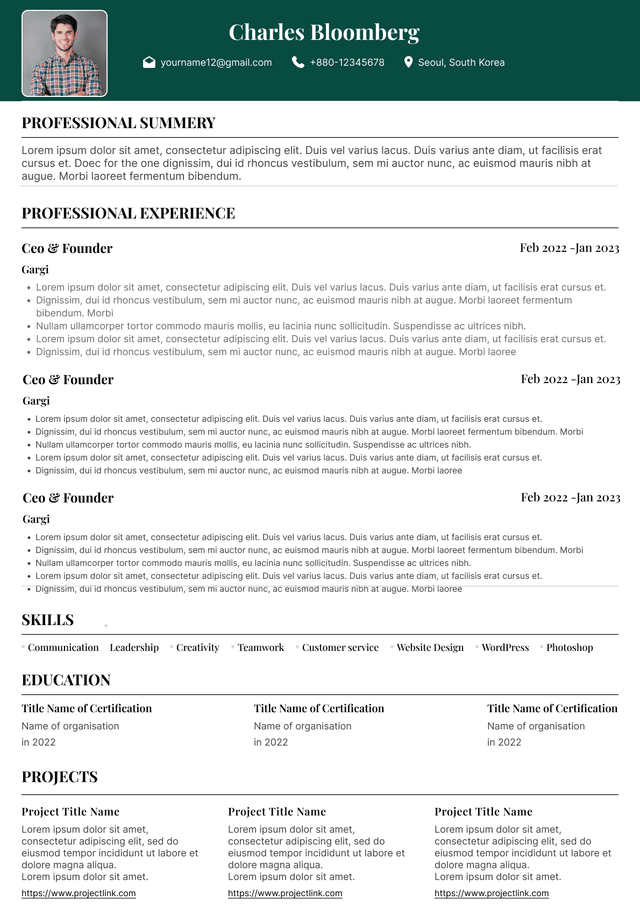
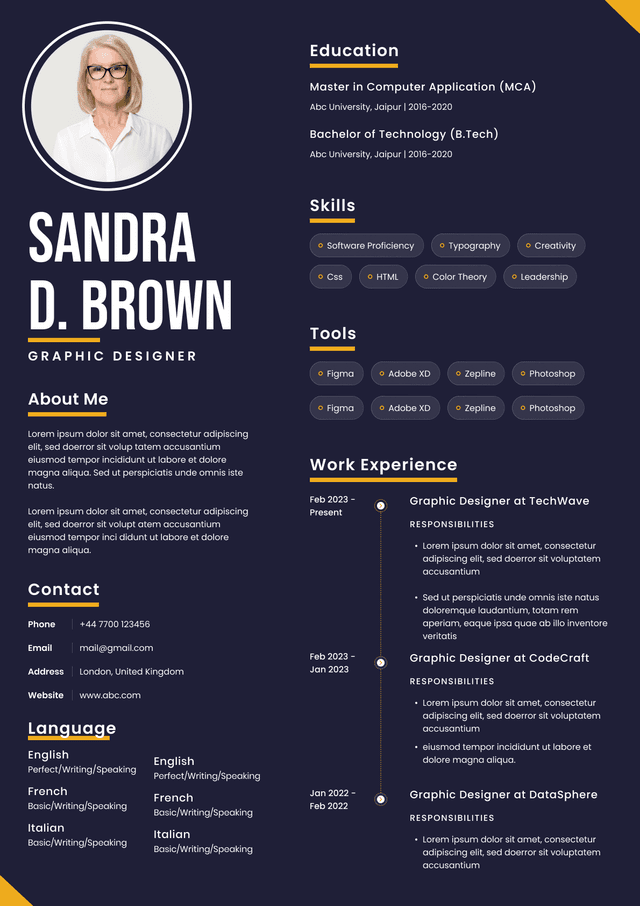
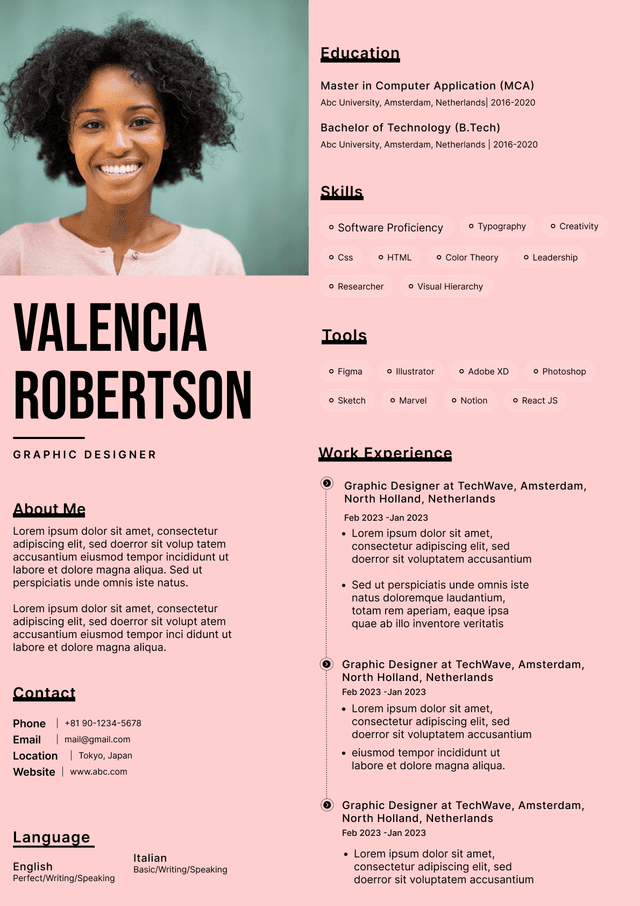
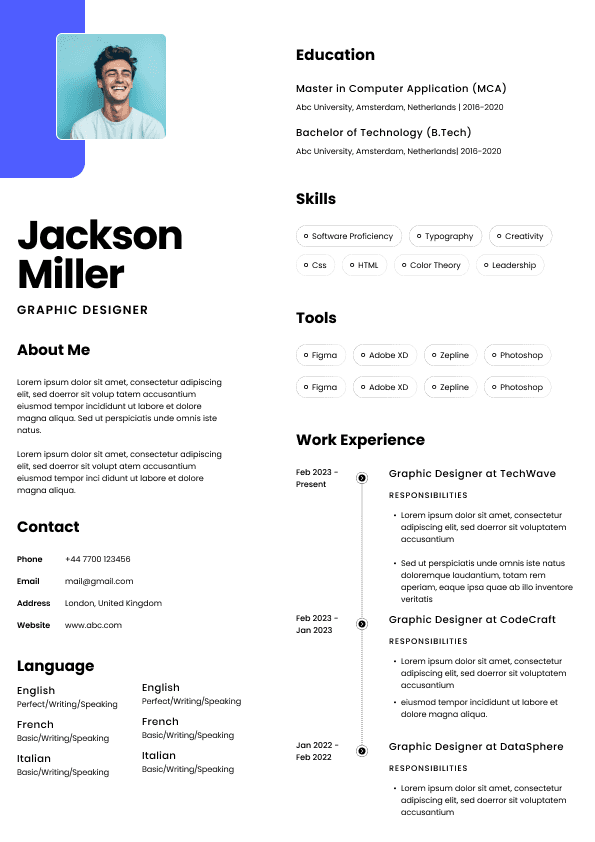
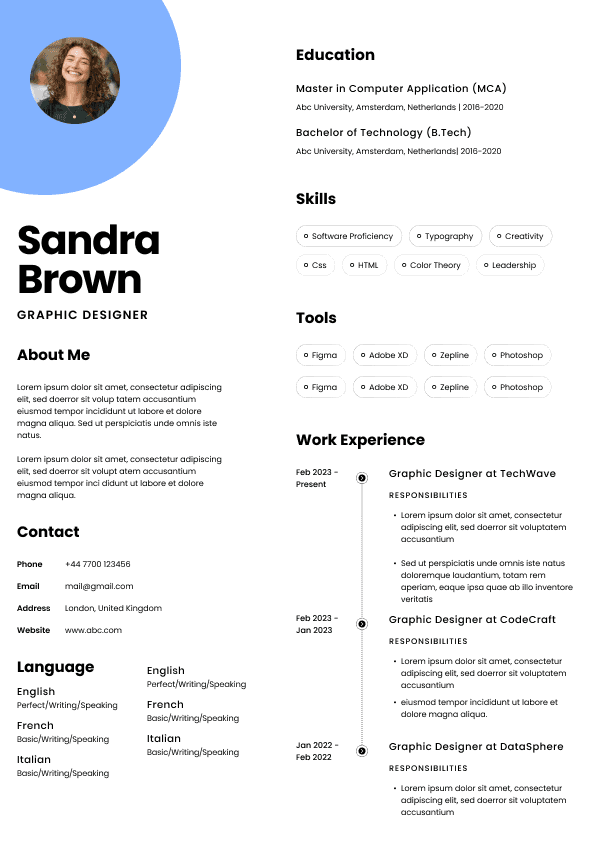
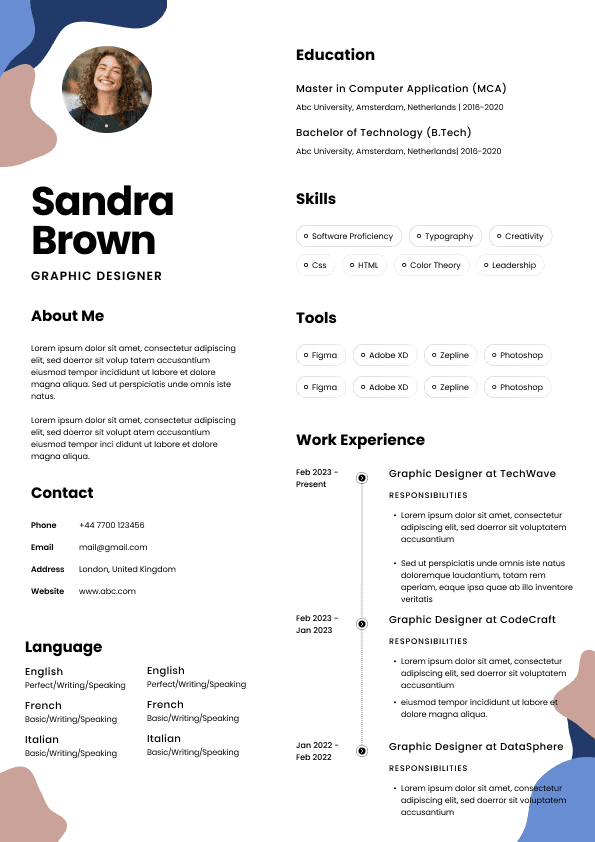
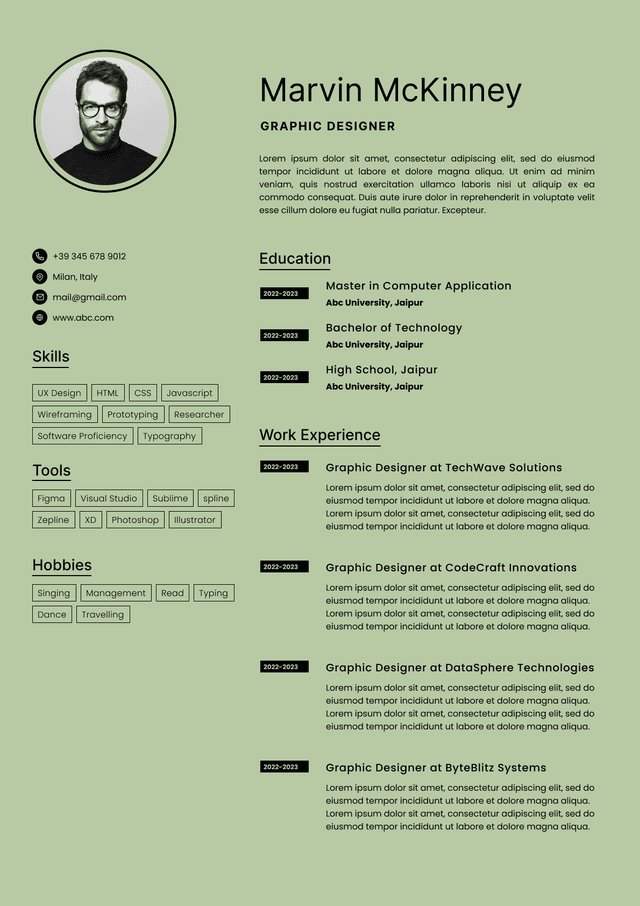
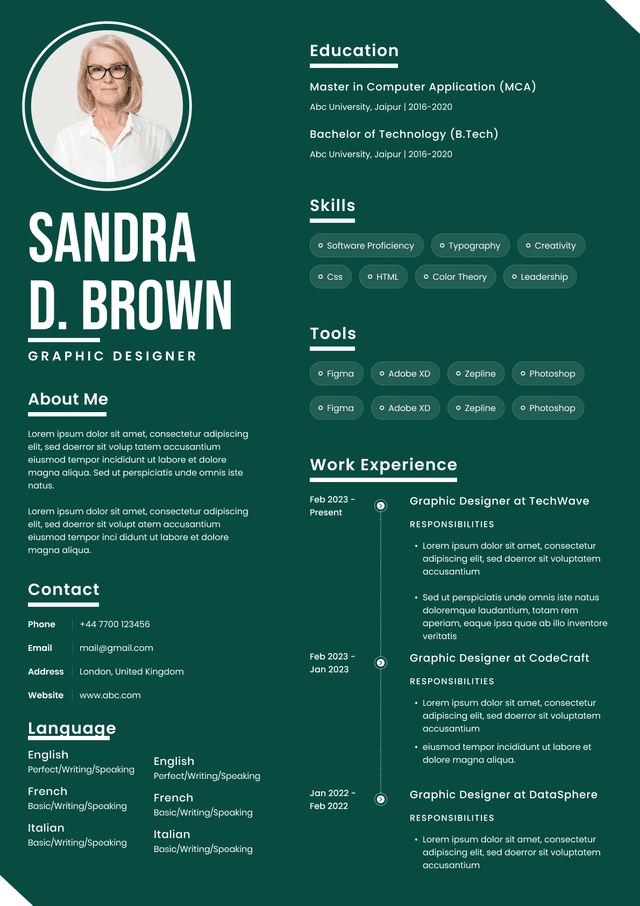
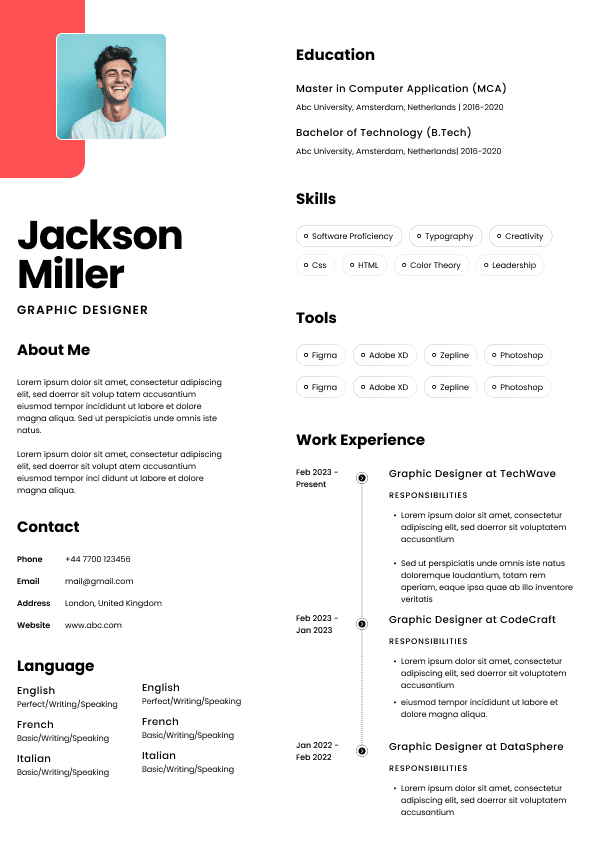
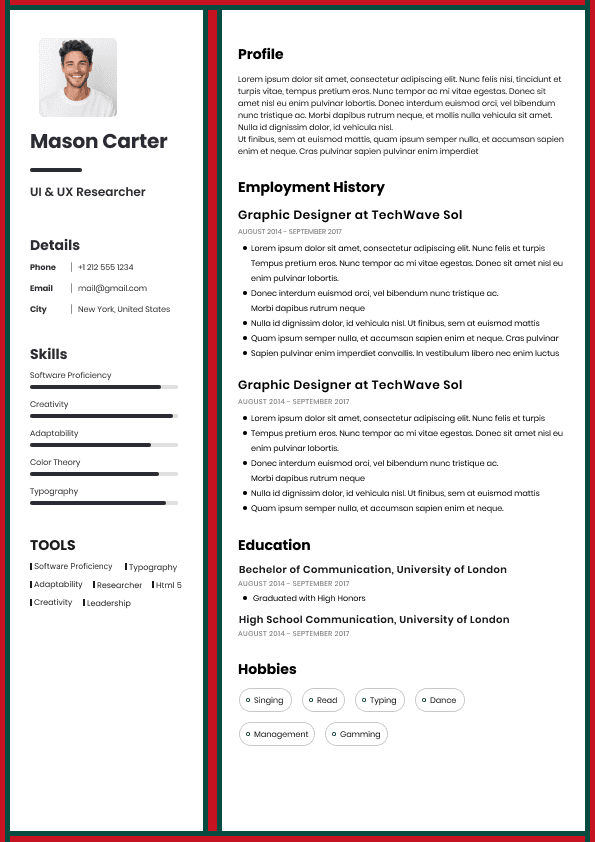
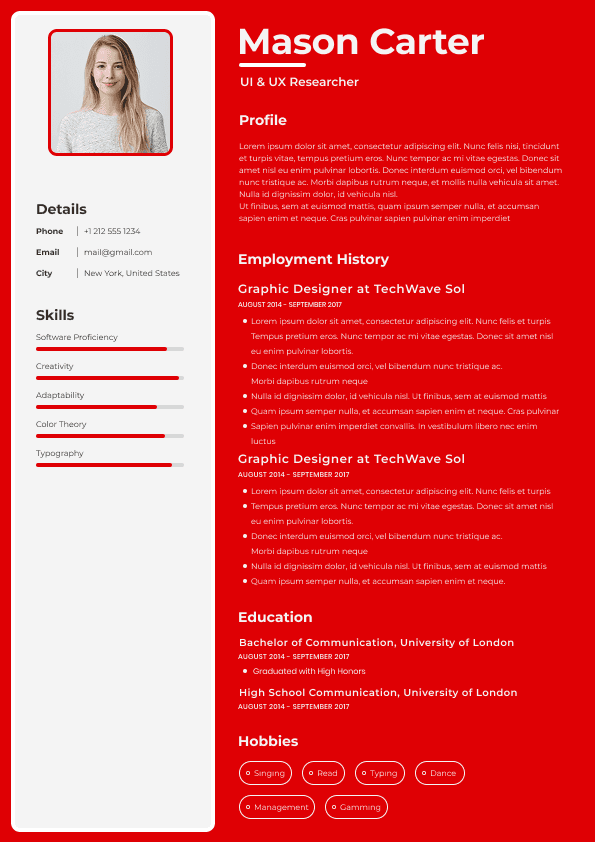
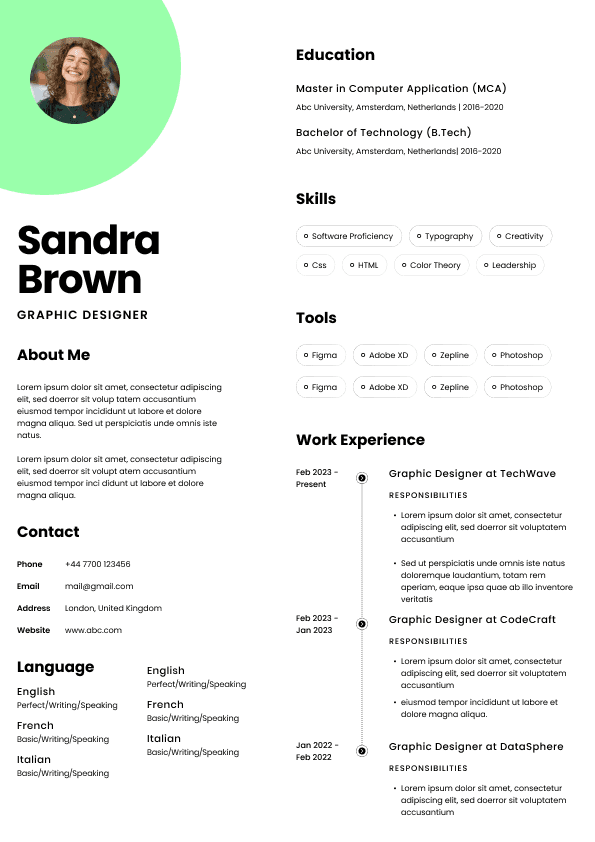
Choose from a wide range of NEWCV resume templates and customize your NEWCV design with a single click.
FAQ

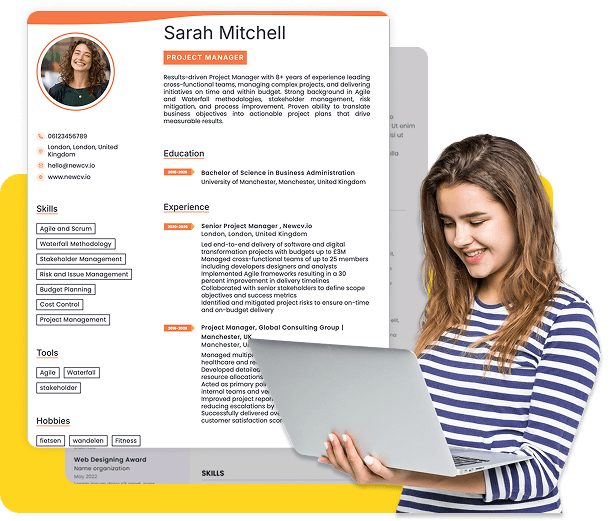
A strong JavaScript Developer CMS resume is not a generic frontend resume with “Contentful” added to the skills section. Companies hiring for Headless CMS and Jamstack roles are looking for developers who understand content architecture, SEO-driven rendering, editorial workflows, scalable component systems, and performance optimization across modern content platforms.
Hiring managers for these roles typically screen for five things immediately:
Real experience integrating Headless CMS platforms into production applications
Strong Next.js or React architecture knowledge
Understanding of SEO metadata, static generation, and preview workflows
Ability to support marketers and content editors without engineering bottlenecks
Experience improving publishing speed, scalability, and site performance
If your resume only lists technologies without showing measurable CMS outcomes, it will likely fail recruiter screening. The resumes that get interviews clearly demonstrate how the developer improved editorial workflows, accelerated campaign launches, optimized SEO visibility, or modernized legacy CMS systems.
This guide breaks down exactly how to position yourself for modern CMS-driven JavaScript roles, including recruiter expectations, ATS optimization, bullet examples, resume structure, and a full recruiter-approved resume example.
Most companies hiring CMS-focused JavaScript developers are not simply looking for “frontend developers.” They are hiring developers who can bridge engineering, marketing, SEO, and content operations.
That changes how your resume should be positioned.
For CMS and content-platform roles, recruiters usually prioritize:
Next.js or React production experience
Headless CMS integrations
Dynamic page generation
SEO rendering and metadata handling
Static site generation and ISR
GraphQL or REST API integration
Structured content modeling
Localization workflows
Preview environments
Reusable content components
Marketing website architecture
Performance optimization
Collaboration with marketers, SEO teams, and content editors
A common mistake is presenting yourself like a traditional application-focused frontend engineer. CMS-focused roles prioritize scalability of content operations as much as frontend engineering quality.
Your resume should show business enablement, not just coding ability.
This is where many candidates lose interviews.
A traditional frontend developer is often evaluated on:
UI implementation
State management
Component architecture
Performance optimization
Application logic
A Headless CMS developer is evaluated on additional operational capabilities:
Flexible content modeling
Editorial usability
SEO implementation
Dynamic routing systems
Marketing scalability
Publishing workflows
Multi-region localization
Content governance
CMS permissions and roles
Preview infrastructure
Component-driven page builders
Hiring managers want developers who reduce dependency on engineering for routine marketing and publishing tasks.
That means your resume should demonstrate systems thinking, not just frontend coding.
For modern CMS and Jamstack roles, this structure performs best with recruiters and ATS systems.
Professional Summary
Technical Skills
Professional Experience
Selected CMS Projects
Education
Certifications (optional)
Avoid overly creative layouts. CMS-focused employers often use ATS systems heavily, especially SaaS companies, agencies, and enterprise marketing teams.
Your summary should immediately position you as a CMS architecture and content-platform specialist.
“Frontend developer with experience in React and JavaScript seeking a challenging opportunity.”
This says almost nothing.
“JavaScript Developer with 6+ years of experience building scalable Headless CMS and Jamstack applications using Next.js, React, Contentful, Sanity, and GraphQL. Specialized in SEO-friendly marketing platforms, dynamic content systems, localization workflows, and high-performance static rendering architectures that improve editorial efficiency and website scalability.”
The second example instantly communicates specialization, architecture depth, and business value.
The skills section matters more for CMS roles than many candidates realize because recruiters often search ATS databases using platform-specific keywords.
Contentful
Sanity
Strapi
WordPress Headless
Storyblok
Builder.io
Prismic
Hygraph
Next.js
React
Gatsby
Astro
TypeScript
GraphQL
REST APIs
Apollo Client
CMS SDKs
Vercel
Netlify
Cloudflare Pages
Static Site Generation (SSG)
Incremental Static Regeneration (ISR)
Dynamic Routing
SEO Metadata
Image Optimization
Structured Data
Editorial Workflows
Content Modeling
Localization
Preview Environments
Reusable Components
Do not overload the skills section with unrelated backend or DevOps technologies unless they are genuinely relevant to your target role.
This is the section where most resumes fail.
Weak bullet points describe responsibilities.
Strong bullet points demonstrate measurable operational impact.
Use this structure:
Action + CMS/Architecture + Business Outcome
“Worked on Contentful website development.”
This sounds junior-level and provides no measurable value.
“Built a scalable marketing platform using Next.js, Contentful, GraphQL, and Vercel, reducing page deployment time by 55% and enabling non-technical marketing teams to publish landing pages independently.”
The second version demonstrates:
Architecture ownership
Modern stack knowledge
Operational improvement
Business enablement
Measurable impact
Built a CMS-driven SaaS marketing platform using Next.js, Contentful, TypeScript, and Vercel with ISR support for high-performance page rendering
Developed reusable content blocks and dynamic page templates that reduced developer involvement in campaign launches by 65%
Implemented preview workflows for marketing and editorial teams, improving content review turnaround by 40%
Integrated Contentful GraphQL APIs with SEO metadata automation and structured schema generation
Integrated Sanity CMS with React component architecture to support localization across 12 international markets
Designed structured content models enabling flexible editorial workflows and reusable page sections across enterprise marketing sites
Built real-time preview functionality for editors using Sanity Studio and Next.js preview mode
Reduced publishing bottlenecks by implementing modular content schemas and reusable component mapping systems
Developed a headless CMS platform using Strapi, Next.js, and PostgreSQL to manage dynamic content across multi-brand websites
Created role-based CMS permissions and publishing workflows for marketing, SEO, and editorial teams
Improved page load performance by 48% through API optimization, static generation, and asset compression strategies
Migrated legacy PHP CMS workflows into a modern Strapi-based Jamstack architecture
Migrated over 3,500 legacy WordPress pages into a Headless WordPress and Next.js architecture
Implemented GraphQL-driven rendering using WPGraphQL and Apollo Client for dynamic content delivery
Improved Core Web Vitals scores and reduced average page load times from 4.8s to 1.9s
Built SEO-focused rendering pipelines supporting metadata management, redirects, and structured content indexing
Most CMS resumes are missing measurable KPIs.
This is one of the biggest recruiter red flags.
Strong metrics include:
Publishing speed improvements
SEO traffic increases
Performance score improvements
Number of migrated pages
Reduced developer dependency
Localization coverage
Campaign launch acceleration
Page load optimization
Editorial efficiency gains
Content deployment scalability
Reduced content publishing time by 60%
Migrated 5,000+ pages into Headless CMS architecture
Improved Lighthouse performance score from 68 to 96
Reduced marketing campaign launch cycles from 5 days to same-day publishing
Supported localization workflows across 15 countries
These metrics help hiring managers visualize operational impact immediately.
ATS optimization matters heavily for CMS and SaaS hiring pipelines.
Important keyword clusters include:
Headless CMS
Next.js
React
Jamstack
Static Site Generation
Incremental Static Regeneration
GraphQL
Content Modeling
CMS APIs
Dynamic Routing
SEO Metadata
Structured Data
Image Optimization
Core Web Vitals
Page Performance
Lighthouse
Editorial Workflows
Preview Environments
Localization
Reusable Components
Marketing Platforms
CMS Permissions
Do not keyword-stuff your resume. ATS systems increasingly evaluate contextual relevance rather than raw repetition.
Many candidates assume hiring managers are only evaluating technical stack alignment.
That is incomplete.
Hiring managers for CMS-heavy JavaScript roles usually prioritize three broader business concerns.
Companies want engineering systems that allow marketers and content editors to move quickly without developer bottlenecks.
If your resume demonstrates:
Reusable content systems
Dynamic templates
Self-service publishing
Modular page builders
you become significantly more attractive.
Modern CMS hiring is heavily tied to SEO-driven business growth.
Recruiters strongly favor candidates with experience in:
Metadata automation
ISR
Static generation
Structured data
Image optimization
Performance tuning
Migration experience is extremely valuable.
Especially:
WordPress to Headless CMS migrations
Monolith-to-Jamstack transitions
CMS consolidation projects
Multi-brand architecture migrations
Migration projects demonstrate architectural maturity.
Simply writing:
“Used Contentful and Next.js”
is not enough.
Hiring managers want to know:
What business problem you solved
How content operations improved
Whether scalability increased
How SEO or performance improved
This is a major mistake.
CMS roles are inherently cross-functional.
If your resume never mentions:
Editors
Marketing teams
SEO stakeholders
Localization teams
you may appear too engineering-isolated for CMS-focused organizations.
A CMS developer is not just a UI engineer.
You should also show:
Architecture decisions
Content systems
API integrations
Rendering strategies
Publishing workflows
This is one of the biggest hidden filters.
CMS-heavy companies often prioritize SEO business impact.
Your resume should reference:
Metadata
Structured data
SSG
ISR
Canonicals
Sitemap generation
Core Web Vitals
where applicable.
Austin, Texas
danielcarter.dev@email.com
LinkedIn: linkedin.com/in/danielcarterdev
Portfolio: danielcarter.dev
JavaScript Developer with 7+ years of experience building scalable Headless CMS and Jamstack applications using Next.js, React, Contentful, Sanity, and GraphQL. Specialized in SEO-focused marketing platforms, dynamic content systems, reusable component architecture, and editorial workflow optimization. Proven track record improving publishing efficiency, website performance, and content scalability for SaaS and enterprise marketing teams.
CMS Platforms: Contentful, Sanity, Strapi, WordPress Headless, Storyblok
Frontend: Next.js, React, TypeScript, Gatsby, Astro
APIs & Data: GraphQL, REST APIs, Apollo Client
Deployment: Vercel, Netlify, Cloudflare Pages
SEO & Performance: SSG, ISR, Core Web Vitals, Structured Data, Image Optimization
Workflow & Collaboration: Content Modeling, Localization, Preview Workflows, Reusable Components
BrightScale SaaS | Austin, Texas
2021 – Present
Built a scalable SaaS marketing platform using Next.js, Contentful, GraphQL, and Vercel with ISR-enabled rendering architecture
Reduced marketing campaign deployment cycles by 70% through reusable content components and dynamic page templates
Developed advanced preview workflows enabling editors and SEO teams to review unpublished content before deployment
Improved Lighthouse performance scores from 72 to 97 through image optimization, lazy loading, and static rendering strategies
Supported localization across 14 markets using structured content modeling and translation workflows
Integrated SEO metadata automation including Open Graph, structured data, canonical tags, and dynamic sitemap generation
LaunchFrame Agency | Denver, Colorado
2018 – 2021
Migrated over 4,200 legacy WordPress pages into Headless CMS architectures using Next.js and WordPress GraphQL APIs
Developed reusable page-builder systems enabling non-technical clients to launch landing pages independently
Integrated Sanity CMS with React-based component libraries for enterprise healthcare and SaaS clients
Improved average page speed performance by 52% across client projects using static generation and CDN optimization
Created modular content schemas supporting scalable multi-brand publishing operations
PixelNorth Media | Dallas, Texas
2016 – 2018
Developed dynamic marketing websites using React, Gatsby, and Contentful for B2B technology companies
Implemented SEO-focused rendering systems supporting metadata automation and structured content indexing
Built reusable frontend component libraries aligned with editorial workflows and campaign management needs
Collaborated with marketing teams to improve publishing efficiency and reduce engineering dependency
Bachelor of Science in Computer Science
University of Texas at Dallas
Senior candidates do not just describe implementation work.
They emphasize ownership.
Strong senior-level positioning includes:
CMS architecture decisions
Content governance systems
Migration leadership
Multi-region localization strategy
Cross-functional stakeholder collaboration
Performance and SEO ownership
Platform scalability
The more your resume demonstrates platform thinking instead of ticket execution, the stronger your positioning becomes.
These industries hire aggressively for CMS-focused JavaScript developers:
SaaS
Enterprise B2B technology
Digital agencies
Media and publishing
Healthcare marketing
E-commerce
Education technology
Marketing technology
Each industry prioritizes slightly different resume signals.
Usually prioritize:
SEO scalability
Landing page velocity
Marketing enablement
Performance optimization
Usually prioritize:
Multi-client CMS experience
Adaptability across CMS platforms
Rapid implementation
Reusable systems
Usually prioritize:
Editorial workflows
Localization
Structured content systems
Publishing scale
The best Headless CMS resumes position the candidate as a business scalability enabler, not just a frontend developer.
That means your resume should consistently communicate:
CMS architecture capability
Editorial workflow understanding
SEO and performance expertise
Marketing platform scalability
Cross-functional collaboration
Measurable operational improvements
Most candidates only show frontend implementation.
The candidates getting interviews show how their work improved publishing velocity, reduced engineering dependency, accelerated marketing execution, and strengthened SEO performance.
That is the difference between an average frontend resume and a modern Headless CMS developer resume that gets interviews.
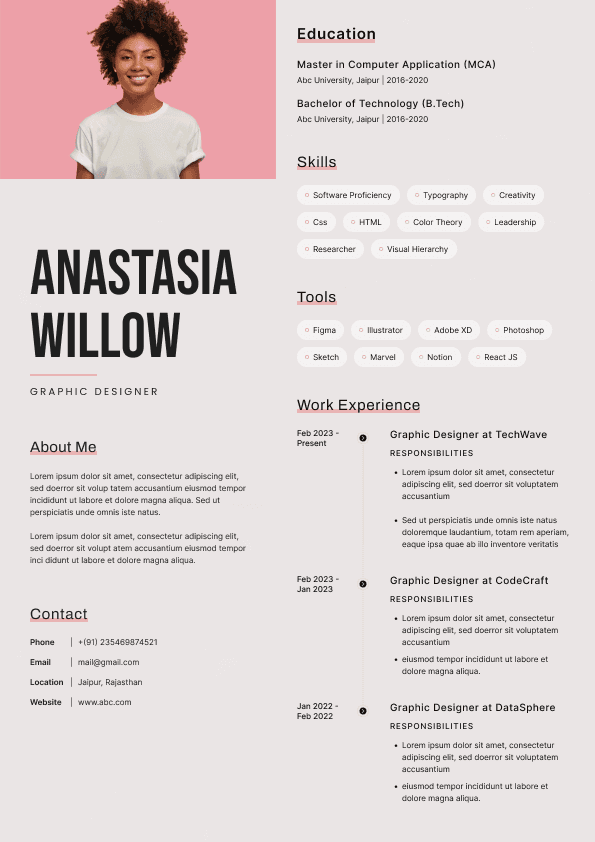
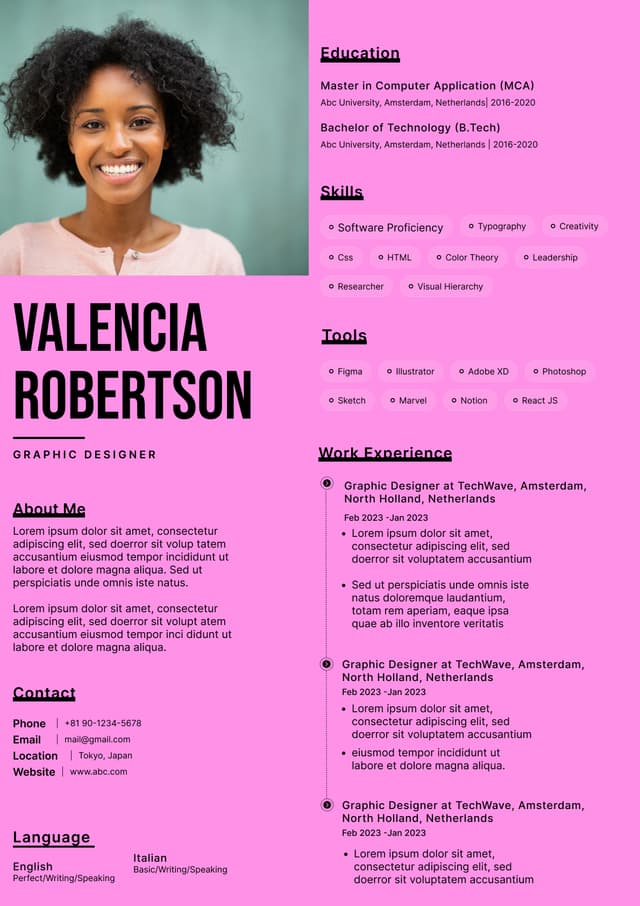
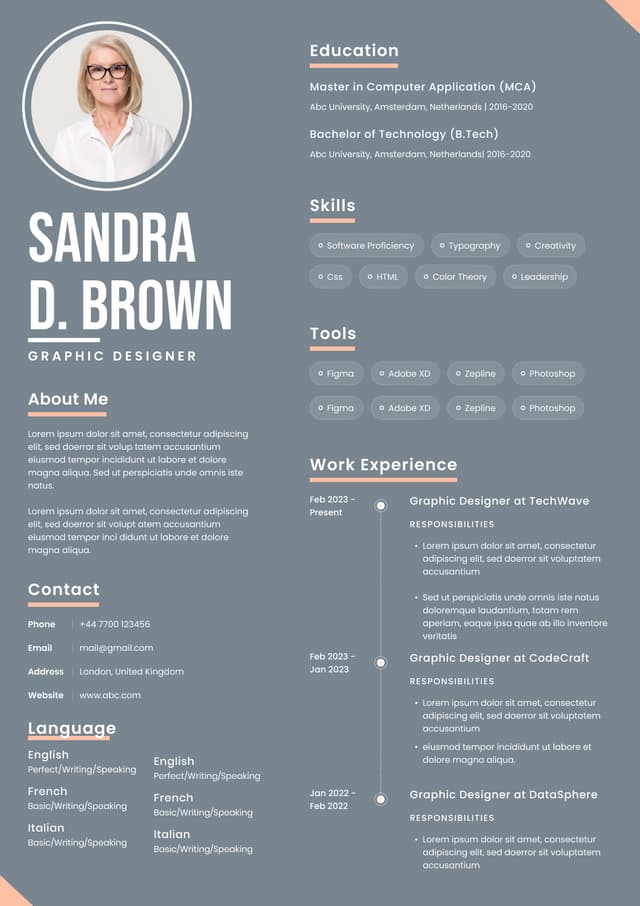
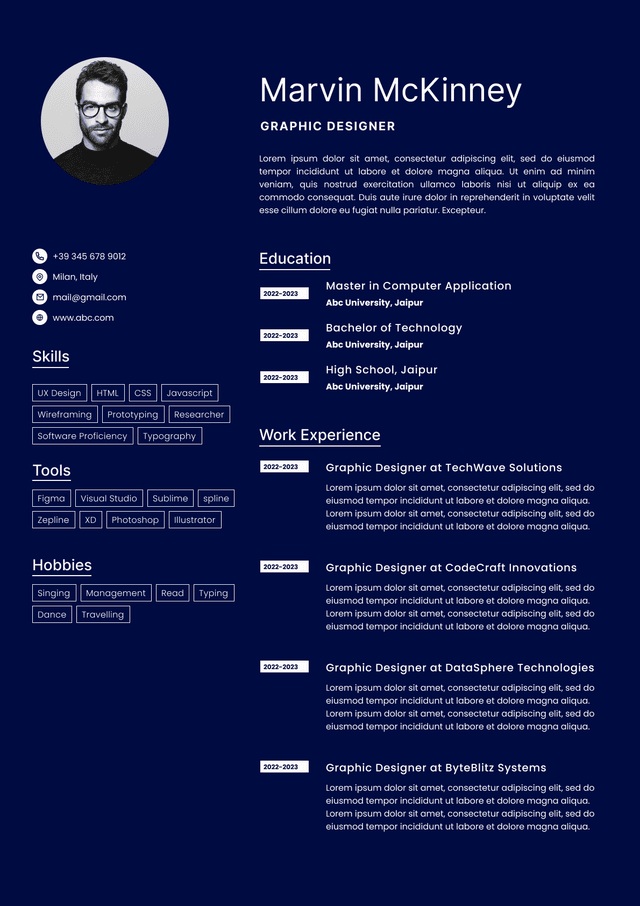
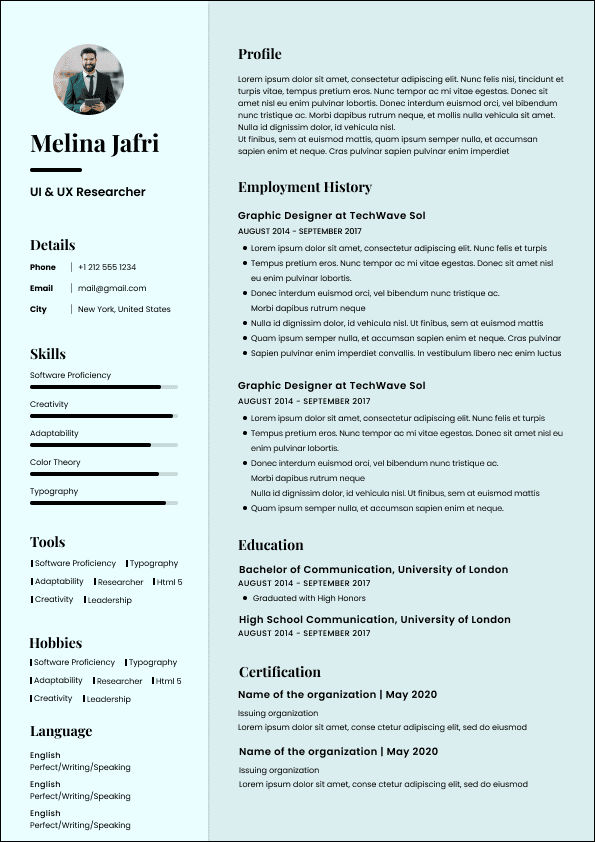
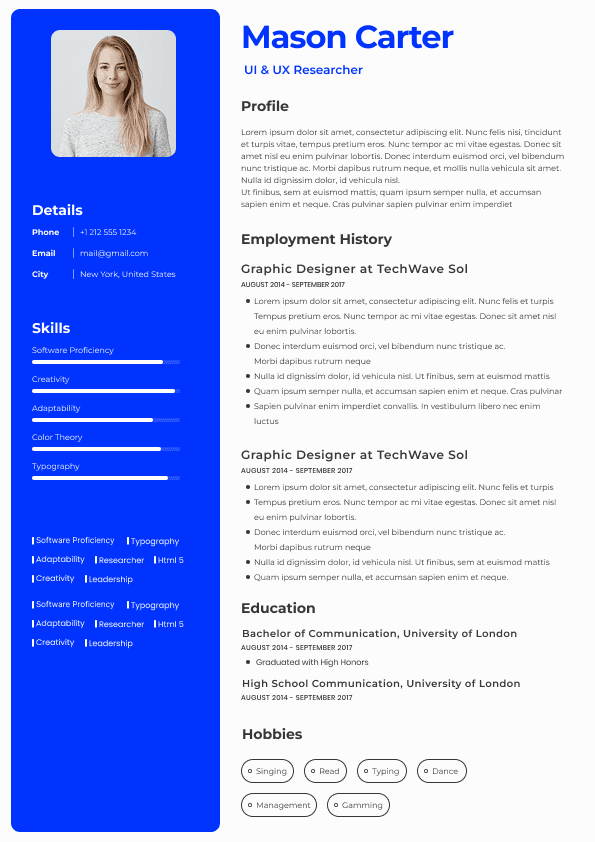
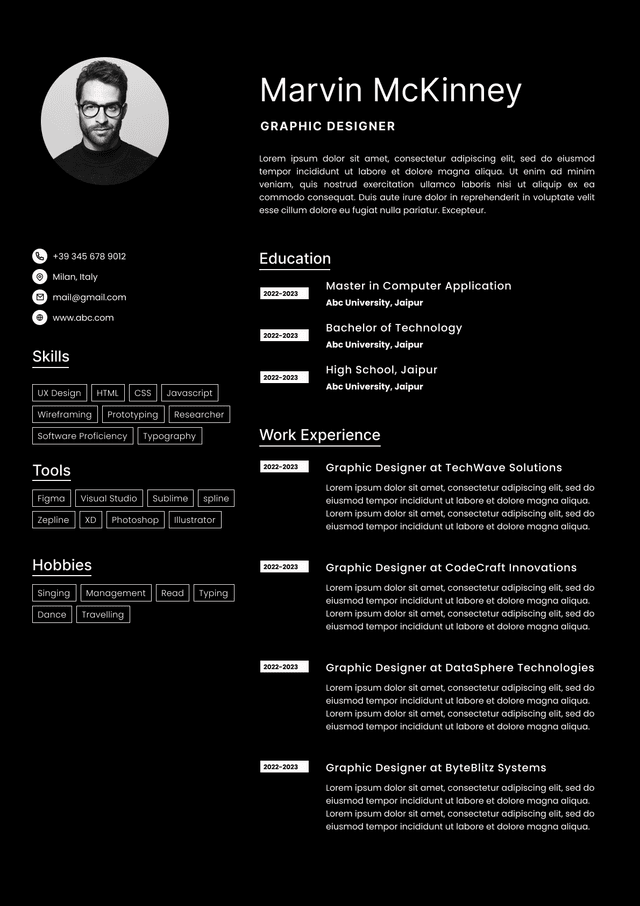
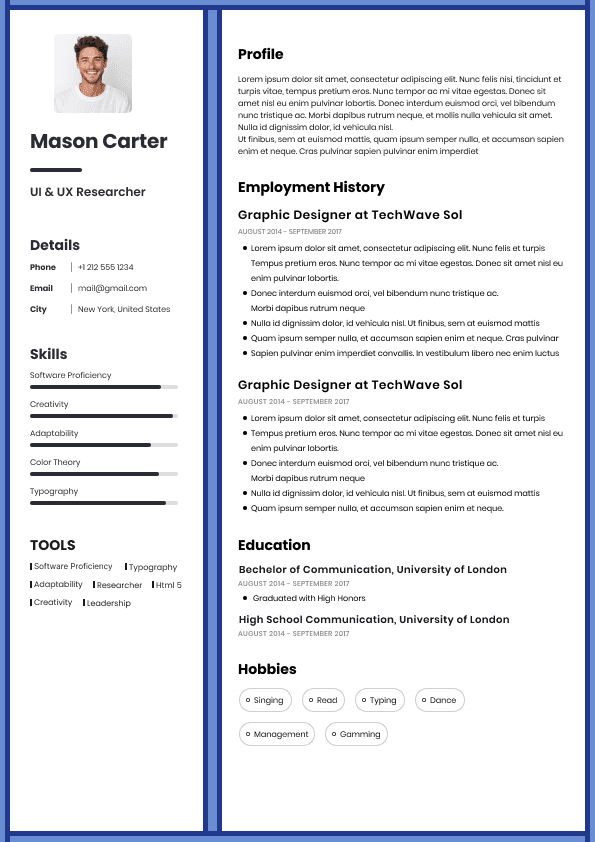
Use ATS-optimised Resume and resume templates that pass applicant tracking systems. Our Resume builder helps recruiters read, scan, and shortlist your Resume faster.

Use professional field-tested resume templates that follow the exact Resume rules employers look for.
Create Resume
Use professional field-tested resume templates that follow the exact Resume rules employers look for.
Create Resume


 Upload Resume
 Import from Linkedin