STILL APPLYING. STILL HEARING NOTHING?BUILD YOUR RESUME

STILL APPLYING. STILL HEARING NOTHING?BUILD YOUR RESUME
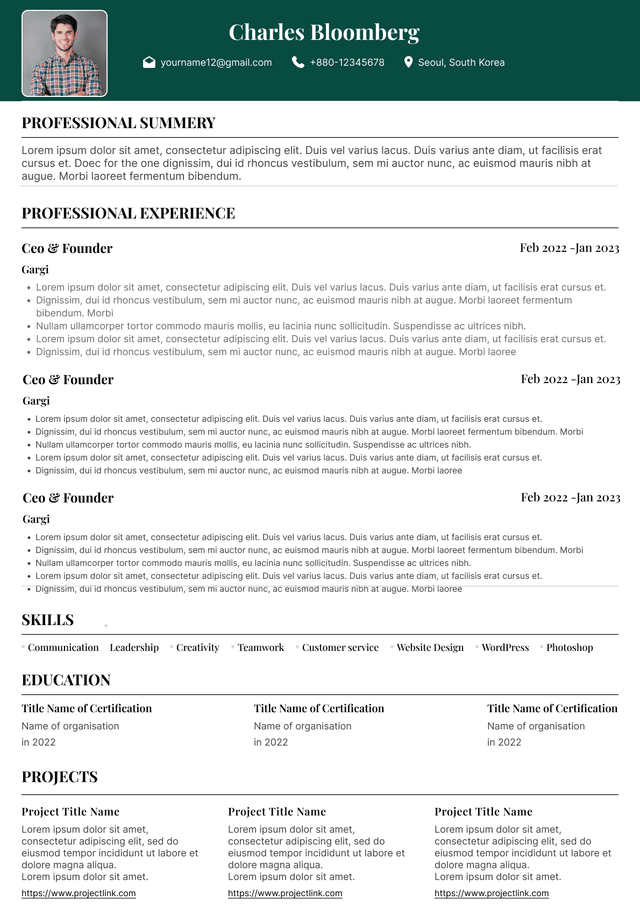
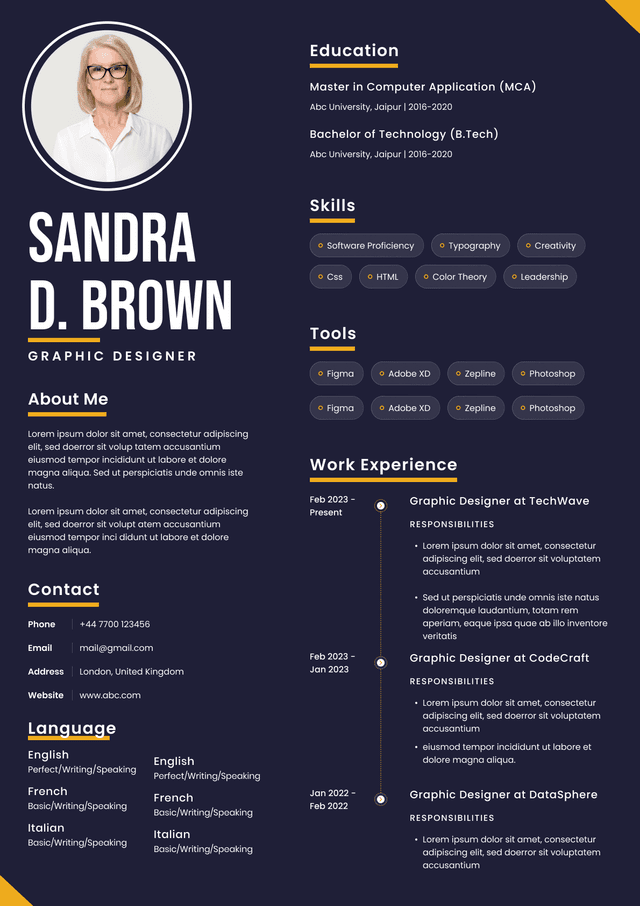
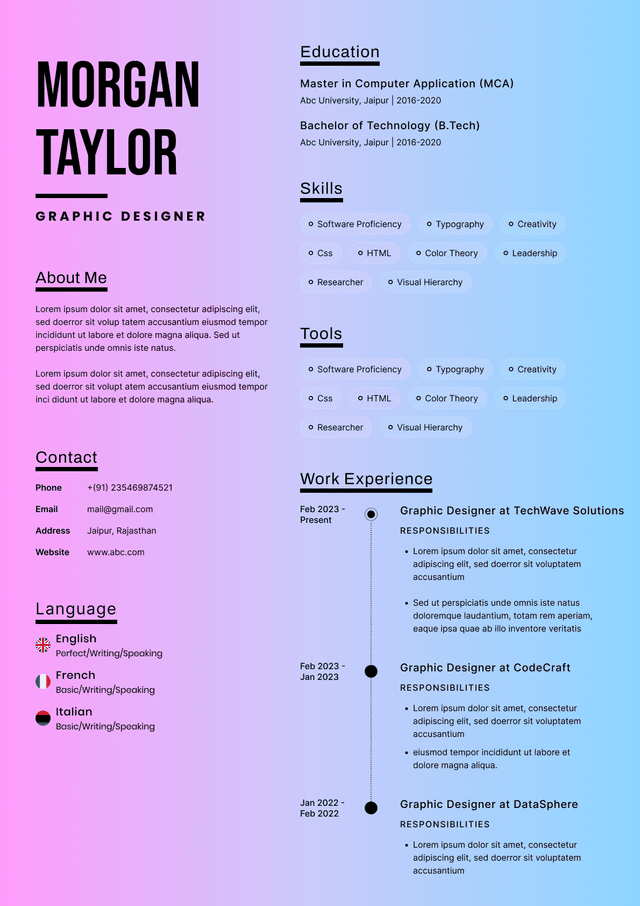
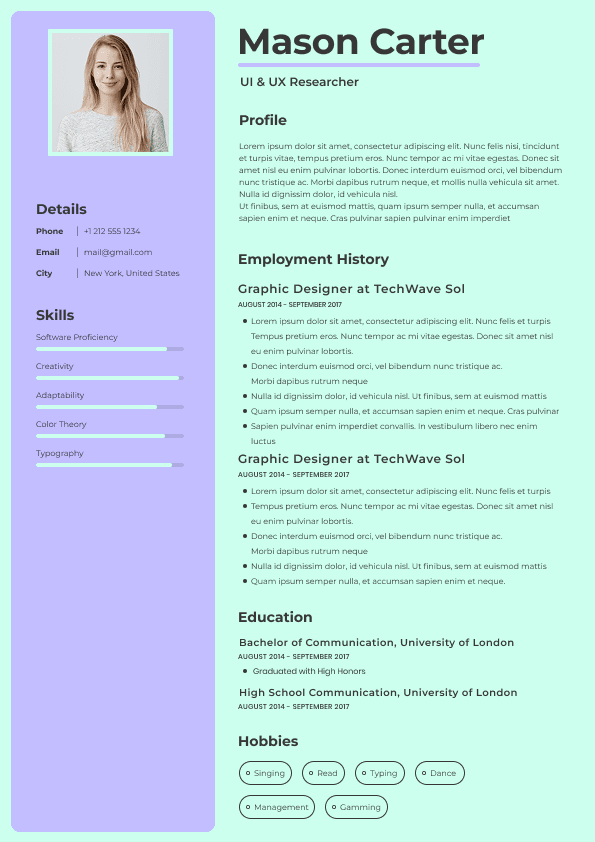
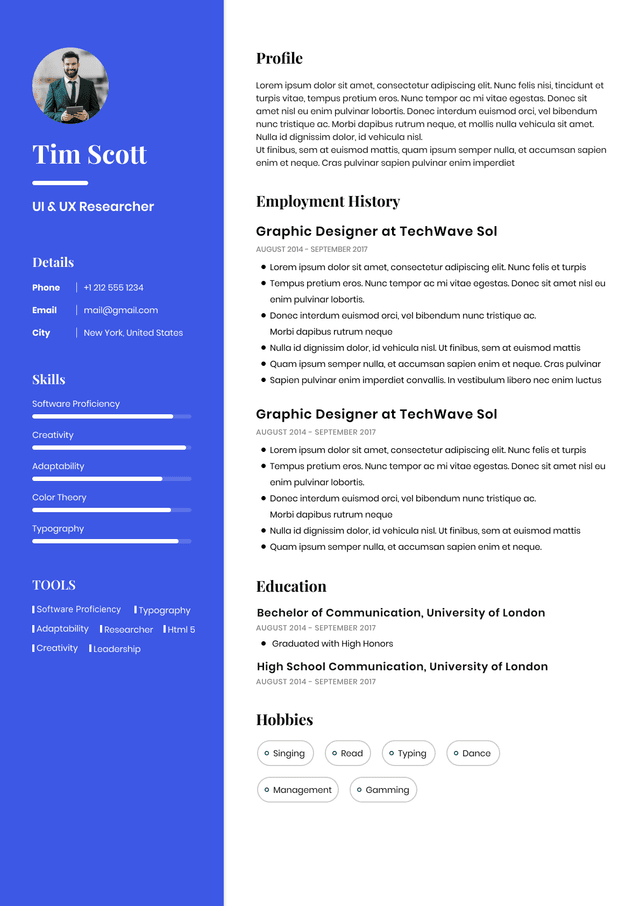
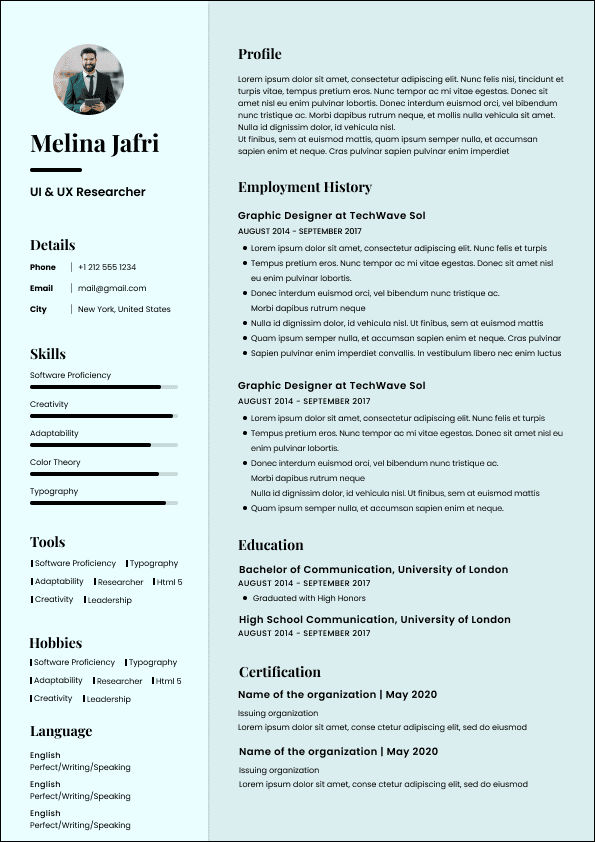
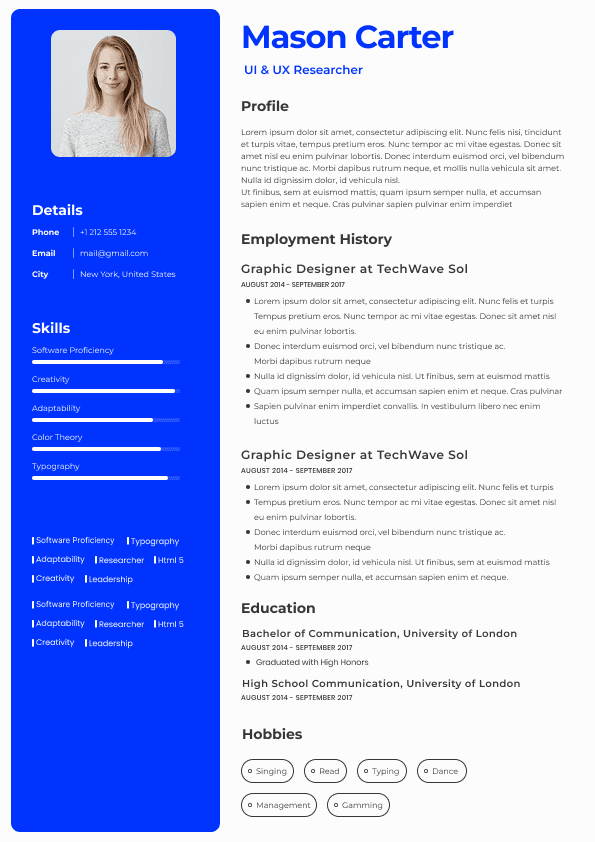
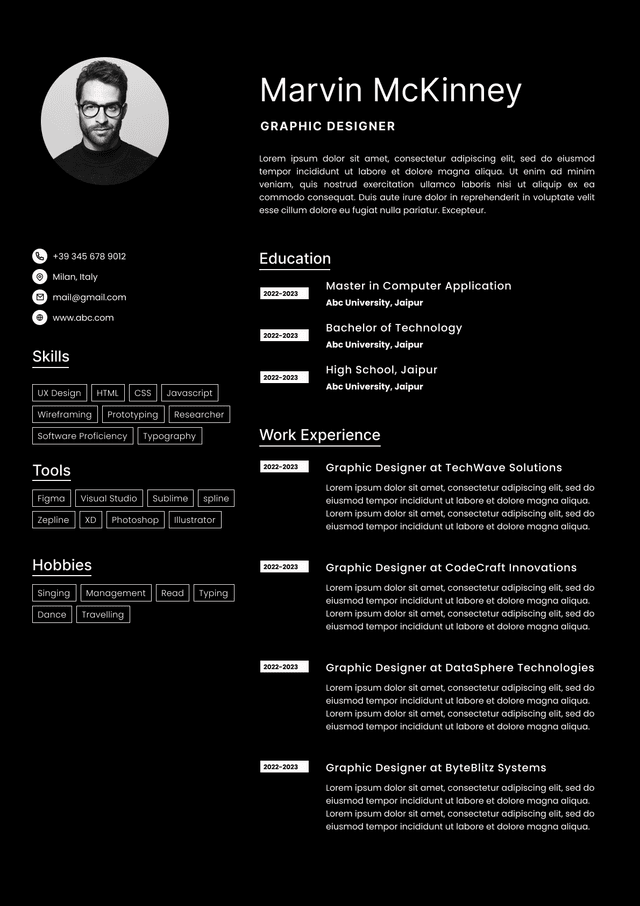
Choose from a wide range of NEWCV resume templates and customize your NEWCV design with a single click.
FAQ


Most JavaScript developer resumes fail for one reason: they describe technologies instead of proving business impact and engineering value. Hiring managers are not looking for someone who “used React and Node.js.” They want evidence that you can build scalable applications, improve performance, ship production-ready code, collaborate across teams, and solve real product problems.
The strongest JavaScript developer resumes are outcome-driven, technically specific, and aligned with the exact role type. A frontend React resume should not read like a backend Node.js resume. A senior full stack engineer should not sound like an entry-level developer listing tutorial projects.
This guide gives you recruiter-level JavaScript developer resume examples for modern US tech hiring, including:
Frontend JavaScript developer resumes
Backend Node.js resume examples
Full stack JavaScript developer resume examples
React and TypeScript resume examples
Entry-level JavaScript developer resumes
Senior JavaScript developer positioning strategies
Resume bullet points that pass ATS and impress hiring managers
You will also learn what recruiters actually evaluate during resume screening and how to position yourself for interviews in today’s competitive software engineering market.
Recruiters screen JavaScript developer resumes fast. In many companies, the first review lasts under 30 seconds before a candidate moves forward or gets rejected.
The strongest resumes immediately answer five questions:
What type of JavaScript developer are you?
What technologies do you specialize in?
What level are you at?
Have you built production applications?
Did your work create measurable impact?
Weak resumes focus heavily on technology lists.
Strong resumes show:
Systems built
Scale handled
Product impact
Performance improvements
Team collaboration
Engineering ownership
For frontend roles:
React ecosystem expertise
Component architecture
State management
Performance optimization
Accessibility awareness
API integration experience
For backend roles:
Node.js backend systems
Database architecture
API design
Authentication systems
Scalability
Cloud infrastructure
For full stack roles:
End-to-end ownership
Frontend and backend integration
Product delivery experience
Production deployment workflows
Cross-functional collaboration
A modern JavaScript developer resume should typically include:
Professional summary
Technical skills
Professional experience
Projects
Education
Certifications or additional tools if relevant
For experienced developers, projects should support experience, not replace it.
For entry-level developers, projects become critically important because recruiters need proof of practical coding ability.
Michael Carter
San Francisco, California
michaelcarter.dev@email.com
LinkedIn | GitHub | Portfolio
Professional Summary
JavaScript Developer with 6+ years of experience building scalable SaaS applications using JavaScript, TypeScript, React, Node.js, PostgreSQL, and AWS. Experienced in frontend architecture, API integrations, performance optimization, and full product lifecycle development. Strong background collaborating with cross-functional Agile teams to deliver high-impact web applications used by enterprise customers.
Technical Skills
JavaScript
TypeScript
React
Node.js
Express.js
PostgreSQL
MongoDB
AWS
Docker
REST APIs
GraphQL
Jest
GitHub Actions
Tailwind CSS
Professional Experience
Senior JavaScript Developer
CloudScale Technologies — San Francisco, CA
2022–Present
Developed scalable web applications using JavaScript, TypeScript, React, Node.js, Express, PostgreSQL, and AWS
Built reusable UI components, REST API integrations, authentication flows, and dashboard features for SaaS users
Improved page load speed by 38% through code splitting, lazy loading, bundle optimization, and API performance tuning
Collaborated with product managers, designers, QA engineers, and backend teams in Agile sprint cycles
Maintained high code quality using ESLint, Prettier, Jest, React Testing Library, GitHub pull requests, and code reviews
JavaScript Developer
BrightPath Digital — Austin, TX
2019–2022
Developed customer-facing web applications for fintech and healthcare clients
Built API integrations and reusable React component libraries across multiple products
Reduced frontend bugs by implementing automated testing workflows and CI/CD validation checks
Supported migration from legacy jQuery applications to modern React architecture
Frontend JavaScript resumes should emphasize UI architecture, performance optimization, accessibility, and modern frontend frameworks.
Recruiters hiring frontend engineers care less about generic backend exposure and more about real frontend execution.
Sophia Nguyen
Seattle, Washington
Professional Summary
Frontend JavaScript Developer specializing in React, TypeScript, Next.js, and performance-focused web applications. Experienced building scalable design systems, responsive user interfaces, and accessibility-compliant frontend architectures for SaaS platforms.
Technical Skills
React
TypeScript
Next.js
Redux Toolkit
Tailwind CSS
REST APIs
GraphQL
Cypress
Playwright
Jest
Professional Experience
Frontend JavaScript Developer
Nova Commerce — Seattle, WA
2021–Present
Built responsive frontend applications using React, TypeScript, Next.js, Tailwind CSS, Redux Toolkit, and REST APIs
Improved Core Web Vitals by optimizing JavaScript bundles, images, routing, hydration, and client-side rendering
Converted Figma designs into accessible, reusable, WCAG-aware UI components and design-system patterns
Implemented form validation, state management, error handling, role-based UI logic, and analytics tracking
Wrote unit, integration, and end-to-end tests using Vitest, Jest, React Testing Library, Cypress, and Playwright
This resume works because it demonstrates:
Modern frontend stack alignment
Business impact
UX awareness
Accessibility knowledge
Performance optimization expertise
Most weak frontend resumes simply say:
“Built websites using React.”
That does not communicate engineering depth.
Backend Node.js resumes should emphasize APIs, databases, distributed systems, authentication, scalability, and cloud infrastructure.
Daniel Brooks
Chicago, Illinois
Professional Summary
Backend JavaScript Developer with expertise in Node.js, Express.js, PostgreSQL, AWS, and distributed backend systems. Experienced designing scalable APIs, authentication systems, event-driven architectures, and cloud-native services for high-growth SaaS applications.
Technical Skills
Node.js
Express.js
NestJS
PostgreSQL
MongoDB
Redis
AWS Lambda
Docker
Terraform
GraphQL
Professional Experience
Backend JavaScript Developer
Apex Data Systems — Chicago, IL
2020–Present
Developed backend services using Node.js, Express.js, NestJS, PostgreSQL, MongoDB, Redis, and AWS Lambda
Designed REST APIs, GraphQL resolvers, authentication middleware, background jobs, and event-driven workflows
Reduced API error rates by 31% by improving validation, logging, exception handling, and monitoring
Integrated third-party APIs for payments, CRM, email, analytics, identity management, and messaging services
Supported CI/CD deployments using GitHub Actions, Docker, Terraform, AWS ECS, CloudWatch, and serverless workflows
Full stack resumes succeed when they show ownership across product delivery, not just frontend and backend keyword stuffing.
Hiring managers want developers who can build features from concept to production.
Rachel Thompson
Denver, Colorado
Professional Summary
Full Stack JavaScript Developer with experience building scalable SaaS applications using React, Next.js, TypeScript, Node.js, PostgreSQL, and AWS. Strong background delivering end-to-end product features, improving development workflows, and collaborating across engineering and product teams.
Professional Experience
Full Stack JavaScript Developer
GrowthLoop Software — Denver, CO
2021–Present
Built full stack SaaS features using React, Next.js, TypeScript, Node.js, Prisma, PostgreSQL, GraphQL, and AWS
Developed dashboards, admin panels, subscription workflows, user permissions, API endpoints, and reporting tools
Increased feature delivery speed by 27% by creating reusable components, shared hooks, API utilities, and backend service templates
Created automated test suites, deployment pipelines, documentation, and monitoring dashboards for production releases
Partnered with customer success and product teams to resolve user issues and improve application usability
Entry-level JavaScript resumes should focus on practical projects, technical fundamentals, GitHub activity, and demonstrated learning ability.
Recruiters hiring junior developers know you may not have enterprise experience yet. What they want is proof that you can contribute quickly.
Kevin Martinez
Dallas, Texas
Professional Summary
Entry-Level JavaScript Developer with hands-on experience building frontend and full stack projects using JavaScript, React, Node.js, Express, and MongoDB. Strong understanding of frontend fundamentals, REST APIs, Git workflows, and responsive web development.
Projects
TaskFlow Productivity App
Built a full stack productivity application using React, Node.js, Express, MongoDB, and JWT authentication
Developed CRUD functionality, responsive UI components, protected routes, and REST API integrations
Deployed the application using Vercel and Render with CI/CD integration through GitHub
Professional Experience
Junior Web Development Intern
PixelForge Studio — Remote
2025
Built portfolio projects using JavaScript, TypeScript, React, Node.js, Express, MongoDB, HTML, CSS, and Git
Created REST APIs, responsive web pages, form workflows, CRUD applications, and deployed full stack projects
Completed coding challenges focused on JavaScript fundamentals, arrays, objects, DOM manipulation, async logic, and algorithms
Used GitHub pull requests, issue tracking, README documentation, and Agile-style project boards
Demonstrated strong learning ability, debugging mindset, frontend fundamentals, and modern JavaScript development practices
React resumes should highlight:
Component architecture
State management
Performance optimization
Hooks expertise
Design systems
Testing
Built reusable React component libraries used across 4 enterprise SaaS products
Reduced frontend rendering delays by optimizing React memoization and API request handling
Implemented Redux Toolkit and React Query for scalable frontend state management
Improved Lighthouse performance scores from 61 to 92 across customer-facing applications
Created WCAG-compliant UI components for accessibility and ADA compliance initiatives
Weak Example
“Worked on React applications and fixed bugs.”
This fails because:
No scale
No impact
No technical depth
No ownership
No measurable outcome
Node.js hiring managers look for backend engineering maturity.
That includes:
API architecture
Authentication systems
Scalability
Databases
Logging
Error handling
Infrastructure awareness
Designed scalable REST APIs supporting over 500K monthly active users
Reduced backend response times by 42% through Redis caching and query optimization
Built JWT authentication and RBAC authorization systems for enterprise SaaS platforms
Implemented asynchronous job queues using BullMQ and Redis for high-volume background processing
Developed monitoring and alerting systems using CloudWatch, Datadog, and structured logging
TypeScript-heavy resumes should demonstrate:
Type safety
Scalable architecture
Maintainability
Large application support
Shared interfaces and contracts
Migrated legacy JavaScript applications to TypeScript, reducing runtime errors by 34%
Built shared type-safe API contracts between frontend and backend services
Improved developer productivity through reusable TypeScript utility libraries and typed hooks
Enforced strict TypeScript standards across frontend repositories using ESLint and CI validation workflows
Senior developers are evaluated differently from mid-level engineers.
Recruiters and hiring managers expect:
Technical leadership
Architecture ownership
Mentorship
Business impact
Cross-team influence
Delivery accountability
System design decisions
Scalability improvements
Team leadership
Mentoring junior developers
Engineering process improvements
Product collaboration
Technical ownership
Listing basic frontend tasks
Oversized skills sections
Generic “worked with React” descriptions
Excessive focus on tutorials or bootcamp projects
Bullet points without measurable outcomes
Many developers try to look impressive by listing every framework they touched once.
Recruiters see through this immediately.
Focus on:
Strong technologies
Recent technologies
Relevant technologies
Technologies tied to actual production work
Weak bullet points describe responsibilities.
Strong bullet points describe outcomes.
Weak Example
“Responsible for frontend development.”
Good Example
“Developed reusable React and TypeScript components that reduced feature development time by 24%.”
Engineering resumes that only describe coding tasks often fail.
Companies hire engineers to:
Improve products
Increase speed
Reduce errors
Support scale
Solve business problems
Impact matters.
A React-focused candidate applying for frontend roles should not lead with backend technologies.
Resume positioning must match the target role.
This is one of the biggest reasons qualified developers still get rejected.
The best JavaScript resumes balance:
Languages
Frameworks
Architecture
Databases
Cloud platforms
Tooling
Testing
JavaScript
TypeScript
React
Next.js
Node.js
Express.js
Vue.js
Angular
Redux Toolkit
GraphQL
PostgreSQL
MongoDB
Redis
AWS
Docker
Kubernetes
GitHub Actions
Jest
Cypress
Playwright
REST APIs
Prisma
Tailwind CSS
ATS systems primarily scan for:
Relevant technologies
Job title alignment
Years of experience
Keyword relevance
Resume structure consistency
However, ATS alone does not get interviews.
Human reviewers still decide:
Technical credibility
Project relevance
Business impact
Communication quality
Seniority alignment
The best resumes optimize for both.
A strong developer bullet point usually follows this structure:
Action + Technical Execution + Business Outcome
“Built reusable React dashboard components that reduced onboarding time for enterprise clients by 21%.”
This works because it shows:
What was built
Which technology was used
Why it mattered
Use ATS-optimised Resume and resume templates that pass applicant tracking systems. Our Resume builder helps recruiters read, scan, and shortlist your Resume faster.


Use professional field-tested resume templates that follow the exact Resume rules employers look for.
Create Resume
Use professional field-tested resume templates that follow the exact Resume rules employers look for.
Create Resume







 Upload Resume
 Import from Linkedin