STILL APPLYING. STILL HEARING NOTHING?BUILD YOUR RESUME

STILL APPLYING. STILL HEARING NOTHING?BUILD YOUR RESUME
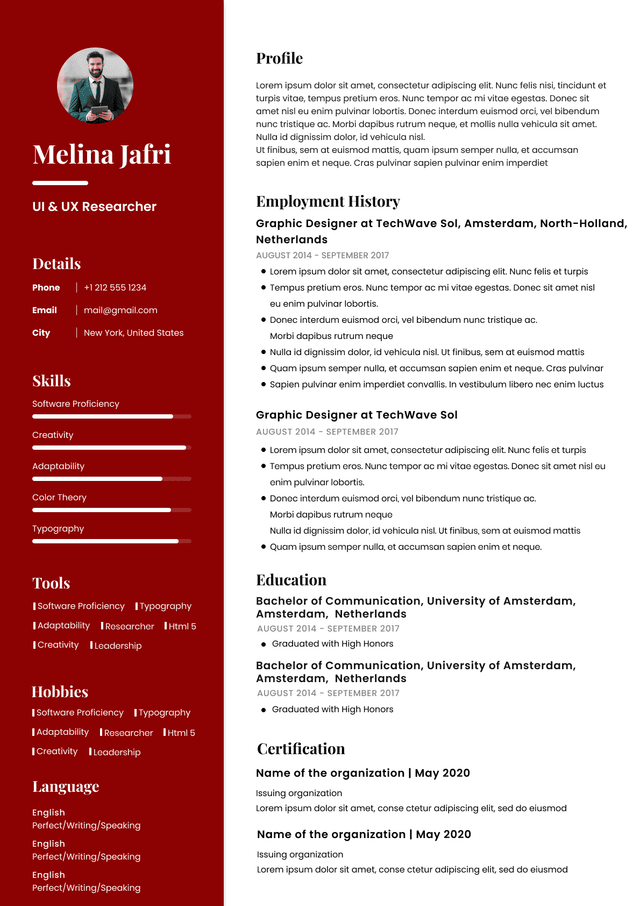
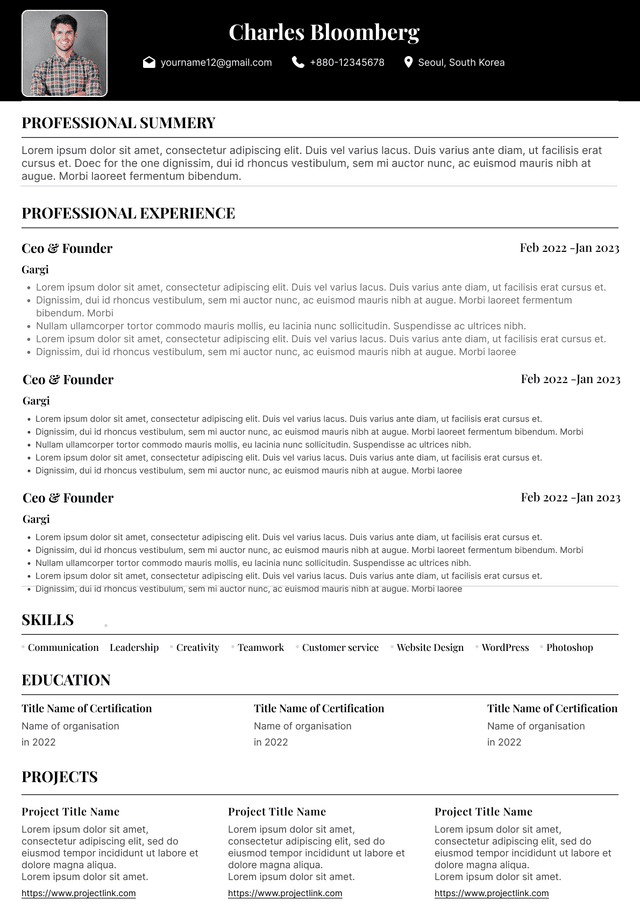
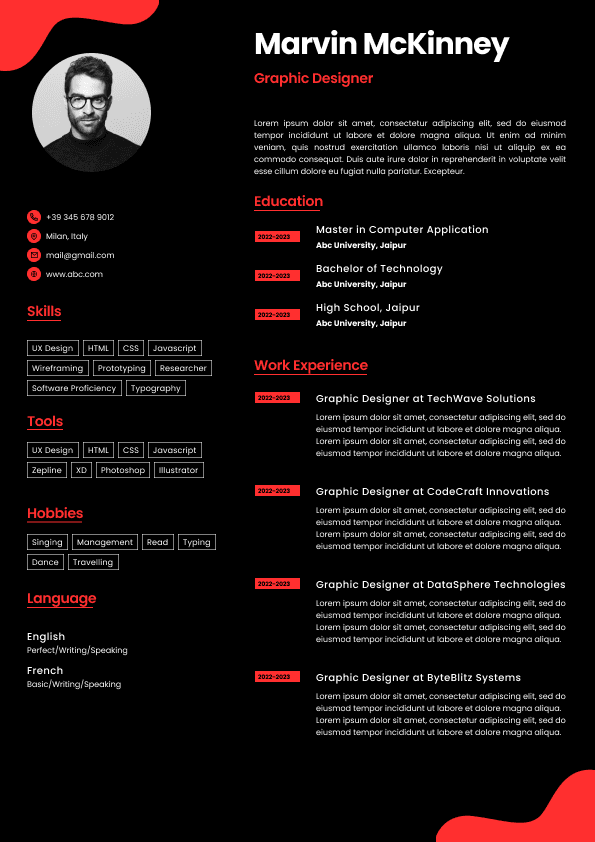
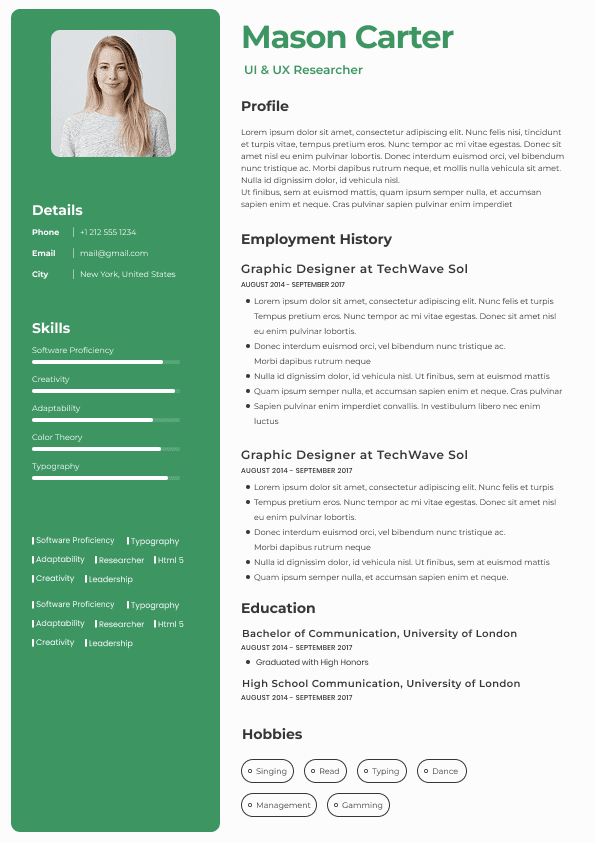
Choose from a wide range of NEWCV resume templates and customize your NEWCV design with a single click.
FAQ
If you’re switching into JavaScript development from another career, your resume has one job: prove you can build software that solves real problems.
Hiring managers do not expect career changers to compete with senior engineers on years of experience. What they do expect is evidence of technical ability, problem-solving, and the ability to contribute to a development team. That means your resume must focus heavily on JavaScript projects, deployed applications, GitHub activity, technical skills, and transferable business value from your previous career.
Most career-change resumes fail because they read like “someone trying to become a developer.” Strong resumes read like “a developer who also brings additional business expertise.”
That positioning difference matters.
A good JavaScript career-change resume:
Leads with technical skills and projects
Demonstrates hands-on coding ability
Shows practical use of JavaScript frameworks and tools
Translates previous experience into relevant engineering value
Most recruiters spend less than 10 seconds on the initial resume scan. For career changers, they are looking for three specific signals immediately:
This is the single biggest factor.
Recruiters want evidence that you can actually build things using modern JavaScript technologies.
That includes:
JavaScript projects
React applications
Node.js APIs
GitHub repositories
Portfolio websites
Database integrations
For most career changers, the traditional chronological resume format is weak because unrelated work history dominates the page.
A stronger structure is:
Focus on:
JavaScript development skills
Technologies
Projects
Previous domain expertise
Technical strengths
This section should appear near the top.
This is often more important than work history for career changers.
Your summary should immediately reposition you as a JavaScript developer, not someone “hoping to become one.”
“Motivated professional seeking an opportunity to transition into web development.”
Why this fails:
Sounds uncertain
Focuses on desire instead of capability
Provides no technical proof
Generic and forgettable
“JavaScript developer with hands-on experience building responsive React and Node.js applications, including REST API integrations, authentication workflows, and interactive dashboards. Former operations analyst bringing strong process automation, analytical problem-solving, and stakeholder communication experience. Active GitHub contributor with multiple deployed full-stack projects.”
Why this works:
For career changers, projects are often the deciding factor.
Many recruiters will review your projects before reading your work history.
Your projects section should include:
Project title
Technologies used
Business purpose
Technical complexity
GitHub link
Live demo link
Key accomplishments
Inventory Dashboard Application
React, Node.js, Express, PostgreSQL
Built a full-stack inventory management platform with role-based authentication and REST API architecture
Developed dynamic dashboard visualizations using Chart.js and JavaScript data processing
Reduced page load time by 38% through lazy loading and component optimization
Implemented responsive mobile-first UI with accessibility best practices
Deployed application using Vercel and Render with CI/CD integration
GitHub: github.com/example
Your technical skills section must align with real hiring searches and ATS keyword filters.
Strong JavaScript resume keywords include:
JavaScript
TypeScript
React
Node.js
Express.js
HTML5
CSS3
This is where most career-change resumes either become powerful or collapse completely.
Do not copy old job descriptions unrelated to development.
Instead, translate your experience into engineering-relevant strengths.
Relevant transferable skills:
Troubleshooting
Technical documentation
User support
Systems understanding
Debugging mindset
Resolved complex technical issues across enterprise software environments
Documented workflows and technical processes for cross-functional teams
You do not need professional developer experience to get interviews.
But you do need professional-level evidence.
That means:
Real projects
Real GitHub activity
Real technical understanding
Real deployment experience
The mistake many candidates make is over-emphasizing the absence of experience.
Never write:
“Junior with no experience”
“Aspiring developer”
For career changers, GitHub is often treated as proof-of-work.
A strong GitHub profile can offset lack of professional experience.
Hiring managers look for:
Consistent commits
Clean documentation
Project organization
Readable code
Deployment links
Technical complexity
Active learning
Your previous career matters only when it supports your transition story.
A recruiter hiring for JavaScript development does not need five bullets about retail inventory counts from eight years ago.
Prioritize relevance.
If recruiters cannot quickly identify your technical stack, you lose attention immediately.
Technical skills should be highly visible near the top.
Generic statements destroy credibility.
Avoid phrases like:
Passionate developer
Hard-working team player
Fast learner
Seeking opportunity
These phrases add no hiring value.
Strong resumes show outcomes.
“Worked on frontend applications.”
“Built responsive React interfaces that improved mobile engagement and reduced bounce rate by 22%.”
Specificity increases credibility.
One strong project is better than six weak tutorial clones.
Recruiters care more about:
Complexity
Problem-solving
Architecture
Deployment
Usability
than project quantity.
Applicant Tracking Systems primarily scan for:
Technical keywords
Relevant job titles
Skills alignment
Project technologies
Resume structure
This means your resume should naturally include terms like:
JavaScript
React
Node.js
Yes, when relevant and recent.
Good examples:
JavaScript bootcamps
Full-stack web development programs
React certifications
Frontend development certifications
AWS foundational certifications
But certifications alone do not get interviews.
Projects matter far more.
Recruiters often rank candidate evidence like this:
Real projects
Many candidates underestimate how valuable business context can be.
A former finance professional applying to fintech companies may have a major advantage.
A healthcare professional transitioning into development may understand patient workflow systems better than traditional developers.
A marketer may understand analytics implementation and conversion optimization deeply.
This is called domain leverage.
Career changers who combine:
Technical ability
Industry expertise
Communication skills
Business understanding
can become highly attractive candidates faster than traditional junior developers.
The strongest strategy is:
Position yourself as a JavaScript developer immediately.
Use projects, GitHub, and deployed apps.
Only include transferable value.
Show active learning and practical application.
Show measurable results whenever possible.
The goal is not convincing recruiters you “want” to become a developer.
The goal is proving you already operate like one.

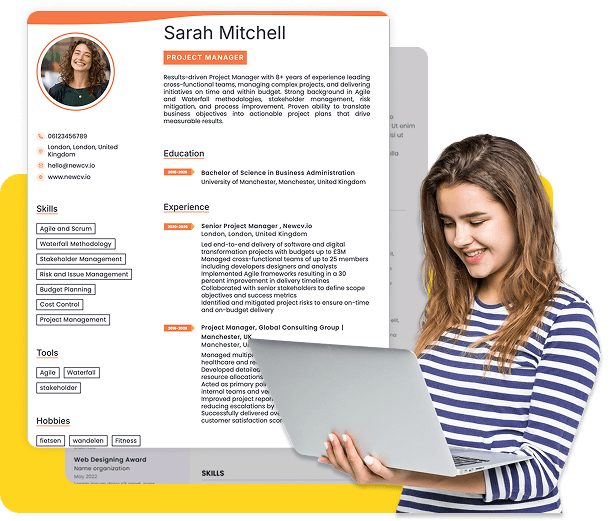
Use ATS-optimised Resume and resume templates that pass applicant tracking systems. Our Resume builder helps recruiters read, scan, and shortlist your Resume faster.

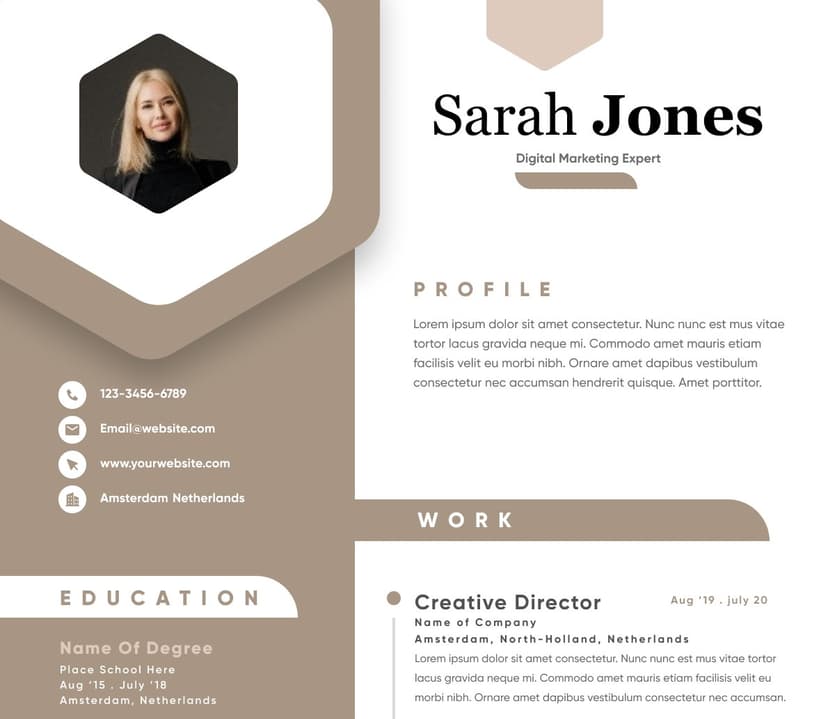
Use professional field-tested resume templates that follow the exact Resume rules employers look for.
Create Resume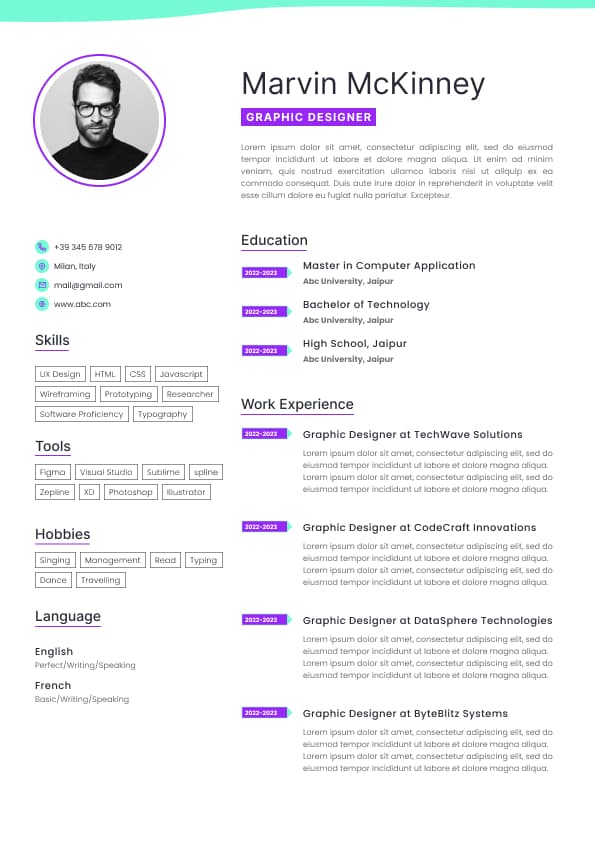
Use professional field-tested resume templates that follow the exact Resume rules employers look for.
Create ResumeIncludes proof through GitHub, live demos, and applications
Uses recruiter-friendly keywords for ATS systems
Avoids sounding like a beginner with no professional value
The goal is not to hide your previous career. The goal is to reframe it as an advantage.
Responsive web applications
Testing tools
API usage
Authentication systems
Deployment platforms
Without technical proof, the resume usually gets rejected regardless of enthusiasm or certifications.
Career changes require effort. Hiring teams want to see sustained investment, not casual interest.
Strong indicators include:
Bootcamp completion
Consistent GitHub commits
Personal projects
Freelance work
Open-source contributions
Technical certifications
Portfolio improvements
Deployed apps
This is where career changers can outperform entry-level candidates.
A former project manager understands stakeholder communication.
A former QA tester understands product quality.
A former teacher understands documentation and structured communication.
A former marketer understands analytics and conversion optimization.
Good hiring managers see this as valuable when positioned correctly.
Place it before unrelated professional experience if your previous jobs are not directly technical.
Translate previous roles into development-relevant value.
Keep concise unless highly relevant.
Leads with development identity
Includes real technologies
Shows project scope
Adds transferable value strategically
Sounds employable immediately
Strong projects solve real problems and demonstrate practical engineering skills.
Good project examples:
E-commerce applications
Task management systems
Analytics dashboards
Booking systems
Portfolio CMS platforms
Authentication-based apps
API-driven applications
Real-time chat applications
Data visualization tools
Weak projects:
Tutorial clones with no modifications
Extremely simple calculators
Generic to-do lists without advanced functionality
Projects with no deployment
Incomplete GitHub repositories
Live Demo: exampleapp.com
This works because it demonstrates:
Real architecture
Performance optimization
Databases
APIs
Deployment
Frontend and backend work
Business relevance
Responsive Design
Tailwind CSS
Redux
Next.js
Accessibility
UI Components
REST APIs
MongoDB
PostgreSQL
MySQL
Firebase
API Development
Authentication
JWT
Git
GitHub
Agile
Jira
Postman
Docker
Vercel
Netlify
Jest
Cypress
React Testing Library
Avoid adding technologies you cannot confidently discuss in interviews.
Recruiters and hiring managers often validate technical claims during screening.
Collaborated with developers and infrastructure teams to diagnose system issues
Relevant transferable skills:
Testing logic
Bug tracking
Product quality
Automation exposure
Edge-case analysis
Executed functional and regression testing across web applications
Identified critical usability and performance issues during release cycles
Collaborated with engineering teams to improve application reliability
Relevant transferable skills:
Agile workflows
Stakeholder communication
Product requirements
Sprint planning
Managed Agile project delivery across cross-functional software teams
Coordinated technical requirements and implementation timelines
Improved workflow efficiency through process optimization initiatives
Relevant transferable skills:
UI/UX
Accessibility
Responsive layouts
Design systems
Designed responsive interfaces aligned with accessibility standards
Collaborated with developers on component-based UI implementation
Improved user engagement through conversion-focused design improvements
“Looking for my first chance”
Instead:
Show technical capability
Show business impact
Show learning momentum
Show practical implementation
Recruiters hire confidence backed by evidence.
Empty repositories
Broken applications
No README files
Only tutorial projects
Inconsistent activity
No deployment links
Multiple completed projects
Clear documentation
Real application use cases
Meaningful commit history
Modern stack usage
Organized code structure
Your resume should absolutely include:
GitHub URL
Portfolio website
LinkedIn profile
Live demos when available
APIs
SQL
Git
Agile
Responsive Design
Frontend Development
Backend Development
RESTful APIs
TypeScript
Do not keyword stuff.
Use keywords naturally inside:
Skills
Projects
Achievements
Technical descriptions
Practical experience
GitHub activity
Technical interviews
Certifications
Certifications support credibility. They do not replace technical proof.



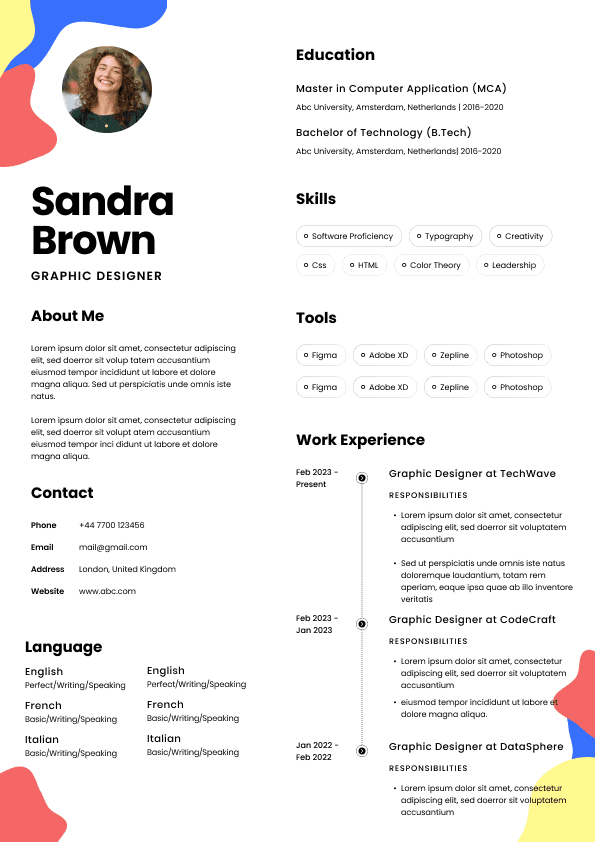
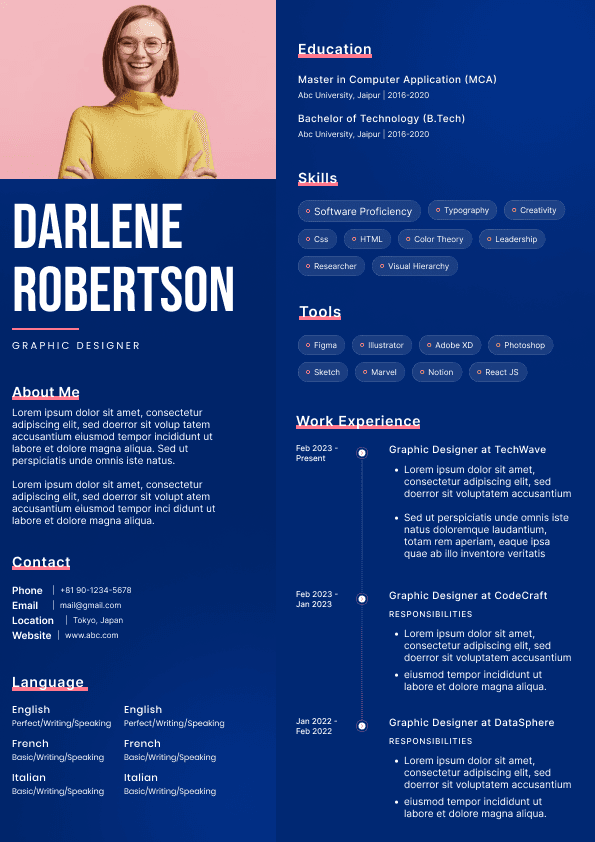
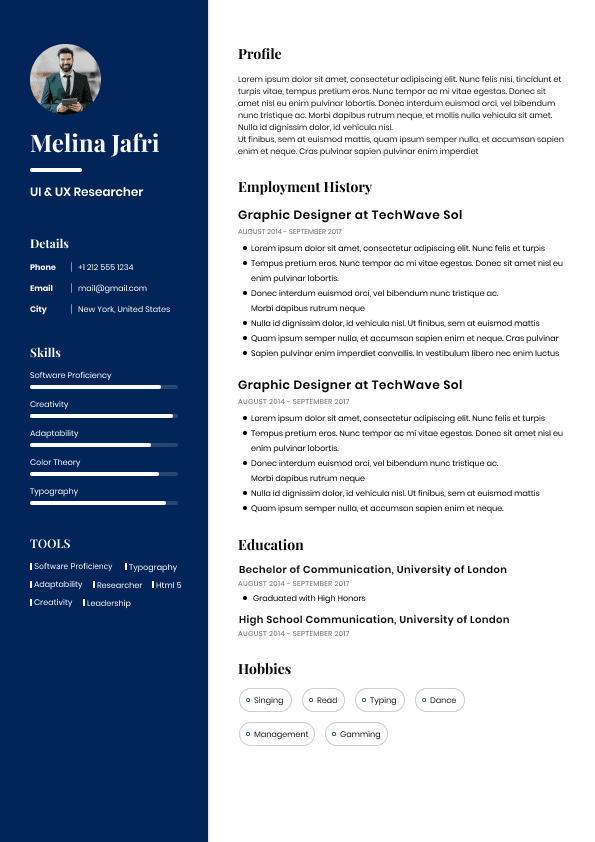
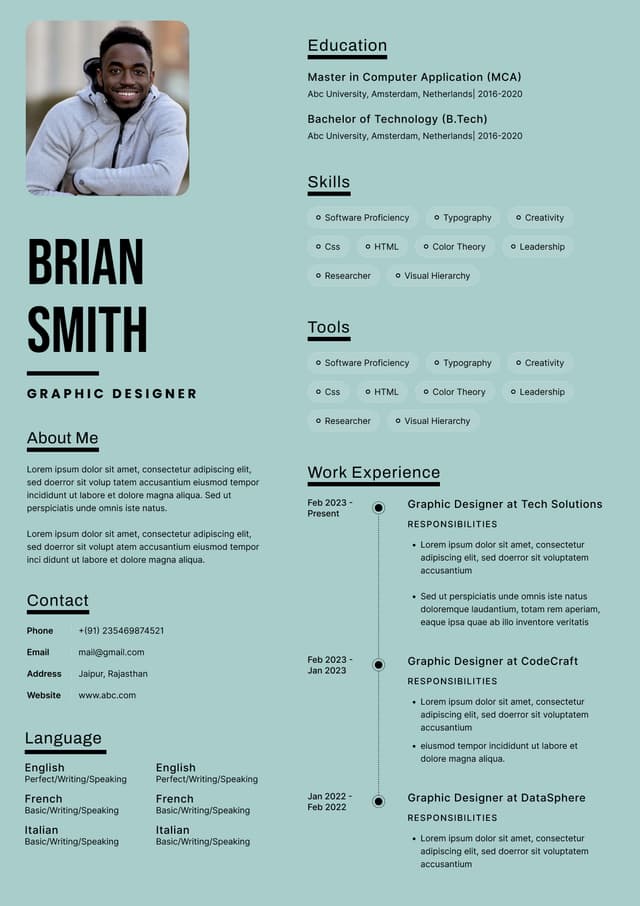

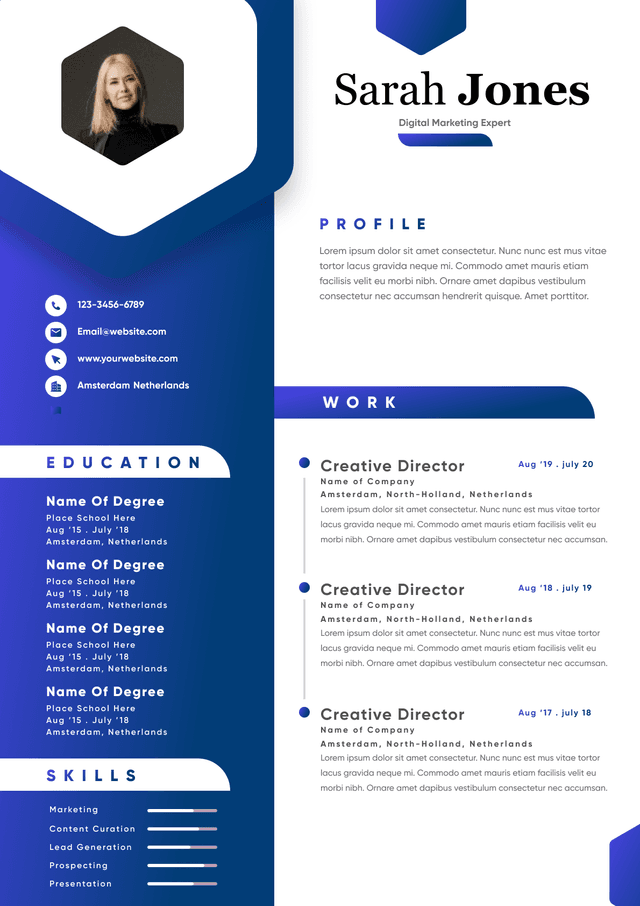
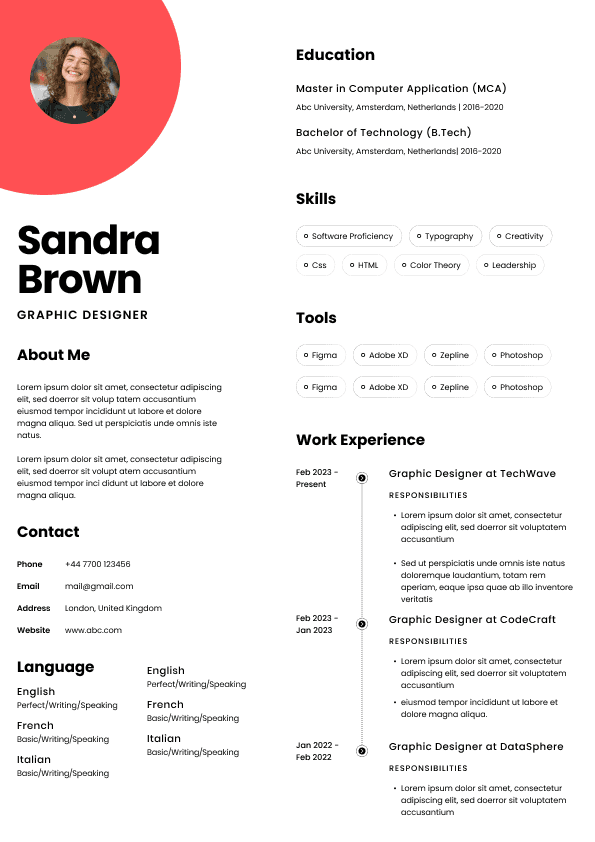
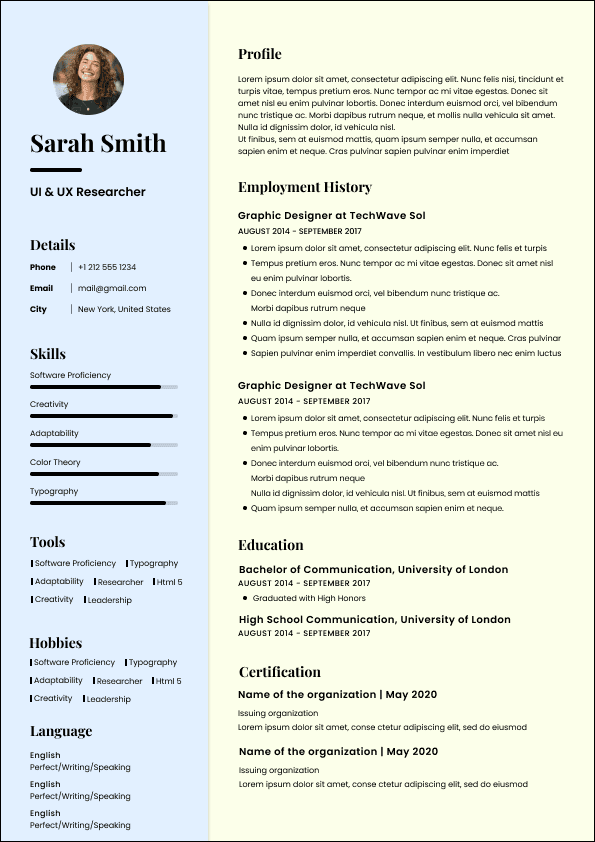
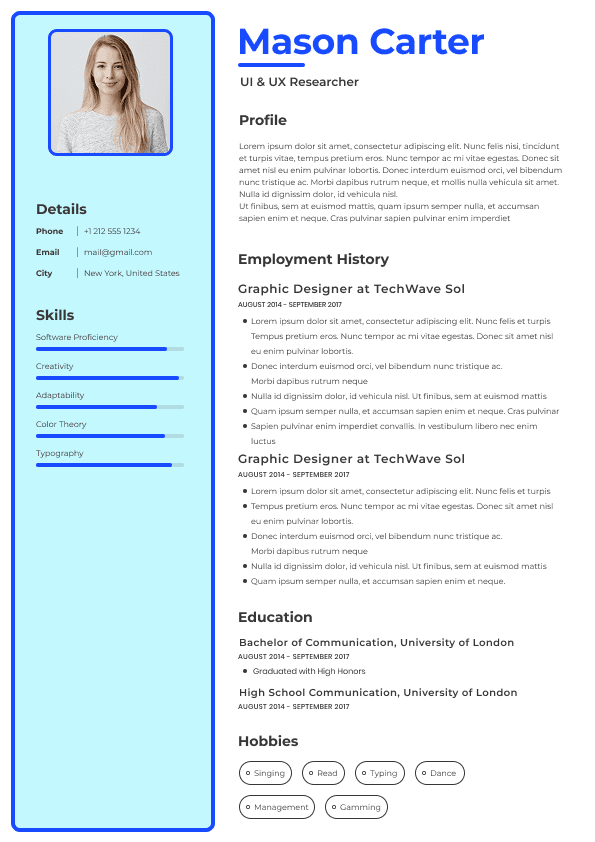
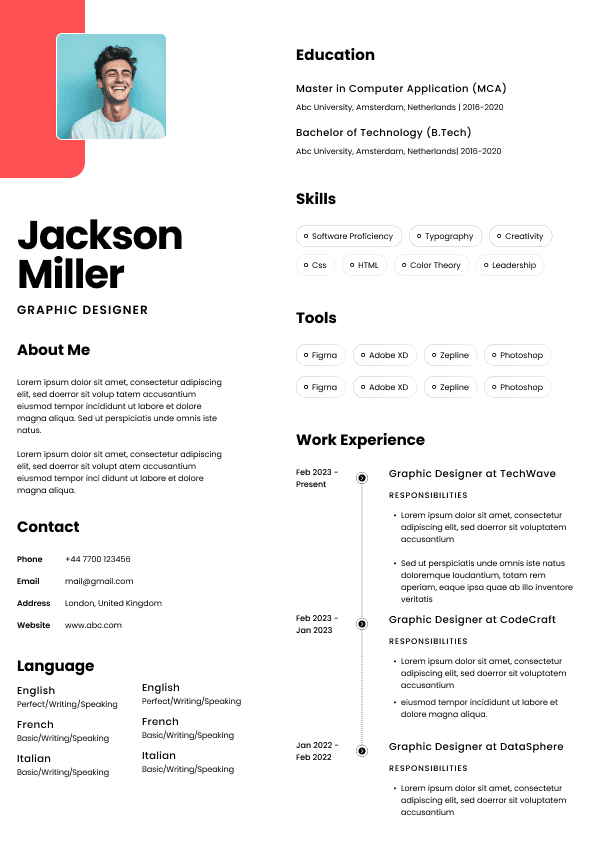
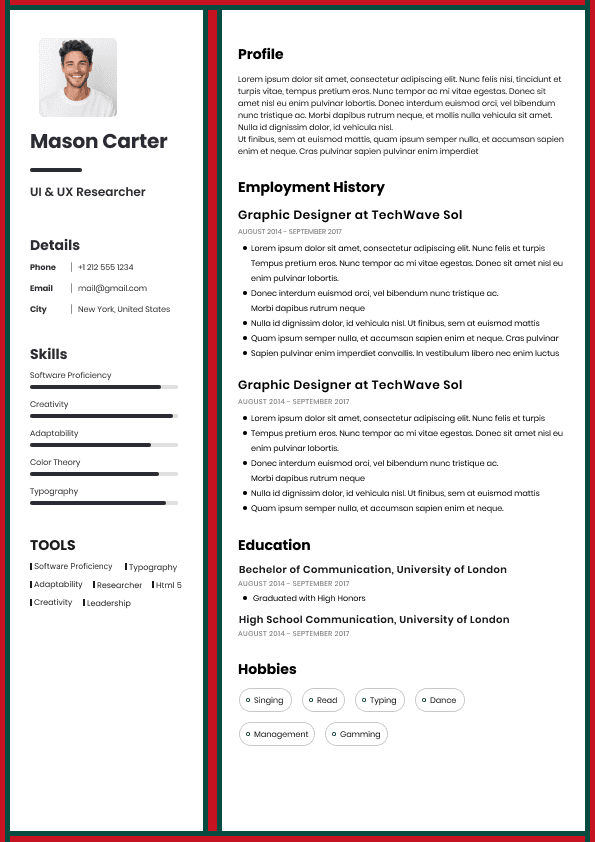
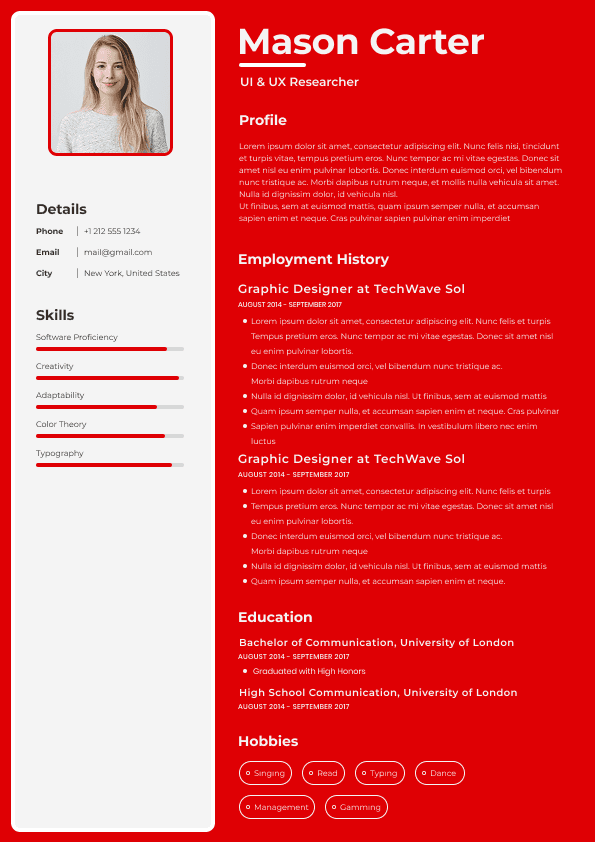
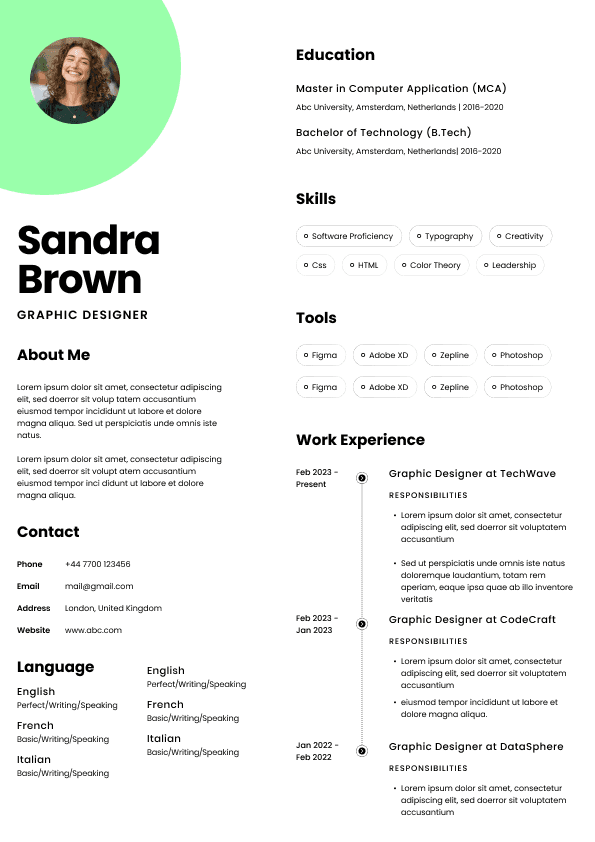
 Upload Resume
 Import from Linkedin