STILL APPLYING. STILL HEARING NOTHING?BUILD YOUR RESUME

STILL APPLYING. STILL HEARING NOTHING?BUILD YOUR RESUME
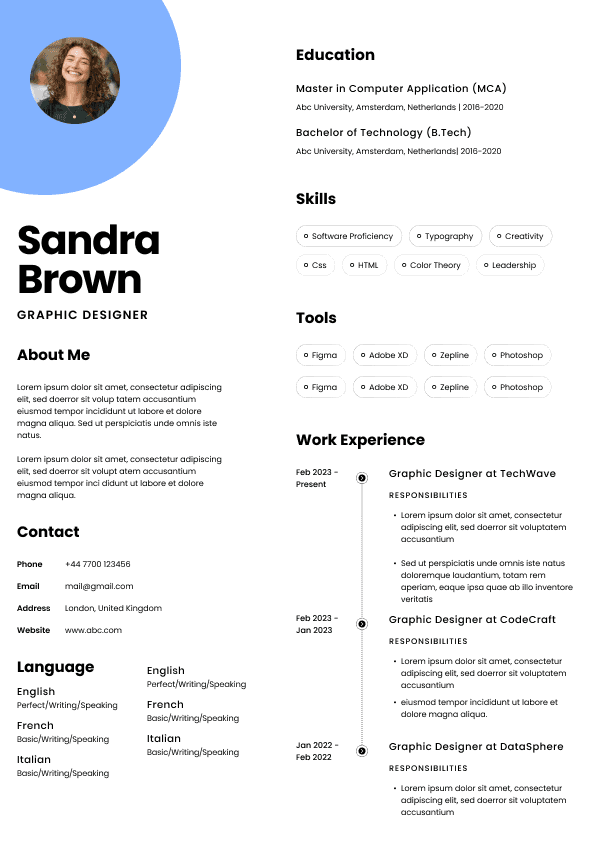
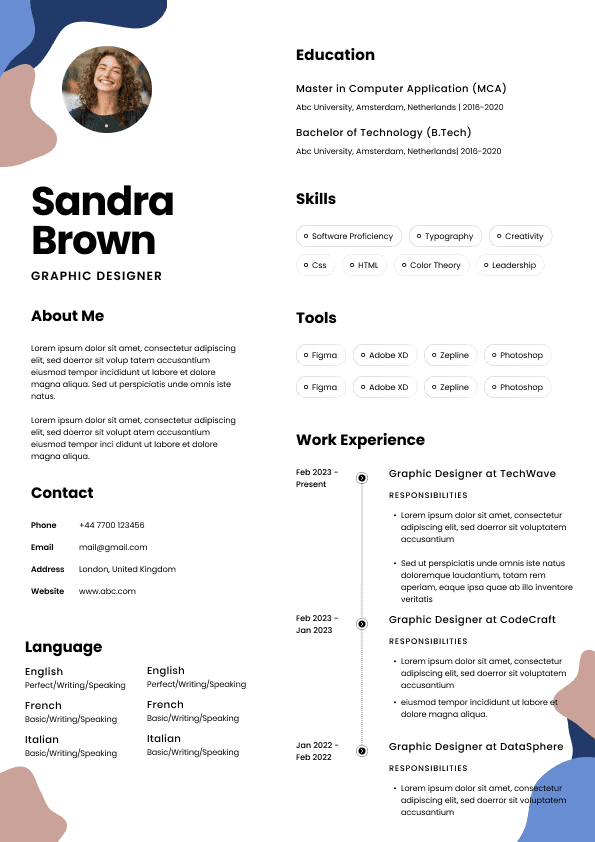
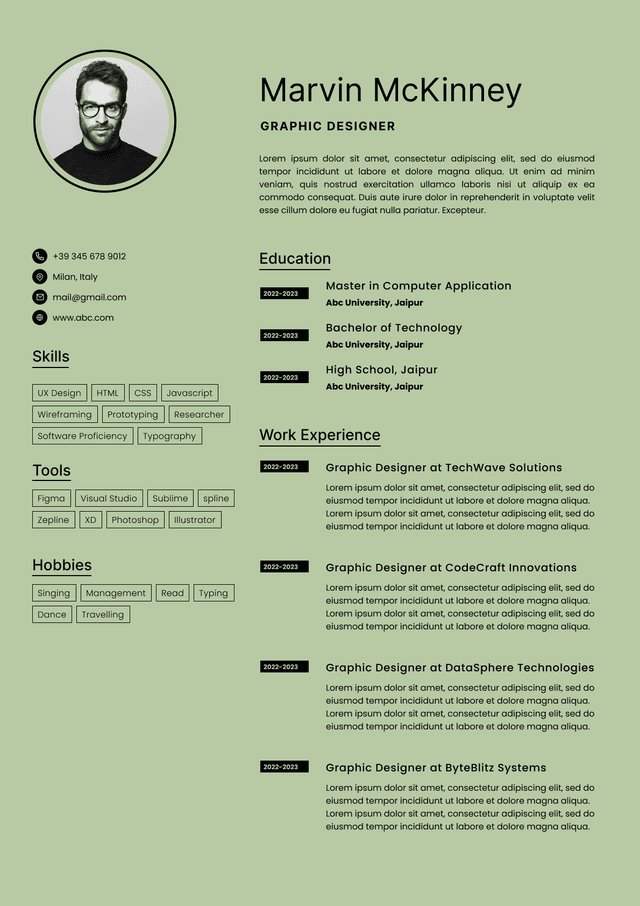
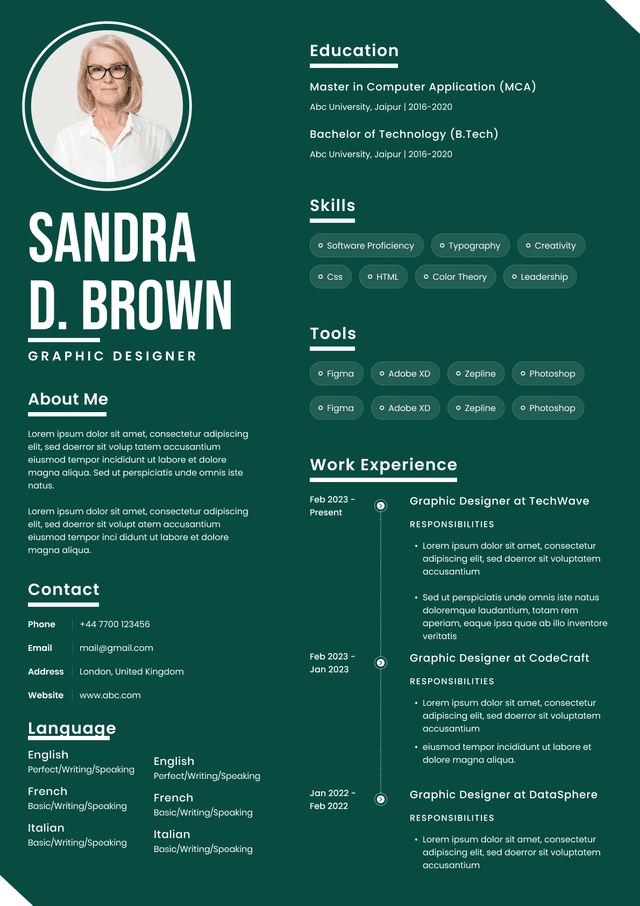
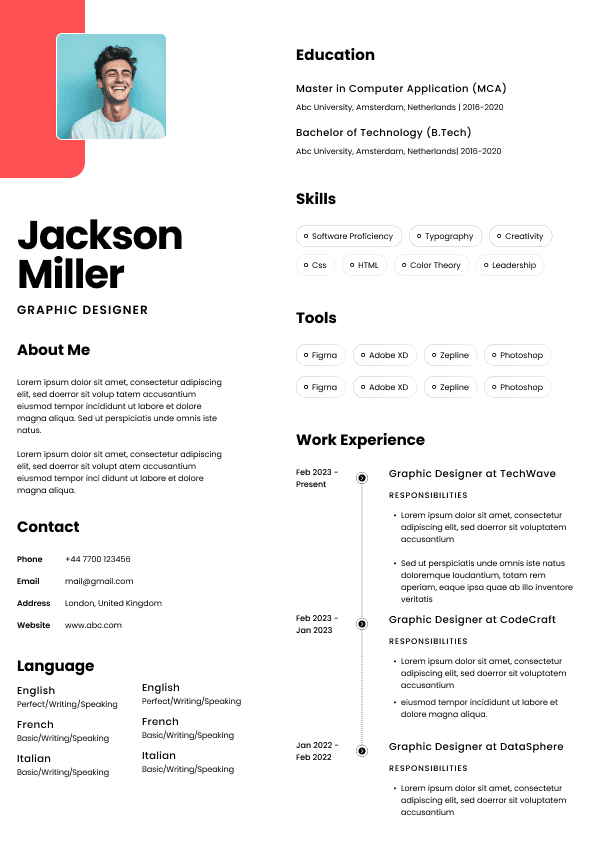
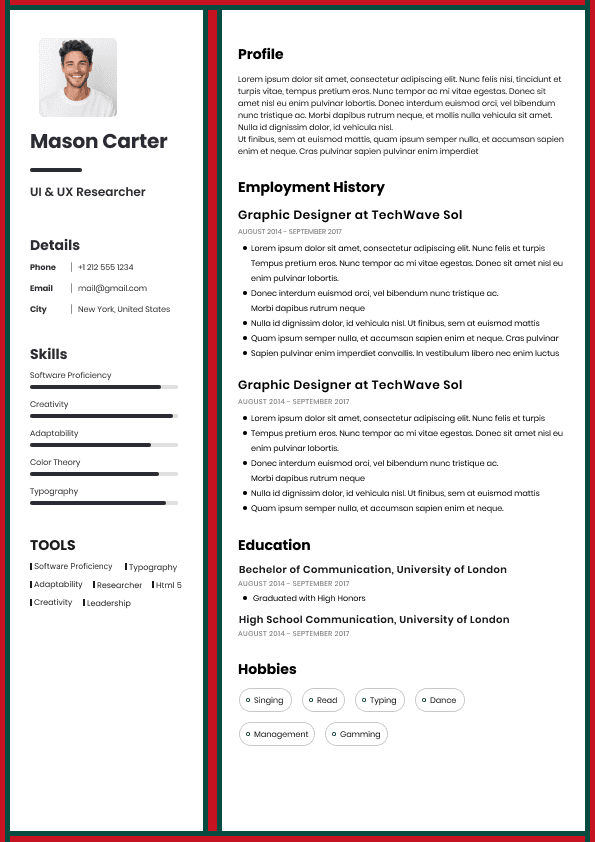
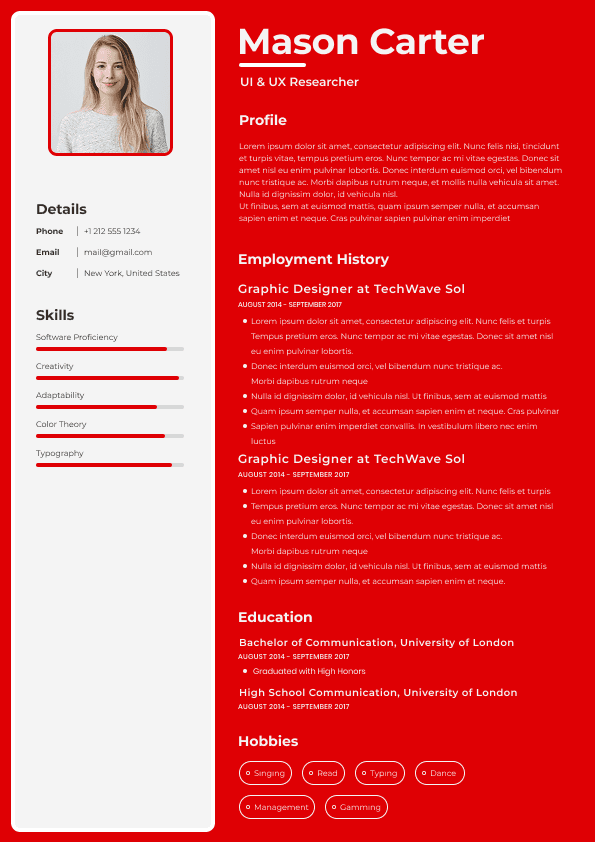
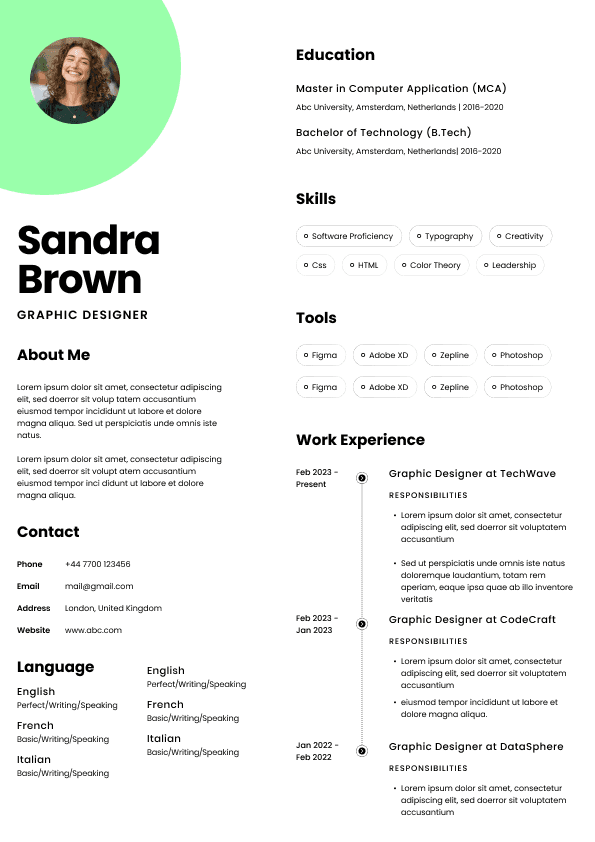
Choose from a wide range of NEWCV resume templates and customize your NEWCV design with a single click.
FAQ


A career gap does not automatically disqualify you from JavaScript developer jobs. What matters most to recruiters and hiring managers today is whether your skills are current, whether you can contribute to a modern engineering team, and whether your resume shows recent technical activity.
Most rejected resumes with employment gaps fail for one of three reasons: outdated JavaScript stacks, no proof of recent coding work, or unclear positioning. Employers are not just evaluating the gap itself. They are evaluating risk. They want evidence that you can step into a React, TypeScript, Node.js, or Next.js environment and contribute without a long ramp-up period.
The strongest JavaScript developer resumes for workforce re-entry focus heavily on recent projects, GitHub activity, certifications, modern frontend frameworks, problem-solving ability, and clear explanations of career transitions without sounding defensive. If your resume proves technical readiness and current market relevance, the employment gap becomes far less important.
Most recruiters do not reject candidates simply because they took time away from work. That is especially true after the major workforce shifts of the last several years.
What creates concern is when a resume gives no evidence that the candidate stayed technically current.
A hiring manager reviewing JavaScript resumes is typically asking:
Can this person work in a modern JavaScript environment today?
Are they familiar with current frontend architecture and tooling?
Have they used React, TypeScript, testing frameworks, CI/CD, or cloud deployment recently?
Will onboarding take weeks or months?
Can they collaborate effectively with current engineering teams?
The gap itself is usually secondary.
A candidate with a three-year employment gap but active GitHub projects, deployed applications, recent certifications, and updated frontend skills often performs better than a candidate with continuous employment but outdated JavaScript experience.
Recruiters can spot timeline manipulation immediately.
Trying to disguise employment gaps by removing dates or using vague formatting often creates distrust. Transparency with strategic positioning works far better.
One of the fastest ways to get screened out is showing a stack frozen in time.
If your resume focuses heavily on:
jQuery
Backbone.js
AngularJS
Old ES5 patterns
Legacy PHP frontend integrations
without showing modern technologies, recruiters may assume your skills are outdated.
Even if you previously had strong engineering experience, employers want evidence of current technical capability.
This is the single biggest issue for workforce re-entry candidates.
If your last technical experience ended years ago and your resume shows no recent learning, projects, or coding activity, recruiters may assume your skills have deteriorated.
Modern JavaScript hiring heavily favors demonstrable capability.
Strong workforce re-entry resumes emphasize:
Recent React or full stack JavaScript projects
TypeScript adoption
GitHub repositories
Deployed portfolio applications
Testing frameworks like Jest or Cypress
API integration work
Modern frontend tooling
Cloud deployment familiarity
Problem-solving and ownership
Continued technical learning
The resume must answer this question clearly:
“Can this candidate contribute to a modern JavaScript engineering team right now?”
The most effective approach is not to over-explain the gap.
Instead:
Briefly acknowledge it
Position it positively
Redirect attention toward current readiness
Your resume should spend far more space proving current technical value than discussing the employment gap itself.
Good explanations are short, factual, and confidence-driven.
Good Example
“Career transition period focused on advanced JavaScript training, full stack application development, and family responsibilities.”
Good Example
“Took planned time away from full-time employment for caregiving responsibilities while continuing technical education and freelance development projects.”
Weak Example
“Struggled to find work after layoffs and personal issues.”
The goal is not emotional storytelling. The goal is risk reduction.
For most JavaScript developers returning to the workforce, a hybrid resume format works best.
This structure emphasizes skills and recent technical activity before detailed work chronology.
Recommended structure:
Professional summary
Technical skills
Recent projects
Certifications and training
Professional experience
Education
GitHub and portfolio links
This format immediately shows current technical relevance before recruiters focus on timelines.
Your summary section should immediately position you as technically current and actively engaged in development work.
JavaScript Developer with experience building responsive web applications using React, TypeScript, Node.js, and modern frontend tooling. Recently completed full stack portfolio projects focused on API development, testing automation, performance optimization, and AWS deployment. Known for strong debugging skills, UI quality, and collaborative problem-solving within Agile engineering environments.
This works because it:
Focuses on present capability
Uses modern technologies
Shows active technical engagement
Avoids apologizing for the gap
Sounds recruiter-friendly and current
For candidates with employment gaps, projects often matter more than previous job history.
This is where many resumes either succeed or fail.
A weak project section looks academic or tutorial-based.
A strong project section demonstrates practical engineering capability.
Hiring managers want evidence of:
Real frontend architecture
State management
API integration
Testing
Deployment workflows
Responsive UI implementation
Debugging ability
Performance optimization
Clean code structure
Modern JavaScript resumes should ideally include several of these:
JavaScript ES6+
TypeScript
React
Next.js
Node.js
Express
PostgreSQL
MongoDB
Docker
AWS
You do not need every technology listed above. But your resume should clearly demonstrate exposure to a modern development ecosystem.
Good Example
“Built and deployed a full stack React and Node.js application with PostgreSQL integration, JWT authentication, Docker containerization, and AWS hosting.”
Why this works:
Sounds production-oriented
Includes backend architecture
Shows deployment knowledge
Demonstrates modern tooling
Good Example
“Developed a Next.js frontend application focused on accessibility, responsive design, SEO optimization, and frontend performance improvements using Lighthouse benchmarks.”
This signals:
Advanced frontend awareness
UI quality focus
Real engineering concerns
Good Example
“Implemented automated frontend testing workflows using Jest and Cypress to improve application stability and reduce regression issues.”
Testing experience strongly improves credibility because many junior or returning candidates ignore it.
Freelance work can significantly strengthen a resume gap strategy.
Even smaller freelance projects help establish:
Continued technical activity
Client communication
Delivery ownership
Practical development experience
Do not undervalue freelance work simply because it was part-time or contract-based.
Freelance JavaScript Developer | Remote
2023–Present
Built responsive React applications for small business clients
Developed reusable frontend UI components using TypeScript and Tailwind CSS
Integrated third-party APIs and payment systems
Improved page performance and mobile responsiveness across client websites
This positions you as actively engaged in professional work instead of inactive.
Many strong candidates damage their resumes by trying to hide stay-at-home parenting periods.
This is unnecessary.
Recruiters increasingly view caregiving responsibilities as normal career realities.
The key is balancing transparency with professional positioning.
You can either:
or
Career Development & Family Care Period
2021–2024
Completed advanced coursework in React, TypeScript, Node.js, and cloud deployment
Built portfolio applications using Next.js, PostgreSQL, and AWS
Contributed to open-source frontend projects through GitHub
This reframes the period around growth and capability rather than absence.
Age concerns in tech hiring are real, even when employers do not openly discuss them.
The biggest risk is appearing technically outdated.
The best strategy is not trying to appear younger. It is demonstrating technical relevance combined with engineering maturity.
Older JavaScript developers should emphasize:
Problem-solving
Ownership
Mentorship
Communication
Debugging expertise
Architecture thinking
Cross-functional collaboration
while still proving modern stack familiarity.
Active GitHub contributions
Modern frontend projects
TypeScript experience
Cloud deployment exposure
CI/CD familiarity
Strong portfolio presentation
Excessive focus on technologies from 10 to 15 years ago
Very long resume histories
Obsolete tools dominating the skills section
Lack of modern frontend frameworks
A two-page resume focused on the most relevant recent technical experience usually performs better than a five-page career history.
Certifications alone will not overcome an employment gap.
But strategic certifications can reinforce technical credibility.
The most useful certifications are tied directly to practical engineering skills.
AWS Certified Cloud Practitioner
Meta Front-End Developer Certificate
JavaScript Algorithms and Data Structures certifications
React-focused bootcamps with deployed portfolio work
Full stack JavaScript development programs
TypeScript-focused advanced frontend training
Certifications help most when paired with visible projects and GitHub activity.
For workforce re-entry candidates, GitHub often acts as proof of recency.
Recruiters may not deeply review code, but hiring managers frequently will.
Even basic GitHub activity helps demonstrate:
Continued technical engagement
Familiarity with Git workflows
Real coding activity
Project organization
Commitment to learning
Recent commits
Clear README documentation
Multiple repositories
Deployed project links
Modern stack usage
Consistent coding activity
Empty repositories
Tutorial clones only
No recent activity
Broken projects
No documentation
Your GitHub profile should reinforce your resume narrative.
Returning candidates often write weak, passive bullets.
Strong resume bullets focus on outcomes, ownership, and technical execution.
“Worked on React applications.”
“Built reusable React and TypeScript UI components that improved frontend consistency and reduced duplicate code across multiple application modules.”
“Learned JavaScript frameworks.”
“Completed advanced frontend development projects using React, Next.js, TypeScript, and API integration workflows.”
The difference is specificity and professional framing.
Many returning candidates overload their skills section with every technology they have ever touched.
This creates two problems:
It looks outdated
It weakens positioning
Focus heavily on technologies aligned with current hiring demand.
Languages: JavaScript ES6+, TypeScript, SQL
Frontend: React, Next.js, Redux, Tailwind CSS, HTML5, CSS3
Backend: Node.js, Express, REST APIs
Testing: Jest, Cypress
Tools: Git, GitHub, Docker, Vite, Webpack
Cloud & DevOps: AWS, CI/CD pipelines
Databases: PostgreSQL, MongoDB
This communicates current relevance immediately.
Usually yes, but briefly.
Trying too hard to hide it often creates more suspicion than clarity.
However, the resume should not become a personal explanation document.
One concise line is enough.
The rest of the resume should focus aggressively on present-day capability.
After reviewing thousands of resumes, the strongest returning JavaScript developer candidates consistently do these things well:
Show modern JavaScript skills
Demonstrate recent coding activity
Include portfolio projects
Use strong technical bullet points
Present clean, modern resumes
Emphasize current frameworks and tooling
Demonstrate initiative and ownership
Explain gaps confidently without overexplaining
Most employers are not expecting perfection.
They are looking for evidence that hiring you is low risk.
If your resume proves technical readiness, collaboration capability, and current stack familiarity, the career gap becomes far less important than many candidates assume.
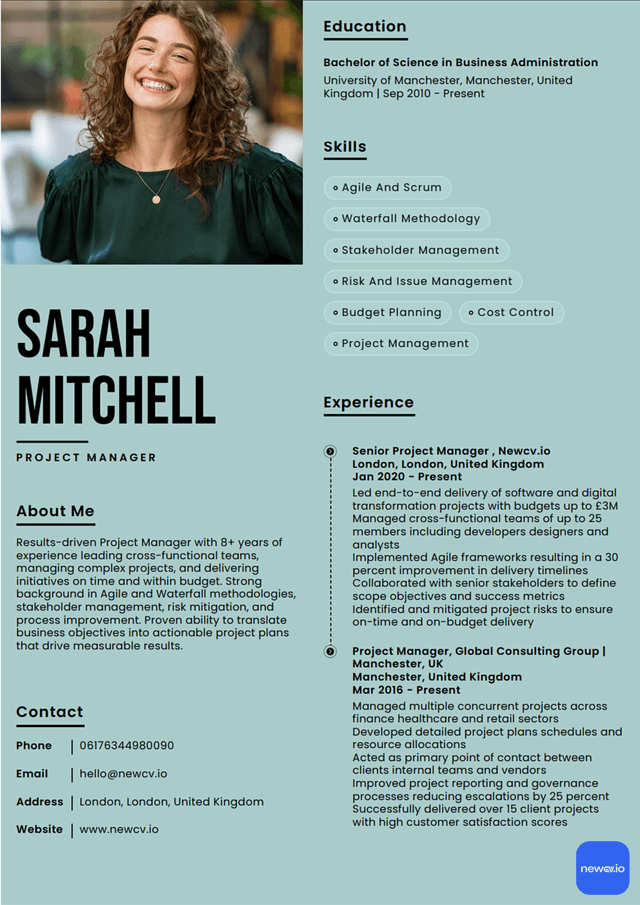
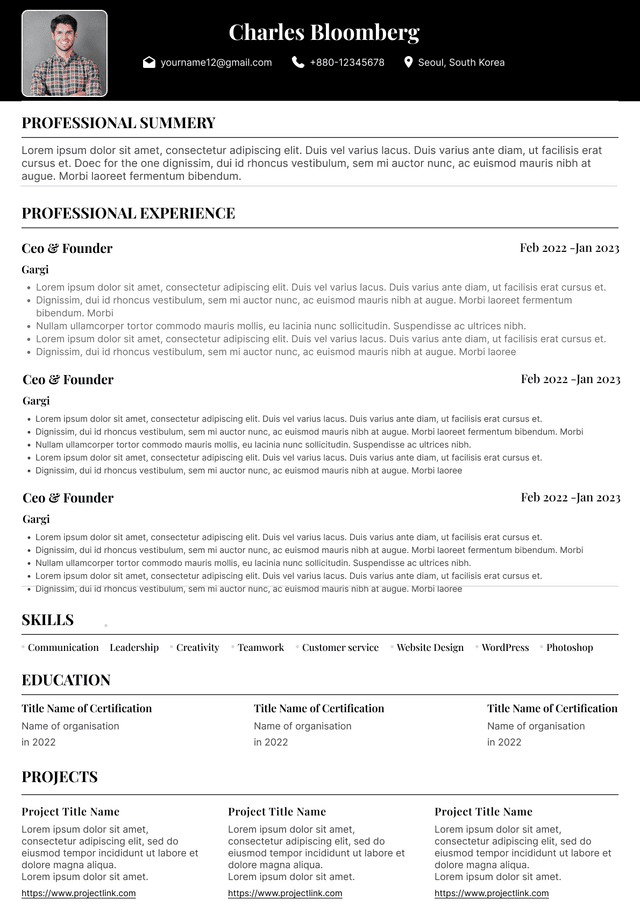
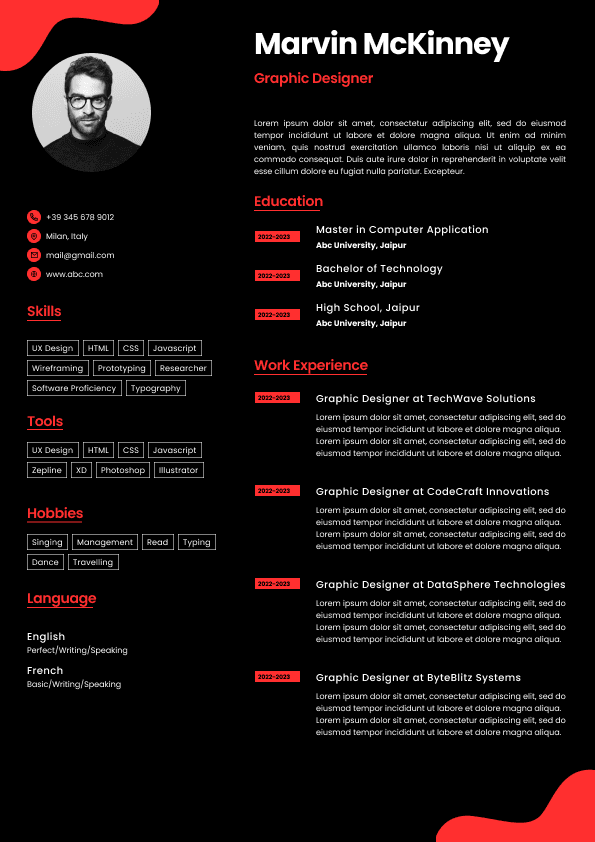
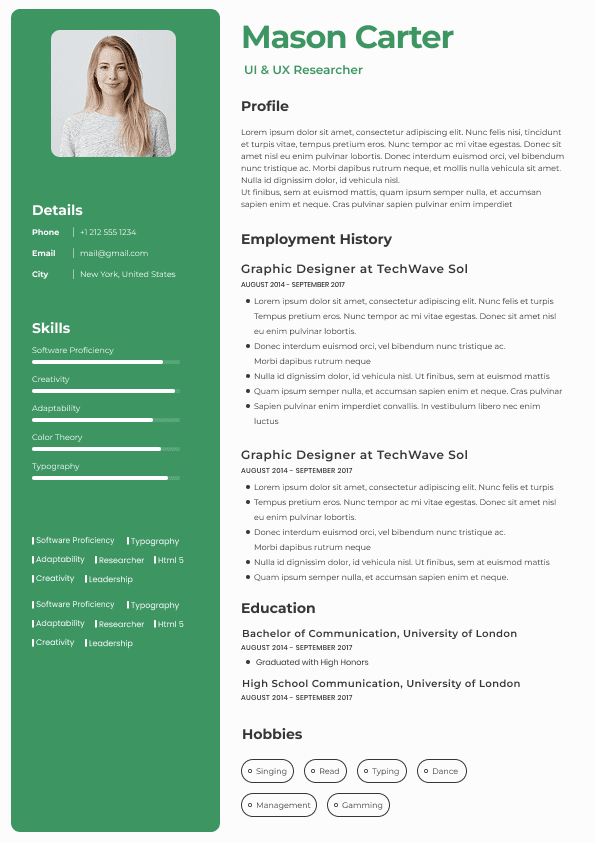
Use ATS-optimised Resume and resume templates that pass applicant tracking systems. Our Resume builder helps recruiters read, scan, and shortlist your Resume faster.

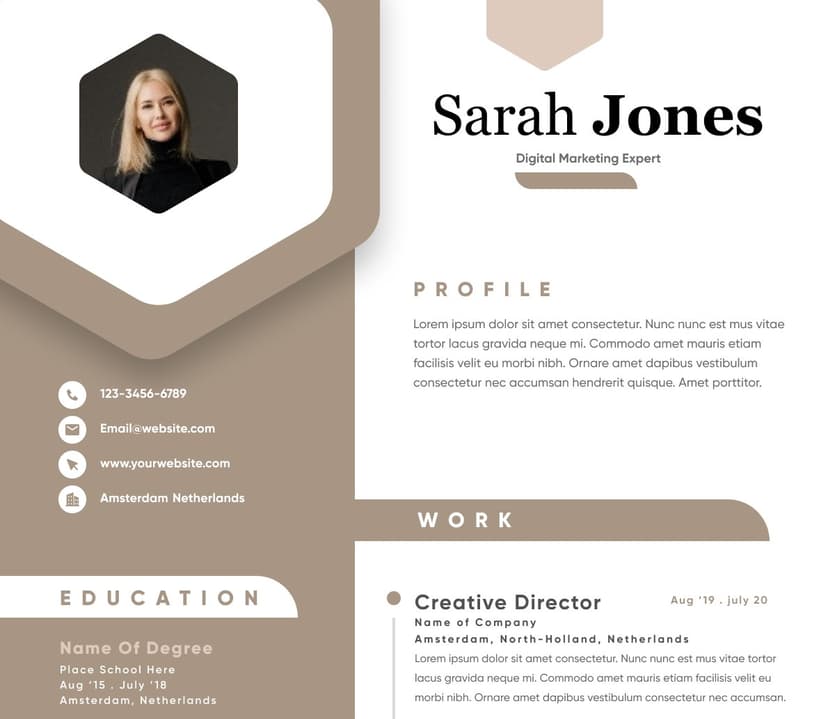
Use professional field-tested resume templates that follow the exact Resume rules employers look for.
Create Resume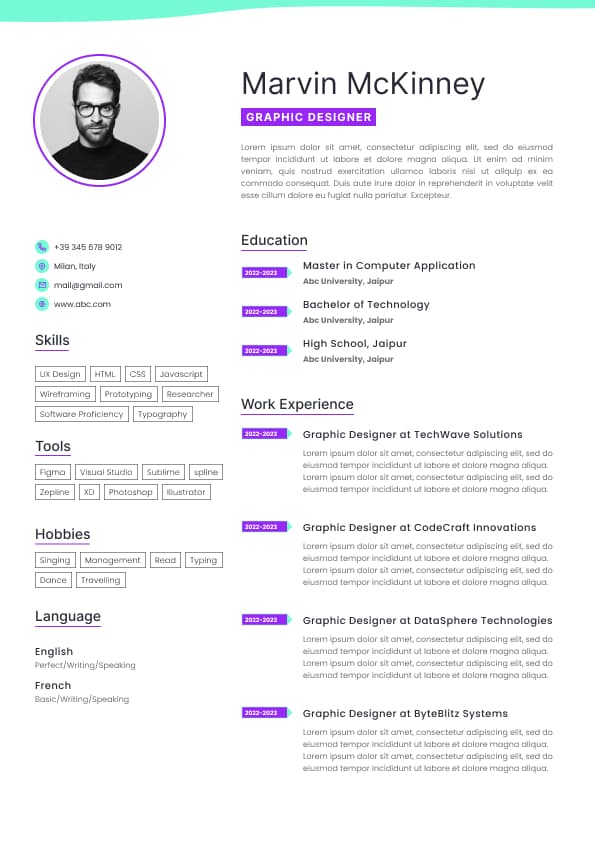
Use professional field-tested resume templates that follow the exact Resume rules employers look for.
Create ResumeVite
Tailwind CSS
Jest
Cypress
GitHub Actions
REST APIs
GraphQL
CI/CD pipelines



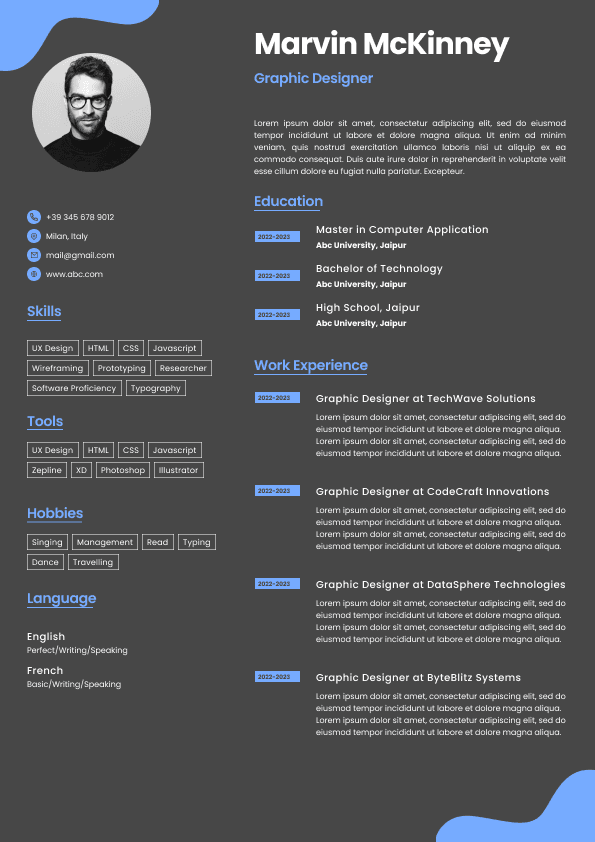
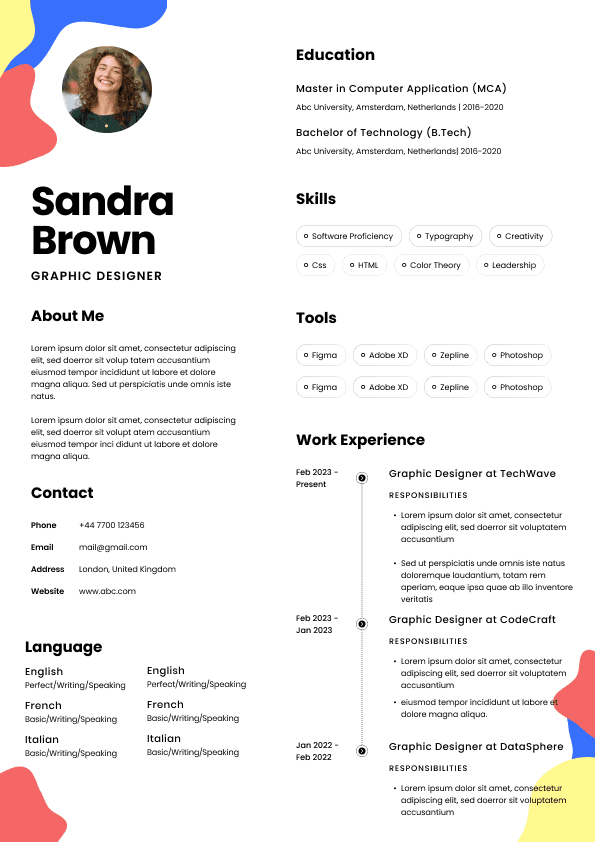
 Upload Resume
 Import from Linkedin