STILL APPLYING. STILL HEARING NOTHING?BUILD YOUR RESUME

STILL APPLYING. STILL HEARING NOTHING?BUILD YOUR RESUME
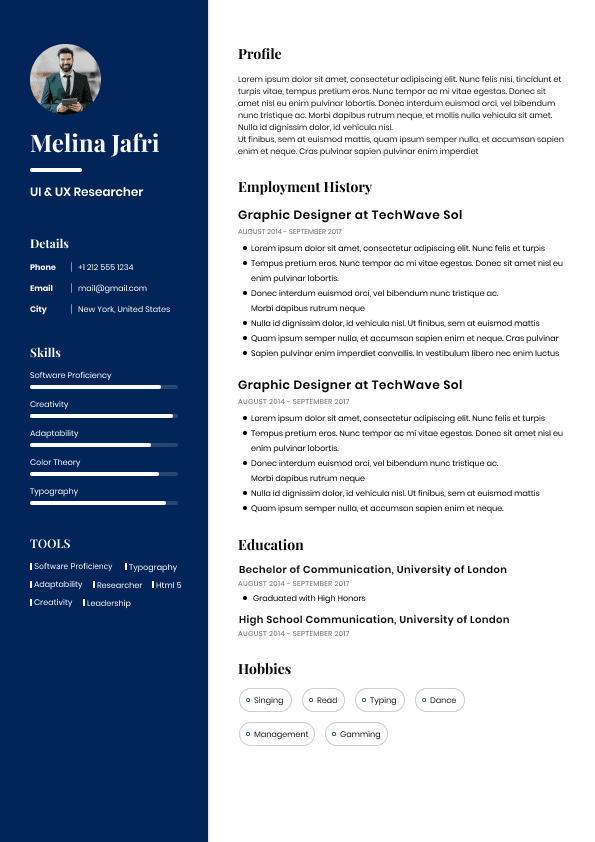
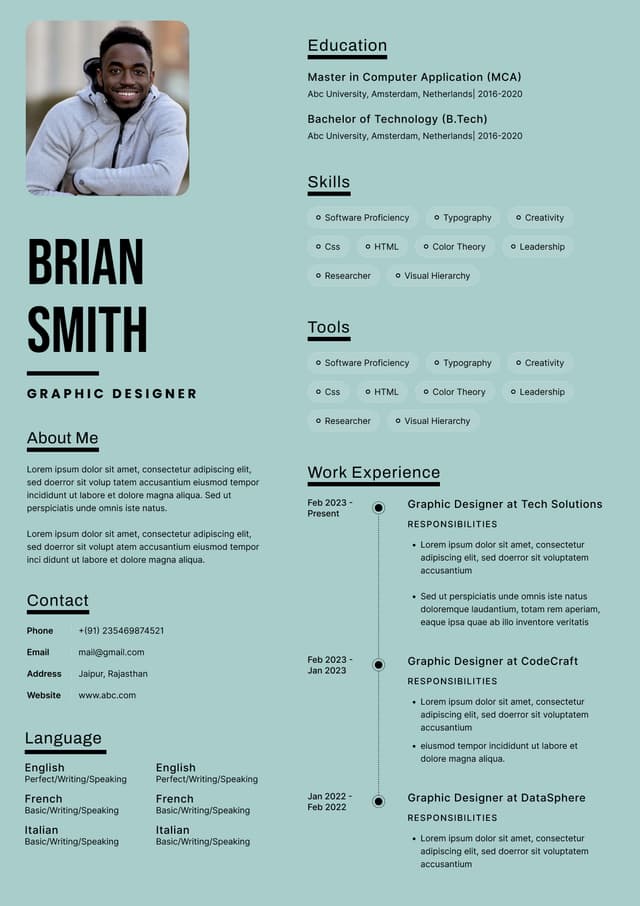
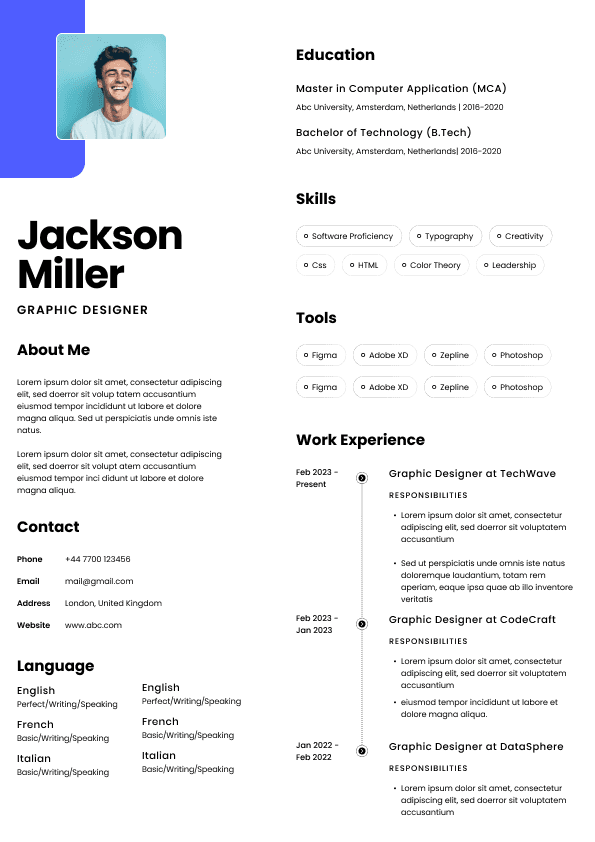
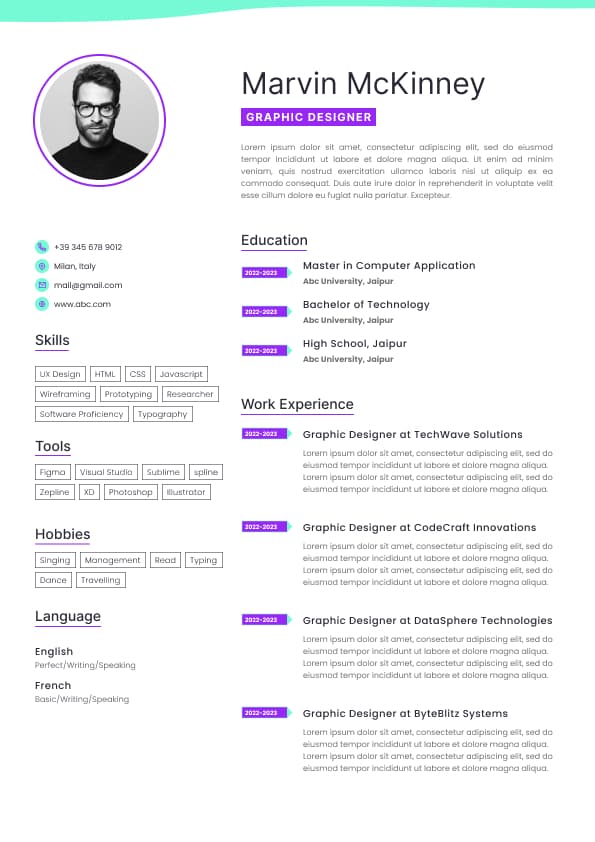
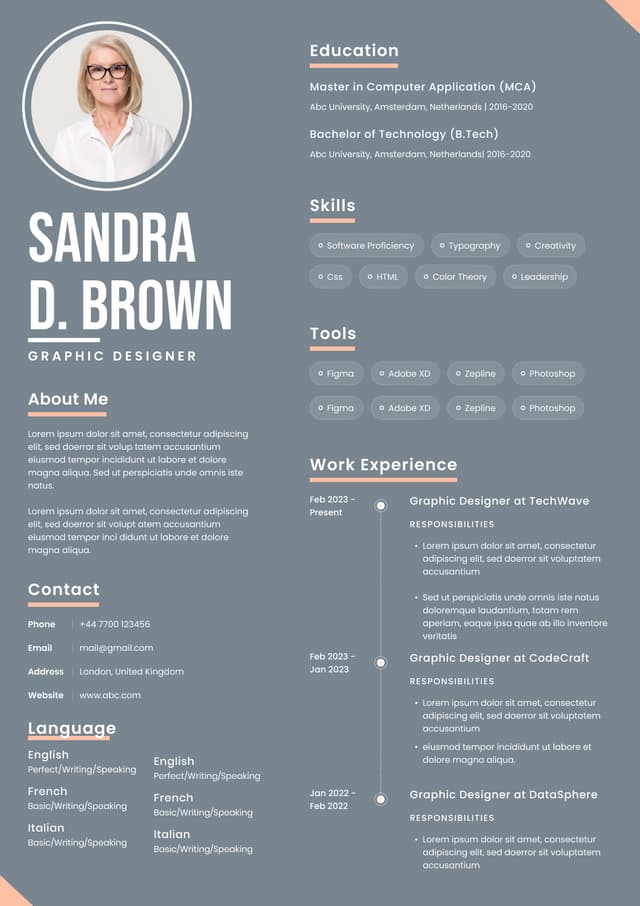
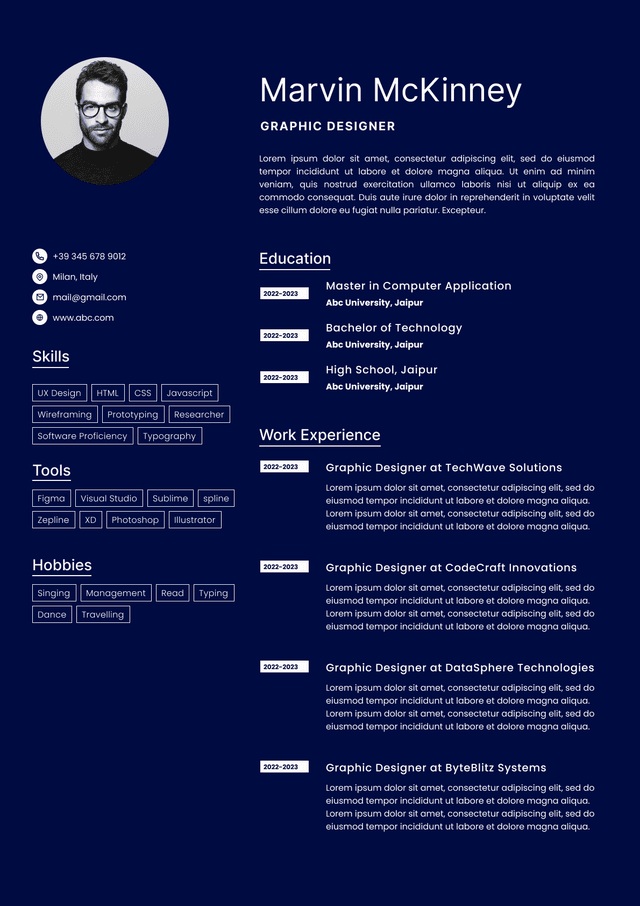
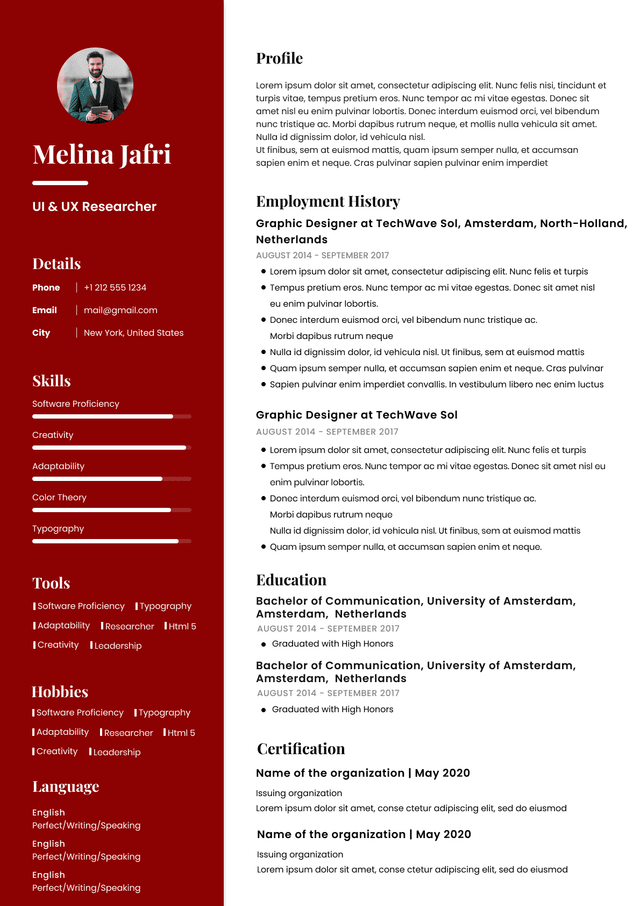
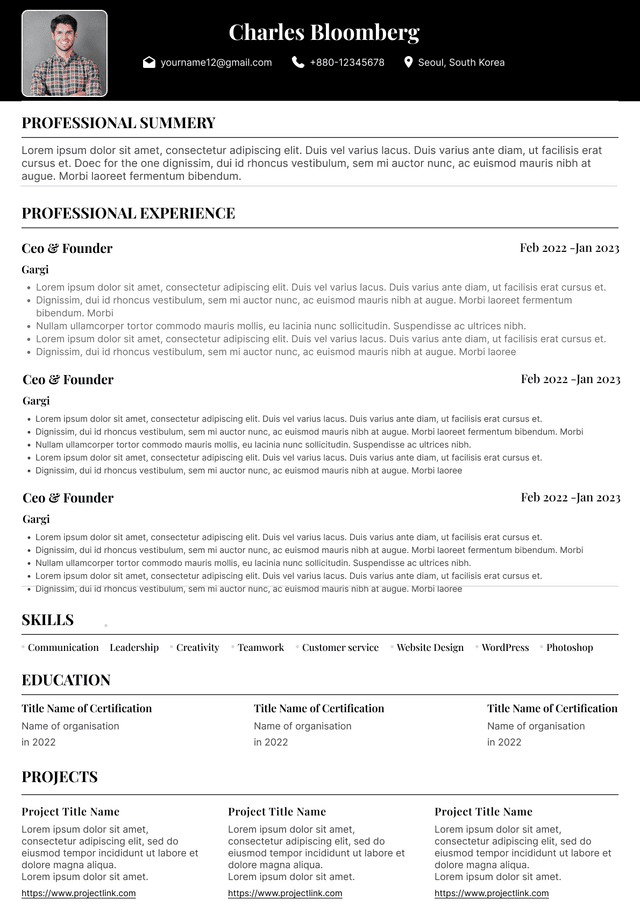
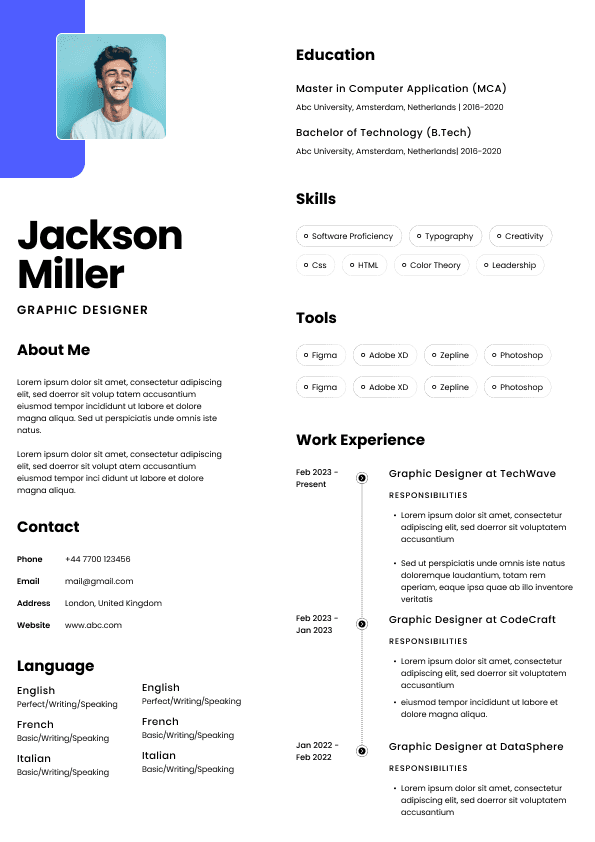
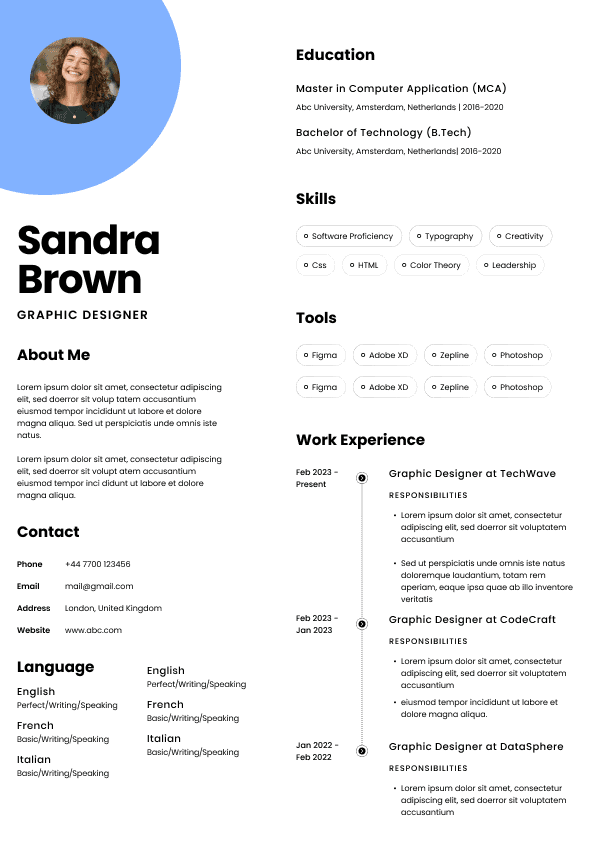
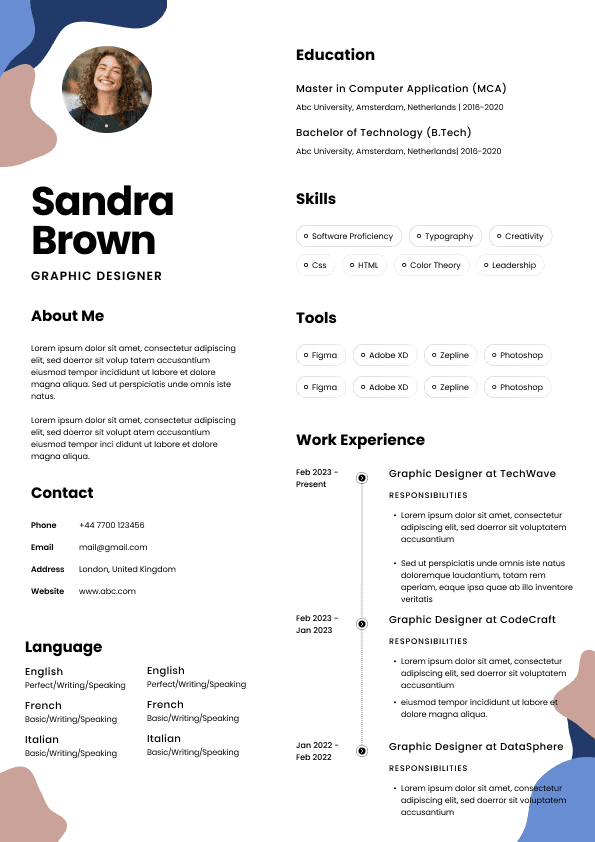
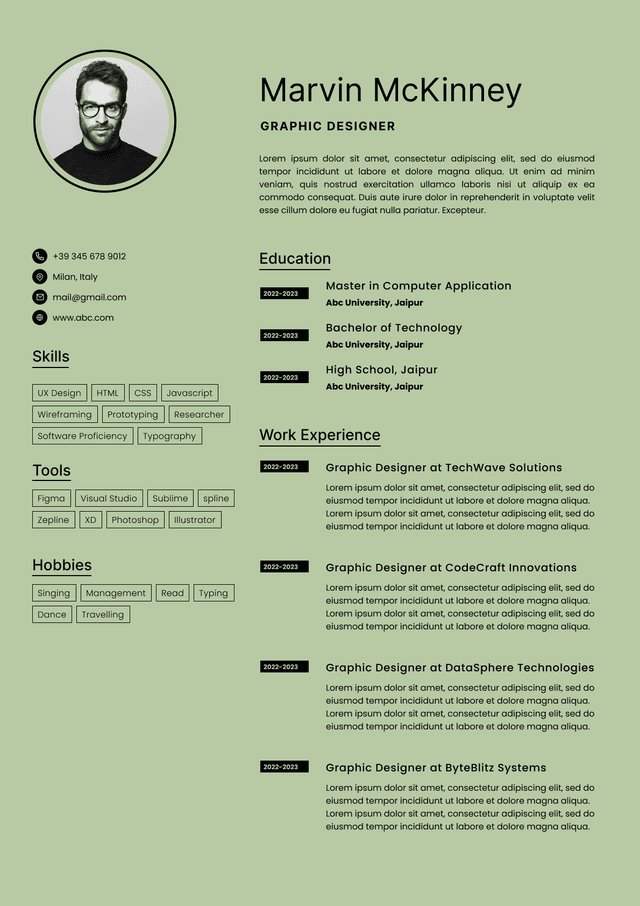
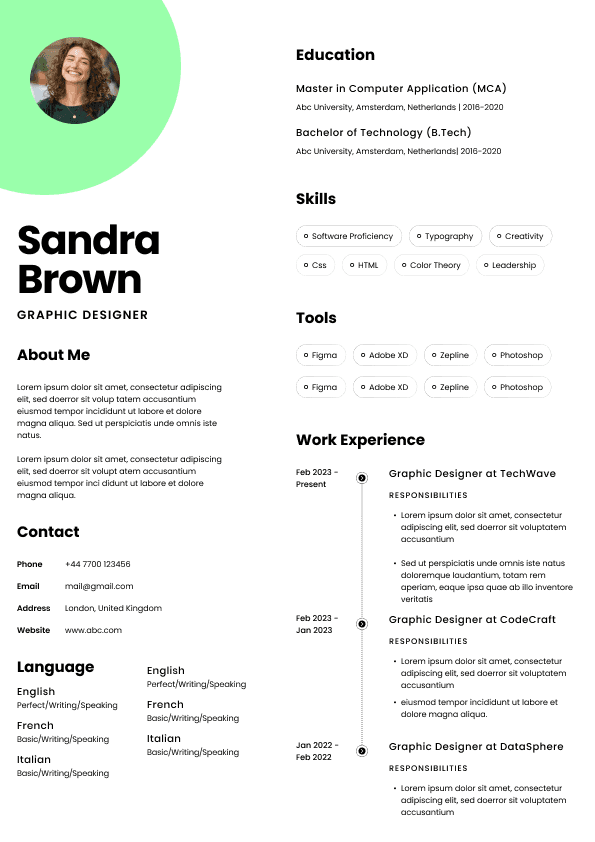
Choose from a wide range of NEWCV resume templates and customize your NEWCV design with a single click.
FAQ


If you’re applying to JavaScript developer jobs that need fast turnaround hiring, your resume has one job: prove you can contribute immediately with minimal ramp-up time. Recruiters filling urgent React, TypeScript, Node.js, and frontend roles often spend less than 15 seconds on the first scan. They are looking for clear technical alignment, immediate availability, production-ready experience, and low hiring risk.
The fastest-hiring JavaScript developer resumes are short, ATS-friendly, highly scannable, and optimized for modern hiring systems like LinkedIn Easy Apply, Greenhouse, Lever, Workday, Dice, and recruiter submissions. They highlight usable technical skills near the top, include GitHub and portfolio links prominently, and frame experience around rapid onboarding, sprint delivery, production support, and shipping code quickly.
This guide shows exactly how to structure a JavaScript developer resume for immediate hire opportunities, what recruiters actually screen for, what gets candidates rejected, and how to position yourself for faster interviews and same-week offers.
Urgent hiring changes how recruiters evaluate candidates.
For standard software engineering openings, recruiters may prioritize long-term growth potential, architecture depth, or perfect cultural alignment. For immediate-start JavaScript roles, the evaluation shifts toward speed, reliability, and technical usability.
Hiring managers want to answer these questions quickly:
Can this developer contribute in the current codebase immediately?
Can they work inside React, TypeScript, or Node.js environments without heavy training?
Are they comfortable with production deployments and sprint delivery?
Can they pass a technical screen fast?
Will they create low operational risk during onboarding?
Are they available now or within a very short timeline?
That means your resume should emphasize:
Existing production experience
Practical JavaScript frameworks and tooling
Fast onboarding capability
Shipping velocity
Collaboration in Agile teams
Ownership of deployed features
Immediate availability signals
A resume that looks overly academic, too generic, or heavily focused on theory often performs poorly in urgent hiring environments.
Fast-hiring resumes need extremely high scan efficiency.
Recruiters usually review dozens or hundreds of applicants in compressed timelines. Dense formatting and long paragraphs reduce interview chances.
The strongest structure looks like this:
Include:
Full name
Phone number
Professional email
GitHub
Portfolio website
City and state
Time zone if applying remotely
Your headline should immediately match active hiring demand.
Good Example
JavaScript Developer | React | TypeScript | Node.js | Next.js
Weak Example
Software Engineer Looking for Opportunities
The second example creates friction because it forces recruiters to figure out your specialization.
This is highly effective for immediate-hire jobs.
Place it near the top.
Good Example
Available for immediate interview and onboarding
Open to remote, hybrid, onsite, contract, and contract-to-hire opportunities
Authorized to work in the U.S. without sponsorship
For urgent hiring, skills should appear before work experience.
Recruiters often keyword-match first.
Prioritize currently in-demand JavaScript technologies:
JavaScript
TypeScript
React
Next.js
Node.js
Express.js
REST APIs
GraphQL
HTML5
CSS3
Use bullet-heavy formatting.
Avoid long narrative paragraphs.
Every bullet should communicate business value, technical scope, and execution speed.
Most rejected resumes fail because they create uncertainty.
Recruiters reject candidates quickly when they cannot clearly identify:
Current JavaScript stack relevance
Production-level experience
Framework alignment
Deployment exposure
Collaboration ability
Availability
Common failure patterns include:
Vague bullets hurt interview conversion.
Weak Example
Good Example
The second version proves scale, tooling, and production relevance.
If React, TypeScript, Node.js, or Next.js appear halfway down the page, recruiters may never see them.
Avoid:
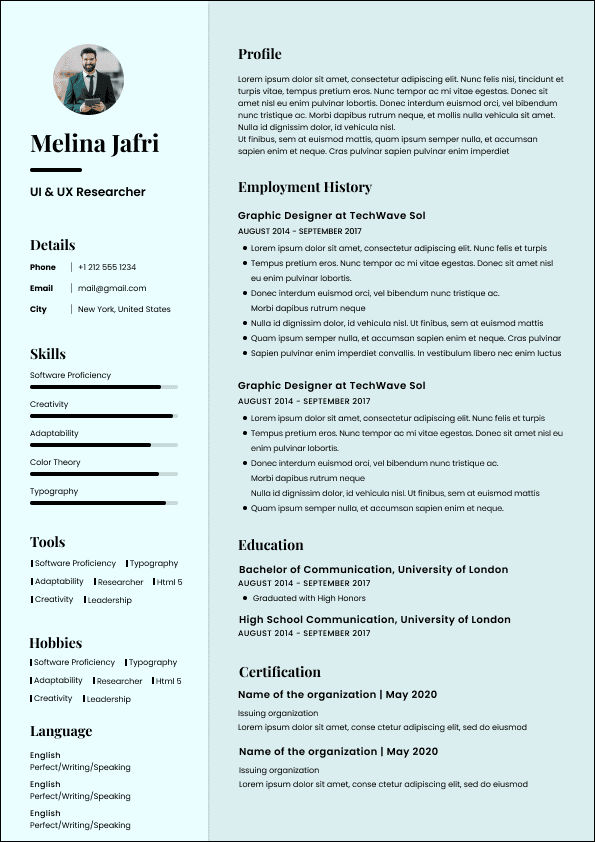
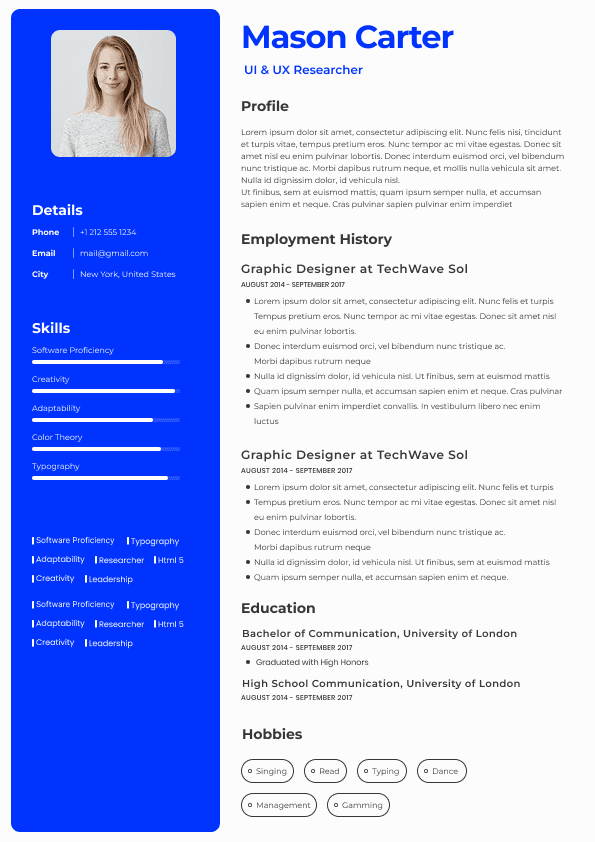
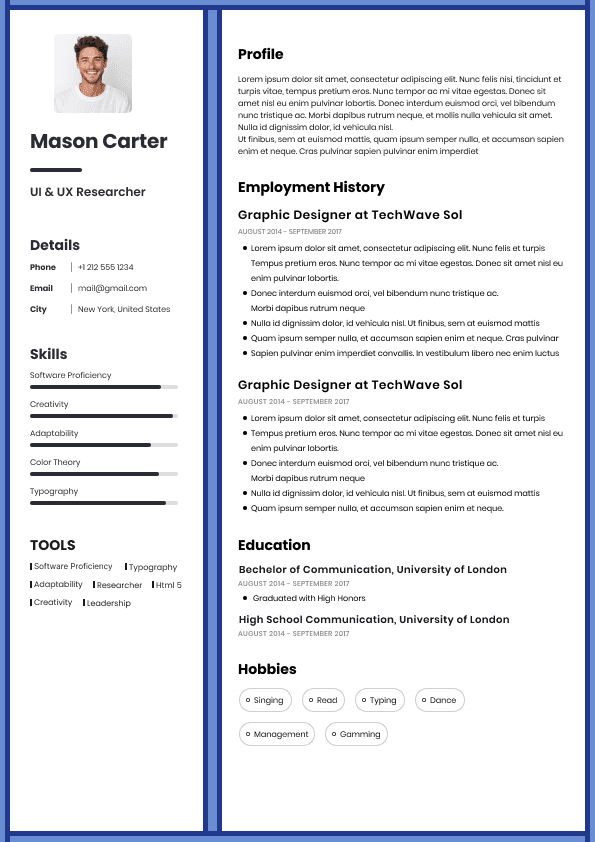
Multi-column layouts
Heavy graphics
Skill bars
Icons everywhere
Tables for core information
Many ATS systems still parse these poorly.
A focused JavaScript resume performs better than a bloated generalist resume for urgent hiring.
This hurts credibility:
Java
C++
Python
Blockchain
Embedded systems
UI/UX
DevOps
AI research
Only include technologies that support the target role.
ATS systems and recruiters both rely heavily on keyword matching.
But keyword stuffing does not work.
Your resume should naturally incorporate terms tied to real hiring demand.
High-value JavaScript resume keywords include:
React developer
Frontend developer
Full stack JavaScript developer
TypeScript developer
Node.js developer
Next.js developer
REST API integration
GraphQL
Responsive web applications
Component-based architecture
Agile sprint delivery
CI/CD pipelines
Unit testing
End-to-end testing
Production deployments
Cross-functional collaboration
Git workflows
Cloud deployment
SaaS platform development
E-commerce applications
Web performance optimization
API consumption
JavaScript modernization
Use these naturally inside experience bullets instead of dumping them into a skills list.
Michael Carter
Austin, Texas
michaelcarter.dev@gmail.com
LinkedIn: linkedin.com/in/michaelcarterdev
GitHub: github.com/michaelcarterdev
Portfolio: michaelcarter.dev
JavaScript Developer | React | TypeScript | Node.js | Next.js
Available for immediate interview and onboarding. Open to remote, contract-to-hire, and full-time JavaScript development opportunities.
Technical Skills
JavaScript, TypeScript, React, Next.js, Node.js, Express.js, Redux, REST APIs, GraphQL, Tailwind CSS, PostgreSQL, MongoDB, AWS, Docker, GitHub Actions, CI/CD, Jest, Cypress, Playwright, Agile/Scrum
Professional Experience
Senior JavaScript Developer
BrightScale SaaS | Remote
January 2023 – Present
Delivered React and TypeScript features supporting a SaaS platform with 120,000+ active users
Reduced frontend load times by 34% through Next.js optimization and lazy-loading implementation
Built reusable UI components that improved sprint delivery speed across engineering teams
Integrated GraphQL APIs and optimized frontend state management using Redux Toolkit
Participated in production incident response and reduced post-release defects by 28%
Contributed to CI/CD workflows using GitHub Actions and AWS deployment pipelines
Completed onboarding into an existing codebase within five business days
Frontend JavaScript Developer
Velocity Commerce | Dallas, Texas
March 2021 – December 2022
Developed React-based e-commerce interfaces generating over $8M in annual online revenue
Collaborated with designers and backend engineers to deliver sprint-ready production features
Built reusable TypeScript components that reduced duplicate frontend code by 40%
Improved Lighthouse performance scores from 61 to 91 across key landing pages
Created automated frontend tests using Jest and Cypress
Education
Bachelor of Science in Computer Science
University of Texas at Dallas
Certifications
AWS Certified Developer – Associate
Meta Front-End Developer Professional Certificate
GitHub Foundations Certification
Entry-level candidates can still compete in fast-hiring environments if they reduce perceived risk.
Recruiters hiring junior JavaScript developers urgently usually prioritize:
Evidence of real project execution
Strong React fundamentals
Portfolio quality
Reliability
Fast learning ability
Availability
The biggest mistake junior candidates make is presenting themselves like students instead of deployable contributors.
Include:
Portfolio projects with live demos
GitHub repositories
Practical React applications
API integrations
Authentication flows
Responsive UI work
Deployment experience
Technical assessments
Freelance or contract work
Recruiters respond positively to candidates who already behave like working developers.
Strong signals include:
Production-style GitHub commits
Clean README documentation
Deployed applications on Vercel or Netlify
Consistent TypeScript usage
API integration experience
Clear project outcomes
Even unpaid experience can help if framed correctly.
Quick-hiring environments prioritize reduced friction.
Your resume should make recruiters feel they can move you into interview stages immediately.
These improve response rates significantly for urgent openings:
Available immediately
Ready for rapid onboarding
Available for technical interview this week
Open to contract and contract-to-hire roles
Comfortable joining existing React and TypeScript codebases quickly
Agency recruiters and staffing firms move extremely fast.
Your resume should support fast forwarding and client submission.
That means:
One to two pages maximum
Clean formatting
Clear JavaScript stack
Strong recent experience
No long summaries
Easy-to-scan bullets
Visible contact information
Recruiters often check GitHub quickly before technical interviews.
Hide nothing.
Portfolio links should appear in the top section.
Remote hiring introduces additional screening factors.
Hiring managers want confidence that remote developers can operate independently.
Strong remote-ready signals include:
Async communication experience
Jira or Agile workflows
Git collaboration
Documentation habits
Distributed team experience
Independent ownership
Good Example
This communicates operational maturity.
Strong bullets follow this formula:
Action + Technology + Outcome + Scale
Built reusable React and TypeScript UI components that accelerated sprint delivery by 22%
Developed REST API integrations supporting real-time order processing for 50,000+ users
Migrated legacy JavaScript modules into Next.js architecture with improved SEO performance and faster page rendering
Implemented automated frontend testing using Cypress and Jest, reducing regression bugs during production releases
Contributed to Agile sprint planning, code reviews, and production deployment workflows across a six-engineer frontend team
Responsible for frontend development
Worked on APIs
Helped with website updates
Weak bullets create uncertainty and reduce recruiter confidence.
Certifications alone do not get developers hired.
But in urgent hiring situations, they can reduce recruiter hesitation.
The most respected certifications for JavaScript-focused roles include:
Meta Front-End Developer Professional Certificate
AWS Certified Developer – Associate
IBM Full Stack Software Developer Professional Certificate
GitHub Foundations Certification
Microsoft Certified: Azure Developer Associate
Google Professional Cloud Developer
Scrum certifications
freeCodeCamp JavaScript Algorithms and Data Structures
These are especially useful for:
Entry-level candidates
Career changers
Contract applicants
Developers with limited U.S. work experience
Fast-application systems reward simplicity.
Complex formatting hurts ATS readability.
Use standard section headings
Save resume as PDF unless otherwise requested
Avoid text boxes and graphics
Use standard fonts
Include exact keyword variations from job descriptions
Match role titles when accurate
Keep date formatting consistent
Many recruiters search resumes directly inside ATS platforms using keyword filters.
They search phrases like:
React developer
TypeScript
Node.js
Frontend engineer
Next.js
GraphQL
Remote JavaScript developer
If your resume lacks these exact phrases naturally, you may never appear in recruiter search results.
Hiring managers scan differently than recruiters.
Recruiters validate fit.
Hiring managers validate execution ability.
Engineering managers usually focus on:
Production experience
Technical stack relevance
Problem-solving indicators
Deployment ownership
Testing practices
Collaboration
Delivery speed
Codebase complexity
These improve interview conversion rates:
Metrics
Production scale
Shipping frequency
Ownership language
Team collaboration
Testing involvement
CI/CD exposure
Performance optimization
These create skepticism:
Buzzword-heavy summaries
Inflated titles
Massive skill lists
No measurable outcomes
Generic project descriptions
Unrealistic technology combinations
Before applying, confirm your resume includes:
Clear JavaScript-focused headline
React, TypeScript, and Node.js visibility
Immediate availability statement
ATS-friendly formatting
Portfolio and GitHub links
Production-focused bullets
Quantified outcomes
Testing and deployment experience
Remote or hybrid flexibility if applicable
Work authorization if relevant
Clean one to two-page structure
Strong recent experience first
Fast-scanning bullet formatting
Modern frontend tooling
No vague filler language
A fast-hiring JavaScript resume should make recruiters feel confident that you can join an active engineering workflow immediately and contribute without extensive onboarding.
Use ATS-optimised Resume and resume templates that pass applicant tracking systems. Our Resume builder helps recruiters read, scan, and shortlist your Resume faster.


Use professional field-tested resume templates that follow the exact Resume rules employers look for.
Create Resume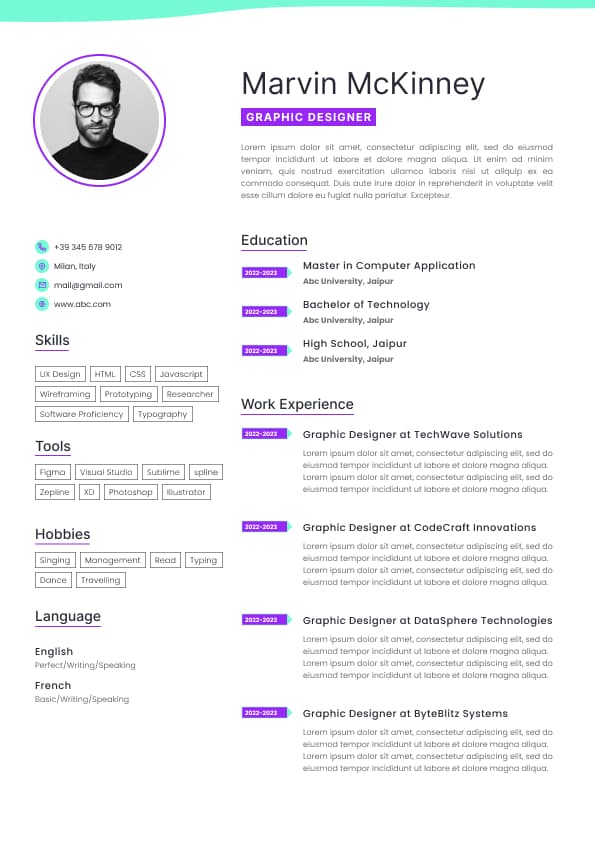
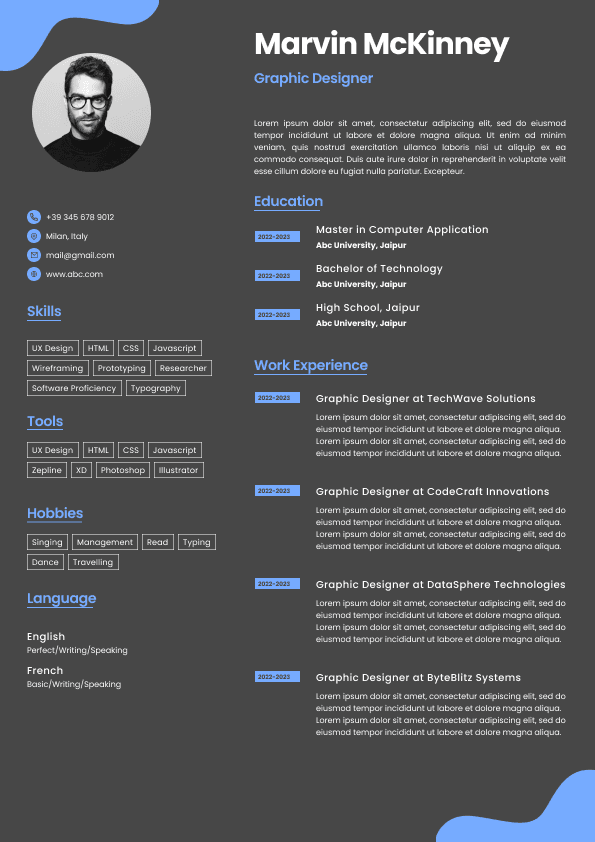
Use professional field-tested resume templates that follow the exact Resume rules employers look for.
Create ResumeTailwind CSS
Redux
MongoDB
PostgreSQL
AWS
Docker
GitHub Actions
CI/CD
Jest
Cypress
Playwright
Agile/Scrum
Hackathons if relevant



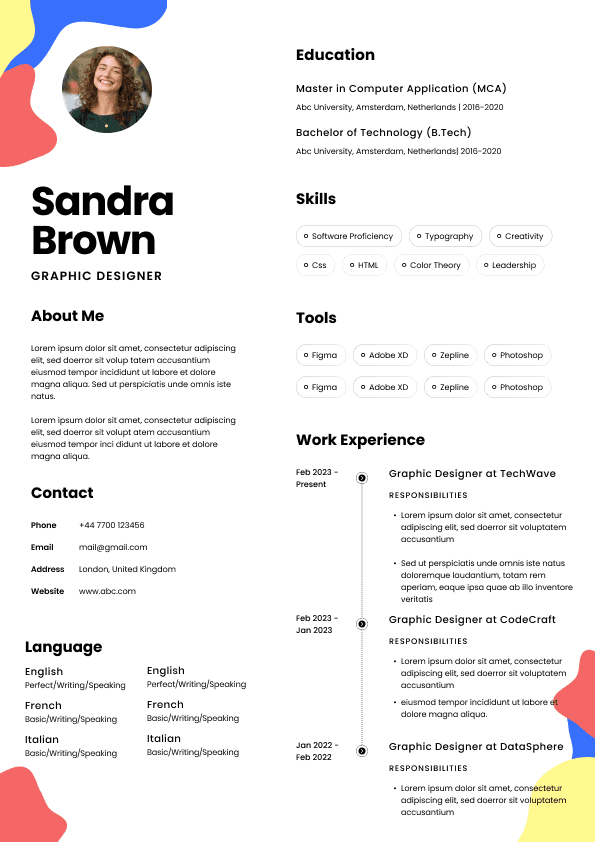
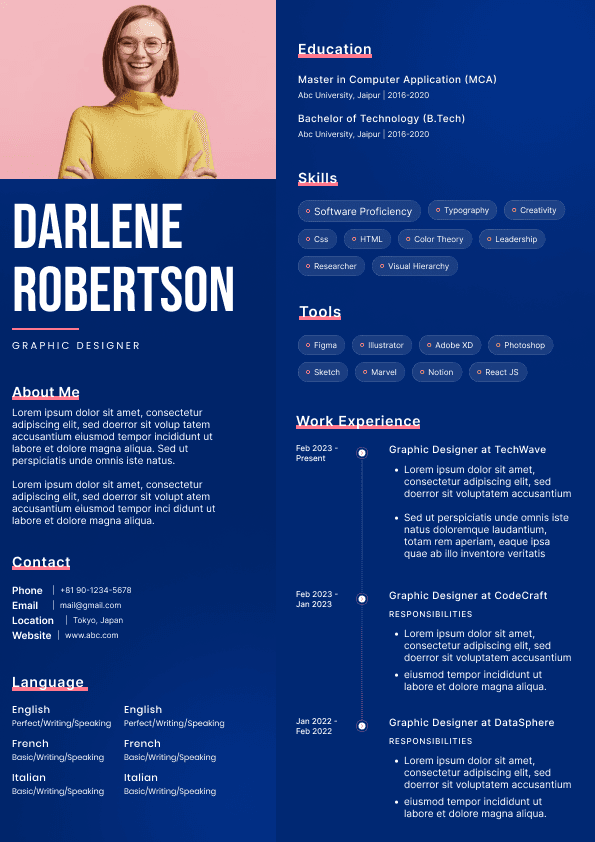


 Upload Resume
 Import from Linkedin