STILL APPLYING. STILL HEARING NOTHING?BUILD YOUR RESUME

STILL APPLYING. STILL HEARING NOTHING?BUILD YOUR RESUME
Choose from a wide range of NEWCV resume templates and customize your NEWCV design with a single click.
FAQ
A strong JavaScript developer resume for e-commerce is not just a frontend resume with Shopify listed in the skills section. Hiring managers for commerce teams want proof that you understand how frontend engineering impacts revenue, conversion rate, checkout completion, product discovery, SEO performance, and customer experience.
The candidates getting interviews for Shopify, headless commerce, and Next.js storefront roles are the ones who connect technical execution to measurable business outcomes. That means showing improvements in conversion rate, cart abandonment, mobile performance, page speed, product search usability, and checkout flow optimization.
If your resume only says “built React applications” or “developed frontend features,” you will blend in with thousands of generic JavaScript developers. Commerce hiring teams specifically look for developers who understand storefront architecture, payment integrations, analytics tracking, SEO-friendly rendering, and performance optimization at scale.
This guide shows exactly how to position your experience for modern e-commerce and headless commerce roles.
Recruiters hiring for commerce-focused frontend roles screen resumes differently than they do for generic React positions.
They are evaluating whether you can directly contribute to revenue-generating systems.
That means your resume needs evidence of experience with:
Product catalog architecture
Cart and checkout functionality
Payment integrations
Storefront performance optimization
Mobile commerce UX
SEO-friendly frontend rendering
Product search and filtering
For most JavaScript e-commerce developers, the best format is:
Reverse chronological
Strong technical summary
Metrics-heavy experience section
Dedicated commerce technology stack section
Projects section only if experience is limited
Avoid functional resumes.
Commerce hiring teams want to quickly validate:
Platform experience
Revenue-impacting work
Your summary should immediately establish three things:
Commerce specialization
Frontend architecture expertise
Revenue-oriented impact
“Frontend developer with experience building React applications and working with JavaScript frameworks.”
This says nothing about commerce expertise.
“JavaScript Developer with 6+ years of experience building high-converting e-commerce storefronts using React, Next.js, Shopify Hydrogen, and TypeScript. Specialized in checkout optimization, product discovery, storefront performance, and headless commerce architecture. Improved checkout completion by 18%, reduced product page load times by 42%, and led migration to a headless Shopify storefront supporting 2M+ monthly sessions.”
This immediately positions the candidate as commerce-focused.
Commerce recruiting pipelines heavily rely on ATS filtering.
Your resume should naturally include relevant commercial frontend terminology.
Shopify
Shopify Plus
Shopify Hydrogen
Headless commerce
Storefront API
React commerce
Next.js storefront
The biggest mistake developers make is describing implementation without business impact.
Commerce resumes must connect frontend engineering to customer behavior and revenue outcomes.
Use this structure:
Action + Commerce System + Technical Stack + Business Impact
“Built Shopify frontend components using React.”
This is too generic and low-value.
“Built a headless Shopify storefront using Next.js, TypeScript, Shopify Storefront API, and Vercel, improving mobile conversion rate by 21% and reducing product page load time from 4.8s to 2.1s.”
This demonstrates:
Architecture ownership
Relevant commerce tools
Performance optimization
Improved checkout completion rate by 18% through form validation optimization, UX simplification, and payment flow enhancements across mobile and desktop checkout experiences
Redesigned multi-step checkout experience using React and Stripe Elements, reducing cart abandonment by 14% for a high-volume DTC retailer
Integrated express checkout options including Apple Pay, PayPal, and Shop Pay, increasing mobile checkout conversions by 11%
Developed dynamic product filtering and search functionality using Algolia and Next.js, increasing product discovery engagement by 37%
Built scalable product catalog architecture supporting 250K+ SKUs with server-side rendering and optimized caching strategies
Many developers underestimate how valuable Shopify expertise is in today’s hiring market.
But recruiters differentiate sharply between:
Basic Shopify theme work
Advanced Shopify frontend engineering
Headless Shopify architecture
If you have Shopify experience, specify:
Shopify Plus
Hydrogen
Storefront API
Checkout extensibility
Commerce hiring managers think in business metrics.
If your work improved:
Conversion rate
Revenue per session
Average order value
Product discovery
Mobile engagement
Checkout completion
Customer retention
You should say so directly.
Even frontend infrastructure work should connect back to business outcomes.
Your skills section should reinforce specialization.
Do not dump every JavaScript-related tool you have ever used.
Focus on commerce-relevant technologies.
JavaScript
TypeScript
React
Next.js
Redux
Tailwind CSS
Most resumes read like general React resumes.
That makes it difficult for recruiters to match you to commerce-specific openings.
Commerce specialization must be obvious within the first few seconds.
Commerce engineering is heavily KPI-driven.
No metrics often signals:
Junior-level ownership
Limited business awareness
Low product involvement
A resume focused only on “responsive UI components” looks shallow.
Commerce teams care more about:
Senior commerce frontend engineers show ownership across systems, not just components.
Their resumes typically demonstrate:
Architecture decisions
Scalability planning
Conversion optimization strategy
Technical leadership
Cross-functional collaboration
Experimentation frameworks
Performance governance
Platform migration experience
Headless commerce is now a highly competitive hiring niche.
Most applicants claim headless experience.
Few demonstrate actual production-level ownership.
Storefront API integration experience
SSR and SEO rendering expertise
CMS integration architecture
Commerce performance optimization
Multi-region storefront implementation
Payment and checkout orchestration
If you already have strong production experience, projects are optional.
But projects help when:
Transitioning into commerce
Coming from general frontend development
Applying to Shopify agencies
Building headless commerce credibility
Strong portfolio projects include:
Headless Shopify storefronts
Subscription commerce flows
JavaScript Developer with 5+ years of experience building scalable e-commerce storefronts using React, Next.js, TypeScript, and Shopify Hydrogen. Specialized in headless commerce architecture, checkout optimization, product discovery, and storefront performance. Improved mobile conversion rates by up to 21%, reduced checkout abandonment by 14%, and optimized Core Web Vitals across high-traffic commerce platforms supporting millions in annual online revenue.
Frontend: JavaScript, TypeScript, React, Next.js, Redux, Tailwind CSS
Commerce Platforms: Shopify Plus, Shopify Hydrogen, Commerce.js, BigCommerce
Integrations: Stripe, PayPal, Klaviyo, GA4, Segment
CMS & Search: Contentful, Sanity, Algolia
Infrastructure: Vercel, Cloudflare, SSR, ISR, CDN optimization
Senior Frontend Commerce Developer
DTC Retail Brand | New York, NY
2022 – Present
Built a headless commerce storefront using Next.js, Shopify Storefront API, and Contentful, supporting $18M+ annual e-commerce revenue
The biggest differentiator in commerce hiring is not frontend skill alone.
It is your ability to prove you understand the connection between:
User experience
Storefront performance
Customer behavior
Conversion optimization
Revenue generation
Your resume should consistently reinforce that you are not just building interfaces.
You are building systems that directly impact business growth.
That positioning is what separates high-value commerce engineers from generic frontend applicants.


Use ATS-optimised Resume and resume templates that pass applicant tracking systems. Our Resume builder helps recruiters read, scan, and shortlist your Resume faster.


Use professional field-tested resume templates that follow the exact Resume rules employers look for.
Create Resume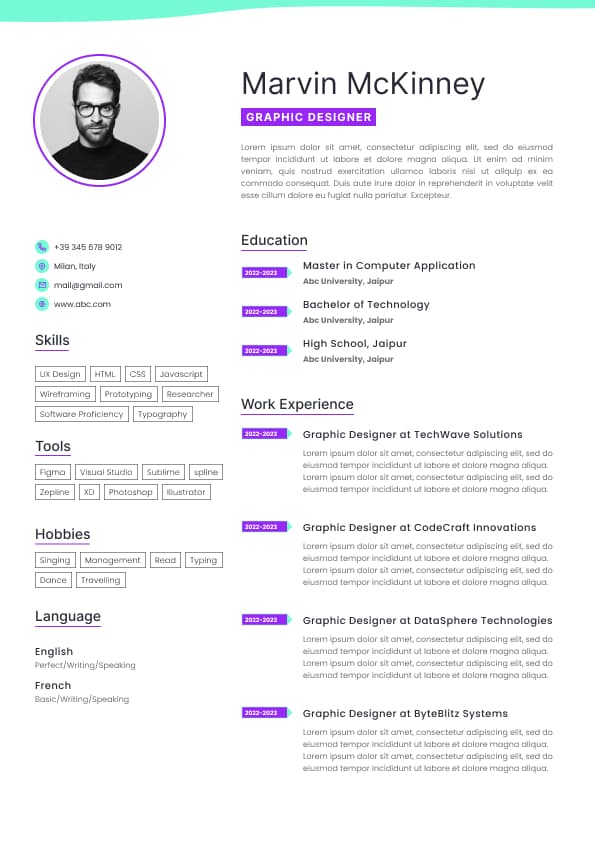
Use professional field-tested resume templates that follow the exact Resume rules employers look for.
Create ResumeConversion optimization
Analytics implementation
Headless commerce architecture
Shopify or commerce platform integrations
Customer journey optimization
Most resumes fail because they focus only on technology stacks instead of commerce outcomes.
Commerce engineering teams care about metrics more than feature lists.
A hiring manager is immediately interested when they see:
Increased checkout completion rate
Reduced cart abandonment
Improved Core Web Vitals
Faster product page performance
Increased conversion rate
Revenue impact from frontend improvements
Improved mobile shopping experience
Better product discovery/search usage
A/B testing implementation results
This is especially true for:
Shopify agencies
DTC brands
Retail technology companies
Subscription commerce platforms
Marketplace startups
Enterprise commerce teams
If your resume does not show measurable commerce impact, you look like a general frontend developer instead of a commerce specialist.
Production-scale systems
Checkout and storefront ownership
Performance optimization capability
E-commerce frontend
Checkout optimization
Shopping cart
Product catalog
Product detail pages
Conversion optimization
Mobile commerce
Product search
Product filtering
Server-side rendering
Incremental static regeneration
Commerce.js
BigCommerce
Magento
Adobe Commerce
Stripe
PayPal
Klarna
Google Analytics
GA4
Segment
Klaviyo
Revenue tracking
Event tracking
Customer analytics
A/B testing
Core Web Vitals
Lighthouse optimization
SEO-friendly rendering
Page speed optimization
CDN optimization
Vercel
Cloudflare
Image optimization
Caching strategy
Business impact
Scalability
That is what gets interviews.
Improved product search relevance and autocomplete UX, increasing search-to-purchase conversion by 19%
Reduced product detail page load times by 42% through image optimization, lazy loading, CDN caching, and SSR improvements
Improved Lighthouse performance scores from 58 to 93 across key storefront pages using Next.js optimization techniques and Cloudflare edge caching
Optimized mobile storefront rendering and bundle size, improving Core Web Vitals and increasing mobile session duration by 24%
Led migration from monolithic Shopify theme architecture to headless commerce using Shopify Hydrogen and React Server Components
Built modular commerce frontend architecture integrating Shopify Storefront API, Contentful CMS, and Stripe payment processing
Implemented headless commerce infrastructure supporting localized storefronts across US, UK, and EU markets
Implemented GA4, Segment, and Klaviyo event tracking across checkout and product interaction flows to improve attribution and conversion reporting
Developed A/B testing framework for PDP and cart experiences, contributing to a 9% increase in average order value
Built customer behavior analytics dashboards supporting CRO decision-making across merchandising and marketing teams
Custom storefront development
Subscription integrations
Multi-store architecture
Internationalization
Shopify Functions
Shopify app integrations
If you only mention “Shopify” once in a skills section, recruiters may assume basic theme customization experience.
Your resume should clarify the complexity of your work.
“Worked on Shopify websites.”
“Developed a headless Shopify Plus storefront using Next.js, Shopify Storefront API, and Contentful CMS, supporting over $12M in annual online revenue.”
Specificity dramatically changes perceived seniority.
Instead of:
“Optimized frontend performance.”
Use:
“Reduced storefront load times by 38%, contributing to a 12% increase in mobile conversion rate during peak seasonal campaigns.”
This shows strategic awareness, not just engineering execution.
Shopify
Shopify Plus
Shopify Hydrogen
Commerce.js
BigCommerce
Magento / Adobe Commerce
Shopify Storefront API
Stripe
PayPal
Klaviyo
Segment
GA4
Algolia
Contentful
Sanity
Vercel
Cloudflare
SSR
ISR
CDN optimization
Core Web Vitals
Checkout UX
Product discovery
Funnel optimization
Search usability
Performance at scale
Modern commerce teams care deeply about:
Mobile speed
SEO rendering
Core Web Vitals
Page load performance
If your resume lacks performance work, you may appear unprepared for production-scale storefronts.
If your resume ignores:
Payments
Checkout
Promotions
Product catalogs
Customer analytics
You look disconnected from core commerce workflows.
“Led frontend architecture for a multi-brand headless commerce platform using Next.js, Shopify Hydrogen, and Contentful, supporting $40M+ annual GMV and reducing deployment times by 65%.”
This signals:
Scale
Leadership
Business impact
Technical ownership
Commerce specialization
Analytics instrumentation
Component-driven architecture
Do not just say “headless commerce.”
Explain the architecture.
“Built a composable commerce storefront integrating Shopify Storefront API, Sanity CMS, Stripe payments, and Algolia search using Next.js and Vercel edge rendering.”
This sounds significantly more credible.
Checkout optimization demos
Product search systems
Multi-vendor marketplaces
Mobile-first DTC storefronts
Projects should demonstrate:
Real commerce architecture
Performance optimization
API integrations
Conversion-focused UX
Avoid tutorial-level clones with no measurable depth.
Improved mobile conversion rate by 21% through checkout UX optimization, performance tuning, and simplified cart workflows
Reduced storefront load times by 41% using image optimization, ISR, and edge caching strategies via Cloudflare and Vercel
Implemented Algolia-powered product search and filtering, increasing product discovery engagement by 33%
Integrated Stripe, PayPal, Klaviyo, and GA4 tracking systems to support payments, lifecycle marketing, and conversion analytics
Frontend JavaScript Developer
Shopify Agency | Austin, TX
2019 – 2022
Developed custom Shopify Plus storefront experiences for fashion, beauty, and consumer electronics brands
Built reusable React-based commerce components improving storefront deployment efficiency by 48%
Optimized PDP and checkout flows through A/B testing and analytics-driven UX improvements
Collaborated with CRO teams to implement personalization and promotional features increasing average order value by 12%



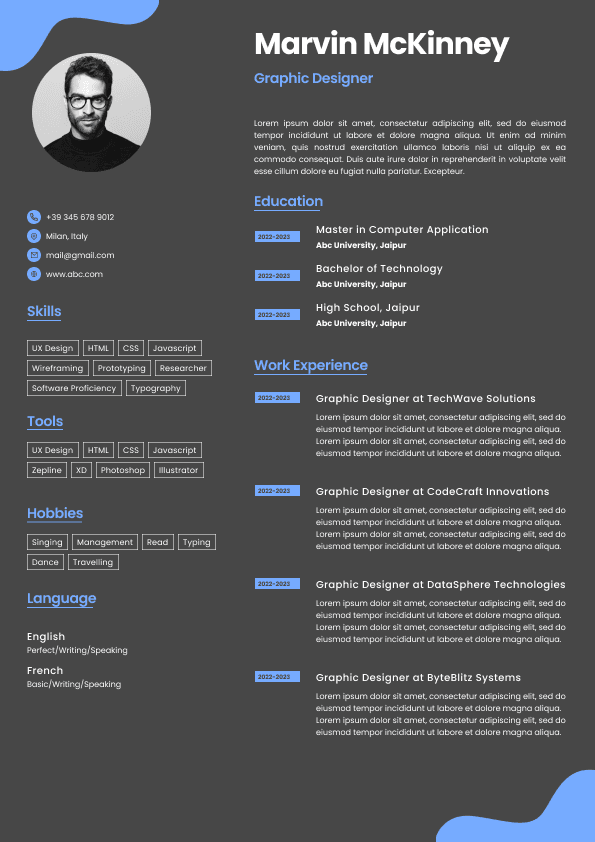
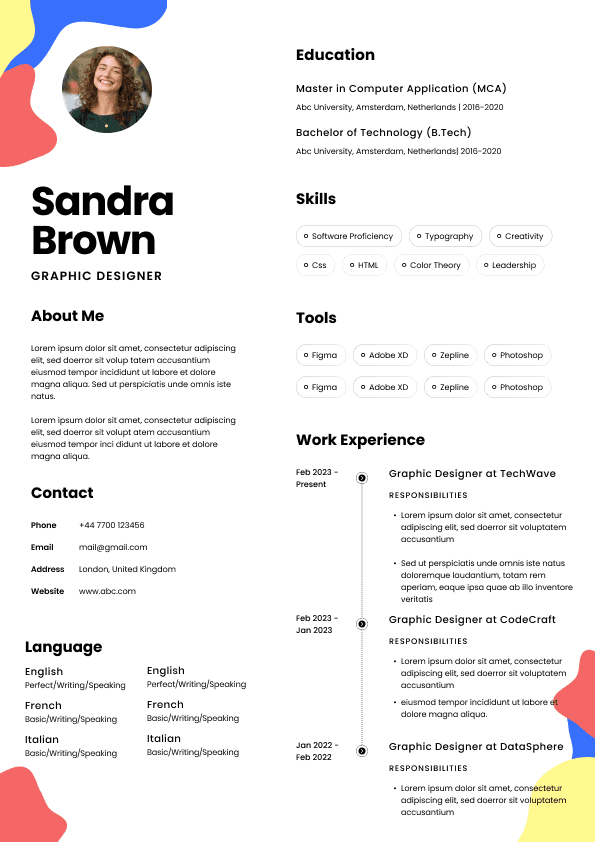
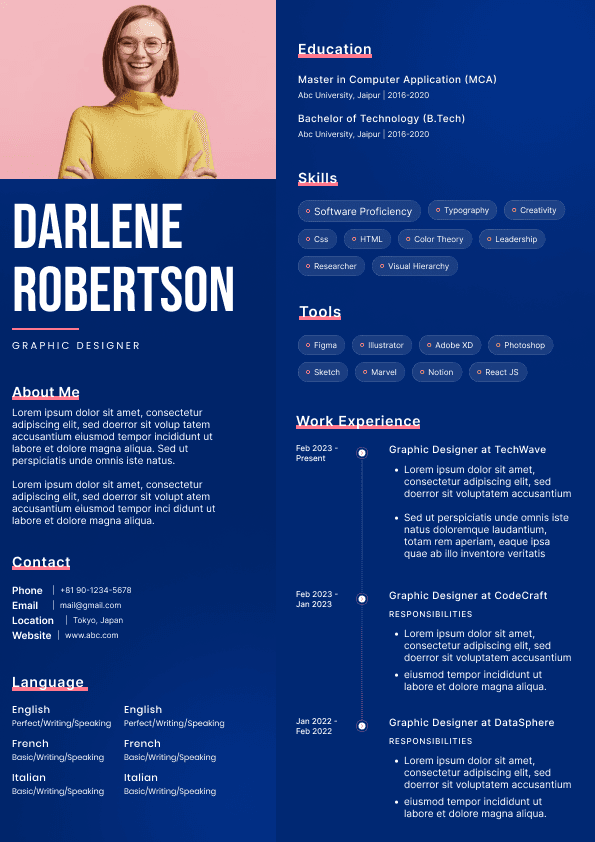




 Upload Resume
 Import from Linkedin