STILL APPLYING. STILL HEARING NOTHING?BUILD YOUR RESUME

STILL APPLYING. STILL HEARING NOTHING?BUILD YOUR RESUME
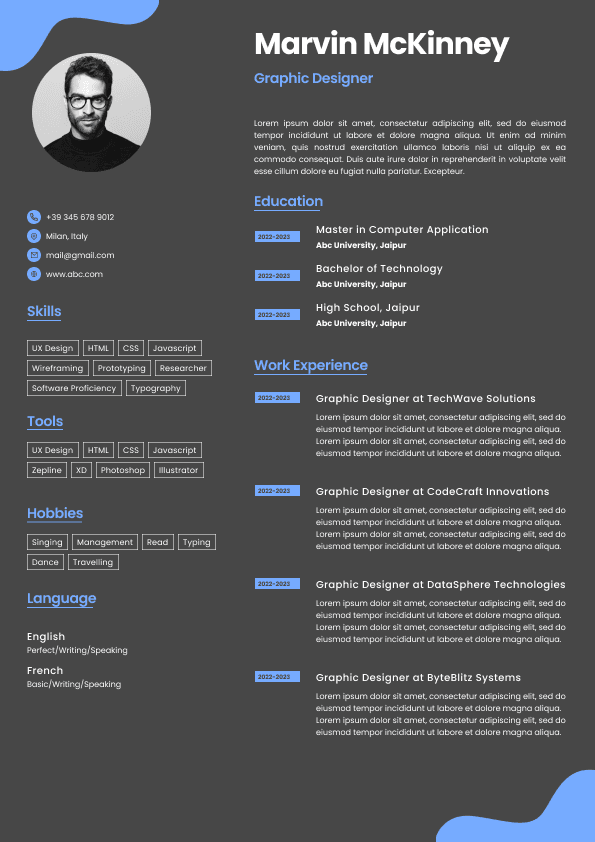
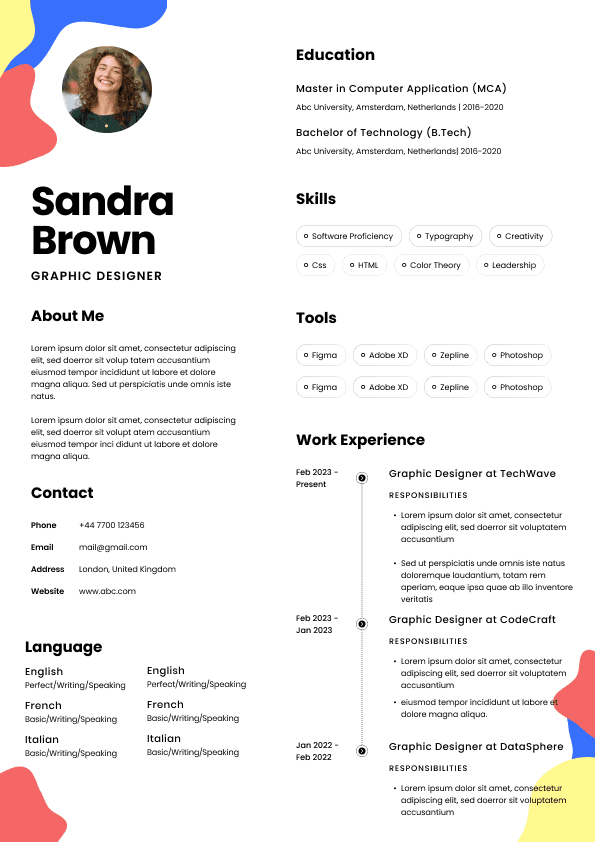
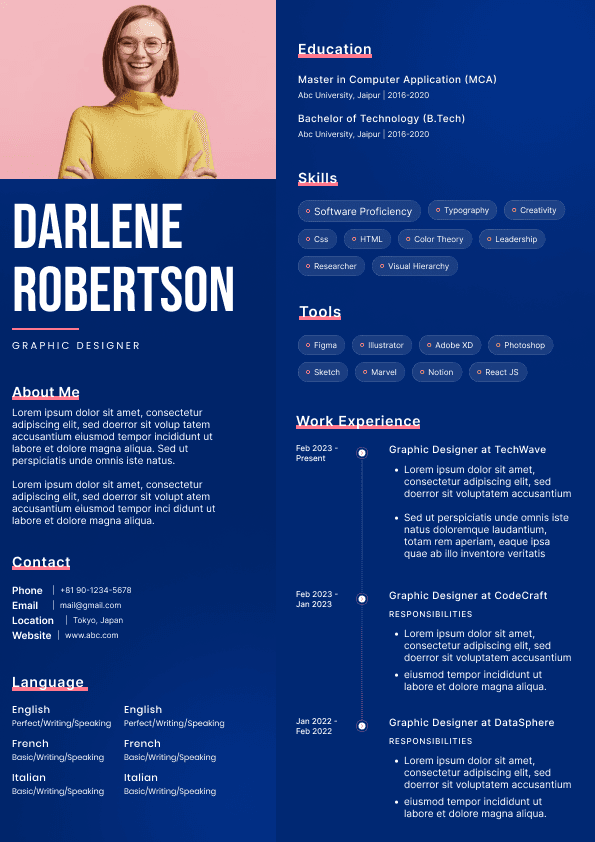
Choose from a wide range of NEWCV resume templates and customize your NEWCV design with a single click.
FAQ
A strong JavaScript developer resume for frontend performance optimization is not just a list of React or Next.js skills. Hiring managers want proof that you can improve real production performance metrics that impact SEO, conversion rates, retention, and revenue. That means showing measurable improvements in Lighthouse scores, Largest Contentful Paint (LCP), Interaction to Next Paint (INP), bundle size, render speed, and frontend architecture efficiency.
Most frontend resumes fail because they describe responsibilities instead of outcomes. Companies hiring for performance-focused JavaScript roles expect candidates who understand browser rendering, hydration costs, caching strategy, Core Web Vitals, bundle optimization, and performance tooling in production environments.
The strongest resumes position you as a developer who connects frontend performance to business results. If your work improved conversion rates, reduced bounce rates, increased SEO visibility, or sped up critical user flows, those metrics belong prominently on your resume.
Performance-focused frontend hiring is fundamentally different from general frontend hiring.
A standard frontend resume might emphasize UI implementation, component development, or design systems. A frontend optimization resume must demonstrate that you can diagnose and solve performance bottlenecks at scale.
Recruiters screening for these roles typically look for five things immediately:
Real production performance metrics
React or Next.js optimization experience
Core Web Vitals understanding
Experience with performance tooling
Business impact tied to performance improvements
The biggest mistake candidates make is listing tools without proving outcomes.
Weak Example
Performance optimization resumes work best when they emphasize measurable engineering impact early.
A high-performing structure usually looks like this:
Your summary should immediately establish performance specialization.
Good Example
Performance-focused JavaScript developer with 6+ years of experience optimizing React and Next.js applications for Core Web Vitals, SEO visibility, and high-traffic user experiences. Improved Lighthouse scores from 60s to 90s, reduced LCP by up to 48%, and decreased JavaScript bundle sizes across SaaS and e-commerce platforms serving millions of monthly users.
This instantly positions the candidate differently from a generic frontend developer.
Group technologies strategically.
Avoid dumping every frontend technology into one long list.
A strong skills section for this niche typically includes:
JavaScript
TypeScript
For performance-focused frontend roles, generic bullets get ignored.
The strongest bullets follow this structure:
Action + Technical Strategy + Metric + Business Impact
Reduced Largest Contentful Paint by 48% through Next.js image optimization, CDN caching, and server-side rendering improvements across 120+ product pages
Improved Lighthouse performance score from 62 to 94 by implementing route-based code splitting, reducing render-blocking JavaScript, and optimizing third-party scripts
Decreased JavaScript bundle size by 36% by removing unused dependencies, implementing tree shaking, and splitting vendor chunks with Webpack
Reduced frontend API waterfall requests by restructuring React state management and introducing parallelized data fetching patterns
Improved Core Web Vitals across high-traffic landing pages, contributing to a 17% increase in organic search traffic and lower bounce rates
Many developers mention Core Web Vitals without proving they understand them.
Hiring managers can spot this immediately.
If you include Core Web Vitals on your resume, show exactly what you improved.
Demonstrates loading performance optimization.
Strong indicators include:
Image optimization
CDN delivery
SSR improvements
Render optimization
Critical resource prioritization
Shows responsiveness optimization.
Strong indicators include:
React and Next.js performance optimization is now a major hiring differentiator.
Especially in:
SaaS
E-commerce
FinTech
Media platforms
Consumer web apps
Most developers can build React apps.
Far fewer can optimize them.
Recruiters pay attention when resumes mention:
Memoization strategies
One of the biggest resume mistakes frontend engineers make is focusing only on technical implementation.
Hiring managers care about outcomes.
A candidate who improved conversions through frontend performance optimization is often more valuable than a candidate who implemented highly complex but low-impact engineering solutions.
Include metrics tied to:
Conversion rate increases
Bounce rate reduction
Organic traffic growth
Revenue impact
Session duration improvements
Performance optimization hiring is heavily tool-driven.
If your resume lacks tooling depth, recruiters may assume your experience is superficial.
Lighthouse
Chrome DevTools
WebPageTest
PageSpeed Insights
Sentry Performance
Datadog RUM
ATS optimization matters for these roles because many companies filter candidates using technical search terms.
However, keyword stuffing hurts readability and credibility.
Use natural semantic coverage instead.
Include relevant combinations of:
Core Web Vitals
Lighthouse optimization
Page speed optimization
React performance
Next.js optimization
JavaScript bundle optimization
Anyone can claim performance optimization experience.
Metrics prove credibility.
Frontend performance roles are engineering-heavy.
Pure UI bullets weaken positioning.
Performance optimization exists to improve user outcomes and revenue.
Without business context, your work feels incomplete.
Generic bullets immediately blend into the applicant pool.
Performance hiring is highly results-oriented.
Too many disconnected tools make candidates look shallow.
Depth beats breadth.
Performance-focused JavaScript developer with 7+ years of experience optimizing React and Next.js applications for Core Web Vitals, SEO visibility, and high-traffic user experiences. Specialized in reducing JavaScript payloads, improving Lighthouse scores, optimizing rendering performance, and increasing frontend scalability across SaaS and e-commerce platforms.
Frontend: JavaScript, TypeScript, React, Next.js, Redux, Tailwind CSS
Performance Optimization: Core Web Vitals, Lighthouse, WebPageTest, Chrome DevTools, React Profiler, Bundle Analyzer, code splitting, lazy loading, tree shaking, hydration optimization
Infrastructure & Delivery: Cloudflare, CDN caching, Vercel, SSR, ISR, SSG
Monitoring: Sentry Performance, Datadog RUM, New Relic Browser
Senior Frontend Developer
Growth Commerce Platform | New York, NY
Improved Lighthouse performance scores from 64 to 96 across customer-facing storefronts by implementing route-level code splitting and optimizing third-party scripts
Senior frontend performance engineers are evaluated differently.
Recruiters look for:
System-level optimization
Scalability thinking
Performance leadership
Monitoring strategy
Cross-functional influence
Defined frontend performance budgets
Led organization-wide optimization initiatives
Performance specialization is especially valuable in industries where milliseconds impact revenue or user retention.
E-commerce
SaaS
Marketplaces
Media and publishing
Travel booking platforms
FinTech
Healthcare portals
A high-performing frontend performance resume positions you as a business-impact engineer, not just a JavaScript developer.
The strongest candidates demonstrate:
Measurable Core Web Vitals improvements
Real production optimization experience
Strong React and Next.js performance expertise
Business outcome awareness
Monitoring and tooling depth
Scalability and architectural thinking
The difference between an average frontend resume and a high-converting performance resume is measurable impact.
Companies hiring for these roles want engineers who can improve speed, SEO, UX, conversions, and scalability simultaneously.
Your resume should prove you already have.


Use ATS-optimised Resume and resume templates that pass applicant tracking systems. Our Resume builder helps recruiters read, scan, and shortlist your Resume faster.


Use professional field-tested resume templates that follow the exact Resume rules employers look for.
Create Resume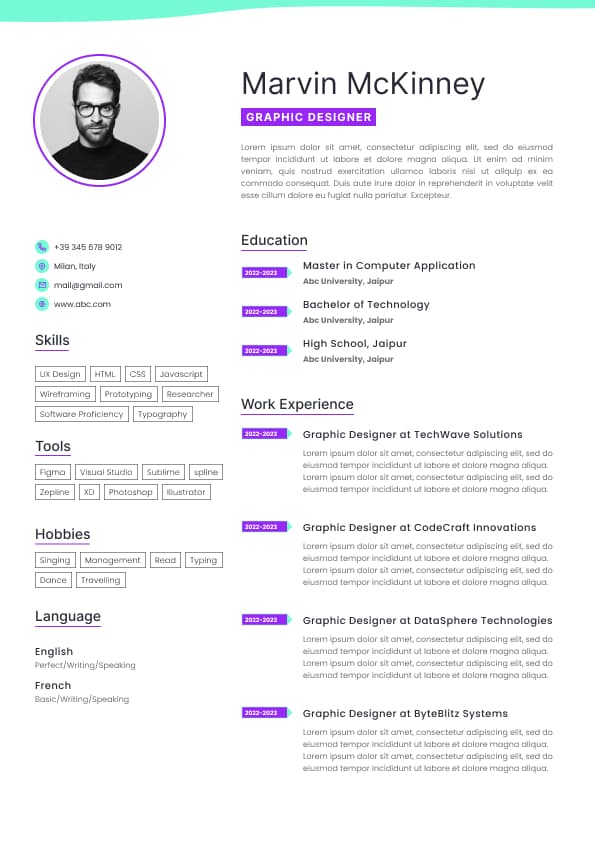
Use professional field-tested resume templates that follow the exact Resume rules employers look for.
Create ResumeThis says almost nothing.
Good Example
The second example demonstrates:
Ownership
Technical execution
Optimization strategy
Measurable improvement
Production environment experience
That is what gets interviews.
React
Next.js
SSR
ISR
SSG
Webpack
Vite
Turbopack
Lighthouse
Chrome DevTools
WebPageTest
PageSpeed Insights
React Profiler
Bundle Analyzer
CDN optimization
Cloudflare
Image optimization
Lazy loading
Tree shaking
Code splitting
Caching strategy
Edge delivery
Sentry Performance
Datadog RUM
New Relic Browser
The order matters.
Lead with technologies tied directly to performance optimization.
Reduced hydration delays in Next.js applications through partial rendering optimization and component-level lazy loading
Optimized React rendering performance using memoization, virtualization, and render profiling, improving dashboard responsiveness for 50,000+ monthly users
Improved mobile page load performance from 5.2s to 2.1s by optimizing image delivery, caching headers, and deferred JavaScript execution
Led frontend optimization initiative that reduced Time to Interactive by 41%, improving conversion rates during peak e-commerce traffic periods
Implemented performance budgets and Lighthouse CI pipelines within GitHub Actions to prevent regression across frontend deployments
These bullets work because they combine:
Technical depth
Scale
Ownership
Metrics
Business relevance
JavaScript execution reduction
Event handling optimization
Main-thread optimization
Efficient state management
Shows visual stability awareness.
Strong indicators include:
Reserved image dimensions
Font loading optimization
Dynamic content stabilization
Reduced LCP from 4.3s to 2.1s across mobile-first landing pages using image compression, preloading, and CDN optimization
Improved INP scores by optimizing React render cycles and reducing long main-thread blocking tasks
Eliminated CLS issues by implementing reserved media containers and font-display optimization strategies
This level of specificity separates true optimization engineers from general frontend developers.
React Profiler usage
Preventing unnecessary re-renders
Virtualization
Suspense optimization
Concurrent rendering
Hydration optimization
Server Components
Selective rendering
Reduced unnecessary React component re-renders by implementing memoization and normalized state management patterns
Improved dashboard rendering performance by introducing virtualization for large datasets exceeding 25,000 rows
Optimized Next.js hydration performance using dynamic imports and selective client-side rendering
Reduced client-side JavaScript execution by migrating pages from CSR to hybrid SSR and ISR rendering strategies
These examples show architectural understanding, not just framework familiarity.
User retention improvements
Checkout completion increases
SEO visibility improvements
Improved mobile page speed performance, contributing to a 14% increase in checkout conversion rates
Reduced page abandonment rates by optimizing critical rendering paths and reducing Time to Interactive
Improved SEO visibility through Core Web Vitals optimization, contributing to increased organic acquisition across high-intent landing pages
This demonstrates strategic engineering value.
That matters significantly in senior frontend hiring.
New Relic Browser
Webpack
Vite
Turbopack
Bundle Analyzer
Cloudflare
CDN caching
Edge delivery optimization
Do not create meaningless tool lists.
Connect tools to outcomes.
Weak Example
Good Example
The second version demonstrates applied expertise.
Code splitting
Lazy loading
Tree shaking
Hydration optimization
Render performance
SSR
SSG
ISR
CDN optimization
Browser rendering
Frontend architecture
Web performance engineering
Critical rendering path
Performance budgets
Frontend scalability
These should appear naturally throughout your experience section.
Reduced Largest Contentful Paint by 45% through image optimization, CDN caching strategy improvements, and Next.js server rendering enhancements
Decreased JavaScript bundle size by 38% using tree shaking, dependency auditing, and vendor chunk optimization
Improved mobile conversion rates by 11% after reducing Time to Interactive and optimizing rendering performance on product detail pages
Led Core Web Vitals initiative across 150+ landing pages, improving SEO performance and reducing bounce rates
Built performance monitoring dashboards using Datadog RUM and Sentry Performance to identify rendering bottlenecks and frontend regressions
Built monitoring systems
Improved SEO visibility through frontend optimization
Reduced infrastructure or delivery costs
Collaborated with SEO and product teams
That signals leadership, process ownership, and scalability.
EdTech platforms
Consumer web applications
These companies often prioritize:
SEO visibility
Conversion optimization
User retention
Mobile performance
High-traffic scalability
Tailoring your resume toward these business priorities significantly improves interview rates.




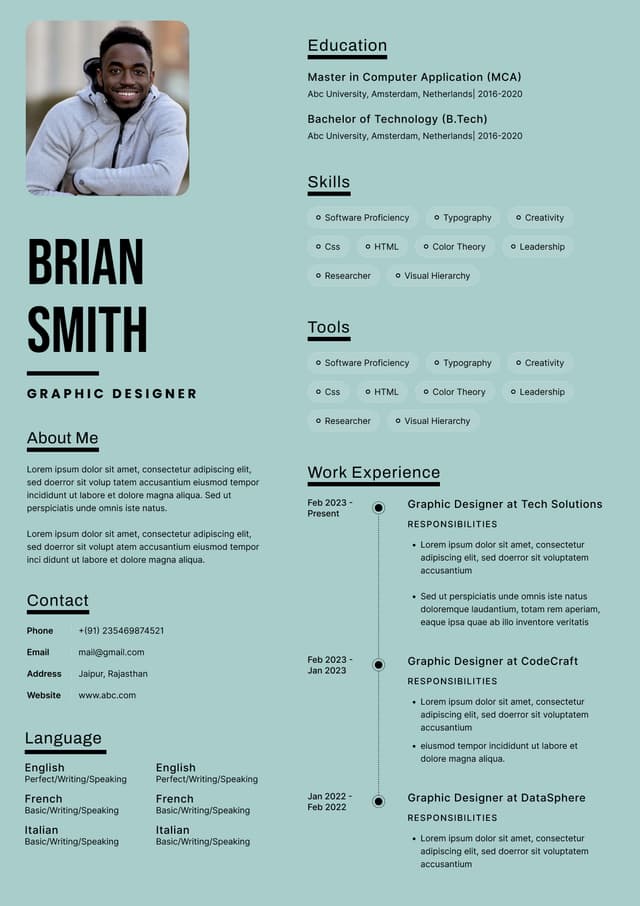
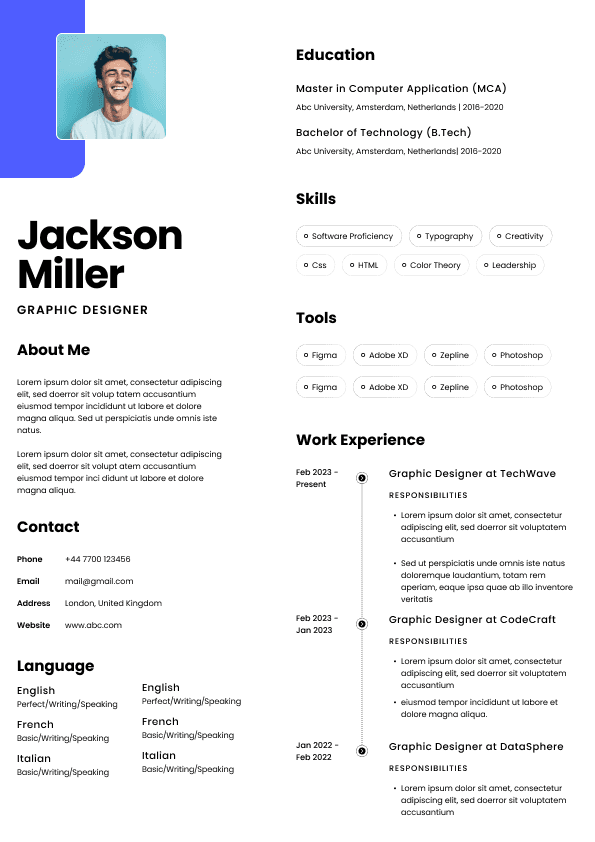
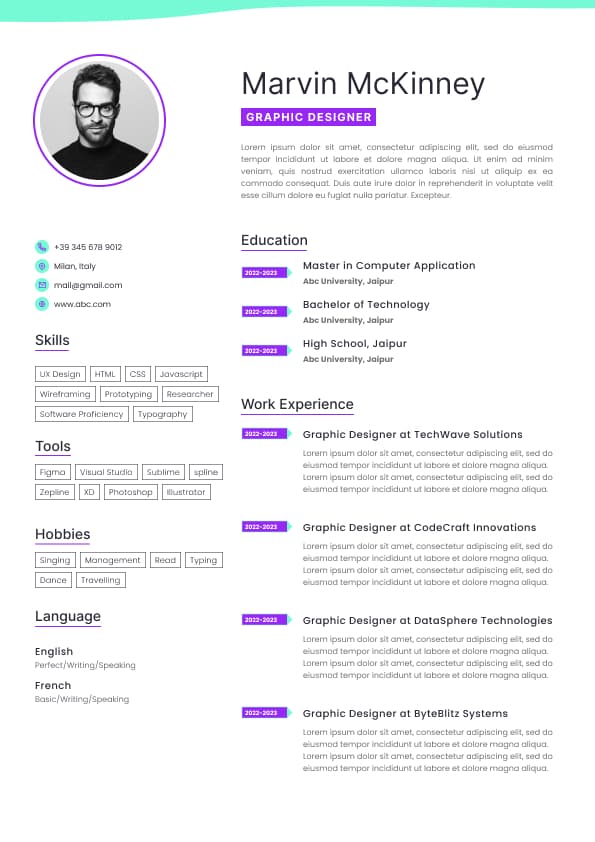
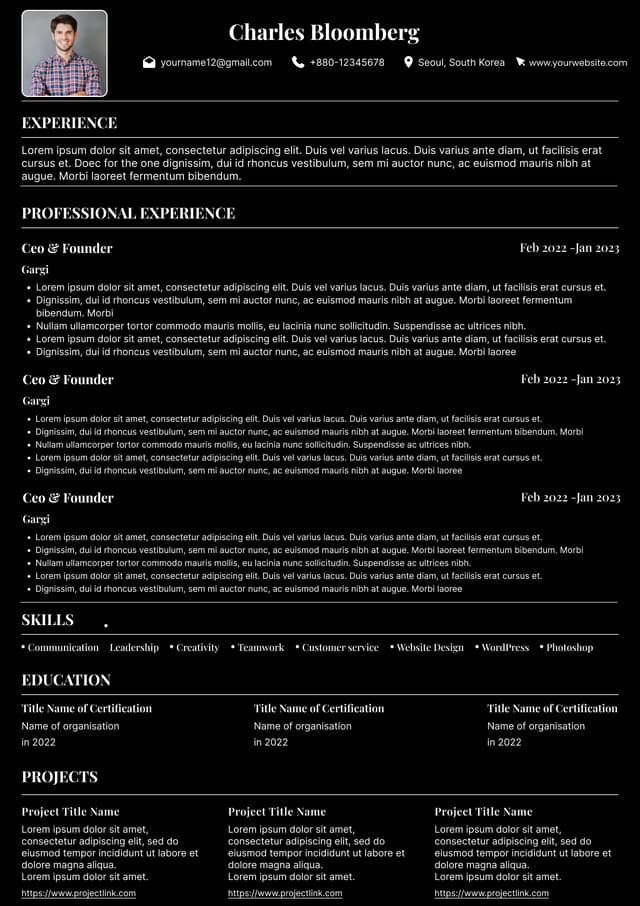



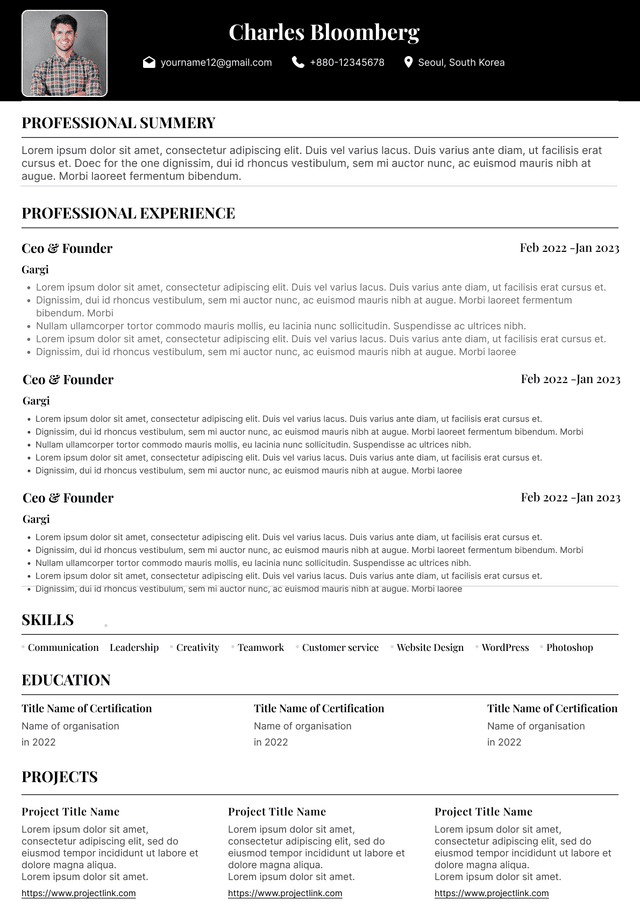
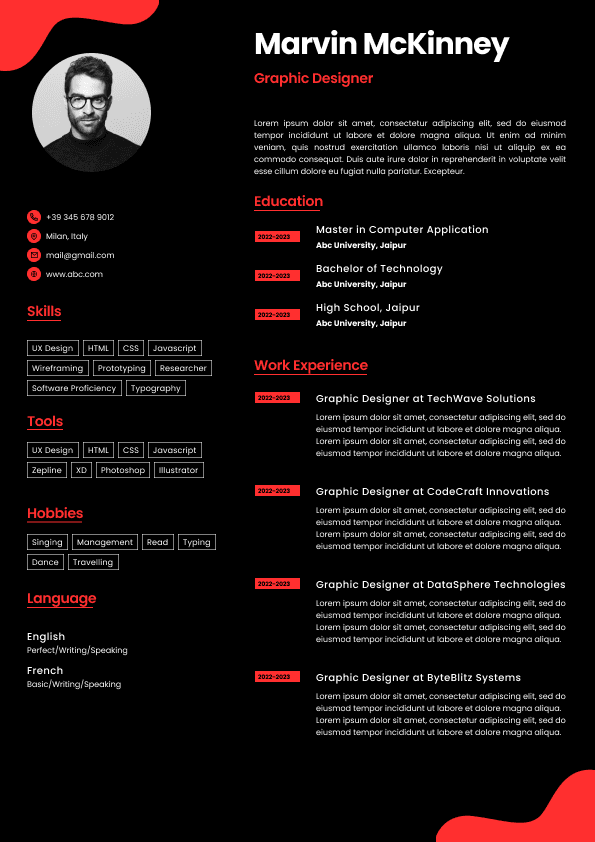


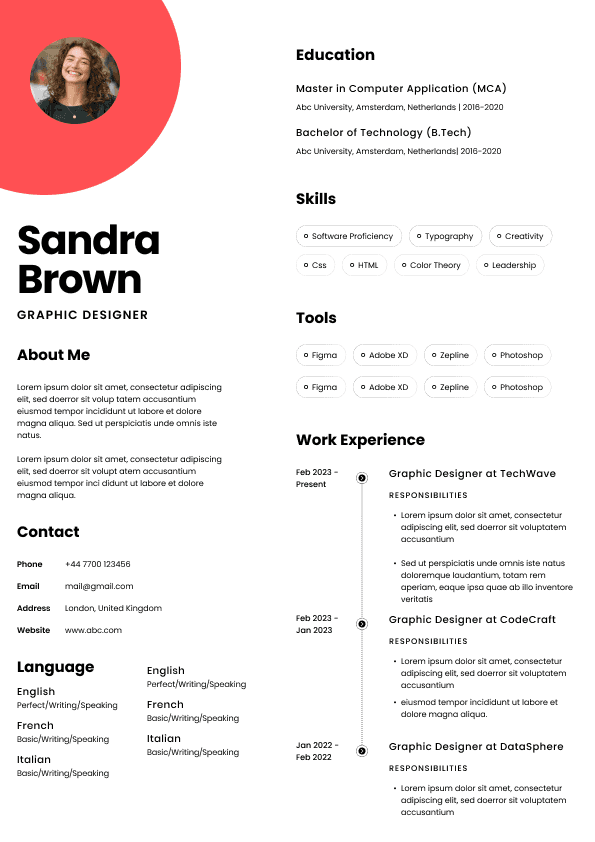
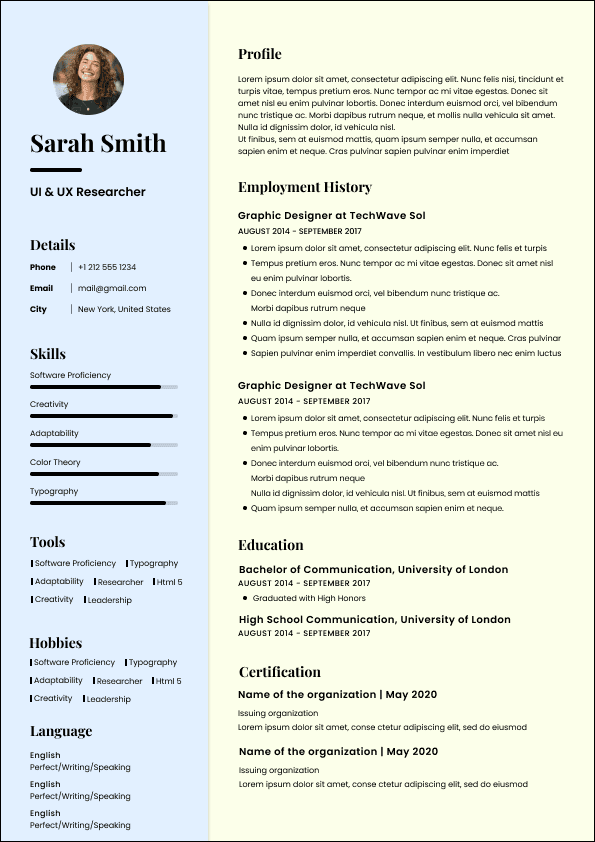

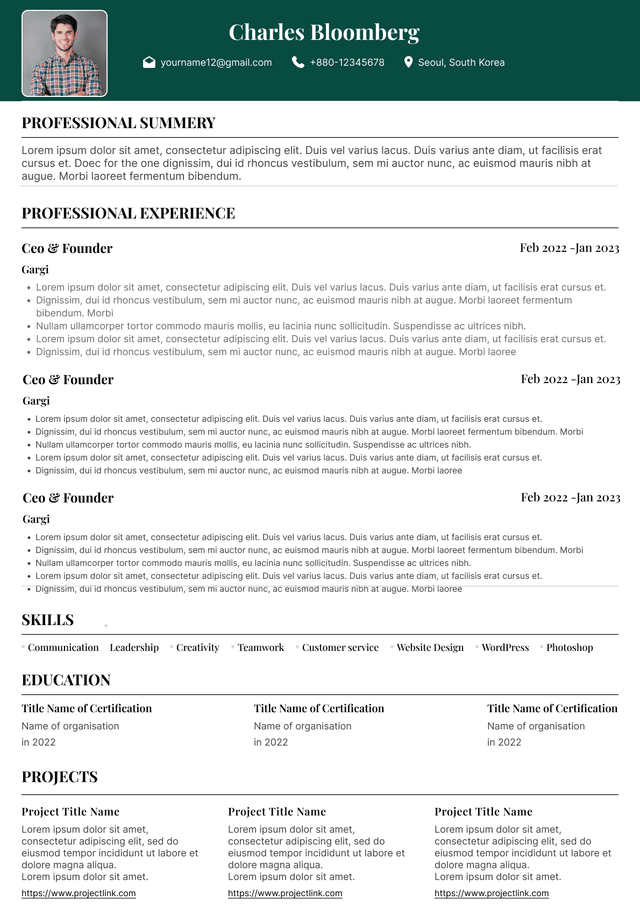
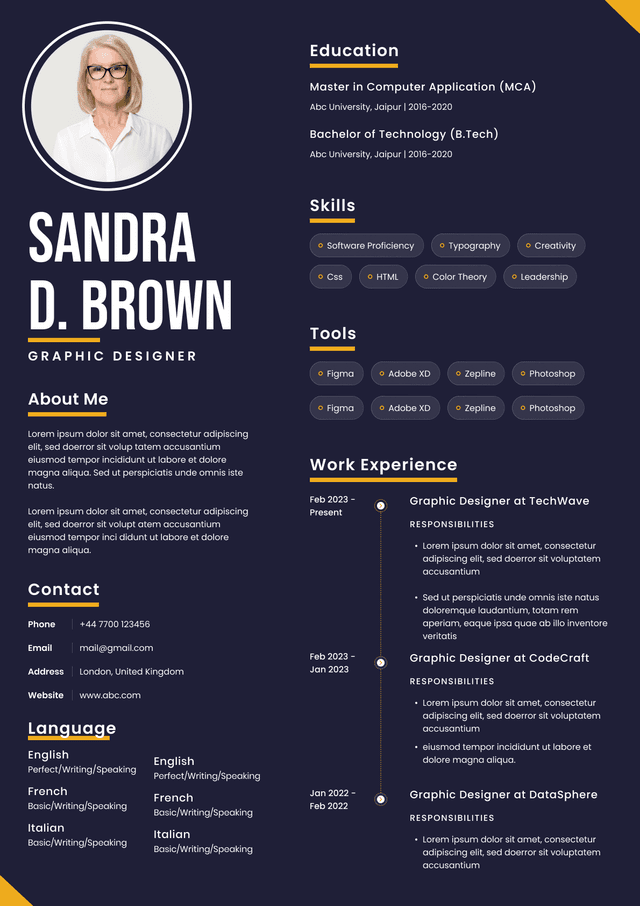

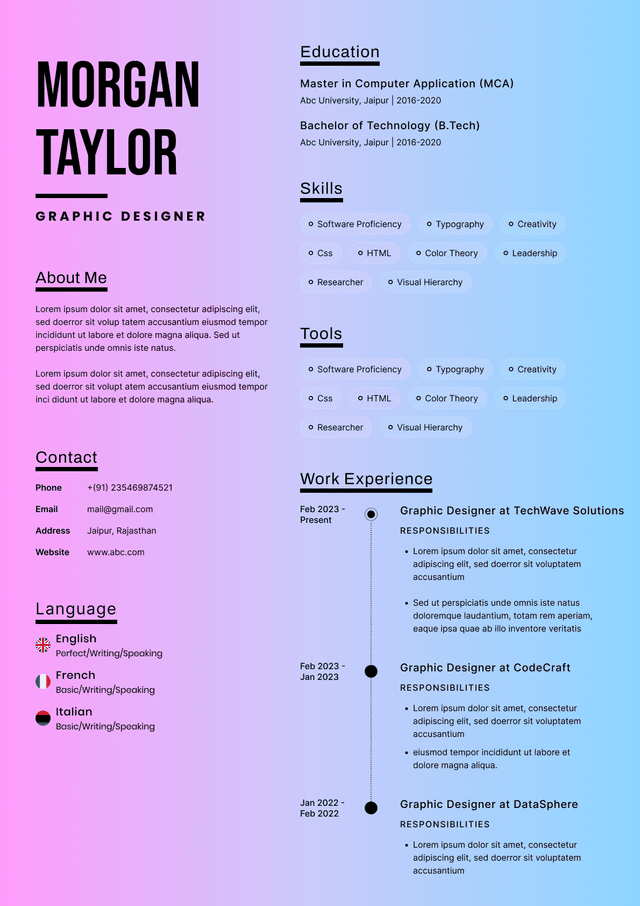
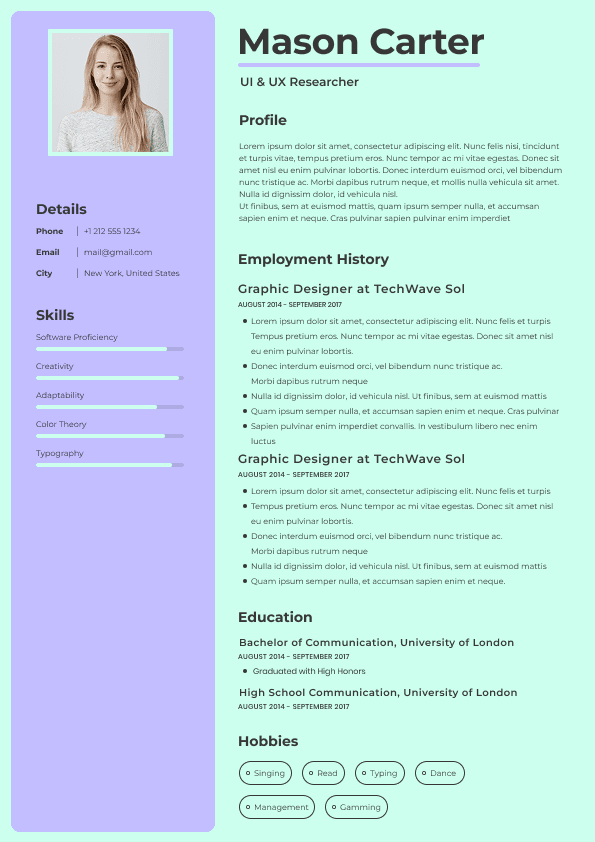
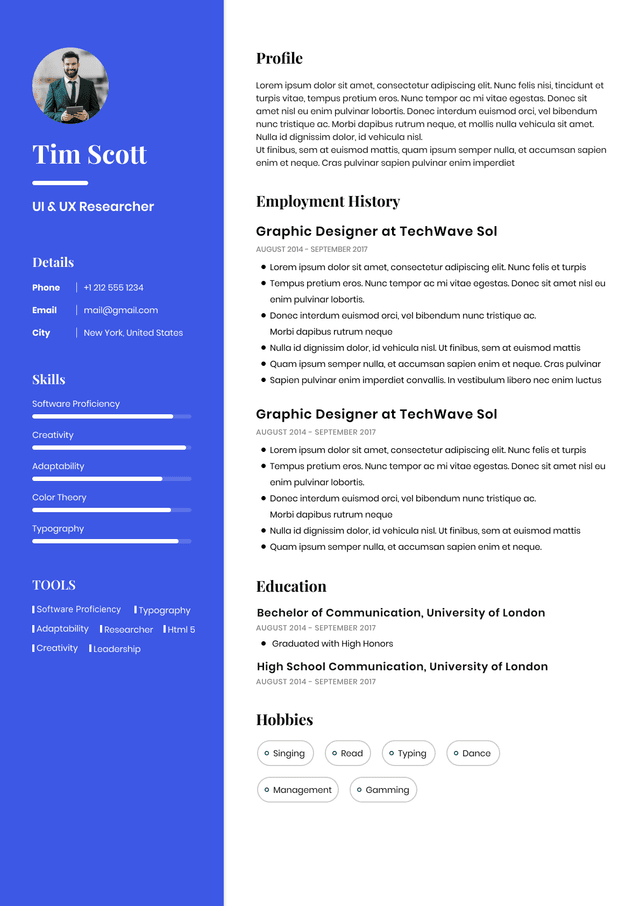

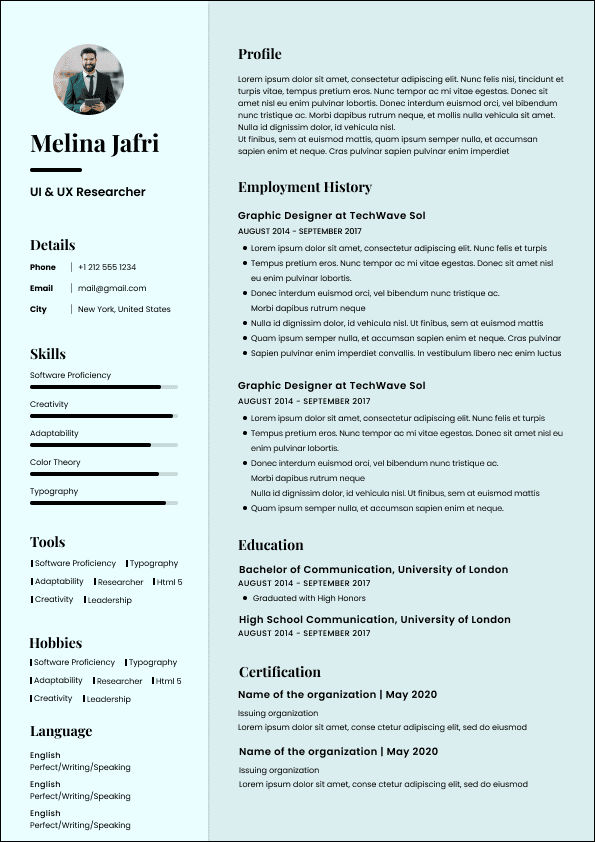
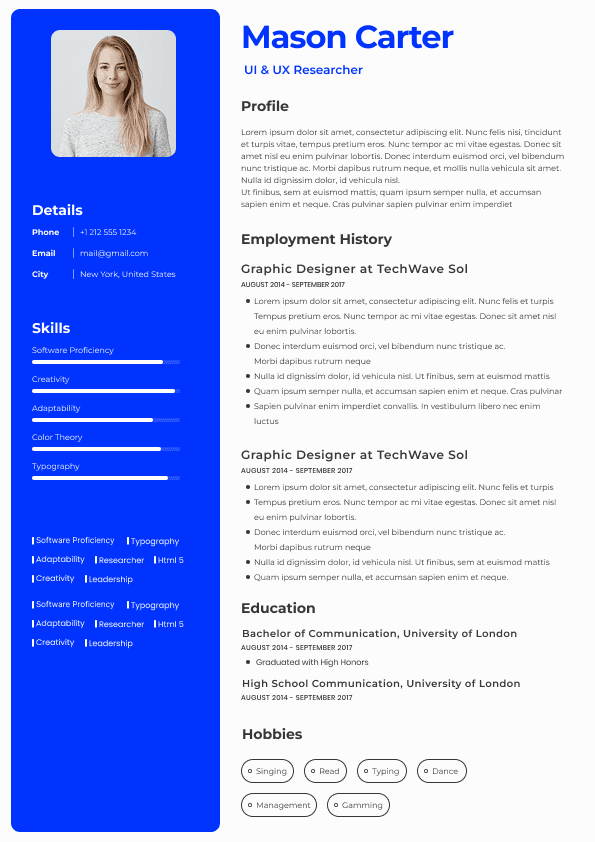
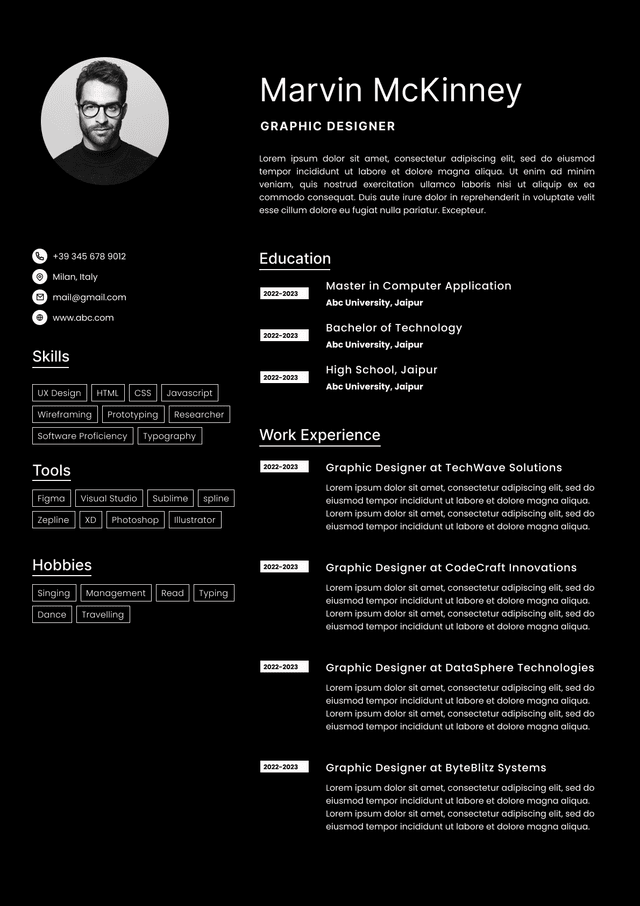
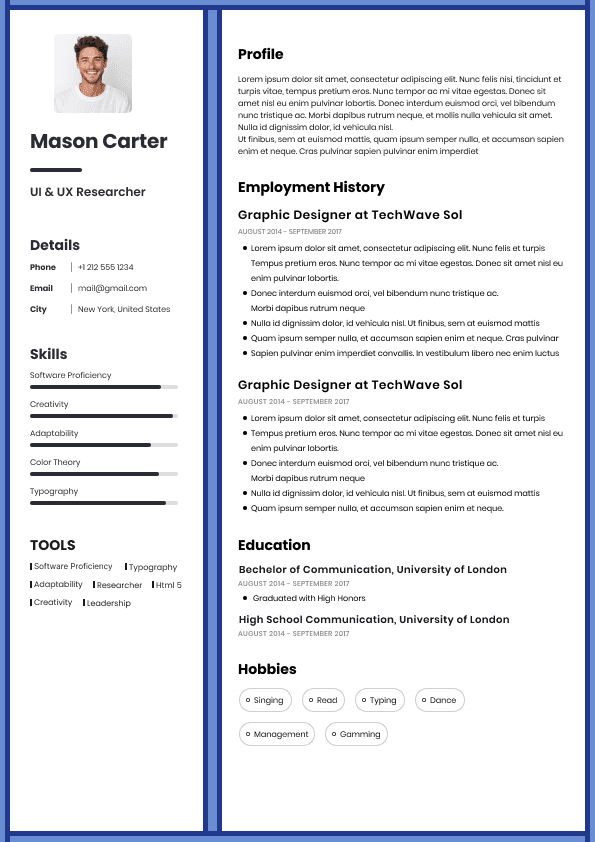
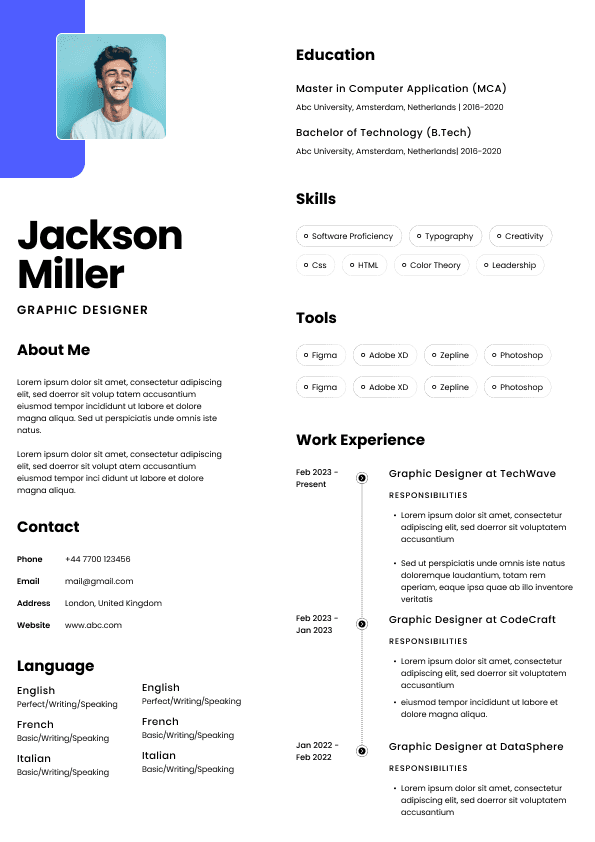
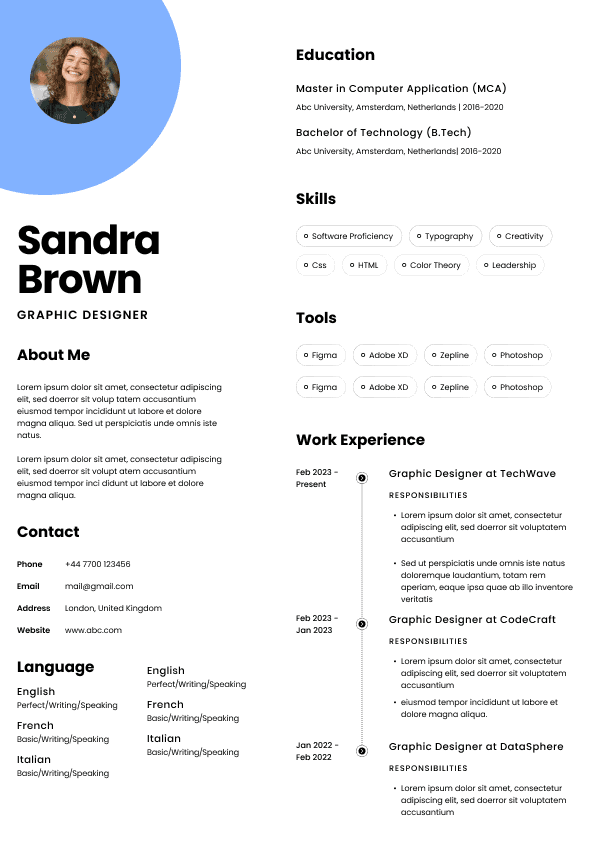
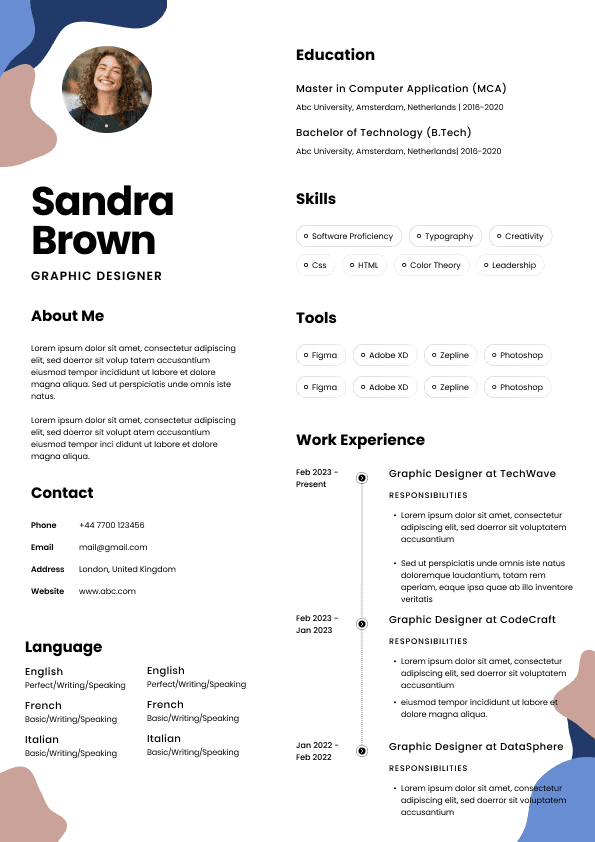


 Upload Resume
 Import from Linkedin