STILL APPLYING. STILL HEARING NOTHING?BUILD YOUR RESUME

STILL APPLYING. STILL HEARING NOTHING?BUILD YOUR RESUME
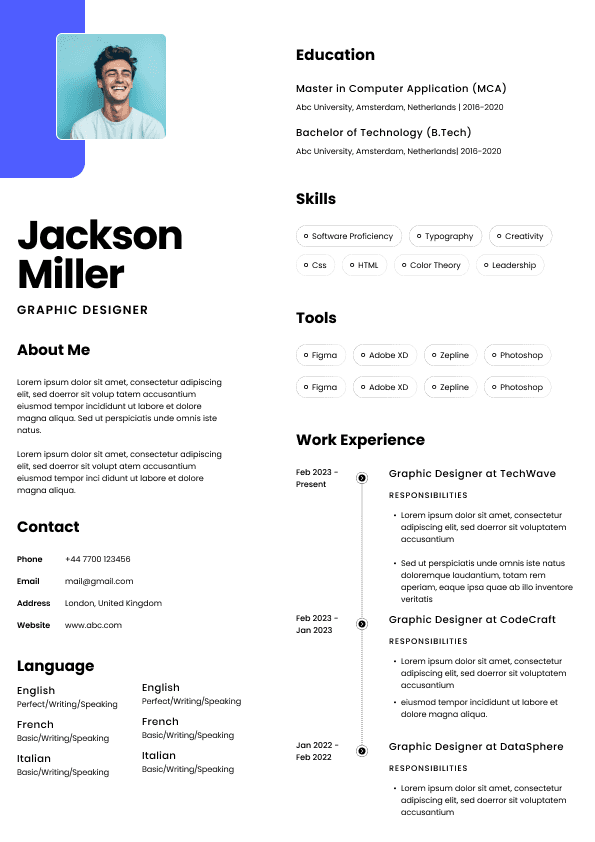
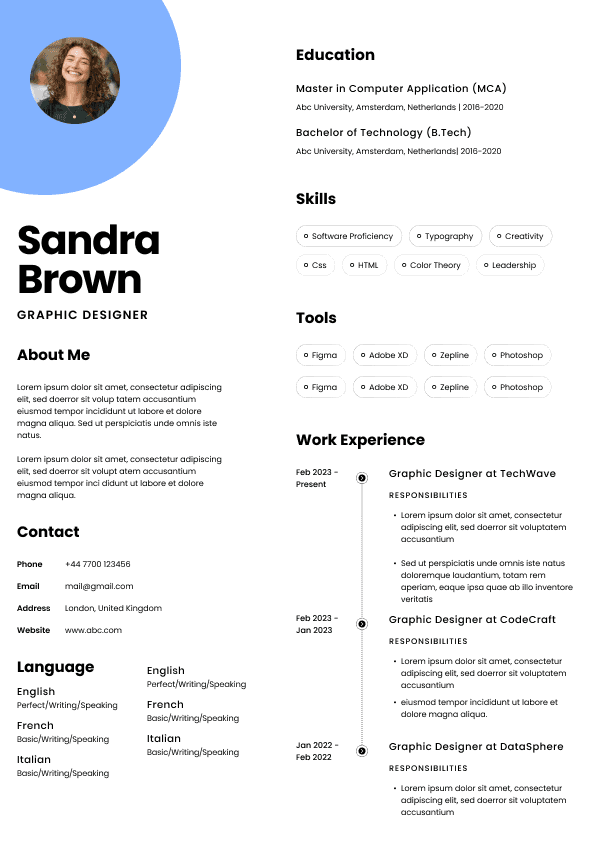
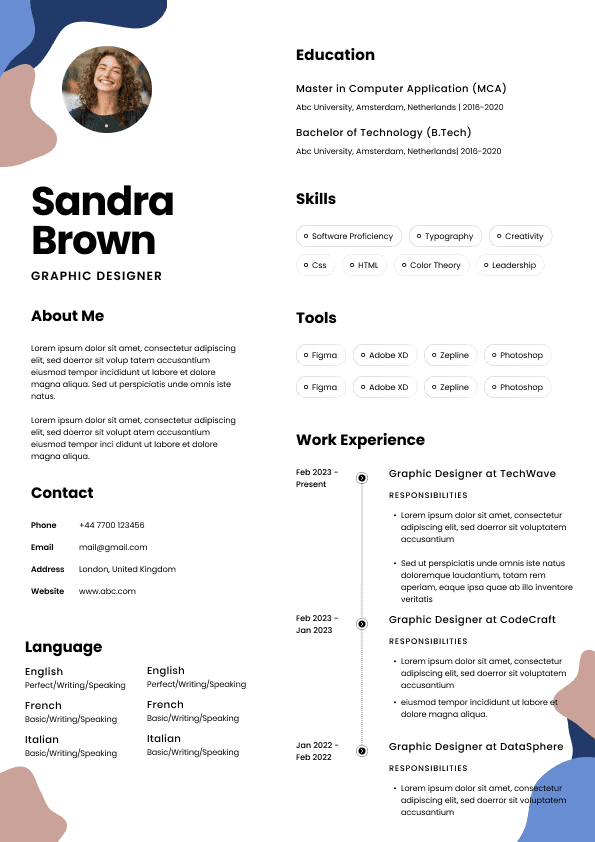
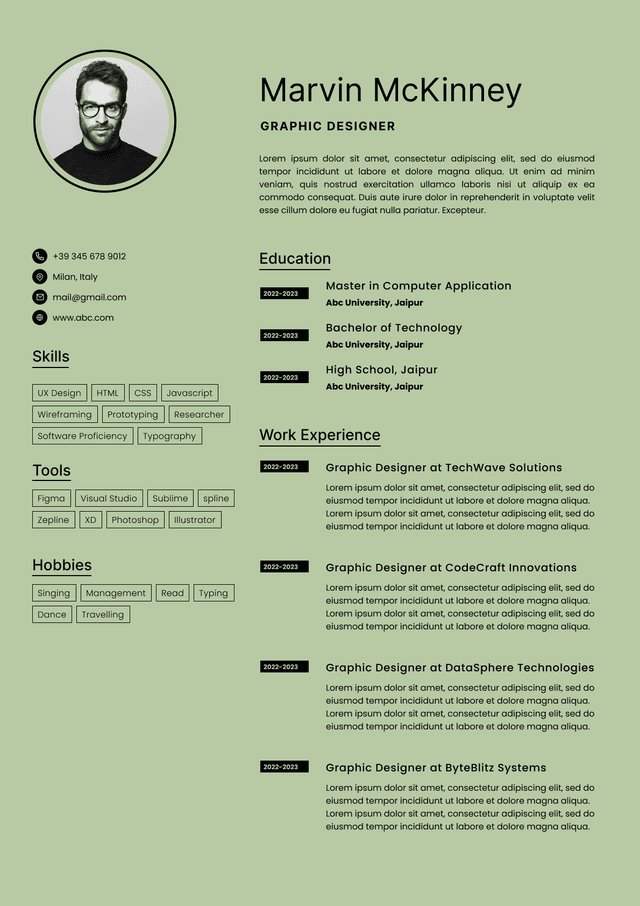
Choose from a wide range of NEWCV resume templates and customize your NEWCV design with a single click.
FAQ


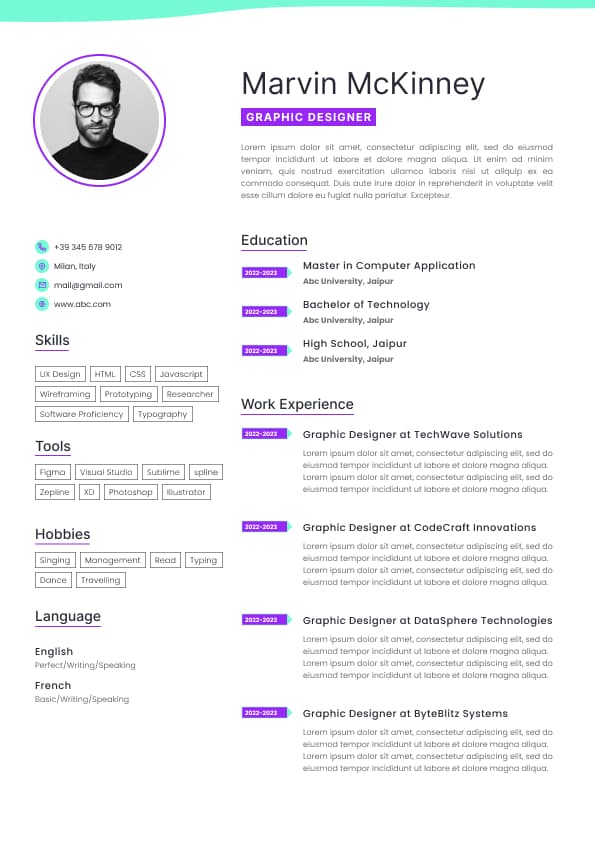
Use professional field-tested resume templates that follow the exact Resume rules employers look for.
Create ResumeA JavaScript developer resume should do more than list technologies. It should prove that you can contribute inside a modern engineering environment. Recruiters and hiring managers are not looking for random tool dumps or massive keyword lists. They are evaluating whether your stack aligns with their architecture, workflows, deployment model, testing standards, and product maturity.
The strongest JavaScript developer resumes clearly organize tools by category, prioritize technologies actually used in production, and reflect real engineering depth. A hiring manager should immediately understand whether you are a frontend specialist, full stack engineer, React-focused developer, Node.js backend engineer, platform engineer, or enterprise JavaScript developer.
This guide explains exactly how to present JavaScript technical skills on a resume, which tools matter most in today’s US hiring market, how recruiters evaluate tech stacks, and what separates high-performing developer resumes from generic keyword-heavy applications.
Most JavaScript developer resumes fail because they list technologies without context or prioritization.
Hiring managers are trying to answer several questions quickly:
Can this developer work inside our current stack?
Does this person understand modern JavaScript ecosystems?
Are these tools used professionally or just learned from tutorials?
Is the candidate production-ready?
Can they collaborate in real engineering workflows?
Do they understand testing, CI/CD, deployment, observability, and scalability?
A resume that says:
“JavaScript, React, Node.js, Git, HTML, CSS”
tells recruiters almost nothing.
A resume that says:
“Built production React and Next.js applications using TypeScript, Redux Toolkit, Tailwind CSS, GraphQL, Jest, Playwright, GitHub Actions, and AWS deployment workflows”
immediately signals real-world engineering exposure.
The difference is specificity, architecture relevance, and production alignment.
The strongest JavaScript resumes organize tools into clear technical categories instead of creating one massive unreadable list.
This improves:
ATS parsing
Recruiter scanning speed
Technical credibility
Hiring manager readability
Keyword relevance
A clean structure also helps companies quickly identify stack alignment.
JavaScript (ES6+)
TypeScript
React
Next.js
Vue.js
Angular
HTML5
CSS3
Tailwind CSS
Sass
Material UI
Node.js
Express.js
NestJS
REST APIs
GraphQL
WebSockets
PostgreSQL
MongoDB
Redis
MySQL
Firebase Firestore
Docker
Kubernetes
GitHub Actions
AWS
Vercel
Terraform
Jest
Cypress
Playwright
React Testing Library
Vitest
Git
GitHub
Jira
Postman
Swagger/OpenAPI
Figma
This structure mirrors how engineering organizations actually operate.
Not all tools carry equal weight in hiring decisions.
Some technologies are considered baseline expectations. Others create strong differentiation.
For frontend-focused JavaScript roles, recruiters heavily prioritize:
React
Next.js
TypeScript
Tailwind CSS
Redux Toolkit
React Query or TanStack Query
Vite
Jest
Playwright
Why these matter:
React still dominates enterprise and startup hiring
Next.js is heavily used in production SaaS and performance-focused applications
TypeScript has become a near-standard requirement
Modern state management and testing tools signal mature engineering practices
For Node.js and full stack positions:
Node.js
Express.js
NestJS
PostgreSQL
Prisma
Redis
Docker
AWS
GraphQL
Hiring managers want backend JavaScript developers who understand:
API architecture
Authentication flows
Database modeling
Scalability
CI/CD pipelines
Cloud deployment
A resume missing backend infrastructure tools often looks junior even if the candidate knows JavaScript well.
Many developers misunderstand how ATS filtering works.
Modern ATS systems do not simply count keywords. Most companies combine ATS filtering with recruiter review and technical evaluation.
That means:
Relevance matters more than keyword stuffing
Context matters
Grouping matters
Recent usage matters
“JavaScript, React, Vue, Angular, AWS, Kubernetes, Docker, GraphQL, MongoDB, Python, Java, C++, Rust”
This creates credibility problems because it looks inflated and unfocused.
“Frontend: React, Next.js, TypeScript, Redux Toolkit, Tailwind CSS, Vite
Backend: Node.js, Express.js, PostgreSQL, Prisma, REST APIs
Testing: Jest, Cypress, Playwright
Cloud and DevOps: Docker, GitHub Actions, AWS, Vercel”
This feels believable, specialized, and production-oriented.
Hiring managers do not care how many tools you list.
They care whether your resume demonstrates engineering maturity.
For example:
React
Node.js
MongoDB
This suggests tutorial-level familiarity.
Built scalable React and Next.js applications with TypeScript and Redux Toolkit
Developed Node.js APIs using Express and PostgreSQL
Implemented CI/CD pipelines using GitHub Actions and Docker
Now the resume reflects architecture understanding and workflow integration.
Led migration from Webpack to Vite, reducing frontend build times by 42%
Designed reusable component architecture using Storybook and internal design systems
Implemented observability workflows using Datadog and Sentry
Developed micro-frontend architecture using Module Federation
This demonstrates ownership, optimization, scalability, and leadership.
Different JavaScript roles prioritize different categories.
Most important categories:
React ecosystem
State management
CSS frameworks
Accessibility
Performance optimization
Frontend testing
Design systems
Top tools:
React
Next.js
TypeScript
Tailwind CSS
Redux Toolkit
React Query
Cypress
Storybook
Lighthouse
Figma
Most important categories:
Frontend frameworks
Backend APIs
Databases
Authentication
Cloud deployment
CI/CD
Top tools:
React
Node.js
Express.js
PostgreSQL
Prisma
Docker
AWS
GitHub Actions
Redis
Most important categories:
Scalable architectures
CI/CD
Monitoring
Security
Documentation
Enterprise integrations
Top tools:
Kubernetes
Terraform
Datadog
Splunk
SonarQube
Swagger/OpenAPI
Jira
Confluence
Salesforce integrations
The order of tools matters.
Recruiters naturally assign more importance to technologies listed first.
List technologies based on:
Real production experience
Job relevance
Depth of expertise
Recent usage
Business impact
Never prioritize based on trend alone.
“Angular, Vue, React”
if you primarily work in React.
“React, Next.js, TypeScript, Redux Toolkit”
This immediately positions you correctly for React-focused hiring pipelines.
Yes, but strategically.
AI-assisted development is becoming normal in engineering workflows, especially in startup and product-focused environments.
Relevant tools include:
GitHub Copilot
Cursor
AI code review assistants
ChatGPT for debugging and documentation workflows
However, these should never replace core engineering skills.
Under Developer Tools or Workflow Tools:
GitHub Copilot
Cursor
AI-assisted debugging and documentation workflows
Leading your entire technical stack with AI tools.
Hiring managers still prioritize engineering fundamentals first.
Most resumes stop at frameworks.
Senior-level candidates stand out through architecture, scalability, deployment, and operational tooling.
Nx
Turborepo
Lerna
Datadog
Grafana
Prometheus
Sentry
New Relic
Terraform
Kubernetes
AWS Lambda
Cloudflare Workers
Lighthouse
WebPageTest
Bundle Analyzer
k6
Salesforce
ServiceNow
MuleSoft
SAP integrations
These tools signal experience beyond feature implementation.
This is one of the fastest ways to weaken technical credibility.
Recruiters often assume:
Resume inflation
Shallow knowledge
Tutorial-only exposure
Lack of specialization
Only include technologies you could confidently discuss during technical interviews.
Example:
jQuery
React
Backbone.js
AngularJS
Without context, this creates confusion.
If older technologies are relevant, separate them into legacy environment experience.
“Tools: Various frontend frameworks”
This wastes valuable keyword and credibility space.
Specificity always performs better.
Many JavaScript developers only list coding frameworks.
Modern engineering hiring increasingly values:
CI/CD
Deployment workflows
Docker
Monitoring
Cloud infrastructure
Even frontend engineers benefit from showing operational awareness.
Tool lists alone are weak.
Recruiters want to see technologies tied to outcomes.
“Used React and Node.js.”
“Built customer-facing React and Next.js applications integrated with Node.js APIs, improving page load performance by 38%.”
Many developers either:
or
Both approaches fail.
Match:
Framework ecosystem
Cloud platform
Database type
Deployment tooling
Testing stack
Engineering workflow
Example:
If the company uses:
Next.js
TypeScript
GraphQL
AWS
Playwright
your resume should naturally emphasize those areas if you genuinely have experience with them.
This improves:
ATS alignment
Recruiter confidence
Technical interview relevance
Callback rates
Most strong JavaScript developer resumes include:
not 80 to 120 random technologies.
The goal is stack clarity, not keyword volume.
A focused, believable, production-oriented stack.
An encyclopedia of disconnected tools.
Recruiters trust focused resumes more.
Technical skills should appear in multiple sections naturally.
This is mandatory for most JavaScript developer resumes.
It improves ATS parsing and recruiter scanning.
This is where credibility is established.
Recruiters validate:
depth
outcomes
production usage
scale
Particularly important for:
junior developers
self-taught developers
bootcamp graduates
career switchers
Projects should demonstrate:
architecture decisions
deployment workflows
testing
API integrations
performance optimization
Hiring managers increasingly validate:
code quality
project realism
documentation quality
commit activity
engineering maturity
Especially for startup hiring.
Focus on:
React
JavaScript ES6+
HTML/CSS
Git
REST APIs
Node.js basics
Vite
Tailwind CSS
Jest
Avoid pretending senior-level infrastructure expertise you cannot explain.
Expand into:
TypeScript
Next.js
CI/CD
Docker
PostgreSQL
GraphQL
React Query
Testing frameworks
Cloud deployment
This level should demonstrate production workflow understanding.
Should include:
Architecture tooling
Observability
Scalability
Infrastructure
Performance optimization
Security tooling
Team workflow systems
The expectation shifts from coding to systems thinking.
Use ATS-optimised Resume and resume templates that pass applicant tracking systems. Our Resume builder helps recruiters read, scan, and shortlist your Resume faster.


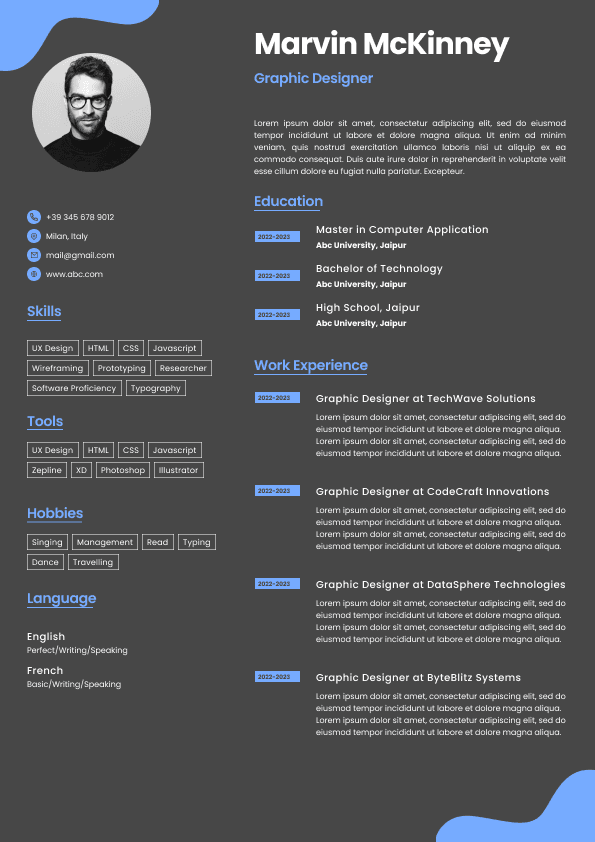
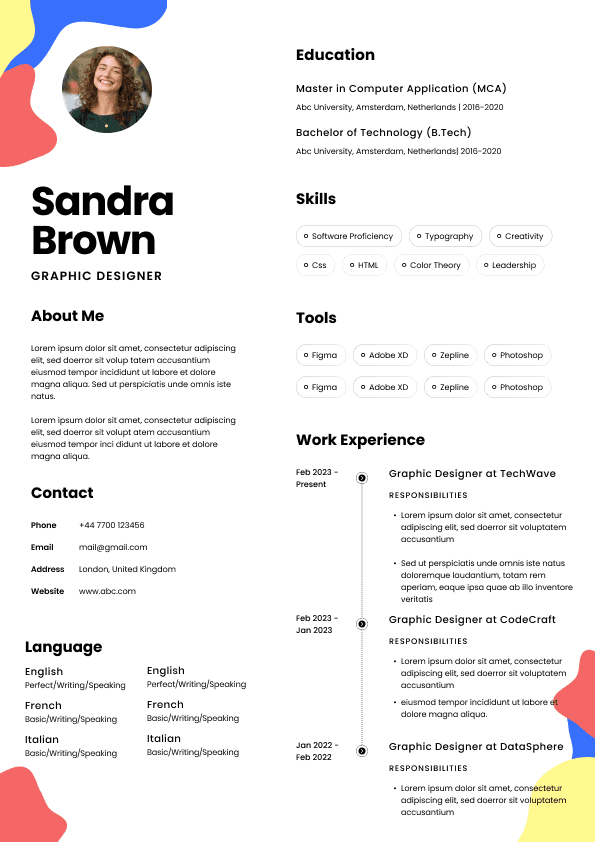
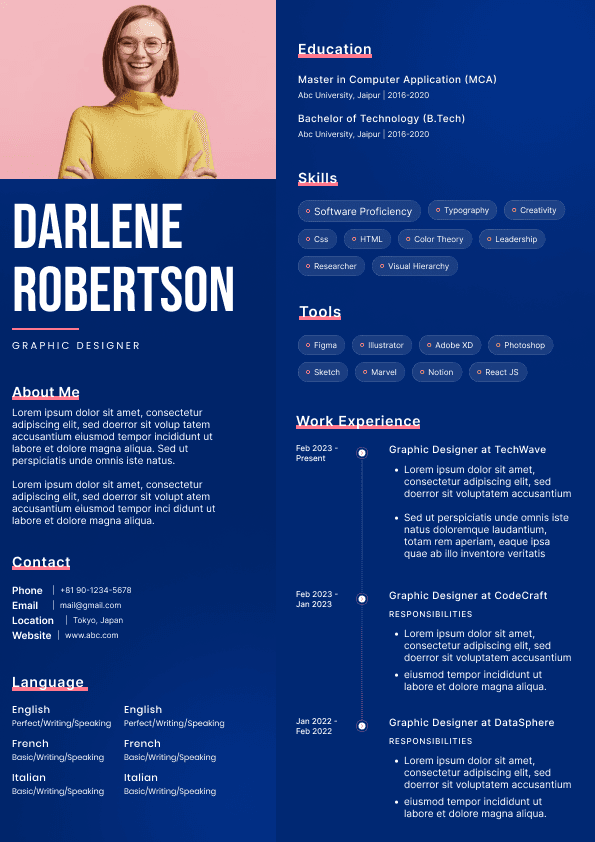
Use professional field-tested resume templates that follow the exact Resume rules employers look for.
Create Resume




 Upload Resume
 Import from Linkedin