STILL APPLYING. STILL HEARING NOTHING?BUILD YOUR RESUME

STILL APPLYING. STILL HEARING NOTHING?BUILD YOUR RESUME
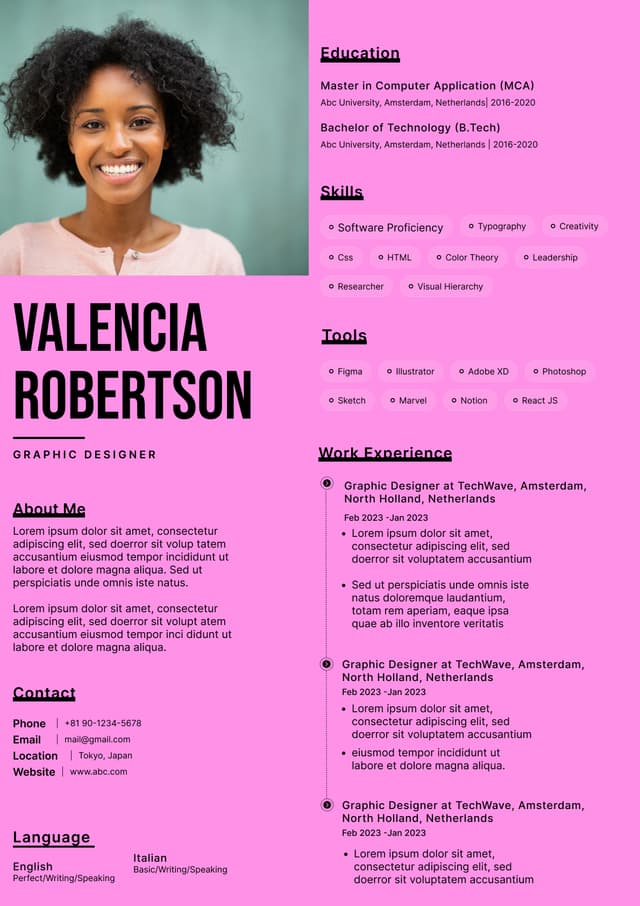
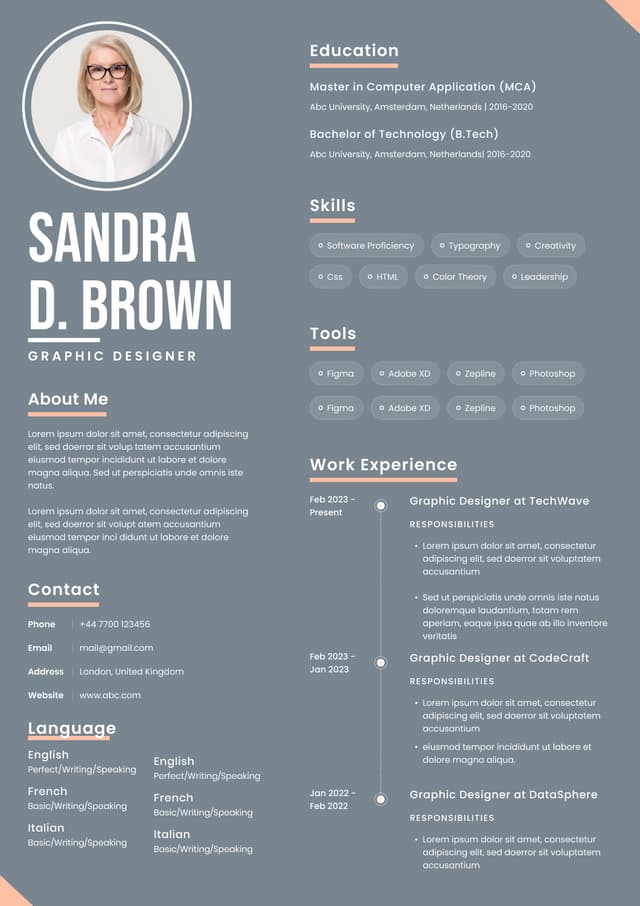
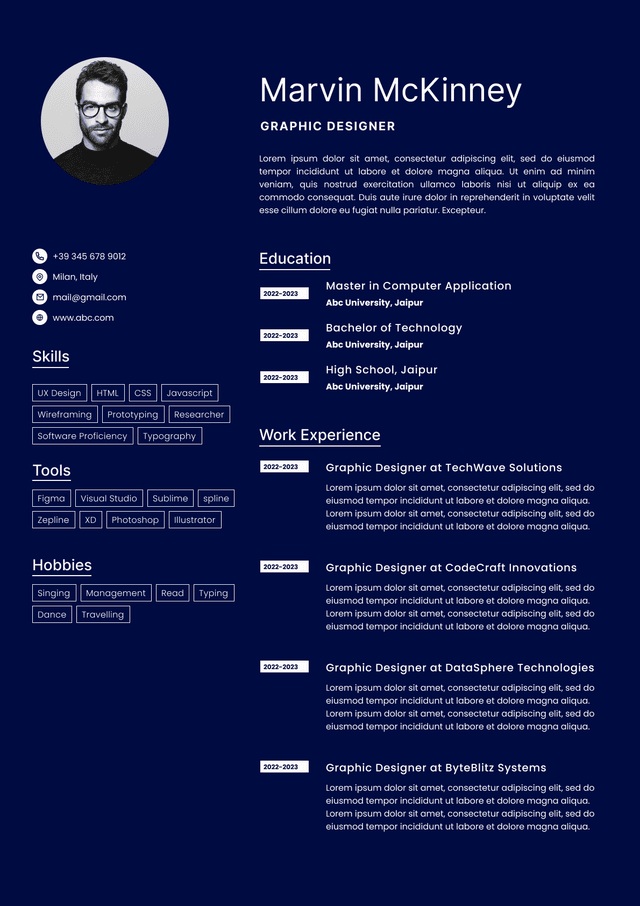
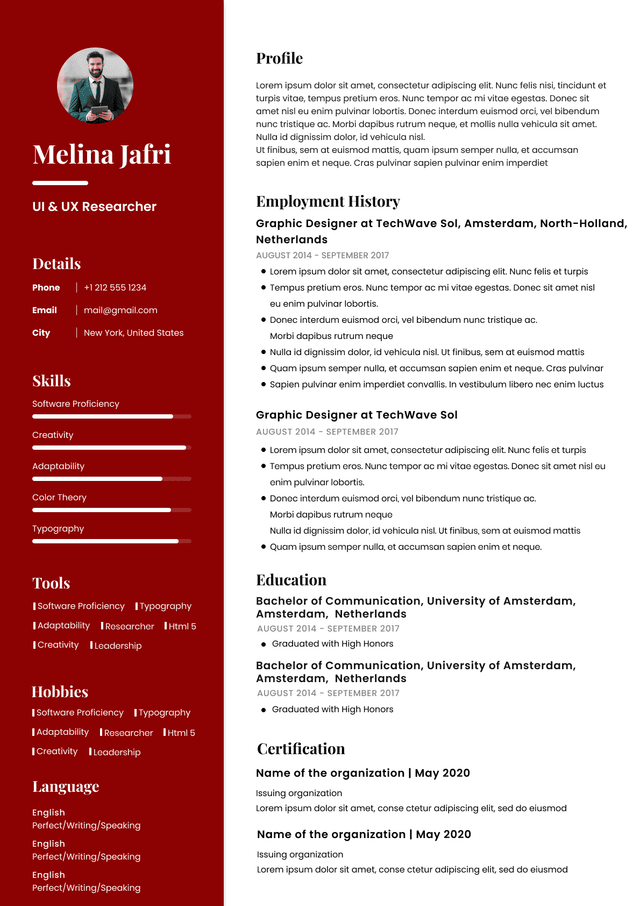
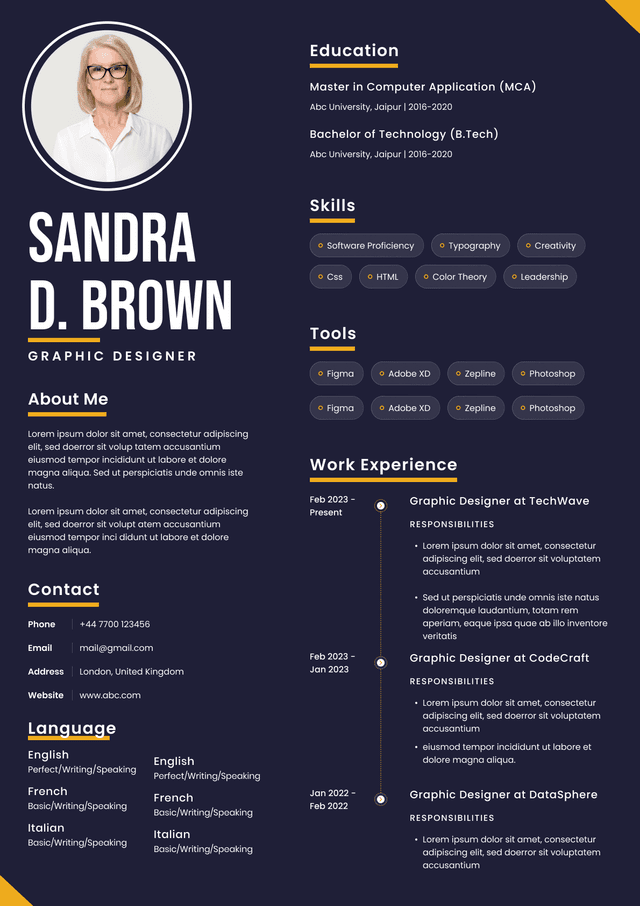
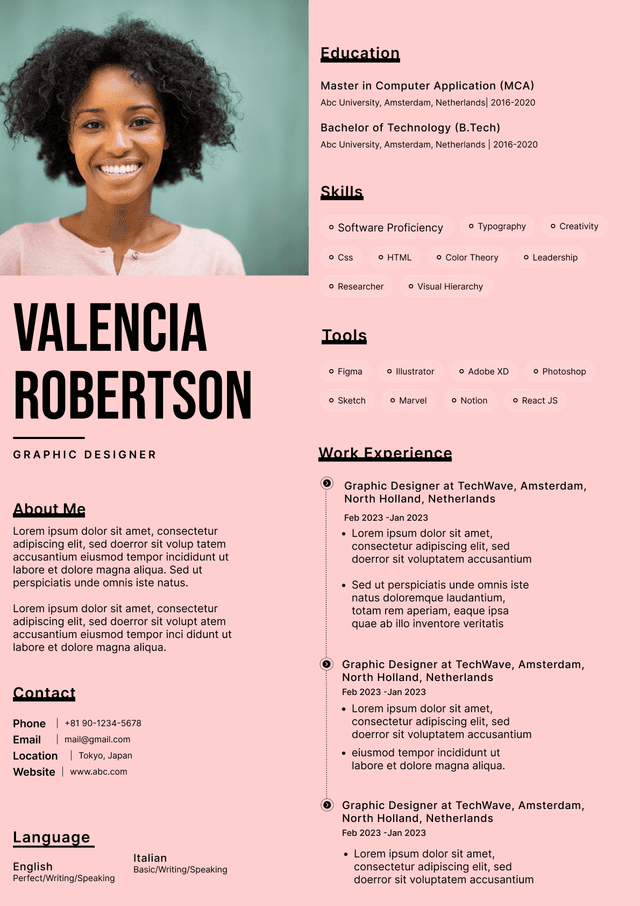
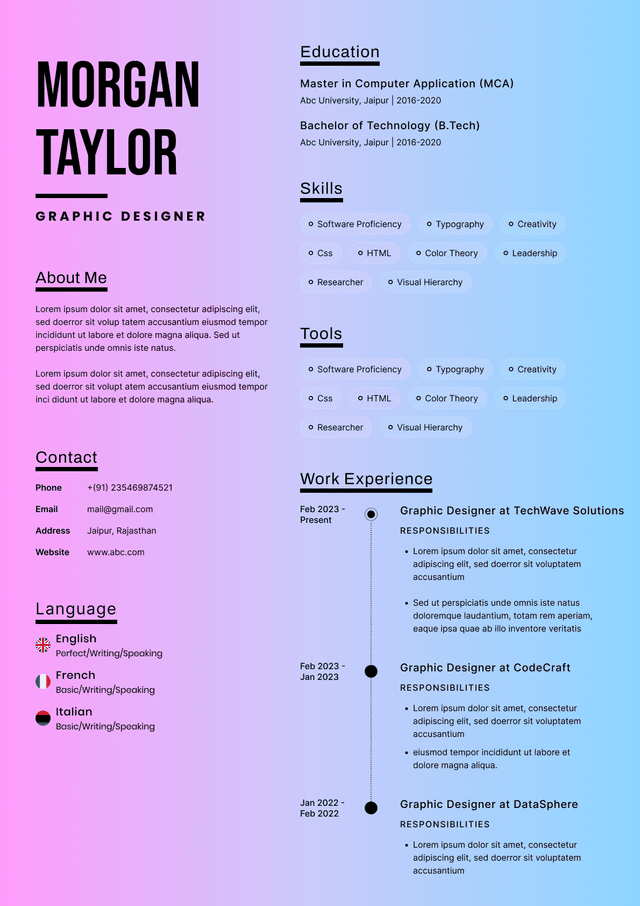
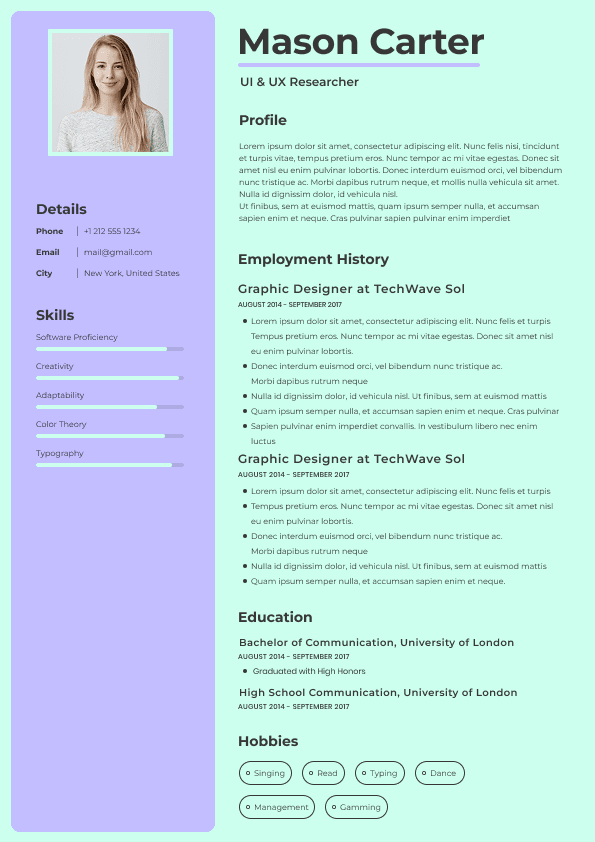
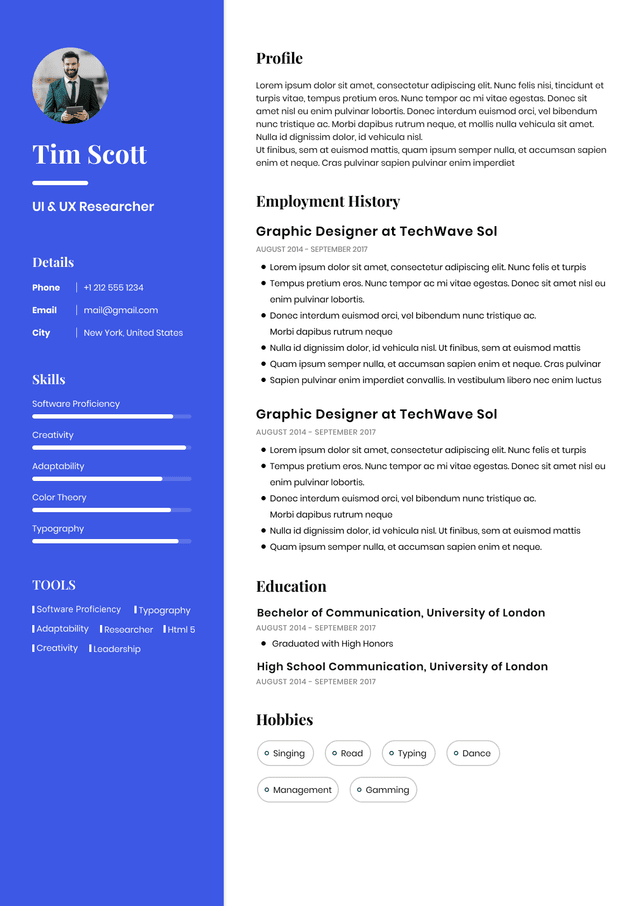
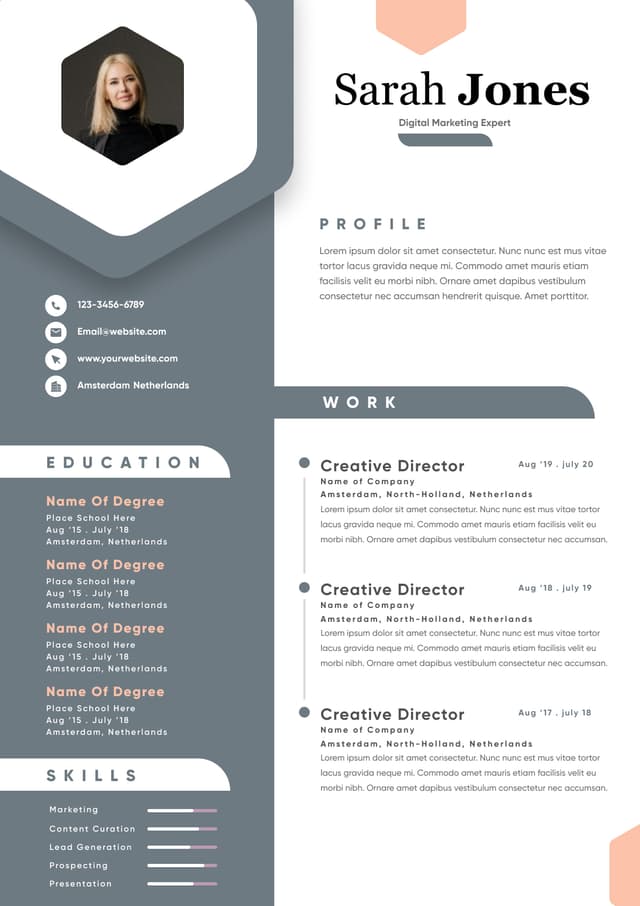
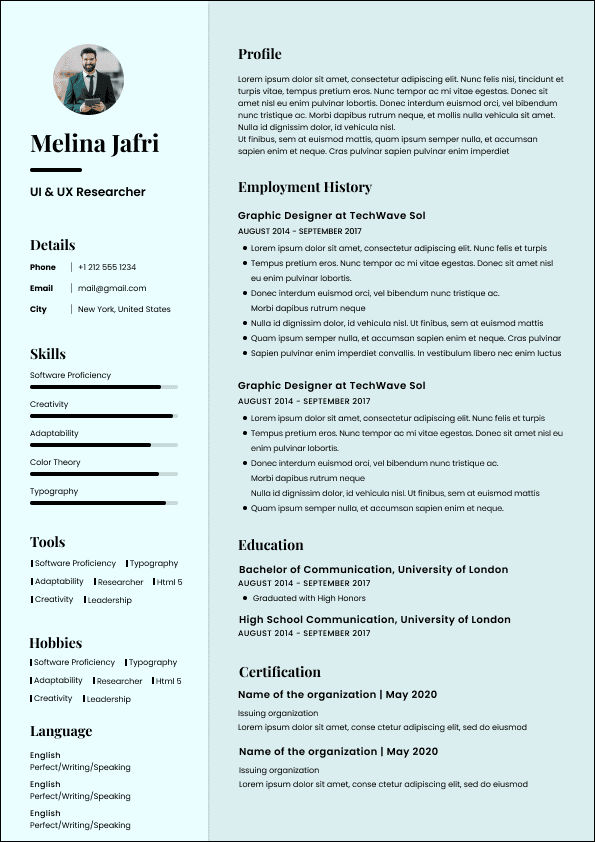
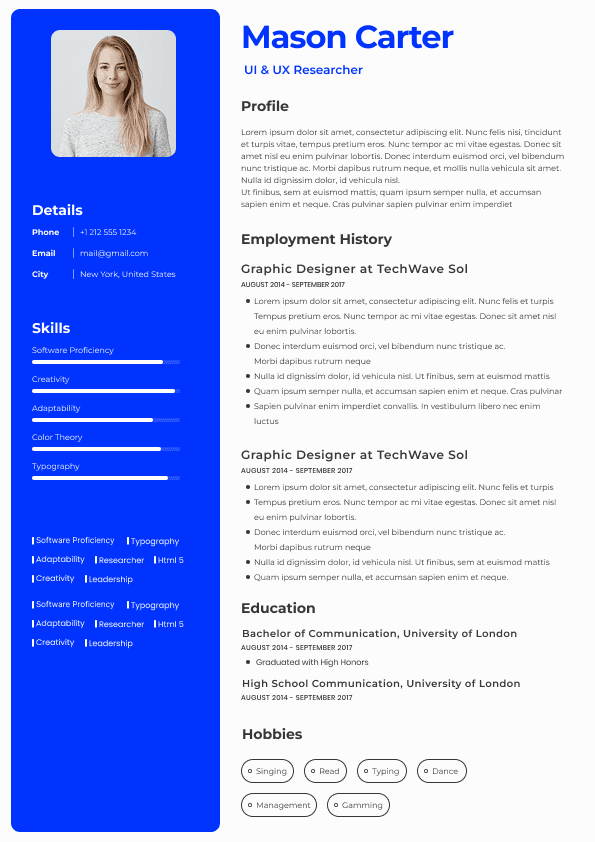
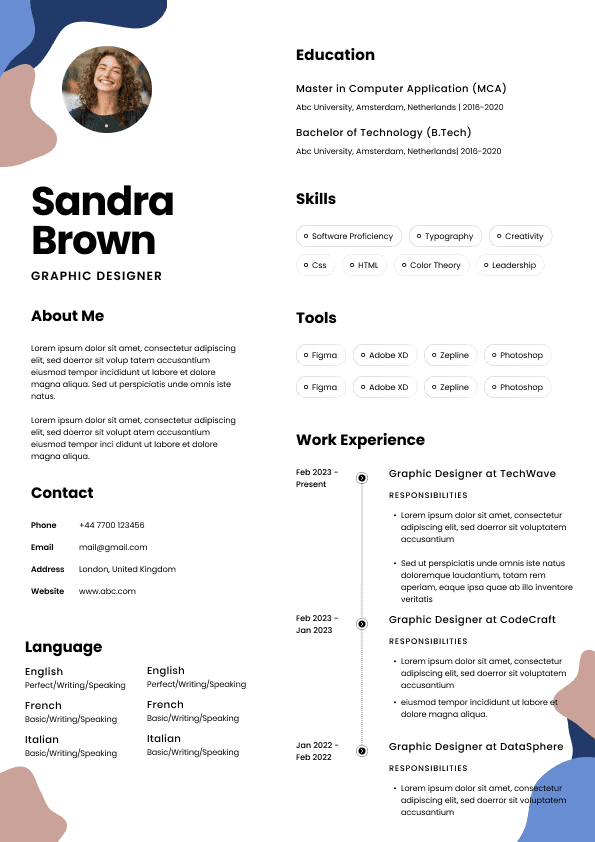
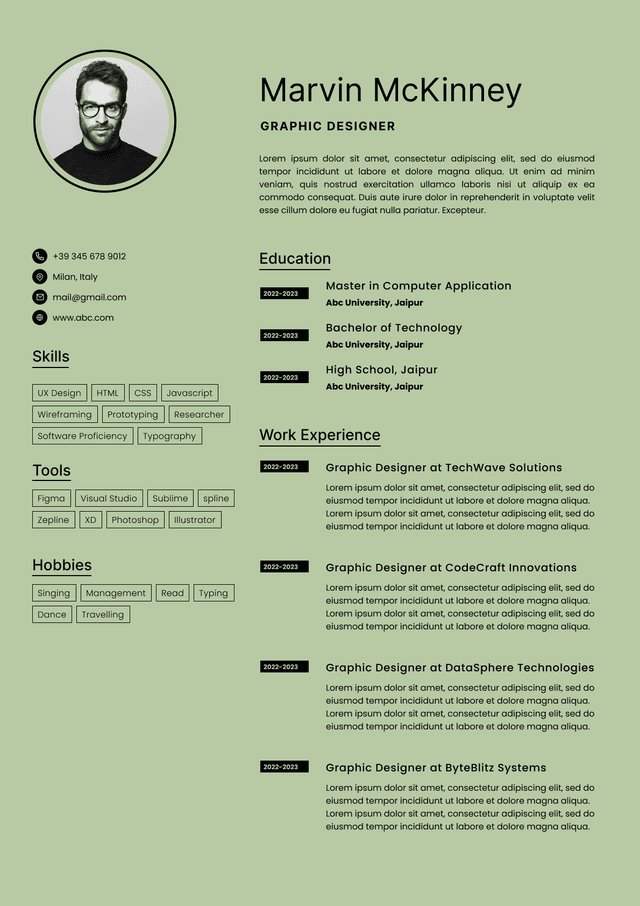
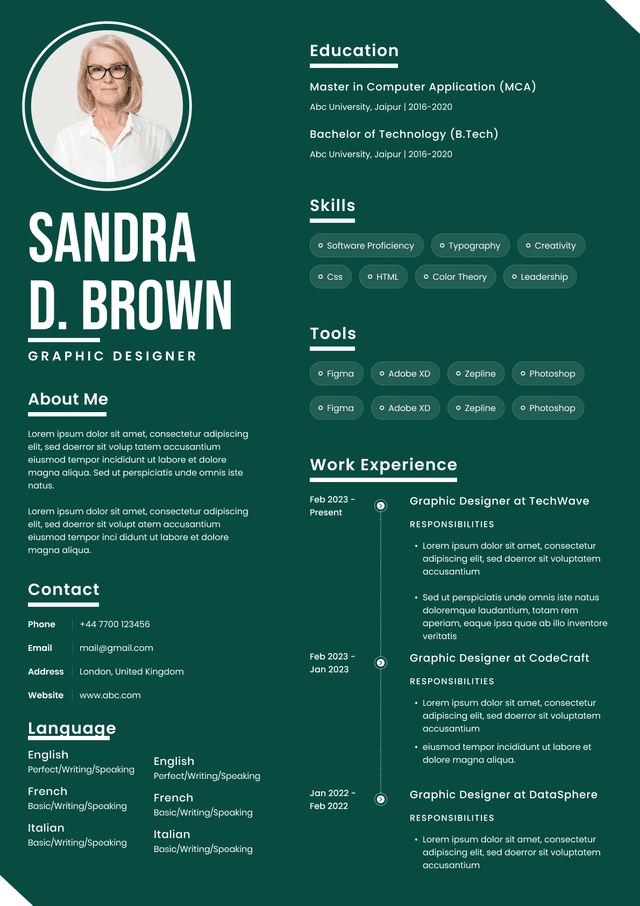
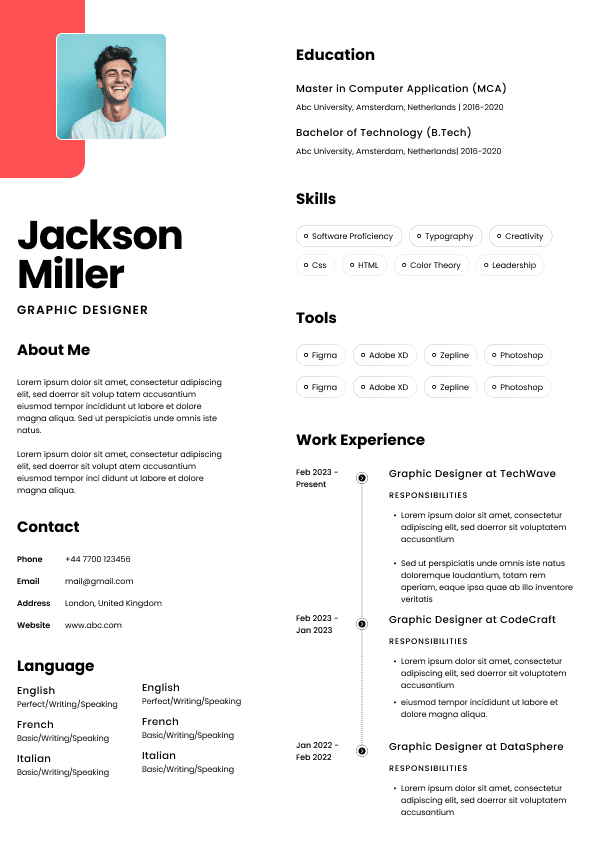
Choose from a wide range of NEWCV resume templates and customize your NEWCV design with a single click.
FAQ
A strong TypeScript developer portfolio is not just a gallery of projects. It is proof that you can build production-quality applications, structure scalable codebases, solve business problems, and work like a professional engineer. Recruiters and hiring managers are not evaluating your portfolio like a design contest. They are looking for evidence that you can contribute to a real engineering team.
The best TypeScript developer portfolios immediately communicate three things within the first 15 to 30 seconds:
Your specialization
Your technical depth
Your ability to ship real applications
Most developer portfolios fail because they look polished but provide no technical credibility. Generic templates, unfinished projects, weak GitHub activity, and vague project descriptions make candidates blend together. The portfolios that actually generate interviews clearly demonstrate architecture decisions, business impact, deployment quality, and modern TypeScript engineering practices.
This guide breaks down exactly how to build a TypeScript developer portfolio that recruiters remember and hiring managers trust.
Most developers assume recruiters evaluate portfolios based on visuals alone. That is not how modern technical hiring works.
Recruiters use portfolios as a filtering mechanism to answer practical hiring questions quickly:
Does this candidate specialize in modern JavaScript and TypeScript development?
Can they build production-ready applications?
Do they understand frontend architecture, backend systems, or both?
Are they junior, mid-level, or senior based on project complexity?
Can they explain technical decisions clearly?
Would an engineering manager trust this person in a live codebase?
A recruiter typically spends less than two minutes on an initial portfolio review. If the portfolio is confusing, slow, generic, or lacks technical proof, the candidate often gets filtered out before a hiring manager even sees the application.
The highest-performing developer portfolios follow a simple structure with strong technical clarity.
Your hero section should immediately establish positioning.
A weak hero section says:
Weak Example:
“Passionate developer who loves coding.”
This communicates nothing meaningful to recruiters.
A stronger approach looks like this:
Good Example:
“Full Stack TypeScript Developer building scalable SaaS applications with React, Next.js, Node.js, and PostgreSQL.”
This instantly clarifies:
Your specialization
Your stack
Your market positioning
Your engineering focus
Your hero section should also include:
The about section should not repeat your resume summary.
Instead, explain:
What kinds of systems you build
What technologies you specialize in
What engineering problems interest you
What environments you thrive in
Hiring managers want to understand your technical identity.
For example:
Frontend-focused TypeScript engineer
Full stack SaaS developer
API and backend systems developer
Avoid massive keyword-dump skill lists.
Recruiters care more about depth than quantity.
Organize skills by category:
React
Next.js
TypeScript
Tailwind CSS
Redux Toolkit
Zustand
TanStack Query
Your projects determine whether your portfolio converts into interviews.
This is the most important section on the site.
Most developers fail here because they showcase tutorial clones or unfinished side projects.
Recruiters want projects that resemble real business applications.
The strongest TypeScript portfolio projects usually involve:
Authentication systems
Real APIs
State management
Database architecture
Payment systems
Role-based permissions
Real-time functionality
Scalable frontend architecture
Most developers only show screenshots and a GitHub link.
That is a major mistake.
Every project should include:
Problem solved
Tech stack
Architecture decisions
TypeScript-specific implementation details
Performance considerations
Challenges solved
Business value
Your portfolio itself should demonstrate modern engineering standards.
Still the safest and strongest choice for frontend visibility.
Excellent for:
SEO
Routing
Performance
SSR
Portfolio scalability
Next.js portfolios often perform better in recruiter searches because they reflect modern frontend standards.
Widely adopted in startup and SaaS environments.
If you are positioning as full stack:
Node.js
NestJS
Prisma
PostgreSQL
GraphQL or tRPC
This stack communicates modern TypeScript ecosystem knowledge.
Strong deployment signals matter.
Recommended options:
Vercel
Railway
Render
AWS
Cloudflare
Recruiters increasingly notice whether candidates understand deployment workflows.
A deployed production app carries significantly more credibility than a local-only GitHub project.
Most developers completely ignore SEO.
That is a missed opportunity.
A properly optimized portfolio can generate inbound recruiter traffic for years.
Use keyword-focused metadata naturally:
TypeScript Developer
Full Stack TypeScript Engineer
React TypeScript Developer
Next.js Developer
Frontend Engineer
Node.js TypeScript Developer
Your homepage title tag matters.
So do:
Open Graph tags
Do not keep all projects on one page.
Dedicated project pages help with:
SEO indexing
Long-tail visibility
Technical depth
Better recruiter exploration
Each project page should include:
Architecture explanations
Technical decisions
Performance optimization details
Recruiters frequently check GitHub activity.
Your GitHub should support your portfolio narrative.
Strong GitHub signals include:
Consistent commits
Clean repositories
Documentation
Readable README files
TypeScript-heavy codebases
Open-source contributions
Weak GitHub signals include:
Empty repositories
A strong TypeScript portfolio should feel modern but professional.
Many portfolios fail because developers prioritize flashy animations over readability.
Recruiters want speed and clarity.
The best portfolios usually have:
Minimal layouts
Strong typography
Clear spacing
Mobile responsiveness
Dark mode support
Fast navigation
Accessible UI
A slow portfolio immediately creates negative assumptions about engineering quality.
Optimize:
Core Web Vitals
Image compression
Lazy loading
Bundle size
Lighthouse performance scores
CDN deployment
A TypeScript developer portfolio should itself demonstrate good frontend engineering.
Junior candidates often believe they need massive complexity.
That is incorrect.
A junior portfolio should focus on:
Clean architecture
Strong fundamentals
Finished applications
Good documentation
Deployment quality
Better to have:
Than:
Good junior projects include:
No professional experience is normal for entry-level hiring.
What matters is proof of capability.
To compete effectively:
Build real projects
Write technical case studies
Contribute to open source
Show deployment workflows
Demonstrate TypeScript fluency
Recruiters hiring juniors mainly evaluate potential and execution quality.
Senior portfolios should emphasize:
System design
Architecture
Scalability
Team-level thinking
Performance optimization
Technical leadership
Senior candidates should include:
Architectural diagrams
Engineering tradeoff explanations
Recruiters see identical templates constantly.
Templates are fine as a starting point, but your portfolio must feel customized.
Many portfolios look impressive visually but contain no engineering explanation.
This is a major red flag for hiring managers.
Broken or missing deployments damage credibility immediately.
Always test:
Mobile responsiveness
Deployment links
API functionality
Authentication systems
Large project lists often weaken portfolios.
Recruiters prefer:
Instead of:
If your portfolio claims TypeScript expertise, show actual TypeScript engineering value.
Explain:
Type-safe APIs
Advanced typings
Schema validation
Typed state management
Shared type architecture
End-to-end typing strategies
This separates TypeScript specialists from generic JavaScript developers.
Hiring managers often evaluate portfolios differently than recruiters.
Recruiters assess:
Clarity
Positioning
Credibility
Professionalism
Hiring managers assess:
Engineering quality
Technical judgment
Scalability thinking
This is one of the most underused portfolio advantages.
Instead of simply showing projects, explain:
Why you chose specific architecture patterns
Why you used particular state management solutions
Performance bottlenecks you solved
Tradeoffs you considered
This demonstrates engineering maturity.
Open-source visibility creates strong credibility signals.
Especially valuable:
TypeScript libraries
React ecosystem contributions
Documentation improvements
Bug fixes
npm packages
Technical writing improves both SEO and authority.
Strong blog topics include:
Type-safe API architecture
React performance optimization
Next.js scaling strategies
TypeScript utility patterns
State management comparisons
Authentication implementation guides
This helps establish expertise beyond projects alone.
The best TypeScript developers are often discoverable before they apply.
Align your:
Portfolio
GitHub
Technical writing
Open-source contributions
Under one clear engineering identity.
Consistency increases recruiter trust significantly.
The strongest portfolios usually share these characteristics:
Clear specialization
Modern TypeScript stack
Production-quality projects
Fast performance
Strong GitHub integration
Real deployment environments
Technical depth
Architecture explanations


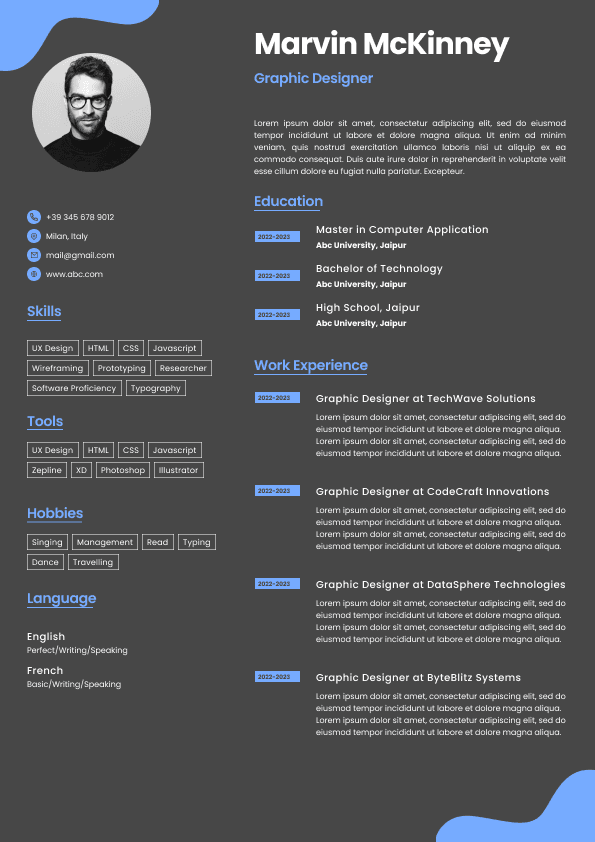
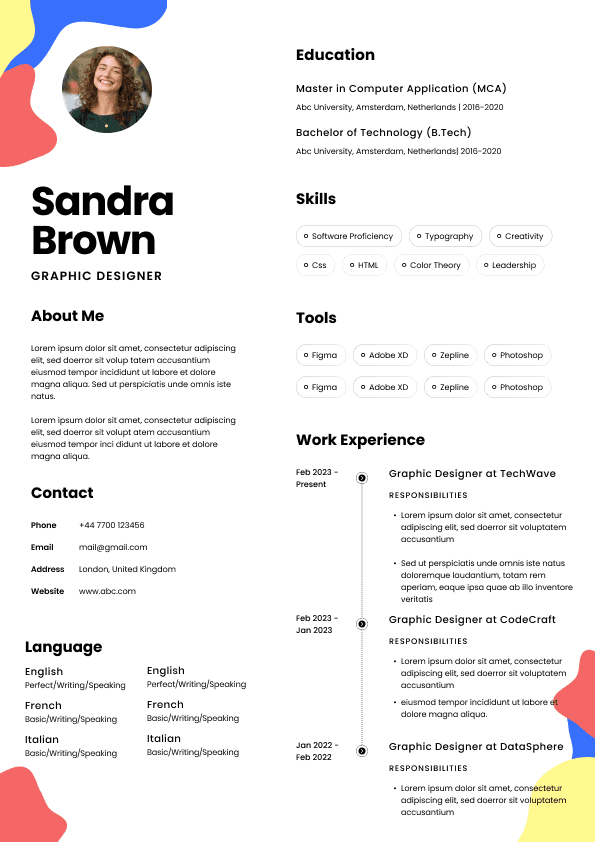
Use ATS-optimised Resume and resume templates that pass applicant tracking systems. Our Resume builder helps recruiters read, scan, and shortlist your Resume faster.

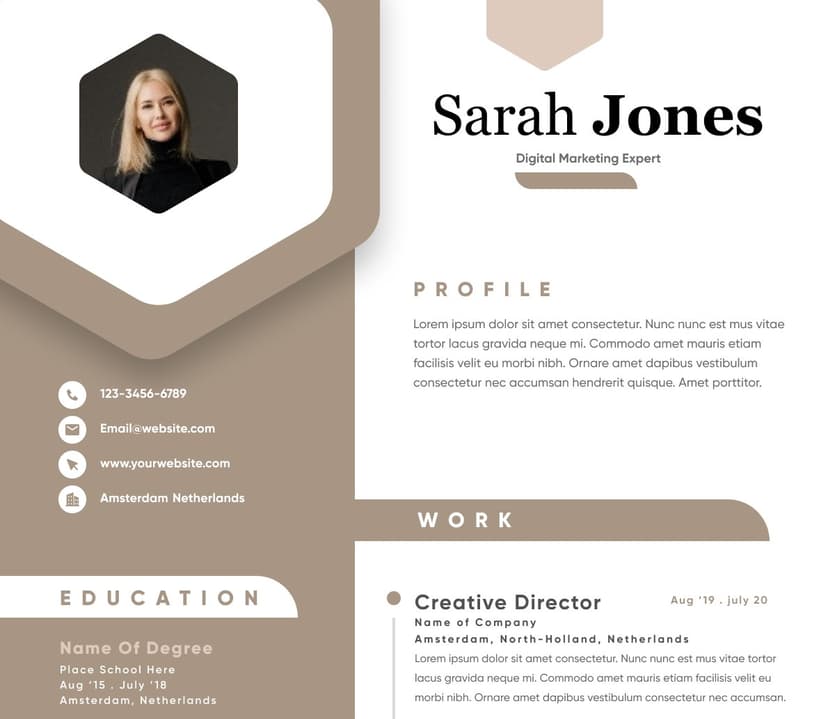
Use professional field-tested resume templates that follow the exact Resume rules employers look for.
Create Resume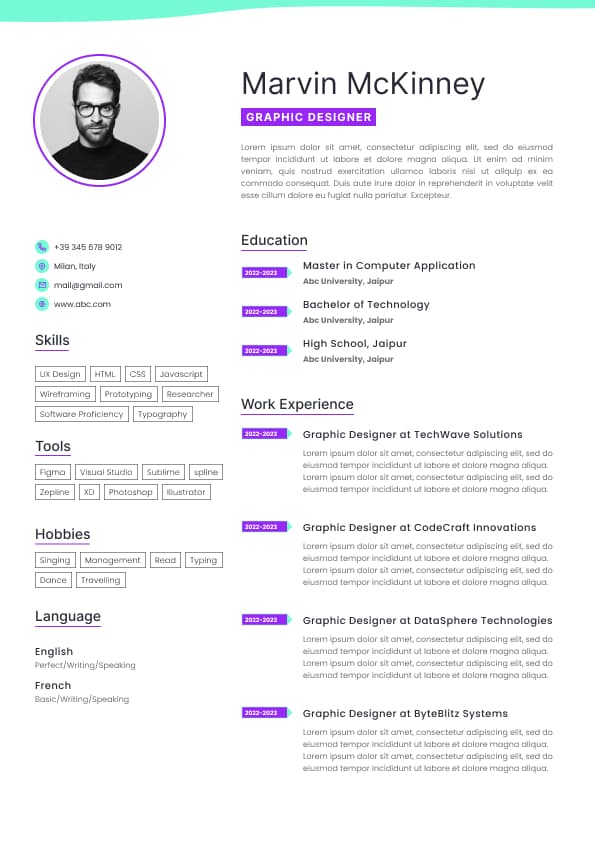
Use professional field-tested resume templates that follow the exact Resume rules employers look for.
Create ResumeThe strongest portfolios reduce uncertainty.
They make it easy to understand:
What you build
What stack you use
What problems you solve
What level you operate at
Whether your work resembles real production engineering
GitHub link
LinkedIn link
Resume download
Primary CTA
Clear location or remote availability if relevant
React performance specialist
Type-safe architecture engineer
Specific positioning always performs better than broad “software developer” branding.
Framer Motion
Node.js
NestJS
Express.js
Fastify
Prisma
GraphQL
tRPC
Docker
Vercel
AWS
Cloudflare
Railway
CI/CD pipelines
The goal is readability and specialization clarity.
Production deployment
High-value portfolio project examples include:
Multi-tenant SaaS dashboard
AI chat application
Real-time collaboration platform
Stripe subscription system
Full stack e-commerce platform
CMS platform
Kanban productivity app
API gateway architecture
Design system or component library
TypeScript monorepo architecture
These projects demonstrate engineering maturity better than basic CRUD apps.
Live demo
GitHub repository
A hiring manager wants to understand how you think technically.
For each project include:
Explain what the application does and who it serves.
List the stack clearly.
Example:
Next.js
TypeScript
Prisma
PostgreSQL
Stripe API
Tailwind CSS
Docker
This is where stronger candidates separate themselves.
Examples:
Implemented optimistic UI updates using TanStack Query
Built end-to-end type safety with tRPC
Reduced API latency through query optimization
Created reusable typed component architecture
Implemented role-based authentication system
Structured scalable monorepo architecture
Even side projects should communicate outcomes.
Example:
Reduced page load time by 42%
Improved Lighthouse performance score to 98
Supported multi-user real-time collaboration
Built scalable API handling thousands of requests
This makes projects feel closer to production engineering.
Excellent for polished component-driven interfaces.
Use sparingly for professional animations.
Avoid over-animated portfolios that hurt usability.
Project page metadata
Structured data
Internal linking
Technical blog posts
Deployment screenshots
API structure
GitHub links
Tutorial copies
Broken projects
No documentation
Inactive activity history
Task management app
Authentication platform
Weather dashboard
Expense tracker
AI chat frontend
E-commerce frontend
Infrastructure discussions
Monorepo or scaling decisions
Complex backend systems
The portfolio should feel closer to engineering documentation than a design showcase.
Architecture maturity
Code maintainability
That is why surface-level portfolios rarely perform well in technical hiring.
Strong portfolios reduce the perceived hiring risk.
They help hiring managers imagine you contributing to a production engineering team.
Professional design
Business-oriented project descriptions
Most importantly, they feel credible.
A hiring manager should leave your portfolio believing:
“This developer could contribute to a real engineering team.”
That is the true goal of a TypeScript developer portfolio.




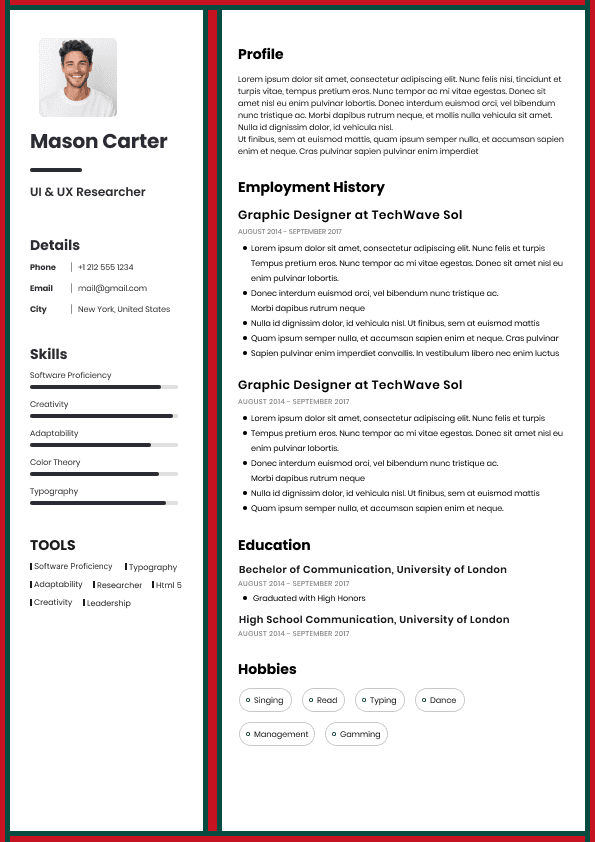
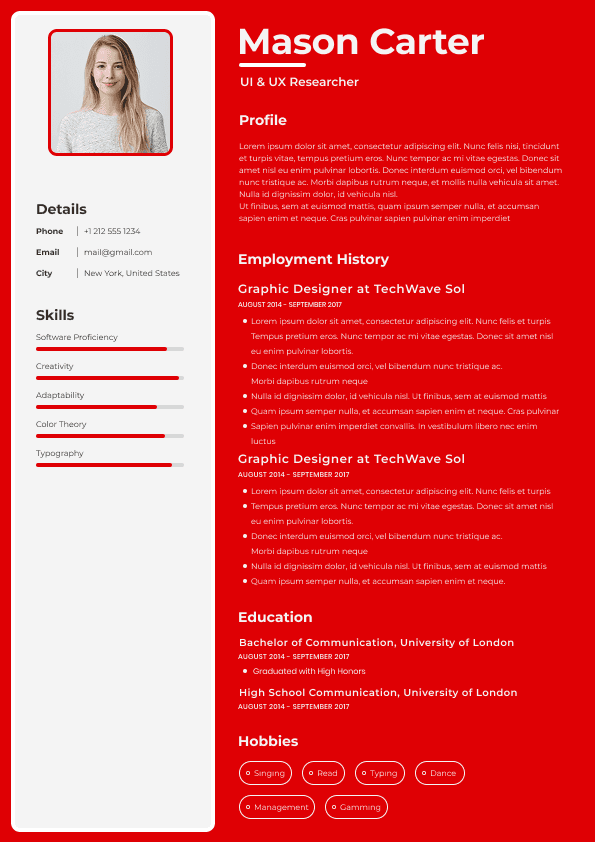
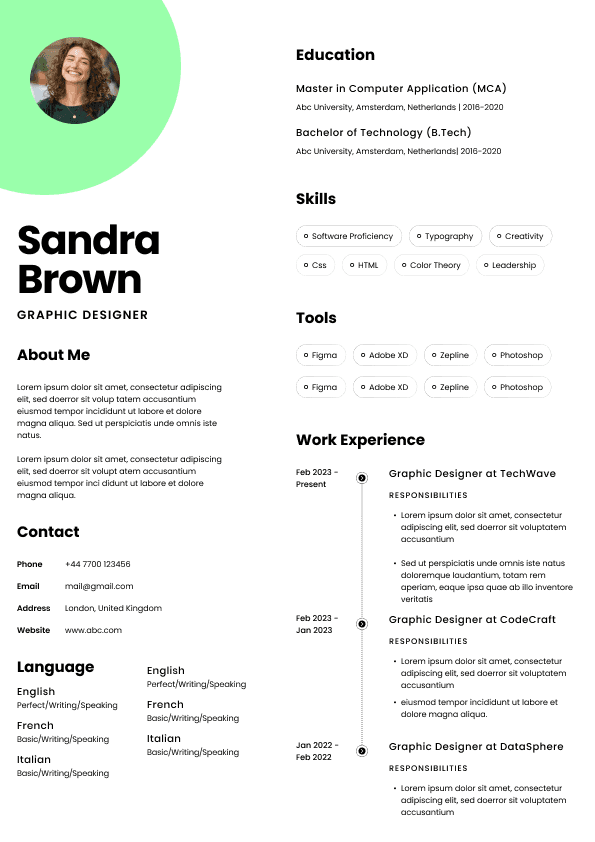
 Upload Resume
 Import from Linkedin