STILL APPLYING. STILL HEARING NOTHING?BUILD YOUR RESUME

STILL APPLYING. STILL HEARING NOTHING?BUILD YOUR RESUME
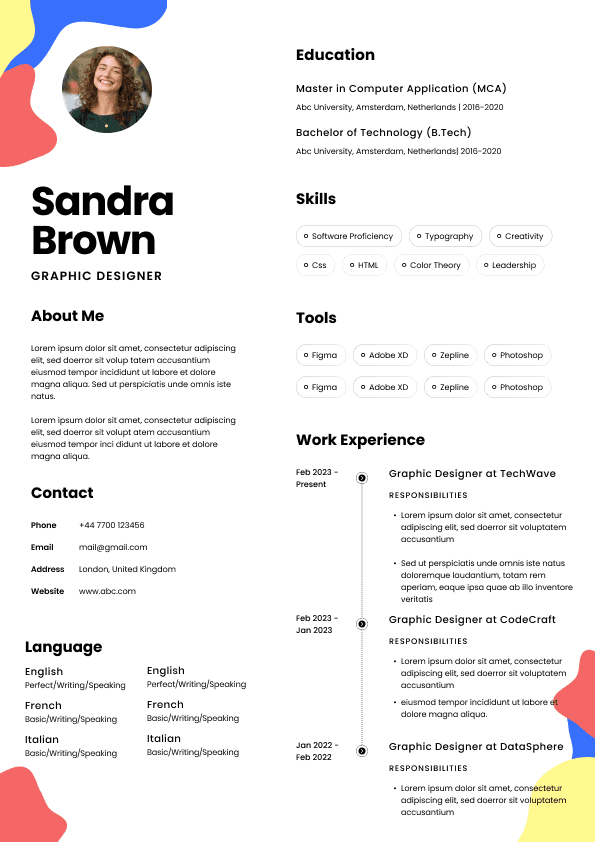
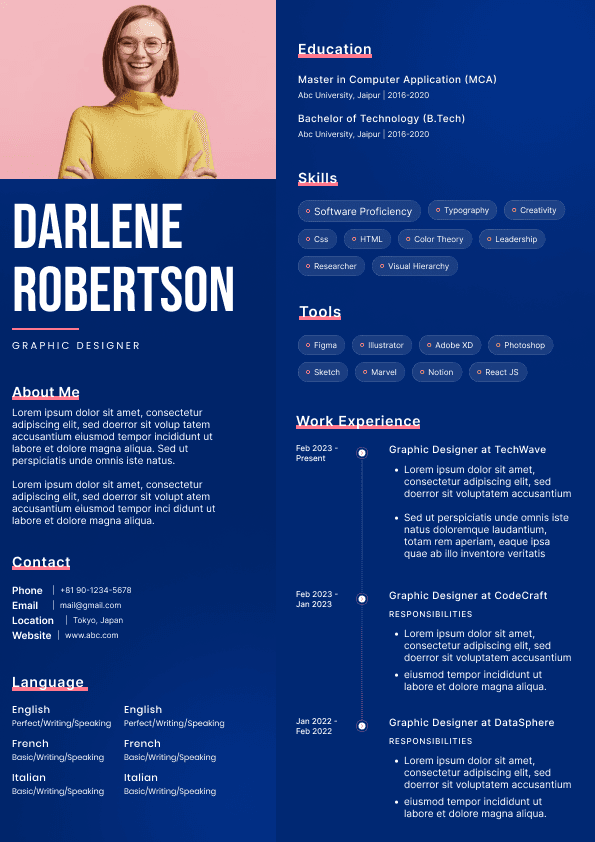
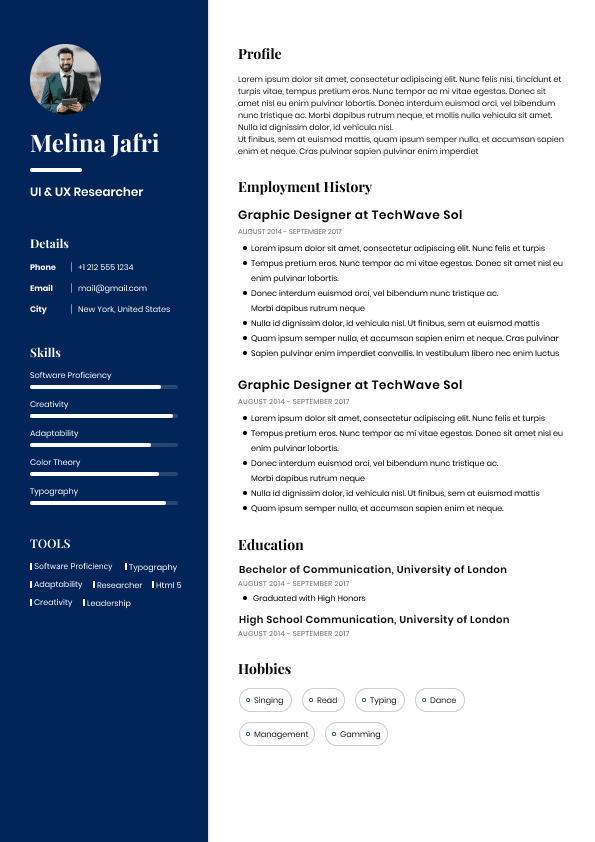
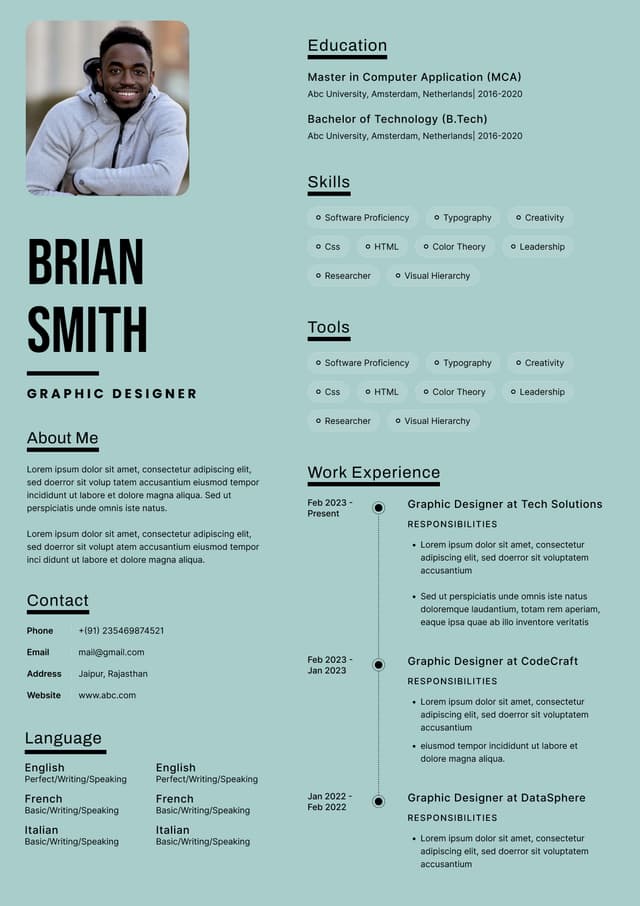
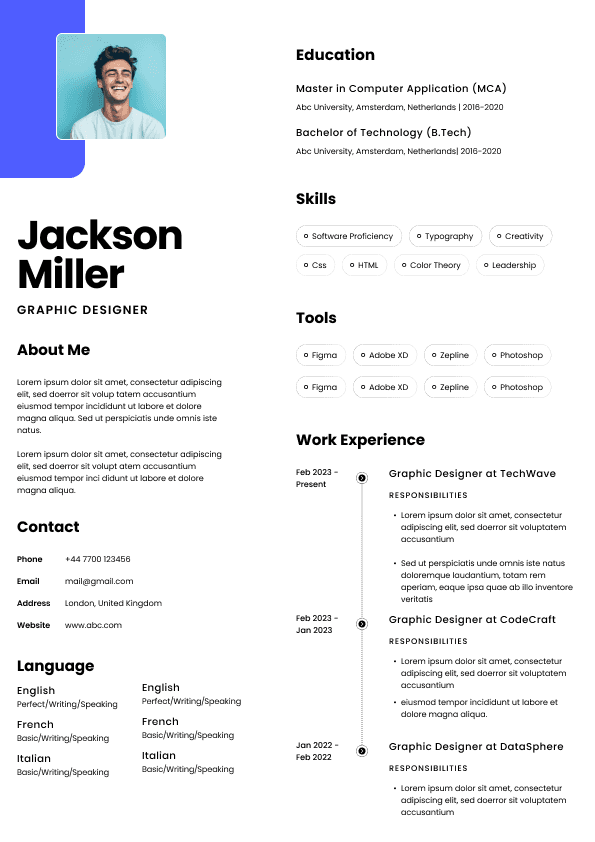
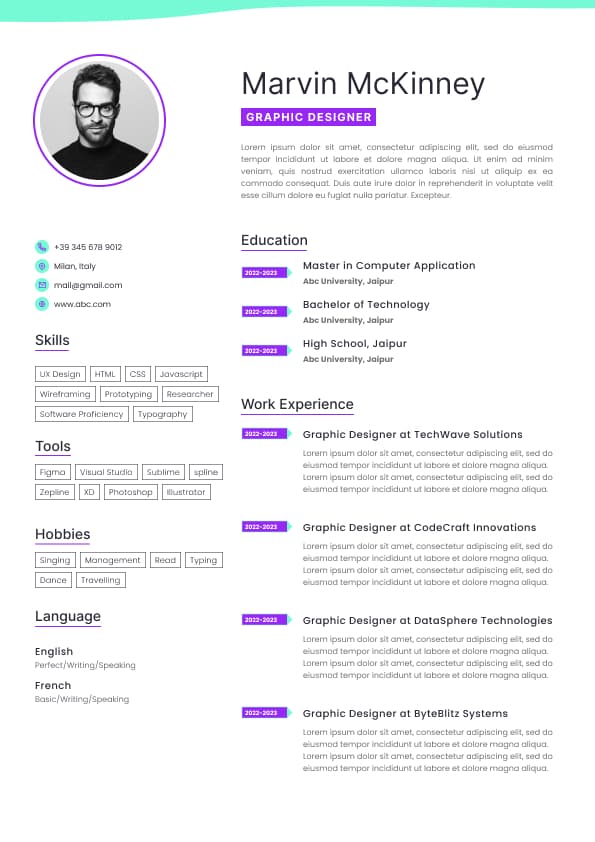
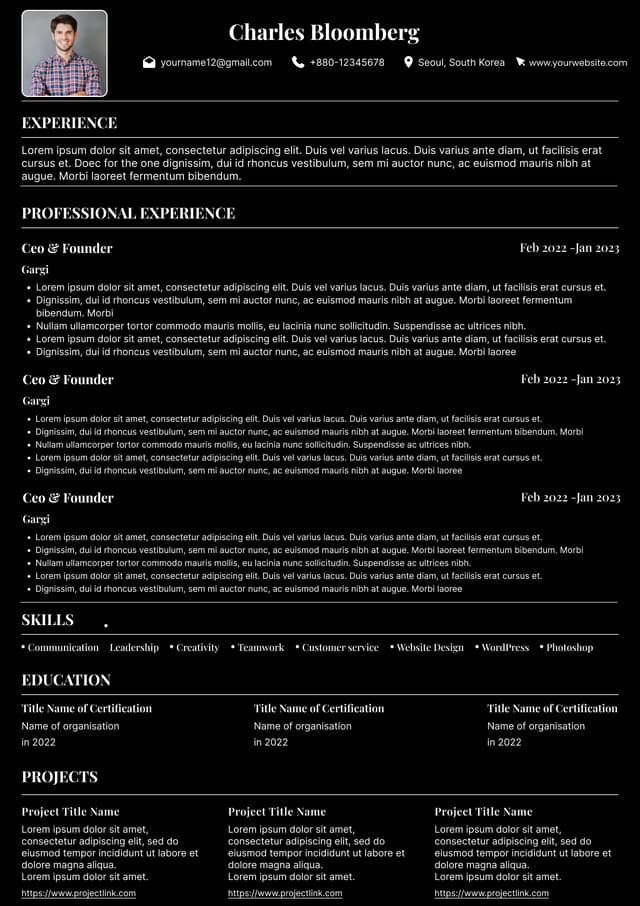
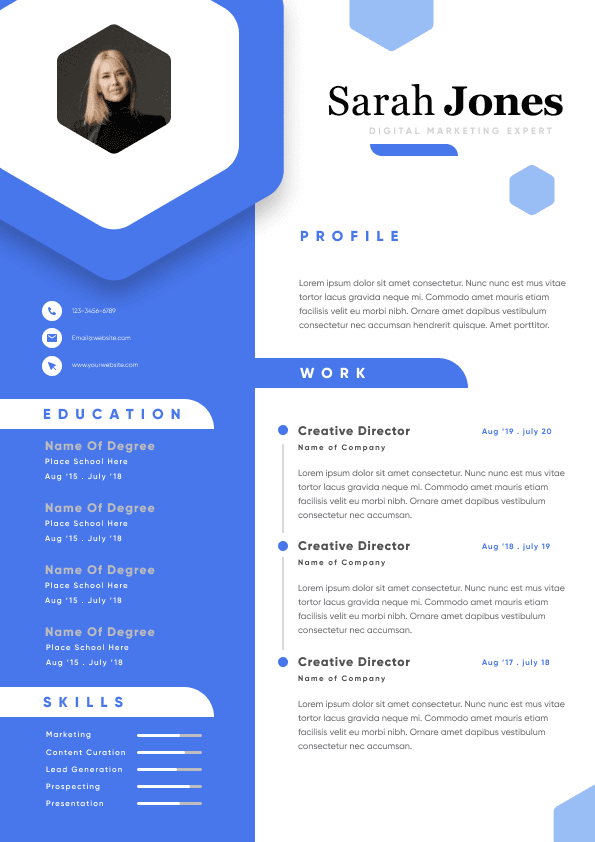
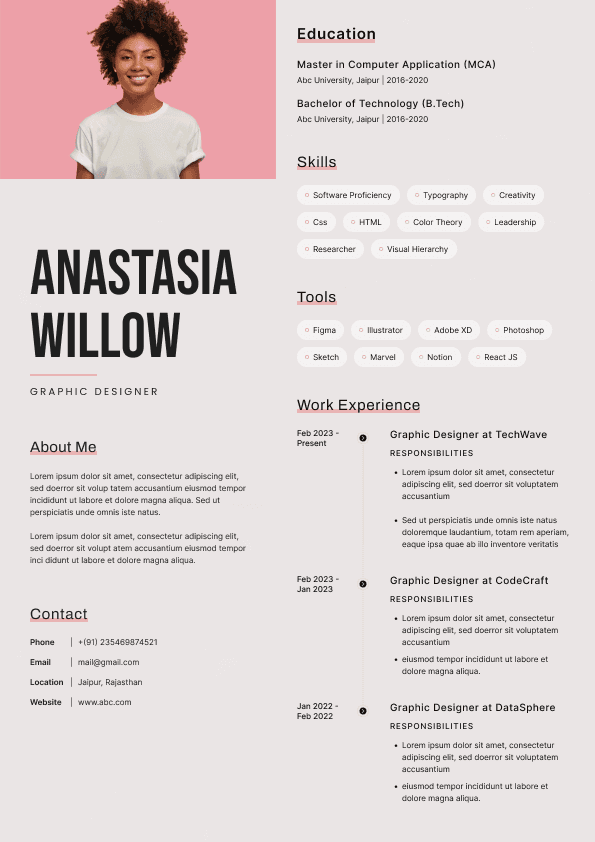
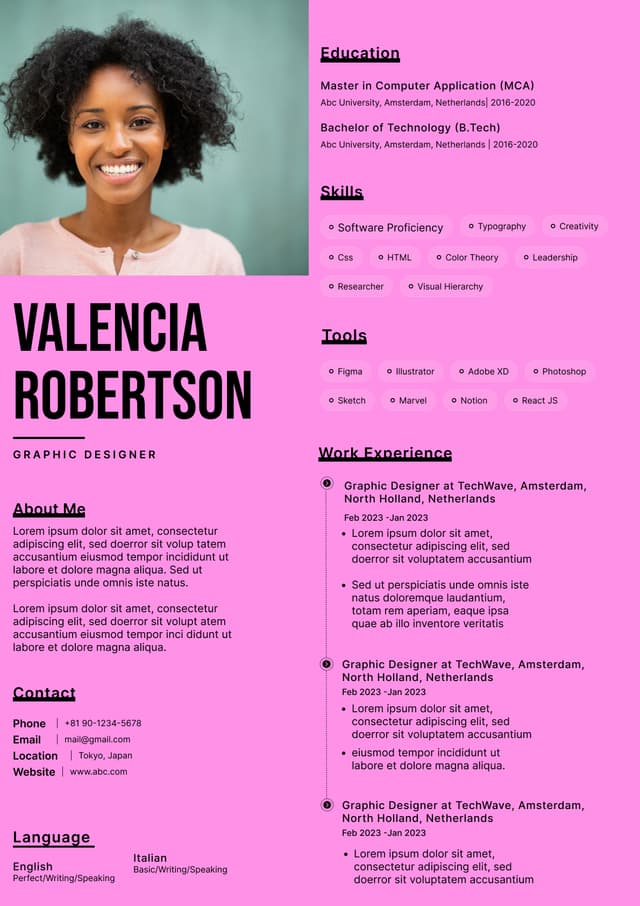
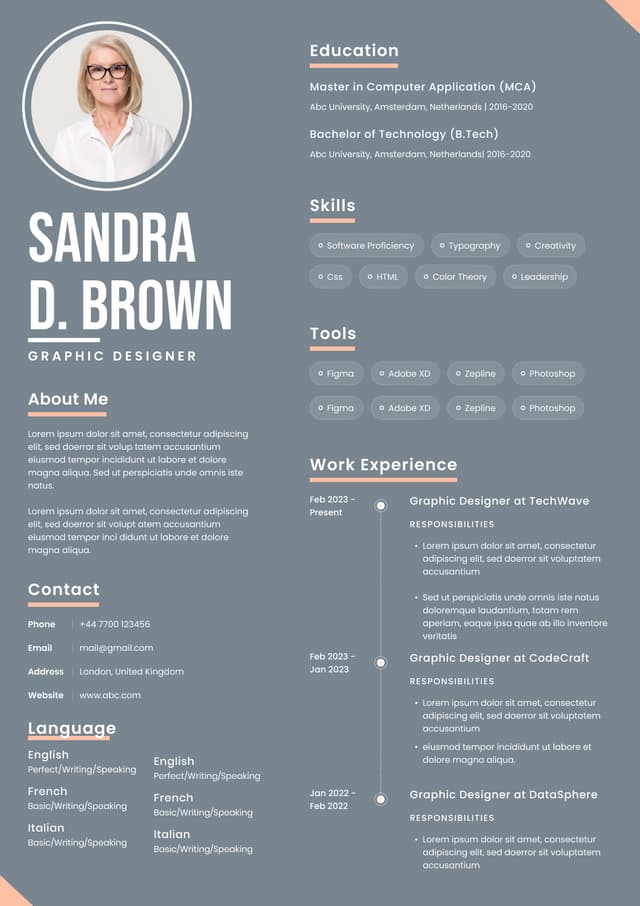
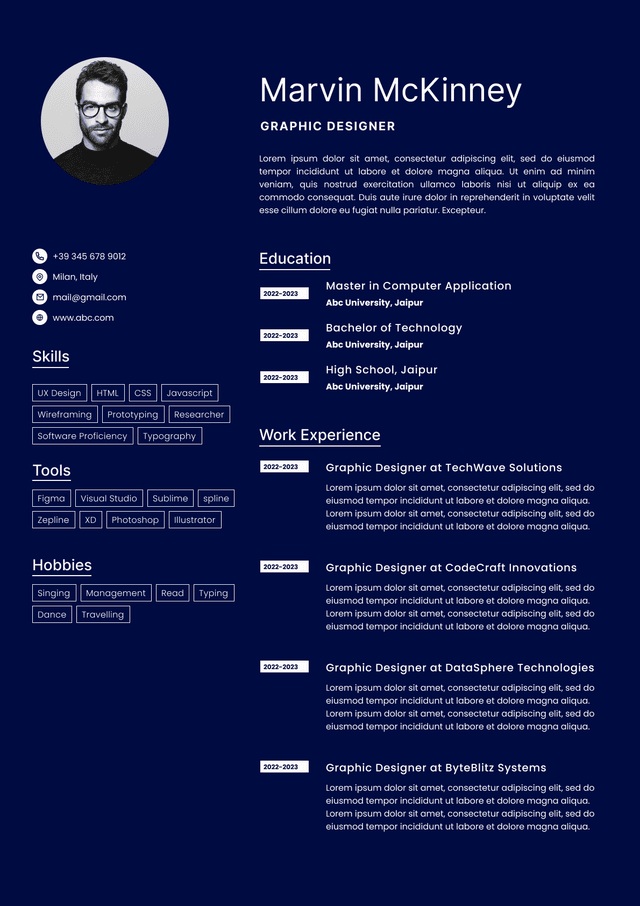
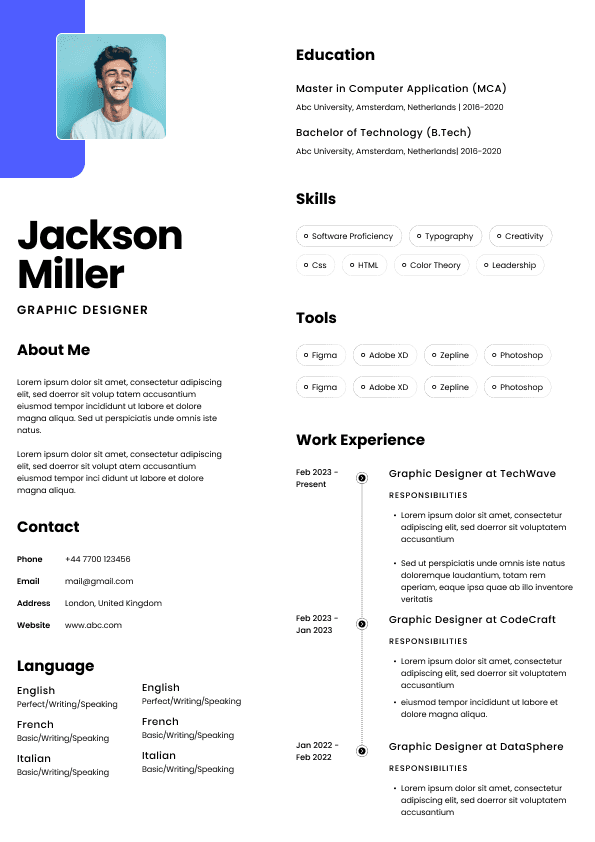
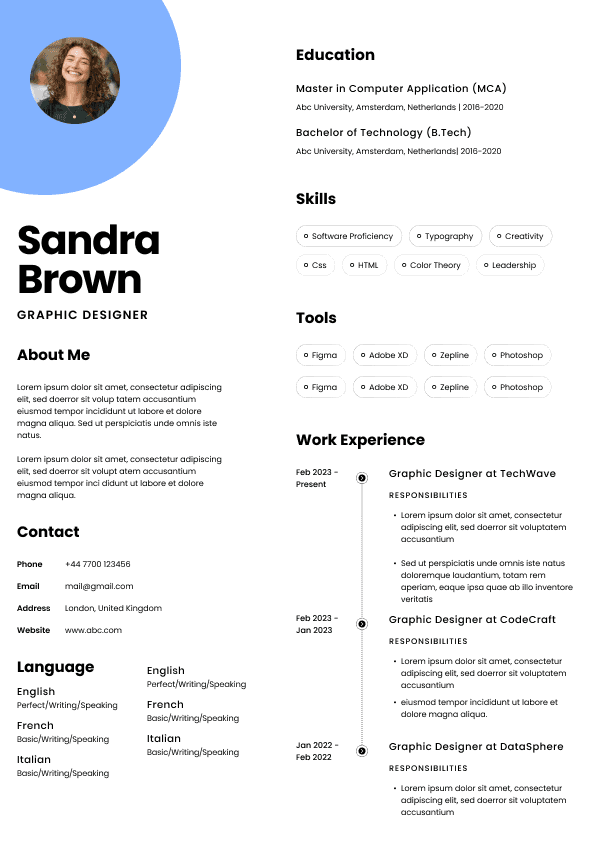
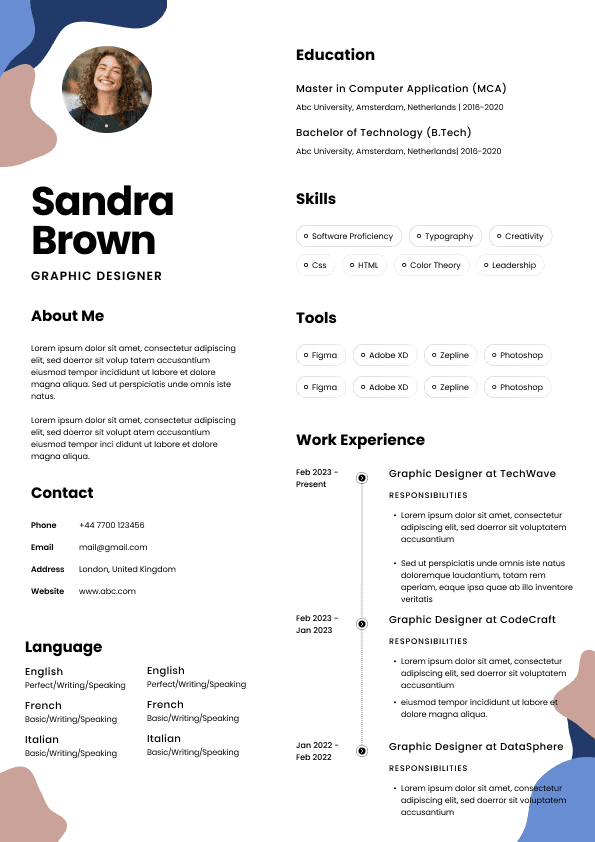
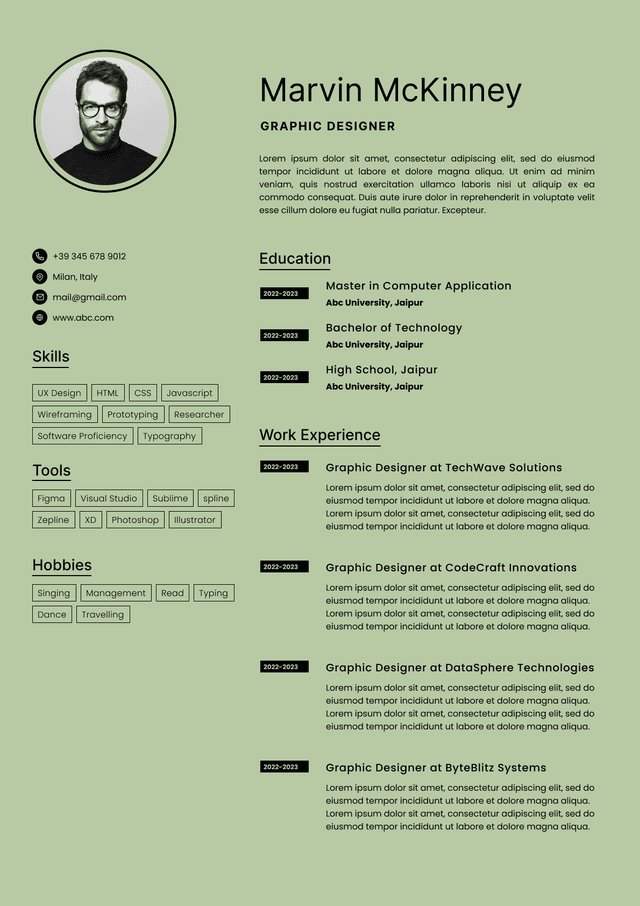
Choose from a wide range of NEWCV resume templates and customize your NEWCV design with a single click.
FAQ
A strong TypeScript project does more than prove you can code. It shows recruiters and hiring managers that you can design scalable systems, work with modern frameworks, handle real-world engineering complexity, and build production-ready applications. Most applicants make the mistake of building tutorial-level projects that look identical to thousands of other GitHub portfolios. Those projects rarely create interview momentum.
The TypeScript projects that actually help candidates get hired usually include authentication, APIs, database integration, deployment, testing, type-safe architecture, responsive UI design, and realistic business logic. Hiring managers want to see how you structure code, manage complexity, handle edge cases, and think like an engineer, not just whether you can follow a YouTube tutorial.
This guide breaks down the best TypeScript developer projects for beginners, intermediate developers, internships, portfolios, and advanced engineering roles, including what makes a project resume-worthy in today’s hiring market.
Most TypeScript portfolios fail for one reason: the projects are too simple, too generic, or clearly tutorial clones.
A recruiter reviewing junior or mid-level candidates often spends less than 30 seconds scanning GitHub links and portfolio projects. They are looking for signals that indicate real engineering ability.
The strongest TypeScript projects demonstrate:
Strong TypeScript usage with strict typing
Real business logic instead of toy examples
Frontend and backend integration
API design and data handling
Authentication and authorization
Database architecture
Beginner TypeScript projects should focus on mastering fundamentals while still looking polished and professional.
The biggest mistake beginners make is building projects that only demonstrate UI rendering without showcasing engineering decisions.
A simple to-do app alone is weak in today’s market. A modern version becomes much stronger when it includes:
User authentication
Persistent database storage
Drag-and-drop task organization
Dark mode
Form validation
API integration
Intermediate projects should demonstrate system thinking and multi-layer engineering skills.
These are the projects that typically help candidates move from junior to mid-level interviews.
This is one of the strongest portfolio project categories because it mirrors real startup products.
Key features should include:
Authentication
Subscription logic
Team workspaces
Analytics dashboards
Notifications
Role permissions
Billing integration
API rate limiting
This project tests several advanced engineering skills simultaneously.
Strong implementations include:
WebSocket integration
Typing indicators
Message persistence
Read receipts
Group channels
Image uploads
Online presence
Push notifications
Recommended backend stack:
E-commerce projects remain highly valuable because they include complex real-world workflows.
A resume-worthy implementation includes:
Product catalog management
Inventory tracking
Payment processing
Checkout workflows
Authentication
Search and filtering
Admin dashboard
Order management
Advanced projects should demonstrate engineering maturity, not just more code.
The strongest senior-level TypeScript projects showcase architecture decisions, scalability, maintainability, and performance engineering.
This is one of the highest-value modern TypeScript projects because it aligns with current hiring demand.
Strong implementations include:
Streaming AI responses
Conversation memory
Prompt management
RAG integration
Vector database search
Rate limiting
AI workflow orchestration
File uploads
This project demonstrates enterprise engineering capabilities.
Core concepts include:
Tenant isolation
Shared infrastructure
Permission systems
Billing separation
Feature flags
Audit logging
Deployment environments
This type of project performs extremely well for:
This is particularly valuable for backend-focused TypeScript developers.
Key engineering concepts:
Schema federation
API aggregation
Authentication middleware
Resolver optimization
Query caching
Rate limiting
Monitoring and logging
Recommended technologies:
Different companies evaluate projects differently.
The strongest portfolio strategy aligns projects with your target hiring market.
Large tech companies care heavily about scalability, architecture, and engineering fundamentals.
Strong project categories include:
Distributed systems dashboards
Performance-focused frontend applications
Type-safe backend platforms
Large-scale analytics systems
Monorepo architecture projects
Big Tech interviewers often care more about engineering decisions than visual polish.
Component scalability
Startups prioritize shipping velocity and product thinking.
Strong projects include:
SaaS products
Subscription platforms
Marketplace applications
Internal admin tools
Automation dashboards
Startup founders want candidates who can build features independently.
A polished, deployed MVP with realistic workflows often beats an academically impressive architecture-heavy project.
Execution matters heavily in startup hiring.
Frontend-focused candidates should prioritize:
Design systems
Component libraries
Accessibility-first applications
Animation-heavy interfaces
Data-rich dashboards
Important frontend signals include:
Responsive design quality
Accessibility compliance
UI consistency
Backend projects should showcase architecture, scalability, and reliability.
Strong backend project ideas include:
Notification systems
Event-driven services
Authentication platforms
API gateways
Workflow automation systems
Recommended backend technologies:
Node.js
NestJS
Projects become dramatically stronger when they include production-level engineering practices.
Projects without authentication often feel incomplete.
Strong implementations include:
JWT authentication
OAuth login
Session management
Role-based permissions
Route protection
Authentication demonstrates real-world application development experience.
TypeScript projects should fully leverage TypeScript.
Weak projects use TypeScript like JavaScript with annotations.
Strong projects include:
Shared frontend/backend types
Zod validation
Strict mode configuration
Generic utility types
End-to-end type safety
Many applicants claim TypeScript experience while using excessive any types.
Experienced TypeScript interviewers notice this immediately.
Strong projects include:
Unit tests
Integration tests
E2E testing
Error boundaries
Logging systems
Recommended testing tools:
Vitest
Jest
Playwright
Deployed projects create far more credibility than local-only repositories.
Recommended deployment platforms:
Vercel
Railway
Render
AWS
Cloudflare
Strong CI/CD signals include:
GitHub Actions
Automated deployments
Environment variable management
Most applicants list projects poorly.
The project itself matters, but positioning matters almost as much.
Example
“Built a React TypeScript app using APIs and authentication.”
This tells recruiters almost nothing.
Example
“Developed a multi-tenant SaaS analytics platform using Next.js, TypeScript, PostgreSQL, and Prisma with role-based authentication, real-time dashboard updates, Stripe billing integration, and CI/CD deployment workflows.”
The second version demonstrates:
Architecture complexity
Technical breadth
Business logic
Modern tooling
Engineering maturity
Recruiters absolutely review GitHub quality for engineering candidates.
Strong GitHub projects include:
Clean commit history
Detailed README documentation
Screenshots or demos
Environment setup instructions
Architecture explanations
API documentation
What problem the application solves
Hiring managers recognize copied projects quickly.
Cloned Netflix dashboards and basic to-do apps rarely create differentiation.
Take a common project idea and add unique engineering complexity.
For example:
Multi-user collaboration
AI integrations
Real-time features
Advanced analytics
Enterprise-style permissions
Beautiful UI alone rarely gets engineering candidates hired.
Companies care about:
Architecture
Maintainability
Performance
Scalability
Reliability
A visually average but technically strong project usually performs better during hiring.
Some candidates add unnecessary complexity purely to sound advanced.
This often backfires.
Hiring managers can tell when architecture decisions are forced or unrealistic.
Strong engineering means making appropriate decisions, not maximizing complexity.
Strong modern combination:
Next.js
TypeScript
Prisma
PostgreSQL
Tailwind CSS
tRPC
Vercel
This stack is highly respected across startups and modern SaaS companies.
Strong backend combination:
NestJS
PostgreSQL
Redis
Docker
Prisma
GraphQL
This stack performs well for platform engineering and backend-heavy roles.
Strong frontend combination:
React
Next.js
TypeScript
Zustand
Framer Motion
Tailwind CSS
This setup aligns well with modern frontend hiring expectations.
Most candidates need fewer projects than they think.
Three to five strong projects usually outperform ten weak ones.
An effective portfolio often includes:
One polished frontend project
One full stack SaaS-style application
One technically advanced project
Quality matters far more than quantity.
Recruiters prefer depth over volume.

Use ATS-optimised Resume and resume templates that pass applicant tracking systems. Our Resume builder helps recruiters read, scan, and shortlist your Resume faster.

Use professional field-tested resume templates that follow the exact Resume rules employers look for.
Create Resume
Use professional field-tested resume templates that follow the exact Resume rules employers look for.
Create ResumeError handling and validation
Reusable components and maintainable structure
Deployment and CI/CD workflows
Performance optimization
Clean project organization
Production-style documentation
Projects become significantly more valuable when they solve realistic problems instead of basic CRUD exercises alone.
Hiring managers rarely review every file in your repository. They typically evaluate:
Architecture quality
Folder structure
Naming conventions
State management decisions
API organization
Component design
Type safety practices
Git commit quality
README clarity
Deployment quality
Whether the project looks production-ready
A clean, scalable project with moderate complexity often outperforms a massive unfinished application.
Optimistic UI updates
Responsive design
Role-based permissions
Recommended stack:
React + TypeScript
Next.js
Prisma
PostgreSQL
Tailwind CSS
Clerk or Auth.js
This project demonstrates frontend state management, financial calculations, charts, and backend integration.
Strong features include:
Category filtering
Budget forecasting
Monthly analytics
CSV import/export
Real-time dashboard updates
Transaction tagging
Data visualization
This project performs particularly well for internship applications because it demonstrates practical application development.
Many candidates build movie apps incorrectly by only displaying API results.
A stronger implementation includes:
Search caching
Debounced search input
Infinite scrolling
Watchlists
Authentication
Personalized recommendations
Skeleton loaders
Error boundaries
Recruiters notice when candidates move beyond API consumption into application architecture.
This project is excellent for frontend-focused TypeScript roles because it demonstrates:
State synchronization
Real-time rendering
Keyboard shortcuts
Local persistence
Rich text handling
Component composition
Strong candidates also implement:
Auto-save
Multi-document support
Export functionality
Theme switching
Settings management
Recommended technologies:
Next.js
TypeScript
Prisma
PostgreSQL
Stripe
Redis
Tailwind CSS
tRPC
Hiring managers immediately recognize SaaS architecture patterns because they mirror actual production systems.
This project demonstrates:
Product thinking
Full stack integration
Scalable architecture
Business logic implementation
It also creates strong discussion material during technical interviews.
Node.js
TypeScript
Socket.IO
Redis
PostgreSQL
Most candidates build chat apps without considering scalability.
Advanced implementations should demonstrate:
Message queue handling
Reconnection logic
Event-driven architecture
Horizontal scalability planning
That distinction matters heavily for stronger engineering roles.
Email notifications
Bonus points if the project includes:
Caching strategies
Server-side rendering
SEO optimization
Background jobs
This project category works exceptionally well for startup-focused hiring.
Context management
Recommended stack:
Next.js
TypeScript
OpenAI API
LangChain
Pinecone
PostgreSQL
Vercel AI SDK
Weak AI projects are simple ChatGPT wrappers.
Strong projects demonstrate:
Architecture design
AI workflow handling
Retrieval optimization
Context engineering
Real-time streaming systems
Scalable API patterns
That difference dramatically affects recruiter perception.
Senior frontend roles
Full stack roles
Startup engineering teams
Enterprise SaaS companies
NestJS
Apollo GraphQL
TypeScript
Redis
PostgreSQL
Hiring managers often view this type of project as significantly more advanced than standard REST APIs.
Performance optimization
Type architecture
Code maintainability
Testing strategy
System decomposition
They are less impressed by flashy UI alone.
State management
Performance optimization
React
Next.js
TypeScript
Tailwind CSS
Framer Motion
Zustand
TanStack Query
Fastify
Prisma
PostgreSQL
Redis
Docker
Backend hiring managers usually inspect:
API structure
Error handling
Data modeling
Service separation
Scalability planning
Logging and monitoring
Weak backend projects often ignore operational concerns entirely.
Cypress
Projects with no testing often appear incomplete or rushed.
Preview deployments
Tech stack decisions
Architecture overview
Setup instructions
Features implemented
Future improvements
A weak README can reduce the perceived quality of a strong project.



 Upload Resume
 Import from Linkedin