STILL APPLYING. STILL HEARING NOTHING?BUILD YOUR RESUME

STILL APPLYING. STILL HEARING NOTHING?BUILD YOUR RESUME
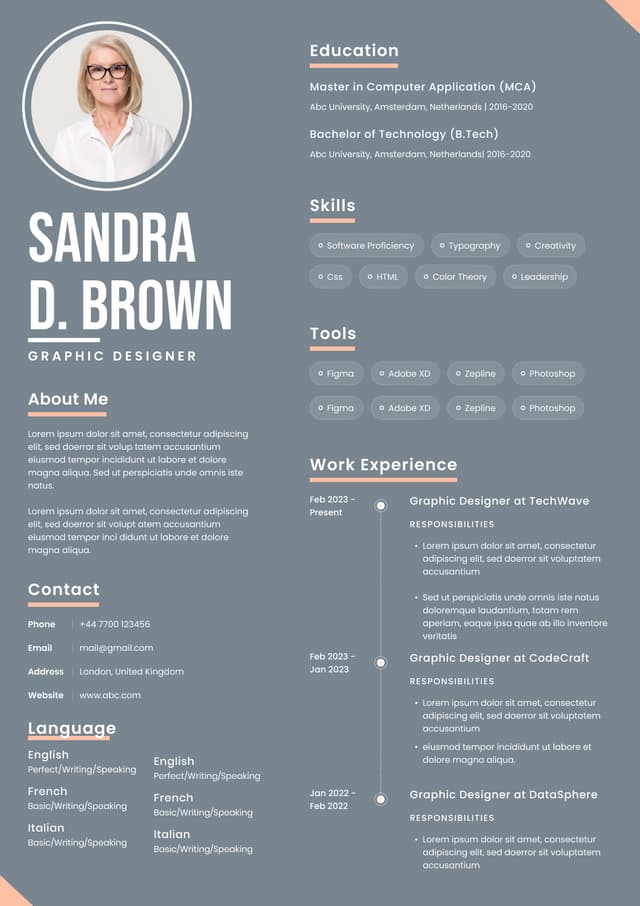
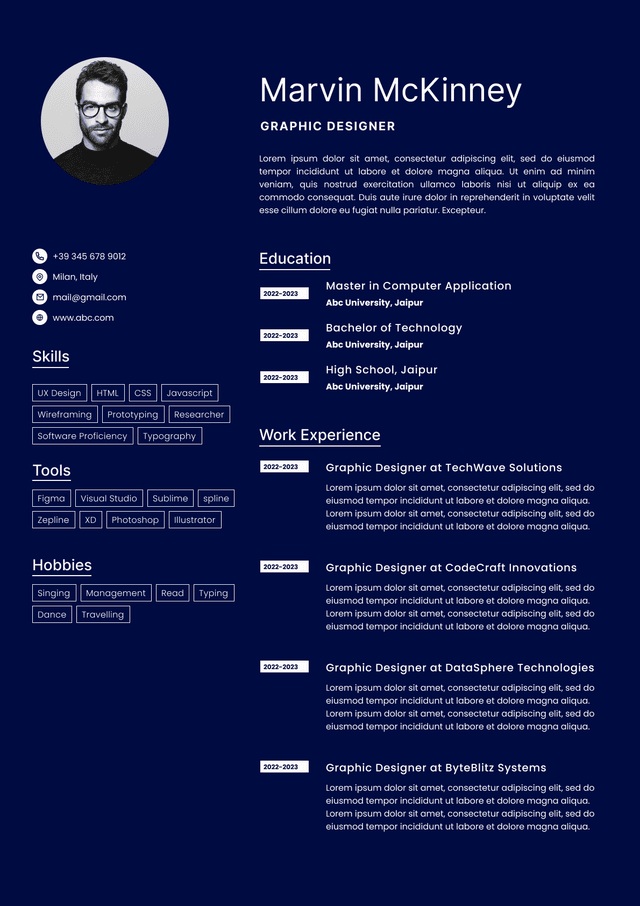
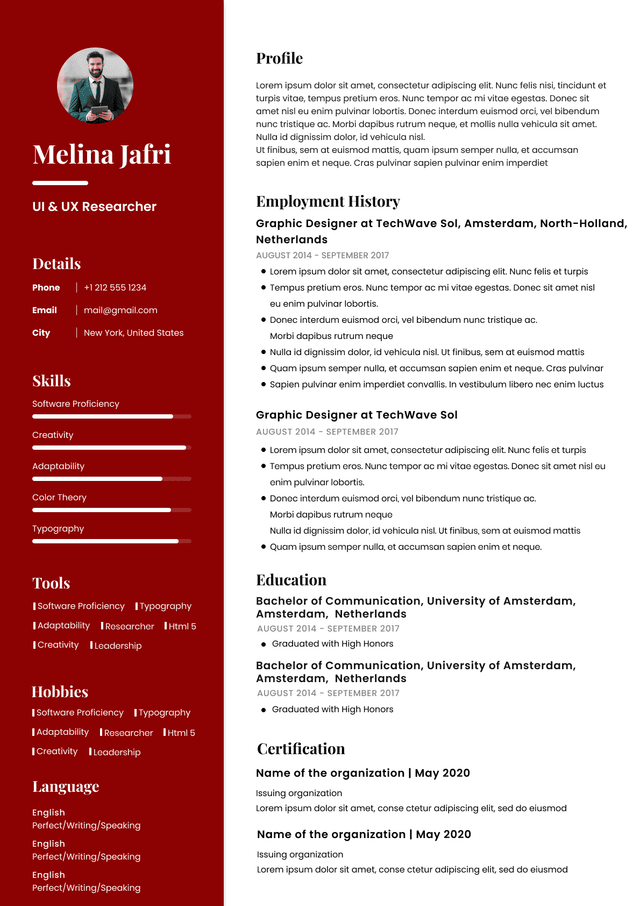
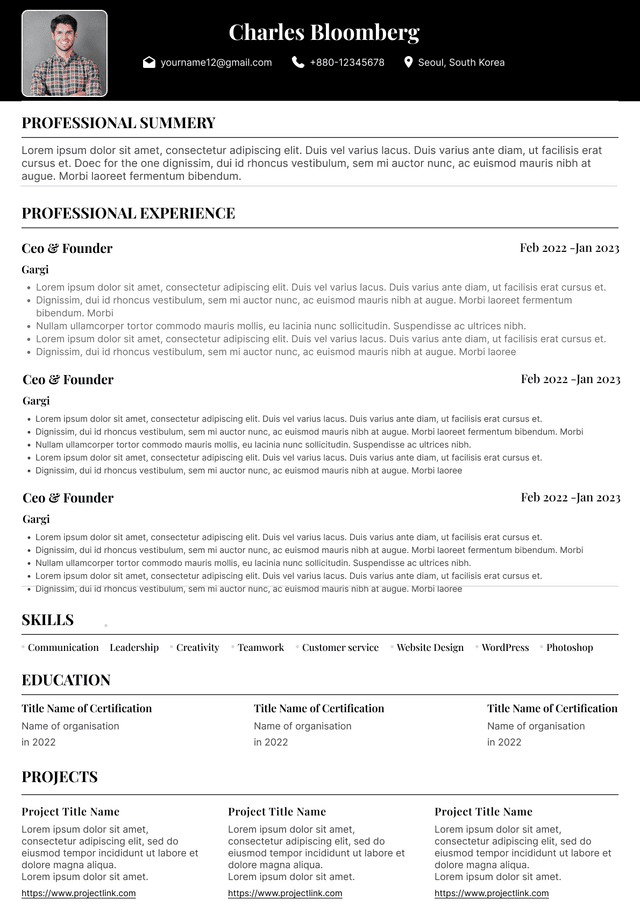
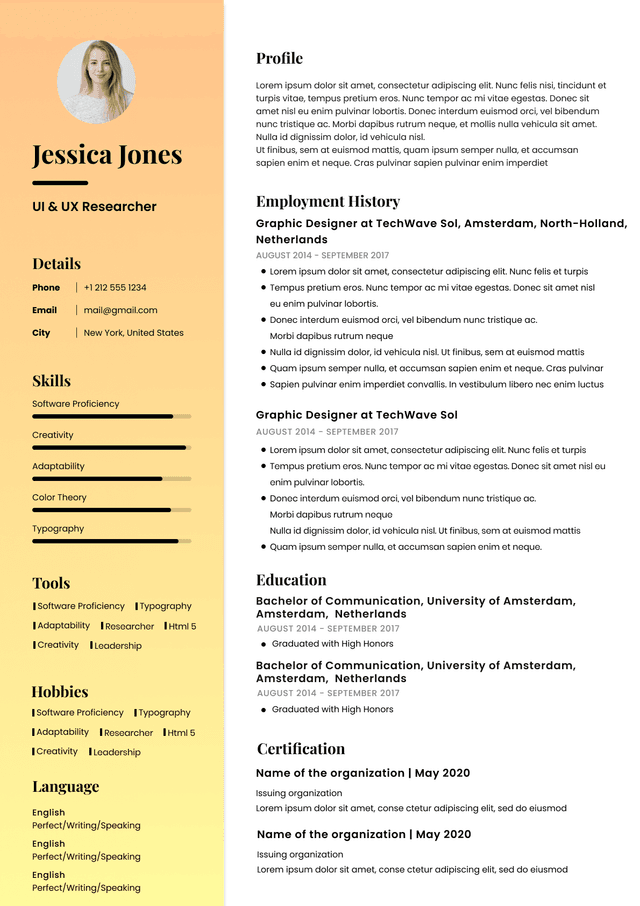
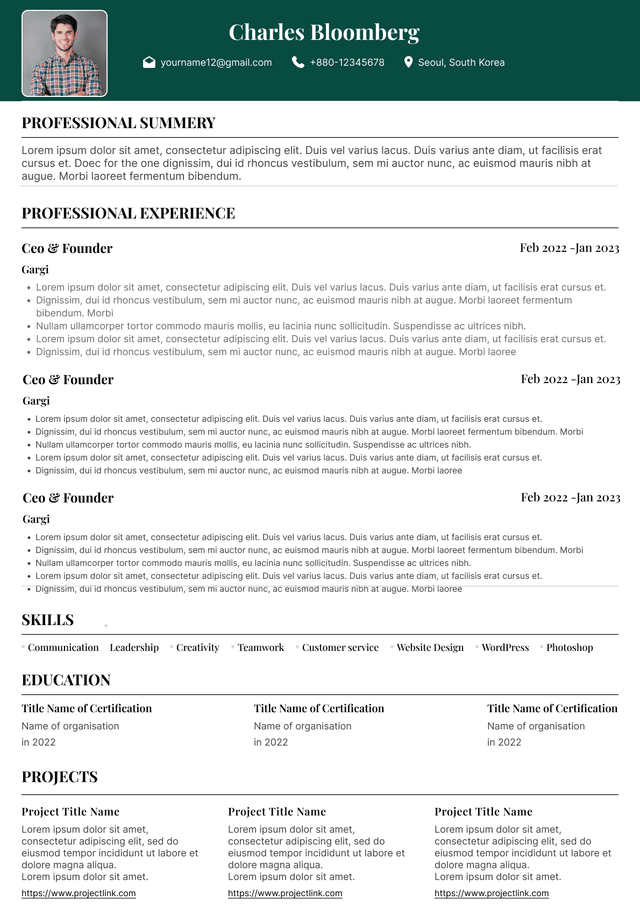
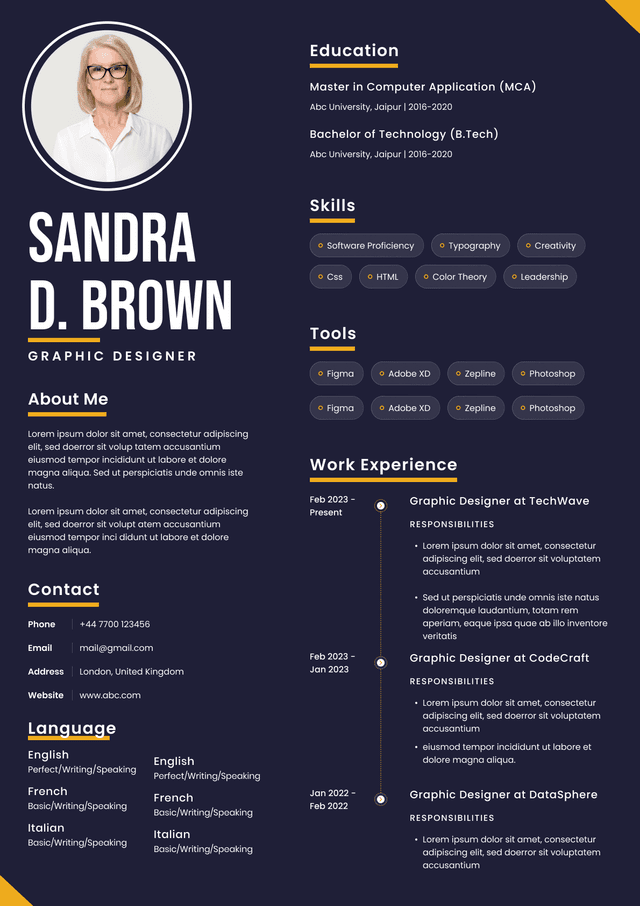
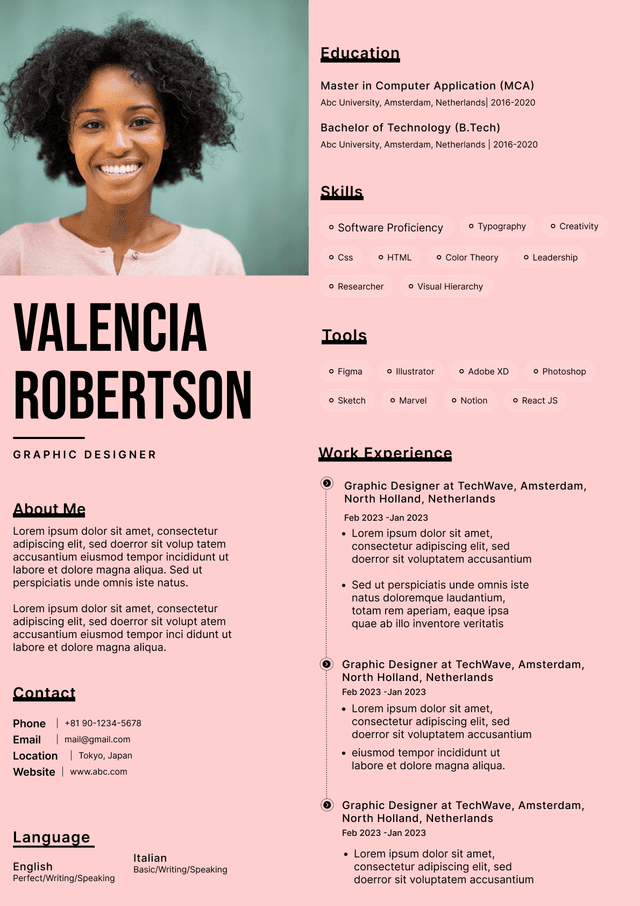
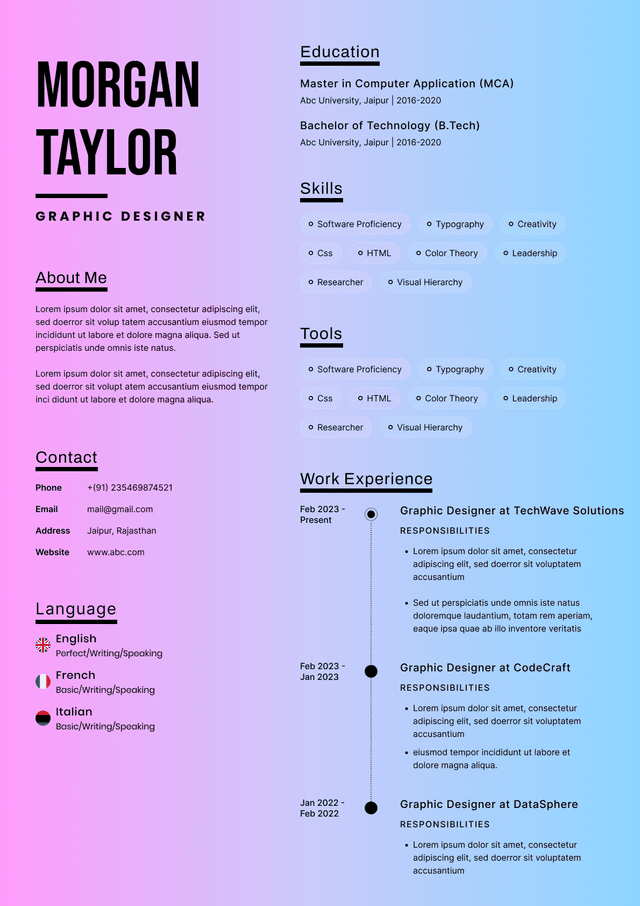
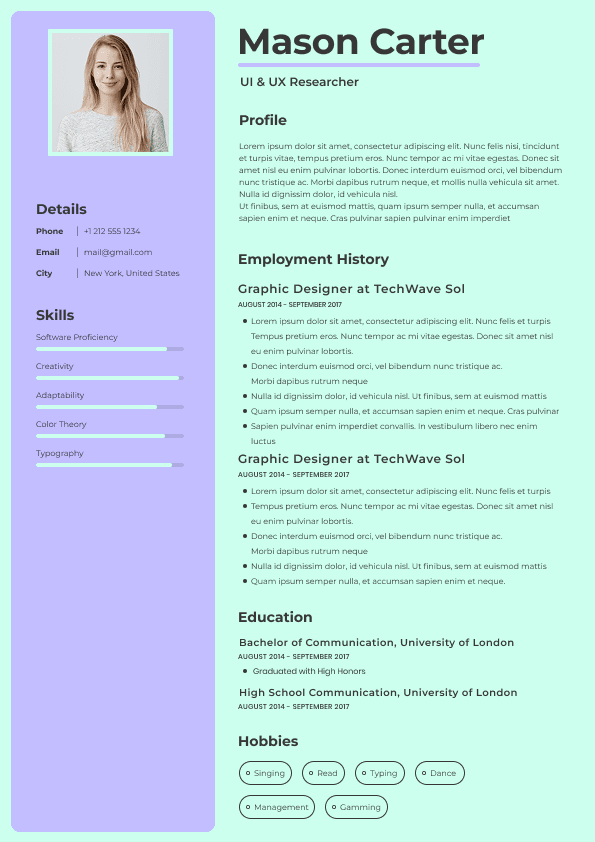
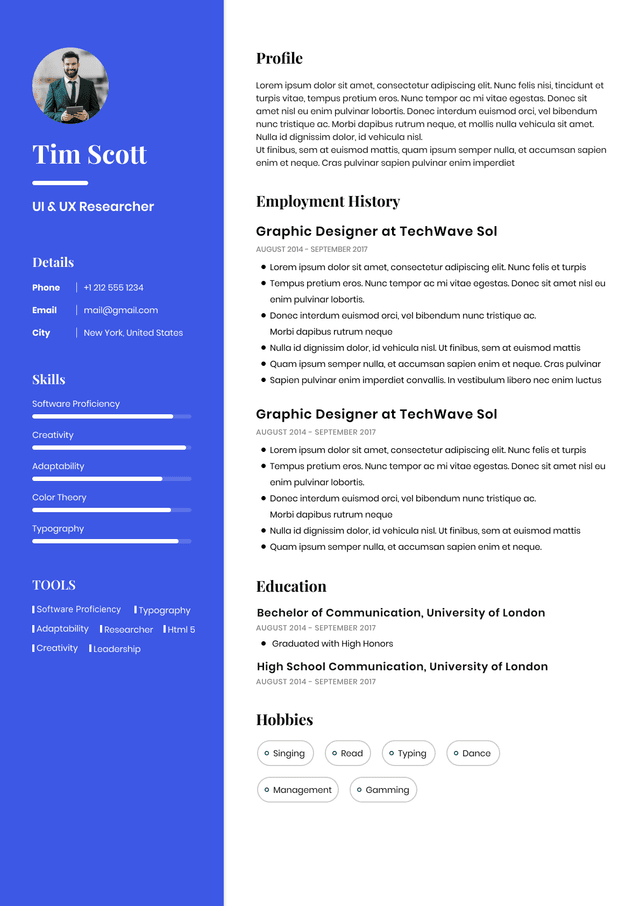
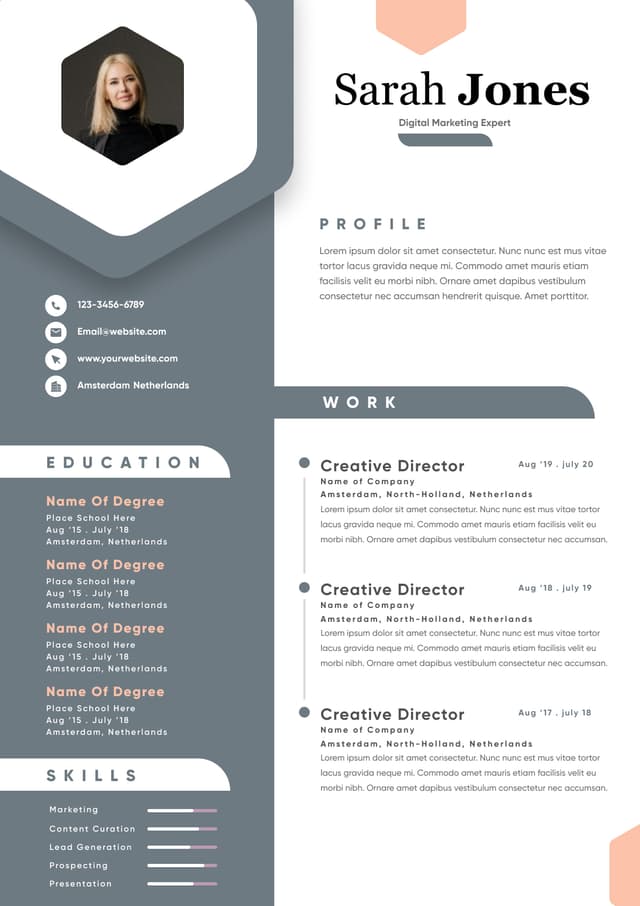
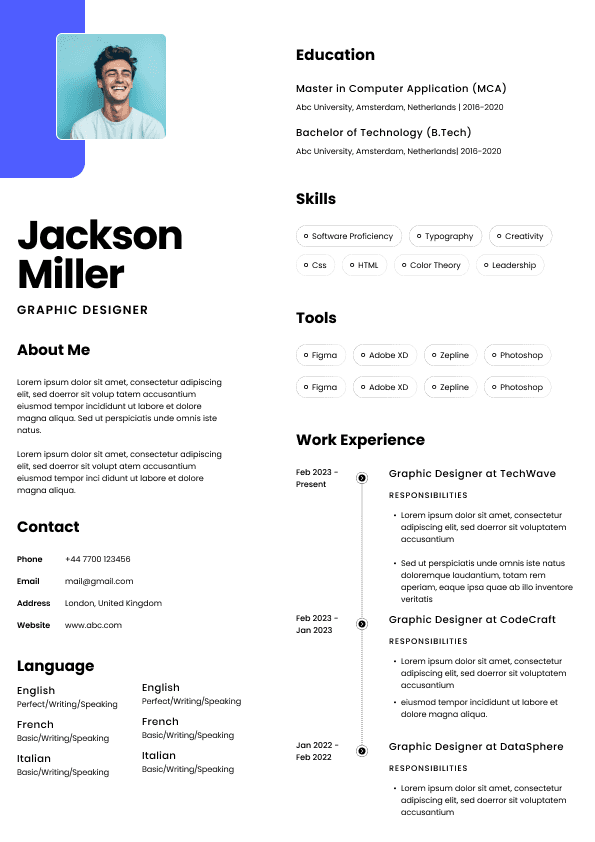
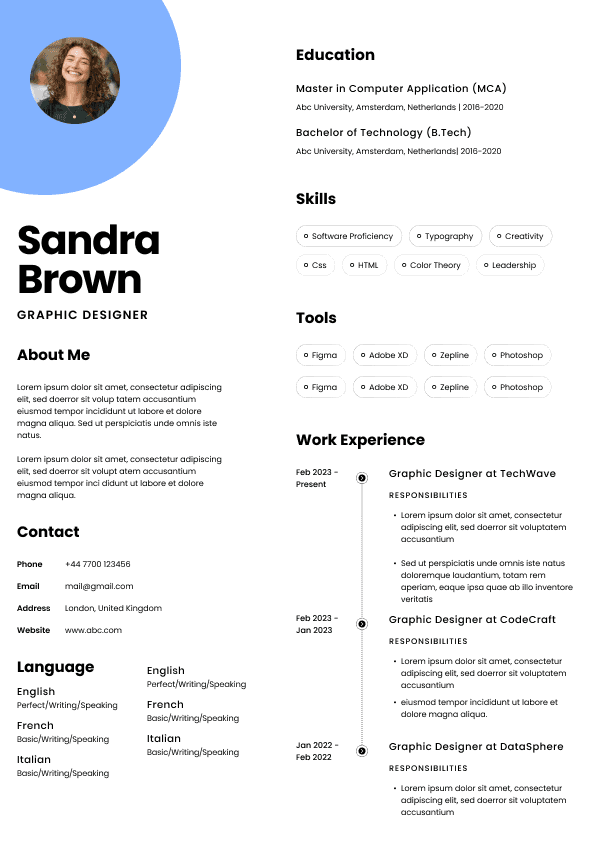
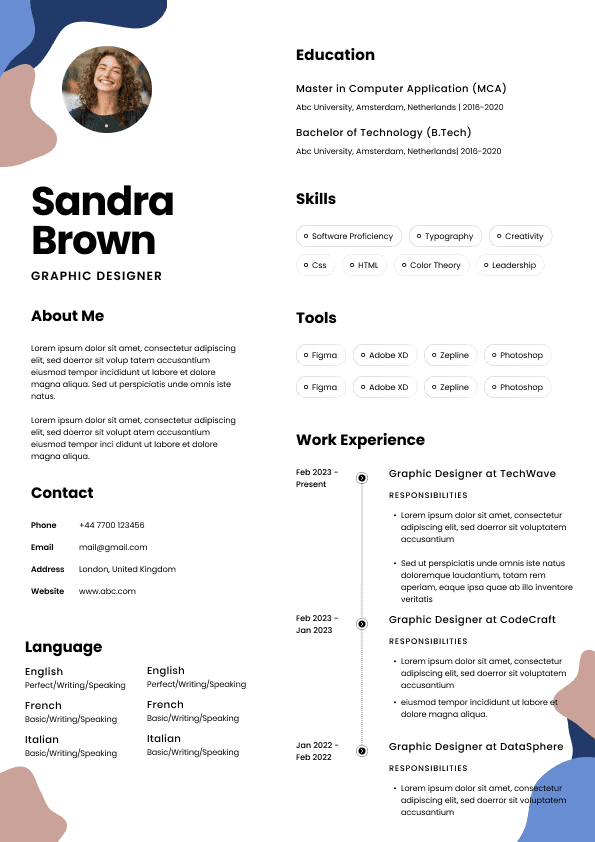
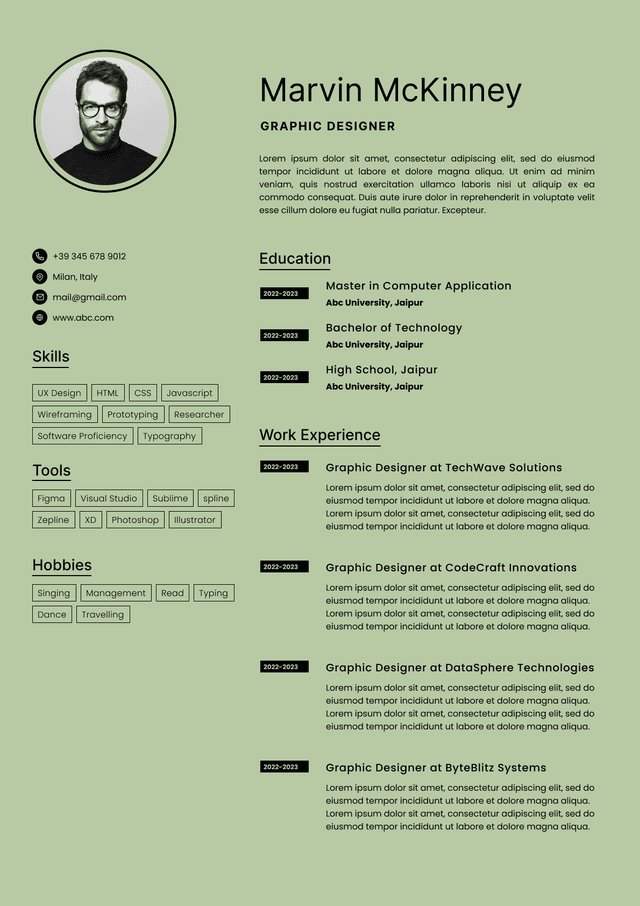
Choose from a wide range of NEWCV resume templates and customize your NEWCV design with a single click.
FAQ
Recruiters screening TypeScript developers are not just checking whether “TypeScript” appears on a resume. They are evaluating whether the candidate can contribute to a production engineering environment with the right technical depth, framework alignment, collaboration skills, and business impact.
The strongest TypeScript developer resumes show clear evidence of real production work, measurable outcomes, framework specialization, testing discipline, deployment exposure, and modern engineering practices. Weak candidates usually fail because TypeScript is listed only in a skills section, projects look tutorial-based, or the resume lacks proof of scale, ownership, and architecture understanding.
For recruiters and hiring managers, effective TypeScript developer screening means identifying candidates who match the actual technical environment of the role. For candidates, it means understanding how resumes are filtered, scored, and shortlisted before technical interviews even begin.
This guide breaks down the real recruiter screening logic used for TypeScript developer hiring, including resume review criteria, technical evaluation signals, red flags, scorecards, ATS optimization, and candidate shortlisting frameworks.
Most recruiters are not evaluating TypeScript syntax expertise directly. They are assessing whether the candidate appears capable of succeeding in the company’s engineering stack and delivery environment.
That changes the screening process significantly.
A recruiter screening a TypeScript developer resume is usually looking for:
Framework alignment with the role
Evidence of production application experience
Backend or frontend specialization clarity
Engineering maturity
Collaboration and delivery capability
Technical credibility signals
This is the practical checklist many recruiters and hiring managers implicitly use during resume screening.
First, recruiters check whether the candidate actually matches the opening.
Key questions include:
Does the resume clearly position the person as a TypeScript developer?
Is TypeScript used in recent roles, not just older jobs?
Does the framework stack match the role requirements?
Is the candidate frontend, backend, or full stack?
Does the seniority level match the opening?
A resume that says “Software Engineer” without clarifying TypeScript specialization often performs worse than a clearly targeted resume.
A TypeScript resume is usually screened in under one minute during the first review pass.
That means resume structure and information hierarchy matter heavily.
Strong resumes usually contain:
Clear TypeScript positioning in the title or summary
Modern framework alignment
Recent TypeScript-heavy experience
Technical depth without excessive buzzwords
Production-scale projects
Metrics and outcomes
Certain resume patterns immediately reduce recruiter confidence.
This is extremely common.
A candidate may list:
TypeScript
React
Node.js
But never explain how they used those technologies in production.
Recruiters interpret this as possible keyword stuffing.
Candidates trying to position themselves as frontend, backend, mobile, DevOps, AI engineer, blockchain developer, and data engineer simultaneously often appear unfocused.
Strong TypeScript candidates usually show specialization clarity.
Modern engineering teams increasingly expect testing maturity.
Missing tools like:
Recruiters focus on qualification matching.
Hiring managers focus on execution risk.
That difference matters.
Hiring managers are typically evaluating:
Can this person contribute quickly?
Can they work inside our architecture?
Will they require heavy mentoring?
Can they operate independently?
Can they communicate with engineering teams?
Do they understand production engineering tradeoffs?
This is why resumes with only tutorial projects usually fail technical review.
Hiring managers want evidence of:
Recruiters may not test this directly, but hiring managers absolutely care.
Strong signals include:
Type-safe API patterns
Interface design
Generic usage
Strict typing discipline
Type inference awareness
Scalable code architecture
Candidates who demonstrate real TypeScript engineering maturity stand out quickly.
Many staffing agencies and internal recruiting teams use structured scorecards.
Typical scoring categories include:
| Evaluation Area | What Recruiters Assess |
|---|---|
| TypeScript Depth | Advanced TypeScript usage and architecture maturity |
| Framework Match | Alignment with React, Node.js, Next.js, Angular, or NestJS |
| Production Experience | Real-world SaaS or enterprise application exposure |
| Testing Maturity | Unit, integration, and E2E testing practices |
| System Design Signals | Scalability and architecture understanding |
| Deployment Knowledge | CI/CD, Docker, AWS, or cloud exposure |
| Communication | Clarity, collaboration, stakeholder interaction |
| Remote Readiness | Async communication and independent execution |
| Seniority Alignment | Match between experience level and role scope |
This is why keyword matching alone is not enough.
Recruiters are evaluating risk, fit, and likely performance.
ATS systems do not “understand” candidates the way humans do.
They mainly parse:
Keywords
Titles
Technical stack matches
Experience recency
Job title alignment
Resume structure
Important TypeScript recruiter keywords include:
TypeScript
Junior TypeScript candidates are screened differently from senior engineers.
Recruiters know juniors may lack enterprise experience.
What matters more:
Strong project quality
GitHub activity
Real application builds
Framework understanding
Clean resume targeting
Learning consistency
Communication skills
Recruiters may not conduct deep coding interviews, but they often ask screening questions to validate experience credibility.
Common screening questions include:
What TypeScript frameworks have you used most recently?
Have you worked primarily frontend, backend, or full stack?
What types of applications have you built?
Have you deployed applications to production?
What testing frameworks have you used?
Have you worked in Agile teams?
What was your role in architecture decisions?
Recruiters usually compare multiple technically similar candidates quickly.
The shortlist often goes to candidates who reduce uncertainty fastest.
Candidates move faster through screening when resumes clearly show:
Targeted positioning
Relevant frameworks
Production engineering work
Business impact
Modern engineering practices
Technical ownership
Candidates increasingly use:
TypeScript ATS checkers
Resume scoring tools
Resume keyword matchers
Job description scanners
Skills gap analysis tools
These tools help identify missing terminology and alignment gaps.
However, candidates should avoid optimizing purely for ATS systems.
Recruiters still reject resumes that:
Sound robotic
Overuse keywords unnaturally
The single biggest mistake is presenting themselves as generic developers instead of clearly aligned TypeScript professionals.
Strong candidates make it easy to understand:
What they build
Which frameworks they specialize in
What level they operate at
What environments they’ve worked in
What business outcomes they contributed to
Specificity wins.
Generic resumes lose.
The difference is rarely years alone.
Senior TypeScript developers typically demonstrate:
Architecture ownership
Scalability thinking
Cross-team collaboration
Mentoring experience
Performance optimization
Technical decision-making
Production reliability focus
Deployment maturity
Across thousands of screenings, the strongest resumes consistently include:
Clear TypeScript specialization
Strong framework alignment
Production application experience
Real business outcomes
Technical depth with clarity
Testing and deployment maturity
Modern engineering workflows
Strong communication signals


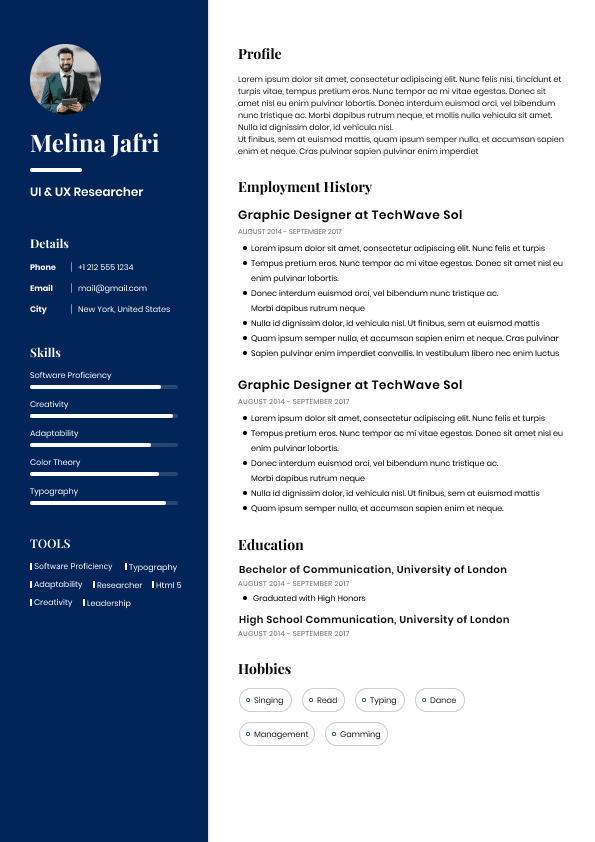
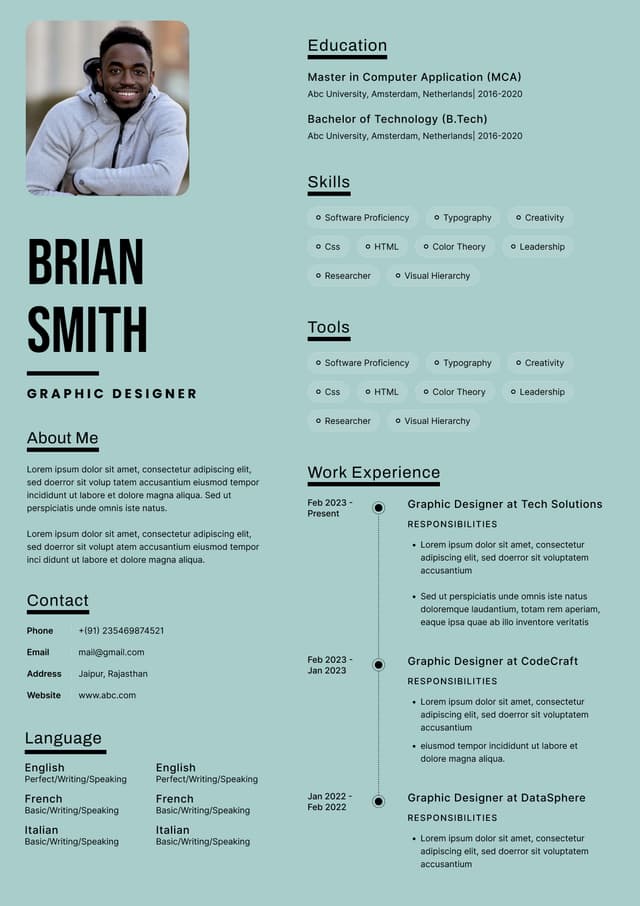
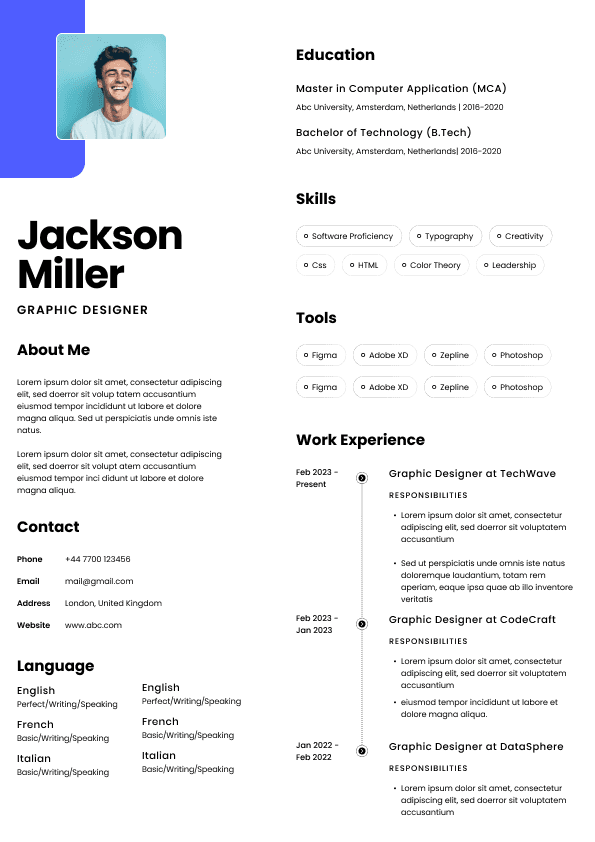
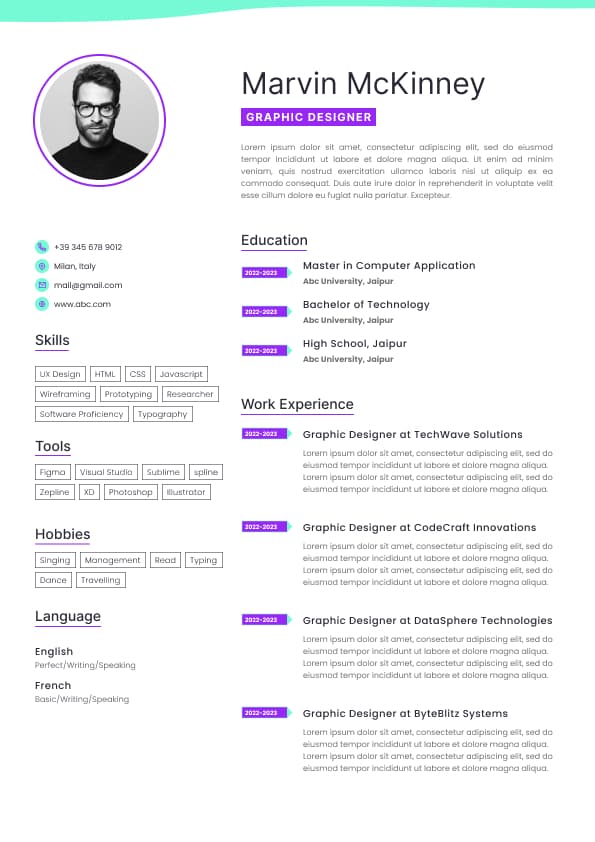
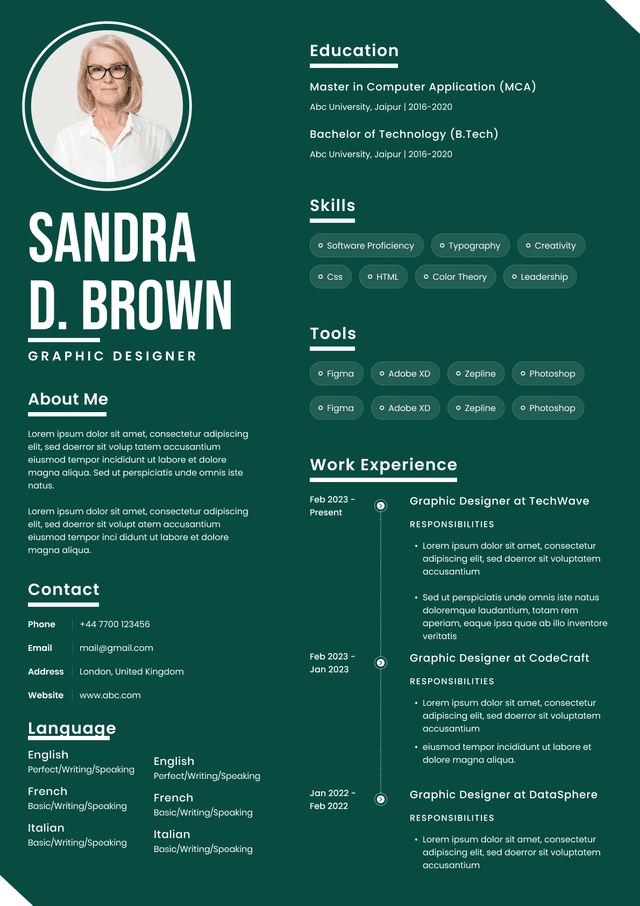
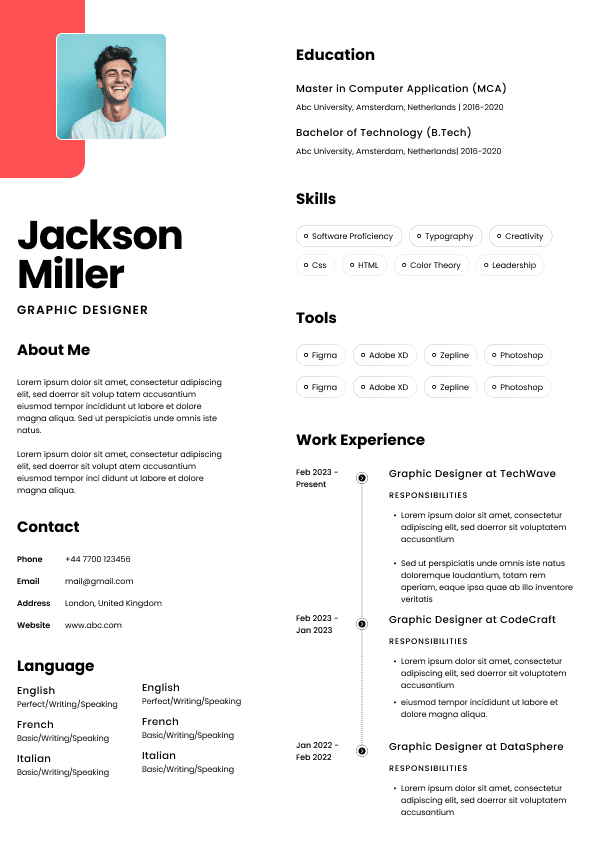
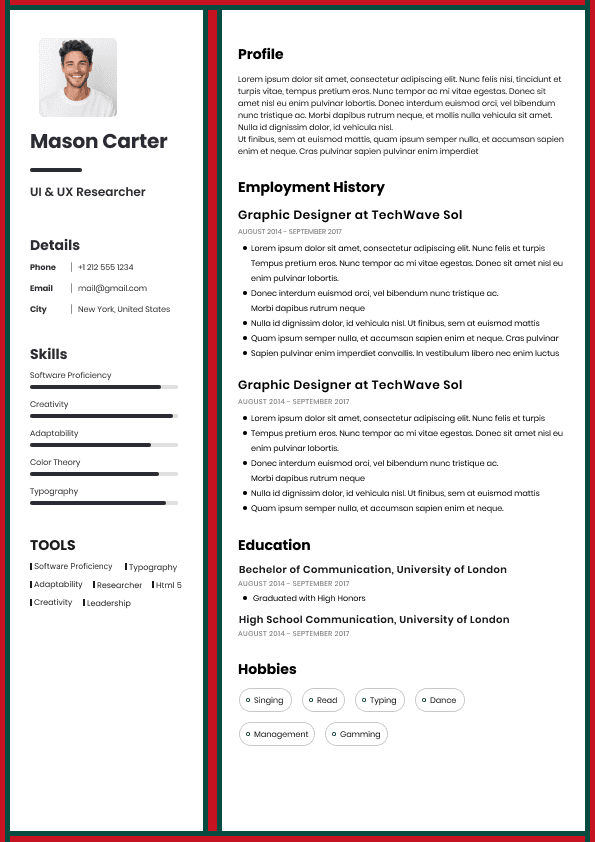
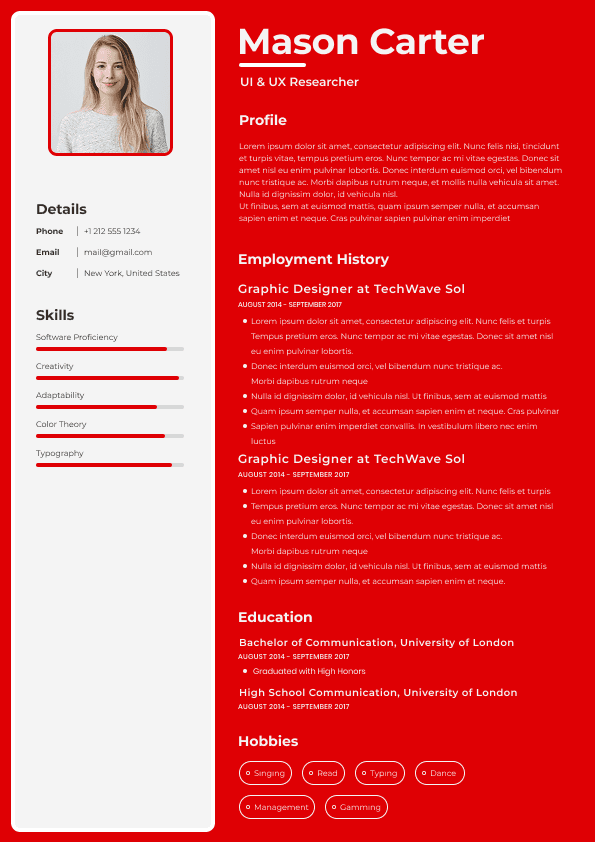
Use ATS-optimised Resume and resume templates that pass applicant tracking systems. Our Resume builder helps recruiters read, scan, and shortlist your Resume faster.


Use professional field-tested resume templates that follow the exact Resume rules employers look for.
Create Resume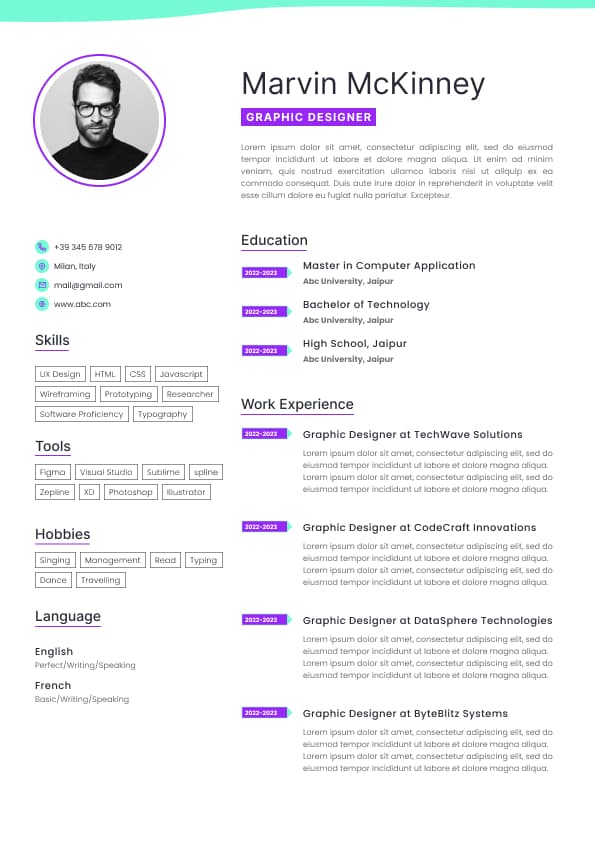
Use professional field-tested resume templates that follow the exact Resume rules employers look for.
Create ResumeModern development workflow experience
Hiring risk indicators
The best resumes make these answers obvious within 15 to 30 seconds.
Candidates who force recruiters to “figure things out” usually lose shortlist priority.
Recruiters compare the candidate’s stack directly against the job description.
Common TypeScript hiring stacks include:
React
Next.js
Node.js
NestJS
Angular
GraphQL
REST APIs
PostgreSQL
MongoDB
AWS
Docker
Kubernetes
CI/CD pipelines
The closer the alignment between the resume and the actual engineering environment, the higher the shortlist probability.
One of the biggest screening differentiators is whether the candidate has real production experience.
Recruiters look for signals like:
SaaS platforms
High-traffic applications
Enterprise systems
Customer-facing products
Scalable APIs
Authentication systems
Payment integrations
Performance optimization
Cloud deployments
Production credibility matters more than long skills lists.
Strong candidates explain business or engineering impact.
Examples include:
Reduced API response times by 40%
Migrated JavaScript codebase to TypeScript across 120K LOC
Improved frontend performance scores from 68 to 94
Reduced deployment failures through CI/CD automation
Increased test coverage from 35% to 82%
Recruiters use measurable outcomes as proof of real contribution.
Clean engineering language
GitHub or portfolio links when relevant
Testing and deployment visibility
Collaboration and Agile workflow signals
The strongest resumes read like real engineering contributions, not generic developer templates.
Weak resumes often contain:
TypeScript only listed in skills sections
No evidence of production applications
No measurable impact
Generic summaries
Massive unrelated technology lists
Tutorial-style projects
Missing testing tools
No deployment exposure
No architecture signals
Poor readability
Recruiters often reject resumes because they appear unfocused or technically shallow.
Jest
Cypress
Playwright
React Testing Library
can weaken shortlist potential.
Testing visibility is especially important for senior candidates.
TypeScript developers working in modern SaaS environments are often expected to understand deployment workflows.
Recruiters increasingly look for:
AWS
Vercel
Docker
CI/CD pipelines
GitHub Actions
Kubernetes
Infrastructure collaboration
Lack of deployment exposure may signal limited production ownership.
Weak summaries often sound like this:
Weak Example
“Passionate developer with experience in various technologies seeking growth opportunities.”
This tells recruiters almost nothing.
Good Example
“TypeScript full stack developer with 5+ years building scalable SaaS applications using React, Next.js, Node.js, PostgreSQL, and AWS infrastructure.”
The second version immediately improves targeting and recruiter confidence.
Real debugging
Scalability decisions
API design
State management complexity
Team collaboration
Production incidents
Technical ownership
Architecture decisions
Strong TypeScript developers also show strong JavaScript fundamentals.
Recruiters often look for:
ES6+
Async programming
Event handling
Closures
Performance optimization
Modular architecture
A candidate weak in JavaScript fundamentals usually struggles in senior TypeScript environments.
Framework mismatch is one of the biggest shortlisting filters.
For example:
React-heavy company → React experience matters most
NestJS backend role → backend API architecture matters most
Next.js SaaS company → SSR and performance experience matter most
Recruiters prioritize candidates closest to the actual engineering environment.
React
Next.js
Node.js
NestJS
REST API
GraphQL
PostgreSQL
AWS
Docker
CI/CD
Jest
Cypress
Agile
SaaS
Full stack development
But stuffing keywords without context usually fails once human review begins.
The best resumes naturally integrate keywords into real accomplishments.
Strong junior TypeScript candidates often show:
Deployed projects
API integrations
Authentication flows
Real UI complexity
Responsive design
Testing basics
Portfolio quality
Consistent Git commits
Common rejection triggers include:
Copy-paste bootcamp projects
No GitHub links
Extremely broad skills lists
No deployment examples
No project outcomes
No framework depth
Recruiters want proof the candidate can contribute in a real development environment.
Have you collaborated with product managers or designers?
What cloud platforms have you used?
How large was the engineering team?
Strong candidates answer clearly with specifics.
Weak candidates speak vaguely or rely heavily on buzzwords.
Collaboration ability
Clean specialization
The easier a recruiter can explain the candidate to a hiring manager, the stronger the shortlist chances.
Lack measurable accomplishments
Show inconsistent specialization
Lack technical credibility
The goal is alignment, not keyword stuffing.
Mid-level developers often focus more on implementation execution.
Recruiters look carefully for evidence of ownership versus task completion.
Focused positioning
Credible project complexity
The best resumes feel believable, practical, and aligned with real engineering environments.
That combination dramatically improves recruiter confidence and shortlisting rates.





 Upload Resume
 Import from Linkedin