
Choose from a wide range of NEWCV resume templates and customize your NEWCV design with a single click.

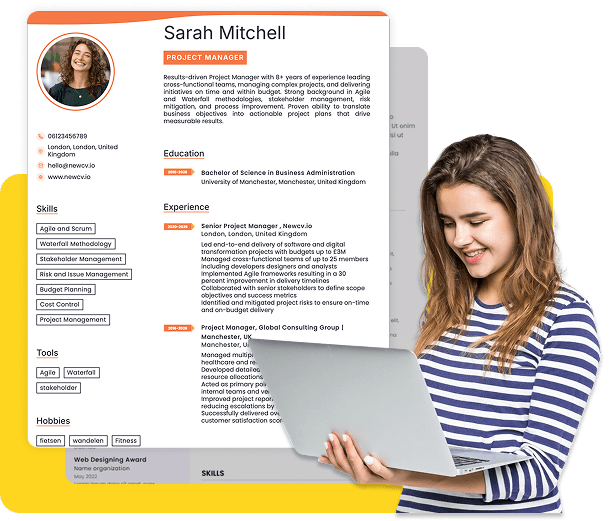
Use ATS-optimised Resume and resume templates that pass applicant tracking systems. Our Resume builder helps recruiters read, scan, and shortlist your Resume faster.

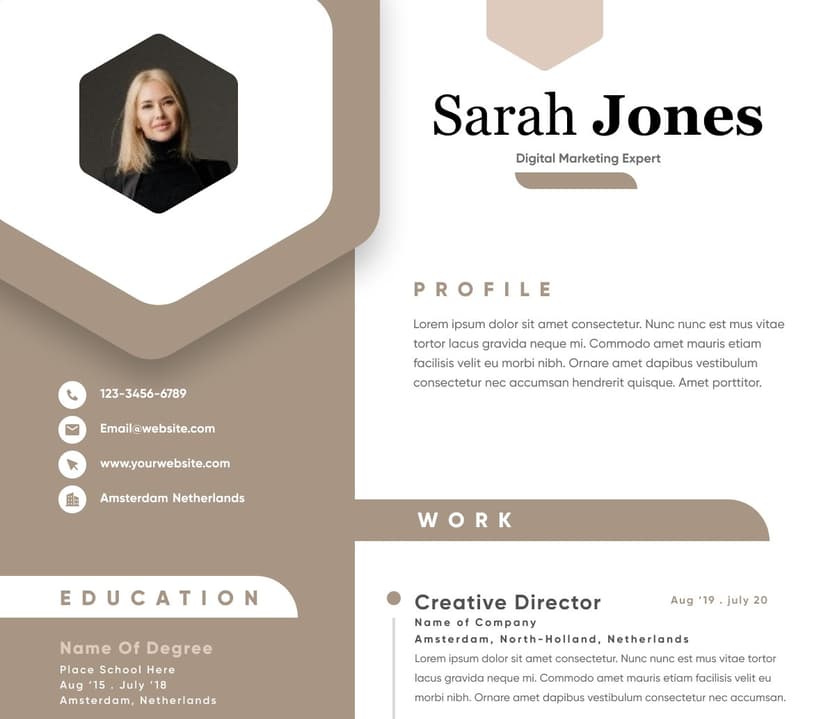
Use professional field-tested resume templates that follow the exact Resume rules employers look for.
Create Resume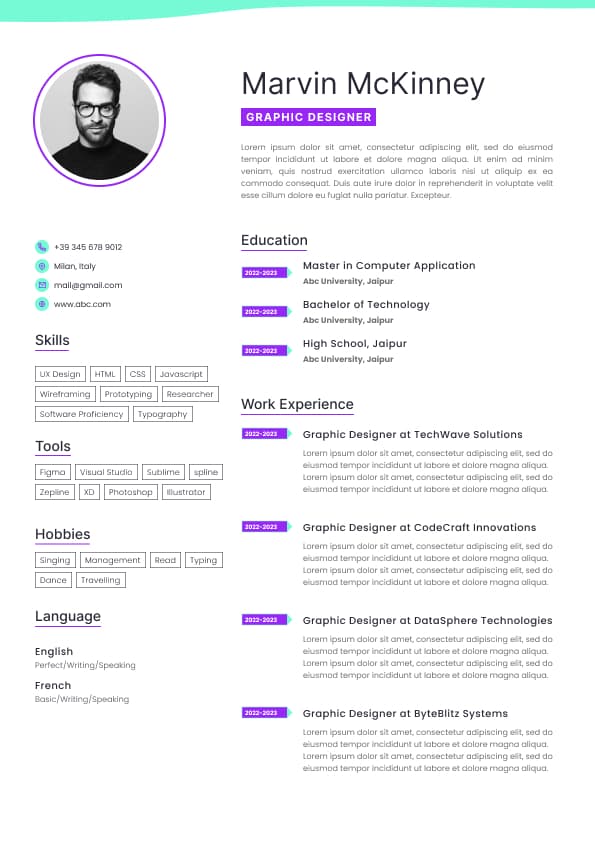
Use professional field-tested resume templates that follow the exact Resume rules employers look for.
Create ResumeResume Skills Examples Australia
Your resume skills section matters far more than most candidates realise. In the Australian job market, recruiters and hiring managers often decide within seconds whether your resume matches the role. The skills you include, how you phrase them, and where you position them directly affect whether you pass ATS screening, get shortlisted, or get ignored.
Most candidates make the same mistake: they either stuff their resume with generic buzzwords or list skills with no proof behind them. Australian recruiters are trained to spot both immediately.
Strong resume skills do three things:
• Align with the exact role requirements
• Match ATS keyword searches naturally
• Reinforce your credibility through real work outcomes
This guide covers recruiter-approved resume skills examples for Australia, including what employers actually look for, which skills to avoid, how to tailor skills by industry, and how hiring managers evaluate resumes during screening.
Australian recruiters rarely read resumes line by line on the first pass. Most use a layered screening process:
•ATS keyword scan
• Quick relevance check
• Skills-to-role alignment
• Evidence of capability
• Industry fit
• Communication quality
The skills section is not evaluated in isolation. Recruiters compare your listed skills against:
•Your work history
• Your achievements
• Your job titles
• Your seniority level
• The advertised role requirements
If your skills are not supported by experience, the resume loses credibility immediately.
For example, listing “Stakeholder Management” means very little unless your experience demonstrates:
•Cross-functional collaboration
• Client communication
• Vendor coordination
• Executive reporting
• Team leadership
Australian hiring managers value practical capability over keyword stuffing.
The strongest resume skills are role-specific, commercially relevant, and supported by evidence.
Generally, employers assess skills in two categories:
Hard skills are measurable, teachable capabilities linked to technical performance.
Examples include:
•Financial analysis
• Payroll processing
• Project management
• CRM systems
• Data analysis
• Forklift operation
• MYOB
• Xero
• AutoCAD
• Salesforce
• Python
• Procurement
• WHS compliance
• Digital marketing
• Recruitment sourcing
• SAP
• Budget forecasting
Hard skills usually carry more weight during initial screening because they directly affect job performance.
Soft skills influence how effectively you work with others and operate within a workplace.
Examples include:
The mistake most candidates make is listing soft skills without evidence.
Australian recruiters are highly sceptical of unsupported soft skills.
Below are recruiter-approved resume skills examples that sound credible and commercially relevant in the Australian market.
•Calendar and diary management
• Microsoft Office Suite
• Document control
• Data entry accuracy
• Meeting coordination
• Invoice processing
• Customer service support
• CRM database management
• Travel coordination
• Records management
•Complaint resolution
• Customer relationship management
• Point-of-sale systems
• High-volume phone handling
• Conflict resolution
• Upselling and cross-selling
• Multi-channel customer support
• Retail operations
• EFTPOS processing
• Service recovery
•Agile project delivery
• Budget management
• Stakeholder engagement
• Risk management
• Resource allocation
• Project scheduling
• Change management
• Vendor coordination
• Cross-functional leadership
• Jira and Trello
•BAS preparation
• Accounts payable and receivable
• Bank reconciliation
• Payroll processing
• Financial reporting
• Xero and MYOB
• Budget forecasting
• Tax compliance
• Variance analysis
• ERP systems
•Patient care coordination
• Clinical documentation
• Infection control
• Medication administration
• Electronic medical records
• Aged care support
• Patient communication
• Care planning
• Mental health support
• WHS compliance
•Cloud computing
• Cybersecurity
• SQL databases
• Python programming
• Network troubleshooting
• API integration
• System administration
• DevOps practices
• Technical support
• Data visualisation
For most Australian resumes:
•8 to 15 highly relevant skills is ideal
• Senior professionals may include more specialised capabilities
• Graduate resumes should focus on transferable and technical skills
• Avoid overwhelming the page with excessive keyword lists
A bloated skills section often weakens the resume rather than strengthening it.
Recruiters prefer precision over volume.
The best placement depends on your experience level and industry.
Place a targeted skills section near the top of the resume after your professional summary.
This helps recruiters quickly assess relevance.
Skills can appear higher because practical experience may be limited.
Transferable skills become more important here.
Technical licences, certifications, machinery, and compliance skills should appear prominently.
For example:
•White Card
• Forklift Licence
• HR Licence
• Confined Space Entry
• Working at Heights
These are often mandatory screening requirements in Australia.
Most medium and large Australian employers use Applicant Tracking Systems (ATS).
ATS software scans resumes for matching keywords from the job advertisement.
That means your resume skills should reflect the language used in the role description naturally.
“Excellent communication and hardworking team player”
This is vague, generic, and difficult for ATS systems to evaluate.
•Client relationship management
• Cross-functional stakeholder communication
• CRM administration
• Customer retention strategies
These phrases are specific, searchable, and commercially relevant.
Recruiters see these constantly:
•Hardworking
• Motivated
• Team player
• Go-getter
• Fast learner
These add almost no value unless supported by measurable outcomes.
Candidates often overload resumes with unrelated software, outdated systems, or random certifications.
Every skill should support the target role directly.
If your resume claims advanced Excel skills but your work history does not support analytical responsibilities, recruiters notice the mismatch immediately.
Recruiters scan resumes quickly.
Skills should be:
•Easy to identify
• Relevant to the role
• Written in clear commercial language
Hiring managers typically ask themselves three questions:
Technical and operational skills answer this first.
Soft skills and communication style influence this assessment.
Consistency matters.
If the resume claims senior leadership skills but the experience reflects only junior responsibilities, credibility drops.
Australian employers value authenticity heavily.
Overstating skills can damage your chances more than slightly underselling yourself.
•Communication
• Leadership
• Teamwork
• Microsoft Office
• Problem solving
This tells recruiters almost nothing.
•Executive stakeholder engagement
• Team leadership across multi-site operations
• Advanced Excel reporting and data analysis
• Workforce planning and rostering
• CRM and ERP systems management
• Process improvement initiatives
This gives recruiters a much clearer understanding of capability and level.
One of the biggest ranking factors in recruiter searches is industry alignment.
For example, “project management” means different things across industries.
•Contractor coordination
• Site compliance
• WHS management
• Procurement scheduling
• Construction timelines
•Agile delivery
• Software implementation
• Sprint planning
• Technical stakeholder management
• Systems integration
Tailored industry terminology improves:
•ATS matching
• Recruiter confidence
• Hiring manager relevance assessment
Generally, avoid rating yourself with stars, percentages, or vague labels like:
•Expert
• Intermediate
• Advanced
These are subjective and often meaningless.
Instead, demonstrate proficiency through:
•Experience
• Achievements
• Scope of responsibility
• Commercial outcomes
“Advanced communication skills”
“Managed client relationships across 40+ enterprise accounts”
The second example proves the skill naturally.
This is where most successful candidates separate themselves from average applicants.
Before applying:
Look for repeated requirements throughout the advertisement.
If the role repeatedly mentions:
•Stakeholder engagement
• Salesforce
• Payroll processing
• WHS compliance
These should appear naturally throughout your resume if genuinely relevant.
Australian recruiters often search exact terms inside ATS systems.
For example:
If the ad says “customer relationship management”, using only “client service” may weaken keyword alignment.
Use both naturally where relevant.
Career changers often underestimate the value of transferable skills.
Strong transferable skills include:
•Team leadership
• Customer communication
• Scheduling and coordination
• Budget management
• Conflict resolution
• Compliance adherence
• Reporting and administration
The key is reframing previous experience around the target role’s priorities.
A hospitality manager transitioning into office management may position skills like:
•Rostering and workforce planning
• Supplier coordination
• Budget oversight
• Customer issue resolution
• Team supervision
• Operational administration
These align strongly with many administration roles.
While skill demand changes by industry, Australian employers consistently prioritise:
•Communication skills
• Digital literacy
• Stakeholder management
• Problem solving
• Adaptability
• Data analysis
• Project coordination
• Leadership capability
• Customer experience management
• Process improvement
Technical and digital capability continue increasing in importance across nearly every sector.
The strongest resumes reinforce skills through achievements.
Instead of only listing skills, support them with outcomes.
“Strong customer service skills”
“Resolved high-volume customer enquiries while maintaining 96% satisfaction ratings”
“Leadership skills”
“Led a team of 18 staff across multi-site retail operations”
Evidence creates credibility.
Credibility creates shortlist decisions.
Here is a strong modern skills section example suitable for many Australian professional resumes.
Core Skills
•Stakeholder engagement and relationship management
• Project coordination and operational support
• CRM and database administration
• Cross-functional team collaboration
• Budget tracking and reporting
• Process improvement initiatives
• Microsoft Excel and reporting tools
• Client communication and issue resolution
• Scheduling and resource coordination
• Compliance and documentation management
This format is:
•ATS-friendly
• Easy to scan
• Commercially relevant
• Recruiter-approved


 Upload Resume
 Import from Linkedin