
Choose from a wide range of NEWCV resume templates and customize your NEWCV design with a single click.

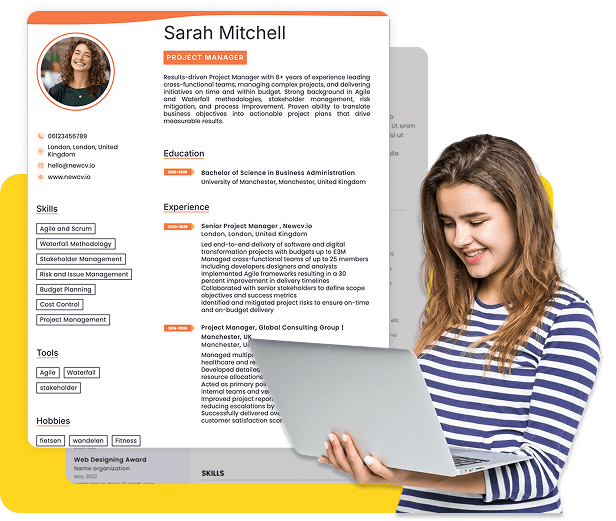
Use ATS-optimised Resume and resume templates that pass applicant tracking systems. Our Resume builder helps recruiters read, scan, and shortlist your Resume faster.

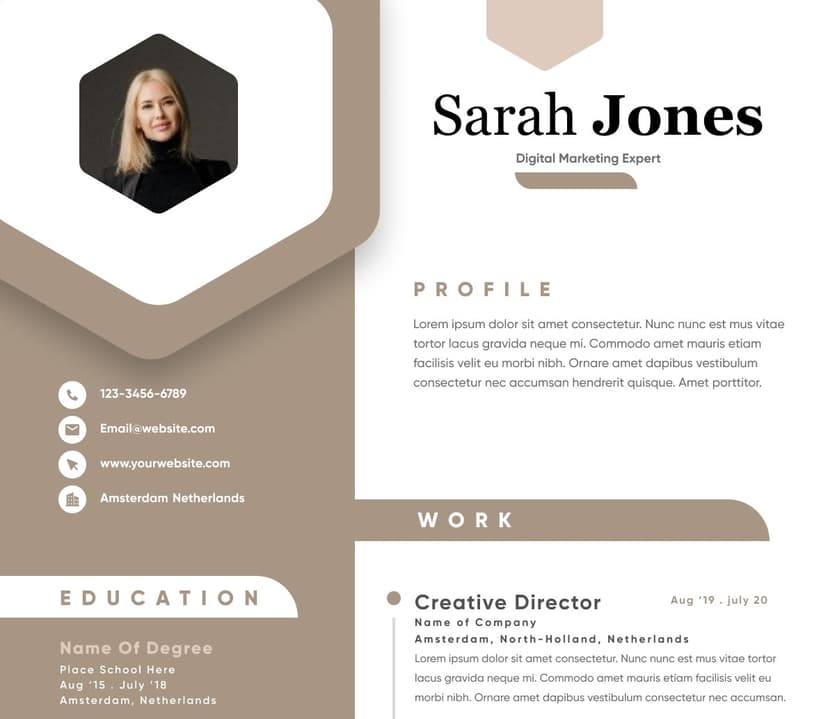
Use professional field-tested resume templates that follow the exact Resume rules employers look for.
Create Resume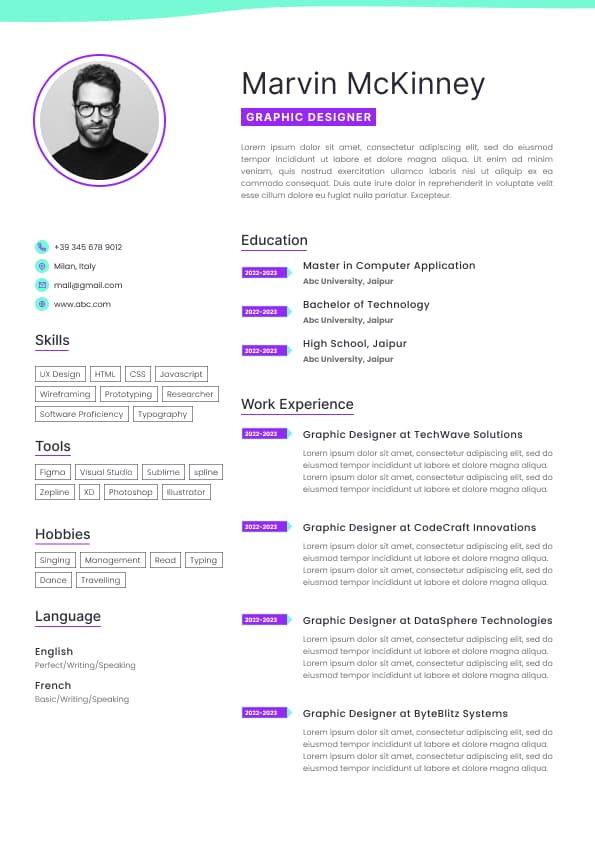
Use professional field-tested resume templates that follow the exact Resume rules employers look for.
Create ResumeMost people look for resume writing services in Australia because they are not getting interviews, are changing careers, returning to work, applying for higher-paying roles, or struggling to compete in a crowded market. The reality is this: a professionally written resume only works if it positions you correctly for the Australian hiring market.
A good resume writer does far more than improve formatting. They understand recruiter screening behaviour, ATS systems, hiring manager expectations, salary positioning, and how Australian employers evaluate candidates in under 30 seconds.
The best resume writing services in Australia help candidates:
Clarify their value proposition
Position experience strategically
Improve ATS keyword alignment
Remove weak or outdated resume language
Create stronger career narratives
Increase interview conversion rates
Most resume advice online is written for search engines, not real hiring outcomes.
In Australia, recruiters and hiring managers typically make an initial judgement within seconds. They are not reading every word. They are scanning for alignment, relevance, credibility, and risk.
Your resume is usually evaluated against four questions immediately:
Does this candidate match the role requirements?
Can they operate at the expected seniority level?
Is their experience credible and commercially relevant?
Is this resume easy to assess quickly?
A strong Australian resume writing service understands this evaluation logic.
Weak resume writers focus on:
Fancy designs
But many resume services deliver generic documents that look polished yet fail during real recruiter review. That is where most candidates waste money.
This guide explains how Australian resume writing services actually work, what separates high-performing resume writers from generic providers, what recruiters genuinely look for, pricing expectations, red flags, and how to choose a service that improves your chances of getting hired.
Generic professional summaries
Keyword stuffing
Long-winded paragraphs
Overuse of buzzwords
Strong resume writers focus on:
Strategic positioning
Commercial outcomes
Role relevance
ATS compatibility
Clear evidence of impact
Career narrative alignment
This difference is enormous.
One of the biggest problems in the Australian resume industry is that many providers are not recruiters, hiring managers, or HR professionals. They are freelance writers using templates.
That creates resumes that sound polished but fail under real hiring scrutiny.
Common problems include:
Generic wording that could apply to anyone
No measurable outcomes or achievements
Weak ATS optimisation
Overly American writing style
Poor understanding of Australian hiring culture
Incorrect terminology for the Australian market
Inflated claims that damage credibility
Resume summaries with no strategic value
Recruiters notice this immediately.
A resume that sounds “professionally written” is not automatically effective.
In fact, some overly polished resumes create suspicion because they no longer sound authentic or aligned with the candidate’s actual experience.
The best resume writing services in Australia combine recruitment knowledge with commercial positioning strategy.
They understand:
How ATS systems rank resumes
How recruiters shortlist candidates
How hiring managers assess risk
What different industries expect
How to position salary level and seniority
What hiring trends currently matter in Australia
The best services usually involve a consultation process, not just a questionnaire.
That consultation matters because strong resumes require strategic judgement, not data entry.
A high-quality resume writer should help you:
Clarify your career direction
Identify transferable strengths
Improve role targeting
Remove low-value content
Position achievements properly
Tailor your resume to Australian market expectations
ATS optimisation is one of the most misunderstood parts of resume writing.
Many providers market “ATS-friendly resumes” as though it is a special feature. In reality, basic ATS compatibility should already be standard.
Australian ATS systems generally scan for:
Job title relevance
Industry keywords
Skills alignment
Career consistency
Experience depth
Education and certifications
Contextual keyword relevance
ATS systems do not “like” keyword stuffing.
Recruiters can immediately spot resumes overloaded with repetitive keywords.
What actually works:
Natural integration of role-specific terminology
Alignment with job descriptions
Clear experience structure
Accurate skills positioning
Relevant achievements tied to business outcomes
A properly optimised resume balances ATS performance with human readability.
That balance is critical.
Career change resumes are where most candidates struggle badly without professional help.
Australian recruiters are cautious about career transitions because hiring managers often perceive transferable candidates as higher risk.
This means career changers must:
Control the narrative
Reduce perceived risk
Highlight transferable commercial value
Reposition previous experience strategically
Explain transitions clearly without oversharing
Weak career change resumes focus too heavily on previous industries.
Strong career change resumes focus on:
Transferable outcomes
Operational similarities
Leadership capability
Stakeholder management
Relevant technical skills
Industry-adjacent experience
A quality resume writing service can dramatically improve positioning during a career pivot.
Executive resumes are completely different from mid-level resumes.
At senior leadership level, recruiters and boards evaluate:
Commercial impact
Leadership scale
Strategic influence
Transformation capability
Financial accountability
Operational complexity
Stakeholder management
Risk leadership
Executive resumes should not read like detailed task lists.
They should communicate:
Strategic outcomes
Organisational influence
Growth metrics
Business transformation
Leadership scope
Australian executive hiring is heavily reputation-driven.
That means executive resumes must balance:
Authority
Credibility
Commercial results
Executive presence
Overly designed executive resumes often underperform.
Most senior recruiters prefer clean, commercially focused resumes with strong achievement framing.
Resume writing prices in Australia vary significantly depending on experience level, writer expertise, and service depth.
Typical ranges:
Entry-level resumes: $150–$350
Mid-level professional resumes: $300–$700
Senior management resumes: $700–$1,500+
Executive or C-suite resumes: $1,500–$3,500+
Low-cost resume services are usually template-based.
Higher-end services often include:
Career consultations
LinkedIn optimisation
ATS strategy
Selection criteria responses
Cover letters
Executive branding
Interview coaching
Price alone does not determine quality.
Some expensive providers still produce generic resumes.
The real question is whether the writer understands:
Australian hiring behaviour
Recruiter decision-making
Industry expectations
Positioning strategy
The best resume writers in Australia typically have:
Recruitment experience
HR or talent acquisition background
Industry specialisation
Strong understanding of ATS systems
Experience across Australian industries
Ability to explain positioning strategy clearly
Good resume writers ask strategic questions.
They do not simply collect information.
They challenge weak positioning, identify gaps, and help shape a stronger candidate narrative.
Strong resume writers also understand:
State-based hiring differences
Government vs private sector expectations
Industry-specific resume norms
Australian workplace communication style
Many resume services sound impressive online but deliver poor hiring outcomes.
Major warning signs include:
Unrealistic interview guarantees
No consultation process
Generic questionnaire-only systems
Extremely cheap pricing
Overdesigned resume templates
Heavy keyword stuffing
Lack of recruiter or HR background
No Australian market expertise
Generic international writing style
Another major red flag is resumes that prioritise design over substance.
In Australia, most recruiters care far more about:
Clarity
Relevance
Credibility
Structure
Results
Not graphics.
Especially for professional, government, engineering, healthcare, finance, legal, and executive roles.
Not everyone needs a professional resume writer.
If you:
Already receive interviews consistently
Understand ATS optimisation
Can position achievements clearly
Know your market value
Have strong writing skills
You may not need professional help.
But resume services are often valuable when:
You are not getting interviews
You are changing careers
You are returning to work
You are targeting leadership roles
You struggle to explain achievements
Your resume feels outdated
You are competing in crowded industries
You are applying for significantly higher-paying roles
The biggest value is often strategic positioning, not writing alone.
A professionally positioned resume changes how recruiters perceive you before speaking with you.
That affects:
Shortlisting speed
Interview conversion
Salary positioning
Perceived seniority
Employer confidence
Recruiter engagement
Weak resumes create uncertainty.
Strong resumes reduce hiring risk.
That is the real goal.
Most recruiters are not searching for perfection. They are searching for confidence that a candidate can succeed in the role.
Your resume should make that judgement easier.
One of the biggest mistakes candidates make is having a LinkedIn profile that conflicts with their resume.
Recruiters almost always cross-check both.
Inconsistencies create doubt.
Strong resume writing services often include LinkedIn optimisation because alignment matters for:
Keyword visibility
Recruiter searches
Personal branding
Credibility
Career consistency
Your LinkedIn profile should reinforce your positioning strategy, not contradict it.
Especially in Australia’s white-collar market where LinkedIn sourcing is now standard across many industries.
Government resumes require a different approach from private sector resumes.
Australian government applications often prioritise:
Capability frameworks
Selection criteria alignment
Stakeholder communication
Governance experience
Policy understanding
Structured achievement evidence
Many private-sector resume writers struggle with APS, state government, or council applications because the evaluation framework is different.
Strong government resume writers understand:
STAR methodology
Capability frameworks
Government language expectations
Merit-based assessment processes
This is especially important for:
APS applications
Healthcare administration
Education sector roles
Local government
Infrastructure and public sector leadership roles
Most candidates never hear why they were rejected.
But recruiters commonly reject resumes because of:
Generic summaries
Poor role targeting
Unclear career direction
Lack of measurable outcomes
Overly long resumes
Weak formatting hierarchy
Obvious keyword stuffing
Inconsistent career timelines
Outdated terminology
Excessive responsibilities with no impact shown
One of the biggest hidden issues is lack of positioning clarity.
If recruiters cannot quickly understand:
What level you operate at
What type of roles you fit
What value you bring
You are far more likely to be rejected.
Strong resume writers solve this problem strategically.
The best measure of resume effectiveness is interview conversion.
If you are:
Applying to relevant roles
Qualified for those roles
Targeting appropriately
But not getting interviews consistently, your resume positioning may be failing.
Warning signs include:
Recruiters ghosting after application
Low response rates
Being screened out early
Receiving interviews only for lower-paying roles
Getting recruiter calls but not progressing
Strong resumes improve:
Relevance perception
Commercial positioning
Screening efficiency
Hiring confidence
That translates into better interview opportunities.


 Upload Resume
 Import from Linkedin