STILL APPLYING. STILL HEARING NOTHING?BUILD YOUR RESUME

STILL APPLYING. STILL HEARING NOTHING?BUILD YOUR RESUME
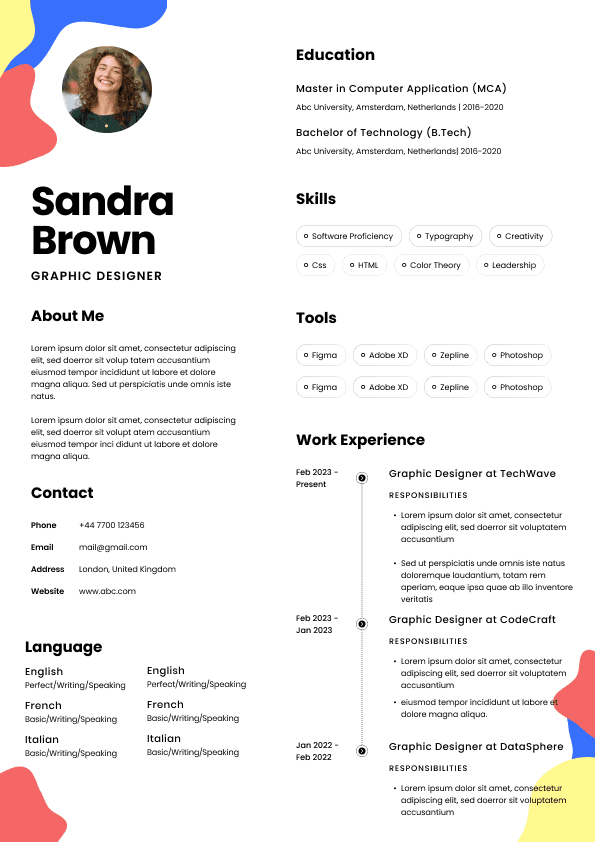
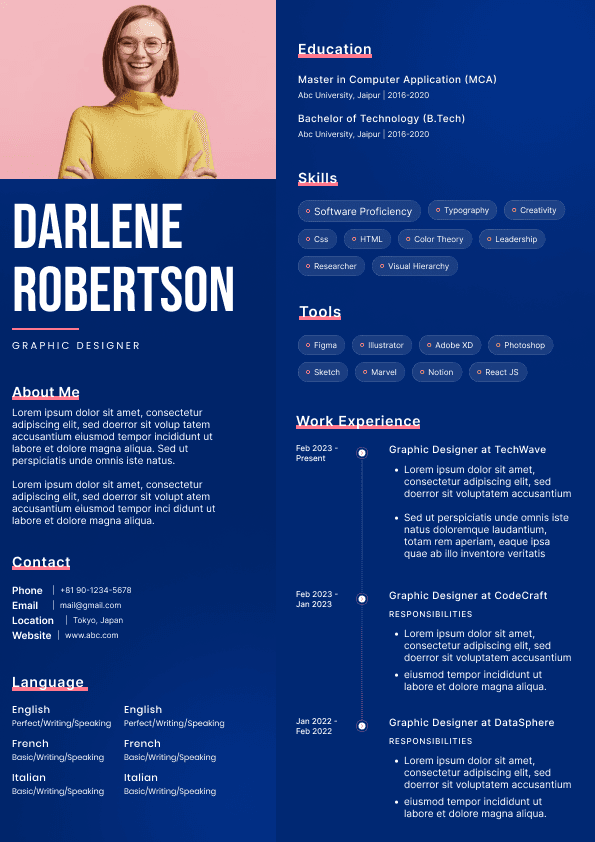
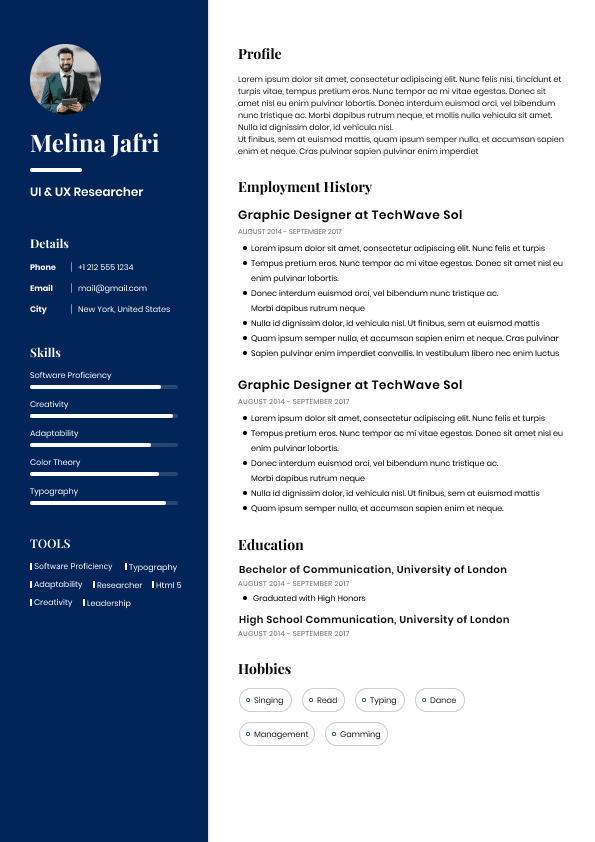
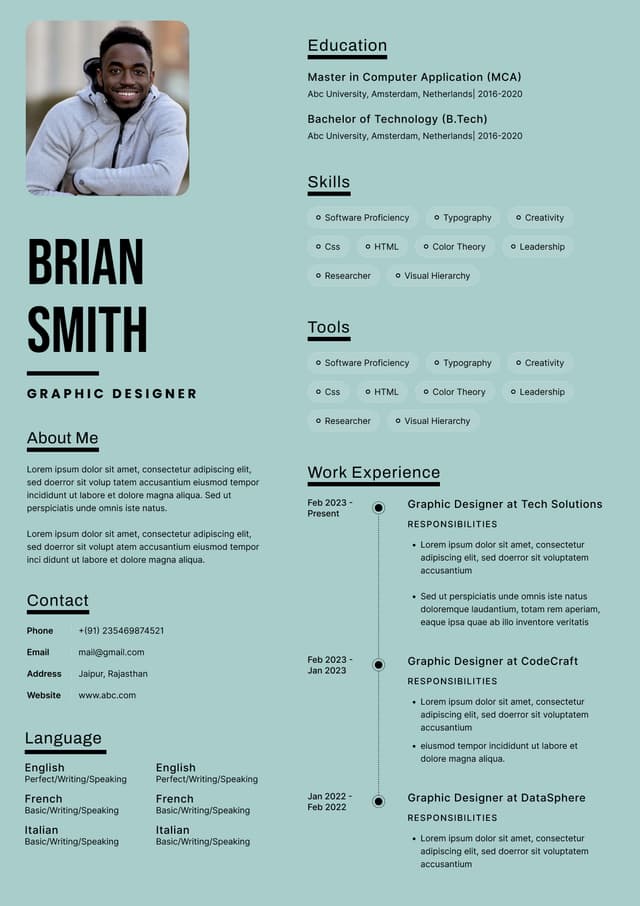
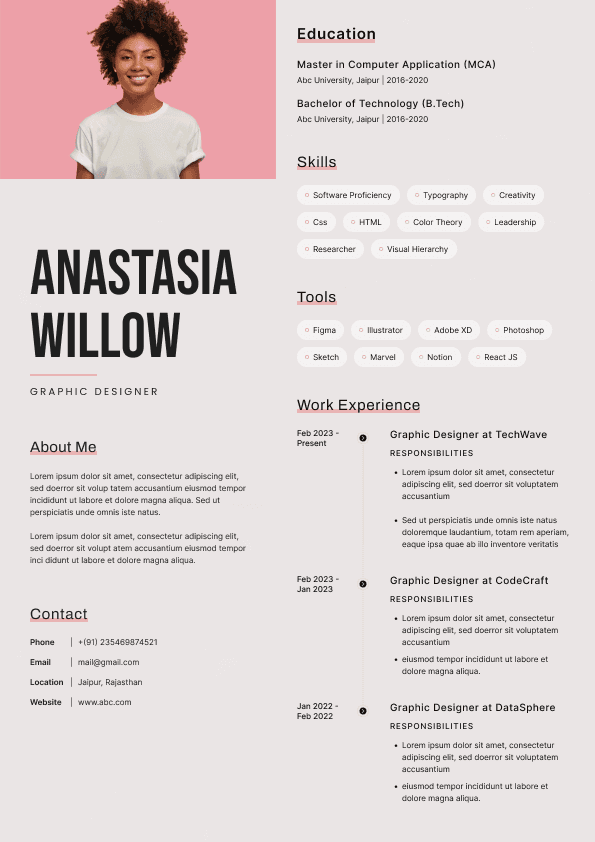
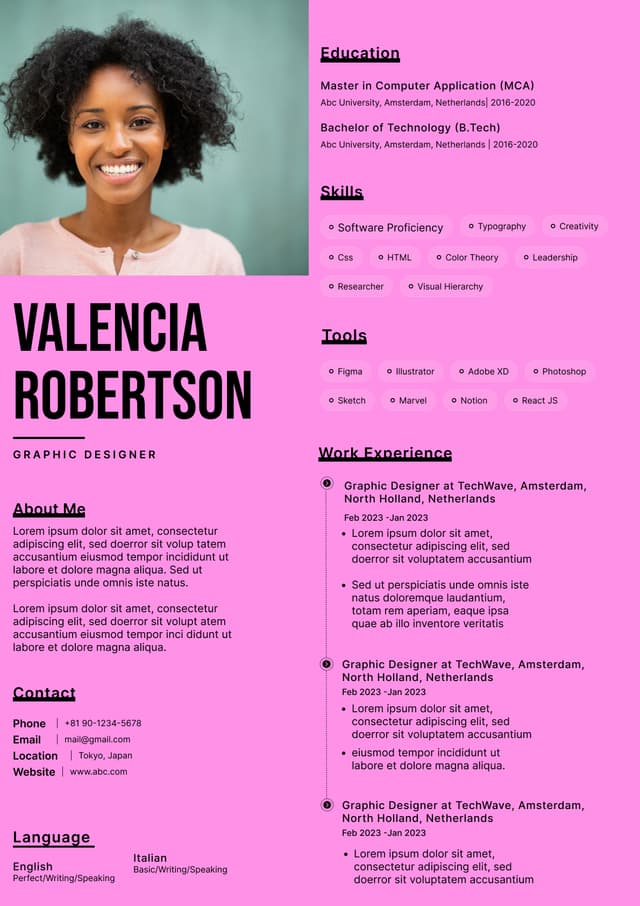
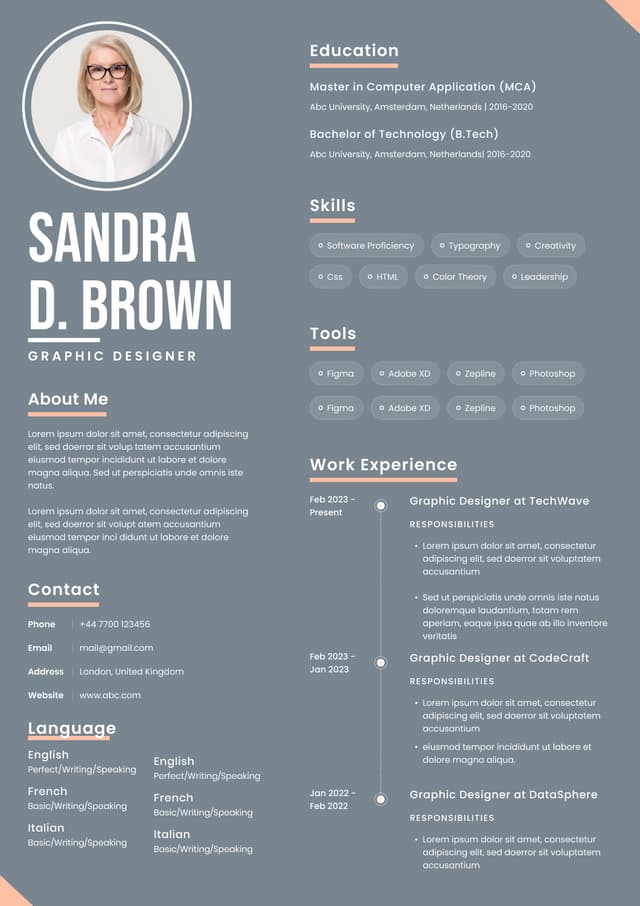
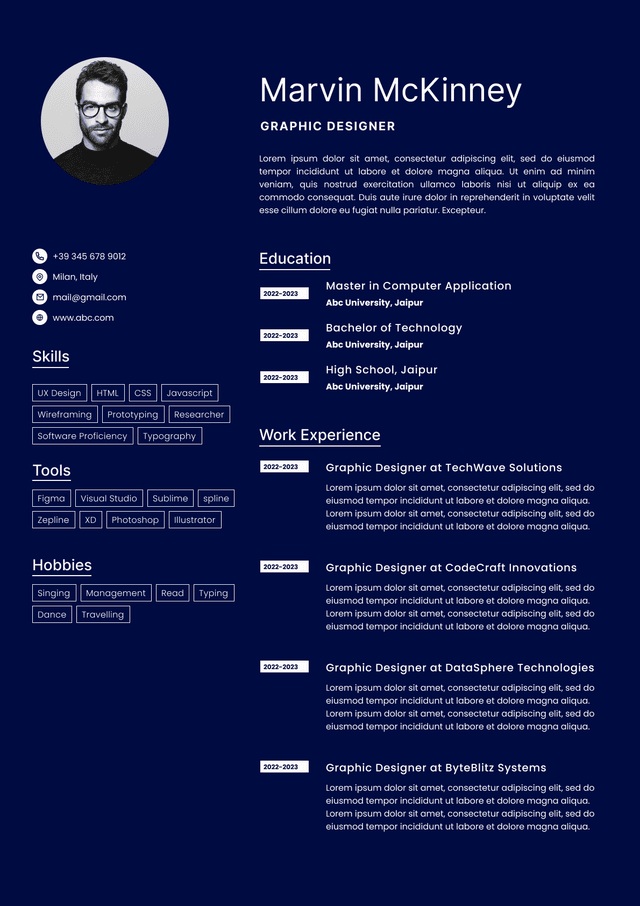
Choose from a wide range of NEWCV resume templates and customize your NEWCV design with a single click.
FAQ

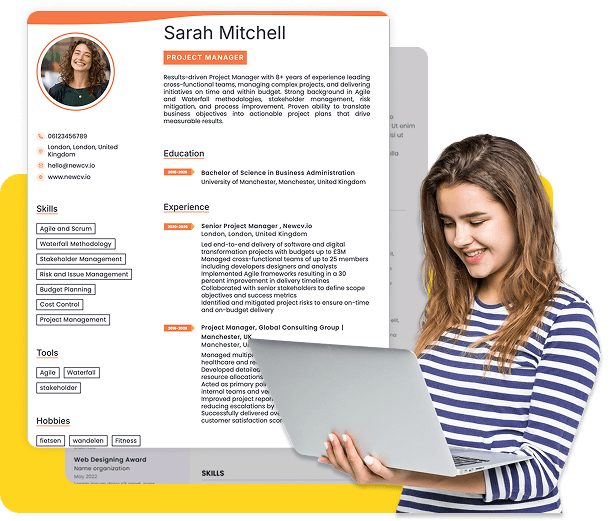
If you're a student applying for JavaScript developer internships, entry-level roles, part-time jobs, or your first developer position, your resume does not need years of experience to compete. What hiring managers actually want is proof that you can build things, solve problems, learn quickly, and collaborate in a technical environment.
For student JavaScript developer resumes, projects matter more than job titles. Recruiters look for practical evidence that you understand JavaScript fundamentals, modern frameworks, APIs, debugging, GitHub workflows, and real development practices. Strong resumes show coursework, coding projects, GitHub activity, hackathons, internships, technical clubs, freelance work, or self-taught development experience in a structured, ATS-friendly format.
The biggest mistake students make is submitting resumes that look academic instead of technical. A winning JavaScript developer resume positions you as an emerging developer who can contribute immediately, even if your experience comes from school projects or personal builds.
Most student applicants assume recruiters expect professional experience. That is not true for internships or junior developer roles.
Hiring managers evaluate student resumes differently from experienced developer resumes.
They primarily look for:
Technical foundation
Ability to learn quickly
Problem-solving skills
Practical coding experience
Communication and collaboration
Evidence of initiative
Clean, readable resume structure
GitHub and portfolio quality
Real project execution
Consistency between skills and projects
A student who built three solid JavaScript projects with clean GitHub repositories will usually outperform a student who lists 25 technologies without proof.
A strong student JavaScript resume should stay focused, technical, and easy to scan.
Use this structure:
Contact information
Professional summary
Technical skills
Projects
Education
Internship or experience section
Certifications or bootcamps
Leadership, hackathons, or technical activities
For students, the projects section is often the most important part of the resume.
Your summary should immediately position you as a technically capable student developer.
Avoid vague statements like:
Weak Example
“Motivated computer science student seeking opportunities to grow.”
This says nothing meaningful to a recruiter.
Instead, focus on technologies, development experience, and practical strengths.
Good Example
“Computer science student with hands-on experience building JavaScript web applications using React, Node.js, Express, and MongoDB. Developed responsive projects integrating REST APIs, async JavaScript, and reusable UI components. Active GitHub contributor with experience collaborating on team projects using Git and Agile workflows.”
This works because it signals:
Technical competency
Practical development experience
Collaboration exposure
Modern JavaScript ecosystem familiarity
Recruiters scan technical skills quickly.
Do not overload this section with every technology you have ever touched.
Prioritize technologies you can confidently discuss in an interview.
JavaScript (ES6+)
TypeScript
HTML5
CSS3
React
Node.js
Express.js
MongoDB
REST APIs
Git and GitHub
Responsive Web Design
Async/Await
API Integration
Debugging and Testing
Agile Development
VS Code
Firebase
SQL Basics
Avoid listing technologies you barely know.
Many hiring managers will test listed skills directly during interviews.
For student JavaScript developers, projects are your experience.
Recruiters want proof that you can:
Build working applications
Write readable code
Solve problems independently
Debug issues
Work with APIs
Use GitHub properly
Understand frontend or backend workflows
Complete technical tasks from start to finish
A strong project section can completely compensate for limited work history.
Most students write weak project descriptions.
Bad project bullets focus only on the final app.
Strong bullets explain:
Technologies used
Technical challenges solved
Features implemented
Collaboration methods
Performance improvements
Deployment experience
Real functionality
“Built a weather app using JavaScript.”
This tells recruiters almost nothing.
Built a responsive weather application using JavaScript, HTML, CSS, and OpenWeather API integration
Implemented async/await functionality for real-time API requests and error handling
Developed mobile-responsive layouts and dynamic search functionality
Deployed application using Netlify with GitHub version control integration
This version demonstrates actual development skills.
The strongest student resumes include projects that simulate real-world development work.
Good project types include:
Full-stack CRUD applications
React dashboards
API-based applications
Authentication systems
E-commerce mock stores
Portfolio websites
Task management apps
Chat applications
Data visualization dashboards
JavaScript games
Team hackathon projects
TypeScript applications
Recruiters especially like projects showing:
API integration
State management
Authentication
Reusable components
Backend logic
Deployment experience
Database usage
Collaboration workflows
GitHub is extremely important for student developer hiring.
Many recruiters and engineering managers review GitHub profiles before interviews.
A weak GitHub profile can hurt strong resumes.
A strong GitHub profile can compensate for weak experience.
Active repositories
Consistent commits
Clear README files
Organized projects
Meaningful project names
Clean folder structures
Documentation
Real coding activity
Team collaboration history
A nearly empty GitHub profile often creates concern about whether projects are real.
Yes, absolutely.
For high school students applying to internships, part-time jobs, or beginner developer opportunities, school and personal projects are expected.
Recruiters understand your experience level.
What matters is initiative and practical effort.
Good high school resume content includes:
Coding coursework
JavaScript projects
Robotics club work
Hackathons
Freelance website projects
STEM competitions
Open-source contributions
Self-taught coding projects
The key is framing these experiences professionally.
Coursework should support your technical credibility, not dominate the resume.
Only include relevant coursework.
Data Structures and Algorithms
Web Development
Software Engineering
Database Systems
Object-Oriented Programming
Computer Networks
Human Computer Interaction
Do not include general education classes.
Many student resumes fail before a recruiter even sees them.
Applicant Tracking Systems scan resumes for:
Keywords
Resume structure
Technical terms
Formatting consistency
Readability
Use standard section headings
Avoid graphics and tables
Use readable fonts
Include relevant JavaScript keywords naturally
Match keywords from job descriptions
Save as PDF unless instructed otherwise
Keep formatting simple and clean
Do not try to trick ATS systems with keyword stuffing.
Modern hiring systems prioritize relevance and readability.
Students often add technologies they barely understand.
This backfires during technical interviews.
Recruiters care more about proof than career goals.
Tutorial clone projects without customization rarely impress hiring managers.
Phrases like:
Hardworking
Team player
Fast learner
Passionate developer
mean very little without evidence.
Deployed projects demonstrate initiative and technical maturity.
Always include live demos when possible.
Messy repositories damage credibility.
If you already completed a JavaScript internship, recruiters expect stronger evidence of production-level exposure.
You should highlight:
Team collaboration
Agile workflows
Pull requests
Bug fixing
Code reviews
Feature development
Production debugging
Sprint participation
Even small internship contributions matter when described correctly.
Assisted in developing React-based frontend components used across internal dashboards
Fixed JavaScript bugs and improved UI responsiveness across multiple web pages
Collaborated with developers using GitHub pull requests and Agile sprint workflows
Integrated REST APIs and tested frontend functionality using Postman and browser debugging tools
Coding bootcamps can strengthen student resumes significantly when paired with real projects.
Do not just list the bootcamp name.
Show outcomes.
Completed intensive full-stack JavaScript development bootcamp covering React, Node.js, Express, MongoDB, and REST APIs
Built multiple deployed applications using Agile development principles and Git-based collaboration
Participated in team coding challenges and peer code reviews
Many students misunderstand entry-level hiring.
Hiring managers do not expect junior developers to know everything.
They want people who:
Can learn quickly
Follow technical instructions
Ask smart questions
Solve problems methodically
Accept feedback well
Collaborate effectively
Demonstrate curiosity
Show ownership
Your resume should reflect these qualities through examples, not claims.
James Carter
Austin, Texas
jamescarter.dev@gmail.com
github.com/jamescarterdev
linkedin.com/in/jamescarterdev
jamescarterportfolio.com
Computer science student with hands-on experience building full-stack JavaScript applications using React, Node.js, Express, and MongoDB. Developed responsive web applications integrating REST APIs, authentication systems, and reusable UI components. Experienced collaborating on team projects using GitHub and Agile workflows. Seeking a JavaScript developer internship or entry-level frontend development role.
JavaScript (ES6+)
TypeScript
React
Node.js
Express.js
MongoDB
HTML5
CSS3
REST APIs
Git and GitHub
Responsive Design
Firebase
SQL
Debugging and Testing
Built a responsive weather application using JavaScript and OpenWeather API integration
Implemented async/await functionality, API error handling, and dynamic search features
Developed responsive layouts optimized for desktop and mobile devices
Deployed project using Netlify with GitHub version control integration
Developed a full-stack task management app using React, Node.js, Express, and MongoDB
Built secure authentication functionality and CRUD operations for task tracking
Created reusable React components and dashboard filtering features
Collaborated with two developers using GitHub pull requests and Agile task tracking
Created an analytics dashboard using TypeScript and chart visualization libraries
Developed reusable UI components and dynamic filtering functionality
Improved component reusability and frontend maintainability through modular architecture
Bachelor of Science in Computer Science
University of Texas at Austin
Expected Graduation: May 2027
Data Structures and Algorithms
Web Development
Database Systems
Software Engineering
Computer Networks
Participated in university hackathons developing JavaScript prototype applications under time constraints
Active member of campus software engineering club focused on collaborative coding projects
Contributed frontend fixes and documentation updates to open-source GitHub repositories
Sophia Martinez
Phoenix, Arizona
sophiamartinezdev@gmail.com
github.com/sophiadev
portfolio.sophiadev.com
High school student with hands-on JavaScript development experience building responsive websites and interactive web applications. Familiar with React, APIs, GitHub workflows, and frontend development fundamentals. Strong problem-solving skills with experience completing independent coding projects and participating in coding competitions.
JavaScript
HTML5
CSS3
React Basics
Git and GitHub
Responsive Design
API Integration
Debugging
VS Code
Developed a weather application using JavaScript and third-party API integration
Implemented async API requests, search functionality, and responsive layouts
Added error handling for invalid searches and API failures
Designed and developed a personal portfolio website showcasing coding projects and GitHub repositories
Built responsive layouts optimized for mobile and desktop viewing
Deployed website using GitHub Pages
Central High School
Expected Graduation: May 2027
Participated in local coding competitions and STEM technology workshops
Completed online JavaScript and web development coursework
Collaborated on school coding club projects using GitHub version control
One page is ideal for most students.
Do not force a second page unless you genuinely have substantial internships, technical leadership, freelance work, or multiple major projects.
A concise, technically strong one-page resume performs better than a padded two-page resume.
Use keywords naturally throughout your resume.
Important terms often include:
JavaScript
React
Node.js
Express.js
TypeScript
REST APIs
Frontend Development
Full-Stack Development
GitHub
MongoDB
Responsive Design
Web Applications
API Integration
Agile Development
Software Engineering
Match keywords to the actual job posting whenever possible.
The best student JavaScript resumes typically have:
Real projects with measurable functionality
GitHub links that work
Live deployed applications
Strong technical summaries
Clear formatting
Evidence of initiative
Consistent technical focus
Relevant coursework
Collaboration examples
Clean project documentation
The strongest resumes feel like they were written by someone already thinking like a developer, not just a student trying to get hired.
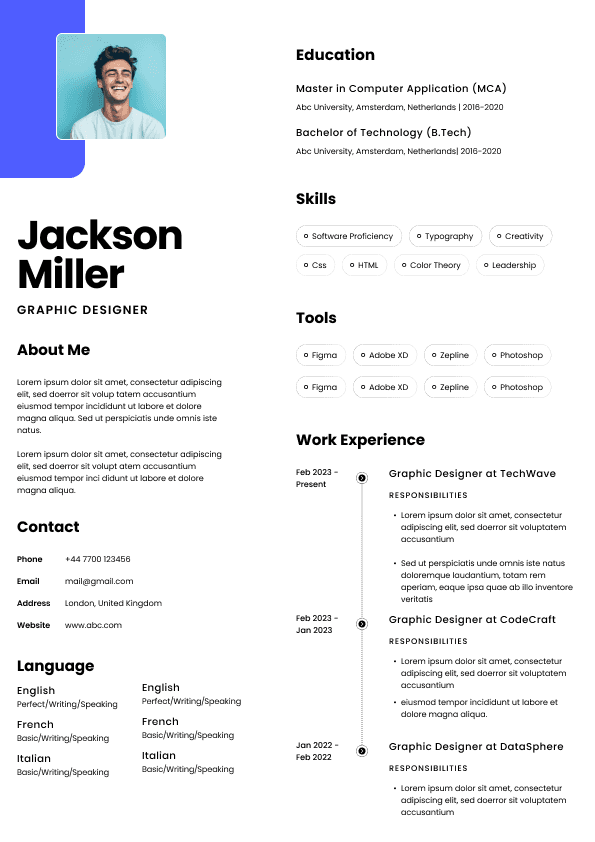
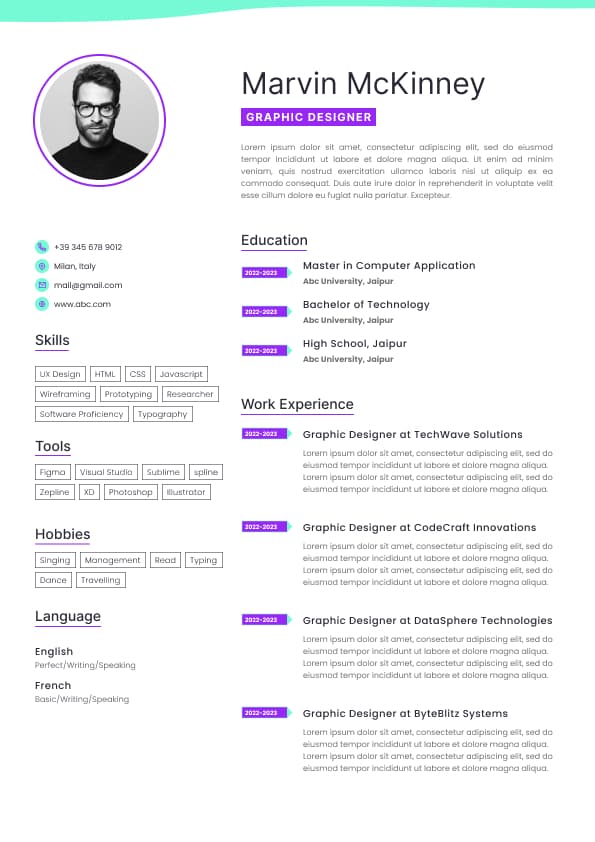
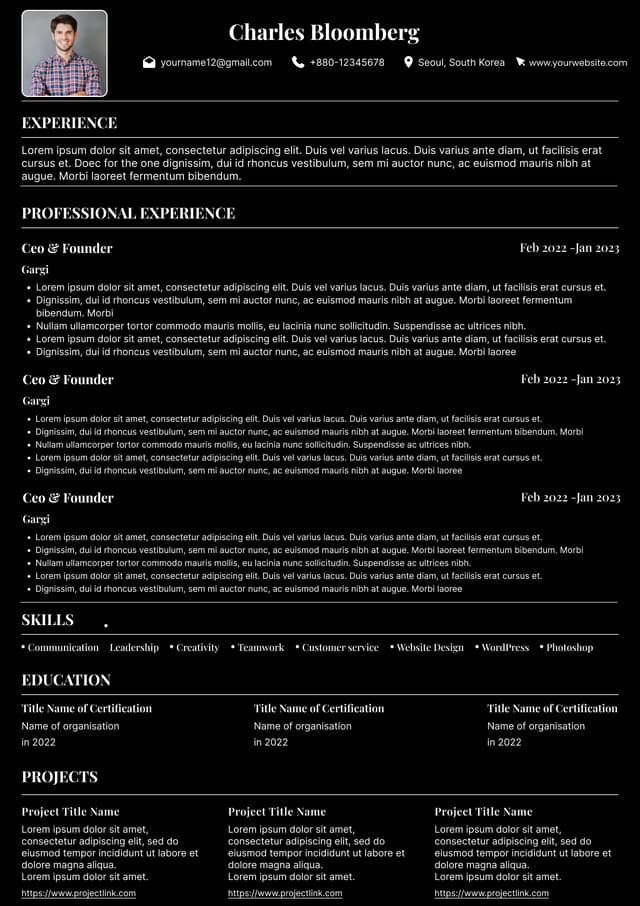
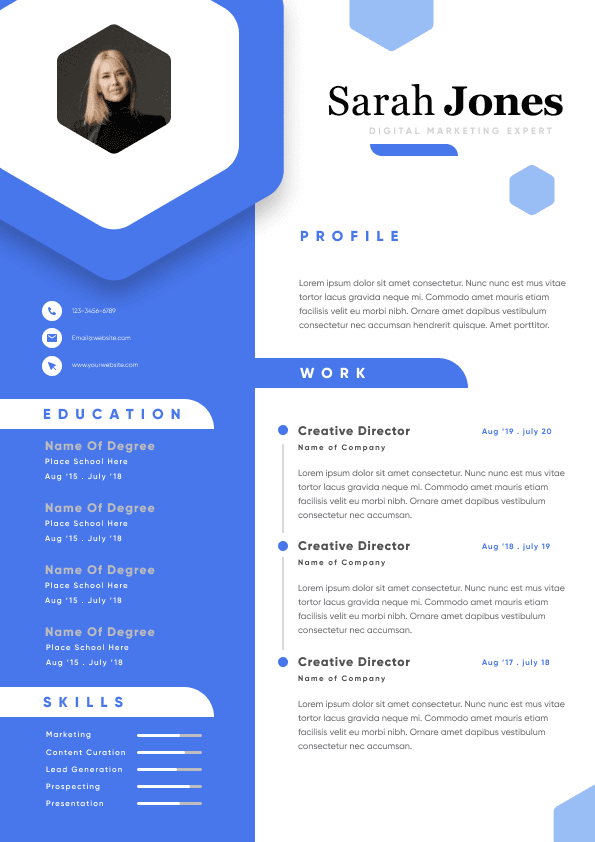
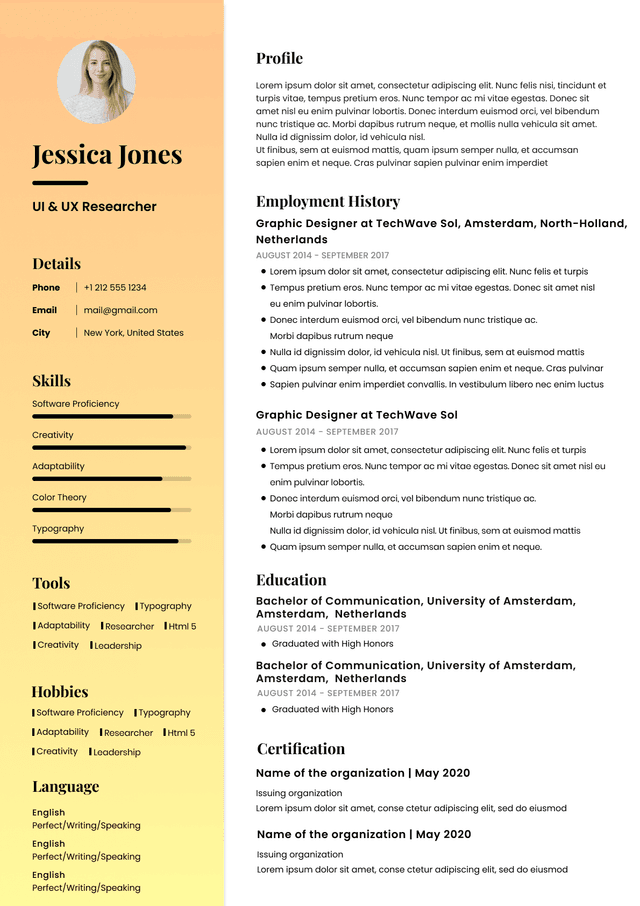
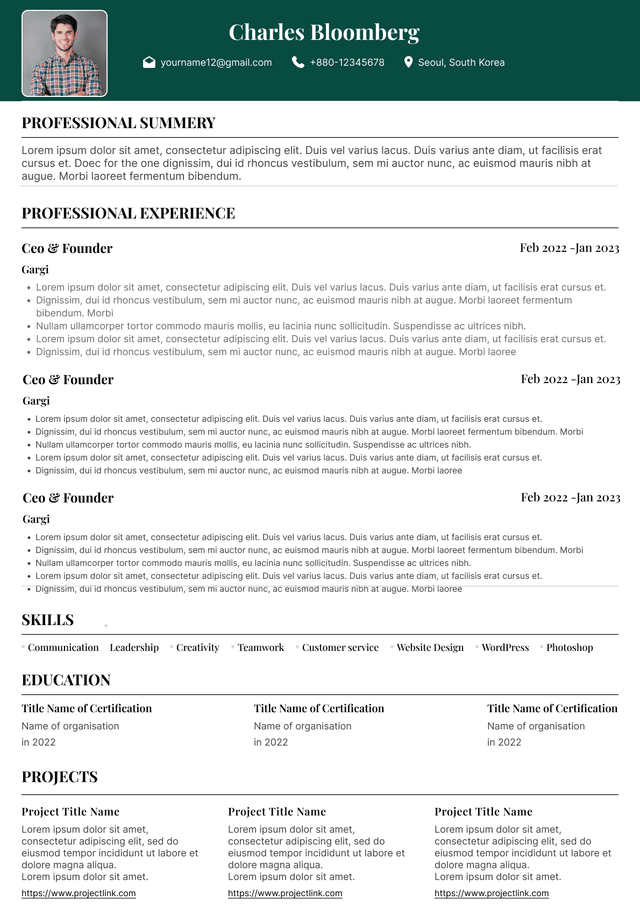
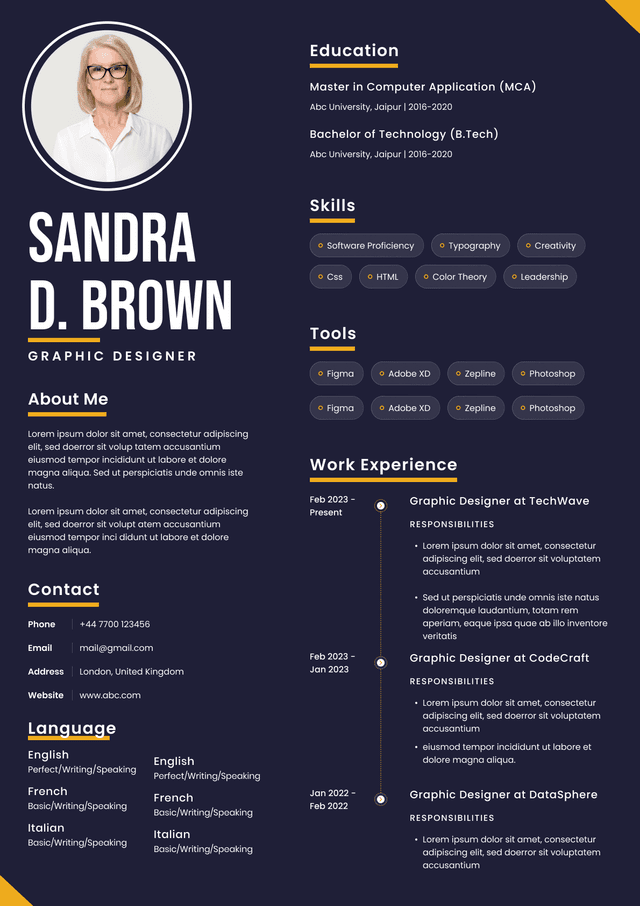
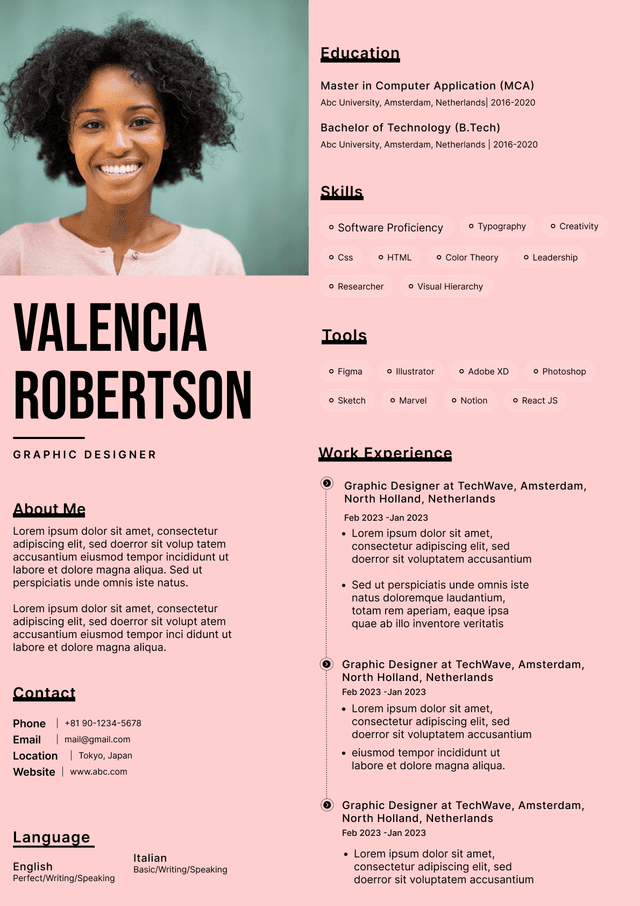
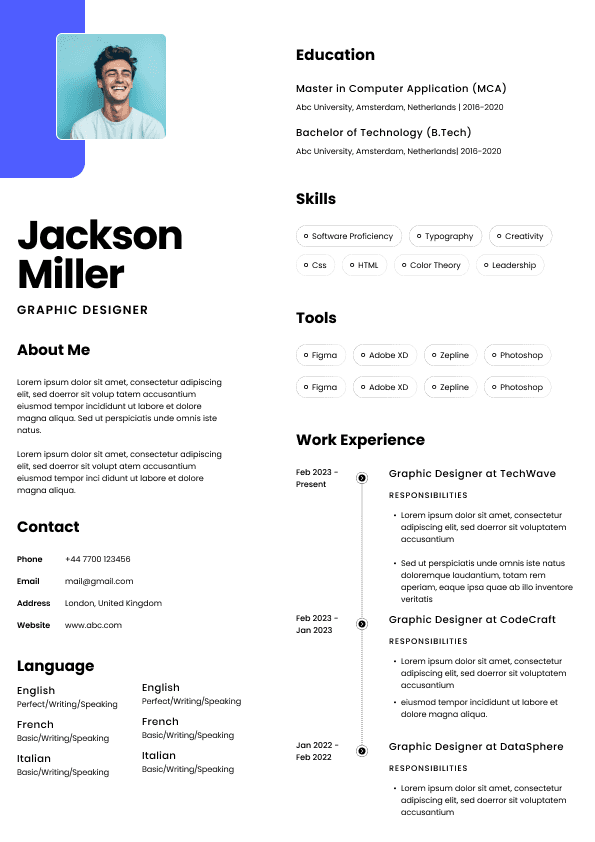
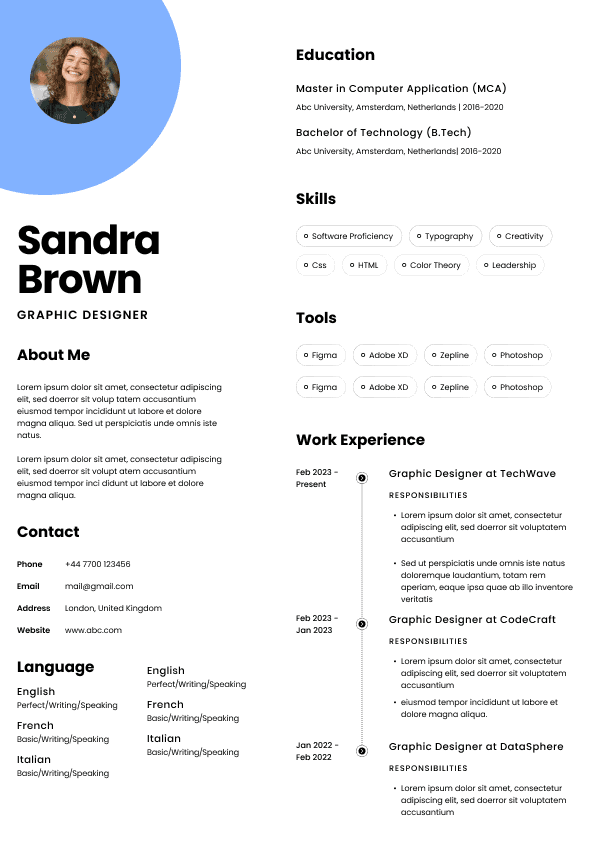
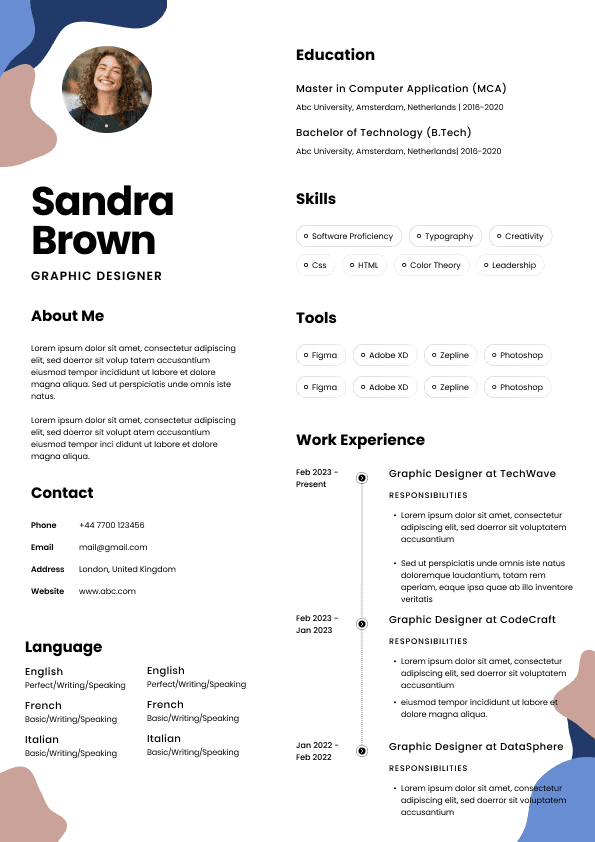
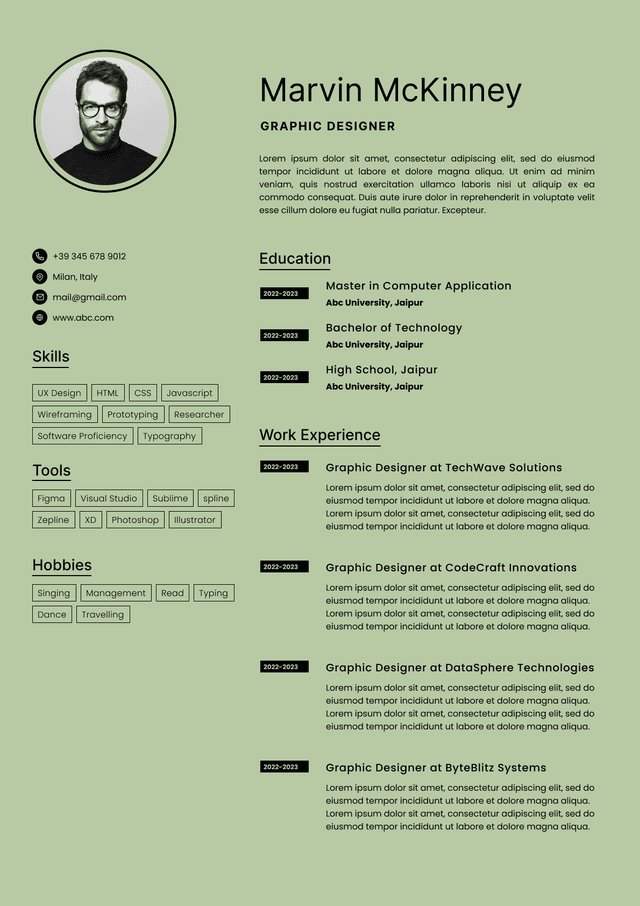
Use ATS-optimised Resume and resume templates that pass applicant tracking systems. Our Resume builder helps recruiters read, scan, and shortlist your Resume faster.

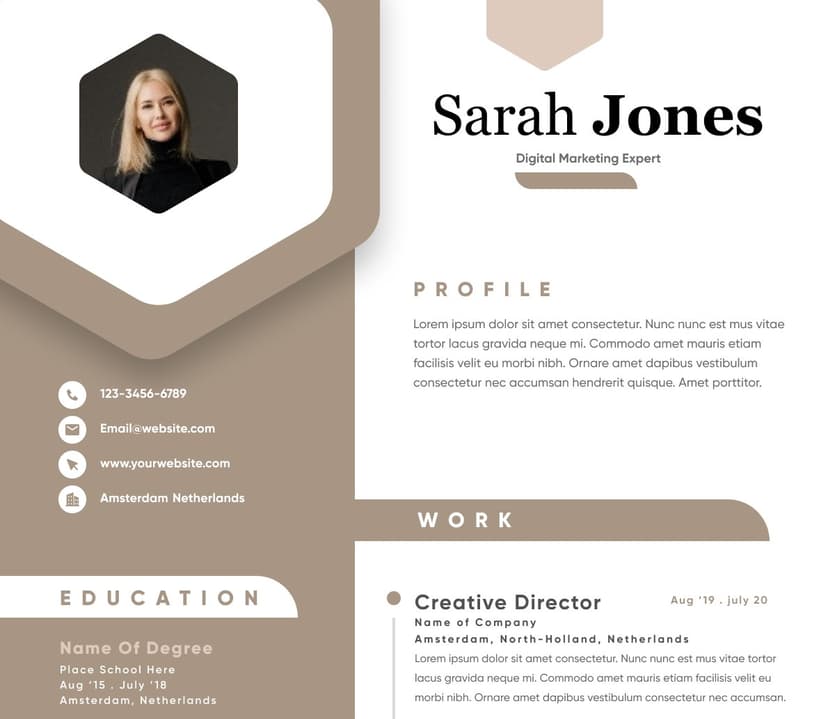
Use professional field-tested resume templates that follow the exact Resume rules employers look for.
Create Resume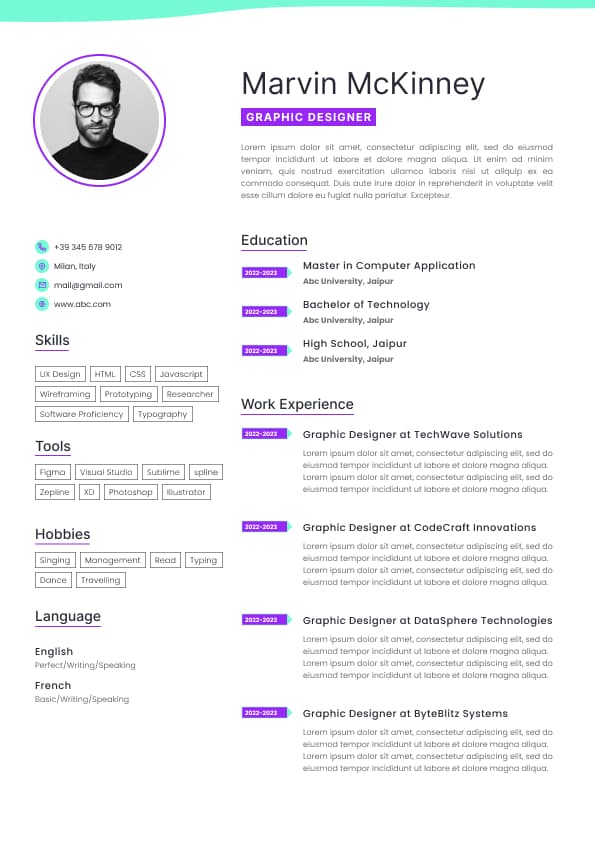
Use professional field-tested resume templates that follow the exact Resume rules employers look for.
Create Resume


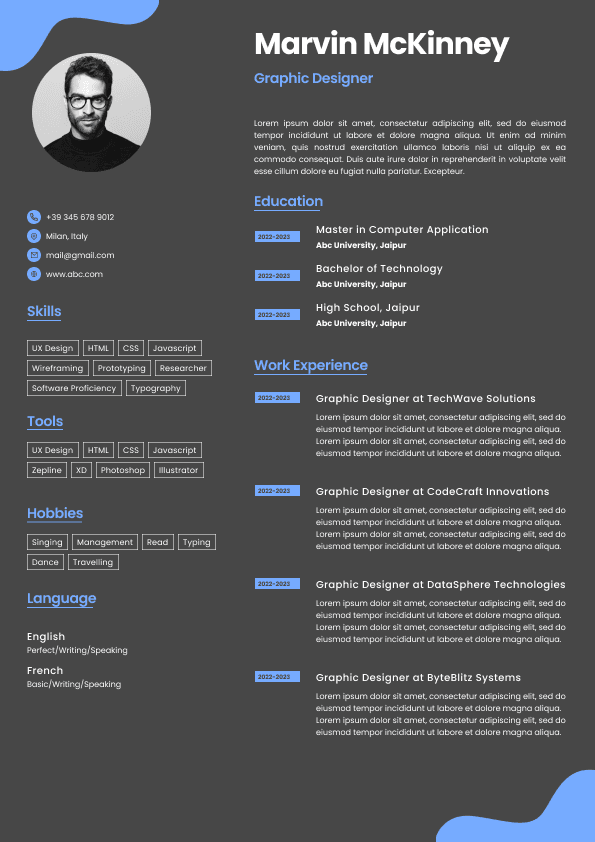
 Upload Resume
 Import from Linkedin