STILL APPLYING. STILL HEARING NOTHING?BUILD YOUR RESUME

STILL APPLYING. STILL HEARING NOTHING?BUILD YOUR RESUME
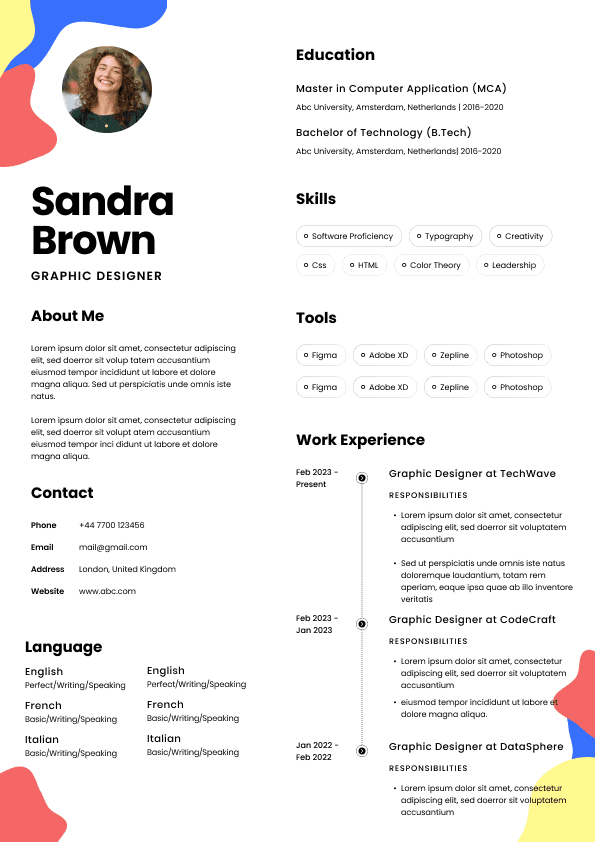
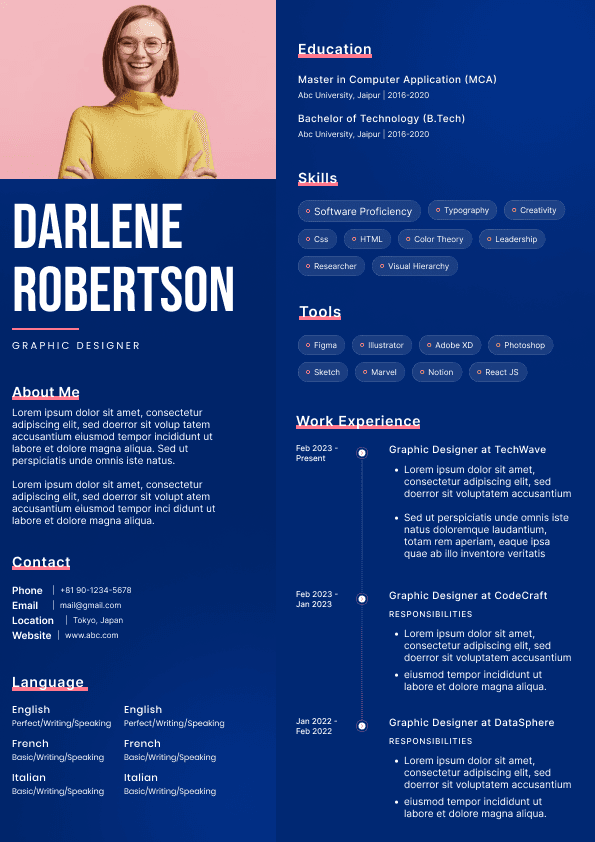
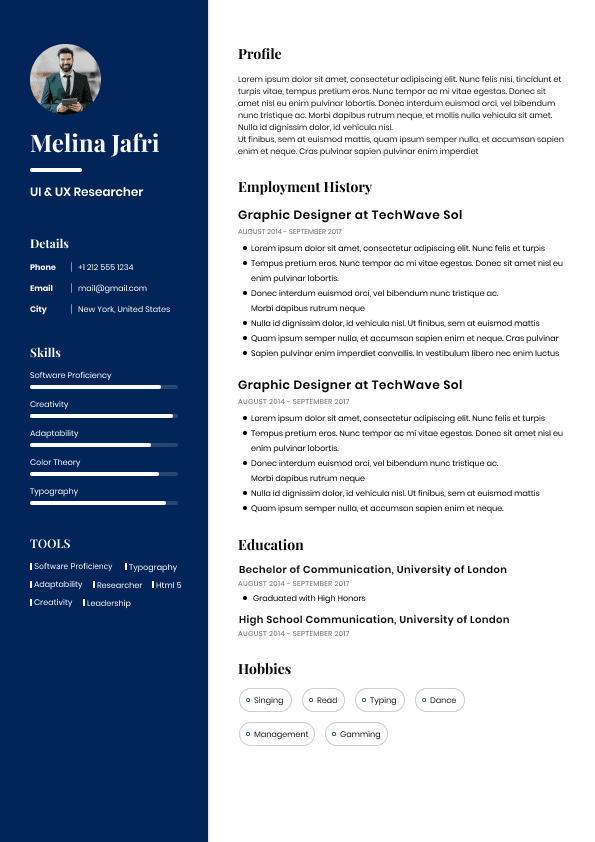
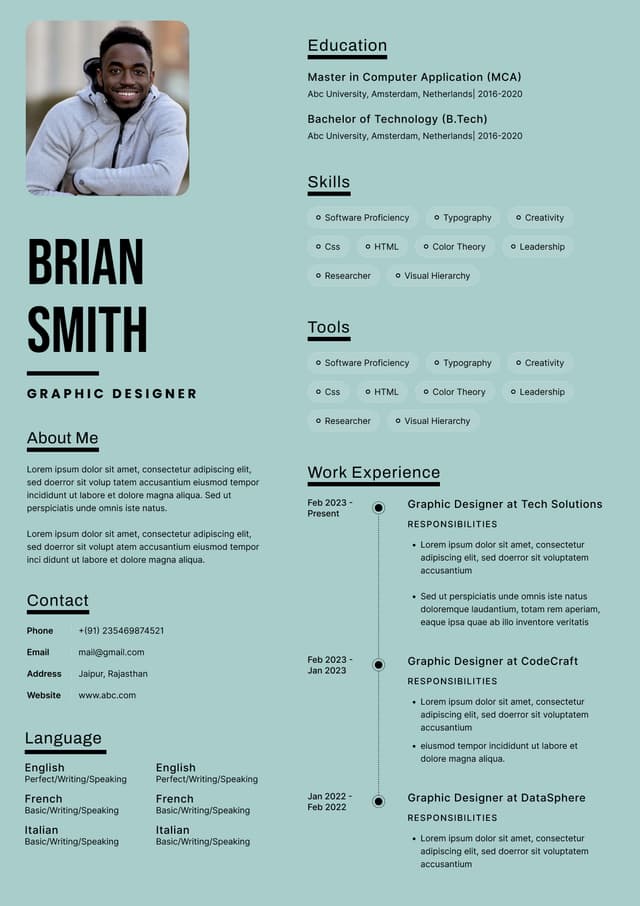
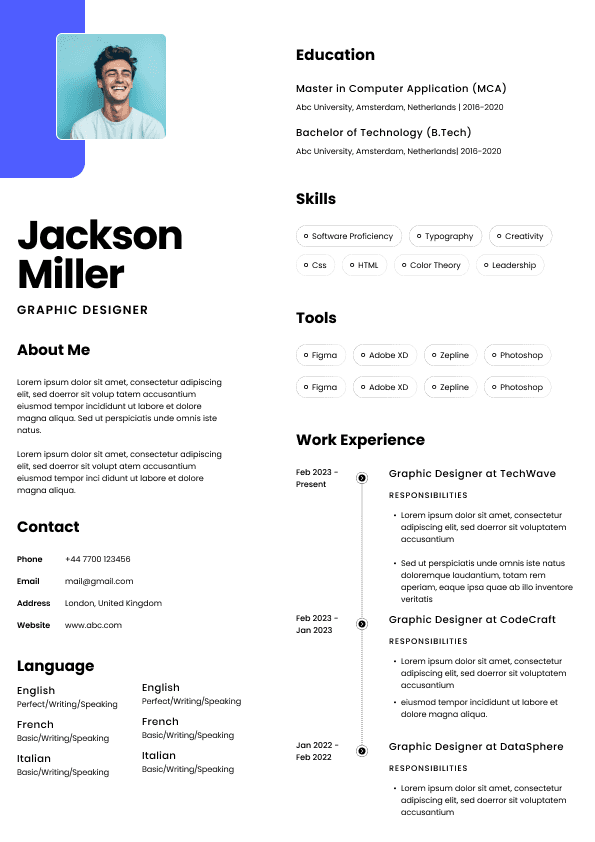
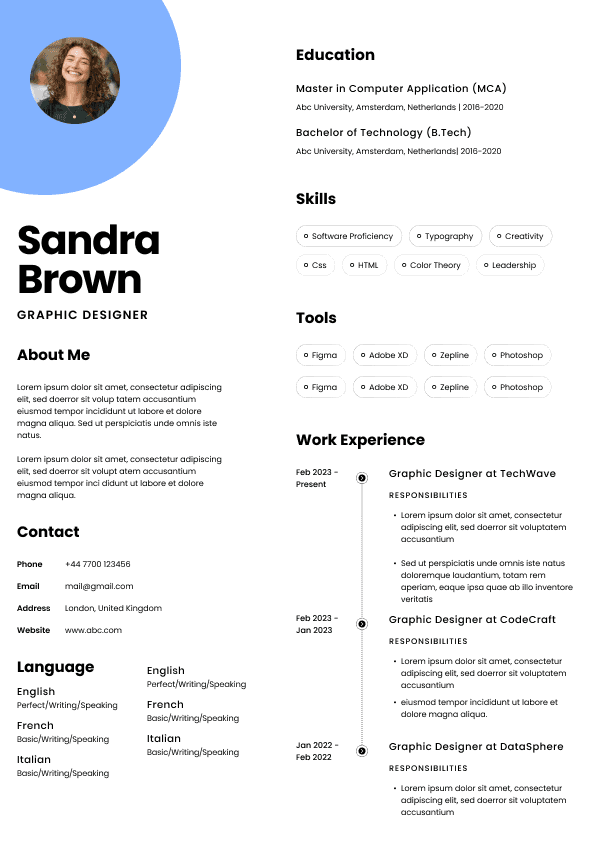
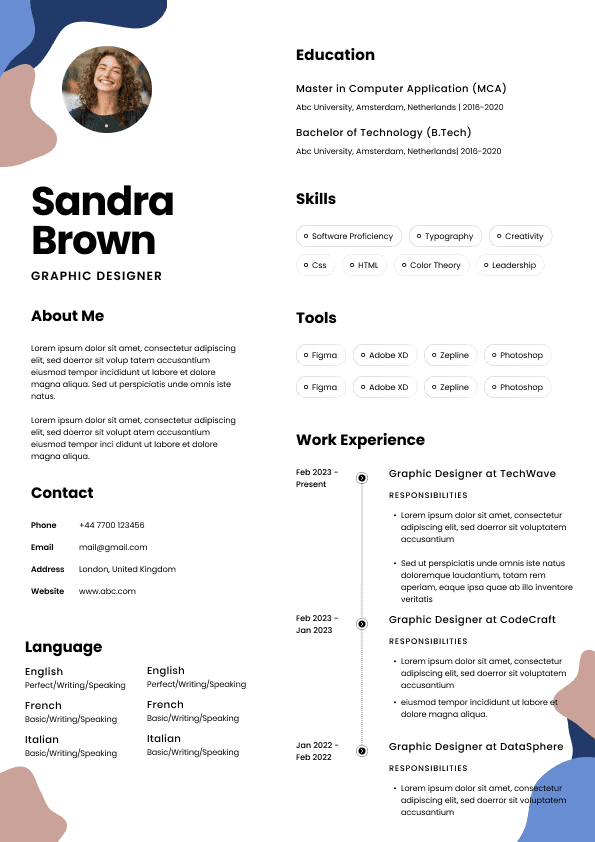
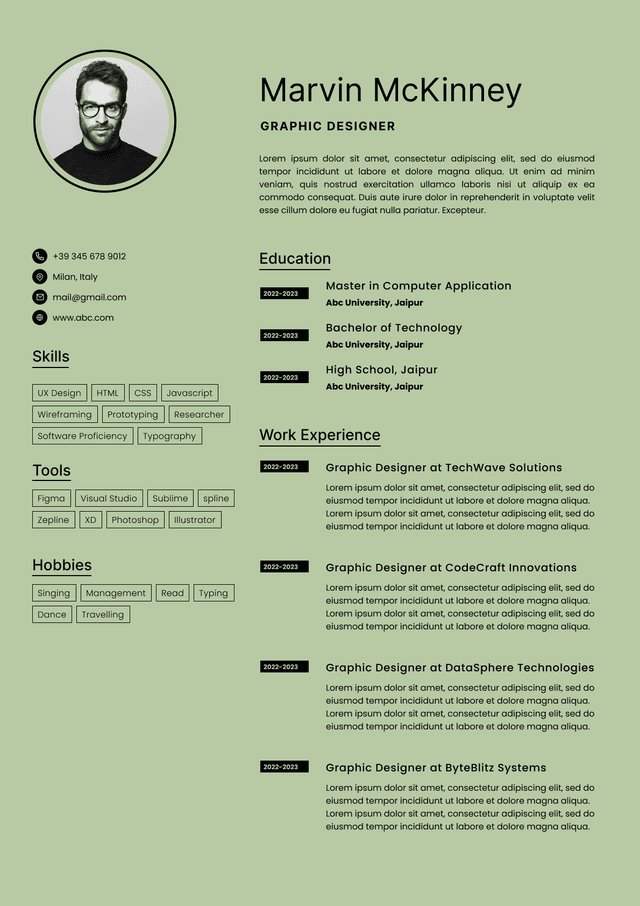
Choose from a wide range of NEWCV resume templates and customize your NEWCV design with a single click.
FAQ
A startup JavaScript developer resume needs to do one thing exceptionally well: prove you can ship product fast with minimal oversight. Startup hiring managers are not primarily evaluating whether you know JavaScript. They are evaluating whether you can operate in ambiguity, build features independently, solve production problems quickly, and contribute directly to product growth.
That changes how your resume should be written.
A strong startup JavaScript resume emphasizes ownership, shipping velocity, product thinking, cross-functional collaboration, and full stack adaptability. Recruiters at early-stage startups look for engineers who can move between frontend, backend, debugging, deployment, customer feedback, and rapid iteration without waiting for direction.
Most resumes fail because they read like enterprise engineering resumes filled with generic technologies and vague responsibilities. Startup resumes need evidence of execution, speed, and business impact.
This guide breaks down exactly how startup recruiters evaluate JavaScript developer resumes, what signals founders look for, which resume strategies actually work in startup hiring, and how to position yourself as a high-leverage startup engineer.
Startup hiring is fundamentally different from enterprise hiring.
Large companies optimize for specialization and process alignment. Startups optimize for execution speed and adaptability.
When recruiters or founders review startup JavaScript resumes, they are usually scanning for five core signals:
Can this person build and ship independently?
Can they handle ambiguity without excessive management?
Can they move quickly across the stack?
Do they understand product outcomes, not just code?
Can they contribute immediately in a resource-constrained environment?
That means your resume must demonstrate operational value, not just technical knowledge.
Within the first 10 to 20 seconds, startup recruiters typically look for:
Most startup engineering resumes fail for predictable reasons.
Startup founders do not want resumes overloaded with process-heavy language like:
Participated in sprint ceremonies
Collaborated within Agile frameworks
Assisted with frontend initiatives
Contributed to team deliverables
This language sounds passive and low ownership.
Startups want engineers who drive outcomes.
Many candidates create long technology lists without proving execution capability.
This:
“JavaScript, React, Node.js, MongoDB, AWS, Docker.”
Startup recruiters prefer resumes that are concise, impact-driven, and easy to scan quickly.
The strongest structure is:
Keep this short and execution-focused.
Good startup summaries include:
Years of experience
Startup or SaaS exposure
Full stack or frontend specialization
Product ownership language
Shipping velocity indicators
Business impact focus
Startup hiring managers are evaluating risk.
Every hire at an early-stage company is expensive and operationally important.
Your resume needs to reduce perceived hiring risk.
Founders want engineers who require minimal hand-holding.
Strong signals include:
Built from scratch
Owned architecture
Led implementation
Shipped independently
Managed production deployments
Solved critical outages
Startup recruiters and ATS systems both scan for language patterns associated with startup execution.
Important startup JavaScript resume keywords include:
Product engineering
Startup environment
Full stack ownership
MVP development
SaaS platform
Rapid prototyping
Customer-facing applications
Agile shipping
This is where many candidates accidentally position themselves incorrectly.
Enterprise resumes often emphasize:
Process
Governance
Stability
Team segmentation
Long planning cycles
Large-scale coordination
Startup resumes emphasize:
Projects matter far more in startup hiring than many candidates realize.
Especially for:
Junior developers
Self-taught engineers
Career changers
Early-career startup candidates
Strong startup-oriented projects demonstrate:
Product thinking
Real deployment
User-focused functionality
Founders evaluate resumes differently than recruiters.
Recruiters often filter for qualifications.
Founders filter for leverage.
Founders typically ask:
Will this person increase product velocity?
Can they solve problems independently?
Can they contribute across engineering gaps?
Will they require excessive management?
Can they operate under pressure?
Can they communicate with non-engineers?
Your resume should answer these questions indirectly through accomplishments.
Many candidates assume they cannot target startups without prior startup experience.
That is not true.
You can still position yourself effectively if your resume demonstrates startup-compatible behaviors.
Even in enterprise environments, highlight:
Fast delivery
Ownership
Independent problem solving
Product-focused work
Cross-functional collaboration
Customer-facing initiatives
Metrics dramatically improve startup resumes because they show operational impact.
The strongest metrics include:
Revenue impact
User growth
Performance improvements
Deployment frequency
Retention increases
Conversion improvements
Load speed reductions
API performance gains
React is heavily used in startup ecosystems, but many React resumes look identical.
To stand out, emphasize:
Product ownership
Performance optimization
SEO optimization
Rapid feature shipping
Component scalability
User experience improvements
Collaboration with product/design
Startup Node.js roles often require operational versatility.
Your resume should show:
API architecture
Backend scalability
Production debugging
Database optimization
Cloud deployment
Authentication systems
Real-time systems
Performance improvements
There are several signals that immediately improve recruiter confidence.
Mention:
SaaS platforms
Subscription systems
Customer-facing products
Marketplace applications
Analytics products
Workflow automation systems
Use words like:
Startup hiring is less about proving you are technically impressive and more about proving you are operationally useful.
Many engineers over-optimize for technical sophistication.
Startup founders often care more about:
Speed
Reliability
Ownership
Product contribution
Adaptability
Execution consistency
A resume that shows you can consistently ship valuable product outcomes will outperform resumes filled with advanced technical buzzwords but limited business relevance.
The strongest startup JavaScript developer resumes make recruiters feel:
“This person will help us move faster immediately.”

Use ATS-optimised Resume and resume templates that pass applicant tracking systems. Our Resume builder helps recruiters read, scan, and shortlist your Resume faster.

Use professional field-tested resume templates that follow the exact Resume rules employers look for.
Create Resume
Use professional field-tested resume templates that follow the exact Resume rules employers look for.
Create ResumeProduct ownership
Startup or SaaS experience
Fast shipping environments
Full stack exposure
Evidence of building products from scratch
Small-team engineering experience
Customer-facing product work
Modern JavaScript ecosystem familiarity
Deployment and production accountability
Metrics tied to shipped features
Most candidates underestimate how important ownership language is in startup recruiting.
Enterprise-style wording like this performs poorly:
Weak Example
“Worked on frontend features using React and JavaScript.”
This creates almost no hiring confidence.
Startup-oriented wording performs far better:
Good Example
“Owned end-to-end development of React onboarding flow that reduced user drop-off by 27% within two release cycles.”
The second version signals:
Ownership
Product awareness
Measurable impact
Speed
Delivery responsibility
That is exactly what startup recruiters want.
is far weaker than:
“Built and deployed a Node.js and React SaaS analytics platform used by 14,000 monthly users.”
Technologies matter. Outcomes matter more.
Startup engineering is deeply connected to business performance.
If your resume only explains coding tasks, you appear less valuable than engineers who connect their work to:
User growth
Retention
Conversion
Revenue
Deployment speed
Customer experience
Product adoption
Startup recruiters consistently prioritize engineers who understand business impact.
Early-stage startups rarely want ultra-narrow engineers unless hiring for a very specific senior role.
A frontend developer resume that shows zero backend exposure may create concerns about adaptability.
Even if you are frontend-focused, startup resumes should still demonstrate:
API integration
Backend collaboration
Deployment familiarity
Database understanding
Product architecture exposure
End-to-end thinking
“JavaScript developer with 5+ years of experience building and scaling SaaS products in startup environments. Specialized in React, Node.js, and rapid product iteration with strong focus on customer-facing features, performance optimization, and full stack ownership.”
This section should support startup hiring priorities.
Include:
JavaScript
TypeScript
React
Next.js
Node.js
Express.js
REST APIs
GraphQL
PostgreSQL
MongoDB
AWS
Docker
CI/CD
Agile product development
Rapid prototyping
SaaS product engineering
MVP development
Avoid massive skill dumps.
Only include technologies you can discuss confidently in interviews.
This is where startup resumes succeed or fail.
Every bullet should communicate:
Ownership
Speed
Product contribution
Technical execution
Business impact
Scalability
Collaboration
Strong startup bullets usually follow this structure:
Action + Ownership + Technical Scope + Business/Product Outcome
Built and launched React-based onboarding experience that increased activation rates by 21% for new SaaS users
Re-architected frontend state management using Redux Toolkit, reducing application load time by 38%
Collaborated directly with founders and product teams to rapidly prototype customer-requested features within weekly release cycles
Led migration from legacy frontend architecture to Next.js, improving SEO traffic and page performance scores
Owned full stack development of subscription billing platform using React, Node.js, and PostgreSQL supporting 50,000+ transactions monthly
Developed internal analytics dashboard that reduced customer support investigation time by 45%
Designed scalable REST APIs enabling integration with third-party SaaS platforms and reducing manual workflows
Shipped MVP features from concept to production within aggressive startup delivery timelines
Built backend microservices in Node.js supporting real-time customer notifications across distributed SaaS infrastructure
Improved API response performance by 42% through database query optimization and caching strategies
Managed deployment pipelines and production debugging across AWS-based startup infrastructure
Worked cross-functionally
Startups operate with incomplete information and evolving priorities.
Your resume should demonstrate adaptability through phrases like:
Rapid iteration
MVP development
Early-stage product development
Customer-driven feature prioritization
Fast deployment cycles
Iterative experimentation
One of the strongest startup signals is customer awareness.
Most engineers focus entirely on code.
Strong startup engineers connect engineering decisions to customer outcomes.
This includes:
Reducing churn
Improving onboarding
Increasing activation
Supporting user growth
Improving retention
Accelerating feature delivery
Cross-functional collaboration
Startup scalability
Fast-paced engineering
Continuous deployment
Production ownership
Customer feedback loops
Early-stage startup
Iterative product development
High-growth environment
Do not keyword stuff.
Use these naturally inside accomplishment-oriented bullets.
Speed
Ownership
Adaptability
Shipping
Product contribution
Fast learning
Ambiguity tolerance
Cross-functional execution
Startup founders are not impressed by excessive process language unless directly relevant.
They are impressed by engineers who make things happen quickly.
Full stack capability
Independent execution
Strong examples include:
SaaS tools
AI-integrated applications
Subscription platforms
Analytics dashboards
Collaboration tools
E-commerce systems
Productivity applications
Real-time applications
API-driven products
These usually perform poorly:
Tutorial clones
Static portfolio projects
Incomplete GitHub repos
Basic CRUD apps with no differentiation
Generic weather apps
To-do lists without product complexity
Startup recruiters want evidence that you can build products, not just complete coding exercises.
Strong founder signals include:
Built products from zero to launch
Worked directly with founders
Owned production systems
Improved deployment speed
Solved urgent production issues
Handled customer-facing engineering
Shipped features rapidly
Contributed beyond assigned scope
End-to-end implementation
Instead of:
“Maintained frontend applications.”
Use:
“Independently implemented customer-requested frontend enhancements across high-traffic web applications.”
The underlying work may be similar.
The positioning changes the hiring perception.
Cost savings
Time reductions
Good Example
Good Example
Good Example
Metrics create credibility.
Without metrics, startup resumes often feel generic.
They are looking for developers who can:
Build quickly
Optimize user experience
Ship production-ready interfaces
Work closely with founders
Improve growth metrics
Handle frontend architecture decisions
Purely technical React resumes are weaker than product-oriented React resumes.
Infrastructure ownership
Startup backend engineers are often expected to handle DevOps-adjacent responsibilities as well.
Showing deployment and infrastructure familiarity increases your value significantly.
Shipped
Launched
Built
Owned
Scaled
Optimized
Implemented
Delivered
Avoid weak phrasing like:
Assisted
Helped
Participated
Supported
The best startup resumes blend engineering depth with business awareness.
That combination is rare and highly valuable.
That is the goal.



 Upload Resume
 Import from Linkedin