STILL APPLYING. STILL HEARING NOTHING?BUILD YOUR RESUME

STILL APPLYING. STILL HEARING NOTHING?BUILD YOUR RESUME
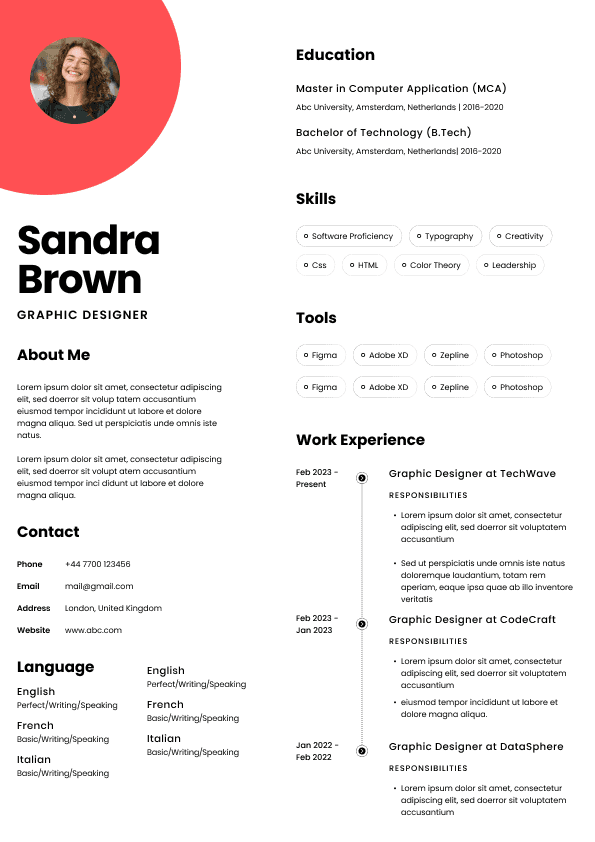
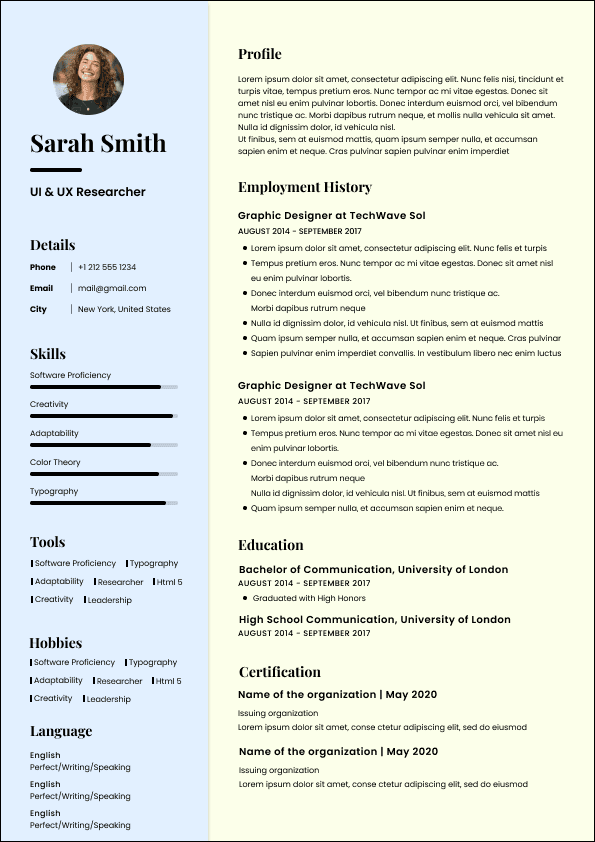
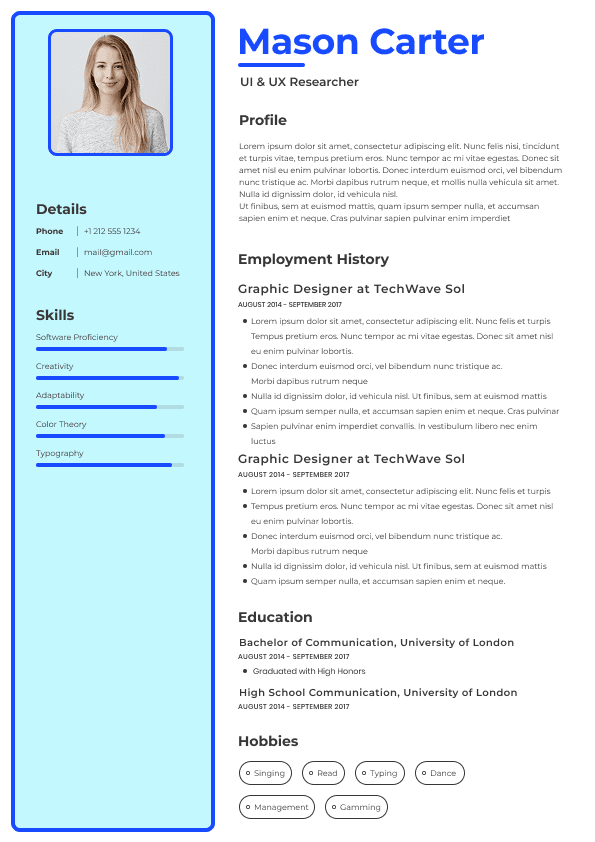
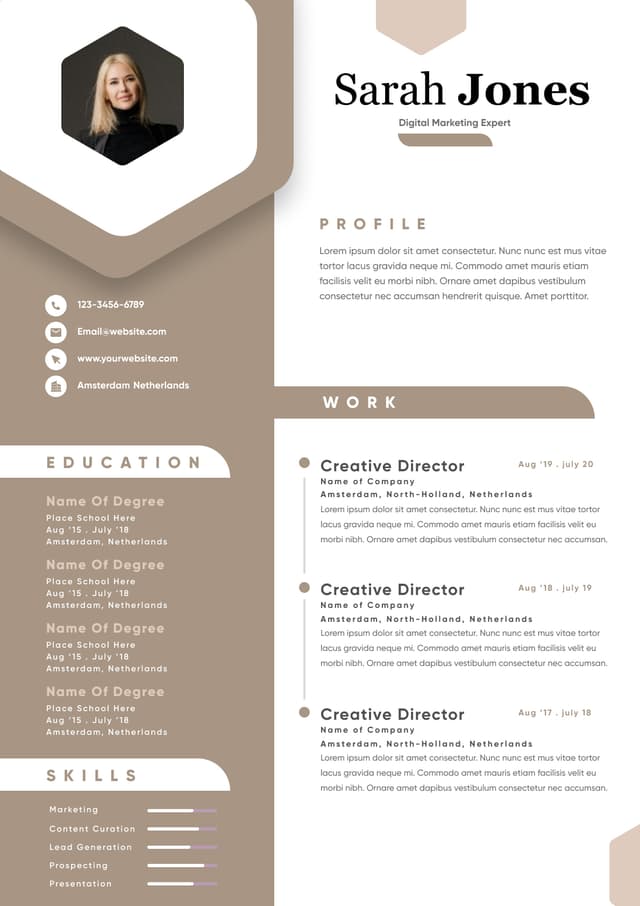
Choose from a wide range of NEWCV resume templates and customize your NEWCV design with a single click.
FAQ


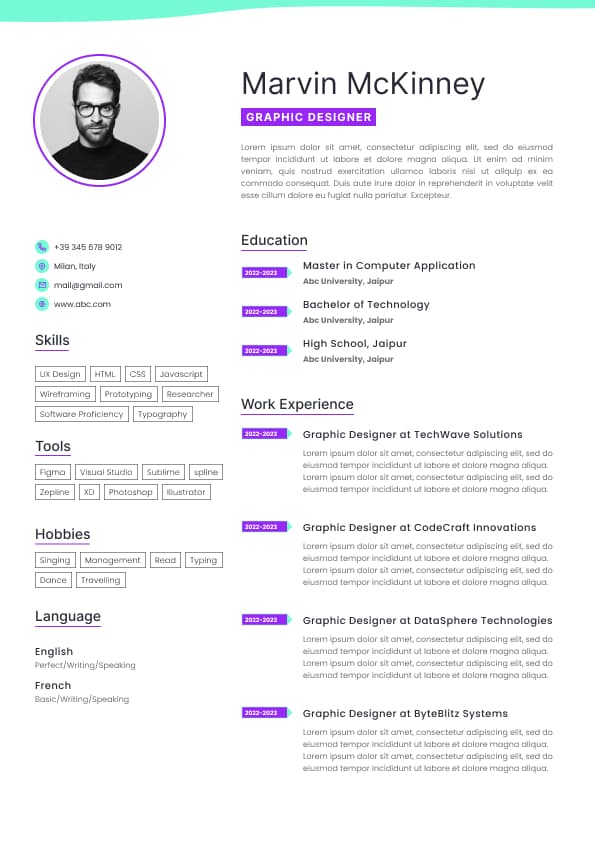
Use professional field-tested resume templates that follow the exact Resume rules employers look for.
Create ResumeA JavaScript developer resume in simple English should explain your skills, projects, and results clearly without using confusing technical jargon. Most recruiters spend less than 10 seconds on the first resume scan. If your resume is hard to read, overloaded with buzzwords, or filled with vague technical language, it gets skipped quickly.
The best JavaScript developer resumes use direct language, short sentences, and clear project explanations. Instead of writing complicated descriptions, focus on what you built, what technologies you used, and what improved because of your work.
For example, this works well:
Built web apps using JavaScript, React, and Node.js
Fixed website bugs and improved page speed
Created APIs to connect frontend and backend systems
Worked with GitHub to manage code updates
This style is easier for recruiters, hiring managers, and ATS systems to understand quickly. It also makes your real skills more visible.
Many developers believe technical resumes should sound highly advanced or complicated. In reality, most hiring teams prefer resumes that are easy to scan.
A resume written in simple English performs better because:
Recruiters may not be deeply technical
Hiring managers scan resumes quickly
ATS software prefers clear keyword matching
Clear communication is a valuable developer skill
Simple language highlights real work instead of buzzwords
A confusing resume creates friction. A clear resume creates trust.
Recruiters usually search for these details first:
JavaScript frameworks used
Real project experience
Frontend or backend skills
APIs and database work
Deployment experience
Team collaboration
Results and improvements
Years of experience
If those details are buried inside overly technical language, the resume becomes harder to evaluate.
The best format for most JavaScript developers is a reverse chronological resume.
This format helps recruiters quickly understand:
Your latest role
Your recent technologies
Your growth over time
Your real project experience
Use this structure:
Contact Information
Professional Summary
Technical Skills
Work Experience
Projects
Education
Certifications (optional)
Keep the layout clean and easy to scan.
Your summary should explain:
Your experience level
Main technologies
Type of applications built
Strongest strengths
Keep it short and direct.
“Highly motivated JavaScript developer leveraging synergistic development methodologies to optimize scalable user-centric interfaces.”
This sounds artificial and vague.
“JavaScript developer with 3 years of experience building web applications using React, Node.js, and MongoDB. Improved website performance, fixed frontend issues, and created APIs for customer dashboards.”
The second version sounds human, specific, and believable.
“Junior JavaScript developer with experience building websites and small web applications using JavaScript, HTML, CSS, and React. Completed personal and freelance projects, fixed bugs, and created responsive user interfaces.”
“JavaScript developer with 4 years of experience building frontend and backend applications using React, Node.js, Express, and MongoDB. Improved application speed, created APIs, and worked with cross-functional teams.”
“Senior JavaScript developer with 8 years of experience developing scalable web applications using JavaScript, React, TypeScript, and Node.js. Led frontend projects, improved performance, and mentored junior developers.”
This is where most resumes fail.
Developers often write vague statements like:
Responsible for frontend development
Worked on multiple projects
Used JavaScript frameworks
These lines say almost nothing.
Instead, explain:
What you built
Which technologies you used
What improved
Who used the application
Use this structure:
Action Verb + What You Built + Technology + Result
Example:
This format gives recruiters immediate clarity.
Built responsive web pages using JavaScript, React, HTML, and CSS
Created reusable UI components for dashboards and forms
Improved website speed by reducing large JavaScript files
Fixed frontend bugs and improved user experience
Added mobile-friendly layouts for ecommerce websites
Connected frontend pages to backend APIs
Worked with designers to improve page layouts and navigation
Built REST APIs using Node.js and Express
Connected applications to MongoDB and MySQL databases
Added authentication and login systems for web apps
Improved API response time and reduced server errors
Created backend services for user accounts and payments
Wrote server-side JavaScript code for data processing
Built full-stack web applications using React, Node.js, and MongoDB
Created admin dashboards for managing customer data
Developed frontend and backend features for SaaS applications
Deployed applications using AWS, Vercel, and Firebase
Used Git and GitHub to manage team code changes
Use simple and direct verbs.
Built
Created
Fixed
Improved
Tested
Updated
Designed
Developed
Added
Connected
Deployed
Managed
Reduced
Supported
Worked
These often sound forced:
Leveraged
Synergized
Architected
Spearheaded
Orchestrated
Facilitated
Simple language feels more credible and easier to understand.
Projects are extremely important for JavaScript developers, especially junior candidates.
Recruiters want to know:
What the application did
Which technologies you used
Whether the project solved a problem
Whether you finished and deployed it
Task Manager Web App
React, Node.js, MongoDB
Built a task management application where users could create and track daily tasks
Created frontend pages using React and CSS
Built backend APIs using Node.js and Express
Connected the application to MongoDB database
Deployed the app using Vercel and Render
This explanation is clear, realistic, and easy to evaluate.
Many developers try to sound advanced instead of clear.
Recruiters care more about understanding your real work than reading complicated terminology.
This is weak:
JavaScript
React
Node.js
MongoDB
Instead, explain how you used them.
Avoid lines like:
Responsible for development tasks
Worked in Agile environment
Participated in meetings
These do not help hiring decisions.
Always explain impact when possible.
Examples:
Improved website loading speed by 30%
Reduced customer support issues by fixing frontend bugs
Created reusable components that reduced duplicate code
Results make your work more believable and valuable.
Keep the skills section organized and readable.
Languages: JavaScript, HTML, CSS
Frontend: React, Next.js, Redux
Backend: Node.js, Express
Databases: MongoDB, MySQL, PostgreSQL
Tools: Git, GitHub, VS Code, Postman
Deployment: Vercel, Netlify, Firebase, AWS
Avoid massive keyword lists that look unnatural.
Entry-level candidates often worry about lacking experience.
Recruiters still hire junior developers if they can show:
Real projects
Clean technical fundamentals
Problem-solving ability
Clear communication
Learning mindset
Personal projects
Freelance work
Bootcamp projects
GitHub activity
Internship experience
Simple but complete applications
A small finished application is usually more valuable than a large unfinished one.
ATS software scans resumes for:
Job titles
Technologies
Skills
Experience relevance
Keywords matching the job description
Simple language improves ATS readability because the software can match terms more accurately.
Use standard headings
Avoid graphics and tables
Include exact technology names
Match skills from the job description naturally
Use readable formatting
Save as PDF unless another format is requested
Email: johncarter@email.com
Phone: (555) 555-5555
Location: Austin, Texas
GitHub: github.com/johncarter
JavaScript developer with 3 years of experience building websites and web applications using React, Node.js, and MongoDB. Created APIs, fixed frontend issues, improved website speed, and deployed applications using AWS and Vercel.
JavaScript
React
Node.js
Express
MongoDB
HTML
CSS
Git
GitHub
AWS
Firebase
Bright Pixel Solutions – Austin, Texas
January 2023 – Present
Built web applications using JavaScript, React, and Node.js
Created reusable frontend components for dashboards and forms
Improved website speed by reducing unnecessary JavaScript files
Built APIs for customer account management
Fixed frontend and backend bugs reported by users
Worked with designers and product managers to improve user experience
Deployed applications using Vercel and AWS
CodeCraft Digital – Austin, Texas
June 2021 – December 2022
Built responsive websites using JavaScript, HTML, and CSS
Updated frontend pages and fixed UI issues
Connected websites to backend APIs
Used GitHub to manage code changes
Tested applications before deployment
Built a full-stack expense tracker using React and Node.js
Added user login and account management features
Connected the application to MongoDB database
Deployed the project using Render and Vercel
Bachelor of Science in Computer Science
University of Texas at Austin
Hiring managers do not only evaluate coding ability.
They also look for:
Clear communication
Ownership
Problem-solving
Reliability
Team collaboration
Ability to finish projects
Your resume should show these qualities naturally through your experience descriptions.
For example:
Worked with designers and backend developers to launch new product features
Fixed customer-reported issues and improved user experience
Helped reduce deployment errors by improving testing process
These bullets demonstrate teamwork and accountability without sounding forced.
Yes, especially for JavaScript developers.
Recruiters and hiring managers often review:
GitHub repositories
Portfolio websites
Live projects
Technical demos
A strong portfolio includes:
Real applications
Clear project descriptions
Clean UI
Mobile responsiveness
Working live links
Readable code structure
Even 2 to 4 strong projects can significantly improve interview chances.
Not every JavaScript job is the same.
You should adjust your resume depending on the role.
Emphasize:
React
UI development
Responsive design
User experience
CSS frameworks
Performance optimization
Emphasize:
Node.js
APIs
Databases
Authentication
Server performance
Cloud deployment
Balance both frontend and backend experience.
Recruiters want to quickly see that you can work across the entire application stack.
For most candidates:
1 page for entry-level developers
1 to 2 pages for mid-level developers
2 pages maximum for senior developers
Long resumes with excessive detail usually hurt readability.
Prioritize relevance over volume.
Before submitting your resume, verify:
Resume is easy to scan in under 10 seconds
Technical skills match the job posting
Bullet points explain real work clearly
Projects include technologies and outcomes
Language sounds natural and direct
No spelling or formatting errors
Contact information is correct
Portfolio and GitHub links work properly
A clean, readable resume consistently outperforms a complicated one.
Use ATS-optimised Resume and resume templates that pass applicant tracking systems. Our Resume builder helps recruiters read, scan, and shortlist your Resume faster.

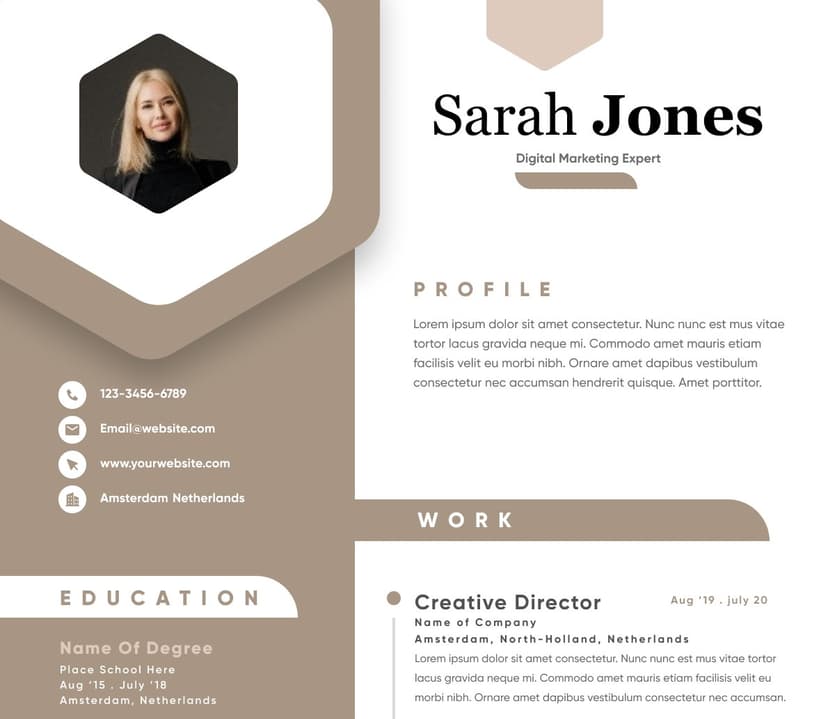
Use professional field-tested resume templates that follow the exact Resume rules employers look for.
Create Resume


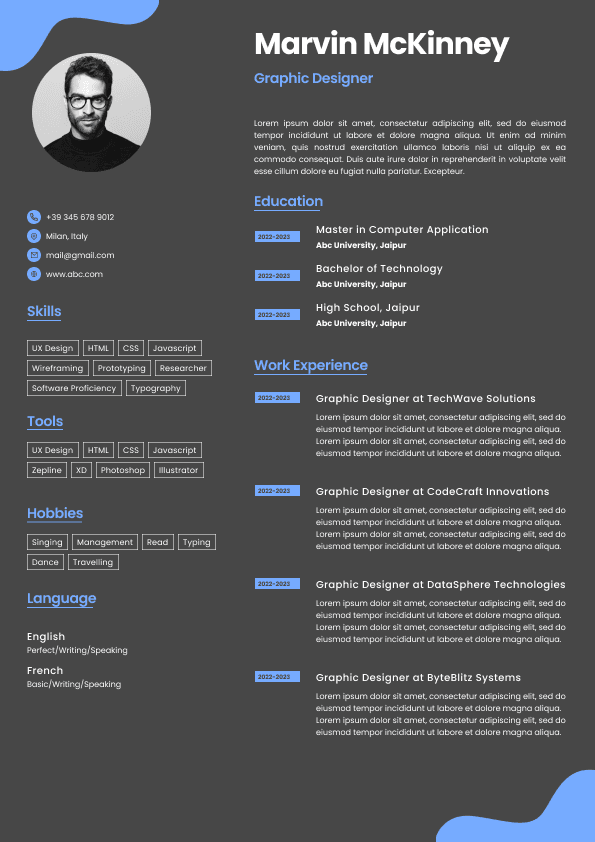
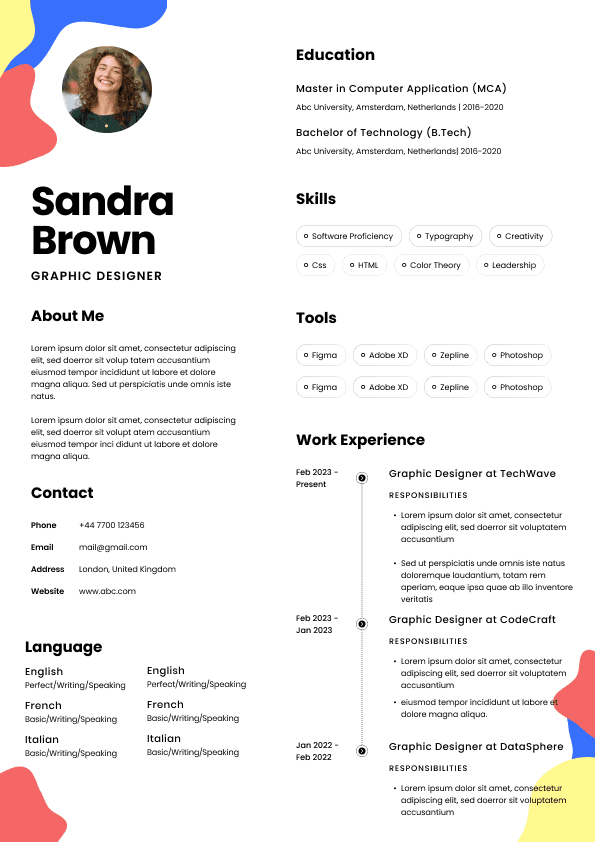

 Upload Resume
 Import from Linkedin