STILL APPLYING. STILL HEARING NOTHING?BUILD YOUR RESUME

STILL APPLYING. STILL HEARING NOTHING?BUILD YOUR RESUME
FAQ
Most JavaScript resumes fail because they list responsibilities instead of measurable impact. Recruiters and engineering managers do not hire candidates for “working on React applications” or “building frontend features.” They hire developers who improve performance, reduce bugs, accelerate releases, scale systems, and ship business outcomes.
The strongest JavaScript developer resumes quantify technical contributions using metrics tied to engineering impact, product growth, platform stability, developer productivity, or customer experience. That includes numbers tied to Core Web Vitals, bundle size reductions, API performance, test coverage, deployment speed, uptime, feature adoption, and frontend scalability.
A strong metric immediately answers one question hiring managers care about during resume screening:
“What changed because this developer worked here?”
This guide breaks down the best JavaScript developer resume achievement examples, how recruiters evaluate them, what metrics actually matter, and how to turn weak bullet points into high-impact resume accomplishments that stand out in competitive frontend and full-stack hiring.
Recruiters review resumes fast. Most initial resume scans happen in under 30 seconds. Engineering managers spend slightly longer, but they still look for evidence of measurable impact before investing time in interviews.
Technical hiring teams use metrics as proof.
Anyone can claim they:
Built React components
Worked with Node.js
Improved performance
Supported production systems
But quantified achievements create credibility.
For example:
Weak Example
“Worked on frontend optimization for React application.”
Good Example
“Reduced React application load time by 45% through code splitting, lazy loading, and bundle optimization.”
The second version immediately demonstrates:
Most candidates focus too heavily on technologies.
Hiring managers focus on outcomes.
A recruiter may search for React, TypeScript, Node.js, Next.js, or GraphQL keywords, but engineering managers evaluate:
Complexity handled
Scale supported
Business impact delivered
Technical ownership
Decision-making ability
Production experience
Collaboration effectiveness
That is why strong metrics outperform long tech stacks.
Not all numbers are equally valuable.
The best resume metrics align directly with engineering outcomes hiring managers care about.
Performance metrics are some of the strongest signals on frontend resumes because they directly impact user experience and revenue.
Examples:
Improved page load speed by 45% through JavaScript bundle optimization, lazy loading, and code splitting
Reduced JavaScript bundle size by 38% using tree shaking and dependency cleanup
Improved Core Web Vitals by optimizing LCP, CLS, INP, and hydration performance
Reduced API response time by 36% through Node.js caching and query optimization
Improved Lighthouse performance scores from 68 to 94 across customer-facing pages
These metrics work because they demonstrate:
The most common mistake is writing task-based bullets instead of impact-based bullets.
Most resumes look like this:
Weak Example
Developed frontend applications using React and JavaScript
Worked with REST APIs
Participated in Agile ceremonies
Fixed frontend bugs
These bullets fail because they do not differentiate the candidate.
Thousands of developers can claim the same thing.
Instead, strong resumes answer:
What improved?
By how much?
Many developers underestimate their achievements because they were never given formal metrics.
You do not need perfect analytics dashboards to write strong accomplishments.
Reasonable estimates are acceptable when they are honest and defensible.
You can estimate:
Number of features delivered
Number of APIs integrated
Approximate performance improvements
Deployment frequency changes
Reduction in manual processes
Team adoption of reusable components
Improved page load speed by 45% through JavaScript bundle optimization, lazy loading, and route-level code splitting
Reduced JavaScript bundle size by 38% using tree shaking, dependency cleanup, and webpack optimization
Improved Core Web Vitals scores across high-traffic pages by optimizing LCP, CLS, and hydration performance
Increased Lighthouse performance scores from 72 to 96 across customer-facing React applications
Reduced frontend rendering latency by 29% through React memoization and virtualization techniques
Refactored 25,000+ lines of legacy JavaScript into modular TypeScript architecture
Built 40+ reusable React components adopted across 5 product teams
Reduced duplicate frontend code by 35% through shared React component libraries
Migrated legacy jQuery applications to React and TypeScript, improving maintainability and developer productivity
Improved state management reliability by implementing Redux Toolkit and TypeScript typing standards
Increased frontend test coverage from 52% to 86% using Jest, React Testing Library, Cypress, and Playwright
Reduced production UI defects by 32% through automated testing expansion and stricter validation handling
Reduced manual QA regression time by 40% through frontend test automation initiatives
Implemented end-to-end testing pipelines that reduced post-release defects by 27%
Resolved 250+ JavaScript bugs, browser compatibility issues, and production UI defects
Reduced API response time by 36% through Node.js optimization and Redis caching
Improved backend throughput by 22% after optimizing asynchronous request handling
Built scalable Node.js services supporting 1M+ daily transactions
Reduced database query latency by 31% through indexing and query optimization
Improved authentication response speed by implementing JWT token caching and middleware optimization
Automated CI/CD workflows, reducing deployment time from 40 minutes to 10 minutes
Increased release frequency from monthly to weekly through automated testing and deployment pipelines
Reduced rollback incidents by 25% through improved deployment validation and monitoring
Maintained 99.9% uptime for customer-facing applications across production environments
Improved release stability through GitHub Actions, Docker automation, and deployment monitoring enhancements
Built React features used by 500,000+ monthly active users
Improved customer onboarding completion rates by 18% through frontend UX optimization
Reduced checkout abandonment by 14% after improving payment workflow performance
Increased mobile conversion rates by optimizing responsive frontend experiences
Delivered 18+ customer-facing features across 6 Agile release cycles
The strongest bullets usually follow this structure:
Action + Technical Method + Measurable Result + Business or Engineering Impact
For example:
“Reduced JavaScript bundle size by 38% through tree shaking, dependency cleanup, and route-level code splitting, improving application load performance across high-traffic customer pages.”
This works because it includes:
The accomplishment
The technical strategy
Quantified improvement
The outcome
Weak bullets usually miss at least two of those elements.
Certain metrics consistently stand out during technical recruiting.
These are highly valued because they directly impact:
SEO
User retention
Conversion rates
Customer experience
High-scale applications signal stronger engineering maturity.
Metrics involving:
Millions of requests
Some metrics actually weaken resumes because they sound inflated, vague, or disconnected from business impact.
Examples:
“Worked with millions of users”
“Improved productivity significantly”
“Handled many frontend bugs”
“Optimized application performance dramatically”
These fail because they:
Lack specificity
Sound exaggerated
Do not prove ownership
Senior-level resumes should focus less on isolated coding tasks and more on:
System impact
Technical leadership
Architecture decisions
Cross-team influence
Engineering scalability
Developer enablement
For example:
Weak Example
“Built React components for ecommerce application.”
Good Example
“Architected reusable React component library adopted across 6 product teams, reducing frontend development duplication by 35%.”
Metrics should appear naturally throughout:
Work experience bullets
Project accomplishments
Technical leadership contributions
Open-source contributions when relevant
Do not overload every bullet with numbers.
The strongest resumes balance:
Technical clarity
Readability
Strategic impact
Usually:
Recruiters usually scan for:
Relevant tech stack alignment
Measurable impact
Company relevance
Production experience
Career progression
Scale indicators
Engineering managers then evaluate:
Technical depth
Architecture exposure
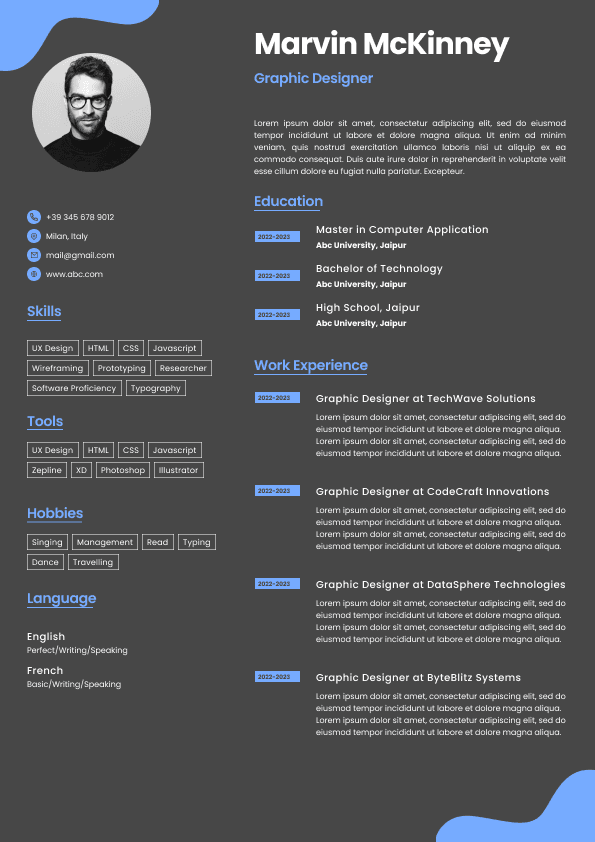
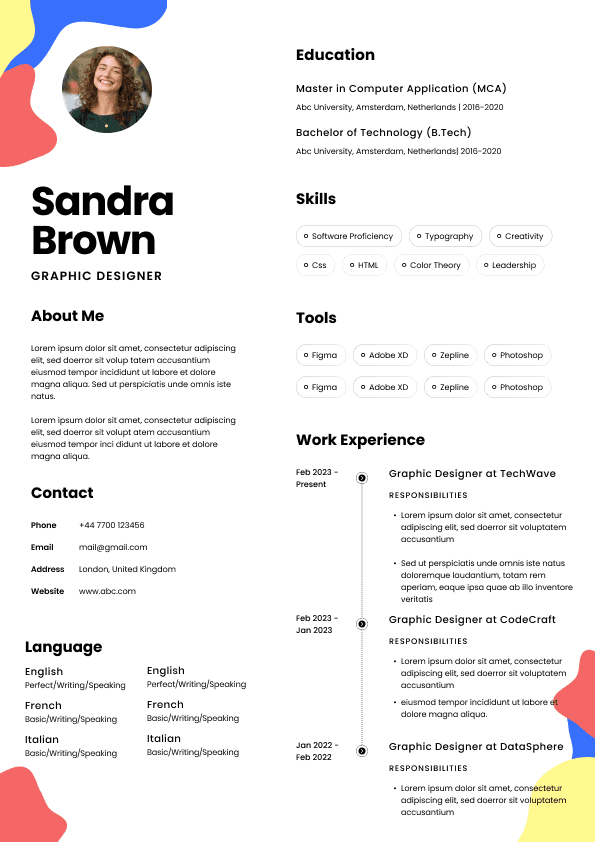
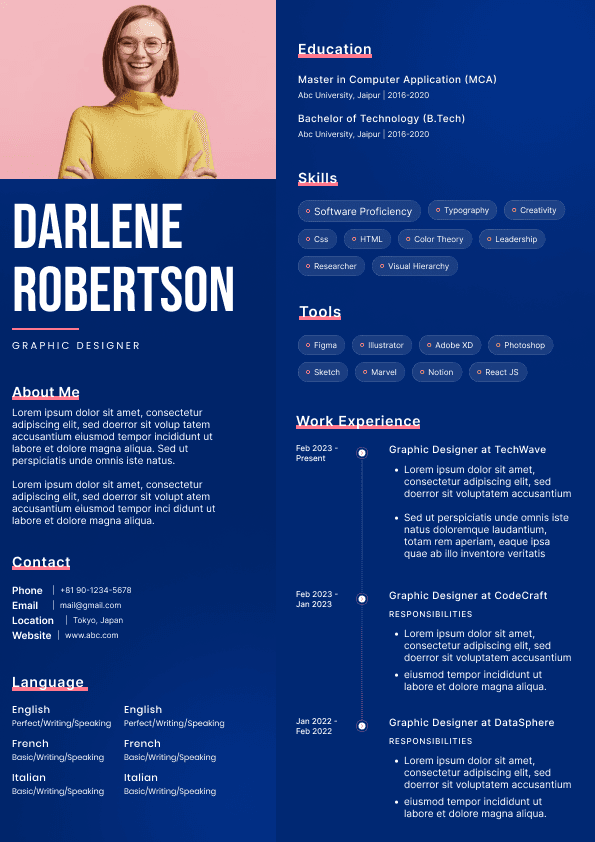
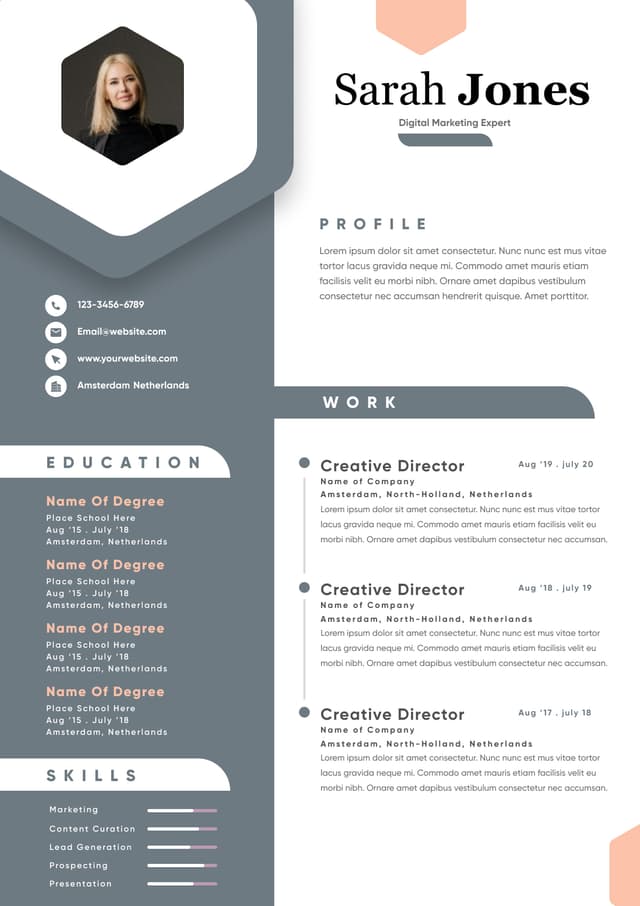
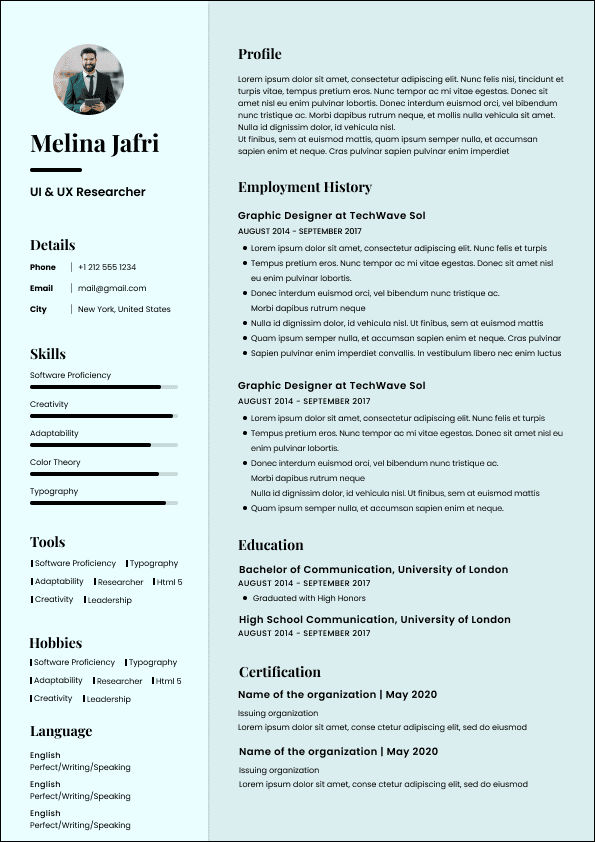
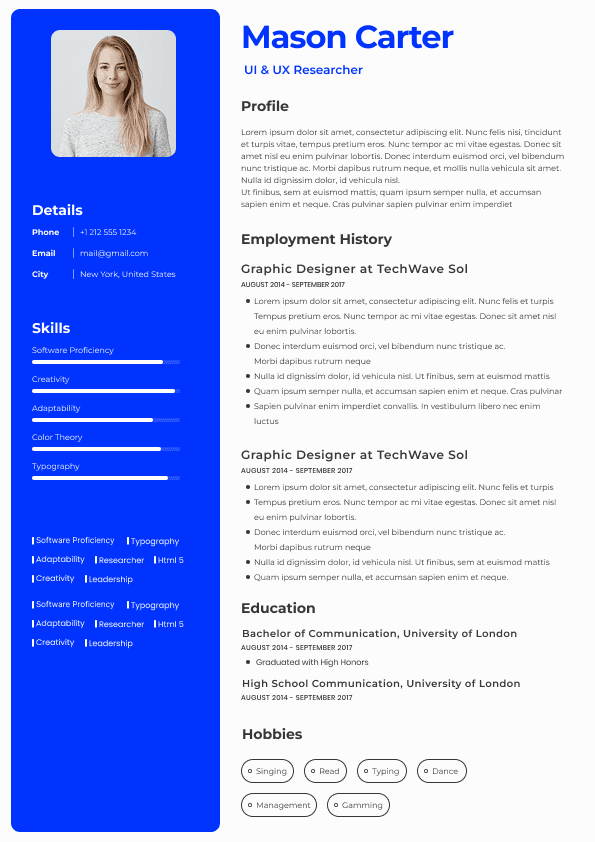
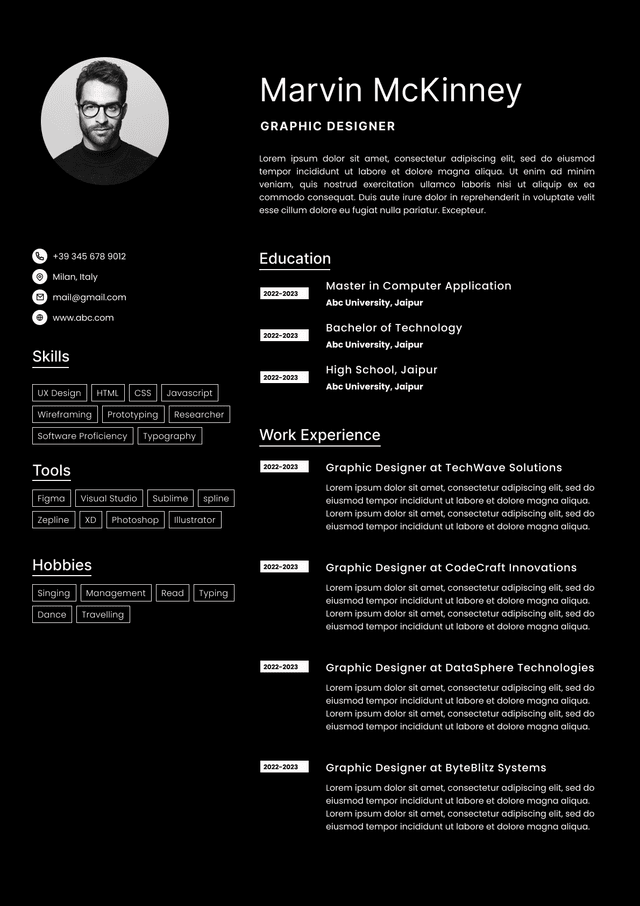
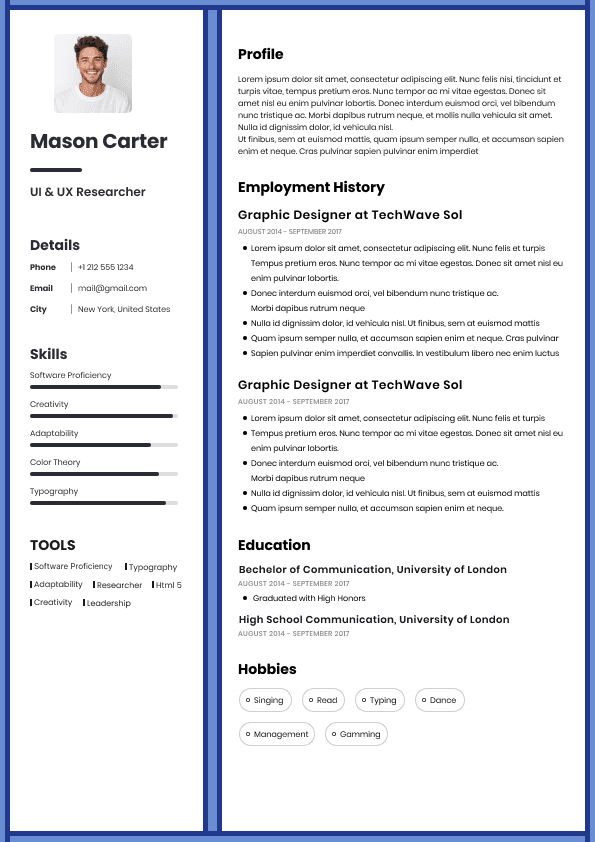
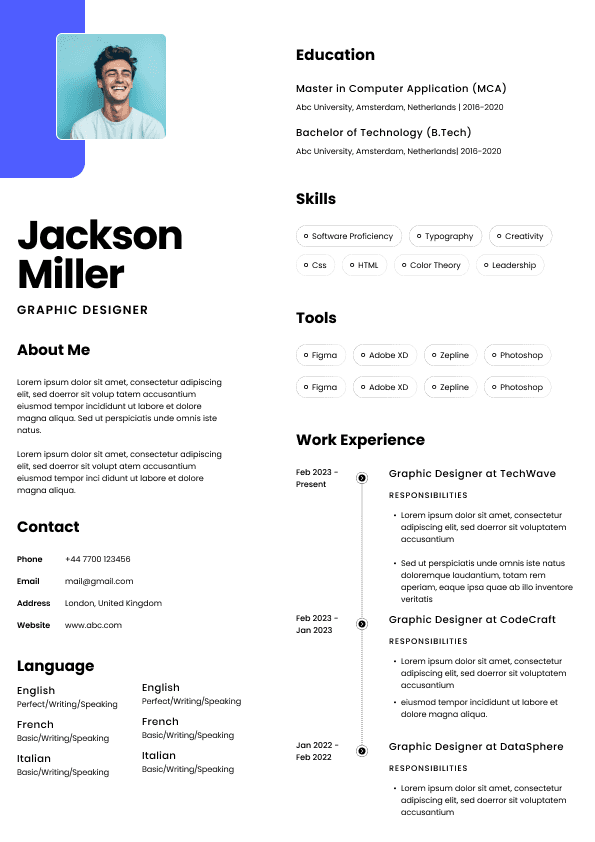
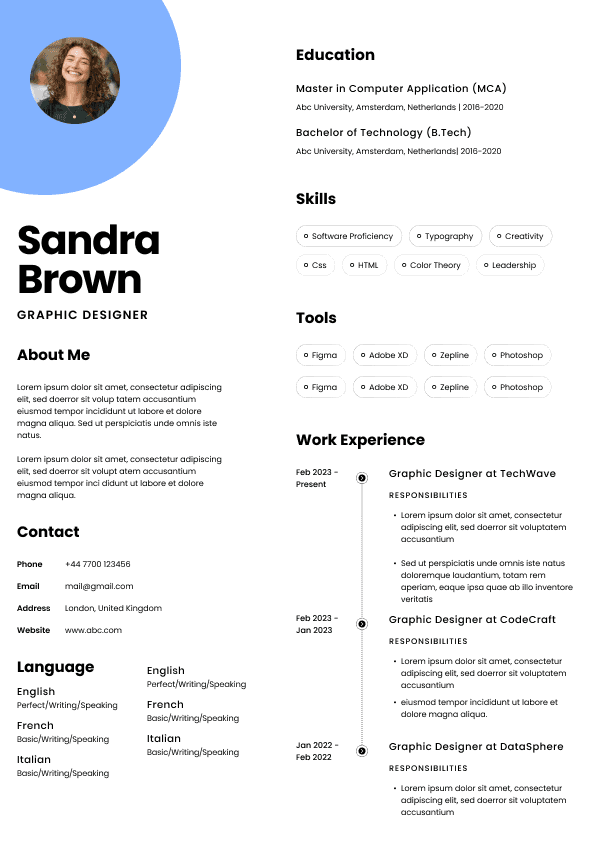
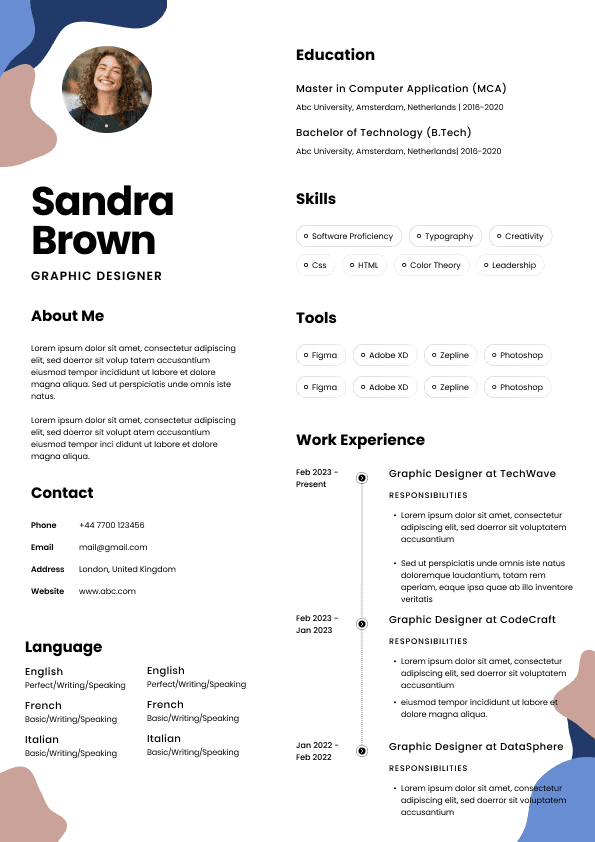
Choose from a wide range of NEWCV resume templates and customize your NEWCV design with a single click.


Use ATS-optimised Resume and resume templates that pass applicant tracking systems. Our Resume builder helps recruiters read, scan, and shortlist your Resume faster.


Use professional field-tested resume templates that follow the exact Resume rules employers look for.
Create Resume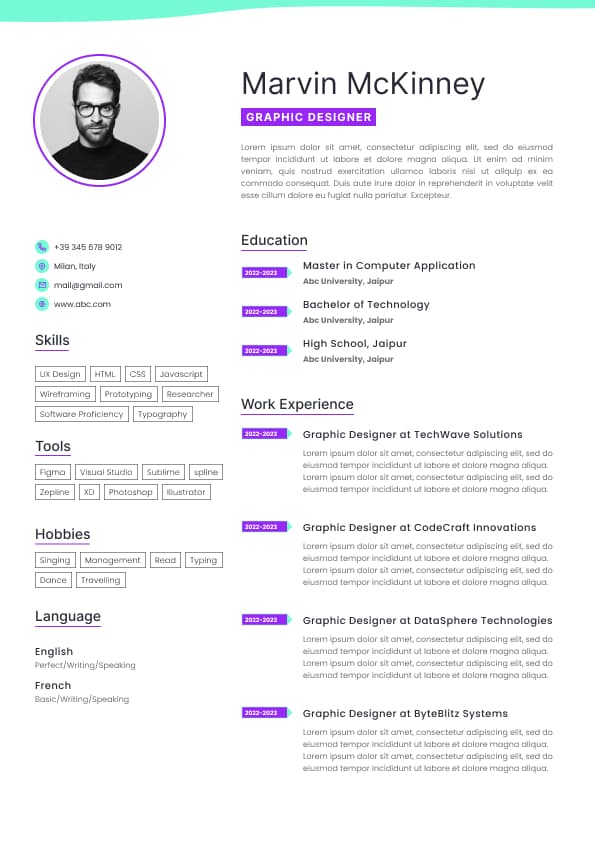
Use professional field-tested resume templates that follow the exact Resume rules employers look for.
Create ResumeTechnical depth
Ownership
Performance awareness
Business impact
Modern frontend engineering practices
It also helps recruiters map your experience to real hiring requirements.
Companies hiring JavaScript developers today care heavily about:
Performance optimization
Scalability
Frontend architecture
System reliability
Developer velocity
Test automation
Accessibility
CI/CD maturity
Production stability
Customer experience metrics
If your resume lacks measurable outcomes, hiring managers often assume your contribution level was limited.
A resume bullet with measurable impact demonstrates:
You understand engineering tradeoffs
You can prioritize performance and reliability
You think beyond coding tasks
You understand product and user impact
You can operate in production environments
For senior JavaScript developers especially, outcome-oriented bullets are expected.
Technical optimization skills
Modern frontend engineering knowledge
Production awareness
User experience impact
Scalability metrics signal production-grade engineering experience.
Examples:
Supported web applications processing 1M+ daily requests across distributed systems
Built React features used by 500,000+ monthly active users
Scaled Node.js services supporting 50,000+ concurrent sessions
Optimized frontend rendering performance for applications serving 2M+ page views monthly
These numbers help recruiters distinguish between:
Tutorial-level developers
Real production engineers
Scale matters heavily in competitive hiring.
Engineering teams care deeply about stability and maintainability.
Examples:
Reduced production UI defects by 32% through expanded automated testing coverage
Maintained 99.9% uptime for customer-facing applications
Reduced customer-reported UI bugs by 24% through improved validation and accessibility handling
Increased frontend test coverage from 52% to 86% using Jest, Cypress, and Playwright
These metrics communicate:
Engineering discipline
Ownership mindset
Reliability focus
Long-term maintainability awareness
Hiring managers increasingly value developers who improve team efficiency.
Examples:
Automated CI/CD workflows, reducing deployment time from 40 minutes to 10 minutes
Increased release frequency from monthly to weekly through test automation improvements
Reduced manual QA regression time by 40% through automated frontend testing
Improved developer onboarding time by 30% by creating Storybook documentation and reusable component guides
These bullets demonstrate broader engineering impact beyond coding alone.
That matters significantly for mid-level and senior hiring.
Feature delivery metrics show execution capability.
Examples:
Delivered 18+ product features across 6 Agile release cycles
Built 40+ reusable React components adopted across multiple product teams
Integrated 12+ third-party APIs for authentication, analytics, payments, and messaging
Refactored 25,000+ lines of legacy JavaScript into modular TypeScript architecture
These metrics work best when paired with technical complexity or business outcomes.
Using what approach?
What business or technical outcome resulted?
A better version looks like this:
Good Example
Reduced frontend load time by 41% through React memoization, route-level code splitting, and asset optimization
Integrated 10+ REST and GraphQL APIs supporting authentication, payments, analytics, and CRM workflows
Reduced production defects by 28% after implementing Cypress end-to-end testing across critical customer journeys
Delivered 14 customer-facing features across 5 Agile release cycles with zero Sev-1 production incidents
The second version demonstrates:
Technical competency
Ownership
Measurable results
Production impact
Modern engineering practices
Number of bugs resolved
User scale supported
For example:
Instead of:
Use:
Approximate numbers are still significantly stronger than vague claims.
High user volume
Large distributed systems
Enterprise-scale applications
often attract recruiter attention quickly.
Companies increasingly prioritize engineering velocity and stability.
Metrics tied to:
Reduced defects
Increased coverage
Faster releases
Stable deployments
help candidates stand out significantly.
Engineering managers value developers who improve team-wide productivity.
Metrics around:
Shared component libraries
Internal tooling
CI/CD improvements
Documentation systems
signal senior-level thinking.
Do not explain outcomes
Recruiters are trained to spot vague resume inflation quickly.
Strong metrics feel believable, specific, and technically grounded.
Senior-level hiring evaluates:
Scope
Influence
Complexity
Long-term impact
not just implementation work.
60% to 80% of bullets should contain measurable outcomes
The highest-impact accomplishments should appear near the top of each role
Performance optimization ability
System thinking
Problem-solving maturity
Ownership level
Metrics accelerate both stages because they reduce ambiguity.
A quantified accomplishment communicates competence faster than paragraphs of explanation.
That is especially important in competitive frontend hiring where recruiters may review hundreds of resumes for a single role.






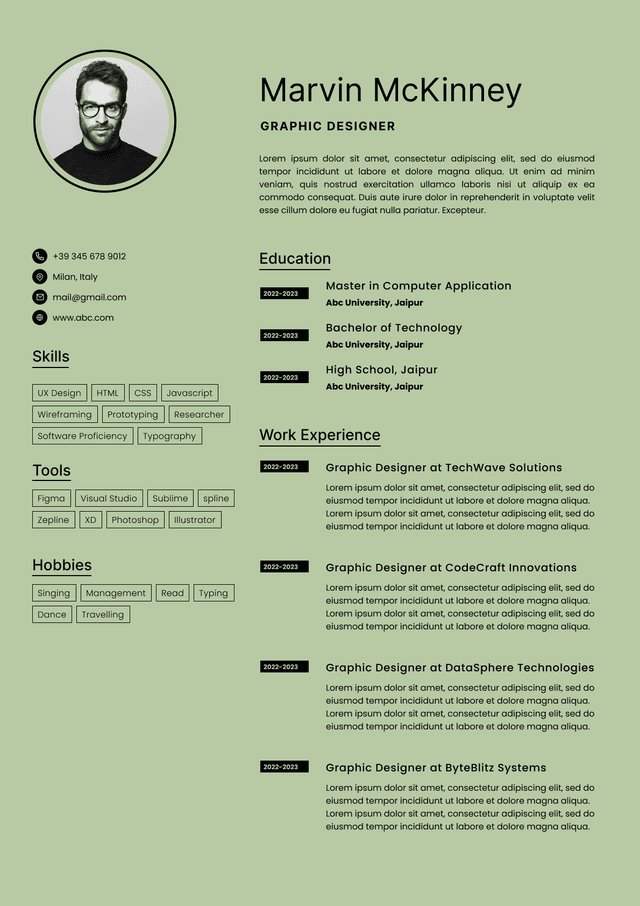
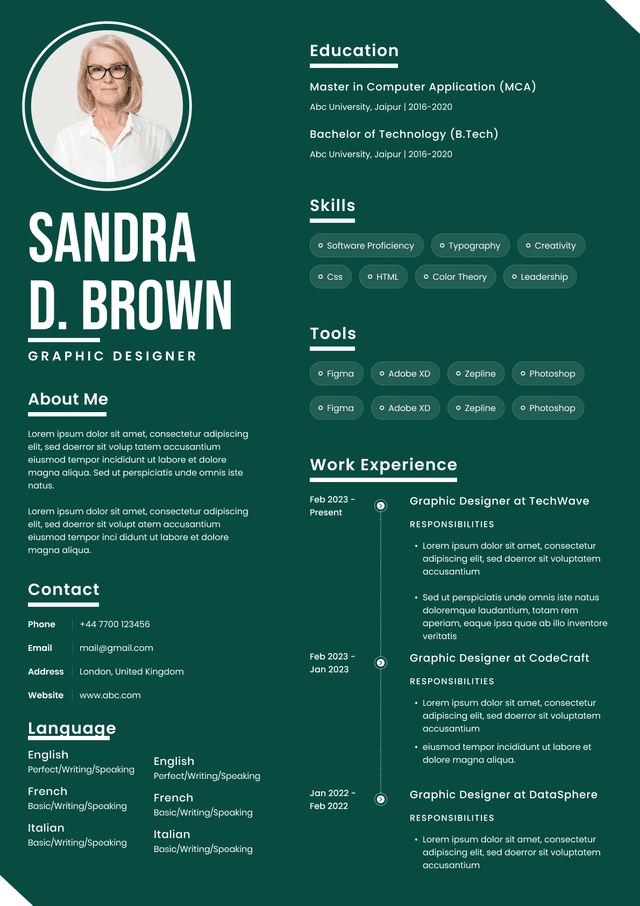
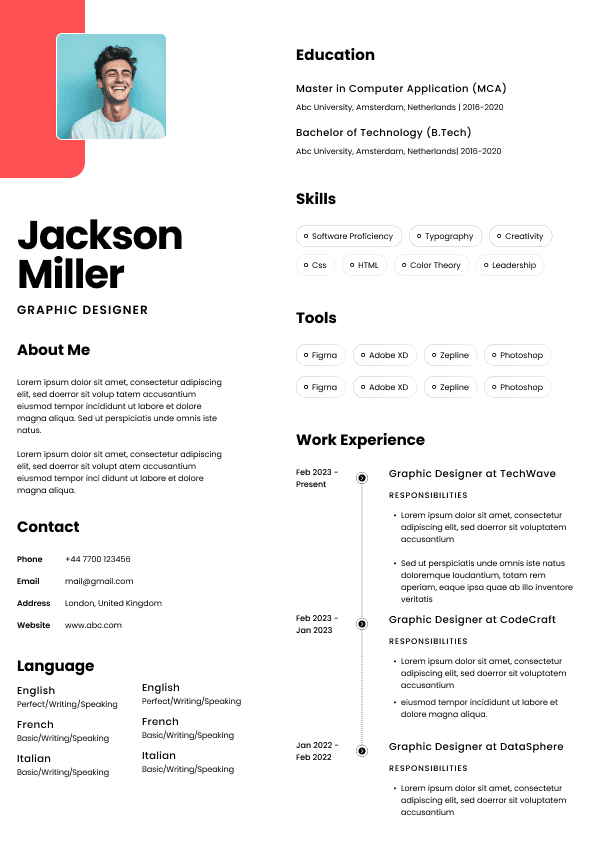
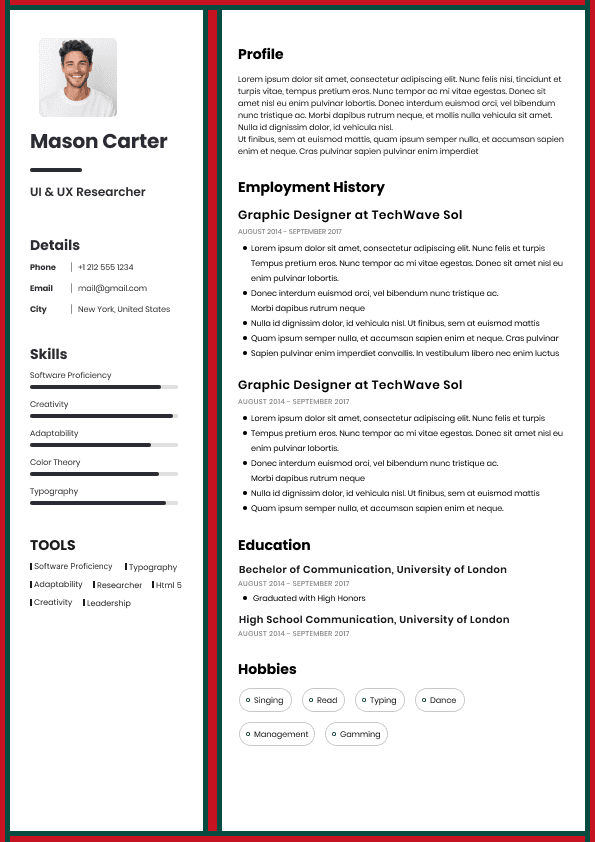


 Upload Resume
 Import from Linkedin