STILL APPLYING. STILL HEARING NOTHING?BUILD YOUR RESUME

STILL APPLYING. STILL HEARING NOTHING?BUILD YOUR RESUME
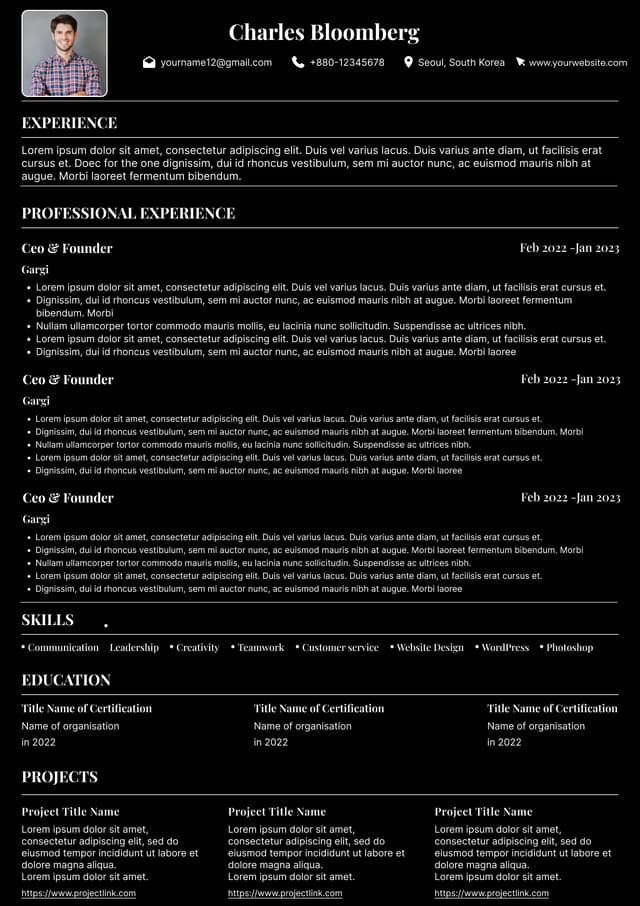
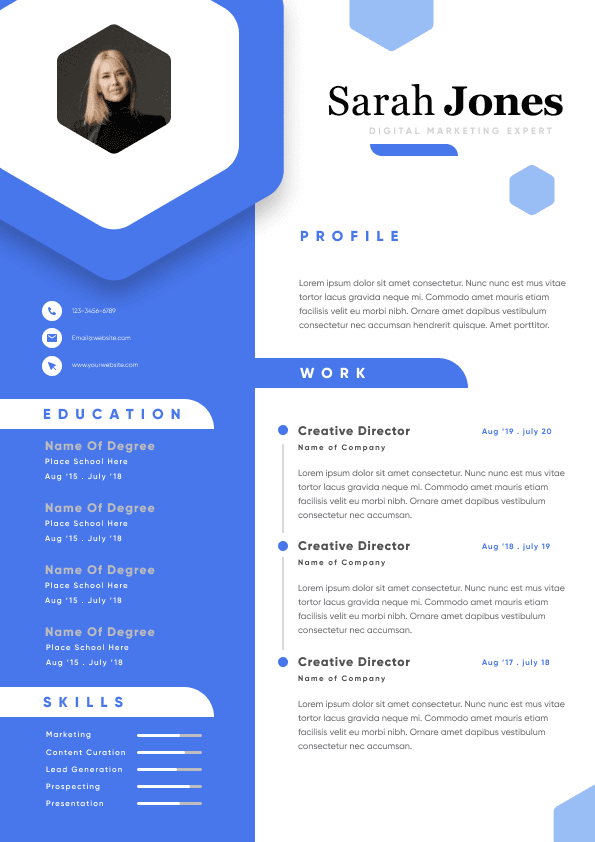
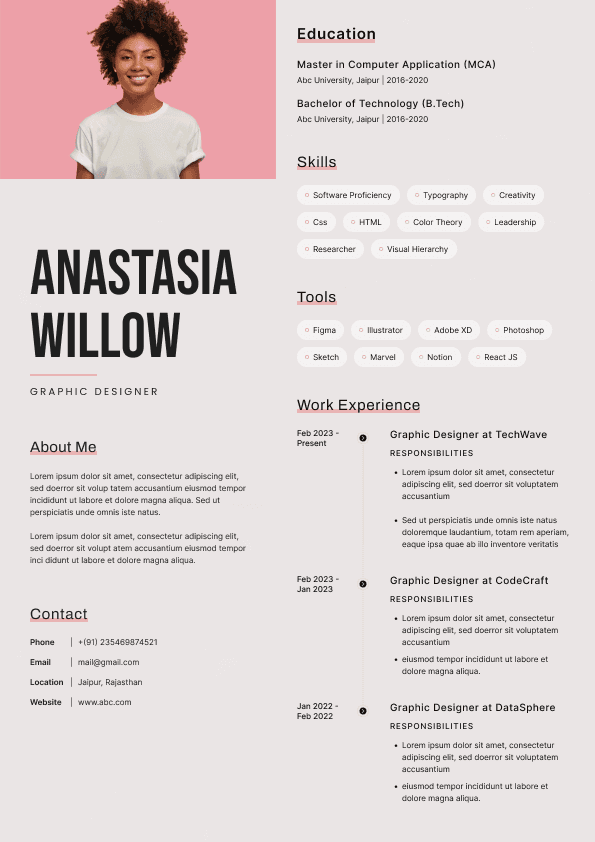
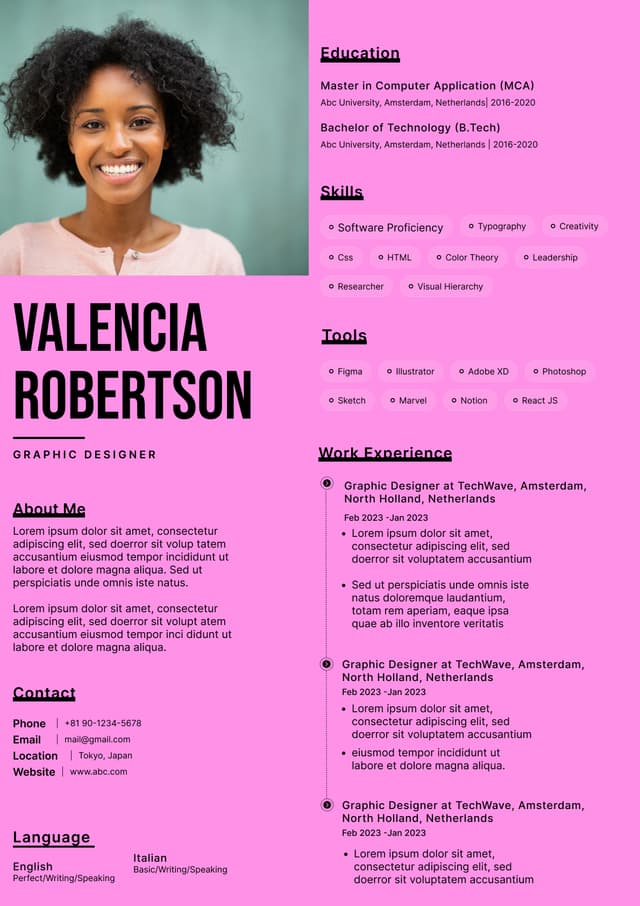
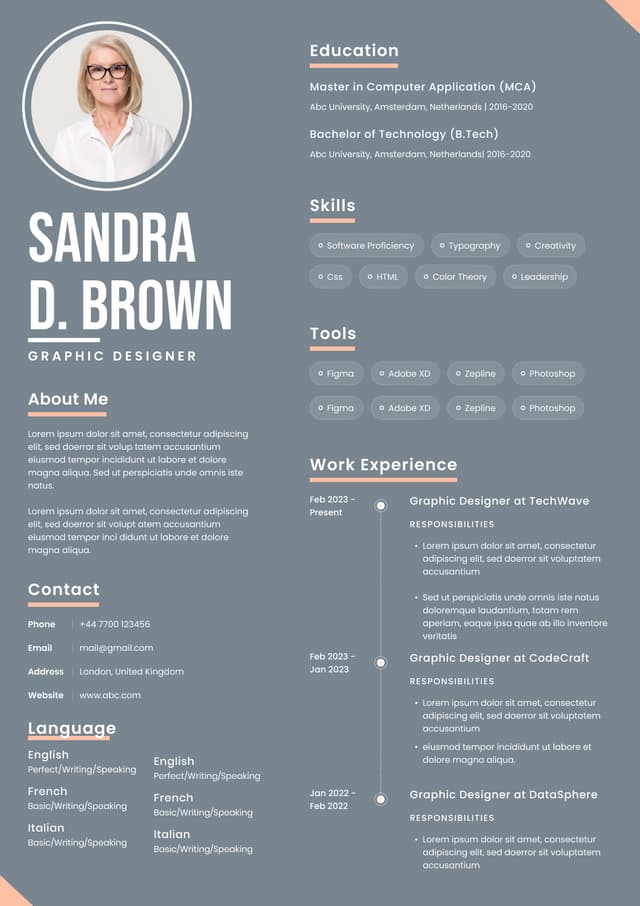
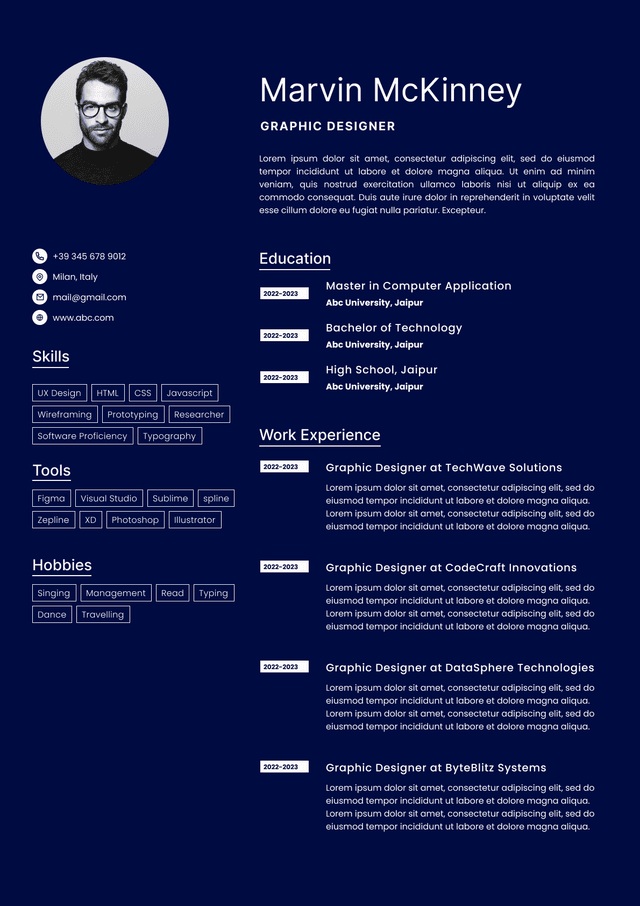
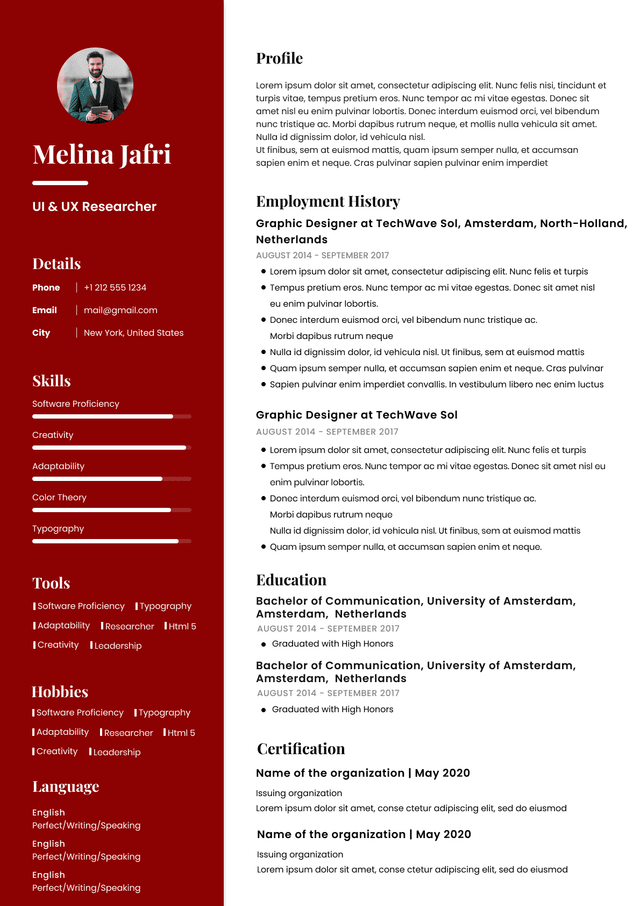
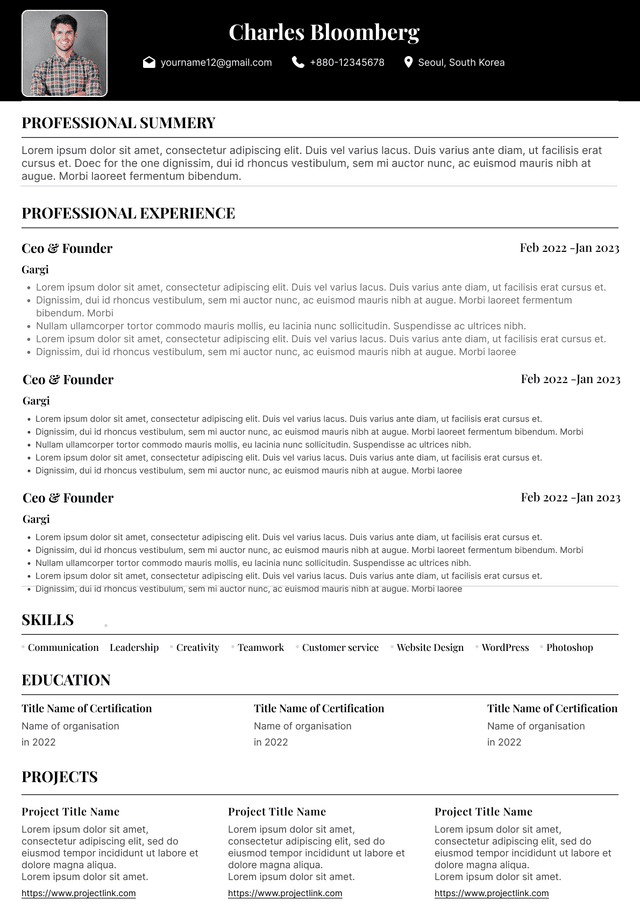
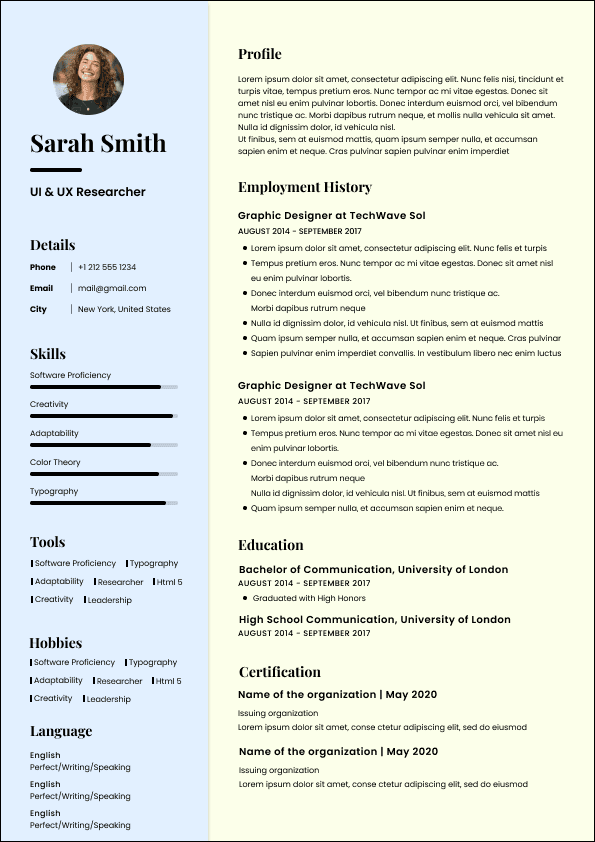
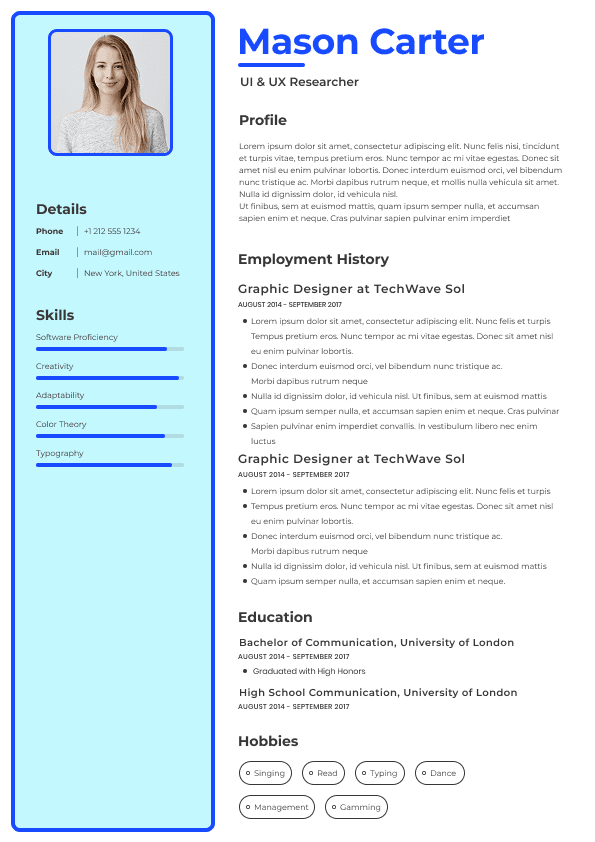
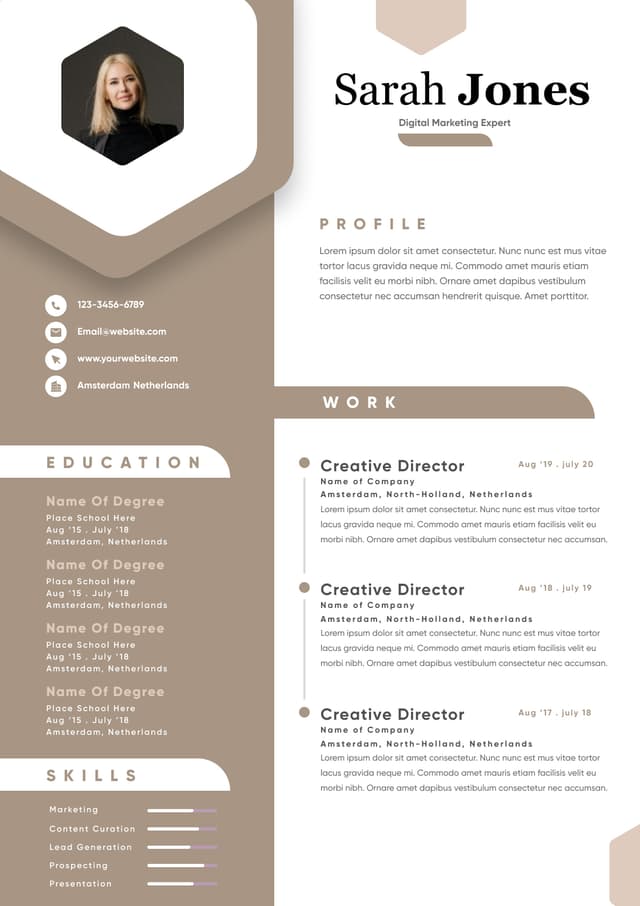
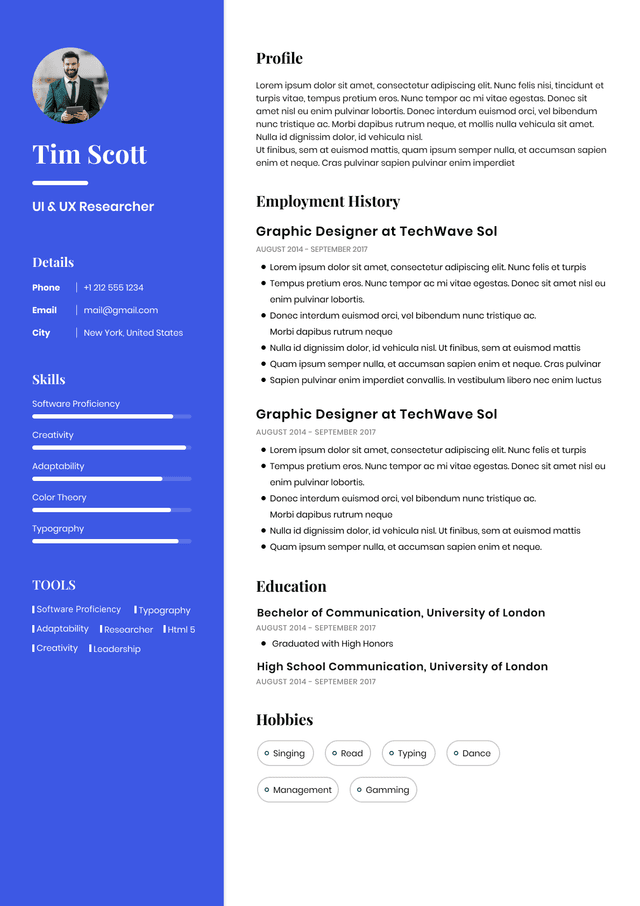
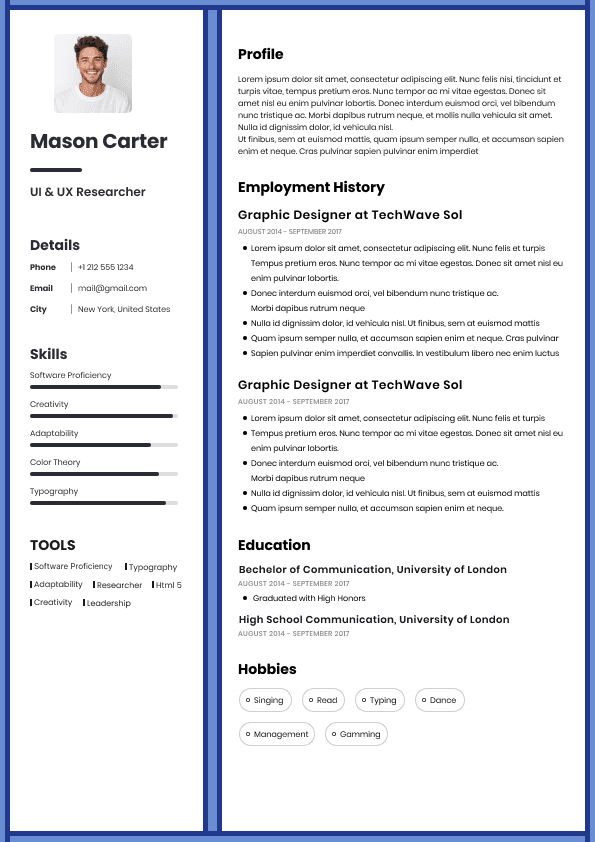
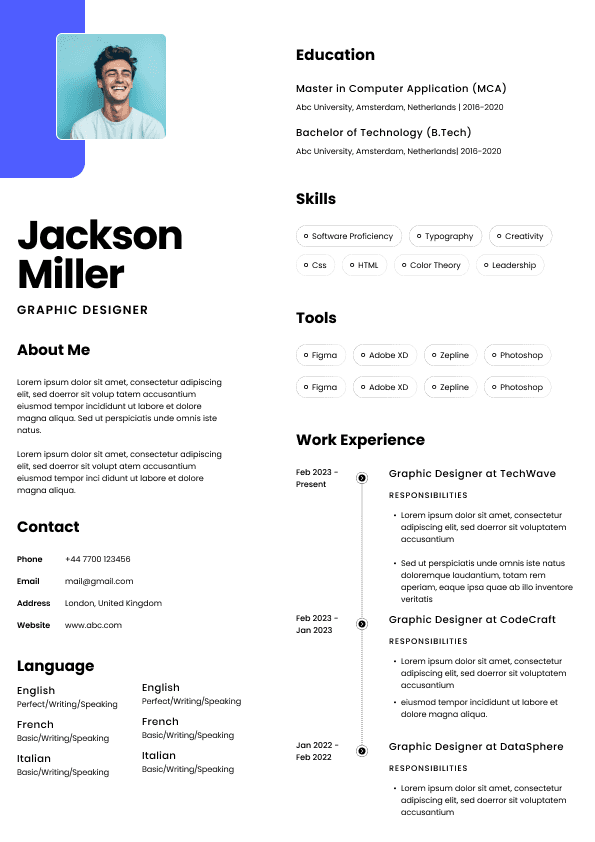
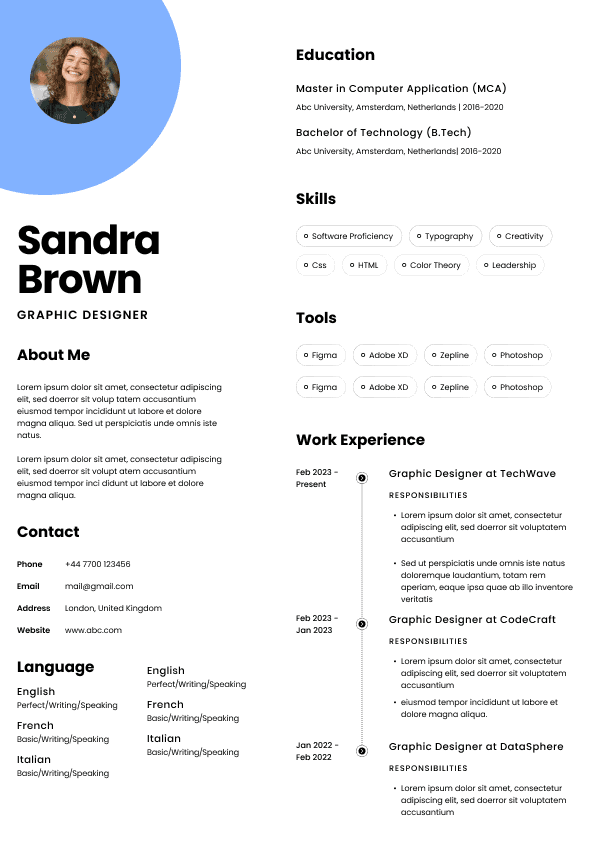
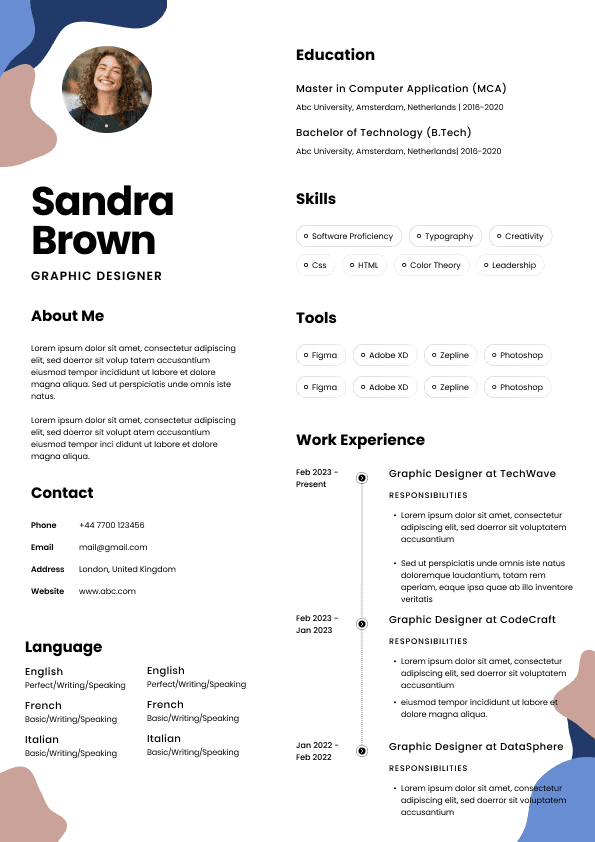
Choose from a wide range of NEWCV resume templates and customize your NEWCV design with a single click.
FAQ


A JavaScript developer resume should usually be 1 page for entry-level candidates and 2 pages for experienced developers. The right length depends on your years of experience, technical depth, project complexity, and leadership scope, not arbitrary resume rules.
Hiring managers do not reject JavaScript developer resumes because they are two pages. They reject them because they are bloated, poorly structured, generic, or fail to demonstrate technical impact quickly.
For most frontend, full stack, React, Node.js, and modern JavaScript roles, recruiters expect a resume that is:
Easy to scan in under 15 seconds
ATS-friendly
Technically specific
Focused on relevant JavaScript work
Structured around measurable outcomes and real projects
The best JavaScript developer resumes prioritize recent, relevant development experience, technical skills, and project impact while eliminating unnecessary content that weakens positioning.
The best JavaScript developer resume length is:
1 page for students, bootcamp graduates, interns, junior developers, and candidates with under 3 years of experience
2 pages for mid-level, senior, lead, staff, architect, or highly specialized JavaScript developers
This aligns with how technical recruiters and engineering managers actually evaluate candidates.
A one-page resume works when your experience is still developing. A two-page resume becomes justified when you have enough relevant technical depth to support it.
The mistake most candidates make is not resume length itself. It is including low-value information that dilutes technical credibility.
A one-page resume is ideal when you need to demonstrate focus and clarity rather than breadth.
This typically applies to:
Computer science students
Recent graduates
Coding bootcamp graduates
Internship candidates
Junior frontend developers
Entry-level JavaScript developers
Career changers with limited developer experience
In these cases, recruiters are not expecting enterprise-scale architecture experience. They are evaluating:
Technical fundamentals
JavaScript proficiency
React or Node.js exposure
Project quality
Problem-solving ability
Learning potential
Clean resume organization
A concise one-page resume forces prioritization, which usually improves candidate quality perception.
A strong one-page JavaScript developer resume usually includes:
Contact information
GitHub
Portfolio website
Professional summary or objective
Technical skills
Relevant work experience
JavaScript projects
Education
Certifications if relevant
The key is relevance density.
Recruiters care more about:
than:
A two-page JavaScript developer resume is appropriate when your experience legitimately requires additional space to demonstrate technical complexity and business impact.
This often includes:
Mid-level developers
Senior frontend engineers
Full stack JavaScript developers
Node.js backend engineers
Technical leads
Staff engineers
Frontend architects
Developers with extensive React ecosystems experience
Two pages become valuable when they help communicate:
Architecture ownership
Performance optimization
Scalable frontend systems
Team leadership
Design systems
API integrations
CI/CD pipelines
Cloud infrastructure
Cross-functional collaboration
Most two-page resumes fail because candidates add responsibilities instead of impact.
Hiring managers do not want a longer task list. They want evidence of technical contribution and decision-making.
A weak second page often contains:
Generic bullet points
Outdated technologies
Irrelevant early-career jobs
Excessive soft skills
Redundant project descriptions
A strong second page contains:
Complex engineering achievements
Quantifiable performance improvements
Technical leadership examples
Advanced architecture work
High-scale product contributions
The second page must earn its existence.
The best JavaScript developer resume structure prioritizes technical credibility and scan efficiency.
Recruiters typically scan resumes in this order:
Name and title
Technical stack
Recent experience
Project complexity
Measurable impact
GitHub or portfolio
Education
Your structure should match this scanning behavior.
Include:
Full name
Phone number
Professional email
GitHub
Portfolio website
Location (city and state only)
Avoid:
Full mailing address
Multiple phone numbers
Unprofessional email addresses
Personal social media
For JavaScript developers, GitHub and portfolio links are often more influential than education.
Hiring managers frequently validate technical depth through:
Repositories
Live demos
Code quality
Project architecture
Your summary should immediately position you for the target role.
A strong JavaScript developer summary includes:
Years of experience
Primary technologies
Specialization
Business impact
Technical focus area
“Hardworking JavaScript developer seeking an opportunity to grow skills.”
Why it fails:
Generic
No technical positioning
No specialization
No measurable value
“Frontend JavaScript developer with 5+ years of experience building scalable React and TypeScript applications for SaaS platforms. Specialized in performance optimization, reusable component architecture, and API-driven user interfaces that improved page load speed by 38%.”
Why it works:
Specific
Technically credible
Business-focused
Outcome-driven
For JavaScript developer resumes, technical skills should appear near the top of the first page.
This matters because recruiters and hiring managers often perform fast stack matching.
If your React, Node.js, TypeScript, or frontend ecosystem experience is buried, you lose screening momentum.
JavaScript
TypeScript
HTML5
CSS3
React
Next.js
Redux
Vue.js
Tailwind CSS
Material UI
Node.js
Express.js
REST APIs
GraphQL
MongoDB
PostgreSQL
MySQL
Git
Docker
Webpack
Vite
Jest
Cypress
AWS
Firebase
CI/CD
Vercel
Many JavaScript developers sabotage their resumes by listing every technology they have ever touched.
This creates credibility problems.
If you claim expertise in:
React
Angular
Vue
Svelte
Ember
Node.js
Django
Spring Boot
Kubernetes
AWS
but your experience section does not support it, recruiters assume keyword stuffing.
Strong resumes align:
with:
Your work experience section should focus on:
Technical contribution
Engineering outcomes
Product impact
Scalability
Performance
Collaboration
Not daily responsibilities.
Use this framework:
Action + Technology + Business/Technical Outcome
“Worked on frontend development using React.”
Why it fails:
No scale
No outcome
No technical depth
“Built reusable React and TypeScript component library used across 14 internal applications, reducing frontend development time by 32%.”
Why it works:
Technical specificity
Measurable impact
Demonstrates scale
Shows architectural contribution
Engineering managers typically evaluate JavaScript resumes based on five major signals.
They want evidence that you understand:
State management
Component architecture
APIs
Performance optimization
Async behavior
Testing
Scalability
Not just tutorial-level development.
Strong resumes show:
Optimization work
Refactoring
Debugging
System improvements
Technical decision-making
Hiring managers trust developers who have worked in:
Live production environments
Cross-functional teams
Agile workflows
CI/CD systems
Candidates stand out when they show:
Initiative
Feature ownership
Architecture contributions
Technical leadership
A confusing resume signals:
Poor organization
Weak prioritization
Potential communication issues
This matters because developers collaborate constantly.
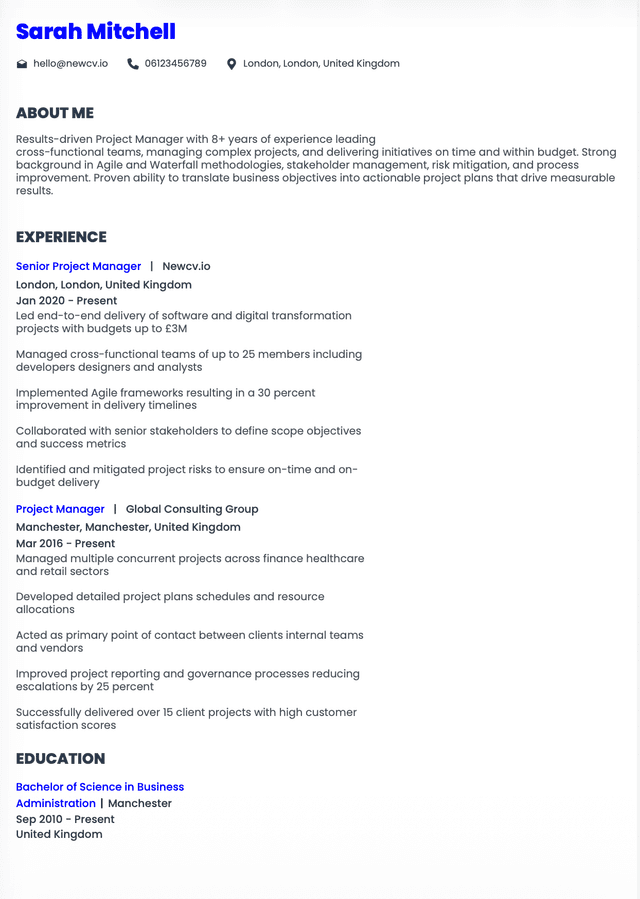
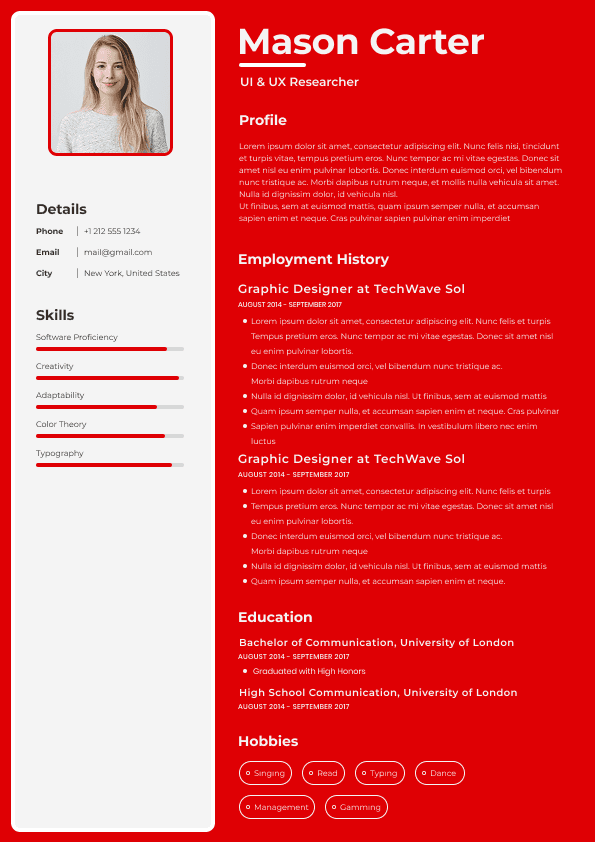
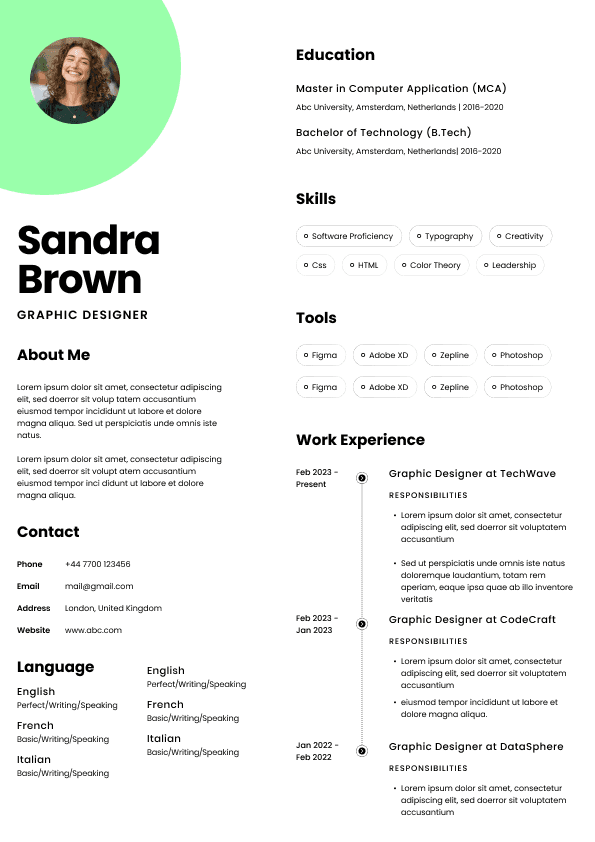
The best JavaScript developer resume layout is simple, clean, and ATS-compatible.
Single-column layout
Standard fonts
Clear headings
Consistent spacing
Bullet points for achievements
Reverse chronological order
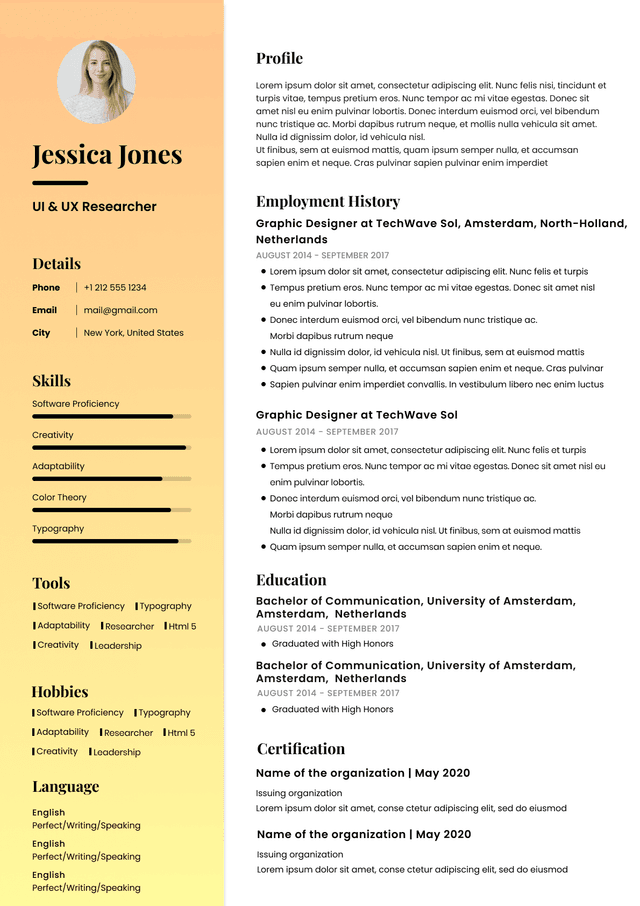
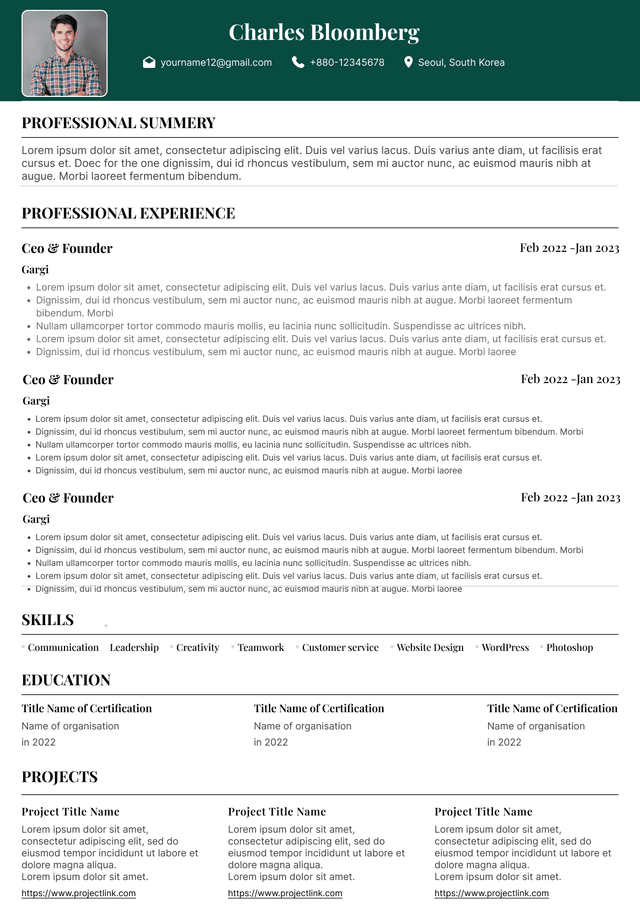
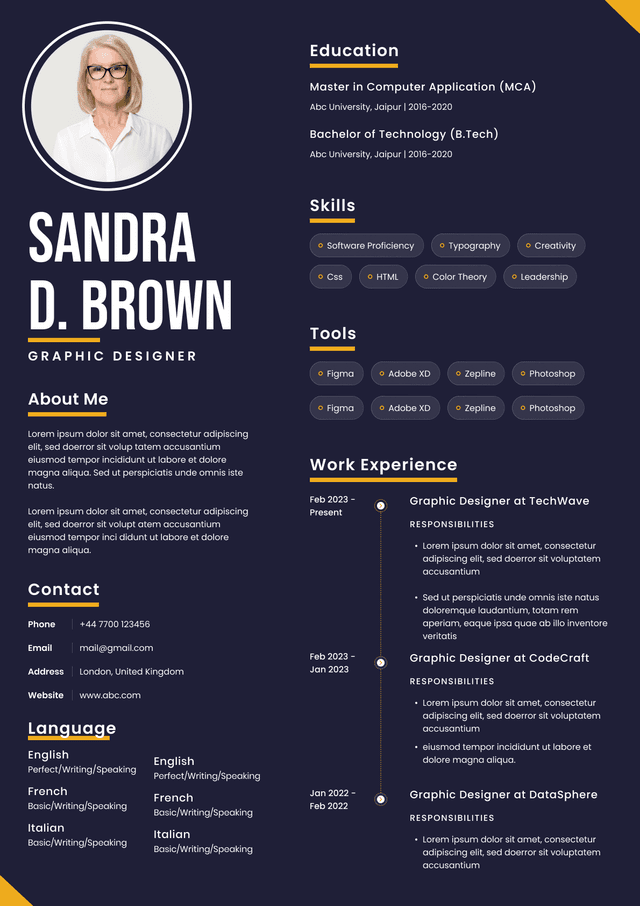
Multiple columns
Graphics
Icons
Text boxes
Progress bars
Tables
Heavy design elements
Complex visual templates
Many ATS systems still struggle with overly designed resumes.
Even when ATS parsing works, recruiters often dislike resumes that prioritize aesthetics over readability.
The best resume format for JavaScript developers is typically:
This format works best because it:
Highlights career progression
Prioritizes recent technical experience
Matches recruiter review habits
Supports ATS parsing
Functional resumes are generally weaker for developers because they obscure technical timelines and project progression.
Yes, especially if projects strengthen technical positioning better than work history.
Projects are extremely valuable for:
Entry-level developers
Bootcamp graduates
Self-taught developers
Career changers
Developers transitioning stacks
Real-world functionality
Technical complexity
API usage
State management
Authentication
Deployment
Performance optimization
Responsive design
Tutorial clones
Minimal functionality
No deployment
No measurable challenges solved
Projects become significantly stronger when candidates explain:
Why the project mattered
Technical decisions made
Problems solved
Performance improvements
Architecture choices
A deployed application with thoughtful engineering explanation beats ten unfinished GitHub repositories.
This is the most common failure pattern.
Weak resumes sound interchangeable.
Strong resumes show:
Technical specialization
Measurable outcomes
Engineering ownership
Long skill lists reduce credibility.
Prioritize:
Relevant
Current
Demonstrated technologies
Retail or unrelated non-technical jobs should only appear briefly if they:
Fill employment gaps
Demonstrate transferable skills
Otherwise, prioritize technical projects and development work.
Recruiters skim rapidly.
Large text blocks reduce readability and increase rejection risk.
Strong engineering resumes often include:
Load speed improvements
Conversion improvements
Deployment frequency gains
Reduced bundle size
API latency improvements
Test coverage increases
Metrics create credibility.
Your core stack should be visible immediately.
If recruiters cannot quickly identify:
React
TypeScript
Node.js
Next.js
GraphQL
or other target technologies, your resume loses momentum.
Most JavaScript developer resumes should focus heavily on the last 8 to 10 years.
Older experience can be minimized unless it remains highly relevant.
Recruiters prioritize:
Current frameworks
Modern tooling
Recent architecture patterns
Active technical skills
Outdated technologies can unintentionally weaken positioning if overemphasized.
Yes. Strong candidates tailor their resumes strategically.
This does not mean rewriting everything.
It means aligning:
Keywords
Technical emphasis
Project relevance
Framework focus
Business domain relevance
For example:
A React-heavy SaaS role should prioritize frontend architecture and React ecosystem experience
A Node.js backend role should prioritize APIs, databases, scalability, and backend systems
Hiring managers notice:
Relevant project alignment
Matching technical ecosystems
Similar product environments
They do not care if every keyword from the job description appears artificially.
Natural relevance outperforms keyword stuffing.
Before submitting your resume, verify:
Resume length matches your experience level
Technical skills are near the top
Recent JavaScript experience is prioritized
Bullet points focus on outcomes, not tasks
Metrics are included where possible
Resume is ATS-friendly
Projects demonstrate real technical ability
GitHub and portfolio links work
Formatting is clean and readable
The first page immediately communicates technical value
A JavaScript developer resume succeeds when recruiters can quickly understand:
What you build
Which technologies you use
How experienced you are
What impact you create
Why you are worth interviewing
Use ATS-optimised Resume and resume templates that pass applicant tracking systems. Our Resume builder helps recruiters read, scan, and shortlist your Resume faster.


Use professional field-tested resume templates that follow the exact Resume rules employers look for.
Create Resume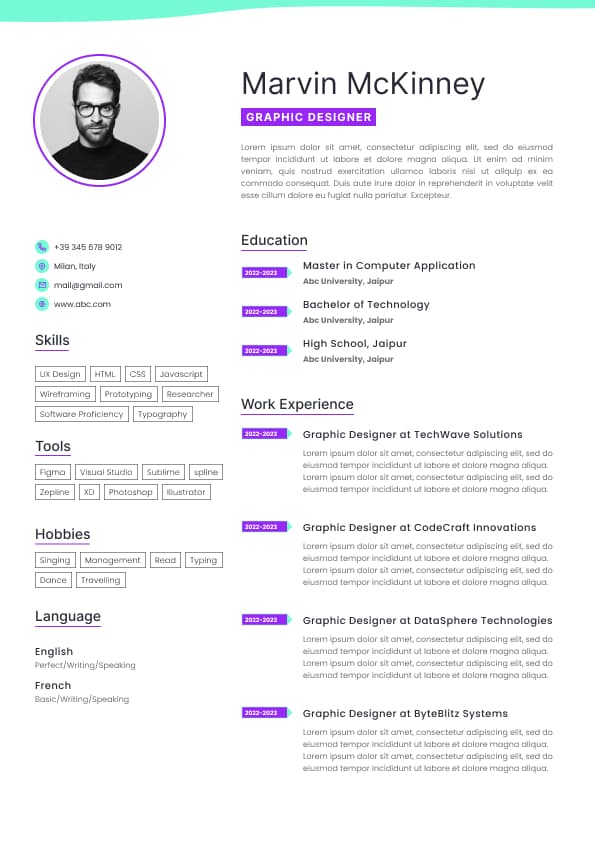
Use professional field-tested resume templates that follow the exact Resume rules employers look for.
Create ResumeLarge-scale application development
Azure
Machine Learning



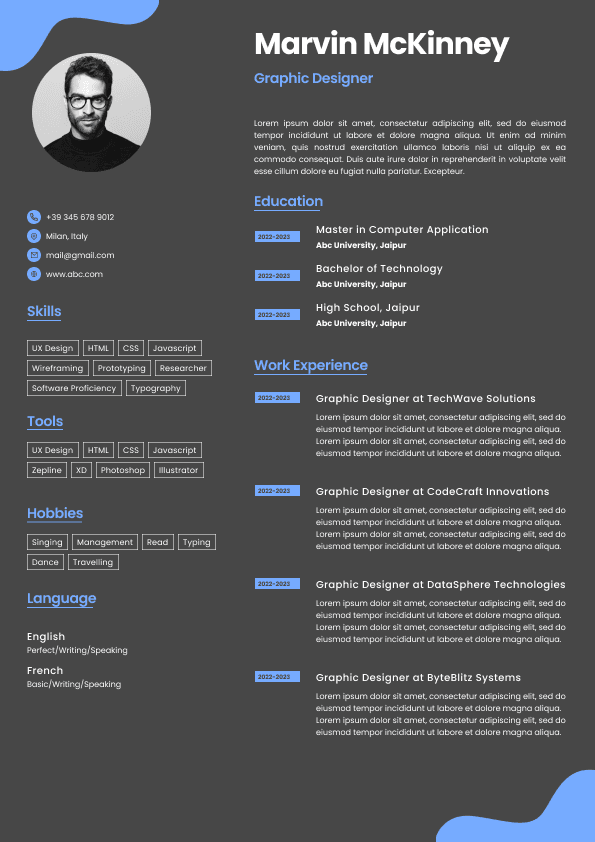
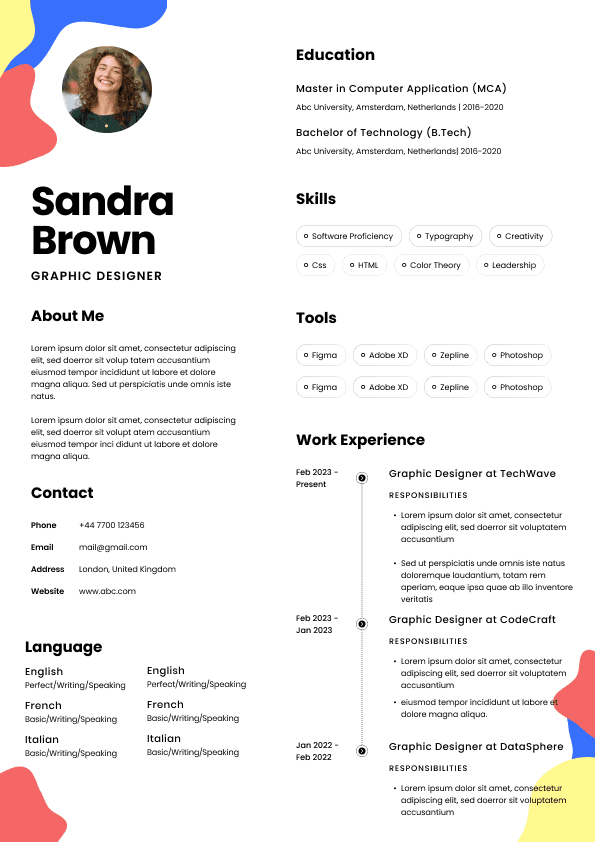
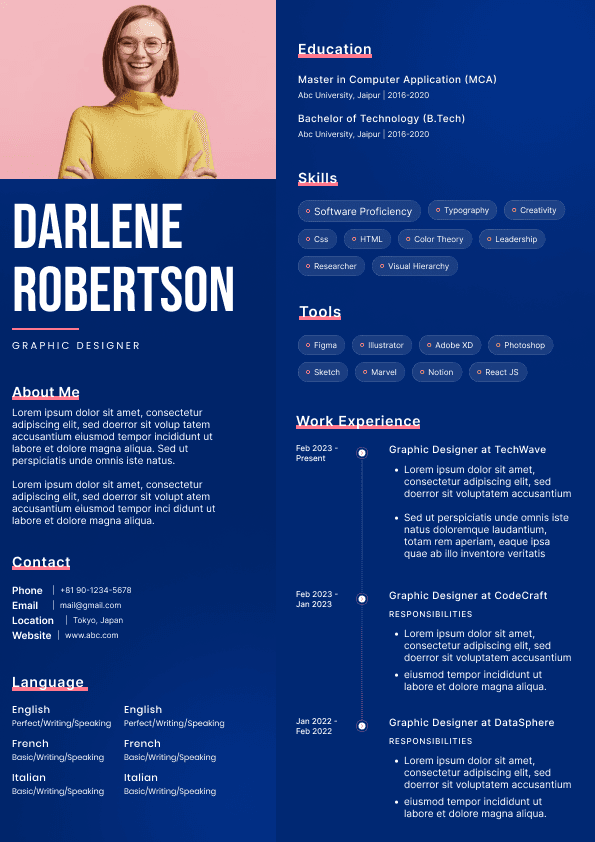

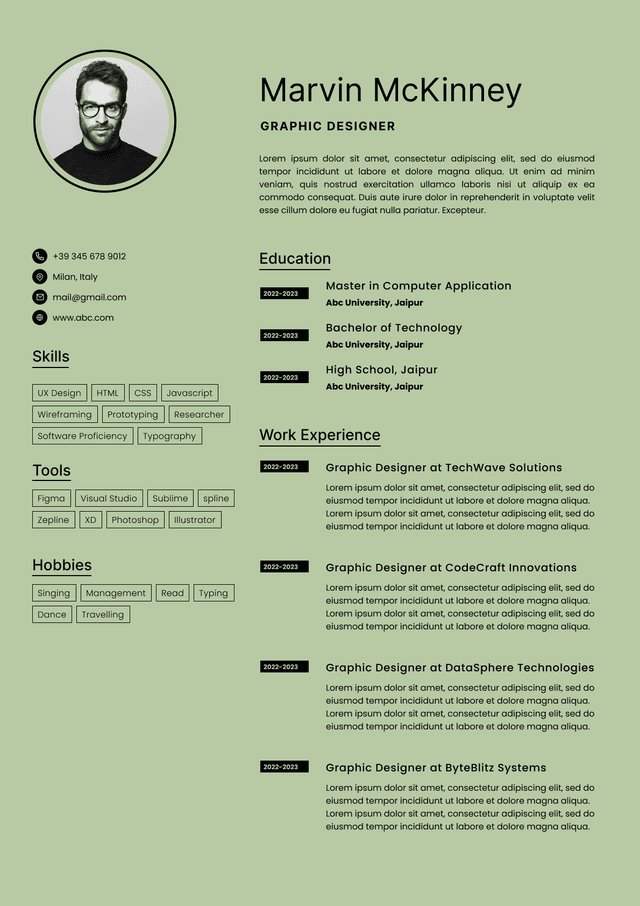
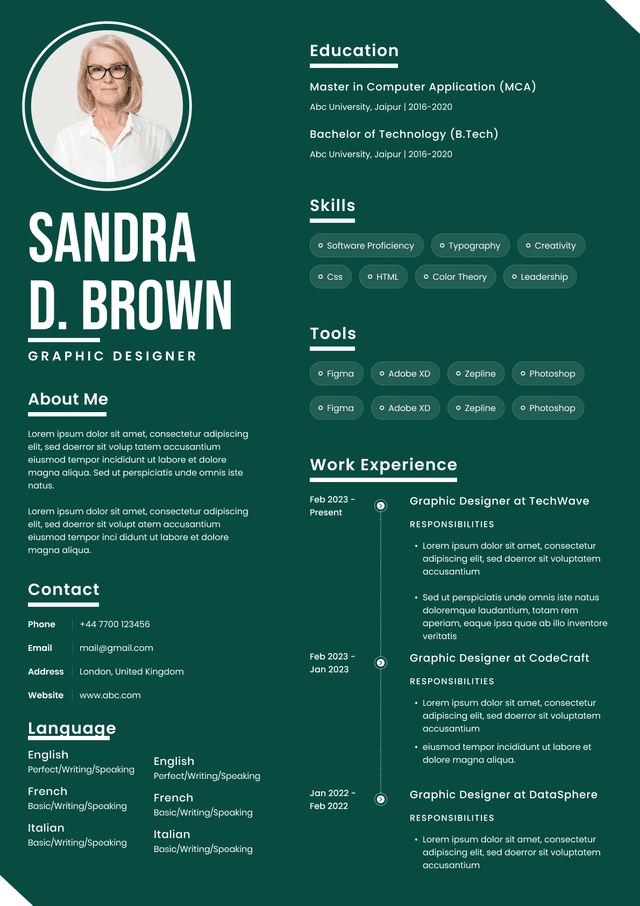
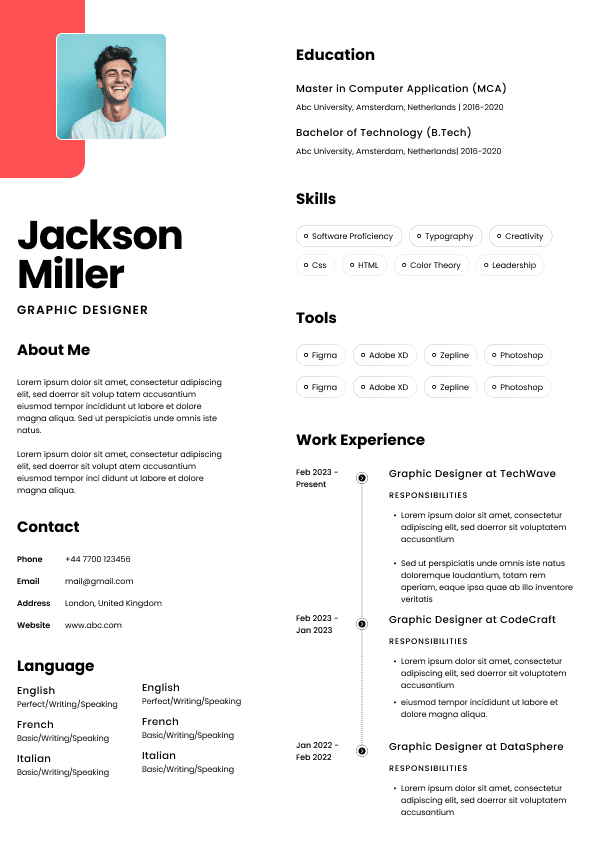
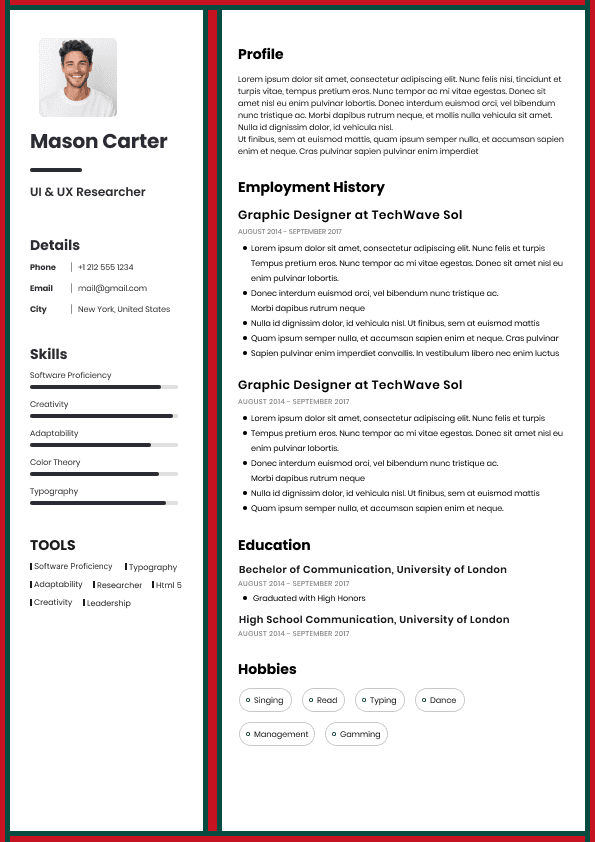
 Upload Resume
 Import from Linkedin