STILL APPLYING. STILL HEARING NOTHING?BUILD YOUR RESUME

STILL APPLYING. STILL HEARING NOTHING?BUILD YOUR RESUME
Choose from a wide range of NEWCV resume templates and customize your NEWCV design with a single click.
FAQ
If your JavaScript developer resume is not getting interviews, the problem is usually not a lack of technical ability. Most rejected resumes fail because they do not communicate production-level impact, technical depth, or role alignment clearly enough for recruiters, hiring managers, or ATS systems. Employers are not hiring “someone who knows JavaScript.” They are hiring developers who can solve business problems using a specific stack, framework, architecture pattern, or product environment.
The fastest way to improve response rates is to make your resume prove measurable engineering impact. That means showing what you built, how it performed, what technologies you used, and what business outcome improved. Strong JavaScript resumes also align tightly with the exact role type: React, frontend, Node.js, Next.js, full stack, Vue, Angular, or TypeScript-heavy engineering positions. Small resume mistakes can quietly eliminate you before a human ever evaluates your experience.
Most JavaScript resumes fail for predictable reasons. Recruiters see these patterns constantly, especially in competitive frontend and full stack hiring pipelines.
The biggest issue is that many developers describe responsibilities instead of outcomes. Hiring managers do not want to see vague activity. They want evidence of engineering contribution.
A weak resume says:
Weak Example
Worked on company website using React
Helped fix bugs
Collaborated with team members
A strong resume says:
Good Example
Rebuilt customer dashboard using React and TypeScript, reducing page load time by 38% and improving Lighthouse performance score from 61 to 92
Resolved 120+ production bugs across checkout workflows, reducing support tickets by 27% over two quarters
One of the most common reasons JavaScript developers get rejected is because their resume is too generic.
Many developers apply to:
React developer jobs
Frontend engineer jobs
Full stack JavaScript jobs
Node.js backend roles
Next.js positions
Vue or Angular opportunities
Using the exact same resume.
That creates immediate positioning problems.
A frontend-focused employer wants to see:
Many developers assume ATS systems are advanced AI screening tools. In reality, most ATS platforms primarily parse keywords, structure, and relevance.
A JavaScript resume can fail ATS review for simple reasons:
Missing exact framework keywords
Using graphics or columns that break parsing
Using inconsistent job titles
Omitting technologies from experience bullets
Listing skills without demonstrating them in projects or jobs
Using vague wording instead of industry-standard terminology
If a company is hiring for React + TypeScript + Next.js, your resume should explicitly include those technologies in both the skills section and experience bullets when applicable.
Many rejected candidates actually have the required experience, but the resume fails semantic matching.
Strong resumes naturally include relevant technical terminology without keyword stuffing.
Common high-value keywords include:
JavaScript
TypeScript
React
Node.js
Next.js
Express.js
Vue.js
Angular
Engineering managers evaluate resumes differently than recruiters.
Recruiters look for alignment.
Engineering managers look for proof.
This is where most JavaScript resumes collapse.
A bullet like this tells the hiring manager almost nothing:
Weak Example
What type of applications?
At what scale?
For how many users?
What business problem?
What performance outcome?
What complexity level?
A stronger version:
Good Example
Now the hiring manager understands:
Stack
Recruiters often review technical resumes in under 30 seconds initially.
They are looking for quick indicators that you match the target role.
The strongest resumes immediately answer these questions:
What type of developer are you?
Which stack do you specialize in?
Have you worked on production systems?
Can you contribute quickly?
Have you solved meaningful technical problems?
Does your experience match the company’s environment?
Weak resumes force recruiters to interpret your experience.
Strong resumes make positioning obvious instantly.
Your bullet points should show:
Technical complexity
Business impact
Scale
Collaboration
Performance improvement
Product contribution
Engineering ownership
A simple framework works well:
Action + Technology + Scope + Result
Example:
Many resumes fail because they look academic instead of production-oriented.
Hiring managers want confidence that you can work inside real engineering environments.
That means demonstrating experience with:
Deployment
Monitoring
Testing
Debugging
Collaboration
Code reviews
Agile workflows
Unlike many professions, software engineering allows employers to verify your skills directly.
For entry-level and mid-level JavaScript developers, GitHub and portfolio links can significantly improve credibility.
Especially when you lack:
Big tech experience
Recognizable employers
CS degree pedigree
Long professional history
Your portfolio should not contain random tutorial projects.
Recruiters and hiring managers quickly recognize copied projects.
Strong portfolio projects demonstrate:
Real product thinking
Entry-level developers often undersell project work because they assume only paid experience matters.
That is false in JavaScript hiring.
Good projects absolutely count when they demonstrate real engineering ability.
What matters is complexity and execution quality.
Strong project signals include:
Authentication systems
Real APIs
Deployment pipelines
Database architecture
Responsive UI systems
Performance optimization
A frontend React resume should emphasize:
UI architecture
State management
Accessibility
Design systems
Responsive development
Frontend performance
React ecosystem tools
A Node.js backend resume should emphasize:
APIs
Many JavaScript resumes contain unrealistic skill lists.
Recruiters immediately notice when someone claims experience with 40 technologies but only demonstrates 3 of them in actual work history.
This creates credibility problems.
A stronger strategy:
List technologies you can discuss confidently in interviews
Match skills to experience bullets
Prioritize technologies relevant to the target role
Group skills logically
Strong skills section structure:
JavaScript
Even technically strong candidates lose interviews because of formatting issues.
Common problems include:
Dense walls of text
Tiny font sizes
Multi-column layouts
Excessive graphics
Overdesigned templates
Inconsistent spacing
Poor readability
Long paragraphs
Many developers focus entirely on technical implementation.
Hiring managers care about outcomes.
The resume should explain how your engineering work improved:
Revenue
Conversion rates
Performance
User experience
Deployment speed
Stability
Retention
Certifications alone rarely get developers hired.
But they can strengthen positioning when:
Transitioning into development
Moving into cloud-heavy environments
Entering enterprise ecosystems
Lacking formal CS background
Learning modern frameworks
Useful additions may include:
AWS certifications
Meta frontend certifications
Top-performing resumes consistently demonstrate:
Clear specialization
Modern stack alignment
Production-level engineering signals
Measurable outcomes
Strong technical bullets
Role-specific positioning
Portfolio or GitHub credibility
ATS compatibility
Before applying, evaluate your resume against this checklist:
Does the resume clearly match the target role?
Are technical accomplishments measurable?
Are frameworks and tools integrated into bullets naturally?
Does the resume demonstrate production-level experience?
Is there evidence of performance, scalability, or business impact?
Do projects show real engineering capability?
Are GitHub and portfolio links included?


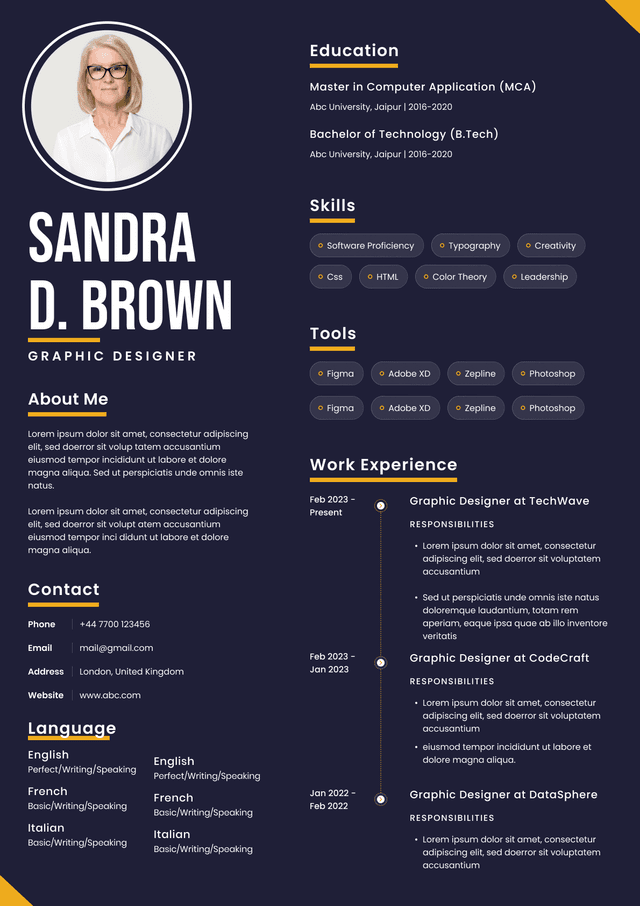
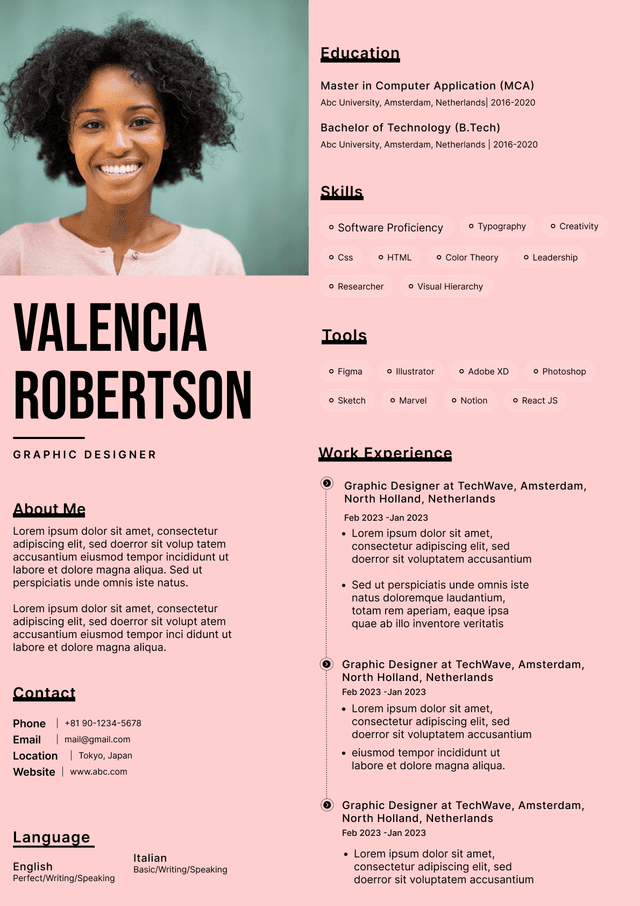
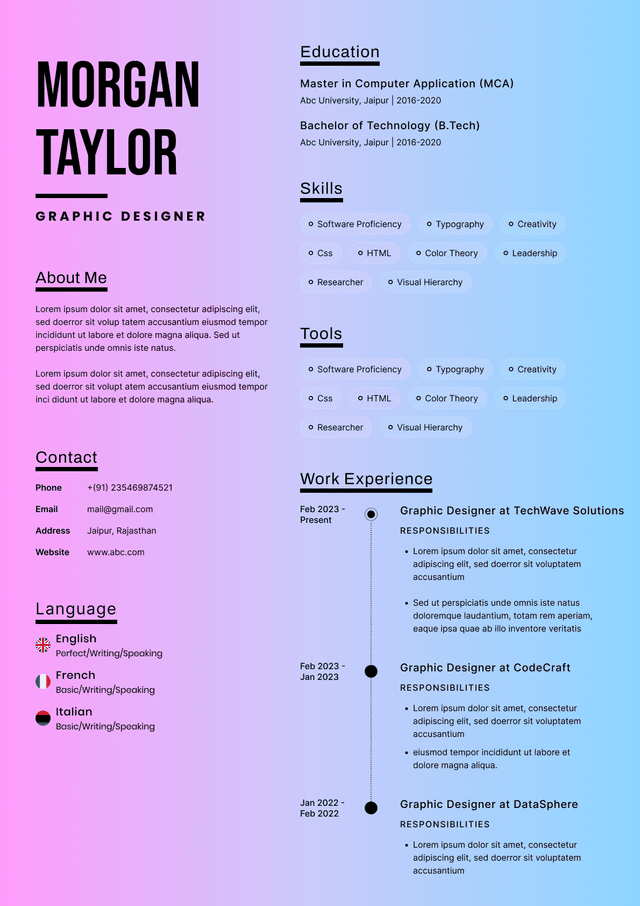
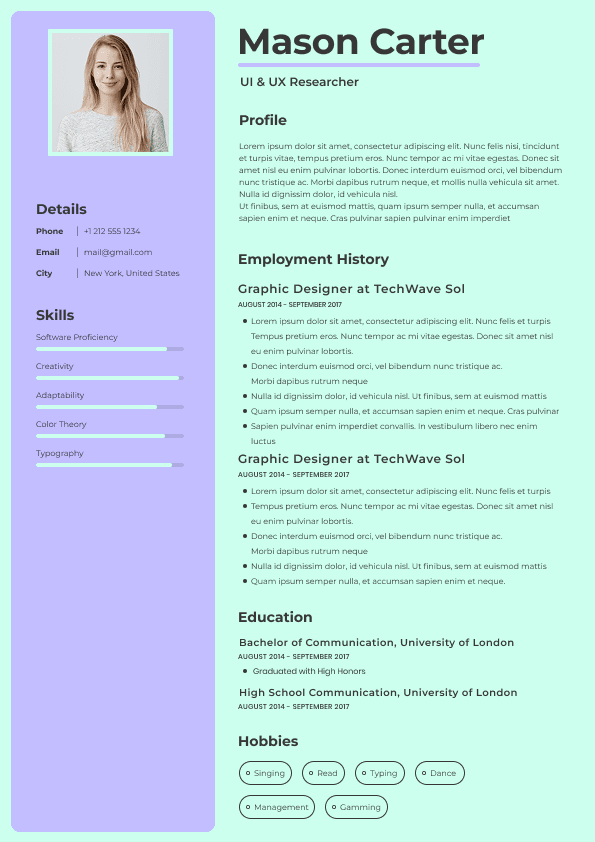
Use ATS-optimised Resume and resume templates that pass applicant tracking systems. Our Resume builder helps recruiters read, scan, and shortlist your Resume faster.

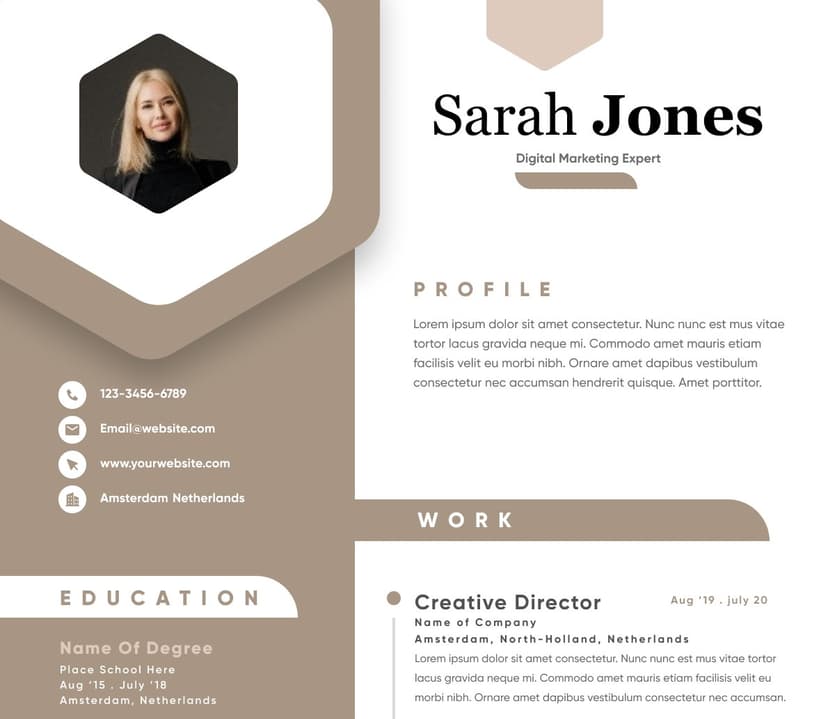
Use professional field-tested resume templates that follow the exact Resume rules employers look for.
Create Resume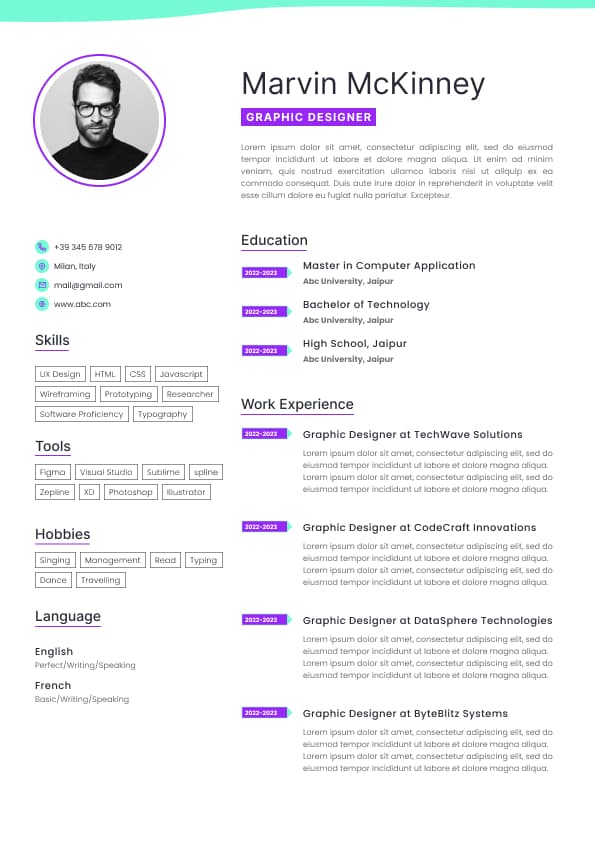
Use professional field-tested resume templates that follow the exact Resume rules employers look for.
Create ResumeCollaborated with backend and DevOps teams to deploy CI/CD pipeline improvements that cut deployment failures by 40%
The second version demonstrates technical ownership, business impact, scale, and measurable results. That is what recruiters and engineering managers are looking for.
UI architecture
Component systems
Accessibility
State management
Performance optimization
Responsive design
Cross-browser compatibility
Frontend testing
A Node.js employer cares more about:
APIs
Authentication
Database performance
Backend scalability
Caching
Cloud deployment
Security
Microservices
System reliability
If your resume tries to target everything at once, it usually looks unfocused and shallow.
The strongest JavaScript resumes are role-specific.
REST API
GraphQL
HTML5
CSS3
Tailwind CSS
Redux
Zustand
MongoDB
PostgreSQL
AWS
Docker
Git
CI/CD
Jest
Cypress
Playwright
Agile
Accessibility
Performance optimization
Responsive design
Webpack
Vite
Firebase
The important distinction is this:
Recruiters trust keywords only when they appear inside accomplishments and technical context.
A skills section alone is not persuasive.
Scale
Product type
User volume
Business impact
Technical relevance
That creates interview momentum.
Another example:
This framework consistently produces stronger technical resumes.
CI/CD pipelines
Production incidents
Version control
Performance optimization
Even junior developers should show production-style thinking through projects.
Technical depth
Deployment capability
API integration
Authentication
Database usage
Responsive UI
State management
Testing
Documentation
Strong projects include concise descriptions like:
That sounds dramatically stronger than:
Test coverage
Full CRUD functionality
Accessibility implementation
Real users or contributors
A strong GitHub profile combined with a strong resume can compensate for limited experience surprisingly well.
Authentication
Database optimization
Cloud infrastructure
Scalability
Backend security
Distributed systems
A Next.js resume should highlight:
SSR
SSG
SEO optimization
Performance
Full stack rendering
API routes
Deployment environments
A full stack JavaScript resume should balance:
Frontend architecture
Backend services
Database management
Cloud deployment
Cross-functional ownership
This is why role-specific resume versions outperform generic resumes.
TypeScript
React
Next.js
Redux
Tailwind CSS
Node.js
Express.js
REST APIs
GraphQL
PostgreSQL
MongoDB
AWS
Docker
Jest
Cypress
GitHub Actions
CI/CD
This improves readability and ATS clarity.
Missing white space
Technical recruiters scan quickly.
Your resume must be easy to evaluate fast.
Strong formatting principles:
Single-column layout
Clean hierarchy
Consistent spacing
Clear section labels
Concise bullets
ATS-friendly structure
Readable typography
The best engineering resumes prioritize clarity over creativity.
Scalability
Internal productivity
Even highly technical companies evaluate engineers partly through business contribution.
A strong JavaScript developer is not just someone who writes code.
It is someone who improves products.
Full stack bootcamp credentials
TypeScript training
React specialization programs
However, certifications never replace demonstrated project or production experience.
Business impact awareness
Most importantly, they make hiring decisions easier.
That is the real goal of a resume.
Not listing everything you know.
But proving you are the right fit for this specific role.
Is the formatting ATS-friendly?
Are skills aligned with actual experience?
Would a hiring manager immediately understand your strengths?
If the answer to several of these questions is no, interview rates will likely stay low even if your technical ability is strong.



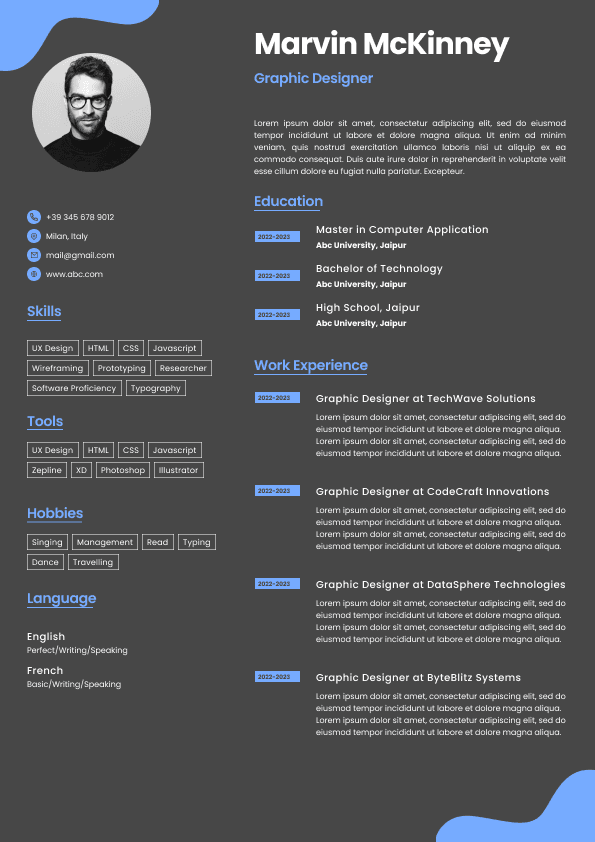
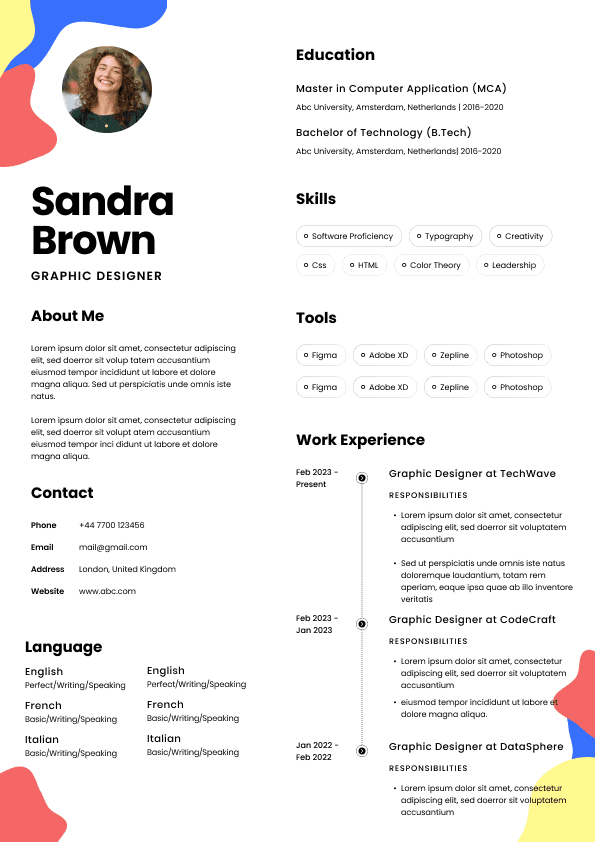
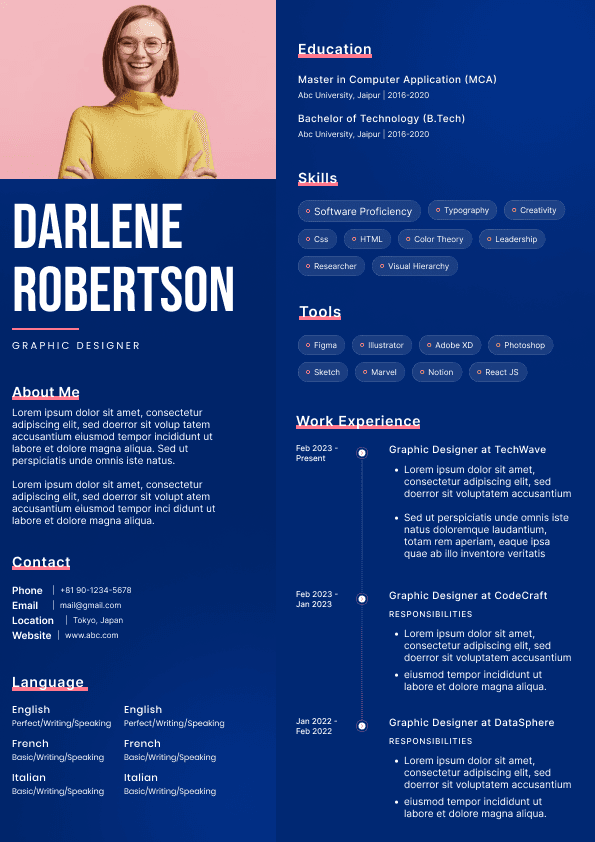
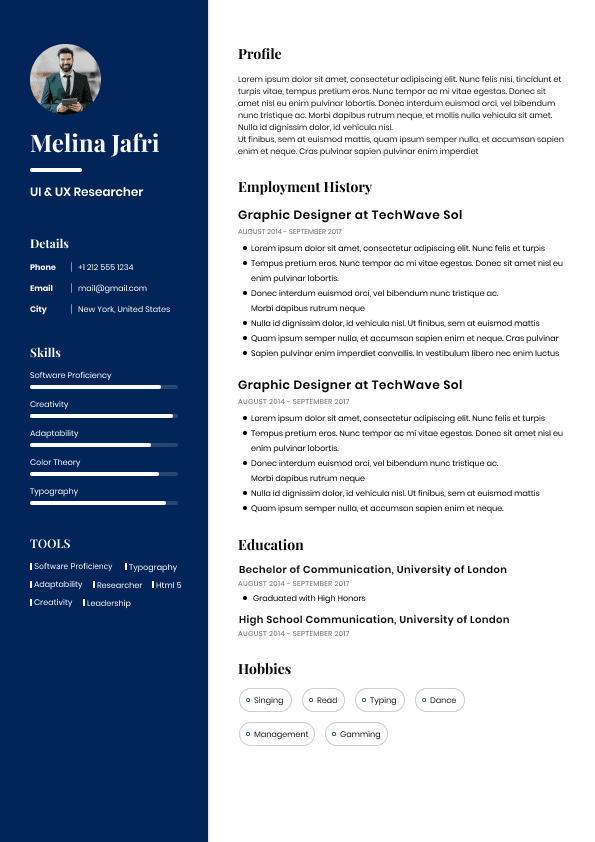
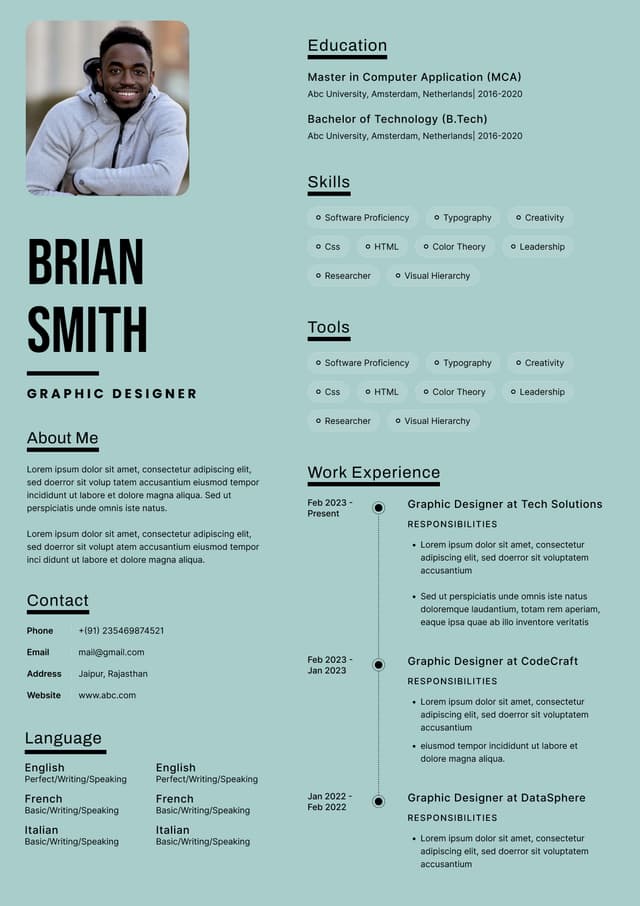
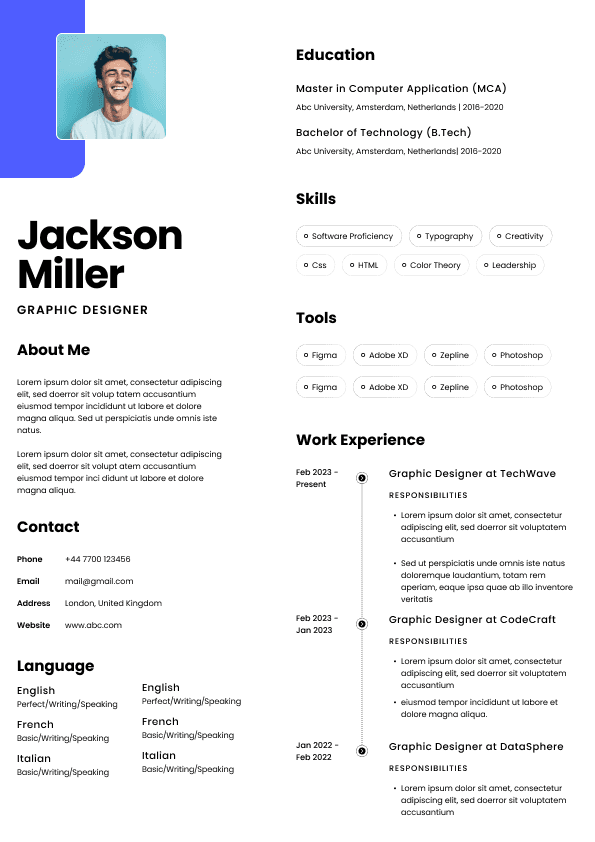

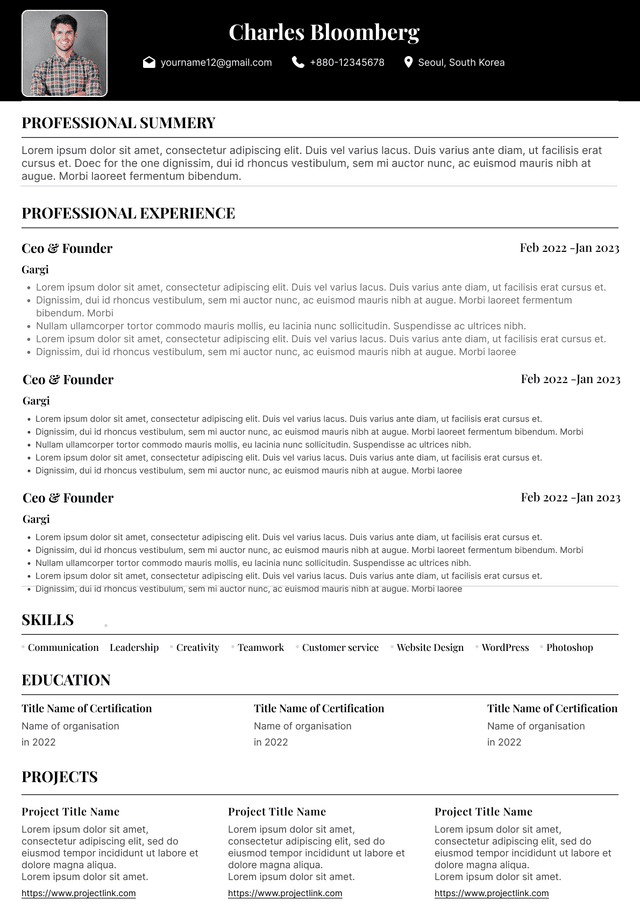
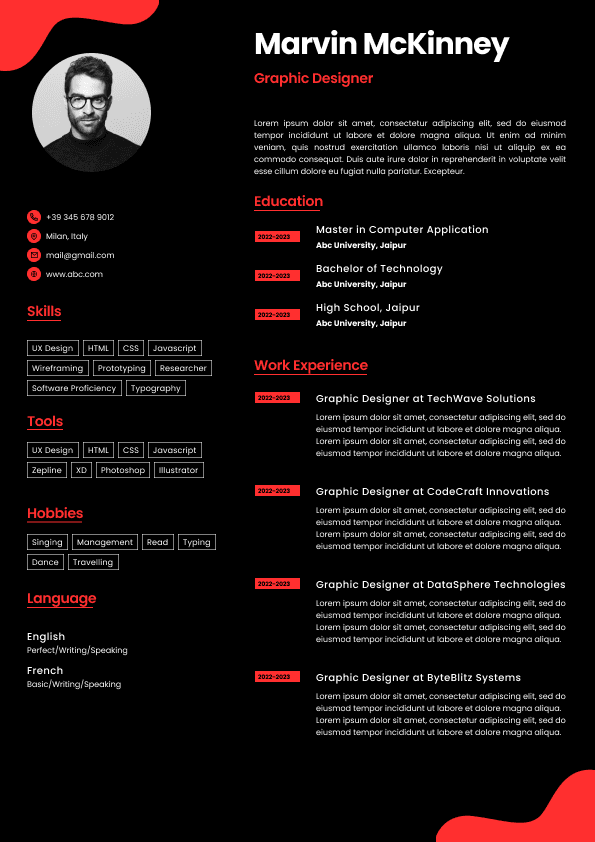
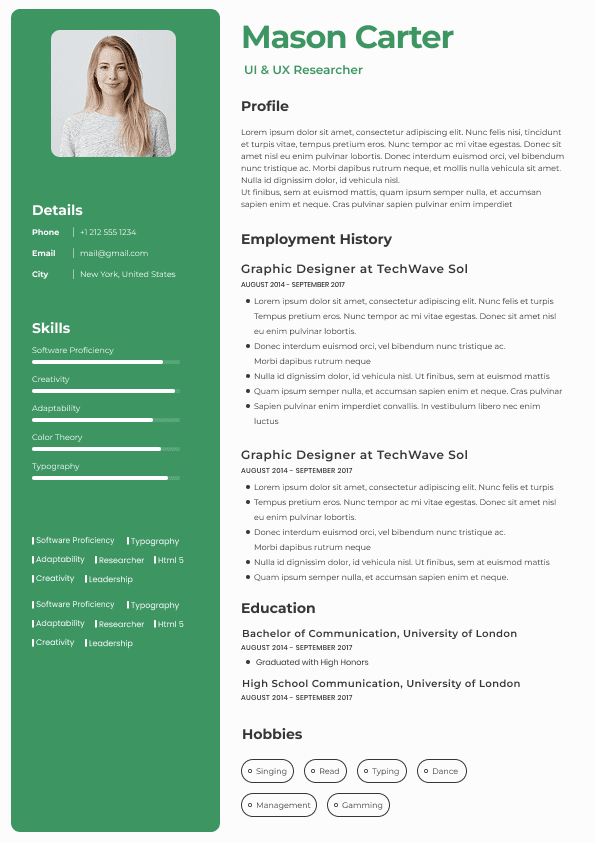
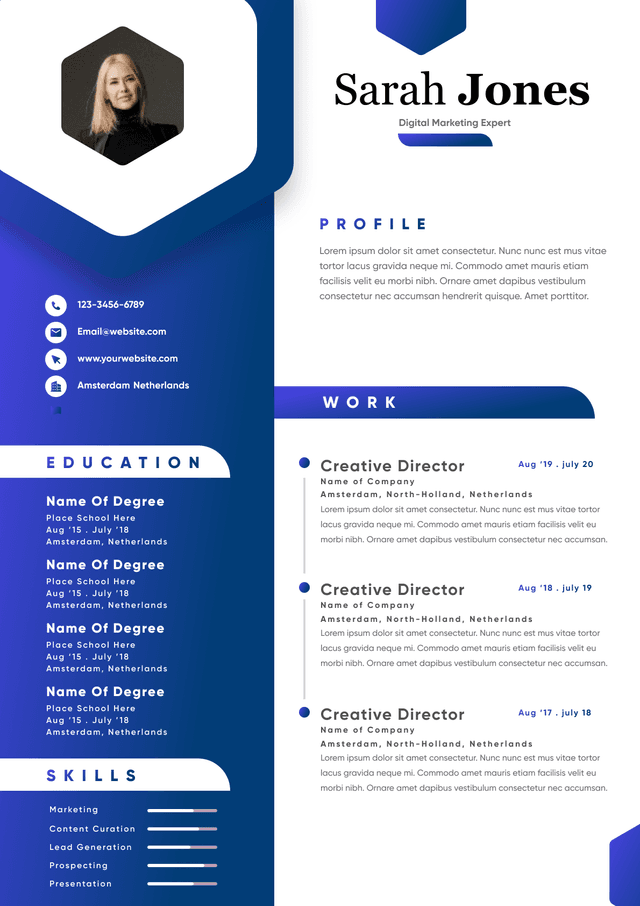
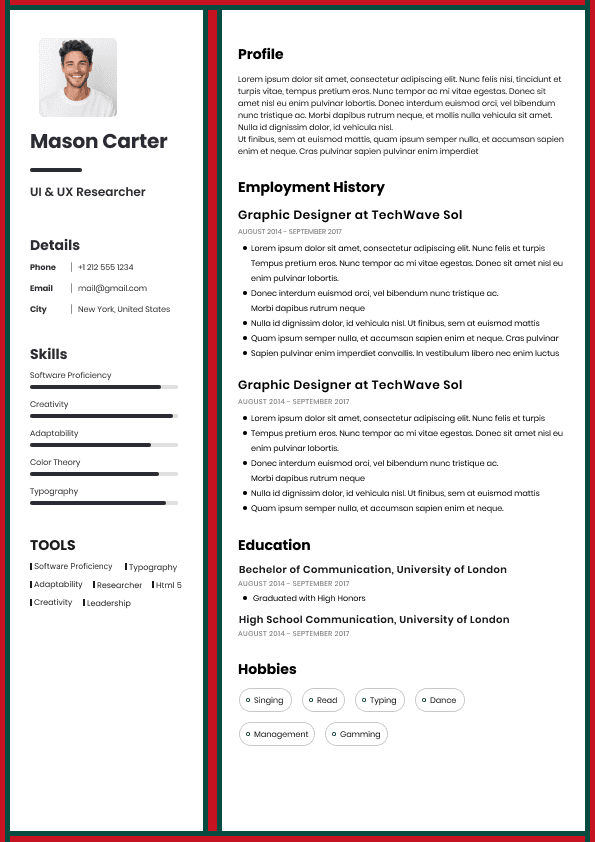
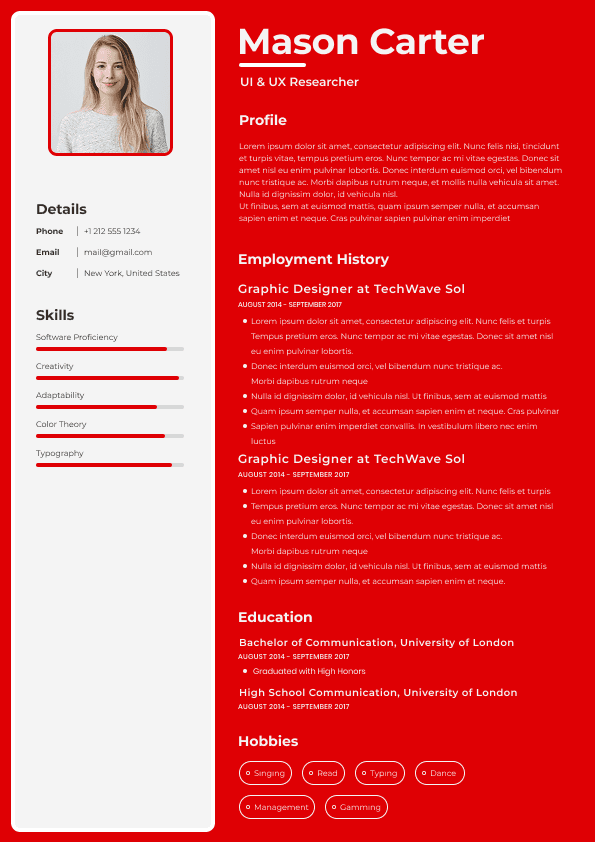
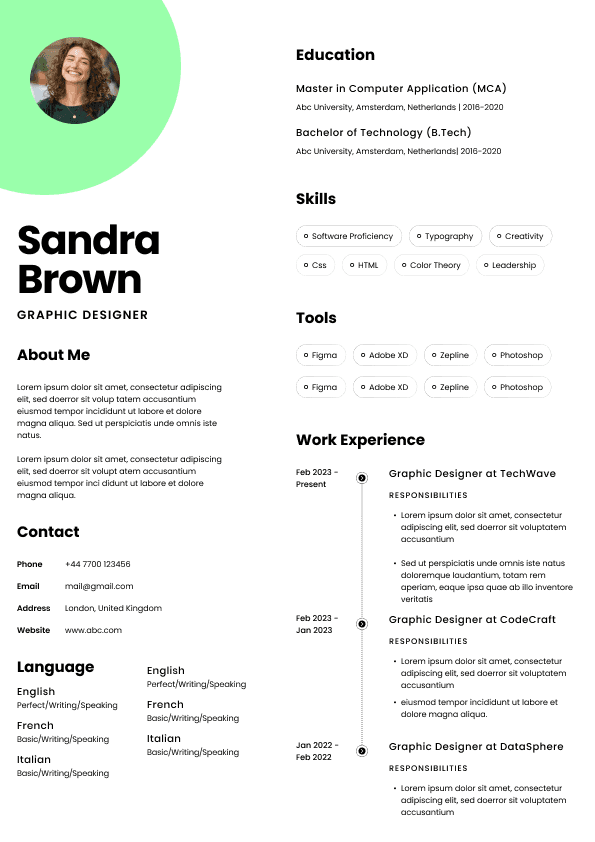
 Upload Resume
 Import from Linkedin