STILL APPLYING. STILL HEARING NOTHING?BUILD YOUR RESUME

STILL APPLYING. STILL HEARING NOTHING?BUILD YOUR RESUME
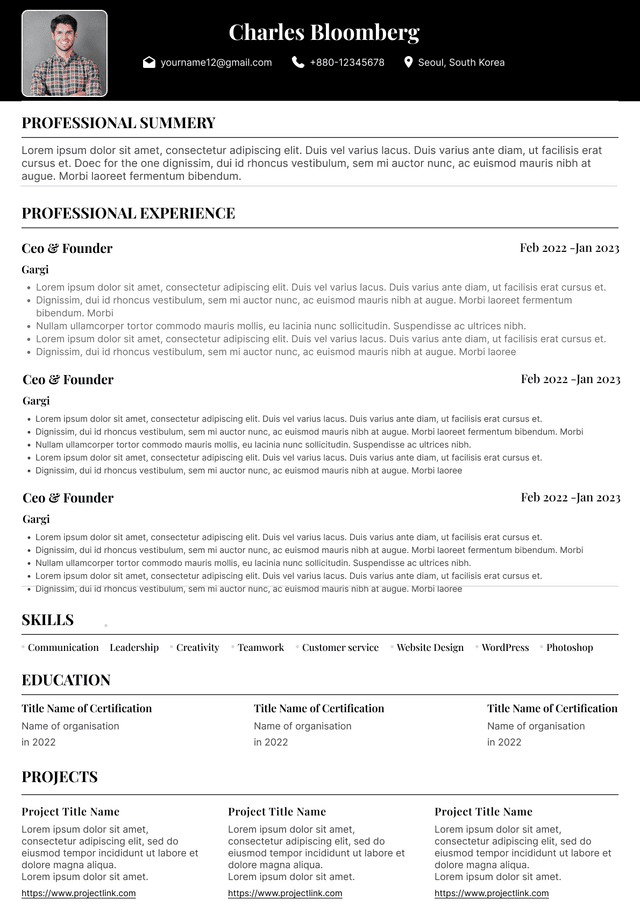
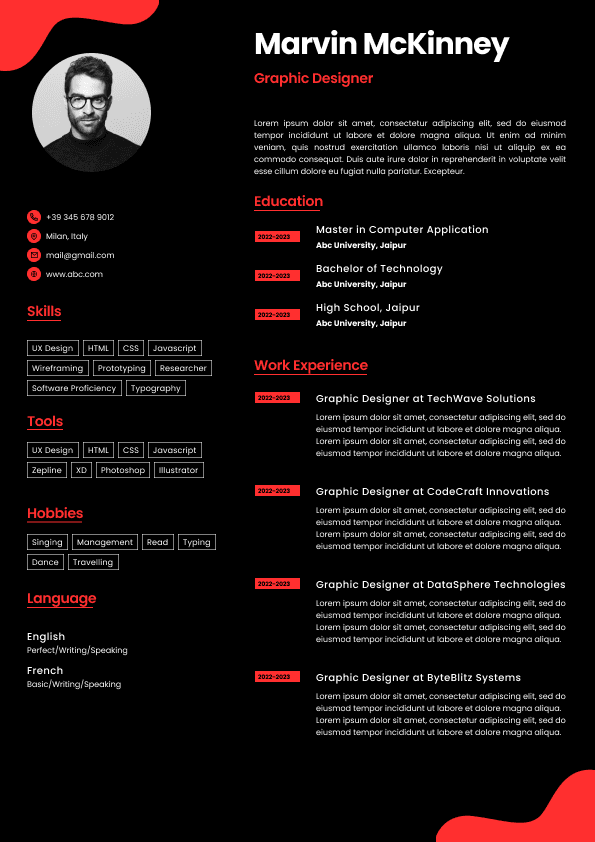
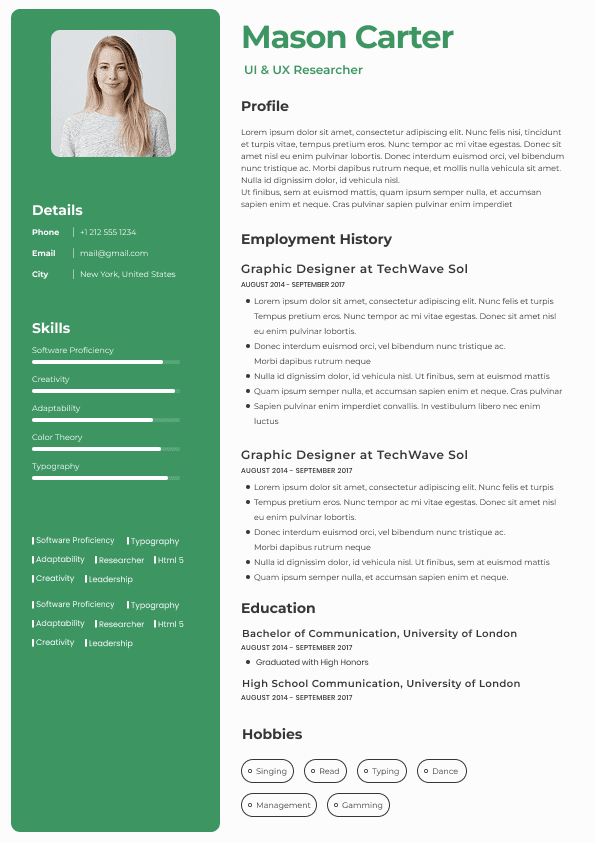
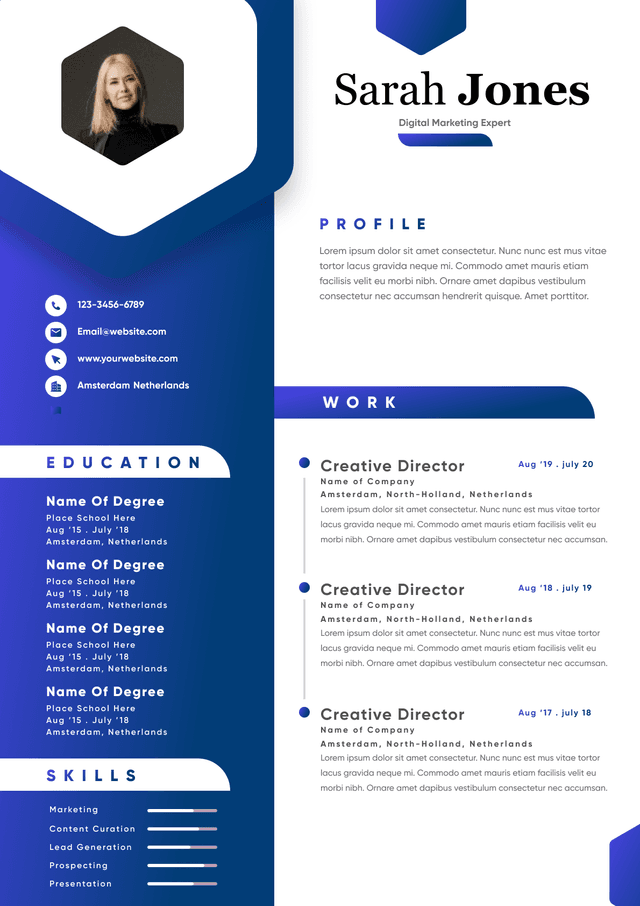
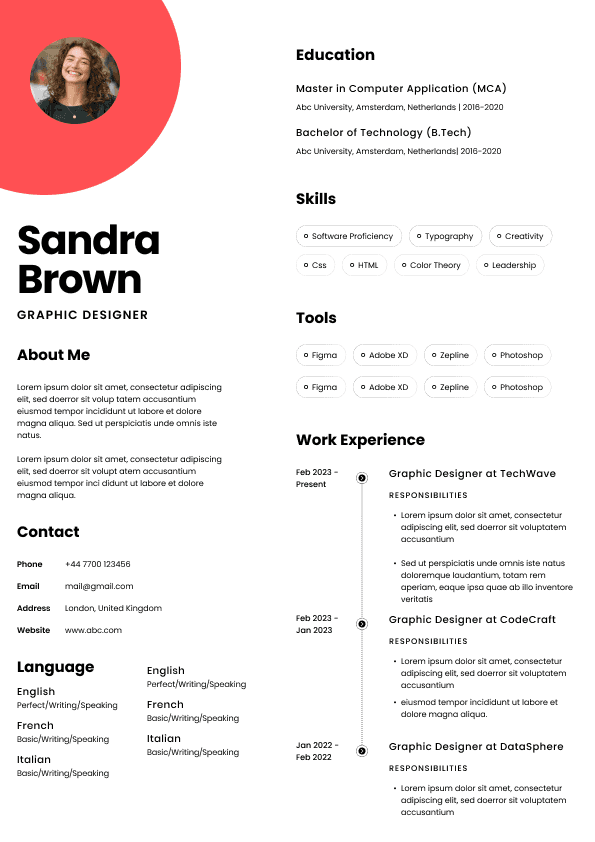
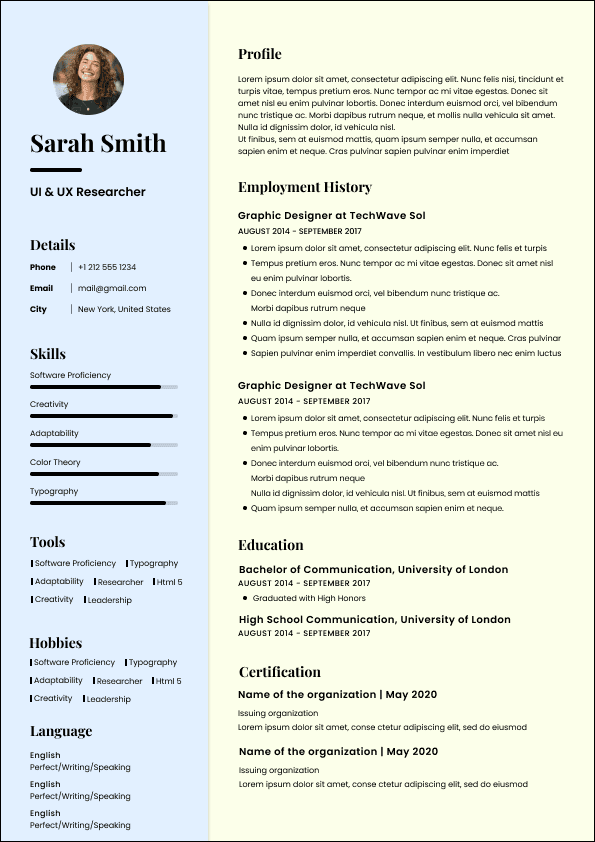
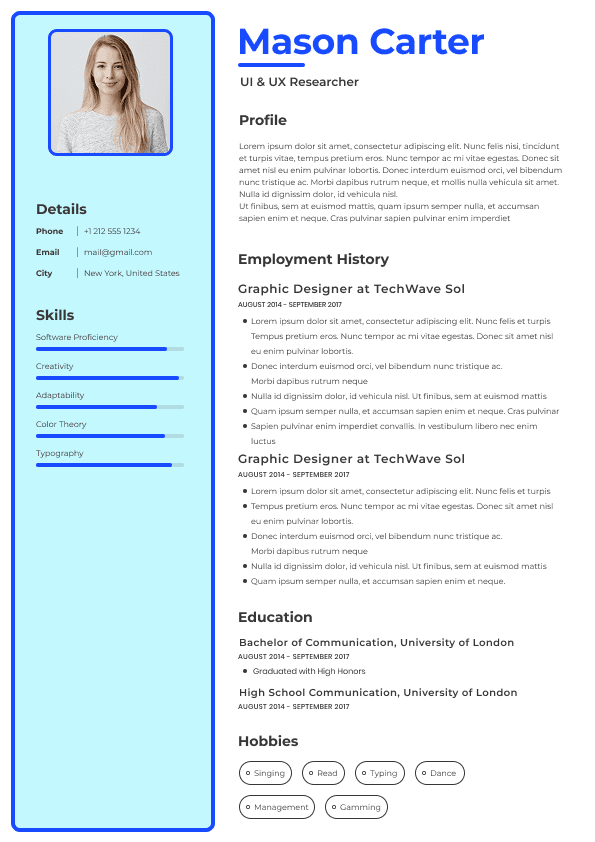
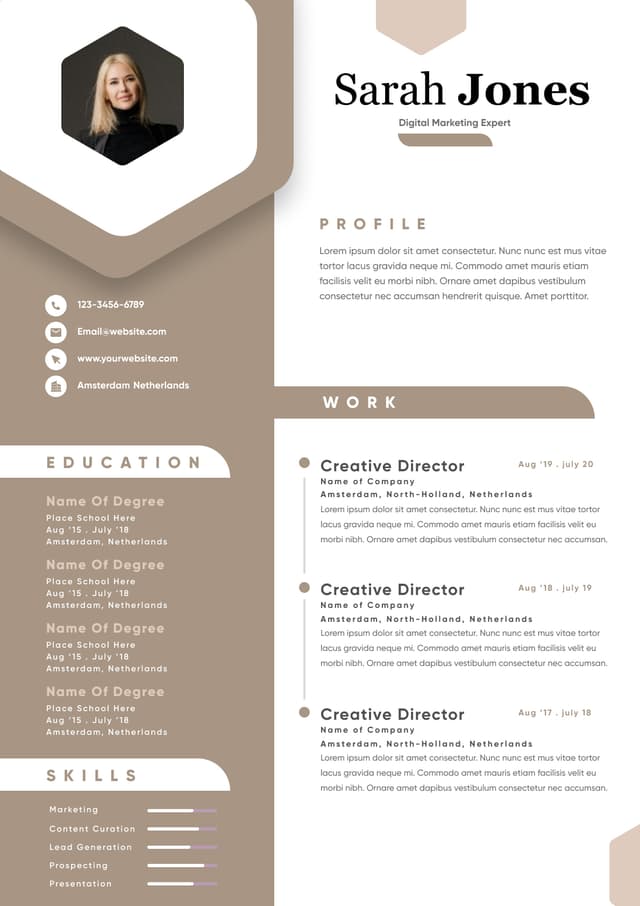
Choose from a wide range of NEWCV resume templates and customize your NEWCV design with a single click.
FAQ
A strong JavaScript developer resume is not just a list of technologies. Recruiters and hiring managers evaluate whether your skills match the company’s stack, engineering maturity, product environment, and business needs. The best resumes demonstrate depth in modern JavaScript ecosystems, real-world problem solving, production-level development, collaboration, and the ability to ship scalable applications.
In today’s US hiring market, employers are prioritizing developers who can work across modern frontend frameworks, APIs, cloud deployment, performance optimization, testing, and cross-functional collaboration. Simply listing “JavaScript” and “React” is no longer enough. Your resume skills section must communicate technical range, production readiness, and engineering impact in a way that aligns with ATS filters and recruiter screening behavior.
This guide breaks down the exact JavaScript developer resume skills that matter most in 2026, including hard skills, soft skills, operational abilities, and strategic keyword usage that improve interview conversion rates.
Most recruiters spend less than 15 seconds on an initial resume scan. During that scan, they look for three things:
Stack alignment
Technical credibility
Role fit
A hiring manager is not simply asking, “Does this person know JavaScript?”
They are asking:
Can this developer contribute to our current architecture?
Have they worked in production environments?
Can they collaborate with engineering teams effectively?
Do they understand modern frontend or backend workflows?
The strongest JavaScript developer resumes balance:
Core language fundamentals
Modern ecosystem tools
Software engineering practices
Business-impact capabilities
Below are the most valuable categories recruiters and hiring managers expect to see.
Core JavaScript knowledge remains one of the most heavily evaluated areas during technical screening.
Many candidates rely too heavily on frameworks without demonstrating actual JavaScript proficiency. Senior hiring managers immediately notice this weakness.
Key JavaScript fundamentals to include:
ES6+
Async/await
Promises
Closures
Scope and hoisting
Event loop
Modules
TypeScript has become a baseline expectation for many mid-level and senior JavaScript roles in the US market.
Companies increasingly associate TypeScript experience with:
Scalability
Maintainability
Enterprise readiness
Reduced production errors
Strong TypeScript resume skills include:
Interfaces
Generics
Utility types
Frontend development remains one of the largest JavaScript hiring segments.
However, employers now expect frontend engineers to understand performance, accessibility, scalability, and component architecture, not just UI building.
Most valuable frontend skills:
React
Next.js
Vue.js
Angular
HTML5
CSS3
Tailwind CSS
Modern JavaScript hiring increasingly favors developers who can work beyond frontend interfaces.
Even frontend-heavy roles often prefer candidates who understand backend architecture and API workflows.
Important backend JavaScript skills:
Node.js
Express.js
NestJS
REST APIs
GraphQL
Authentication
Middleware
Full stack JavaScript developers remain highly competitive in the US market because they reduce hiring complexity for companies.
Strong full stack resume skills include:
Frontend and backend development
API integration
Database management
Authentication systems
Deployment workflows
CI/CD pipelines
End-to-end debugging
Testing workflows
State management experience helps recruiters assess application complexity exposure.
Important state management tools:
Redux Toolkit
React Context
Zustand
MobX
Pinia
NgRx
Recoil
RTK Query
Database knowledge significantly improves candidate competitiveness, especially for full stack and backend-oriented roles.
Most valuable database skills:
PostgreSQL
MySQL
MongoDB
Redis
Prisma
Mongoose
SQL
Query optimization
Testing has become one of the clearest differentiators between junior and production-ready engineers.
Strong testing skills include:
Jest
Vitest
React Testing Library
Cypress
Playwright
Mocha
Chai
Unit testing
Modern JavaScript ecosystems rely heavily on tooling knowledge.
Important build and tooling skills:
Vite
Webpack
Babel
npm
Yarn
pnpm
ESLint
Prettier
Cloud and deployment skills are increasingly valuable, even for frontend-focused developers.
Top deployment and infrastructure skills:
AWS
Azure
Google Cloud Platform
Firebase
Docker
GitHub Actions
CI/CD pipelines
Vercel
Performance optimization is one of the most underrated resume differentiators.
High-value performance skills:
Core Web Vitals
Lighthouse optimization
Code splitting
Lazy loading
Bundle optimization
Image optimization
Caching strategies
CDN integration
Security awareness has become increasingly important across frontend and backend hiring.
Strong security-related skills include:
XSS prevention
CSRF protection
Input validation
Secure authentication
JWT
OAuth
OWASP awareness
API security
Technical ability alone rarely gets candidates hired.
Engineering hiring decisions often come down to collaboration, ownership, and communication.
Most valuable soft skills:
Problem-solving
Communication
Collaboration
Adaptability
Ownership
Critical thinking
Attention to detail
Operational skills are heavily underestimated by candidates but highly valued by engineering leaders.
These skills show readiness for real-world engineering environments.
Important operational skills:
Agile/Scrum workflows
Sprint planning
Code reviews
Pull request management
Production support
Technical documentation
Release management
ATS systems and recruiter keyword searches still heavily influence resume visibility.
Important JavaScript resume keywords include:
JavaScript
TypeScript
React
Next.js
Node.js
REST APIs
GraphQL
Redux
The best JavaScript resumes use layered skill organization.
JavaScript
TypeScript
HTML5
CSS3
React
Next.js
Long, unrealistic skill lists reduce credibility.
Senior recruiters can immediately recognize copied skill sections.
Older technologies without modern relevance can weaken positioning unless directly relevant to target roles.
Skills without demonstrated implementation create weak resumes.
Technical execution alone is not enough.
Hiring managers want to understand:
What you improved
What you shipped
What problems you solved
What measurable outcomes you created
Terms like:
Hard worker
Team player
Fast learner
provide little value without evidence.
The strongest JavaScript developer resumes align skills with target company environments.
Prioritize:
Full stack development
Ownership
Rapid iteration
Deployment skills
Product thinking
Prioritize:
TypeScript


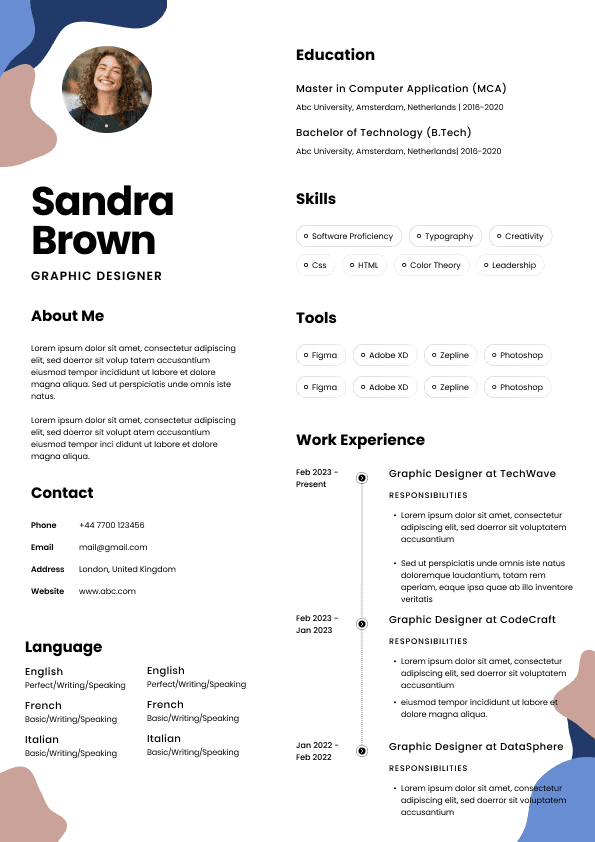
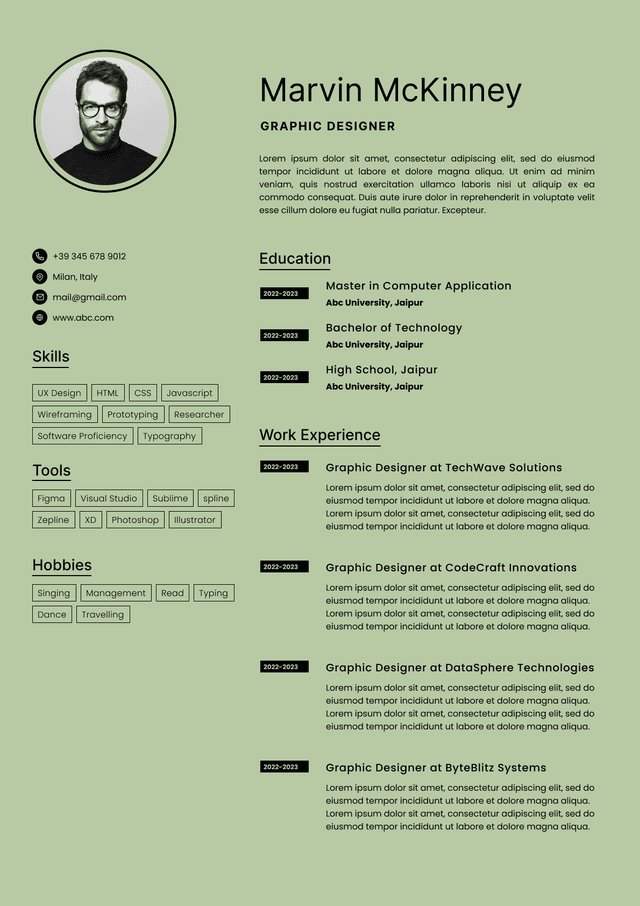
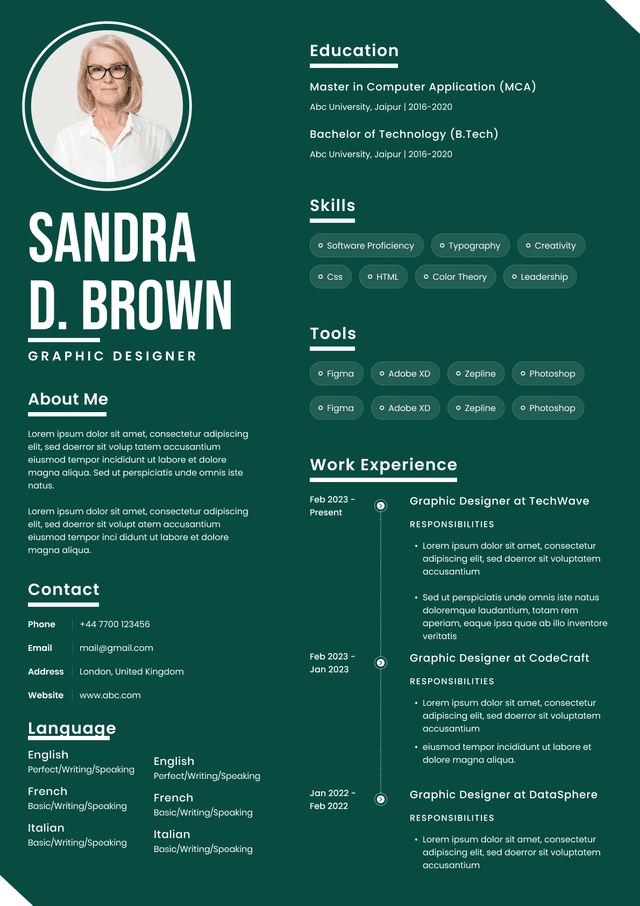
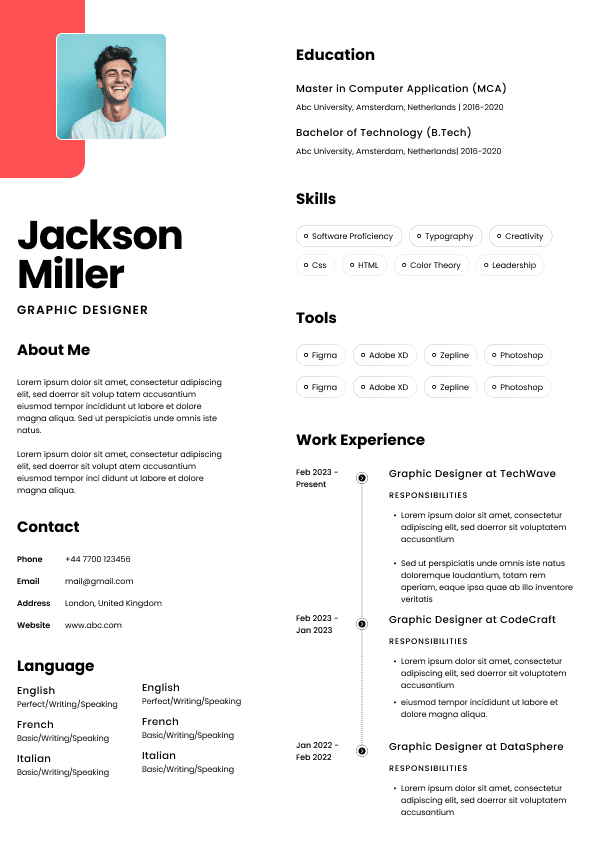
Use ATS-optimised Resume and resume templates that pass applicant tracking systems. Our Resume builder helps recruiters read, scan, and shortlist your Resume faster.

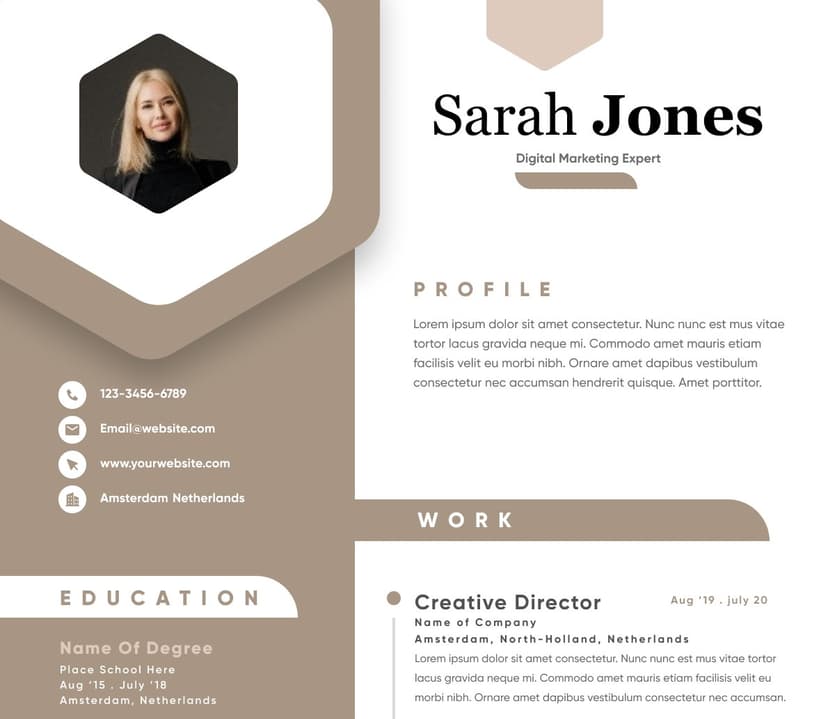
Use professional field-tested resume templates that follow the exact Resume rules employers look for.
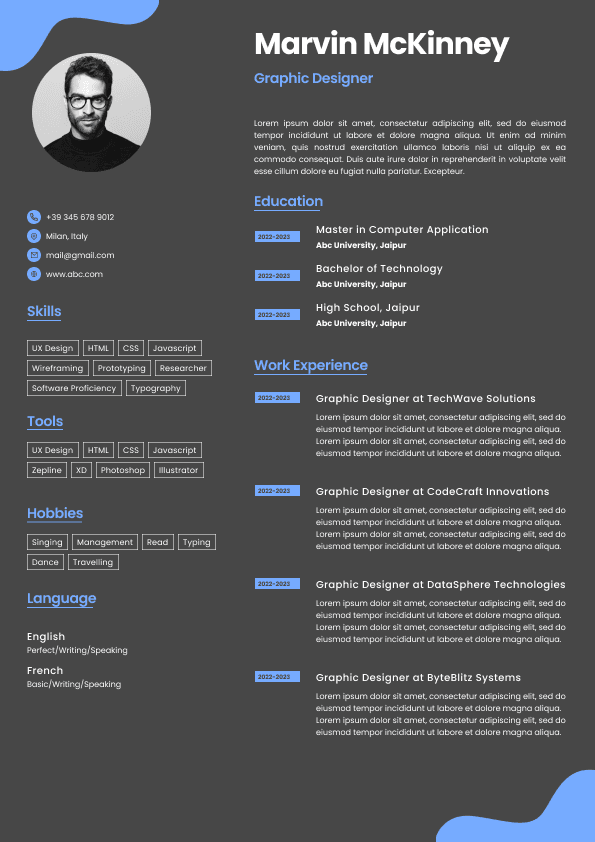
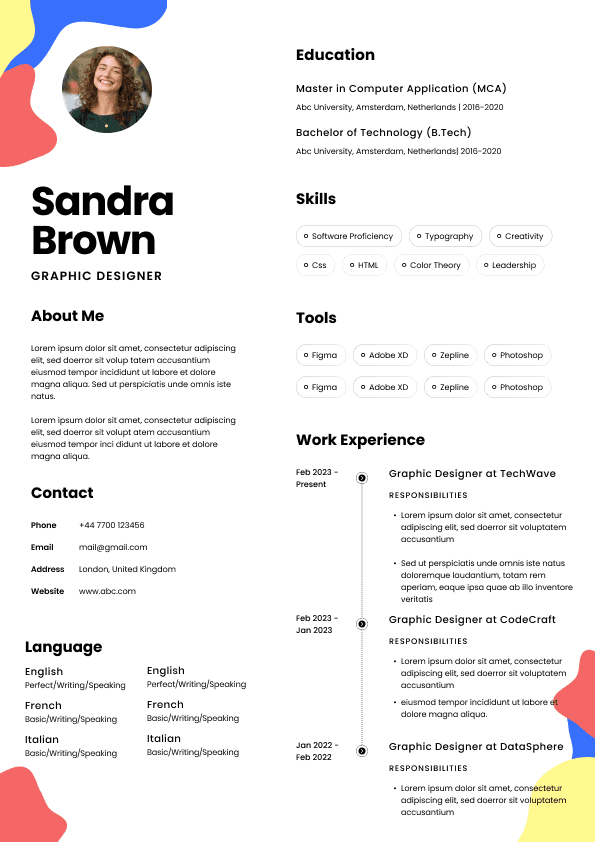
Create Resume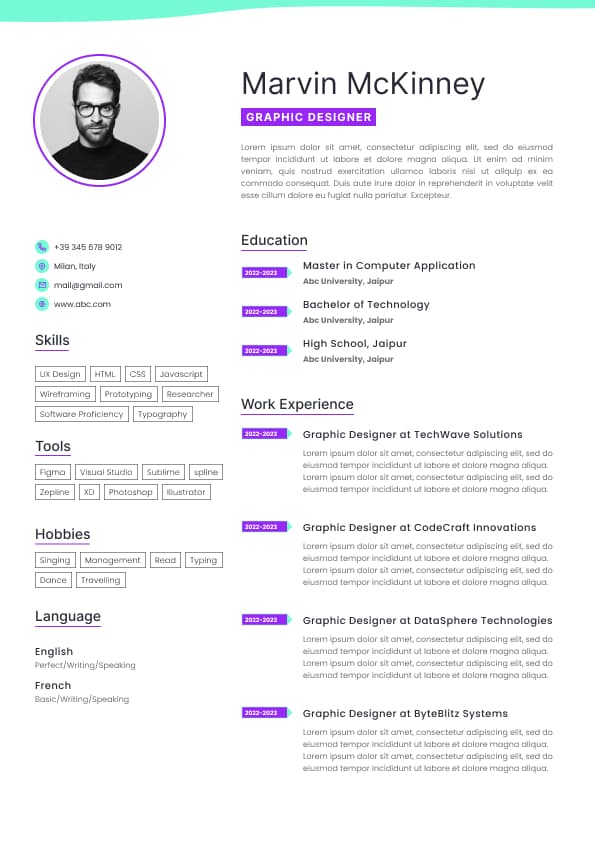
Use professional field-tested resume templates that follow the exact Resume rules employers look for.
Create ResumeWill they ramp up quickly without extensive training?
This is why strong JavaScript resumes combine:
Core language expertise
Framework-specific experience
Operational engineering skills
Collaboration and delivery abilities
Modern tooling familiarity
Candidates who only list technologies without context often look junior, even when they have years of experience.
DOM manipulation
Browser APIs
Fetch API
Functional programming concepts
Error handling
Debouncing and throttling
Event delegation
Object-oriented JavaScript
Memory management basics
Recruiters often search resumes for these exact terms because they signal engineering depth rather than tutorial-level framework familiarity.
A resume that demonstrates applied JavaScript skills in production systems.
Good Example
Generic skill dumping with no engineering context.
Weak Example
JavaScript
ES6
APIs
That looks shallow and keyword-stuffed.
Strict mode
Type-safe APIs
Type inference
Advanced typing patterns
Enums
Custom types
Type guards
Zod validation
Schema typing
Candidates who demonstrate TypeScript depth often outperform candidates with similar years of experience but weaker engineering structure.
When recruiters see “React” without TypeScript, many assume the candidate worked in smaller or less mature engineering environments.
Responsive design
Accessibility standards
Server-side rendering
Static site generation
Component-driven architecture
Design systems
Progressive web apps
Client-side routing
State management
API integration
Recruiters frequently search for:
React hooks
SSR
Hydration
Component libraries
Reusable UI components
Lighthouse optimization
Frontend architecture
These terms often separate interview-worthy resumes from generic frontend applications.
JWT
OAuth
WebSockets
Microservices
API security
Rate limiting
Session management
File uploads
Background jobs
Queue systems
Backend experience signals engineering maturity because it demonstrates understanding of:
System architecture
Security
Scalability
Data flow
Infrastructure dependencies
Candidates with both frontend and backend exposure often receive significantly more interview requests.
Cloud deployment
Monorepo architecture
Many candidates claim to be full stack developers but only possess superficial backend exposure.
Hiring managers look for evidence of:
Real backend ownership
Production deployment
Database work
API design
Security implementation
Without those signals, “full stack” loses credibility quickly.
State management complexity typically increases with:
Team size
Product scale
Application complexity
User interaction depth
Recruiters often associate advanced state management experience with larger production systems.
Database indexing
ORM tools
Data modeling
Transactions
Aggregation pipelines
Many developers list databases without demonstrating actual usage.
Weak Example
MongoDB
PostgreSQL
Good Example
Specific engineering outcomes create credibility.
Integration testing
End-to-end testing
TDD
Mocking
Snapshot testing
Companies increasingly prioritize developers who can maintain engineering quality independently.
Testing experience signals:
Reliability
Engineering discipline
Maintainability awareness
Reduced QA dependency
Monorepos
Turborepo
Package management
Environment configuration
These skills help hiring managers evaluate whether candidates can contribute effectively to modern engineering workflows.
Netlify
Kubernetes basics
Infrastructure automation
Modern engineering teams want developers who can:
Own deployments
Troubleshoot production issues
Understand hosting environments
Collaborate with DevOps teams
Developers who only code locally without deployment exposure often struggle in modern engineering environments.
Tree shaking
Render optimization
Performance-focused developers often stand out because many candidates completely ignore this area.
Performance optimization signals:
Product thinking
User awareness
Engineering maturity
Scalability understanding
Secure session handling
Role-based access control
Security keywords alone are not enough.
Employers look for candidates who understand:
Real implementation practices
Common vulnerabilities
Authentication workflows
Secure API communication
Time management
Mentoring
Documentation
User empathy
Product thinking
Many resumes list generic soft skills without evidence.
Instead of creating a separate soft skills section, integrate them naturally into experience bullets.
Weak Example
Good Example
The second version demonstrates the skill rather than merely claiming it.
Browser debugging
Incident response
Backlog refinement
Technical debt management
Engineering estimation
Cross-functional collaboration
Hiring managers are not only hiring coders.
They are hiring engineers who can function effectively within delivery environments.
Operational skills signal:
Team readiness
Production awareness
Engineering maturity
Process familiarity
MongoDB
PostgreSQL
AWS
Docker
Jest
CI/CD
Agile
Full stack development
Responsive design
Authentication
API integration
Web performance optimization
Do not keyword stuff.
Modern recruiters quickly reject resumes that feel artificially optimized.
Instead:
Match keywords to actual experience
Use natural phrasing
Align skills with accomplishments
Mirror terminology from job descriptions when accurate
Redux Toolkit
Tailwind CSS
Node.js
Express.js
GraphQL
REST APIs
PostgreSQL
MongoDB
Redis
Jest
Cypress
Vite
Webpack
GitHub Actions
AWS
Docker
Vercel
CI/CD pipelines
This structure improves:
ATS readability
Recruiter scanning speed
Technical clarity
Stack alignment visibility
Scalability
Architecture
Testing
Security
Documentation
CI/CD
Prioritize:
User experience
Performance optimization
Accessibility
Experimentation
Collaboration
Resume skill positioning should match the employer’s engineering priorities.




 Upload Resume
 Import from Linkedin