
Choose from a wide range of NEWCV resume templates and customize your NEWCV design with a single click.

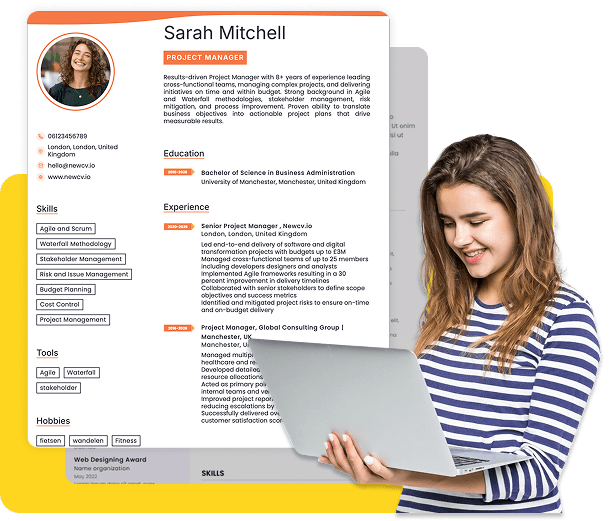
Use ATS-optimised Resume and resume templates that pass applicant tracking systems. Our Resume builder helps recruiters read, scan, and shortlist your Resume faster.

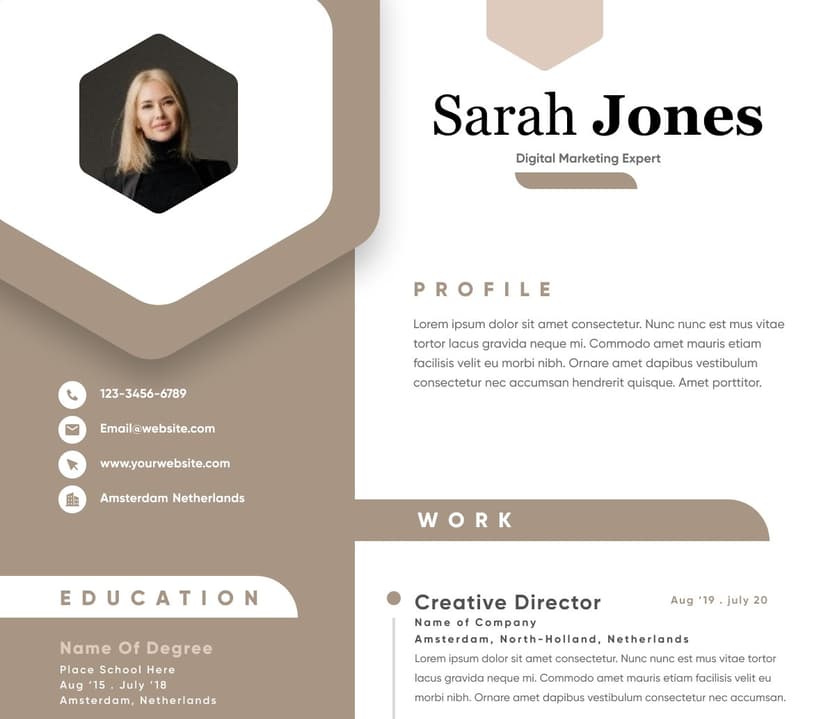
Use professional field-tested resume templates that follow the exact Resume rules employers look for.
Create Resume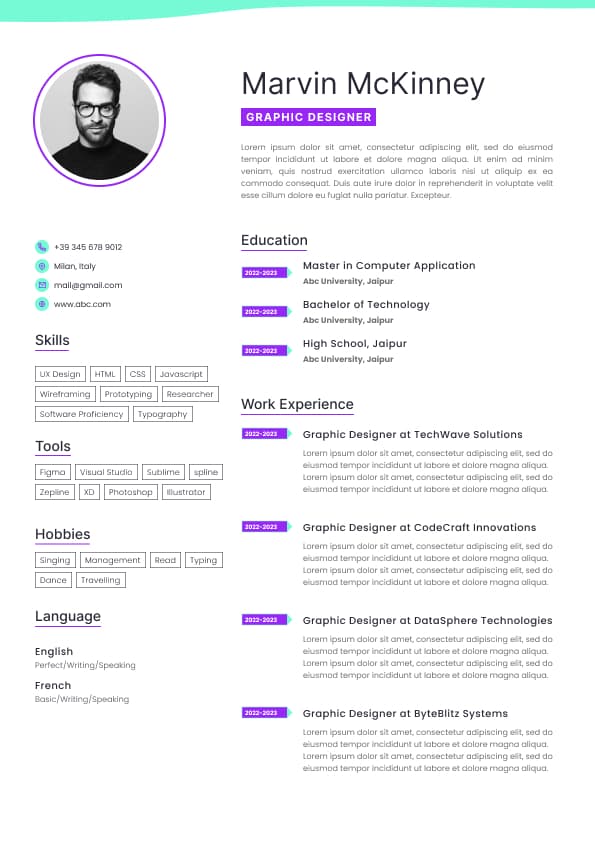
Use professional field-tested resume templates that follow the exact Resume rules employers look for.
Create ResumeA functional resume can work in Australia, but only in very specific situations. Most Australian recruiters and hiring managers still strongly prefer a chronological resume because it shows career progression, stability, and recent experience quickly. A poorly structured functional resume often raises red flags, especially if it appears to hide employment gaps, job hopping, performance issues, or outdated experience.
That said, a functional resume can be effective for career changers, returning parents, mature-age workers, graduates with transferable skills, people re-entering the workforce, or candidates moving industries. The key is knowing how Australian recruiters actually assess resumes and building a format that highlights strengths without damaging credibility.
The biggest mistake candidates make is treating a functional resume as a way to “hide” weaknesses. Australian recruiters spot that immediately. The best functional resumes are transparent, strategically structured, ATS-friendly, and still include enough career history to establish trust.
This guide explains exactly when a functional resume works in Australia, when it hurts your chances, how recruiters evaluate it, and how to structure one properly for modern Australian hiring practices.
A functional resume focuses primarily on skills, capabilities, and achievements rather than detailed chronological work history.
Instead of leading with dates and job titles, the document is structured around skill categories such as:
Project Management
Customer Service
Stakeholder Engagement
Operations
Leadership
Administration
Sales
Technical Skills
The employment history section is usually shorter and placed lower on the page.
This differs from a chronological resume, which follows a traditional career timeline and is still the dominant format across most Australian industries.
This is where most online advice gets unrealistic.
Many generic career sites claim functional resumes are “preferred” for career changers or employment gaps. In reality, most Australian recruiters approach functional resumes cautiously because they are commonly associated with:
Employment gaps
Frequent job changes
Poor performance history
Outdated experience
Lack of progression
Career instability
Candidates attempting to hide something
Recruiters screen resumes quickly. On first review, they want immediate answers to:
What does this person do?
Where have they worked?
How recent is their experience?
What level are they operating at?
Is their background stable and credible?
A heavily skills-based resume that avoids timelines often creates friction instead of clarity.
That does not mean functional resumes never work. It means they only work when strategically justified.
A functional resume can be highly effective when the dominant hiring challenge is transferable capability rather than direct linear experience.
This is the strongest use case.
If you are moving from one industry into another, a functional structure helps reposition transferable skills before recruiters dismiss your background too early.
For example:
Retail manager transitioning into HR
Teacher moving into corporate learning and development
Hospitality supervisor entering customer success
Defence personnel moving into civilian leadership roles
In these cases, leading with skills helps frame relevance before recruiters focus on industry differences.
Australian employers are generally more understanding of career breaks today than many candidates realise.
However, unexplained gaps still create screening questions.
A functional resume can help redirect attention toward capability and readiness rather than timeline interruptions, especially for:
Parents returning to work
Carers
Candidates recovering from illness
Mature-age professionals re-entering employment
The key is transparency. Avoid attempting to completely conceal gaps.
Graduates, entry-level candidates, or people changing from casual work into professional employment may benefit from a skills-first structure.
This works particularly well when candidates have:
Internship experience
Volunteer work
Transferable soft skills
Freelance projects
Leadership activities
University project work
Some candidates have highly fragmented career histories that look unstable in chronological format despite strong capability.
Examples include:
Freelancers
Consultants
Creative professionals
Project-based contractors
Interim specialists
A functional structure can consolidate capability more effectively when paired with a concise career timeline.
This is the part most career blogs avoid discussing honestly.
Executive recruiters and hiring managers almost always expect chronological resumes.
Leadership hiring is heavily based on:
Career progression
Scope growth
Team size increases
Revenue accountability
Organisational complexity
Tenure stability
A functional resume removes the evidence decision-makers actually want.
For senior roles, it often damages credibility immediately.
Industries such as:
Engineering
Finance
IT
Construction
Government
Healthcare
typically rely heavily on recent, role-specific experience.
Recruiters want to assess:
Technical progression
System exposure
Industry relevance
Compliance history
Project recency
Functional resumes often make this difficult.
This is the biggest failure pattern.
Recruiters can usually tell when candidates are attempting to mask:
Terminations
Long unexplained gaps
Excessive short tenures
Lack of progression
Irrelevant experience
Once trust drops, the resume becomes much harder to recover from.
A strategic resume manages concerns honestly rather than trying to disguise them completely.
In Australia, the hybrid resume is usually the strongest option.
This combines:
A strong skills-focused opening
Relevant achievements and competencies
A concise but visible chronological work history
This approach works because it balances:
Recruiter trust
ATS compatibility
Skill positioning
Career transparency
Most successful “functional resumes” that actually perform well in the Australian market are technically hybrid resumes.
Include:
Full name
Mobile number
Professional email
LinkedIn profile
Location (suburb/city only)
Do not include:
Date of birth
Photo
Marital status
Nationality
Full address
These are unnecessary in Australian hiring.
Your opening summary matters heavily because recruiters are trying to understand your positioning quickly.
Focus on:
Core capability
Industry alignment
Transferable strengths
Career direction
Value proposition
“Hardworking professional seeking opportunities to utilise my skills.”
This says nothing meaningful.
“Customer-focused operations professional with 8+ years’ experience leading high-volume hospitality teams, stakeholder communication, workforce coordination, and service delivery. Transitioning into customer success and account management roles with strong strengths in client relationships, problem-solving, and team leadership.”
This immediately establishes relevance.
Group skills strategically rather than creating long keyword lists.
Stakeholder Engagement
Team Leadership
Conflict Resolution
Operations Coordination
CRM Systems
Workforce Scheduling
Customer Retention
Process Improvement
Avoid generic filler like:
Hard worker
Team player
Motivated
Fast learner
Australian recruiters largely ignore vague soft-skill clichés unless backed by evidence.
This is where most functional resumes either succeed or fail.
Do not simply list skills.
Demonstrate outcomes.
“Strong communication skills.”
“Managed escalated customer complaints across a high-volume hospitality venue, improving repeat customer satisfaction and supporting a 15% increase in returning bookings.”
Outcomes build credibility.
Even functional resumes in Australia should still include employment history.
Keep it concise but visible.
Include:
Job title
Company
Location
Dates
You can minimise detail, but removing work history entirely creates distrust.
Operations Supervisor
ABC Hospitality Group – Melbourne
2020–2024
Retail Team Leader
XYZ Retail – Melbourne
2017–2020
Include:
Degrees
Diplomas
TAFE qualifications
Industry certifications
Licences where relevant
Only include short courses if genuinely relevant.
Many candidates overlook this entirely.
ATS systems in Australia are increasingly sophisticated, but chronological structure still performs better for parsing and ranking consistency.
Functional resumes can create issues when:
Dates are unclear
Job titles are buried
Experience chronology is fragmented
Keywords lack context
Career progression cannot be interpreted properly
To improve ATS compatibility:
Use standard section headings
Keep job titles visible
Avoid tables and graphics
Maintain clear formatting
Include employment dates
A hybrid structure is usually safest.
Recruiters often become cautious when they see:
Missing employment dates
No clear career progression
Overly broad skills claims
Generic competency sections
Lack of measurable outcomes
Extremely short work history section
Skills unsupported by evidence
Heavy keyword stuffing
The more defensive a resume feels, the more suspicion it creates.
Good resumes reduce uncertainty.
Functional resumes are more accepted in:
Customer service
Administration
Hospitality
Retail
Community services
Entry-level corporate roles
Creative industries
Startups
Freelance-based careers
They are less effective in highly regulated or technical industries.
Hiring managers generally care less about format and more about risk.
Their main questions are:
Can this person do the job?
Will they integrate quickly?
Are they credible?
Is their experience recent enough?
Does the resume feel transparent?
A good functional resume reduces perceived hiring risk.
A bad one increases it.
Many functional resumes become vague because candidates remove too much context.
Specificity wins.
Anyone can claim leadership, communication, or project management.
Hiring managers want proof.
This immediately creates suspicion in Australian recruitment.
Recruiters skim quickly.
Dense text lowers readability and hurts engagement.
Different industries expect different resume structures.
A creative marketing candidate has more flexibility than a senior accountant applying for ASX-listed corporate roles.
| Resume Type | Best For | Risk Level |
|---|---|---|
| Chronological Resume | Most Australian jobs | Lowest |
| Functional Resume | Career changes, gaps, transferable skills | Moderate |
| Hybrid Resume | Most modern candidates | Best overall balance |
For most candidates, the hybrid resume is the strongest strategic choice.
Recruiters are not looking for “perfect” careers.
They are looking for:
Credibility
Clarity
Relevance
Capability
Reduced hiring risk
Many candidates damage their resumes by trying too hard to hide weaknesses.
In Australian hiring culture, transparency combined with strong positioning usually performs better than avoidance.
A concise explanation of a career change or gap often works far better than attempting to obscure it through formatting tricks.
Use a functional resume only if it solves a genuine positioning problem better than chronological format.
It can work well if:
You are changing careers
You have transferable skills
You are returning to work
Your experience is fragmented but strong
Your recent experience is less relevant than your broader capability
Avoid it if:
You have strong linear progression
You work in technical or regulated industries
You are applying for senior leadership roles
Your chronology strengthens your candidacy
For most Australian job seekers, a hybrid resume provides the strongest balance of recruiter trust, ATS compatibility, and strategic positioning.


 Upload Resume
 Import from Linkedin