
Choose from a wide range of NEWCV resume templates and customize your NEWCV design with a single click.

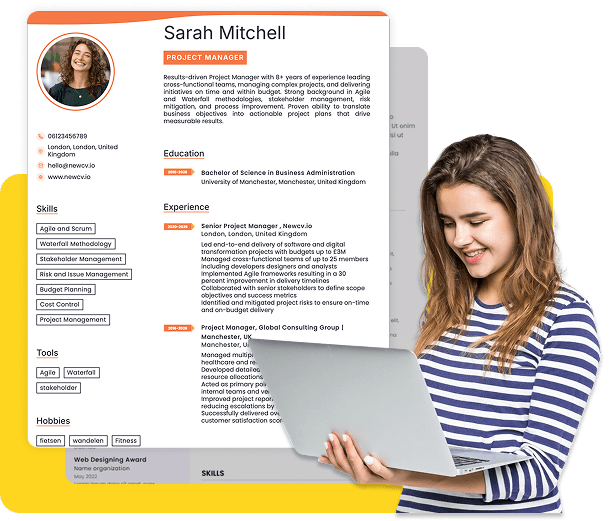
Use ATS-optimised Resume and resume templates that pass applicant tracking systems. Our Resume builder helps recruiters read, scan, and shortlist your Resume faster.

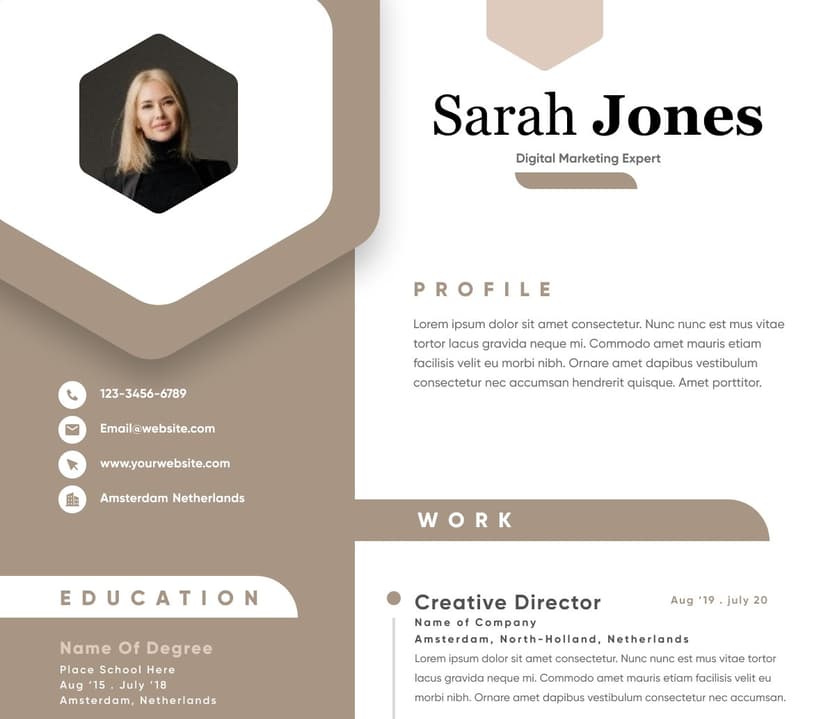
Use professional field-tested resume templates that follow the exact Resume rules employers look for.
Create Resume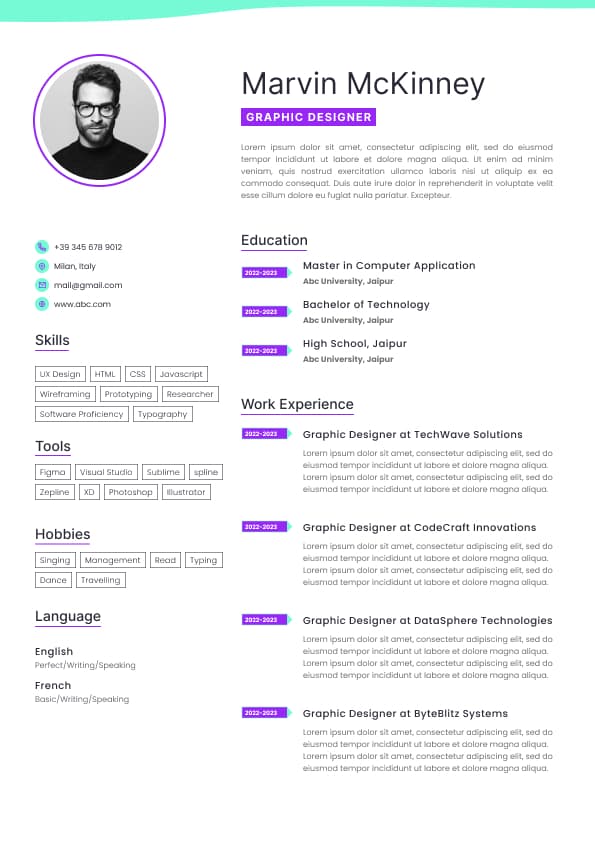
Use professional field-tested resume templates that follow the exact Resume rules employers look for.
Create ResumeA strong healthcare resume in Australia is not just a list of clinical duties. Hiring managers and recruiters look for evidence that you can work safely, communicate clearly, manage patient care standards, and operate effectively within Australian healthcare environments. Whether you are applying for hospital roles, aged care positions, allied health jobs, disability support work, or private practice opportunities, your resume needs to demonstrate clinical competence, compliance, and workplace reliability within seconds.
Most healthcare resumes fail because they are too generic, too task-focused, or poorly aligned with Australian hiring expectations. Recruiters scan healthcare resumes extremely quickly, especially during high-volume recruitment campaigns. If your resume does not immediately show registration status, relevant experience, care setting alignment, and measurable impact, you are likely to miss shortlist consideration even if you are qualified.
This guide explains exactly how Australian healthcare recruiters evaluate resumes, what employers prioritise, and how to structure a healthcare resume that actually gets interviews.
Healthcare recruitment in Australia is highly compliance-driven. Unlike many other industries, recruiters are not only assessing skills. They are also evaluating risk, patient safety, registration requirements, and workplace readiness.
Within the first 15 to 30 seconds, recruiters typically look for:
Relevant healthcare role alignment
Current AHPRA registration or certifications
Clinical or patient-facing experience
Australian healthcare experience
Care setting relevance
Communication and documentation capability
Shift flexibility and availability
The reverse chronological resume format performs best for healthcare roles in Australia.
This format allows recruiters to quickly assess:
Your most recent healthcare experience
Clinical progression
Relevant healthcare environments
Employment continuity
Registration currency
Scope of practice
Avoid functional resumes unless you are changing careers entirely. Functional formats often create suspicion because recruiters cannot easily assess your actual clinical experience timeline.
Your healthcare resume should generally include:
Compliance checks and mandatory training
Stability and reliability
ATS readability and resume clarity
If these details are difficult to find, your resume immediately becomes harder to shortlist.
One of the biggest mistakes candidates make is assuming qualifications alone are enough. In Australian healthcare hiring, employers care heavily about practical workplace performance, documentation standards, patient interaction, teamwork, and risk management.
Contact details
Professional summary
Key skills
Registrations and certifications
Professional experience
Education and qualifications
Technical systems and software
Professional development
Referees
Include:
Full name
Mobile number
Professional email address
LinkedIn profile if relevant
City and state
Do not include:
Date of birth
Marital status
Photo
Nationality unless visa clarification is necessary
Your summary should position you immediately for the specific healthcare role.
Strong healthcare summaries are:
Short and direct
Clinically relevant
Specific to the care environment
Evidence-based
Aligned to Australian healthcare expectations
“Hardworking healthcare worker with strong communication skills seeking a new opportunity.”
This says almost nothing.
“Compassionate and patient-focused Registered Nurse with 6+ years’ experience across acute care, surgical wards, and aged care settings within Australian healthcare environments. Skilled in medication administration, care planning, clinical documentation, and multidisciplinary collaboration. Current AHPRA registration with strong focus on patient safety, compliance, and high-quality care delivery.”
The second example instantly answers recruiter concerns around capability, relevance, and compliance.
This section matters enormously in Australian healthcare recruitment.
If recruiters cannot quickly confirm compliance requirements, many will move on immediately.
Include relevant items such as:
AHPRA registration
NDIS Worker Screening Check
National Police Check
Working With Children Check
First Aid certification
CPR certification
Manual handling training
Medication administration competency
Infection control training
Vaccination status if relevant
Place this section near the top if compliance is central to the role.
Most healthcare resumes fail in the experience section because candidates only describe duties.
Recruiters already know the duties of a nurse, support worker, or allied health professional.
What they want to know is:
How effectively you performed
The complexity of your environment
Your level of responsibility
Patient interaction quality
Documentation standards
Team collaboration
Outcomes and reliability
Assisted patients with daily activities
Managed medications
Worked with healthcare teams
Write this:
Delivered patient-centred care for up to 12 high-dependency residents per shift within a residential aged care facility
Administered medications safely in accordance with clinical governance and medication management protocols
Collaborated with multidisciplinary healthcare teams to support discharge planning and continuity of care
Maintained accurate electronic clinical documentation using Best Practice and Meditech systems
Supported infection prevention initiatives contributing to improved compliance audit outcomes
The second version demonstrates competence, scale, professionalism, and workplace value.
Australian healthcare employers commonly use Applicant Tracking Systems.
Your resume should naturally include role-specific terminology such as:
Patient-centred care
Clinical documentation
Medication administration
Care planning
Infection control
Risk assessment
Multidisciplinary team
Aged care standards
NDIS support
Electronic medical records
Clinical governance
Behaviour support
Acute care
Triage
Wound care
Manual handling
Rehabilitation support
Allied health coordination
Do not keyword stuff.
ATS optimisation works best when keywords appear naturally within real experience.
One major mistake candidates make is using the same resume for every healthcare role.
Australian healthcare employers assess relevance heavily.
A hospital recruiter and an aged care recruiter are often looking for completely different indicators.
Focus on:
Fast-paced environments
Clinical accuracy
Shift coordination
Emergency response
Documentation quality
Team collaboration
Patient flow management
Focus on:
Compassion and communication
Dementia support
Resident-centred care
Medication competency
Family communication
Emotional intelligence
Care plans and compliance
Focus on:
Behaviour support
Community access
Person-centred care
Manual handling
Emotional regulation
Incident reporting
Independence support
Focus on:
Treatment planning
Patient outcomes
Clinical assessment
Evidence-based practice
Stakeholder communication
Care coordination
Many healthcare candidates are qualified but still fail to secure interviews because of hidden recruiter concerns.
Healthcare recruiters see repetitive phrases constantly:
Team player
Hard worker
Passionate healthcare professional
Excellent communication skills
These phrases have almost no impact unless supported with evidence.
Healthcare settings matter enormously.
A candidate experienced in surgical wards is evaluated differently from someone experienced in residential disability support.
Always specify environments clearly.
Listing duties without context weakens your positioning.
Healthcare employers want evidence of:
Responsibility
Clinical judgment
Patient interaction quality
Workplace reliability
Documentation capability
Healthcare recruitment often moves quickly.
If your resume is difficult to scan, recruiters may skip it entirely.
Avoid:
Dense paragraphs
Excessive colours
Graphics and icons
Multiple columns
Tiny fonts
Tables that break ATS systems
For most healthcare professionals:
2 pages is ideal
3 pages may be acceptable for senior clinical professionals
1 page is usually too short unless you are entry-level
Recruiters do not reject resumes because they are “too long”.
They reject resumes because they are hard to assess.
Depth matters more than strict page count.
International healthcare professionals are common in Australia, but overseas experience is evaluated carefully.
Recruiters generally assess:
Transferability of skills
English communication standards
Healthcare system familiarity
Registration eligibility
Documentation standards
Local compliance understanding
If you have overseas experience:
Clearly state registration status
Include Australian placements if applicable
Mention local healthcare systems familiarity
Highlight transferable clinical standards
Avoid overly country-specific jargon
Yes, especially for competitive healthcare roles.
A strong healthcare cover letter helps explain:
Why you fit the care environment
Why you want that specific role
Your alignment with patient care values
Availability and flexibility
Motivation for healthcare sector transitions
However, your resume still carries most of the screening weight.
The cover letter supports shortlisting. It rarely rescues a weak resume.
Many candidates overload skills sections with generic soft skills.
Recruiters care more about demonstrated operational capability.
High-value healthcare resume skills include:
Clinical documentation
Medication administration
Care coordination
Infection prevention
Electronic medical records
Risk assessment
Patient advocacy
Manual handling
Wound care
Behaviour support
Clinical escalation
Team collaboration
Care planning
Patient education
Clinical systems proficiency
The best healthcare resumes integrate these skills naturally into experience sections instead of isolating them in keyword blocks.
To maximise ATS readability:
Use clear headings
Use standard fonts
Save as PDF unless Word is requested
Avoid text boxes
Avoid graphics
Keep formatting consistent
Use simple bullet structures
Use accurate job titles
Include keywords naturally
Many healthcare ATS systems still parse resumes poorly.
Simple formatting consistently performs better.
After reviewing thousands of healthcare resumes, the strongest candidates consistently do three things well:
Strong resumes explain:
Patient types
Care complexity
Team environments
Shift structures
Clinical exposure
This allows recruiters to assess fit rapidly.
Healthcare hiring managers are extremely risk-conscious.
Signs of reliability include:
Stable employment
Clear progression
Consistent compliance
Strong documentation experience
Accountability language
Strong healthcare resumes reflect professional communication standards.
Weak resumes often sound vague, generic, or copied from online templates.
Recruiters can spot template language instantly.
A highly effective healthcare resume usually follows this structure:
For example:
“Registered Nurse with 5+ years’ experience across acute surgical and rehabilitation settings, skilled in patient assessment, medication administration, and multidisciplinary care coordination. Current AHPRA registration with strong commitment to patient safety, clinical governance, and evidence-based care.”
This formula works because it aligns directly with recruiter screening priorities.
Before submitting your healthcare resume, confirm:
Your target role is obvious immediately
Registration status is visible
Experience is tailored to the care environment
Bullet points show outcomes, not just duties
ATS formatting is clean
Compliance credentials are current
Clinical systems are mentioned where relevant
Resume language sounds professional and credible
Keywords align with the job ad naturally
Spelling and formatting are error-free
A healthcare resume should reduce recruiter uncertainty.
The easier you make it for employers to assess capability and compliance, the stronger your shortlist chances become.


 Upload Resume
 Import from Linkedin