STILL APPLYING. STILL HEARING NOTHING?BUILD YOUR RESUME

STILL APPLYING. STILL HEARING NOTHING?BUILD YOUR RESUME
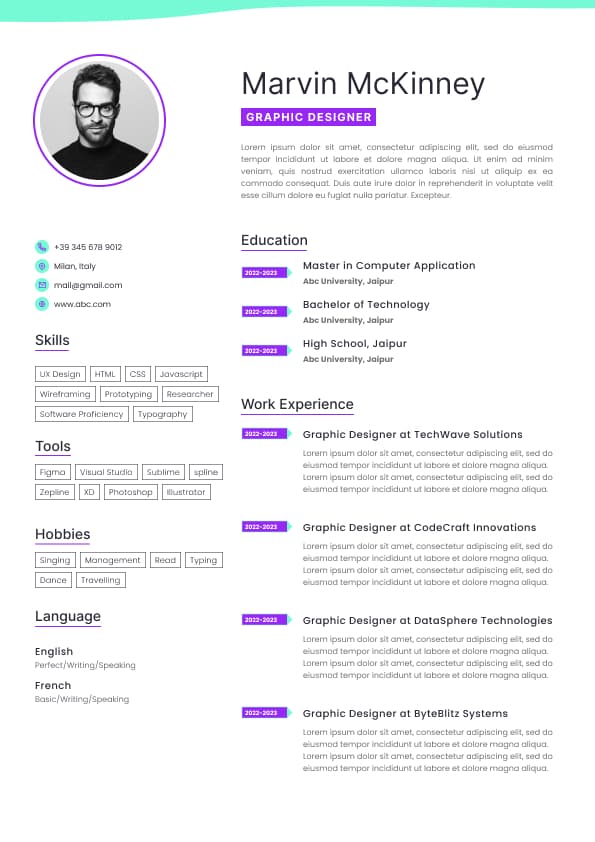
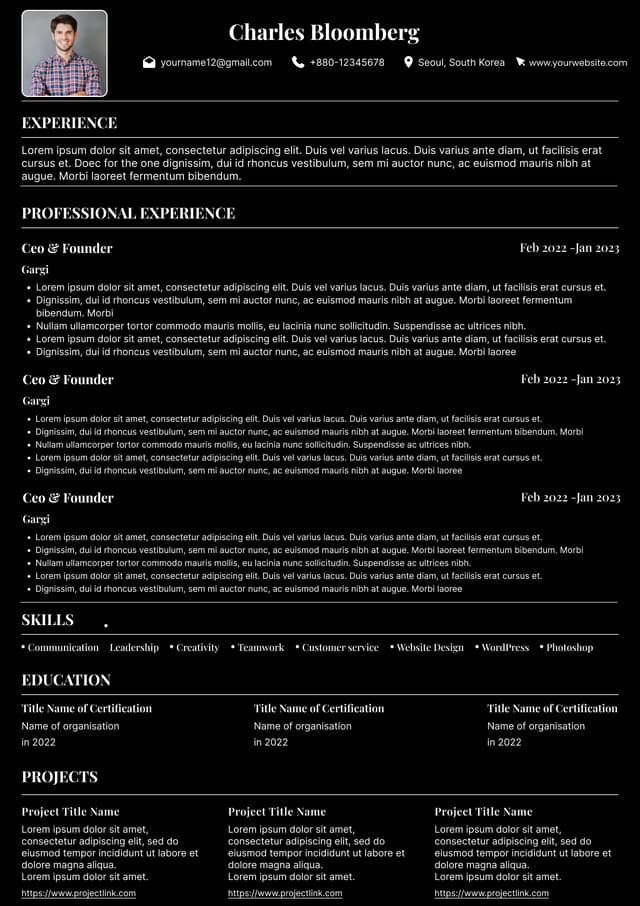
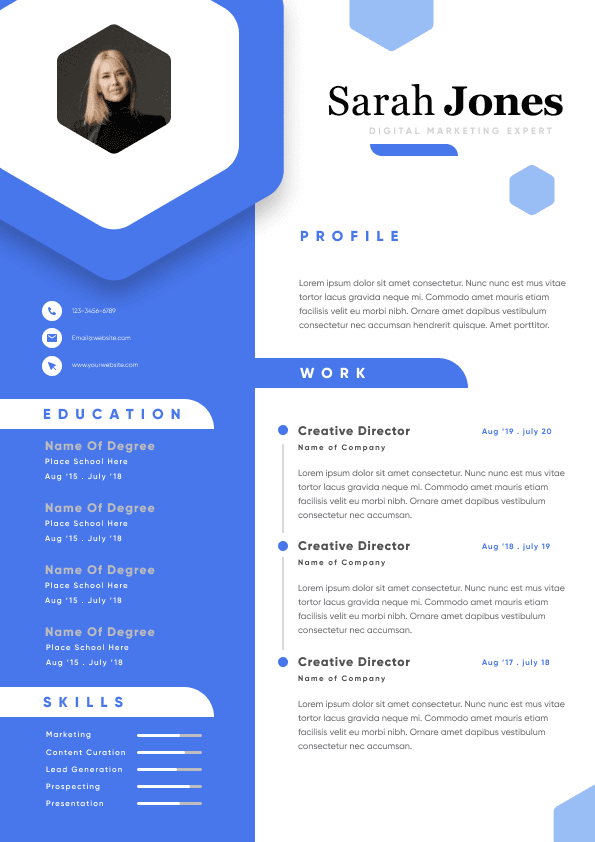
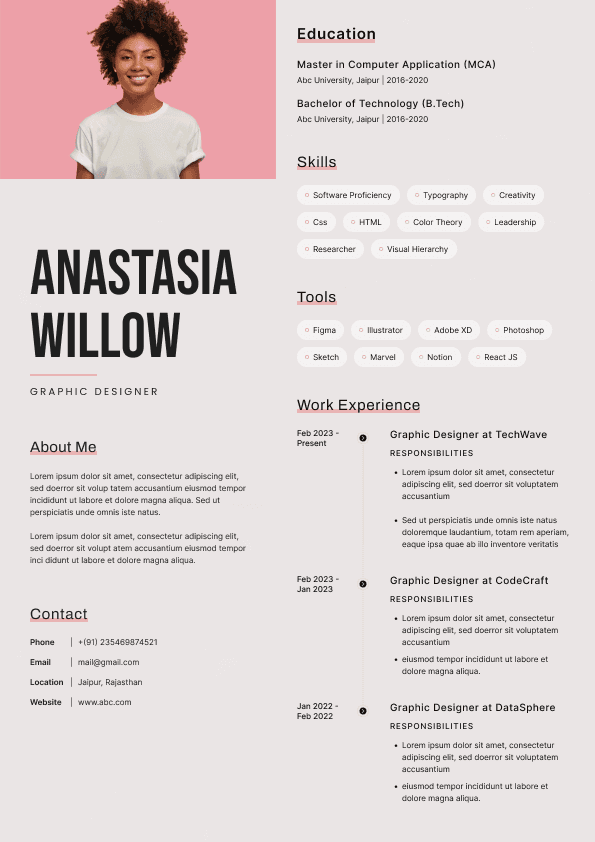
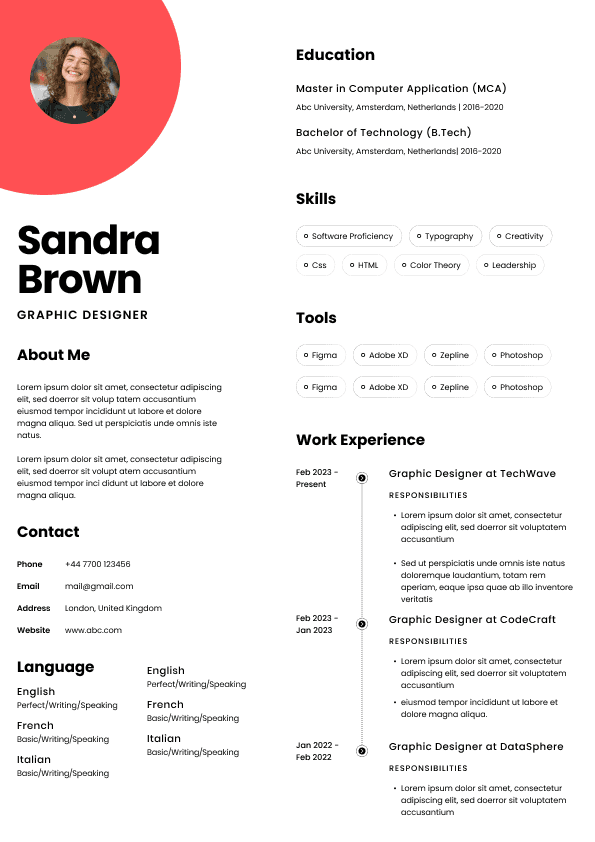
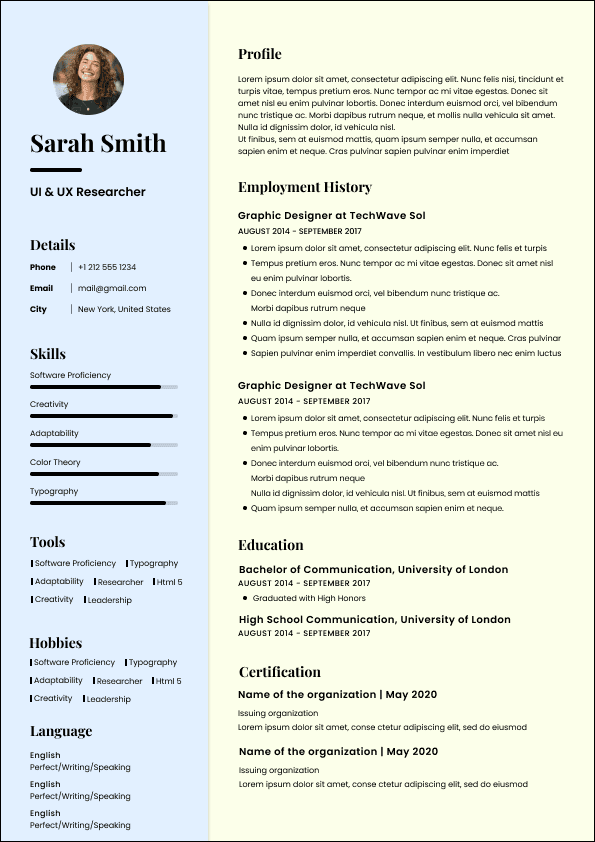
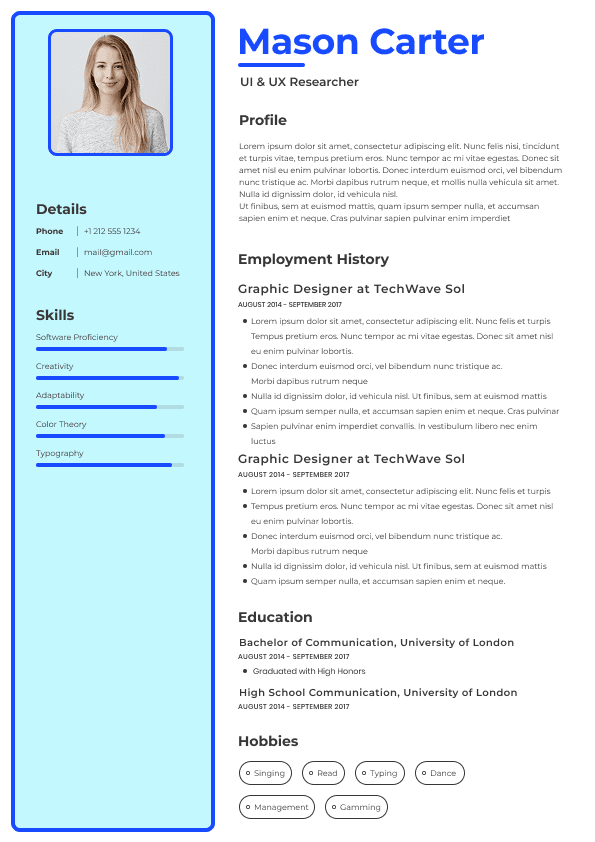
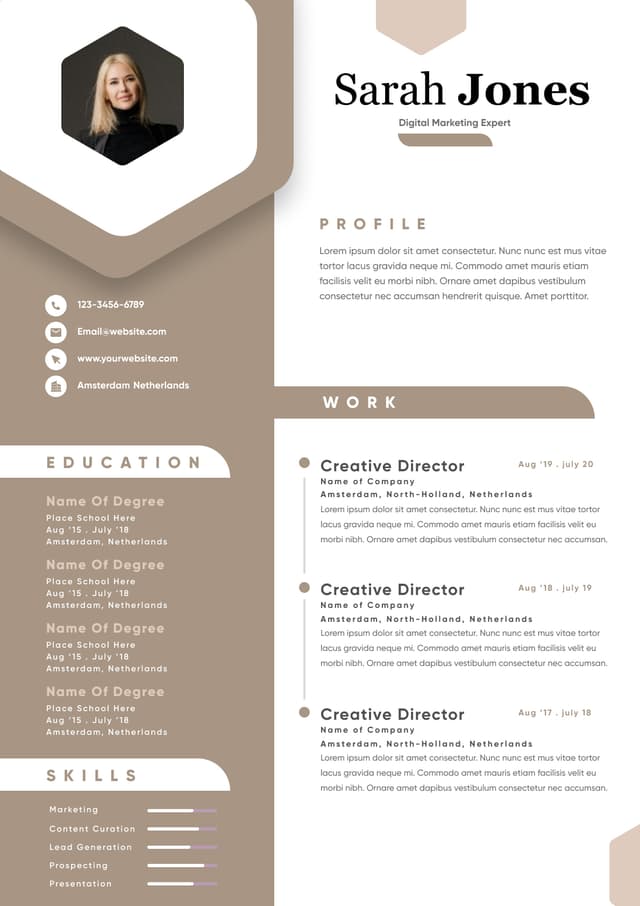
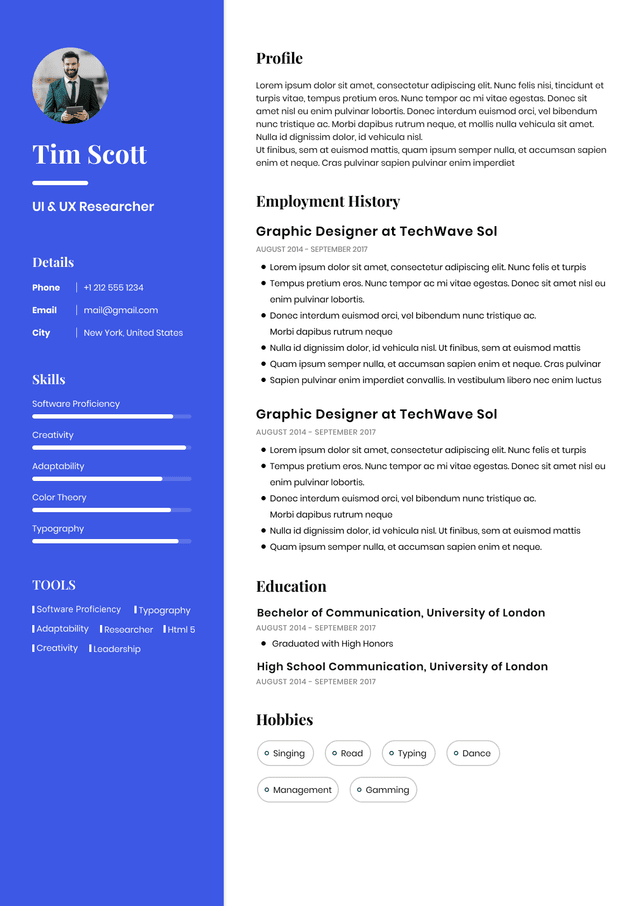
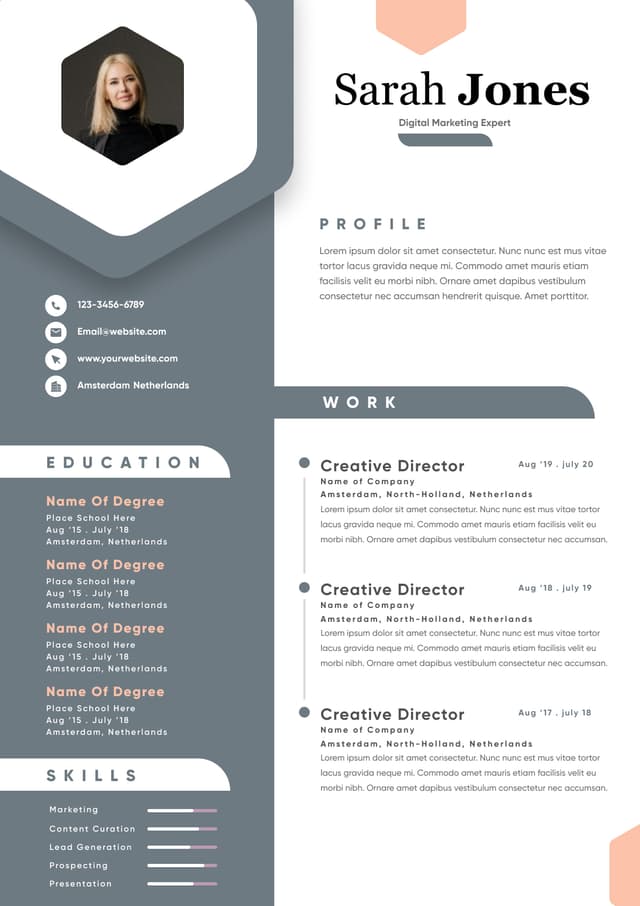
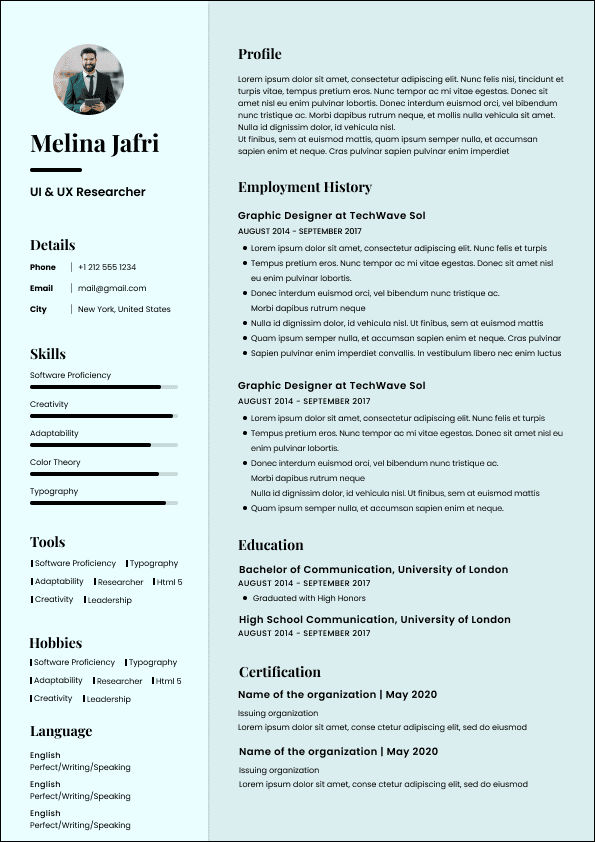
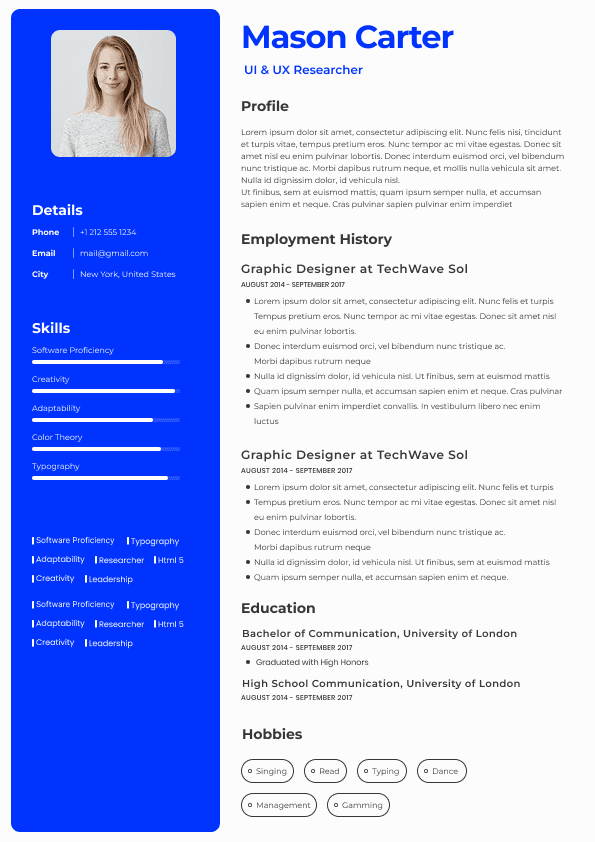
Choose from a wide range of NEWCV resume templates and customize your NEWCV design with a single click.
FAQ


Most JavaScript developer resumes fail for one reason: they describe technologies instead of proving impact.
Recruiters and engineering managers are not impressed by long lists of frameworks, vague frontend claims, or generic phrases like “worked on web applications.” They want evidence that you can build, improve, debug, scale, and ship production software in a modern JavaScript environment.
The biggest resume mistakes usually fall into three categories:
Weak technical positioning
Poor business impact communication
ATS and readability problems
A strong JavaScript developer resume shows exactly how you used React, Node.js, TypeScript, APIs, testing frameworks, Git workflows, performance optimization, accessibility standards, and deployment practices to solve real problems.
Whether you are applying for frontend, React, Node.js, full stack, Vue, Angular, or Next.js roles, your resume needs to match how modern engineering teams actually evaluate candidates.
This guide breaks down the most damaging JavaScript developer resume mistakes, why they hurt your chances, and how to fix them strategically.
This is the most common failure point on JavaScript developer resumes.
Many candidates write responsibilities instead of outcomes.
Recruiters scan resumes quickly. Engineering managers scan even faster. If your bullets read like a task list, your experience blends in with thousands of other applicants.
Weak Example
Worked on websites using JavaScript and React
Responsible for frontend development
Built APIs for applications
Collaborated with developers
These bullets communicate almost nothing.
They do not explain:
What you built
Which technologies you used
How complex the work was
What business problem you solved
Whether your work improved performance, revenue, UX, reliability, or scalability
Engineering teams want signals of execution and ownership.
Strong resumes answer questions like:
Did this developer improve application performance?
Can they work in production systems?
Have they shipped customer-facing features?
Do they understand APIs, testing, deployment, and debugging?
Can they collaborate inside real engineering workflows?
Good Example
Built reusable React and TypeScript component library used across 12 internal applications, reducing frontend development time by 35%
Optimized Next.js application performance, improving Core Web Vitals and reducing page load time from 4.8s to 1.9s
Developed Node.js REST APIs supporting 150K+ monthly users with 99.95% uptime
Increased Jest test coverage from 42% to 87%, reducing production bugs by 31% over two release cycles
The difference is immediate.
Specific technologies plus measurable impact create credibility.
Another major mistake is dumping technologies into a skills section without showing how they were used.
Recruiters see this constantly:
React
Node.js
MongoDB
TypeScript
Docker
AWS
GraphQL
Anyone can copy keywords from a job description.
What matters is whether your experience section proves real usage.
Technical hiring managers are trained to spot inflated resumes quickly.
If you list advanced technologies without evidence, you create skepticism instead of confidence.
This becomes even more damaging during interviews because candidates often cannot explain:
State management decisions
API architecture
Component optimization
Testing strategy
Deployment pipelines
TypeScript implementation choices
Authentication flows
Database relationships
Once credibility drops during screening, interview conversion rates collapse.
Tie technologies directly to implementation outcomes.
Instead of:
Write:
Instead of:
Write:
Specificity separates real engineers from keyword-stuffers.
One of the fastest ways to weaken a JavaScript developer resume is writing technical bullets with no impact metrics.
Hiring teams care about outcomes.
Even highly technical engineering environments still evaluate business value.
Strong engineering resumes commonly include:
Performance improvements
Page speed optimization
Conversion increases
Bug reduction
Test coverage growth
Deployment frequency
User scale
Uptime metrics
Accessibility compliance
API response time improvements
SEO performance improvements
Infrastructure cost reductions
Weak Example
Good Example
The second bullet demonstrates:
Technical depth
Optimization knowledge
Tooling familiarity
Business impact
Performance awareness
That is what recruiters and engineering managers want.
Many JavaScript developers underestimate how heavily ATS filtering affects early-stage screening.
If your resume lacks relevant technical keywords, recruiters may never even see it.
Candidates often forget role-specific technologies such as:
React.js
Next.js
Vue.js
Angular
Node.js
Express.js
TypeScript
GraphQL
REST APIs
Jest
Cypress
Webpack
Docker
AWS
CI/CD
ATS systems do not always interpret abbreviations correctly.
For example:
“JS” instead of “JavaScript”
“TS” instead of “TypeScript”
“React” without “React.js”
“API development” without “REST API”
Strong resumes naturally mirror technical terminology used in the target posting.
If the job description emphasizes:
Server-side rendering
Component architecture
Accessibility
Unit testing
API integrations
CI/CD pipelines
Your resume should reflect those exact concepts when truthful and relevant.
This mistake destroys interview performance.
Many developers believe adding more frameworks increases interview chances.
Usually the opposite happens.
If you list a technology, interviewers assume you can discuss:
Architecture decisions
Debugging approaches
Tradeoffs
Performance implications
Testing practices
Real implementation experience
If you cannot answer basic questions about a listed tool, trust collapses immediately.
Common examples include:
Listing Kubernetes after watching tutorials
Adding AWS with no production usage
Claiming GraphQL expertise after one small project
Including advanced React optimization concepts without real experience
Listing multiple frontend frameworks superficially
Engineering interviews are specifically designed to expose exaggeration.
Depth beats breadth.
It is far better to show strong React and TypeScript expertise than weak exposure to 20 frameworks.
Prioritize:
Production experience
Real implementations
Measurable contributions
Technical ownership
Strong specialization converts better than shallow keyword stacking.
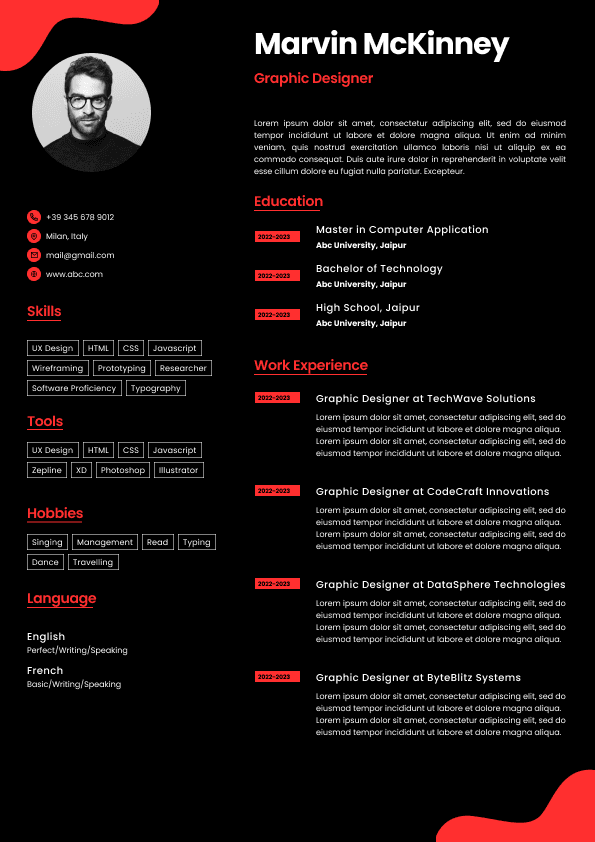
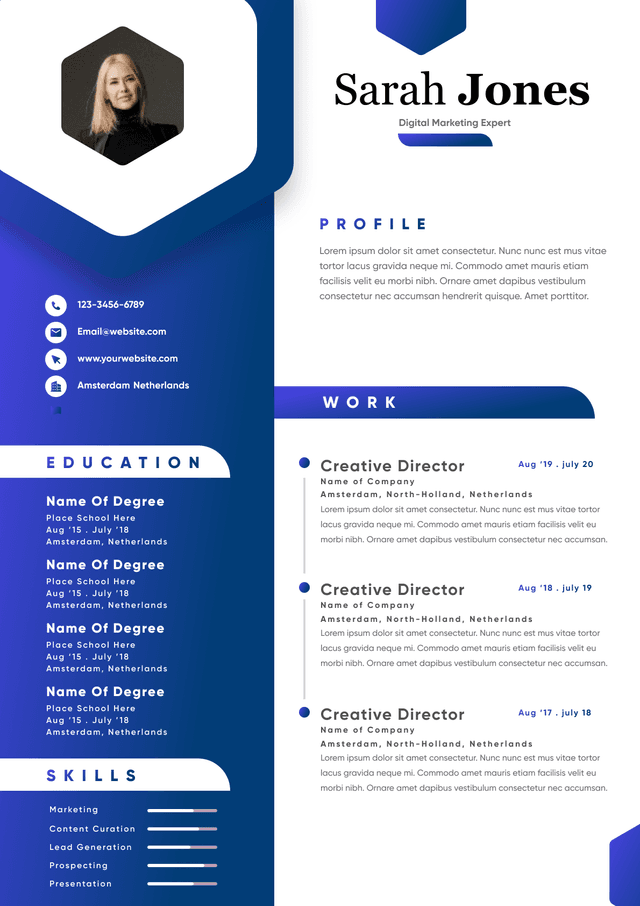
Some JavaScript developers overdesign resumes because they work in tech.
That is a major mistake.
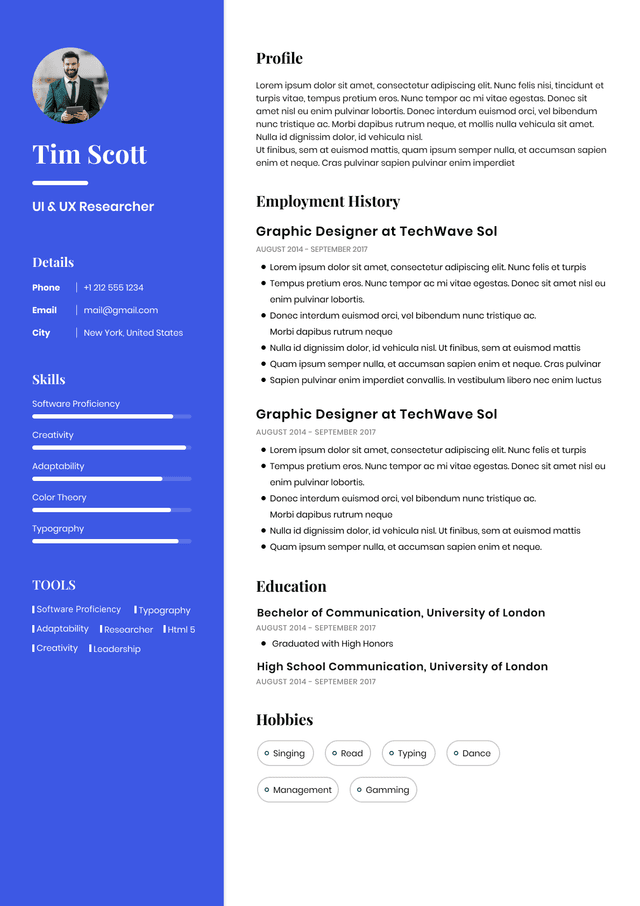
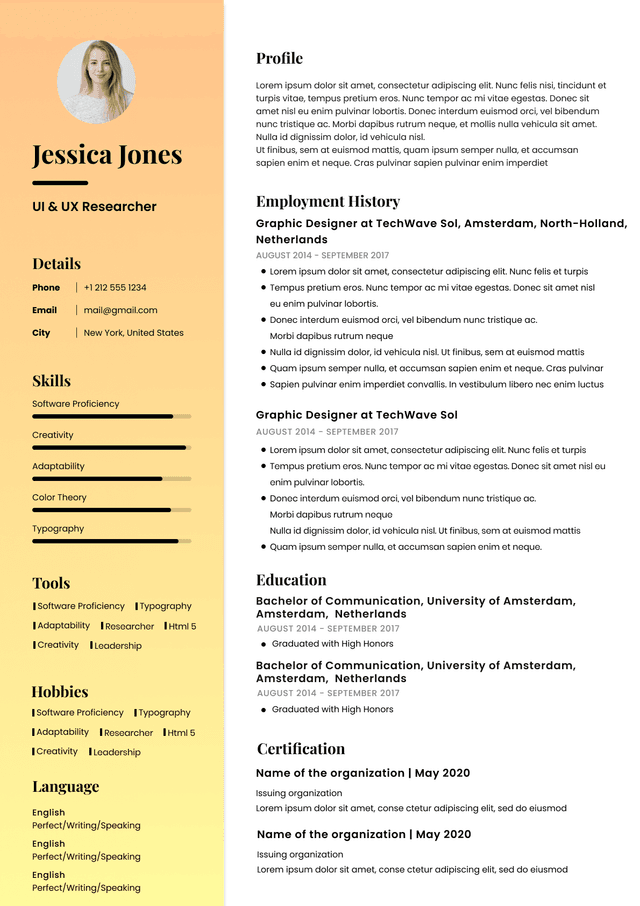
Highly stylized resumes often break ATS parsing systems.
ATS systems frequently misread:
Dates
Skills
Company names
Job titles
Avoid:
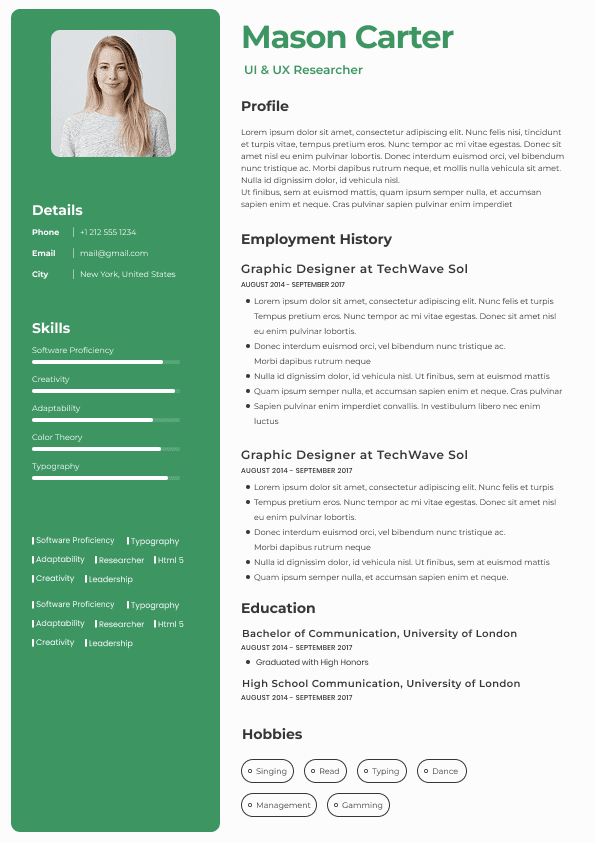
Skill bars
Icons
Infographics
Charts
Complex visual elements
Recruiters care more about readability than design creativity.
Engineering resumes should prioritize:
Fast scanning
Clear hierarchy
Technical clarity
ATS compatibility
Keep formatting clean and simple:
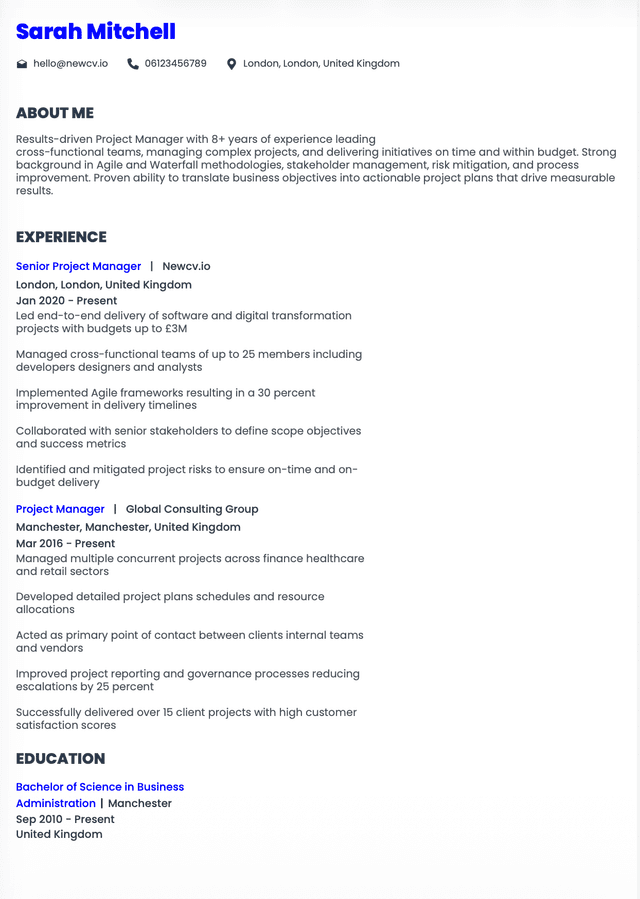
Single-column layout
Standard section headers
Clear dates and titles
Consistent bullet formatting
Easy-to-scan spacing
Black text on white background
The goal is readability, not artistic design.
A frontend React role and a Node.js backend role require different positioning.
Many candidates use the same resume for every application.
That weakens relevance immediately.
Recruiters screen for alignment first.
If the role is heavily focused on:
React architecture
UI performance
Accessibility
Component systems
But your resume emphasizes backend APIs, you create mismatch.
Likewise, Node.js backend roles prioritize:
API design
Database work
Authentication
Scalability
Microservices
Server performance
Generic resumes reduce interview conversion because they fail to match hiring intent.
Emphasize:
Component architecture
Hooks
State management
Performance optimization
Accessibility
Responsive UI development
Frontend testing
Highlight:
REST APIs
Authentication
Database integration
Caching
Microservices
API performance
Backend scalability
Balance:
Frontend architecture
Backend systems
Database work
Deployment pipelines
Cross-functional ownership
Role alignment dramatically improves recruiter response rates.
For junior JavaScript developers, projects often matter more than formal experience.
Many entry-level resumes fail because they provide no proof of practical coding ability.
Recruiters are not expecting enterprise-scale experience from junior candidates.
They are looking for evidence that you can:
Build applications independently
Learn modern tooling
Solve problems
Write maintainable code
Use Git workflows
Deploy projects
A GitHub link alone is weak if nothing is deployed.
Hiring managers recognize copied tutorial apps immediately.
Unclear repositories create friction for reviewers.
Projects should demonstrate:
API integration
Authentication
State management
Responsive UI
Deployment
Error handling
Testing
Good project bullets include:
Built full stack task management app using React, Node.js, MongoDB, and JWT authentication with real-time updates via Socket.io
Developed e-commerce frontend with Next.js and Stripe integration, deployed on Vercel with Lighthouse score above 90
Created accessibility-compliant React dashboard supporting keyboard navigation and screen readers
Projects should look like real software, not tutorial exercises.
A surprising number of JavaScript resumes ignore testing entirely.
That is a mistake because modern engineering teams heavily value maintainability and reliability.
Hiring managers want developers who can:
Prevent regressions
Debug production issues
Write maintainable code
Support long-term scalability
Candidates who only discuss feature development often appear junior, even with years of experience.
Strong resumes mention:
Jest
Cypress
React Testing Library
Unit testing
Integration testing
End-to-end testing
Debugging workflows
Error monitoring
Logging tools
This signals engineering maturity immediately.
Technical execution alone is not enough for strong resume positioning.
The best JavaScript developer resumes connect engineering work to business outcomes.
Engineering managers are evaluated on outcomes.
They care about:
Revenue
Conversion rates
Customer retention
Performance
Reliability
Scalability
User experience
Developers who understand business impact appear more senior and more promotable.
Business-aware engineering bullets consistently outperform purely technical descriptions.
Recruiters scan resumes quickly.
Dense paragraphs reduce readability and hide valuable information.
When resumes are difficult to scan:
Important achievements get missed
Technical depth becomes unclear
Recruiters move on faster
Engineering resumes should prioritize fast information extraction.
Each bullet should ideally include:
Action taken
Technologies used
Scope or complexity
Business or technical impact
This structure works because it communicates value rapidly.
Many resumes still emphasize outdated frontend skills without modern ecosystem relevance.
That weakens competitiveness immediately.
Examples include:
Heavy jQuery emphasis
No framework experience
No TypeScript exposure
No API integration work
No testing tools
No deployment workflows
No Git collaboration experience
Modern JavaScript hiring expects ecosystem familiarity.
Strong candidates usually demonstrate experience with:
React, Vue, Angular, or Next.js
TypeScript
REST APIs or GraphQL
Git workflows
CI/CD pipelines
Testing frameworks
Cloud deployment
Responsive development
Accessibility standards
Even if your experience is older, your resume should reflect modern tooling exposure wherever legitimate.
The strongest JavaScript developer resumes do five things consistently:
Show measurable technical impact
Match the target role precisely
Demonstrate real implementation depth
Use ATS-friendly formatting and keywords
Prove business value alongside engineering skill
Recruiters are not looking for candidates who know every framework.
They are looking for developers who can solve problems, communicate technical contributions clearly, and operate effectively inside modern engineering teams.
If your resume explains exactly what you built, how you built it, why it mattered, and what improved because of your work, your interview conversion rate will improve dramatically.
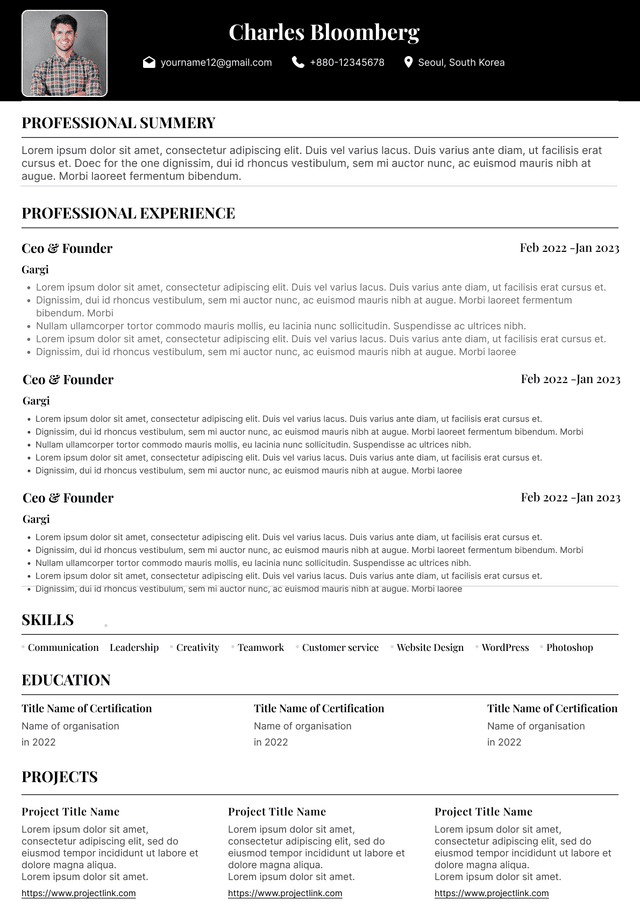
Use ATS-optimised Resume and resume templates that pass applicant tracking systems. Our Resume builder helps recruiters read, scan, and shortlist your Resume faster.

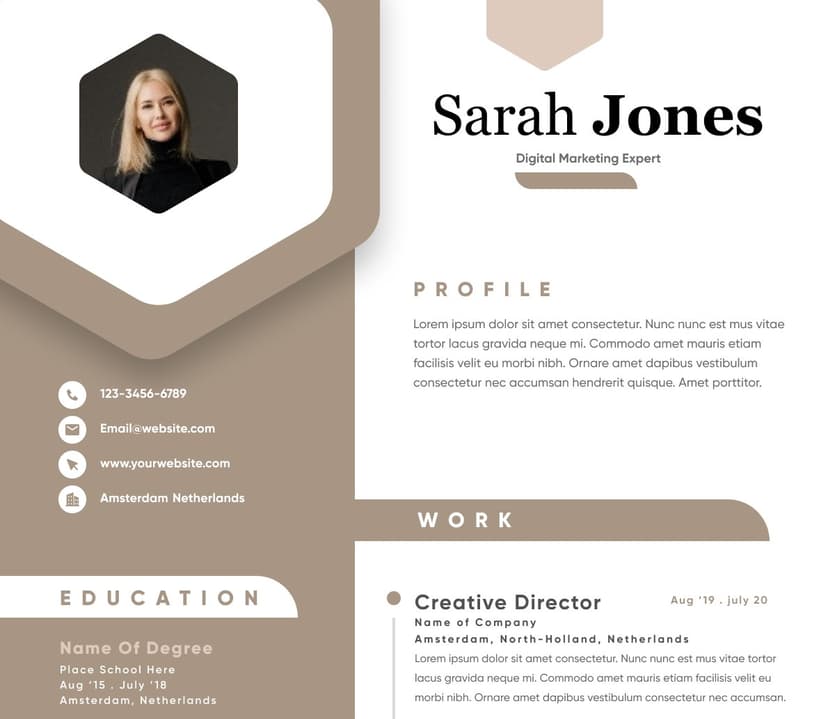
Use professional field-tested resume templates that follow the exact Resume rules employers look for.
Create Resume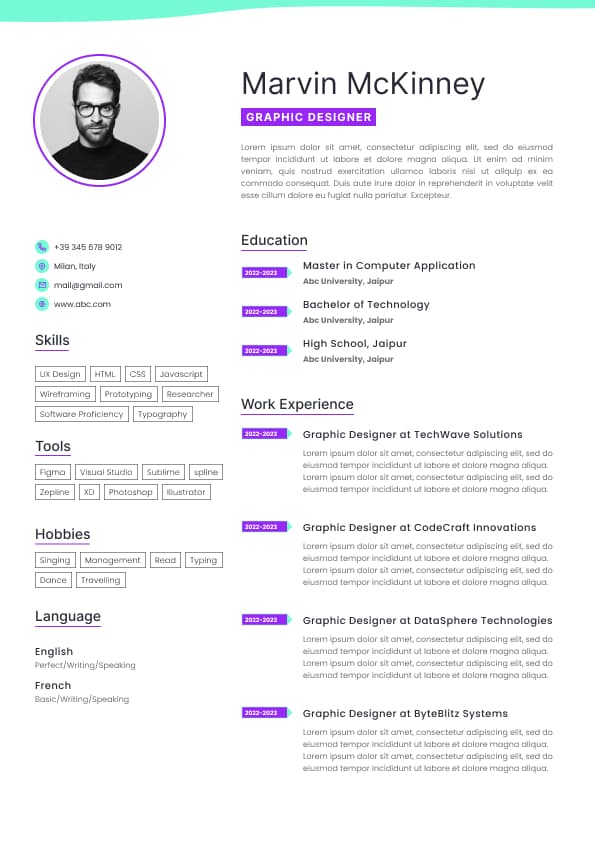
Use professional field-tested resume templates that follow the exact Resume rules employers look for.
Create Resume


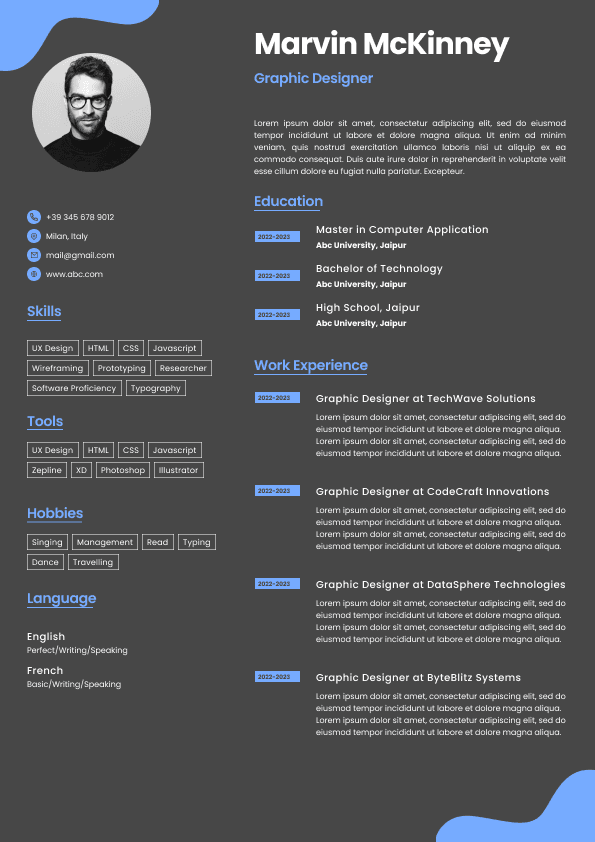
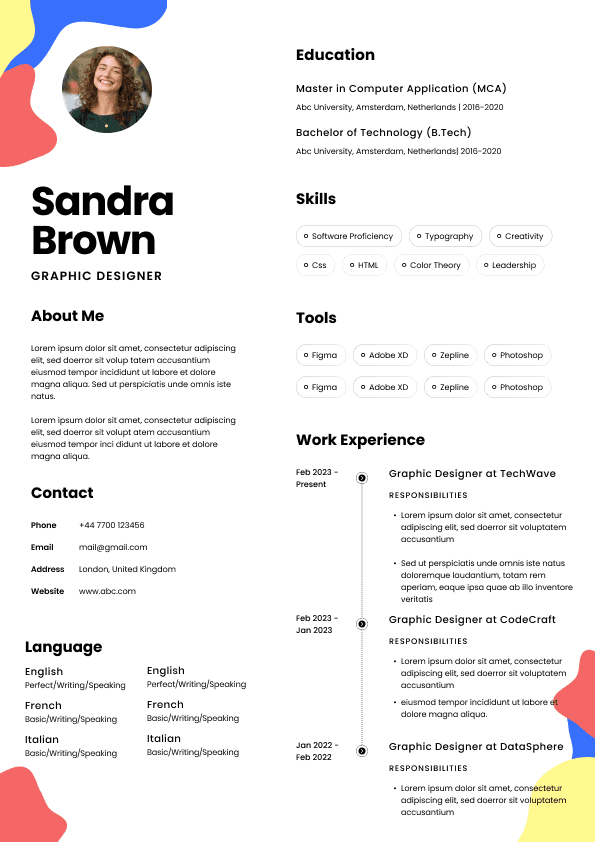

 Upload Resume
 Import from Linkedin